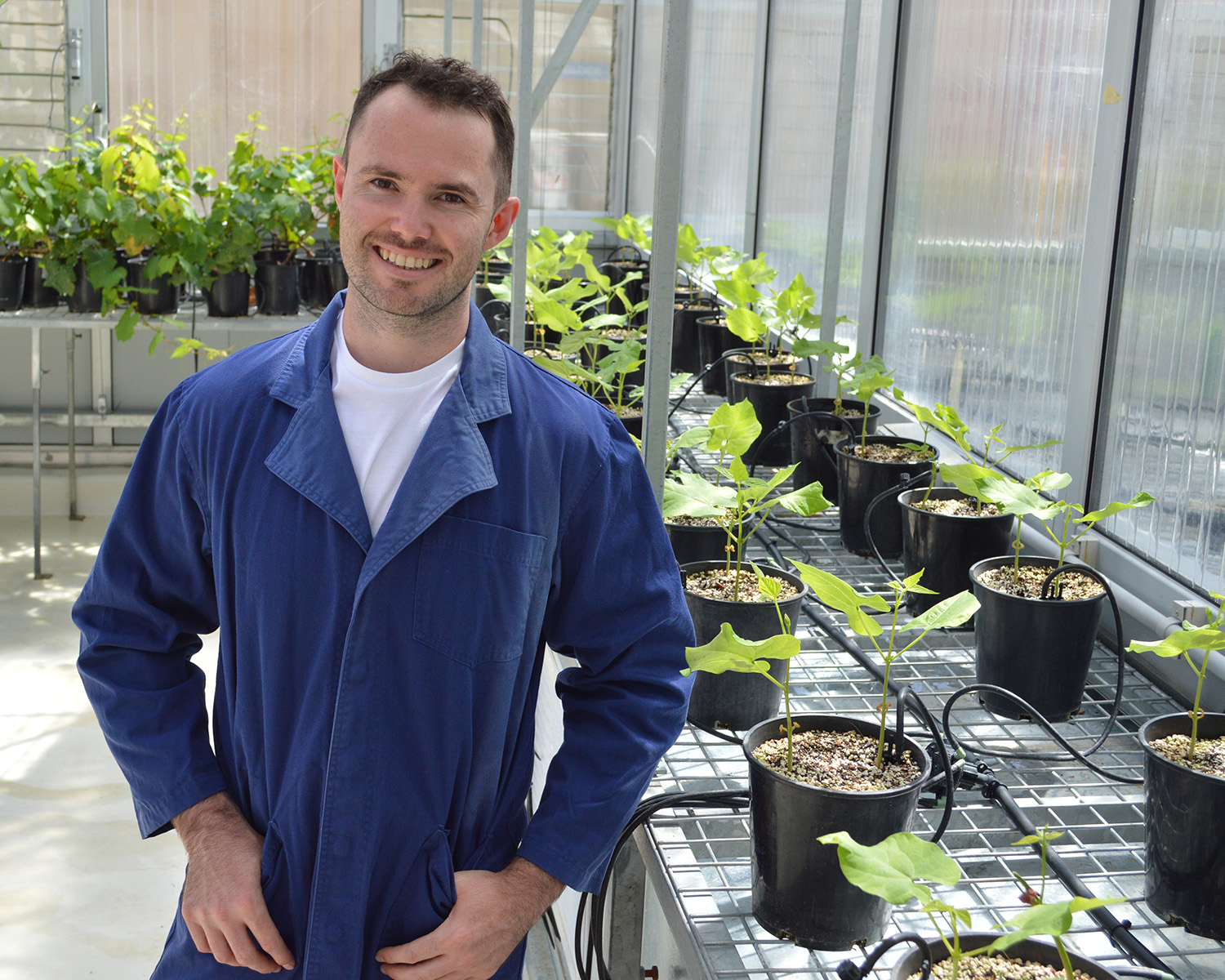
Wen Huang is an Associate Professor at the Michigan State University , affiliated with the BioMolecular Science Gateway Faculty and the Genetics & Genome Sciences Program . His research integrates genetics, genomics, and bioinformatics to study complex traits in Drosophila melanogaster and livestock species. Research Interests : Elucidating genetic architectures of quantitative traits Transposon dynamics and alternative splicing regulation Livestock genomics for agricultural improvement Publication Trends : Recent work focuses on genome-wide association studies (GWAS), telomere-to-telomere assemblies, and multi-omic analyses of gene regulation in pigs and Drosophila . Collaborative Initiatives : Co-leads large-scale projects like FarmGTEx and RT2T Consortium, aiming to improve functional annotation of animal genomes.
Karen Carleton is a Professor in the Department of Biology at the University of Maryland, specializing in the evolution of visual systems and sensory communication in vertebrates. Her research focuses on African cichlid fishes and other species, exploring how natural and sexual selection shape visual adaptations. She teaches courses such as BSCI 207 (Principles of Biology III), BSCI 338C (Genomics of Sensory Systems), and PHYS 131 (Fundamentals of Physics for Biologists). Her work integrates genetics, ecology, and genomics to understand the mechanisms underlying visual tuning and spectral sensitivity. Key research interests include the evolution of phototransduction proteins, opsin gene expression plasticity, and the role of transposable elements in diversification. She is affiliated with the Graduate Program in Physiological Systems (PSYS), Behavior, Ecology, Evolution, & Systematics (BEES), and Molecular & Cellular Biology (MOCB) at the University of Maryland. Her lab, the Carleton Lab, investigates topics such as color vision in deep-sea fish and visual adaptation in nocturnal species. Recent publications highlight her contributions to understanding genomic mechanisms driving sensory evolution, including studies on cichlid diversity, opsin gene regulation, and visual adaptation in extreme environments. She has been recognized with Faculty Honors & Awards (2023) and contributes to interdisciplinary education initiatives, such as UMD's Grand Challenge courses on Global Change.
Dr. Joseph Pegler is a Lecturer in molecular plant biology at the School of Environmental and Life Sciences, University of Newcastle. His research focuses on improving crop yields under abiotic stress through understanding plant genetic and molecular responses, particularly involving microRNA pathways and nutrient transport. He holds a PhD in Biological Sciences from the University of Newcastle and has received awards including the 2024 Early Career Researcher Excellence Award and the 2021 Fulbright Future Scholarship. Education Doctor of Philosophy (Biological Sciences), University of Newcastle Bachelor of Biotechnology (Honours), University of Newcastle Bachelor of Biotechnology, University of Newcastle Research Interests Dr. Pegler’s work addresses food security challenges via molecular mechanisms in plants, including RNA silencing, abiotic stress responses, and sugar transport pathways. He explores how microRNAs regulate plant adaptation to environmental stressors like drought, salinity, and heavy metals. His research also extends to optimizing cannabinoid production in Cannabis sativa and enhancing crop resilience through genetic manipulation. Teaching & Service He teaches courses in plant adaptation, biochemistry, and molecular genetics, and holds administrative roles such as Deputy Program Convenor for the Bachelor of Biotechnology and College of Engineering, Science and Environment Board member. He has received multiple teaching awards, including the 2024 Teaching Excellence Award (Highly Commended). Funding & Grants Dr. Pegler has secured over $238,891 in grants, including funding for studies on environmental pollutants and plant-based solutions like Moringa’s PFAS sequestration. Recent grants include the 2024 Hunter Medical Research Institute project and an Australian Academy of Science grant. Collaborations His international collaborations include work at the University of Minnesota (Fulbright Fellowship) and research on cannabis at the University of Newcastle. He actively engages in interdisciplinary projects, emphasizing cross-sector solutions to global challenges.
Wim van der Putten is a Professor in Functional Biodiversity at Wageningen University & Research and Head of the Department of Terrestrial Ecology at the Netherlands Institute of Ecology (NIOO-KNAW). He holds an honorary professorship at the Chinese Academy of Agricultural Sciences. His research focuses on climate change, land use dynamics, and soil biodiversity. He graduated from Wageningen University in 1984 and completed his PhD in 1989 on coastal dune ecosystems. He has led major projects like the Global Soil Biodiversity Initiative and the EU-funded EcoFinders and Liberation programs. His work bridges fundamental research with practical applications, such as soil health monitoring and ecosystem restoration. Key achievements include ERC and VICI grants, co-authoring the European and Global Soil Biodiversity Atlases, and chairing initiatives like the Heineken Environment Prize. His recent studies explore soil microbial communities, organic farming transitions, and biodiversity responses to global changes. He emphasizes sustainable land management, advocating for 'productive deintensification' in agriculture.
Prof Benjamin Schwessinger is a Professor at the Australian National University (ANU), affiliated with the Division of Plant Sciences. His research focuses on plant pathogens, fungal genomics, and the evolutionary dynamics of pathogen adaptation. Key areas include understanding rust fungi biology, host-pathogen interactions, and structural genomic variations in plants like Eucalyptus. He has pioneered methodologies for high-throughput protein secretion optimization in yeast and developed diagnostic tools for invasive pathogens such as Austropuccinia psidii (myrtle rust). Research Interests: Plant-microbe interactions and immunity Fungal genomics and sexual recombination mechanisms Evolving pathogen populations in agricultural systems Genomic tools for disease surveillance and biosecurity His recent work explores the genomic basis of pathogen adaptation, including studies on wheat stripe rust and myrtle rust. Collaborations span fungal pathogenomics, eucalyptus structural genomics, and yeast biotechnology. He leads multiple projects funded by ANU and ARC, including the Plant Biosecurity Training Centre. His lab emphasizes reproducible research practices and early career researcher development. Key projects include: Digital yeast bioprospecting for non-alcoholic beer production Surveillance of airborne pathogens in Australian Botanic Gardens Genome evolution of cereal rust fungi Labs/Teams: Core member of ANU's Plant Biosecurity Group and collaborator in the ARC Training Centre in Plant Biosecurity.
Jinchuan Xing is a Professor at Rutgers, The State University of New Jersey, where he leads the Xing Lab of Genomics. His research focuses on human genomic variation, mobile DNA elements, evolutionary and population genetics, and their implications for human disease. He integrates computational and experimental methods to study genome-wide variation, with applications in disease gene identification and genomic technology development. His research interests include: Mobile DNA element biology Human demographic history and population diversity Disease gene identification using whole-exome and whole-genome sequencing High-altitude adaptation genetics Transposable element regulation and expression piRNA and small RNA pathways His recent publications highlight a strong trend in reproductive genomics, particularly in identifying genetic risk factors for embryo aneuploidy in IVF patients, using advanced sequencing technologies. Other work spans evolutionary genomics in diverse species (bats, moths, Drosophila), structural variation in neurodevelopmental disorders, and proteogenomic discovery. His lab actively develops and applies bioinformatic tools for variant analysis and gene prioritization. Scientific awards and honors are not explicitly mentioned in the provided text. Jinchuan Xing advises several graduate students, including Nan Wang, Siqi, Ellie Lu, and Tongji Xing. His lab has received significant funding, including an R01 grant from NICHD on aneuploidy risk, a grant from the Center for Human Evolutionary Studies, and a Life Sciences Alliance Pilot Seed Funding grant in collaboration with the Department of Statistics. These grants support research in fertility genomics, disease gene discovery, and genomic tool development. The Xing Lab of Genomics is an active research group conducting interdisciplinary studies combining genomics, bioinformatics, and molecular biology. The lab welcomes new members regularly, including master’s and PhD students, and collaborates across departments. Current projects include understanding the genetic basis of meiosis, fertility, and high-altitude adaptation, as well as developing Markovian gene networks for disease gene discovery.
Joseph Strauss is a Full Professor at the University of Natural Resources and Life Sciences Vienna (BOKU), leading the Institute of Microbial Genetics. With a career spanning over three decades, he has focused on fungal genetics, epigenetics, and bioactive metabolite discovery, particularly in filamentous fungi and pathogens. His work bridges fundamental research with applications in agriculture, medicine, and environmental biotechnology. Research Focus: Epigenetic regulation of fungal secondary metabolism, chromatin dynamics, bioactive compounds, nitrate signaling, and microbial interactions. Projects: Leads multiple grants from Austrian Science Fund (FWF), European Commission, and industry partners, including studies on chromatin engineering, fungal biotechnology, and toxin biosynthesis. His recent publications highlight advancements in chromatin proteomics, fungal pathogenicity, and novel bioactive molecules like luteapyrone and rasfonin. Articles emphasize broad disciplines such as Fungal Genetics, Epigenetics, and Natural Product Discovery, with subfields including secondary metabolite clusters, histone modifications, and stress response mechanisms. Scientific Awards: 2021 - Keratinophyton straussii fungal species named after him 1999 - START Preis 1995 - EMBO Stipendium 1994 - OTTO LOEWI Stipendium He has supervised over 69 theses and contributed to 186 publications, reflecting his leadership in fungal genomics and its applications. Projects like 'Bioaktive Mikrobielle Metaboliten' and 'TASSMATA' underscore his commitment to translating research into sustainable solutions.
Zamin Iqbal is a Professor of Algorithmic and Microbial Genomics at the Department of Life Sciences, Milner Centre for Evolution, University of Bath. His office is located in MILNER CENTRE 1.25, and he is currently accepting doctoral students for supervision. His research expertise spans multiple areas of microbial genomics, with particular focus on plasmid biology, antibiotic resistance mechanisms, and computational approaches to genomic analysis. His work contributes to understanding bacterial evolution, pathogenesis, and transmission dynamics of clinically important pathogens like Klebsiella pneumoniae and Mycobacterium tuberculosis . Professor Iqbal's recent publications demonstrate a strong trend toward developing computational methods for microbial genome analysis, with emphasis on plasmid epidemiology, phylogenetic compression algorithms, and metagenomic analysis. His work bridges the gap between theoretical computer science and practical microbiological applications, particularly in tracking antibiotic resistance transmission. His research contributes to multiple UN Sustainable Development Goals related to health and well-being. The fingerprint analysis of his work shows strong concentrations in plasmid research (100%), genomics (60%), Mycobacterium tuberculosis (45%), whole genome sequencing (43%), and related fields including metagenomics, serotyping, and antibiotic resistance mechanisms. Professor Iqbal maintains active collaborations across multiple international institutions, as evidenced by his co-authorship on studies involving researchers from numerous countries. His work has garnered attention across academic social media platforms, with multiple posts on X (formerly Twitter) and Bluesky, and has been referenced in Wikipedia pages related to his research areas.
Christian Schlötterer is a Full Professor of Population Genetics at the University of Veterinary Medicine Vienna (Vetmeduni Vienna). He serves as head of the Institute of Population Genetics and founded the Vienna Graduate School of Population Genetics, which he has led for over 10 years. His research focuses on experimental evolution, molecular adaptation, and genetic architecture of traits in Drosophila populations. His laboratory investigates Mechanisms of adaptation to temperature regimes using experimental evolution and NGS Gene expression regulation (cis-, trans-effects, sex-biased expression) Comparative analysis of pigmentation and temperature stress resistance via Pool-GWAS Evolutionary dynamics of repetitive DNA, transposable elements, and orphan genes Inference of selection from population genomic data Current research projects are funded by ERC Advanced Grant ARCHADAPT FWF grants (P33734, P29133, P32935, etc.) Translational research in cattle and ecological-genomic studies in Brassicaceae Laboratory team includes PhD students Scientific assistants Technical assistants
Judith Korb is a Professor at the University of Freiburg, working within the Institute of Biology I in the department of Evolutionary Biology and Animal Ecology. She leads the Korb Lab, which focuses on social insects, particularly termites, examining their evolution, ecology, and sociobiology. Her research spans multiple areas of evolutionary biology and social insect behavior, with a particular emphasis on termite societies. Dr. Korb has made significant contributions to understanding social evolution, caste differentiation, reproductive division of labor, and the molecular mechanisms underlying social behavior in termites. Her work explores the exceptional longevity of social insect queens, termite mound architecture, chemical communication in social insects, and the genomic basis of eusociality. Dr. Korb's research combines field studies in Africa with molecular and genomic approaches to unravel the complexities of social insect biology. Dr. Korb's publication record demonstrates consistent scientific productivity, with numerous high-impact papers in leading journals across evolutionary biology, ecology, and genomics. Recent work has focused on the genomic basis of social evolution, aging in social insects, and termite ecology, revealing important insights into how sociality reshapes fundamental biological processes like aging and development. Over 200 publications including high-impact papers in Nature Ecology and Evolution, PNAS, and Philosophical Transactions of the Royal Society B Contributor to authoritative references including the Encyclopedia of Social Insects Extensive international collaborations across Europe, Africa, and North America Dr. Korb has supervised numerous students and collaborated extensively with researchers worldwide, contributing significantly to our understanding of social evolution in termites and other insects. Her laboratory employs a range of methodological approaches, including behavioral observations, molecular techniques, genomic analyses, and field ecology to investigate the evolution and maintenance of sociality in insects.
Daniel L. Hartl is the Higgins Professor of Biology and Professor in the Department of Immunology and Infectious Diseases at Harvard University. His research focuses on the intersection of evolutionary biology and genomics, particularly studying organismal evolution, systems dynamics, and speciation. He employs model organisms like fruit flies, nematodes, yeast, and bacteria, alongside public health-relevant parasites such as the malaria parasite. His lab utilizes advanced molecular, statistical, and computational methods for genetic analysis. Affiliations: Harvard University, Department of Immunology and Infectious Diseases, Organismic and Evolutionary Biology (OEB). Key Projects: Malaria parasite genomics, drug resistance mechanisms, and evolutionary dynamics in microbial systems. Research interests emphasize genetic surveillance of malaria in Senegal, parasite transmission patterns, and the genetic basis of drug resistance. His work bridges basic science and public health, contributing to malaria elimination strategies globally. Hartl has been recognized with prestigious awards, including the 2019 Thomas Hunt Morgan Medal for his contributions to genetics. Lab Members: Includes researchers like Tulika Deb and Bridget Power, focusing on computational genomics and epidemiological modeling. His lab actively collaborates with institutions worldwide, publishing on topics ranging from transposable element evolution to the historical contributions of Mendel and Lewontin. Hartl also contributes to educational materials such as textbooks like Biology: How Life Works and Essential Genetics and Genomics .
Cory Hirsch is an Associate Professor & Interim Department Head in the Department of Plant Pathology at the University of Minnesota , located in the College of Food, Agriculture and Natural Resource Sciences (CFANS) . His lab focuses on Plant Stress Resistance Biology , leveraging genomic, transcriptomic, and phenomic approaches to understand plant responses to abiotic (e.g., extreme temperatures, salinity) and biotic (e.g., pathogens) stresses. Key research areas include microbiome interactions, pathogen resistance mechanisms, and precision phenotyping. He leads or collaborates on grants from USDA, Minnesota Soybean Council, and the University of Minnesota. Education: PhD and BS in Plant Breeding/Genetics and Biochemistry from the University of Wisconsin-Madison. The Hirsch Lab is based in Stakman Hall , with a focus on translational research bridging basic science and agricultural applications. Research Themes: The lab uses cutting-edge technologies to dissect genomic variation and gene expression dynamics in crops like maize, wheat, and sugar beet. Recent work includes transposable element roles in stress responses, hyperspectral imaging for disease detection, and machine learning for phenotyping. Projects emphasize understanding stress biology to enhance crop resilience. Grants & Collaborations: Notable projects include USDA-funded studies on transposable elements in maize abiotic stress, Minnesota Soybean Council support for soybean disease phenotyping, and collaboration with the Microbial and Plant Genomics Institute. These efforts aim to improve crop productivity and sustainability. Labs & Infrastructure: The lab is equipped with advanced phenotyping tools, including RGB/hyperspectral imaging systems and drone-based platforms. It collaborates with multiple departments and external institutions to advance integrative plant science.
Dr. Henry Paulson is the Lucile Groff Professor of Neurology at the University of Michigan, where he serves as Director of the Michigan Alzheimer’s Disease Center and a Research Professor at the Michigan Neuroscience Institute. His work bridges clinical and basic research in age-related neurodegenerative diseases. Education: MD and PhD from Yale University Postgraduate Training: Clinical Fellowship in movement disorders and neurogenetics at the University of Pennsylvania Health System (1994-1997) Dr. Paulson's research focuses on: Molecular mechanisms of neurodegenerative diseases (Alzheimer's, frontotemporal dementia, hereditary ataxias) Identification of therapeutic targets for fatal neurodegenerative disorders Neuropathological and biomarker studies Recent scholarly trends emphasize: Genetic risk loci mapping via GWAS Proteomic and metallomic analysis of dementia Development of drug-like antibodies for amyloid fibrils Longitudinal studies of ataxia progression Scientific Awards: Landis Outstanding Mentor Award (NIH) Member, National Academy of Medicine Elected Fellow, AAAS Grants and Collaborations: NIH-funded studies on transposable elements in Alzheimer's Multi-institutional projects with Mayo Clinic and University of Chicago Research on metal exposure and dementia trajectories
Nathalie Dostatni is a Professor at Sorbonne University and Research Team Leader at the Curie Institute, affiliated with the Core Dynamics (UMR3664) research unit. She has held senior research positions since 2012, focusing on epigenetic mechanisms that govern cell identity during embryonic development and their implications in cancer biology. Epigenetic plasticity and polarity of the embryo Chromatin dynamics in development Transcriptional regulation by morphogen gradients Genome integrity in germ stem cells Her recent work combines interdisciplinary approaches (genetics, biophysics, and quantitative imaging) to dissect the role of chromatin assembly factors like CAF-1 in heterochromatin formation and the transcriptional precision of morphogens like Bicoid in Drosophila embryos. Publications highlight her contributions to understanding stochastic transcriptional dynamics, sharp gene expression borders, and chromatin-mediated genome stability. Collaborations include biophysicists (M. Coppey at Institut Curie/UMR168, C. Fradin at McMaster University) and theoreticians (A. Walczak at ENS, Paris). Her lab investigates chromatin dynamics in two key contexts: (1) CAF-1's role in meiotic cells and germ stem cells, and (2) Bicoid morphogen gradient interpretation in transcriptional precision. The team utilizes Drosophila as a model organism for genetic and imaging studies.
Eunjung (Alice) Lee, PhD is an Associate Professor in the Division of Genetics and Genomics at Boston Children's Hospital and Harvard Medical School. She serves as a member of the Global Faculty at the University of Cologne, specifically affiliated with their Core Profile Area on Aging-Associated Diseases and the CECAD Cluster of Excellence focused on cellular stress responses in aging-associated diseases. Dr. Lee received her PhD in Bioinformatics from the Korea Advanced Institute of Science and Technology (KAIST), conducting research in integrative systems biology with Trey Ideker at the University of California, San Diego. She completed her postdoctoral training with Peter J. Park at Harvard Medical School. Her educational background combines computational expertise with biological applications, establishing her unique position at the intersection of bioinformatics and disease mechanisms. Dr. Lee's research program centers on elucidating the role of transposable elements and somatic mutations in human pathologies including cancer, aging processes, and neurodegenerative conditions. Her laboratory has pioneered computational methods for analyzing cancer whole genome and single-neuron genome sequencing data, making landmark discoveries about somatic retrotransposition in human cancers and the brain. Her team has demonstrated how transposons influence disease through multiple mechanisms including shaping cancer immunity, generating novel molecules via alternative splicing in human tissues and cancers, and contributing to rare diseases through RNA splicing alterations. Currently, her research focuses on developing intervention strategies targeting these mechanisms and investigating somatic mutation patterns in neurodegenerative conditions using cutting-edge single-cell genomic technologies. Analysis of Dr. Lee's publication record reveals a strategic progression from foundational discoveries about somatic retrotransposition in cancers to increasingly sophisticated investigations of genomic mosaicism across diverse disease contexts. Her work consistently bridges computational innovation with biological insight, with recent publications emphasizing single-cell resolution of somatic mutations in neurodegeneration and DNA repair disorders. The research demonstrates growing methodological sophistication and clinical relevance, particularly in connecting genomic instability mechanisms to potential therapeutic approaches. NIH New Innovator Award (DP2) recognizing high-impact, early-stage investigation Leadership of transposon analysis working group in the SMaHT (Somatic Mosaicism Across Human Tissue) Network, an NIH consortium Co-organizer of the inaugural Keystone meeting on somatic mosaicism (2025) Regularly invited speaker at major international conferences on transposons, genomics, and genetics Dr. Lee leads an active research program developing and applying computational genomics methods to investigate somatic genomic variation. Her laboratory maintains strong connections with the broader scientific community through leadership roles in national consortia and conference organization. She is actively shaping the emerging field of somatic mosaicism research, with particular emphasis on translating basic genomic discoveries into potential clinical applications for cancer and neurodegenerative diseases. Her work bridges multiple disciplines including computational biology, cancer genomics, neuroscience, and aging research.