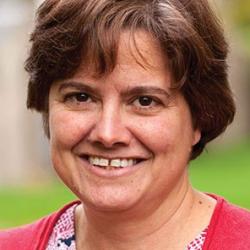
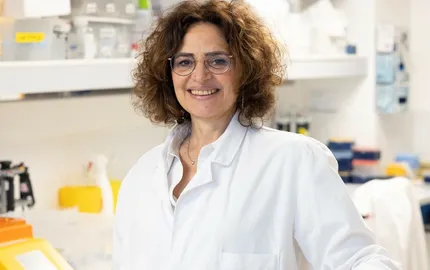
Julie Ahringer is Professor of Genetics and Genomics at the University of Cambridge and Director of the Wellcome Trust/Cancer Research UK Gurdon Institute. She leads a research group investigating chromatin structure and gene regulation using C. elegans as a model system. Her work integrates genomics, super-resolution microscopy, and computational approaches to understand epigenetic controls in development and disease. She holds fellowships from the Royal Society (FRS) and Academy of Medical Sciences (FMedSci). Research Focus: Her laboratory studies chromatin regulation mechanisms including heterochromatin formation, Polycomb domain function, genome architecture, and enhancer/promoter interactions. Key approaches include single-cell multiomics, high-throughput genomics, and super-resolution microscopy to analyze developmental trajectories. Research areas span: H3K27me3 domain formation and Polycomb repression Constitutive heterochromatin organization Regulatory element characterization 3D genome architecture via ARC-C technology Single-cell resolution developmental mapping Awards & Honors: Fellow of the Royal Society (FRS) Fellow of the Academy of Medical Sciences (FMedSci) Wellcome Senior Research Fellowship Academic Leadership: She mentors PhD students and postdoctoral researchers, with funding from Wellcome, MRC, and CRUK. Her lab develops open-source bioinformatics tools (VplotR, periodicDNA) and maintains the genome-wide C. elegans RNAi feeding library. Lab & Collaborations: The Ahringer Lab is based at the Gurdon Institute and collaborates widely on chromatin dynamics, nuclear organization, and developmental genomics projects across model organisms.
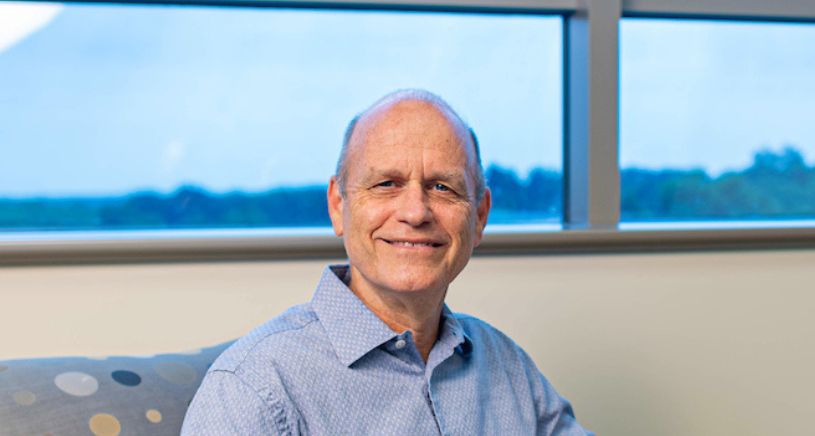
Joseph N.S. Eisenberg, PhD, MPH is Professor of Epidemiology and Professor of Global Public Health at the University of Michigan School of Public Health . A leading infectious-disease epidemiologist, Eisenberg integrates theoretical transmission modelling with large-scale field studies to understand how environmental and social determinants drive water- and vector-borne disease dynamics across the globe. Education PhD, University of California, Berkeley/San Francisco, 1992 MPH, University of California, Berkeley, 1991 BS, University of California, Berkeley, 1982 Research Focus Eisenberg’s work centres on infectious disease epidemiology , particularly the environmental determinants of waterborne and vector-borne pathogens. His group develops dynamic transmission models that move microbial risk assessment from static individual-based calculations to population-based frameworks capable of capturing feedbacks between human behaviour, climate, infrastructure and pathogen spread. Empirical validation of these models occurs through multi-country collaborations in Ecuador (birth cohort, dengue mapping, zoonotic E. coli), Mexico (waste-water irrigation), Israel (poliovirus environmental surveillance), Ethiopia (urban water-system risk) and Kenya (WASH impacts). Recent Publication Trends Over 2024–2025 Eisenberg has published extensively on dengue and Zika transmission in Ecuador, WASH intervention modelling , antimicrobial resistance in enteric E. coli , and COVID-19 epidemiology . These works combine high-resolution field data (human landing catches, multiplex PCR diagnostics, eye-tracking neurodevelopment assessments) with advanced computational approaches (agent-based models, Bayesian spatial risk mapping, mechanistic QMRA), underscoring a commitment to methodological innovation grounded in real-world public-health problems. Scientific Awards & Recognition While no specific prizes are enumerated in the supplied text, Eisenberg’s sustained funding from the CDC (recent $17.5 M award establishing the Michigan Integrated Center for Outbreak Analytics and Modeling – MICOM) and repeated publication in PNAS , American Journal of Epidemiology and other high-impact journals attest to significant peer recognition. Advising & Grants Eisenberg mentors graduate students and post-doctoral researchers across epidemiology, biostatistics and global health. Active funding includes: CDC / MICOM – Michigan Integrated Center for Outbreak Analytics and Modeling (Principal Investigator) National Institutes of Health – Environmental influences on child diarrheal disease and the microbiome (Co-Investigator) NSF – Coupled natural-human systems: road development and infectious disease in Ecuador (Principal Investigator) Laboratories & Teams Eisenberg directs the EcoDess: Environmental Change and Diarrheal Disease in Ecuador research platform, coordinating interdisciplinary teams in Ann Arbor and field stations in Esmeraldas and Quito provinces. He is affiliated with the University of Michigan Center for Global Health Equity and the Global Public Health IDEAS initiative , fostering cross-campus collaborations in modelling, microbiology and social epidemiology.
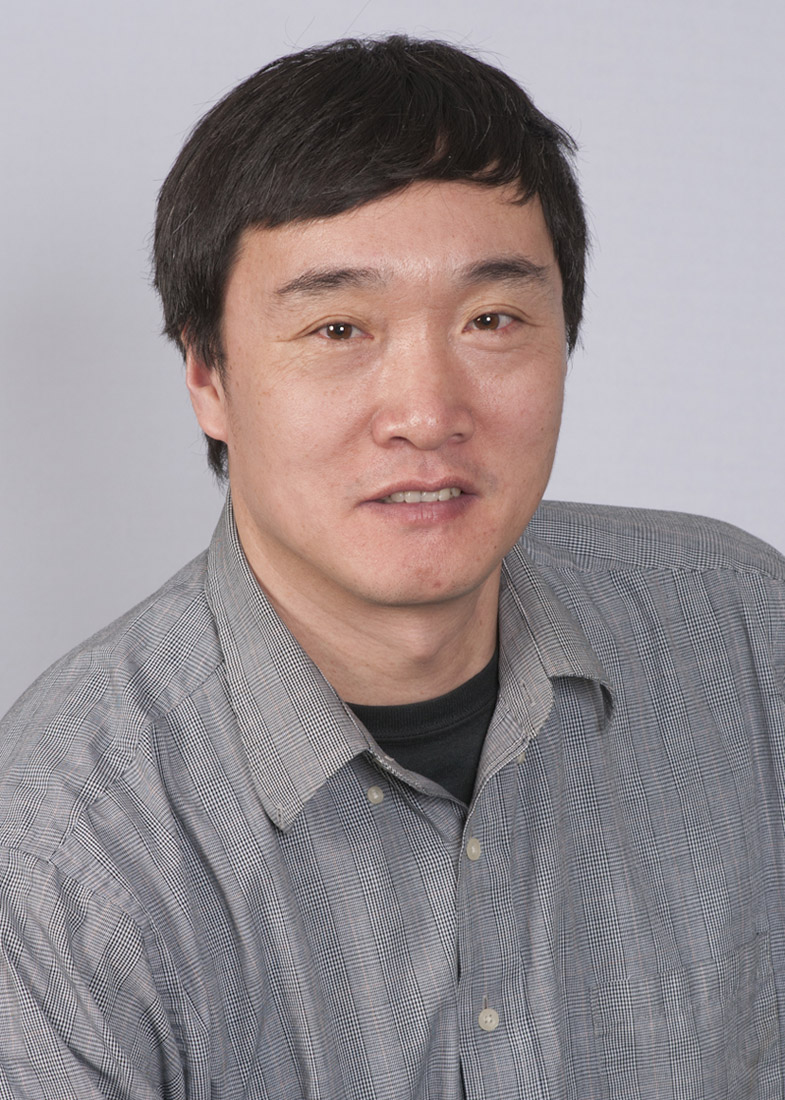
Tao Wu is an Assistant Professor in the Department of Molecular and Human Genetics at Baylor College of Medicine in Houston, TX. His research focuses on deciphering epigenetic mechanisms underlying cancer therapeutic resistance, particularly exploring DNA modifications like N6-methyladenine (6mA) and their roles in glioblastoma and other cancers. He employs advanced genomic technologies such as SMRT-ChIP and single-cell sequencing to study epigenetic regulators and their functional implications. Dr. Wu received his PhD from the University of Chinese Academy of Sciences (2008) and completed postdoctoral training at the Yale Stem Cell Center. His work integrates systems biology, genomics, and biochemistry to identify novel epigenetic drug targets. Key discoveries include identifying ALKBH1 as a 6mA demethylase and revealing 6mA’s role in hypoxia response pathways linked to drug resistance in glioblastoma. His research interests emphasize understanding dynamic epigenetic regulation in cancer, with projects focused on: Elucidating driver epigenetic mutations in cancer progression Developing therapies to overcome treatment resistance via epigenetic modulation Characterizing novel DNA modifications (e.g., 6mA) and their regulatory mechanisms Recent work highlights the lab’s focus on single-molecule sequencing and CRISPR-based screening to uncover epigenetic pathways in cancer models. Funding support includes grants from the Cancer Prevention Research Institute of Texas (CPRIT).
Chuanzhu Fan is an Associate Professor in the Department of Biological Sciences at Wayne State University's College of Liberal Arts and Sciences . His research spans molecular evolution, genomics, and epigenomics with a focus on plant biology. Education : Ph.D. from North Carolina State University (2003), Postdoctoral Research at University of Chicago (2006) Research interests include investigating the genetic and epigenetic mechanisms behind genomic novelty origination and functionalization in plants. He combines studies in Arabidopsis and Oryza species to explore how genomic divergences drive phenotypic differentiation through computational analysis and high-throughput experiments. Recent publications highlight his work in plant gene duplication, DNA methylation patterns in human sperm, rice genomics, and evolutionary dynamics of transposable elements. His lab also develops bioinformatic tools like the gKaKs pipeline for genome-level Ka/Ks calculations. Teaching includes graduate courses in Molecular Evolution (BIO6060) and Genomics (BIO5150/BIO7150), and undergraduate Genetics (BIO3070). Laboratory (Biological Science Building 5107) integrates comparative transcriptomics, DNA methylation manipulation, and phenotyping technologies to study evolutionary novelties in plant genomes.
Christopher Jones is a Professor of Biology at Moravian University. He has been affiliated with the institution since 1999, where he teaches courses in molecular biology and genomics. Jones is actively involved in the Genome Consortium for Active Teaching (GCAT) and the Genomics Education Partnership (GEP), integrating advanced genomic research into undergraduate education through initiatives like DNA microarray analysis and collaborative annotation of Drosophila genomic data. B.A. in Biology and Russian, Haverford College M.Phil. in Molecular Biophysics & Biochemistry, Yale University Ph.D. in Molecular Biophysics & Biochemistry, Yale University His research focuses on molecular genetics , particularly the genetic basis of learning and memory in Drosophila melanogaster . Earlier work explored bacterial flagellar assembly, including studies on Salmonella typhimurium as a postdoctoral fellow at Cold Spring Harbor Laboratory. Jones' work spans neurological research (Alzheimer's disease via presenilin gene analysis), genomics pedagogy, and evolutionary biology. Key article trends include genomics education (2014-2020), Drosophila memory mechanisms (1997-2007), and foundational bacterial motility studies (1985-1992). His work with GEP and GCAT demonstrates commitment to course-based undergraduate research experiences (CUREs). Scientific Awards : NIH Postdoctoral Fellow Henry Wendt Neuroscience Fellow Jones mentors students through research collaborations, with Moravian undergraduates appearing as co-authors on publications. He contributes to genomics education through curriculum development and national partnerships. His laboratory work historically focused on bacterial flagellar complexes and Drosophila neurogenetics.
Cassandra G. Extavour is the Timken Professor of Organismic and Evolutionary Biology and Molecular and Cellular Biology at Harvard University, and a Howard Hughes Medical Institute Investigator. She holds a joint appointment in the Department of Molecular and Cellular Biology and is affiliated with Harvard College. Her research focuses on the evolution and development of germ cells and reproductive systems in arthropods, particularly exploring mechanisms of germ cell specification and the evolutionary transitions in developmental processes. Extavour's work integrates molecular genetics, comparative embryology, and evolutionary theory to study model organisms like spiders, crickets, and fruit flies. She leads the Extavour Lab at Harvard's Biological Laboratories, which collaborates with institutions globally. Notable contributions include discoveries about germ cell specification diversity across arthropods and the role of developmental constraints in life-history evolution. Her educational roles include teaching courses on invertebrate biology and integrated science at Harvard. Recent accolades include her HHMI Investigator status and recognition in Quanta Magazine for career contributions. The lab actively engages in genomic projects, such as cricket genome analysis, and explores molecular mechanisms underlying evolutionary innovations. Students and postdocs in her lab investigate topics ranging from germ line determinants to symbiotic influences on gene evolution.
Ping Zhong is an Associate Professor in the Department of Mathematics at the University of Houston. He holds a Ph.D. from Indiana University Bloomington and joined UH in 2024 after serving as Assistant Professor at the University of Wyoming (2018-2024) and completing postdoctoral work at the University of Waterloo. His research explores free probability theory, operator algebras, and applications of random matrix theory to high-dimensional statistics. Educational background includes: Ph.D. Mathematics, Indiana University (2014) M.S. Mathematics, Peking University (2008) B.S. Applied Mathematics, Huazhong University of Science and Technology (2005) Research focuses on fundamental mathematical structures in probability with emerging applications in quantum physics and statistical learning. Current investigations bridge theoretical frameworks with computational approaches for high-dimensional data analysis. Recent publications demonstrate consistent contributions to spectral analysis of random operators and convergence properties in non-commutative probability spaces. Works frequently appear in premier mathematics journals including Transactions of the AMS and Journal of the European Mathematical Society.
Janine Deakin is Professor and Executive Dean of the Faculty of Science and Technology at the University of Canberra. She holds a PhD from Macquarie University (1998) and completed postdoctoral research at the University of Texas Health Science Center and Australian National University. Her research focuses on comparative genomics, chromosome evolution, and conservation genetics in marsupials and reptiles. Education: PhD in Immunological relationship of mother-pouch young relationships in the brushtail possum, Macquarie University (1998) Her research explores chromosomal speciation, sex determination mechanisms, and transmissible cancers like devil facial tumour disease, with strong emphasis on conservation applications. She employs cutting-edge genomic technologies to understand evolutionary adaptations in Australian wildlife. Recent publications demonstrate a consistent focus on chromosome dynamics across species, utilizing Hi-C mapping, telomere analysis, and comparative genomics to investigate genome reorganization in reptiles, marsupials and mammals. Her work frequently bridges molecular biology with conservation priorities. Scientific Awards: ARC Future Fellowship (2010) She has supervised numerous PhD students and leads collaborative initiatives including the Oz Mammals Genomics consortium. Her laboratory investigates chromosomal rearrangements impacting gene flow in threatened species.
University of California, San FranciscoUnited States
Maria Dall'Era, MD is the Jean S. Engleman Distinguished Professor of Medicine and Chief of the Division of Rheumatology at the University of California, San Francisco (UCSF). She also serves as Director of the UCSF Rheumatology Clinical Research Center and Co-director of the UCSF Lupus Clinic. Her clinical and research focus centers on systemic lupus erythematosus (SLE) and lupus nephritis, with expertise in developing novel therapies and studying epidemiology and outcomes of lupus patients. Education: BA in Immunology, University of California, Berkeley, 1993 M.D., University of California, San Francisco School of Medicine, 1997 Residency in Internal Medicine, University of California, San Francisco Fellowship in Rheumatology, University of California, San Francisco, 2004 Dr. Dall'Era's research interests span multiple dimensions of lupus care and management. She investigates treatment optimization for lupus nephritis, epidemiological patterns of disease manifestation across diverse populations, and the development of novel therapeutic approaches. Her work emphasizes health disparities, particularly examining how race, ethnicity, and socioeconomic factors influence lupus outcomes. She has pioneered research on the relationship between physical activity, stress, and disease activity in lupus patients, and has contributed significantly to understanding epigenetic and molecular mechanisms underlying disease heterogeneity. Analysis of her recent publication record reveals a strong focus on precision medicine approaches to lupus management, with particular attention to biomarker discovery, treatment response prediction, and addressing health disparities. Her work spans basic science investigations into molecular mechanisms of disease through to large-scale clinical studies and guideline development. The interdisciplinary nature of her research connects immunology, genomics, epidemiology, and patient-centered outcomes research. Scientific Awards: Evelyn V. Hess Award, Lupus Foundation of America, 2023 Edmund L. Dubois Memorial Lectureship Award, American College of Rheumatology, 2018 Purple Ribbon Award, Lupus Foundation of America, 2014 Exceptional Physician Award, UCSF, 2010 Ira M. Goldstein Award for Outstanding Teaching in Rheumatology, UCSF, 2007 Ephraim Engleman Award for Excellence in Arthritis Research, UCSF, 2006 Dr. Dall'Era serves as Principal Investigator for the CDC-funded California Lupus Epidemiology Study, a population-based longitudinal lupus cohort in the San Francisco Bay Area. She also leads multiple clinical trials focused on SLE and lupus nephritis. Her leadership extends to national organizations where she serves as Co-Chair of the Lupus Therapeutics Board of Directors, Co-Chair of the LRA's Lupus Industry Council, and member of the Lupus Accelerating Breakthroughs Consortium Research Committee. She is actively involved in developing the American College of Rheumatology's Guidelines for the Treatment of SLE and lupus nephritis. Her laboratory and research team work within the UCSF Rheumatology Clinical Research Center, collaborating with the Accelerating Medicines Partnership RA/SLE Network and other multidisciplinary teams to advance understanding of lupus pathogenesis and treatment. The team employs approaches ranging from single-cell analysis and epigenetic studies to large-scale epidemiological investigations and clinical trials.
Matthew B Hufford is a Professor in the Department of Ecology, Evolution, and Organismal Biology (EEOB) at Iowa State University. He joined the faculty in 2013 as an Assistant Professor and currently holds the Cassling Family Professorship. His research focuses on the evolution and ecology of crops, particularly maize and its wild relatives, including teosintes. Key areas include demography of maize landraces, gene flow dynamics in Zea genus, and comparative genomics of grass species. Education: B.S. in Biology from Wheaton College (1999), M.S. in International Agricultural Development and Ph.D. in Ecology, both from UC Davis (2010). Research interests span genomic diversity in maize, adaptation to environmental conditions, and the role of transposable elements in genome evolution. His lab investigates genomic resources like pan-genomes and assembly tools (e.g., Gapless assemblies using long-read technologies). Recent trends in publications highlight advancements in genomic tools, climate adaptation, and comparative analyses across grass species. Labs/Teams: The Hufford Lab at Iowa State University focuses on evolutionary genomics, leveraging genomic data to understand crop domestication and adaptation. Collaborations involve bioinformatics, genetics, and ecological studies.
Sayaka Miura is an Assistant Professor of Biology at the University of Mississippi. Her research focuses on Cancer Genomics and Evolutionary Genomics, with expertise in Bioinformatics. She holds a Ph.D. from Pennsylvania State University (2012). Dr. Miura's work explores the origins and evolutionary dynamics of microRNA genes in plants, as seen in her landmark 2012 paper in Genome Biology and Evolution . She teaches BISC 417: Evolution and Medicine and maintains an active research lab. Her work integrates computational methods to study miRNA gene duplication mechanisms, transposable element contributions, and lineage-specific genomic changes.
Nora J. Besansky is the Martin J. Gillen Professor in the Department of Biological Sciences at the University of Notre Dame, where she has been a faculty member since 1997. She leads a research laboratory focused on the evolutionary, ecological, and functional genomics of malaria-transmitting mosquitoes, particularly Anopheles species in Africa. Her research interests span Genetics & Genomics , Evolutionary Biology , Entomology , Ecology , and Infectious Disease . She investigates how genomic variation, chromosomal inversions, and environmental adaptation influence vector behavior, population structure, and malaria transmission dynamics. Her work integrates molecular biology, field ecology, and bioinformatics to advance vector control strategies. Her recent publications reveal a strong focus on Anopheles genomics, species divergence, environmental adaptation (e.g., aridity, salinity, heat), and population structure across Africa. She frequently contributes to high-impact journals such as Nature , Science , and Molecular Ecology , often in collaboration with international consortia like the Anopheles 1000 Genomes Project. Her scientific contributions include editorial leadership and tribute articles recognizing pioneers in vector biology, reflecting her standing in the field. She advises graduate students and leads a dynamic research team at Notre Dame. Her laboratory has received continuous funding for projects on vector genomics, adaptation, and malaria epidemiology. She has held prior research positions at the CDC and Emory University, building a career at the intersection of public health and evolutionary genomics. Her lab operates at the forefront of vector biology, combining cutting-edge genomic technologies with ecological field studies to address one of the world’s most persistent infectious disease challenges—malaria.
Eliane Piaggio is an Inserm Research Director and Team Leader of the Translational Immunotherapy team at the Institut Curie Research Center (Unit U932 - Immunity and Cancer). Her work focuses on immunotherapy strategies targeting regulatory T lymphocytes in cancer, infectious diseases, and autoimmunity. Studied lymph nodes draining human tumors to identify functional T cell responses Developed IL-2 variants for tumor-specific Treg inhibition Explored neoantigen responses in breast, head/neck, and melanoma cancers Key research areas include tumor microenvironment analysis, biomarker discovery, and personalized immunotherapy development. Her team has established a tumor-draining lymph node biobank and employs advanced technologies like single-cell transcriptomics, CRISPR editing, and mass spectrometry immunopeptidomics. Notable achievement: 2022 Ruban Rose Avenir prize recipient for predictive biomarker research in triple-negative breast cancer. Her projects aim to optimize anti-tumor immune responses through translational approaches in rhabdoid cancers and neoantigen vaccination studies.
Professor Marcel Dinger is a prominent academic and researcher currently serving as Professor and Head of School for Biotechnology and Biomolecular Sciences at UNSW Sydney. With over 20 years of experience in genomics, he has established himself as a leading figure in both academic and entrepreneurial spheres within the field. He has published 153 papers with over 24,000 citations and maintains an h-index of 61 on Google Scholar. His leadership extends beyond academia as he serves as President of the Australasian Genomics Technologies Association (AGTA) and holds director positions at Pryzm Health and the National Centre for Indigenous Genomics (NCIG). Professor Dinger's research laboratory focuses on establishing new links between phenotype and genotype, particularly examining rare and complex diseases in relation to underexplored regions of the genome including pseudogenes, repetitive elements, non-canonical DNA structures, and noncoding RNAs. His work harnesses population-scale genomic datasets and sophisticated data science methods to bring an objective perspective to understanding how the genome stores information and how it is transacted in biology. His research interests span genomics, non-coding RNA biology, clinical applications of genomic medicine, and the development of computational approaches for analyzing complex genomic data. Analysis of Professor Dinger's recent publications reveals a strong emphasis on non-coding RNA research, particularly long noncoding RNAs and their roles in disease mechanisms. His work spans cancer genomics, neurological disorders, and fundamental genomic mechanisms including DNA secondary structures like i-motifs and G-quadruplexes. His research combines experimental approaches with advanced bioinformatics to address fundamental questions in genomic medicine and has significant translational implications for disease diagnosis and treatment. Highly Cited Researcher in Cross-Field category (2019, 2020, 2021) Fellow of the Faculty of Science (Research), Royal Society of Pathologists of Australasia (2016) NHMRC Career Development Award (2010) Queensland Government Smart Futures Fellowship (2009) Foundation of Research, Science and Technology New Zealand Postdoctoral Fellowship (2005) Professor Dinger has been instrumental in establishing and leading several significant research initiatives including Genome.One, one of the first companies globally to provide clinical whole genome sequencing services, and the Kinghorn Centre for Clinical Genomics at the Garvan Institute of Medical Research. His entrepreneurial experience includes founding four biotechnology and IT startups. He serves on multiple governance boards including the National Centre for Indigenous Genomics, focusing on using genomics to improve health outcomes for Australia's First Peoples. His laboratory at UNSW continues to advance our understanding of genomic regulation and its implications for human health and disease.
Travis Wheeler is an Associate Professor in the Department of Pharmacy Practice & Science at the University of Arizona. His work spans bioinformatics, computational biology, and algorithm development for genomic sequence analysis. Developed tools like HMMER and Dfam Research focuses on transposable elements, sequence alignment, and epigenetics Co-author of key works with Robert Finn, Sean Eddy, and colleagues Research Interests include machine learning applications in biological sequence annotation, drug discovery, and evolutionary genomics. His work bridges computational methods with biomedical applications. Notable Contributions : Advancing profile Hidden Markov Model (HMM) methodologies Creating community resources for transposable element research Developing alignment algorithms for biological sequences Collaborations include institutions like Institute for Systems Biology, Harvard University, and Montana State University.