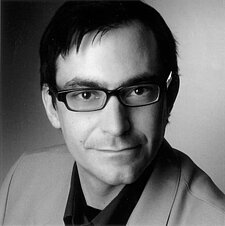
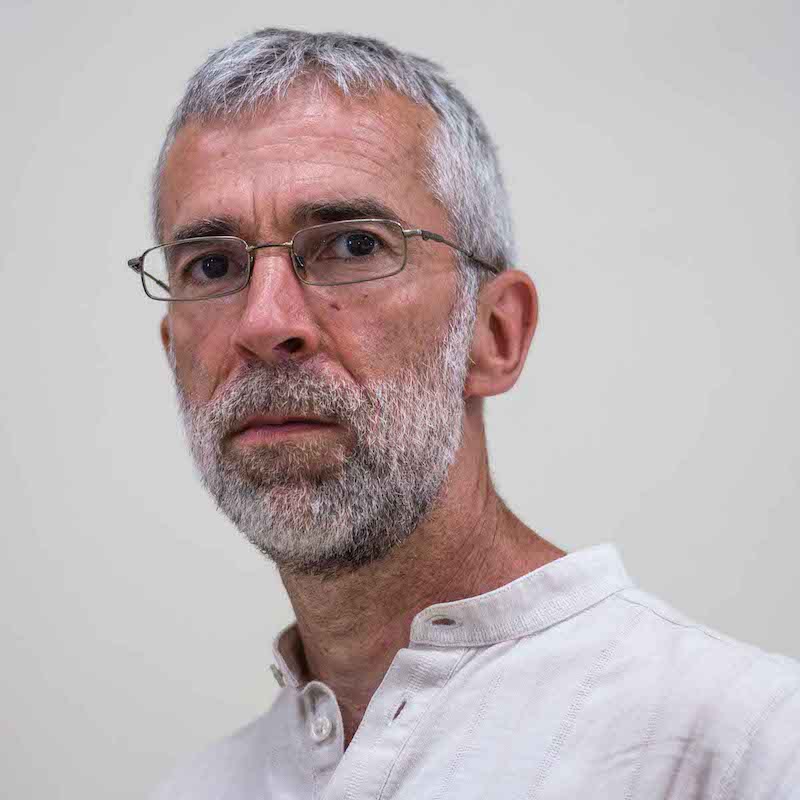
Lee E. FrelichView profile
Adjunct Professor
Lee E. Frelich serves as an Adjunct Professor and Director of the Center for Forest Ecology at the University of Minnesota, where his work bridges academic research and applied forest management. His leadership in the Center drives interdisciplinary studies on ecosystem resilience and disturbance dynamics. His academic foundation includes a Ph.D. in Forest Ecology from the University of Wisconsin-Madison (1986), establishing decades of expertise in forest systems. Frelich's research examines boreal and temperate forests through the lens of climate change, invasive species, and disturbance interactions. He pioneered investigations into earthworm invasions as ecosystem engineers, demonstrating cascading effects on soil biota and plant communities. His work on fire-wind-deer disturbance synergies reveals complex legacies in forest regeneration, while recent studies quantify climate-driven shifts in species composition and carbon cycles. This integrative approach combines field experiments with large-scale modeling to address anthropogenic impacts on forest sustainability. Analysis of his 15 most recent publications (2024-2025) shows persistent focus on disturbance interactions (fire, wind, drought) and invasion ecology, with growing emphasis on socio-ecological linkages like outdoor recreation impacts. Methodologically, he increasingly employs structural equation modeling to unravel multi-driver systems, while maintaining strong empirical field components across North American and African ecosystems. His scientific recognition includes: Listing among the top 1% of all scientists globally in Ecology and Environment by Web of Science Frelich's applied work manifests through consulting contracts with the U.S. Army, Air Force, National Forest Service, and National Park Service, where he translates research into management strategies for fire-prone landscapes and invasive species control. Though specific grant histories aren't detailed, his 210+ publications with 332 international coauthors indicate sustained funding across collaborative projects. His media presence (570+ features including The New York Times and Washington Post ) amplifies policy relevance. As Director of the Center for Forest Ecology, he oversees research initiatives examining disturbance legacies and climate adaptation, fostering partnerships between university scientists and land management agencies to develop evidence-based conservation frameworks for North American forests.