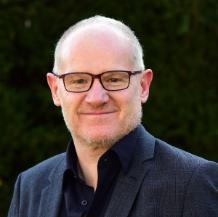
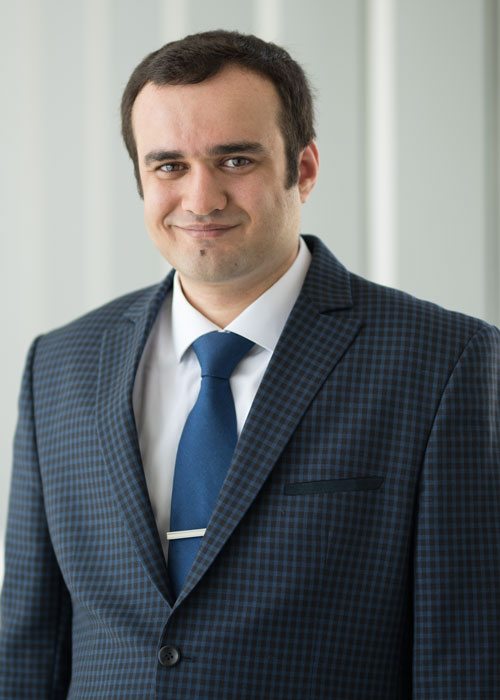
Howard S. Neufeld is a Professor in the Department of Biology at Appalachian State University, with expertise in plant physiological ecology and air pollution impacts. His research focuses on ozone effects on native flora in the Great Smoky Mountains National Park, water relations in plants, and invasive species ecology. Education Ph.D. from University of Georgia (1984) Neufeld's research examines plant responses to environmental stressors, particularly tropospheric ozone and water stress. His work on cutleaf coneflower, tall milkweed, and Galax urceolata has revealed critical insights into foliar injury mechanisms, antioxidant defenses, and seasonal adaptation strategies. He investigates how invasive species like Microstegium vimineum exploit light gaps and how hydraulic conductance affects plant drought tolerance. His publication record shows consistent focus on ozone impacts in southern Appalachian ecosystems, with recent work emphasizing seasonal variation in plant responses, stomatal behavior, and biochemical defense mechanisms. Key trends include the development of non-destructive monitoring techniques and spatial analysis of pollution effects across landscapes. Advising & Grants Directed 20 Master's theses on plant ecophysiology, invasive species, and pollution impacts Currently mentoring 7 graduate students on lichen nitrogen responses, heavy metal effects, and ozone physiology Funded by National Park Service, U.S. EPA, National Geographic Society, and Friends of the Smokies Collaborates with researchers from Auburn University, USDA, Oak Ridge, and international institutions Neufeld maintains active field research in the Great Smoky Mountains National Park and operates laboratory facilities for gas exchange and plant stress analysis, with ongoing projects examining nitrogen deposition effects on lichens and nickel pollution impacts on pines.
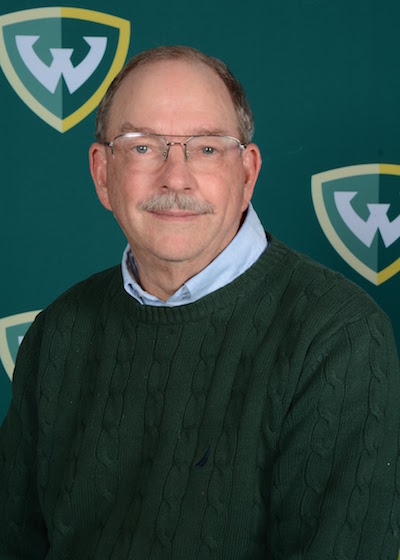
John C. Taylor is a tenured Associate Professor of Global Supply Chain Management at Wayne State University's Mike Ilitch School of Business, where he previously served as chair of the Department of Marketing and Supply Chain Management. He has played a pivotal role in developing supply chain programs at Wayne State, having co-developed the logistics major between 1995-2002 and returning to lead supply chain programs in 2009. Before his current position, he created and developed the supply chain management major at Grand Valley State University. His educational background includes: Ph.D. in Logistics and Marketing from Michigan State University (1991) M.B.A. from Michigan State University (1977) B.A. from Michigan State University (1975) Dr. Taylor's research focuses on automotive industry supply chain management, U.S.-Canada-Mexico logistics and transportation issues, U.S.-Canada border crossing challenges, trucking economic regulation, ocean shipping in the Great Lakes, intermodal transportation, Michigan highway funding, and supply chain 'in-stock' performance. His work bridges academic research with practical industry applications, particularly in North American trade and transportation systems. His research methodology combines quantitative analysis with policy evaluation to provide actionable insights for industry and government stakeholders. Dr. Taylor's publications show consistent focus on transportation policy and international trade, with particular emphasis on cross-border logistics between the United States and Canada. His scholarly contributions appear in journals such as Transportation Journal, Journal of Business Logistics, and Journal of Transportation Management. Among his professional recognitions, Dr. Taylor received the 2015 Ilitch School of Business Alumni Association Award for Most Inspirational Faculty Member. He has served on the National Commission on Intermodal Transportation, an 11-person Presidential Commission, and the National Motor Carrier Advisory Committee to the U.S. DOT. He frequently testifies before legislative and judicial forums and is regularly quoted in publications like the Wall Street Journal and Detroit News. With extensive industry experience including seven years with Clark Equipment Company and three years in logistics consulting, Dr. Taylor brings practical insights to his academic work. He has lived and worked in Sydney, Australia and Sao Paulo, Brazil, is fluent in Portuguese, and serves on the Boards of Directors of Acumed Radial, Acumed Systems, Intellitec, and ComCom Systems, demonstrating his continued industry engagement.
Aaron Diefendorf is a Professor of Geosciences at the University of Cincinnati within the College of Arts and Sciences. His research focuses on the application of organic geochemical techniques to address questions in paleoclimatology, biogeochemistry, and environmental science. He directs the University of Cincinnati Stable Isotope Laboratory, where his team analyzes biomarkers from sedimentary archives to reconstruct past climate and environmental conditions. Dr. Diefendorf's research interests center on isotope geochemistry, biogeochemistry, organic geochemistry, biomarkers, and stable isotope geochemistry. His work particularly emphasizes plant-derived biomarkers such as leaf waxes (n-alkanes) and diatom-derived highly branched isoprenoids (HBIs) as proxies for reconstructing past hydrological conditions. He investigates how these biomarkers form in modern ecosystems, their preservation in sediments, and their application to paleoclimate reconstruction across various timescales from the Holocene to deep time. His research spans diverse environments including midcontinental North America, the Sierra Nevada, Falkland Islands, and Arctic regions. The analysis of his recent publications reveals a strong focus on methodological development for biomarker analysis, seasonal and spatial variability studies of biomarker production, and their application to specific paleoclimate questions. His work increasingly integrates multi-proxy approaches, combining plant wax and diatom biomarkers with other geochemical indicators to provide more robust paleoenvironmental reconstructions. Recent research shows growing interest in applying these techniques to understand hydrological changes during significant climate transitions including the Little Ice Age and Holocene. Extensive research on plant wax n-alkanes as paleohydrological proxies Pioneering work on diatom-derived HBIs for paleoclimate reconstruction Studies on biomarker production in modern ecosystems to improve paleo-interpretations Applications to major climate events including the Paleocene-Eocene Thermal Maximum Development of analytical methods for biomarker extraction and analysis Dr. Diefendorf has established productive collaborations across multiple institutions and disciplines, working with researchers in geology, biology, environmental science, and climate science. His research has been supported by multiple NSF grants, including collaborative projects focused on biomarker development and paleoclimate applications. He actively engages in public science communication, including outreach at local farmer's markets in the Cincinnati community. His laboratory work focuses on the Stable Isotope Laboratory at the University of Cincinnati, where his team processes sediment samples, extracts organic compounds, and analyzes isotopic compositions using state-of-the-art instrumentation. The lab serves as a hub for interdisciplinary research, training graduate and undergraduate students in geochemical techniques while advancing methodological approaches in biomarker paleoclimatology.
Barbara Bigliardi is an Associate Professor at the Department of Engineering and Architecture, University of Parma, with national scientific qualification for full professor in Economic-Management Engineering (SSD ING-IND/35). She serves as President of the Management Engineering Program at University of Parma and Director of Bachelor's/Master's programs at University of San Marino, co-leading double-degree initiatives between the two institutions. Over 100 publications (57 SCOPUS-indexed) with H-index=20 Editorial roles: Cambridge Scholars Publishing (2019), MDPI Sustainability, Sci, European Journal of Innovation Management Key research areas: Open Innovation, Technology Transfer, Food Industry Innovation, Industry 4.0, Supply Chain Sustainability Recent Publications (2024-2025) demonstrate leadership in: Industry 4.0 integration with circular economy AI applications in public administration and healthcare Digitalization of food supply chains Green startup resource orchestration Simulation-based optimization in remanufacturing Sustainable additive manufacturing Scientific Recognition : 2005 Emerald Highly Commended Award 2013 Most Cited Paper in Trends in Food Science & Technology 2019 Highly Cited Paper in Review of Policy Research Research Leadership includes: National Observatory on Start-ups (President since 2021) National Observatory on Reputation (Vice President since 2019) INAIL-funded mobile risk assessment systems (2018-2020) INAF space technology transfer projects (2018-present) Academic Contributions : Supervised over 300 theses Deputy Coordinator of Industrial Engineering Doctoral Program Director of Management Engineering Programs (Parma & San Marino) Founder of academic spin-offs: Sistemi per il marketing di contenuto S.r.l. (2016-present), Univenture SrL (2006-2010)
Prof. Piotr Lorens is a distinguished academic at Gdańsk University of Technology, where he serves as Professor and Head of the Department of Urban and Regional Planning within the Faculty of Architecture. With extensive expertise in urban planning and spatial development, he leads significant research projects including ENACT 15mC focused on the 15-minute city concept and community co-creation. His academic credentials include: dr hab. inż. arch. (2007) from the Faculty of Architecture of Warsaw University of Technology dr inż. arch. (2001) from the Faculty of Architecture Prof. Lorens specializes in urban and spatial planning , with particular focus on urban regeneration and public space design . His research addresses critical issues in post-socialist urban development, waterfront regeneration, and the evolving concept of the 15-minute city. He has made significant contributions to understanding how historical contexts shape contemporary urban planning approaches in Central and Eastern Europe. His recent publications demonstrate a strong focus on urban identity, planning instruments for the 15-minute city concept, and post-war reconstruction of Polish cities. His work often bridges theoretical urban planning concepts with practical case studies from Gdańsk and other post-socialist cities, examining how political, economic, and environmental factors influence urban development trajectories. Prof. Lorens leads the ENACT 15mC project focused on shaping neighborhoods and co-creating thriving local communities in the context of the 15-minute city concept, funded by the Driving Urban Transitions Partnership. He has also contributed to the TELOS project on sustainable urban development and led initiatives to develop new educational offerings in spatial management at the Faculty of Architecture.
Dr. Tamas Mona is a Postdoctoral Research Associate in the Department of Plant Sciences at the University of Cambridge , affiliated with the Epidemiology and Modelling Group . His work focuses on environmental suitability models for large-scale epidemiological forecasting, particularly in wheat rust outbreaks across Africa, the Middle East, and Asia. Collaborations include the UK Met Office, CIMMYT, and institutions in Ethiopia, Kenya, Bangladesh, and Nepal. PhD in Environmental Sciences (2019), Eötvös Loránd University MSc in Meteorology (2013), Eötvös Loránd University BSc in Physics with Meteorology (2011), Eötvös Loránd University Research interests integrate meteorological applications with epidemiological models to predict crop disease outbreaks. Key projects involve tracking transmission pathways for stem rust pathogens and analyzing how irrigation creates green bridges for intercontinental pathogen spread. Publications emphasize environmental science and computational epidemiology . Current collaborations span Sub-Saharan Africa (EIAR, ATI, KARLO) and South Asia (BWMRI, NARC) through initiatives like the Global Food Security IRC . Modeling frameworks developed by Mona contribute to policy advisory systems for emerging pest threats, aligning with DEFRA and UK government strategies.
Dr. Éric Hébrard is a Senior Lecturer in Astrophysics at the University of Exeter since 2018, with prior academic roles including NASA Goddard Senior Research Fellow and CNRS Research Associate. His work bridges planetary atmospheres, astrochemistry, and combustion modeling with expertise in 3D chemical simulations. PhD in Physics and Chemistry of Planetary Atmospheres, Université Paris 7 (2006) Magna cum laude Magistère Interuniversitaire de Chimie, ENS Paris (2003) Research focuses on: Exoplanetary atmosphere modeling (hot Jupiters, TRAPPIST-1e) Photochemical kinetics and UV absorption Coupling of atmospheric circulation and chemistry Cross-disciplinary combustion-atmosphere analogs Chemical validation strategies for model accuracy Scientific contributions include: NASA-funded research on organic-rich habitable zones Development of KIDA kinetic database for astrochemistry STFC Consolidated Grant for multi-dimensional chemical models Quantum chemistry integration for Titan atmosphere studies Awards: Higher Education Academy Fellowship (ASPIRE program) NASA Postdoctoral Fellowship (2015-2017) CNES Postdoctoral Fellowship (2007-2009)
Lorenz Dörschel is an Adjunct Professor (Lehrbeauftragter) at the Institute of Automatic Control at RWTH Aachen University. He holds the academic title PD Dr.-Ing. habil, signifying post-doctoral research qualifications. His position is part-time, focusing on advanced control theory and applications. His primary research interests include: Control of distributed parameter systems (e.g., fluid dynamics, thermal processes) Model predictive control for industrial and automotive systems Parameter space methods for robust controller design Model reduction techniques for complex nonlinear systems Dörschel's recent publications (2018-2024) demonstrate broad applications across biomedical engineering, renewable energy, automotive systems, and industrial automation. His work consistently integrates mathematical rigor with practical implementations, emphasizing advanced control methodologies like nonlinear MPC, Lyapunov-based design, and Bayesian optimization. A recurring theme is the development of computationally efficient control strategies for distributed parameter systems. No scientific awards, student advising relationships, or research grants are documented in the available information.
Dr. Paweł Kwaśnicki is an Assistant Professor at the Department of Analytical and Engineering within the Faculty of Natural and Technical Sciences, John Paul II Catholic University of Lublin. His research focuses on advanced photovoltaic technologies, particularly third-generation solar cells, quantum dots, and transparent conductive oxides. He has contributed to scalable electrodeposition methods for platinum nanoparticles in dye-sensitized solar cells and explored TiO₂-based nanocomposites for energy applications. Research Trends: Specializes in photovoltaic materials (perovskite, TiO₂), thin-film deposition, and circular economy strategies for waste-to-energy systems. Key Collaborations: Works with institutions like Agricultural University of Krakow and ML System S.A. Laboratory. Supervisory Roles: Serves as a PhD thesis supervisor and has guided numerous bachelor's and master's theses on topics ranging from diet impacts to microplastics in food.
Mark Sculpher is a Professor of Health Economics and Head of the Centre for Health Economics at the University of York , a role he has held since 1997. He co-directs the Policy Research Unit in Economic Evaluation of Health and Care Interventions (EEPRU) and has contributed extensively to health economics research. Research Focus: Economic evaluation in health, decision analytic modeling, pharmaceutical policy, and global health. Key Contributions: Co-authored seminal textbooks like Methods for the Economic Evaluation of Health Care Programmes and Decision Modelling for Health Economic Evaluation . Member of the Second Panel on Cost-Effectiveness in Health and Medicine. Advisory Roles: Former member of NICE committees, UK Health Select Committee on Orkambi availability, and Portuguese National Authority for Medicines. Awards: Elected Fellow of the Academy of Medical Sciences (2024), NIHR Senior Investigator (Emeritus), and former ISPOR President. Recent Publications emphasize dynamic efficiency in pharmaceutical innovation, real-world evidence frameworks, and global health applications. His work spans cost-effectiveness analysis for vaccines, antimicrobial resistance, and equity-focused evaluations in low- and middle-income countries. Scientific Recognition: Includes Fellow of the Academy of Medical Sciences (2024) NIHR Senior Investigator (Emeritus) Former President of ISPOR Editorial roles in Pharmacoeconomics and Applied Health Economics and Health Policy
Amir Ardestani-Jaafari is an Associate Professor at the Faculty of Management , University of British Columbia Okanagan, with affiliations to the Institute for the Sustainability (IGS) . His office is located at EME 4111, and he can be reached at amir.ardestani@ubc.ca or 250.807.8108. Postdoctoral Fellow in Operations Management, McGill University Ph.D. in Management Science, HEC Montreal M.Sc. and B.Sc. in Industrial Engineering, Tehran Polytechnic Dr. Ardestani-Jaafari’s research focuses on Healthcare Operations , Supply Chain Management , and Business Analytics , with particular emphasis on robust optimization techniques for facility location, demand uncertainty, and network design. His work integrates mathematical modeling with real-world healthcare and logistics challenges. Recent publications demonstrate expertise in Two-stage Robust Optimization for equity-driven facility location, Text Mining in telemedicine appointment systems, and Decision-dependent Uncertainty in network interdiction. He has explored applications in Home Healthcare , Cancer Screening Networks , and Global Sourcing Compliance using advanced optimization frameworks. Dr. Ardestani-Jaafari is affiliated with key research centers including the UBC Optimization Center (COCANA) , Materials and Manufacturing Research Institute (MMRI) , and GERAD Research Center . While student advising information isn't explicitly stated, his technical contributions span algorithm development for inventory problems, network design methodologies, and computational solutions for complex operations management challenges.
Henrikki Tenkanen is an Assistant Professor in the Department of Built Environment at Aalto University, specializing in Geoinformatics. His research focuses on geospatial analysis, urban planning, transportation accessibility, and open data applications for sustainable development. His primary research interests include Geospatial Analysis , Urban Planning , Transportation Accessibility , and Population Dynamics . Tenkanen's work integrates mobile phone data, social media, and open geospatial sources to understand urban environments, accessibility patterns, and carbon emissions. His research contributes significantly to UN Sustainable Development Goals related to sustainable cities and communities. Tenkanen's recent publications demonstrate strong trends in high-resolution spatial analysis of urban environments, with particular emphasis on transport equity , carbon emissions mapping , and rural population representation . His work combines advanced geocomputing techniques with practical urban planning applications, often developing open-source tools to enhance reproducibility and accessibility of geospatial research. As an active member of the academic community, Tenkanen serves as a peer reviewer for journals including Big Data & Society and Environment and Planning B, and participates in conference committees such as the International Conference on Location Based Services. His research has garnered significant attention, with multiple publications featured in news outlets and academic platforms. Tenkanen leads several major research projects including Geo-R2LLM (developing geographic large language models), Geoportti (open geospatial infrastructure), MAPICO (mapping commute-related carbon emissions), and LIH: Location Innovation Hub. His work bridges academic research with practical applications for urban planning and sustainable mobility.
Joseph Trainor is the Interim Dean and Professor at the Joseph R. Biden, Jr. School of Public Policy and Administration, University of Delaware. He is a core faculty member of the Disaster Research Center, renowned for expertise in Disaster Science and Emergency Management. His research integrates behavioral and organizational dimensions of disasters, focusing on risk perception, warnings, equity, and policy integration. Trainor holds a PhD in Sociology from the University of Delaware (2009), with earlier degrees from the same institution and Millersville University. Education: Ph.D., Philosophy in Sociology, University of Delaware (2009) MA, Sociology, University of Delaware (2004) B.A., Double Major in Sociology and Psychology, Millersville University (2002) Research Interests: Trainor’s work spans risk communication, organizational management in crises, disaster mitigation, and equity. Key themes include household decision-making around insurance and retrofitting, multi-organizational response systems, and pandemic workforce dynamics. He emphasizes bridging academic research with practitioner needs, with a focus on policy applications. Public Service & Collaboration: Trainor collaborates with agencies like FEMA, DHS, and state emergency management offices. His projects address land-use policies, hurricane risk reduction, and pandemic response strategies. He frequently chairs doctoral committees and teaches at all academic levels. Labs & Teams: As part of the Disaster Research Center, he contributes to interdisciplinary teams advancing disaster science through mixed-methods approaches, including computational frameworks and community resilience models.
Theodoros Zachariadis is a Professor and Interim Director of the Energy, Environment and Water Research Center (EEWRC) and the Science and Technology Driven Policy and Innovation Research Centre (STeDI-RC) at The Cyprus Institute. He previously served as Dean of the Faculty of Geotechnical Sciences and Environmental Management at the Cyprus University of Technology (2015–2020), and as Assistant/Associate Professor there (2009–2020). His expertise spans energy and environmental policy, climate change mitigation, and environmental taxation. He holds a Doctorate in Mechanical Engineering from Aristotle University of Thessaloniki. **Research Interests:** Techno-economic analysis of energy, environmental, and transport policies; environmental taxation; climate policy integration with Sustainable Development Goals (SDGs); decarbonization strategies; and green tax reforms. His work emphasizes cost-effective climate policies and equitable transitions. **Awards:** 2009 Research Prize of Cyprus (Republic of Cyprus) and 2019 Environmental Prize (President of Cyprus). He has been ranked in the top 2% of globally cited academics in Energy (2020s). **Affiliations:** Vice Chair of the Scientific Committee of the European Environment Agency, Manager of SDSN Europe, Leadership Council member of SDSN Cyprus, and former Visiting Professor at Aarhus University. He advises on EU climate policies and sustainable development. **Grants & Projects:** Extensive research on Cyprus’ energy policies, EU climate frameworks, and decarbonization pathways. Key outputs include analyses of the EU’s 'Fit for 55' package, green recovery strategies post-pandemic, and cross-border energy cooperation in the Eastern Mediterranean. **Labs/Teams:** Leads research teams at EEWRC and STeDI-RC focusing on policy design, climate adaptation, and techno-economic modeling. Collaborates with international networks like Green Budget Europe and the Journal *Energy Economics* (associate editor).
Professor Dinos Arcoumanis FREng is a distinguished academic at City, University of London, where he has served as Professor since 2000. He previously held academic positions at Imperial College London from 1988-2000, progressing from Lecturer to Reader and ultimately to Professor of Internal Combustion Engines. At City University, he has held significant leadership roles including Head of the Aeronautical, Civil and Mechanical Engineering Department, Dean of the School of Engineering & Mathematical Sciences, Pro-Vice-Chancellor for Research and International Links, and Deputy Vice-Chancellor (Research & International) until August 2014. He remains actively involved in research and academic leadership, currently serving as Director of the International Institute of Cavitation Research and Coordinator of the World Cities World Class (WC2) University Network. Professor Arcoumanis holds undergraduate and graduate degrees in Physics, Engineering and Mechanical Engineering from the Aristotelian University of Thessaloniki, Greece (1973), the University of California at Irvine, USA (1980), and the Imperial College of Science, Technology and Medicine, London (1984), respectively. His primary research focuses on internal combustion engines, with specific expertise in combustion, exhaust emissions, and engine lubrication. Professor Arcoumanis has pioneered the application of laser diagnostics and computational fluid dynamics to study internal combustion engines, with particular interest in automotive fuels including renewable and alternative fuels. His work bridges fundamental fluid mechanics with practical engine applications, addressing critical environmental engineering challenges in the transportation sector. His recent research has expanded into cavitation phenomena, fuel cell technology, and the development of sustainable propulsion systems for future transportation needs. Professor Arcoumanis's extensive publication record demonstrates a clear evolution in research focus, beginning with fundamental studies of diesel engine combustion and progressing toward advanced fuel injection systems, alternative fuels, and environmental sustainability. His work consistently bridges theoretical fluid mechanics with practical engine applications, with recent emphasis on cavitation phenomena in fuel systems and the integration of renewable energy technologies with traditional combustion systems. The interdisciplinary nature of his research connects mechanical engineering principles with environmental science, materials science, and energy systems engineering. Professor Arcoumanis has received numerous prestigious awards and honors throughout his career: 1991 Dugald Clerk Prize of IMechE 1995 and 1998 Arch T. Colwell Merit Award of the Society of Automotive Engineers Elected Fellow of the Royal Academy of Engineering (FREng) in 2001 Honorary doctorate from St. Petersburg State Polytechnic University of Russia (2009) Professor Arcoumanis has made significant contributions to academic leadership and professional service. He founded the International Journal of Engine Research (JER) in 1999 and serves as its Editor for Europe. He has coordinated the World Cities World Class (WC2) University Network since 2010, which brings together international institutions in major cities to address research challenges in transport, global health, business, and cultural industries. He has also served as a consultant to Brussels (DG17) and Bechtel Ltd. on the Auto-oil II European Programme (1998-2000), and was appointed Ambassador-at-Large of the Hellenic Republic for Energy Policy and New Technologies in September 2012. His research has been supported by various funding bodies including the Lloyd's Register Educational Trust, which funds the International Institute of Cavitation Research that he directs. Professor Arcoumanis leads the International Institute of Cavitation Research, a partnership between City University London, Loughborough University, and Delft University of the Netherlands. He has established collaborative research teams focused on engine combustion, fuel injection systems, and alternative propulsion technologies. His research group has developed advanced experimental facilities for studying fuel spray dynamics, combustion processes, and cavitation phenomena in engine systems. These teams regularly collaborate with automotive industry partners and international research institutions to address cutting-edge challenges in engine technology and sustainable transportation.