
Prof. Dr. Sakibe Nalan BÜYÜKKANTARCIOĞLU is a Professor at Çankaya University, Faculty of Arts and Sciences, Department of Translation and Interpreting Studies (English). She previously served as Professor (2007–2019), Associate Professor (2000–2007), and Assistant Professor (1997–2000) at Hacettepe University, Department of English Linguistics. PhD in English Linguistics (Hacettepe University, 1991) MA in English Language Teaching (Middle East Technical University, 1985) BA in English Teaching (Istanbul University, 1978) Her research spans Linguistics, Cognitive Linguistics, Discourse Analysis, Psycholinguistics, Sociolinguistics, Translation Studies , with a focus on figurative language, interjections, political discourse, and endangered languages. She received the European Language Award (2011) and has supervised numerous PhD and MA theses, including work on Turkish idioms, gender representation, and language awareness. A prolific editor and conference participant, she has contributed to interdisciplinary projects and publications on Turkish sociolinguistics.
Find Academic Supervisors
Find and connect with academic supervisors, professors, and scholars for your research journey.
Showing 1-15 of 735 supervisors
Profile data may be stale. It is sourced from public faculty pages.
Bülent AKATView profile
Lecturer
Bülent AKAT is a full-time Lecturer (Dr) at Çankaya University , Faculty of Arts and Sciences, Department of Translation and Interpreting Studies (English), where he has taught since 2007. His career is anchored in literary and cultural translation studies, with a particular focus on English-Turkish translation. Education: Dr Akat earned his Bachelor of Arts (1982–1986) from Boğaziçi University, Faculty of Arts and Sciences, Department of Western Languages and Literatures. He then completed a Master of Arts (1986–1994) at Boğaziçi University’s Institute of Social Sciences in English Language Teaching. Finally, he obtained his PhD (1994–2000) from Hacettepe University’s Institute of Social Sciences in American Culture and Literature. Research Interests: His scholarly work spans translation of children’s literature , idiom translation , subtitling and dubbing , culture-bound elements , and neologism translation . He often employs comparative methodologies, drawing on theorists such as Jan Pedersen, Mona Baker, and Teresa Tomaszkiewicz to evaluate strategies of domestication, foreignization, and receptor-oriented translation. Academic Output: Between 2018 and 2025 Dr Akat (co-)authored nine journal articles, two conference papers, and five books. Recurring themes include the translation of Dr Seuss’s neologisms, idiomatic renderings in TV dubbing, Oscar Wilde’s drama in Turkish, and Can Yücel’s interpretation of The Great Gatsby . His publications appear in leading Turkish and international indexes, notably TR Dizin , Mediterranean Journal of Humanities , and RumeliDE . Teaching & Supervision: Dr Akat has supervised twelve master’s theses at Çankaya University’s Institute of Social Sciences, concentrating on English literature and cultural studies. Representative topics include gender in Virginia Woolf, colonialism in Defoe, existentialism in Fowles, and Gothic elements in Wilde. Labs & Projects: No dedicated laboratory or externally funded projects are listed in the provided data.
Ahmet AcarView profile
Associate Professor
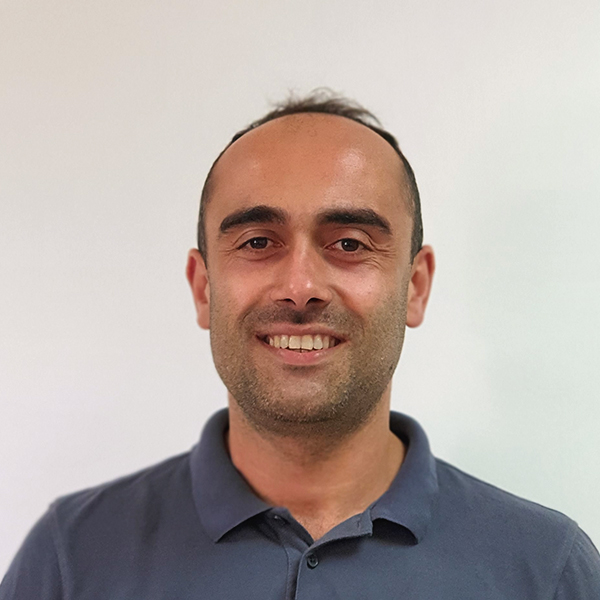
Dr. Ahmet Acar is an Associate Professor at the Department of Biological Sciences, Middle East Technical University (METU), Ankara, Turkey. He leads the Cancer Precision Medicine and Drug Resistance Laboratory, focusing on understanding mechanisms of drug resistance in cancer. His research integrates experimental models, next-generation sequencing, and deep learning to address clinical challenges in cancer therapy. Dr. Acar holds a B.Sc. from METU's Biological Sciences department and a Ph.D. from the Cancer Research UK Manchester Institute. He completed postdoctoral training at the Institute of Cancer Research, London, and the University of Manchester. Research Interests: Drug resistance mechanisms, precision oncology, tumor microenvironment modeling, patient-derived organoids, computational pathology, and evolutionary cancer biology. His lab develops 2D/3D co-culture systems, PDO biobanks, and AI-driven histopathology tools to improve treatment strategies. Recent Work Trends: Recent publications emphasize tumor evolution modeling, matrix mechanics in drug resistance, and AI applications in histopathology. Collaborations with hospitals in Turkey and Europe support PDO biobank initiatives. His team explores evolutionary steering strategies to exploit collateral drug sensitivities. Labs/Teams: Precision Medicine and Drug Resistance Lab at METU focuses on interdisciplinary approaches combining wet-lab experiments with computational methods. Current projects include ex vivo tumor modeling and AI-driven diagnostic tools for oncology.
Neslihan YETKİNERView profile
Professor
Prof. Neslihan YETKİNER is the current Dean of İzmir University of Economics and a member of the TÜBİTAK SOBAG Advisory Board. She holds a PhD in Linguistics from Groningen University (Netherlands) and has served as a research assistant at Hacettepe University and part-time lecturer at London University. Her academic career spans over two decades, with expertise in Translation Studies, Pragmatics, and Corpus-based Translation. Education: BA (Summa Cum Laude) and MA in Translation from Hacettepe University; PhD in Linguistics from Groningen University. Administrative Roles: Dean since 2023, previously Head of the Department (2006–2009). Research Interests: Focus on translation theory, critical discourse analysis, children’s literature, and cultural studies. Her work explores themes like censorship in children’s books, translator prefaces, and intercultural adaptation. Her recent articles address topics such as the impact of the pandemic on the translation industry, liminality in folk tale translations, and community interpreting professionalism. She has led three TÜBİTAK-funded projects on translation and literary analysis. Prof. YETKİNER has received multiple awards, including the TÜBİTAK Scientific Publication Encouragement Award (2012–2017), and has advised PhD student Hamide Çakır. She is actively involved in academic administration and contributes to national and international conferences.

Selim Ozan ÇekçiView profile
Assistant Professor
Selim Ozan Çekçi is an Assistant Professor at the Faculty of Humanities and Social Sciences, Hacettepe University. She completed her PhD in Translation Studies at Hacettepe University's Department of English Translation and Interpreting (2024) after a master's degree (2018) and undergraduate studies (2011-2015) at the same institution. Her academic career includes lecturing roles at Hacettepe University School of Foreign Languages (2015-2016) and Izmir Katip Çelebi University School of Foreign Languages (2016-2017), followed by a 7-year tenure as Research Assistant at Kırıkkale University's Department of English Translation and Interpreting (2017-2024). PhD in Translation Studies (2024), Hacettepe University Master's in English Translation and Interpreting (2018), Hacettepe University Bachelor's in English Translation and Interpreting (2015), Hacettepe University Her research focuses on translation studies, interpreting, and linguistic applications in cross-cultural communication. She has worked across multiple Turkish universities in teaching and research roles.
Apala DasView profile
Research Fellow
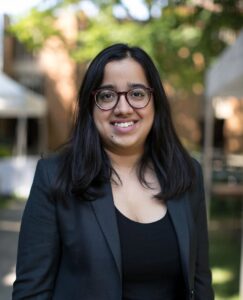
Dr. Apala Das is a Research Fellow at Bilkent University, specializing in 20th-century global anglophone literatures, modernist poetry and poetics, and postsecularism studies. Her academic work bridges postcolonial theory, South Asian literatures, and political theology within transnational frameworks. Her educational background includes a PhD from the University of Toronto, completed in 2024. Dr. Das's research centers on modernist asceticism as a critical lens for examining literary experiments by figures like Rabindranath Tagore, Hilda Doolittle, Aurobindo Ghose, and May Sinclair. She investigates how these writers negotiated ascetical ideals within colonial and postcolonial contexts, connecting literary form to biopolitics, secular citizenship, and ethno-nationalist ideologies. Her approach synthesizes postcolonial ethics, comparative literature, and political theology to analyze transnational modernist aesthetics. Her publications from 2018-2024 reveal consistent engagement with mobility, hybridity, and spiritual dimensions across literary traditions. Early work analyzed mobility in ethnography and Romantic-era travel, evolving toward contemporary meta-minimalist fiction and systematic studies of asceticism in global modernism. Dr. Das has received significant recognition for her scholarship: Ontario Graduate Scholarship (awarded twice) Chancellor Jackman Junior Fellowship from the Jackman Humanities Institute, University of Toronto Khashu Award for Tagore Studies from the Institute for South Asia Studies, UC Berkeley As a recent PhD graduate, she has not yet taken on formal graduate advising roles. Her research has been supported by competitive doctoral grants including the Ontario Graduate Scholarships and Chancellor Jackman Junior Fellowship, with current work funded through the Bilkent University/British Institute at Ankara Joint Fellowship. Dr. Das is actively developing her book manuscript "Modernist Asceticisms: Discipline, Form, and the Postsecular in the Transnational Twentieth Century" while participating in academic initiatives like the 2024 book launch for "Mind and Embodiment in Late Victorian Literature".

Duran IcelsView profile
Associate Professor
Duran Icels serves as an Associate Professor in the Department of Western Languages and Literatures at Kirikkale University's Faculty of Humanities and Social Sciences, specializing in French language and literature studies. His academic career spans appointments at Zonguldak Bülent Ecevit University (1997), Hacettepe University (2000-2007; 2014-2017), and current service at Kirikkale University since 2008, including roles as Erasmus-Farabi Coordinator (2009-2013) and Deputy Director of the School of Foreign Languages (2013-2016). Educational background: BA in French Language and Literature, Hacettepe University (1994) MA in French Language and Literature, Hacettepe University (1999) PhD in French Language and Literature, Hacettepe University (2005) Research focuses on French literary traditions, cross-cultural comparative analysis, and Turkish-French poetic dialogues. His scholarship examines structural and thematic intersections between Francophone and Turkish literary canons, with particular emphasis on translation theory and poetic form evolution across cultural boundaries. Academic leadership includes developing international exchange programs through Erasmus-Farabi coordination and administrative oversight as Deputy Director of Foreign Languages. He has supervised master's theses in translation studies while maintaining active bilingual (Turkish-French) scholarly engagement.

Mustafa KircaView profile
Associate Professor
Mustafa Kirca serves as Associate Professor of English and Comparative Literature at Çankaya University in Ankara, Turkey, where he is affiliated with the Department of Translation and Interpreting Studies. His academic profile demonstrates extensive engagement with contemporary literary theory, postcolonial studies, and comparative literature, with particular focus on the Turkish context. Kirca's research interests span postmodernist fiction, postcolonial theory, literary translation, gender studies, and cultural identity. His scholarly work consistently examines the intersections between literature, philosophy, and cultural politics, with special attention to how global literary phenomena are received and transformed in Turkish intellectual contexts. He has made significant contributions to understanding the relationship between translation studies and comparative literature, advocating for border-crossing approaches that challenge traditional disciplinary boundaries. Analysis of Kirca's publications reveals consistent engagement with postcolonial narrative strategies, particularly textual decolonization approaches that challenge Eurocentric discourses. His work frequently examines how contemporary authors like Murakami, Rushdie, and Carter negotiate cultural hybridity and identity formation. A notable thread throughout his scholarship is the examination of how literary texts engage with philosophical concepts, from Kierkegaardian existentialism to postmodern historiography, often through the lens of translation and cross-cultural reception. Kirca has co-edited several significant scholarly collections including Iris Murdoch and Her Work: Critical Essays (2010), B/Orders Unbound: Marginality, Ethnicity and Identity in Literatures (2017), and Multicultural Narratives: Traces and Perspectives (2018), demonstrating his collaborative scholarly approach and broad intellectual interests. His editorial work has created important platforms for interdisciplinary dialogue in literary and cultural studies. As an active academic, Kirca has contributed to numerous conferences on Language, Literature and Culture, with particular emphasis on how contemporary literature engages with themes of fear, identity, and cultural transformation in the post-millennial era. His work demonstrates consistent scholarly productivity with publications spanning from 2009 to the present, including the forthcoming 2025 work on Murakami's Killing Commendatore .

Burak Sunguralp TekinView profile
Assistant Professor
Burak Sunguralp Tekin is an Assistant Professor in the Department of Translation and Interpretation at the Faculty of Humanities and Social Sciences, Ankara Yıldırım Beyazıt University. His academic career includes positions as both Lecturer (2021-2022) and Assistant Professor (2022-present) at the same institution. Dr. Tekin's research primarily focuses on human sociality and the interplay of language, bodies, and technology, with particular emphasis on embodied interaction, social practices, and multimodal communication. Dr. Tekin's educational background includes: Doctorate (2014-2019) from University of Basel, Switzerland, with dissertation "Bodies at play: Exploring participation, spectatorship, and morality in videogaming activities" Postgraduate studies (2012-2013) from University of Newcastle Upon Tyne, United Kingdom, with thesis "Smiles and affective alignment in naturally occurring dyadic academic supervisions" Undergraduate degree (2006-2010) from Hacettepe University, Turkey Dr. Tekin's research interests center on social interaction, multimodal communication, and embodied practices. His work examines how people coordinate their actions, bodies, and language in various contexts including gaming, photography, public spaces, and pandemic-related social adaptations. He employs conversation analysis and multimodal interaction analysis to investigate the micro-details of human sociality, with particular attention to how technology mediates social practices. His research bridges sociology, linguistics, and human-computer interaction to understand the embodied nature of social organization. Analysis of Dr. Tekin's recent publications reveals a consistent focus on embodied social interaction across diverse contexts. His work demonstrates sophisticated methodological approaches to studying how people coordinate their movements, manage social spaces, and create meaning through multimodal resources. A notable trend is his examination of how social practices adapt during extraordinary circumstances like the COVID-19 pandemic, as well as his sustained interest in gaming activities and their social organization. His collaborative work with Lorenza Mondada is particularly prominent in the field of conversation analysis. Dr. Tekin has taught various courses including Multimodal Communication, Introduction to Applied Linguistics, Language and Communication, Language Acquisition, Consecutive Interpreting, Intercultural Communication, World Englishes, Applied Linguistics, Turkish Grammar, Language Culture and Society, and Discourse Analysis at both undergraduate and postgraduate levels. His teaching reflects his research expertise in communication, language, and social interaction.
Yavuz YakutView profile
Professor
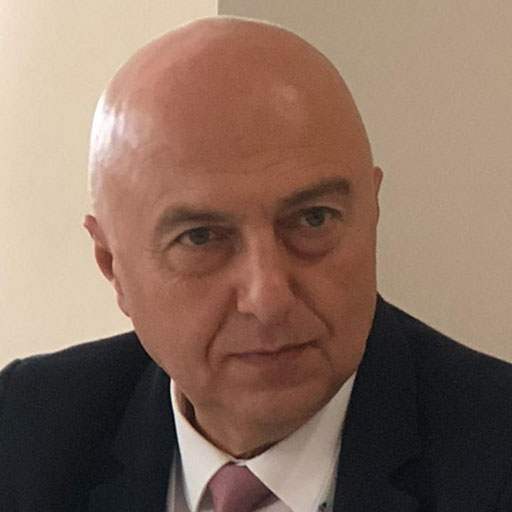
Prof. Dr. Yavuz Yakut serves as full-time Professor and Head of the Department of Physiotherapy and Rehabilitation at Hasan Kalyoncu University's Faculty of Health Sciences since 2016. Previously, he held academic positions at Hacettepe University from 1985 to 2016, progressing from Research Assistant to Professor, while concurrently serving on national committees including the Ministry of Health and Ministry of Finance Budget Implementation Commissions (1997-2003) and YÖK Physiotherapy Sub-Commission (2013-2016). His educational foundation includes a Bachelor's (1984), Master's (1987), and PhD (1990) in Physiotherapy and Rehabilitation, all completed at Hacettepe University. Yakut's research demonstrates exceptional breadth across rehabilitation science, with concentrated expertise in biomechanics and scoliosis rehabilitation . His work significantly advances neurological rehabilitation for conditions like multiple sclerosis and cerebral palsy, while pioneering applications in burn rehabilitation and orthotics/prosthetics . Recent publications reveal strategic integration of biopsychosocial models and telerehabilitation , particularly addressing pandemic-related challenges and chronic disease management across diverse populations. Analysis of his 2023-2025 publications shows consistent interdisciplinary innovation: validating cross-cultural assessment tools (e.g., Turkish translations of scoliosis and ADL questionnaires), developing novel exercise protocols (dance therapy, cognitive exercise therapy), and investigating rehabilitation responses in complex cases including HIV, rheumatic diseases, and post-earthquake trauma. His methodology frequently combines biomechanical analysis with patient-centered outcomes, demonstrating particular rigor in controlled trials for spinal deformities and burn recovery. His leadership extends beyond direct research through committee roles shaping national rehabilitation policy and educational standards, including his current departmental leadership and recent systematic review on physiotherapy distance education during pandemic disruptions.

Atilla AnsalView profile
Professor
Professor Atilla Ansal is a distinguished academic in Civil Engineering at Özyeğin University's School of Engineering, where he has served as a full-time professor since March 2012 and previously as the Founding Chair of the Civil Engineering Department from 2012-2019. With an extensive career spanning over five decades, Professor Ansal has held prominent positions at Istanbul Technical University, Bogaziçi University's Kandilli Observatory and Earthquake Research Institute, and has served as a visiting professor at numerous international institutions including Northwestern University, University of California, and Tokyo University. Northwestern University, 1978 (Doctorate) Civil Engineering, Istanbul Technical University, 1969 (Master's) Civil Engineering, Istanbul Technical University, 1969 (Bachelor's) Professor Ansal's research focuses on Earthquake Geotechnical Engineering, Soil Dynamics, Seismic Hazard Analysis, Landslide hazard analysis, Seismic Microzonation, and Laboratory and In-Situ Testing of Soil Properties. His work has significantly advanced our understanding of soil behavior under seismic loading, site response analysis, and seismic microzonation methodologies. His research has direct applications in urban planning, earthquake risk mitigation, and performance-based seismic design. Professor Ansal has pioneered approaches to site-specific earthquake characterization and developed methodologies for seismic microzonation that have been implemented in numerous Turkish cities and adopted internationally. His extensive publication record demonstrates consistent contributions to earthquake engineering, with recent work focusing on probabilistic seismic microzonation, 2D basin effects, site-specific response analysis, and performance-based design approaches. His research shows a clear evolution from fundamental soil behavior studies to practical applications in urban risk assessment and mitigation. 7th Prof.N.Ambraseys Lecturer (2024), European Association for Earthquake Engineering 15th Nonveiller Lecturer (2017), Croatian Geotechnical Society Third Prof.Dr. Rıfat Yarar Lecturer (2015), Turkish Civil Engineers Association Third Ord.Prof.Dr. Hamdi Peynircioglu Lecturer (1988) Professor Ansal has advised 15 PhD students and 27 Master's students, shaping the next generation of earthquake engineers. His leadership extends to editorial roles as Editor-in-Chief of the Springer journal 'Bulletin of Earthquake Engineering' since 2002 and Editor-in-Chief for the Springer book series on 'Geotechnical, Geological and Earthquake Engineering'. He served as Secretary General (1994-2014), President (2014-2018), and Vice President (2018-2022) of the European Association for Earthquake Engineering, significantly influencing the field internationally. His work has been supported by numerous grants from Turkish government agencies, international organizations including UNESCO, and collaborative research projects across Europe. Professor Ansal has been instrumental in establishing geotechnical monitoring systems in Istanbul, including vertical arrays for site response analysis. His leadership in the 'Earthquake Master Plan for Istanbul' and 'Seismic Microzonation for Municipalities' projects has created critical infrastructure for earthquake risk management in Turkey's most populous city. His work with GeoIst, Geotechnical Earthquake Engineering and Consultancy Inc. has translated academic research into practical engineering solutions for seismic risk mitigation.
.jpeg)
Yusuf Mehmet ÖRNEKView profile
Professor
Yusuf Mehmet ÖRNEK is a Professor in the Department of Philosophy and Sociology of Law at Antalya University. He holds a doctorate from Johannes Gutenberg University and a Master's degree from Hacettepe University. His academic work bridges philosophy, sociology of law, and cross-cultural intellectual traditions. Doctorate: Johannes Gutenberg Universität Master's: Hacettepe Üniversitesi His research focuses on German philosophy (Kant, Heidegger, Jaspers), ethical frameworks , and university ideals . He explores intersections between ancient philosophy and modernity , political philosophy , and urban ethics . Recent publications analyze climate change as an ethical crisis and cultural reception of Nicolai Hartmann in Turkey . ÖRNEK is known for comparative studies between Turkish and German philosophical traditions, particularly examining Takiyettin Mengüşoğlu's engagement with European thinkers. His work traces historical dialogues between philosophers like Arendt-Jaspers-Heidegger and their implications for contemporary thought.

USAME İHTİYARView profile
Associate Professor
Assoc. Prof. USAME İHTİYAR holds the position of Associate Professor at Bingöl Üniversitesi's Fen Edebiyat Fakültesi, specifically in the Arapça Mütercim ve Tercümanlık Anabilim Dalı. He previously held roles at Damascus University and Bilad Al Sham Üniversitesi, transitioning to Bingöl Üniversitesi in 2013. His academic journey includes a PhD from Damascus University (2004) focusing on Sicilian Arabic poetry and a career spanning over three decades in academic administration and editorial roles. Education: B.A. (1987-1991), M.A. (1998), and Ph.D. (2004) in Arabic Language and Literature from Damascus University. Academic titles include Doktor Öğretim Üyesi (2006-2011), Doçent (2006–present), and multiple international editorial board memberships. Research interests center on classical Arabic poetry, Islamic literary criticism, Andalusian literature, and Arabic language pedagogy. He has advised over 30 graduate students and authored/co-authored books on topics like Sicilian Arabic poetry, tasavvuf (Sufi) literature, and translation studies. His work appears in journals such as Şarkiyat Mecmuası and Fırat Üniversitesi İlahiyat Fakültesi Dergisi, with a focus on Quranic linguistics and medieval Arabic texts. Professional activities include editorial roles for Diyanet Arapça İlmi Dergisi (2019–2022) and membership in international academic committees like the Katar Üniversitesi's Postgraduate Academic Board. His contributions span editorial leadership, conference participations, and authoring textbooks on Arabic grammar and rhetoric. Notable works include Siciliya Şiirleri Antolojisi (2016) and Modern Tasavvuf Şiirinde Manevi Değerler (2022). His research bridges classical Arabic literary traditions with contemporary pedagogical challenges in teaching Arabic as a second language.
HAKAN FİDANView profile
Associate Professor
Hakan Fidan is an Associate Professor in the Department of Plant Protection at Akdeniz University's Faculty of Agriculture in Antalya, Turkey. With over two decades of experience in plant virology and molecular plant pathology, Dr. Fidan leads research focused on viral diseases affecting vegetable crops, particularly tomatoes, peppers, cucurbits, and cereals. He serves as Director of the Seed and Agricultural Biotechnology Research and Application Center at Akdeniz University and has previously directed the Serik Gulsun-Suleyman Sural Vocational School. Dr. Fidan's academic journey includes: Doctorate (2004-2010): Cukurova University, Faculty of Agriculture, Plant Protection Department Postgraduate (2000-2004): Cukurova University, Faculty of Agriculture, Phytopathology/Virology Undergraduate (1992-1996): Cukurova University, Faculty of Agriculture, Plant Protection Department Dr. Fidan's research spans several interconnected areas in plant pathology and virology. His primary focus is on plant viruses affecting economically important crops in the Mediterranean region, with particular emphasis on molecular characterization of viral pathogens, development of resistance mechanisms, and implementation of sustainable disease management strategies. His work integrates molecular biology techniques with traditional plant pathology approaches to address real-world agricultural challenges. His specific research interests include: Plant Virology and Molecular Plant Pathology Development of molecular markers for disease resistance Complete genome molecular biology of plant viruses Plant resistance mechanisms against viral pathogens CRISPR/Cas9 genome editing for developing virus-resistant crops Host-pathogen interactions in vegetable crops Analysis of Dr. Fidan's recent publications reveals a strong focus on emerging viral threats to Turkish agriculture, particularly tomato brown rugose fruit virus (ToBRFV), tomato spotted wilt virus (TSWV), and zucchini yellow mosaic virus (ZYMV). His research demonstrates a strategic progression from basic viral characterization to developing practical solutions through molecular diagnostics, resistance breeding, and genome editing approaches. A notable trend is the increasing application of CRISPR/Cas9 technology in his recent work, reflecting a shift toward genetic solutions for viral disease management. Dr. Fidan has supervised 10 graduate theses across master's and doctoral levels, focusing on viral diseases of economically important crops. His students' research has addressed critical issues including ToBRFV management, TSWV resistance breaking, ZYMV resistance in cucurbits, and molecular characterization of emerging viral pathogens. His research program is supported by multiple projects (14 listed in the metrics), indicating successful grant acquisition for molecular virology research and crop protection initiatives. As Director of the Seed and Agricultural Biotechnology Research and Application Center at Akdeniz University, Dr. Fidan leads a multidisciplinary team focused on agricultural biotechnology and seed science. His research group specializes in plant virology, with expertise spanning molecular diagnostics, host-pathogen interactions, and genetic approaches to disease management. The team maintains strong connections with national and international research institutions, as evidenced by collaborative publications, and works closely with agricultural extension services to translate research findings into practical solutions for Turkish farmers.
Ozan Seymen SezenView profile
Associate Professor
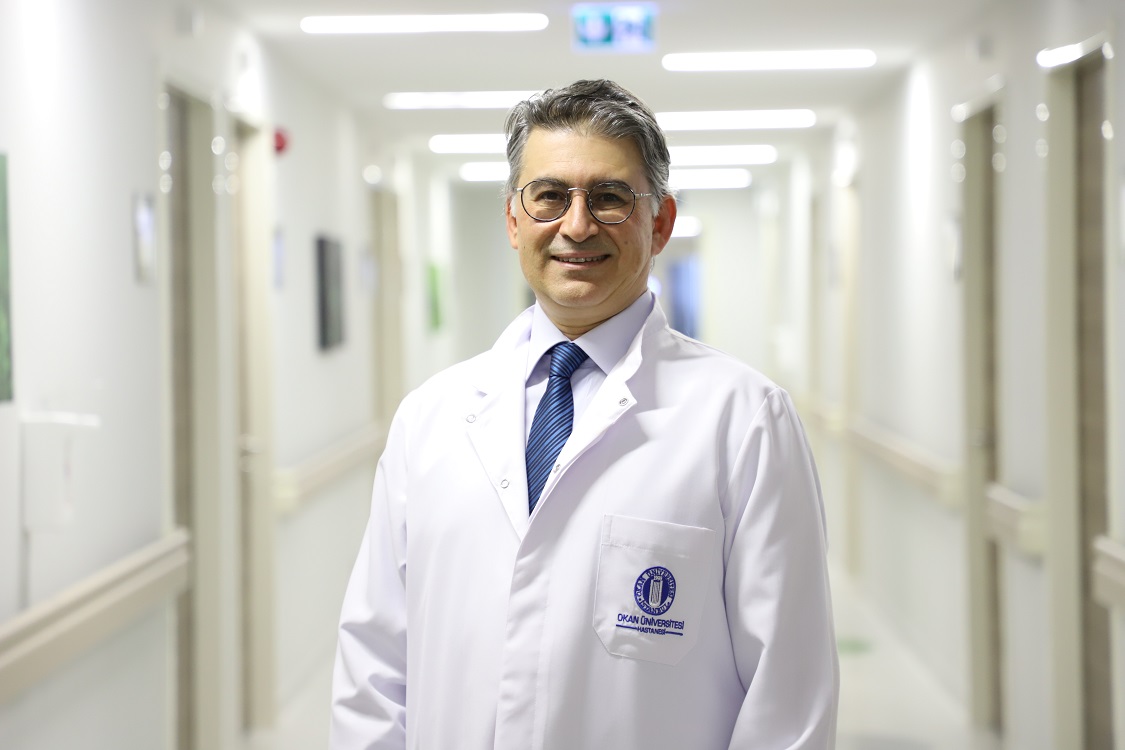
Prof. Dr. Ozan Seymen Sezen is an Associate Professor specializing in Ear, Nose, and Throat (ENT) Diseases with dual affiliations at Istanbul Okan University Hospital since 2019 and Kartal Dr. Lütfi Kırdar Training and Research Hospital since 2001. He earned his medical degree from Istanbul University Cerrahpaşa Faculty of Medicine in 1993, completed his ENT specialization in 2000 after training at the University of Michigan Medical School, and achieved associate professorship status in 2012. His educational background includes: Master's Degree from Istanbul University Cerrahpaşa Faculty of Medicine Medical Specialization in ENT at SB Dr. Lütfi Kırdar Kartal Training and Research Hospital Associate Professorship in ENT at the same institution Prof. Sezen has developed specialized expertise in facial aesthetic and plastic surgery, particularly rhinoplasty, with additional focus on snoring and sleep apnea surgery, ear diseases and surgery, and sinus diseases and surgery. His clinical practice significantly exceeds typical volumes in endoscopic sinus surgery, sleep apnea procedures, rhinoplasty, and head and neck cancer surgeries. His research spans surgical innovations, pathological studies, and interdisciplinary connections between ENT and other medical specialties. His publication record demonstrates consistent scholarly contributions over two decades, with recent emphasis on sleep apnea treatment techniques, rhinoplasty innovations, and physiological impacts of ENT interventions. The research shows strong translational focus from laboratory studies to clinical applications. Key professional recognitions include: European Otorhinolaryngology Head and Neck Surgery Certificate of Competency (2012) Fellow of the European Board of Otorhinolaryngology Head and Neck Surgery As an educator, Prof. Sezen has continuously provided scientific, practical, and surgical training to resident doctors and medical students throughout his career. He has participated in over 20 national and international courses and congresses between 2010-2018, with specialized focus on facial plastic surgery techniques. His research collaborations span multiple institutions with emphasis on advancing ENT surgical practices through evidence-based approaches. Professional affiliations demonstrate his commitment to interdisciplinary collaboration, including membership in the Turkish Otorhinolaryngology Head and Neck Surgery Association, Facial Plastic Surgery Association, Turkish Sleep Research Association, European Academy of Facial Plastic Surgery, and American Academy of Cosmetic Surgery.