Rhenish Friedrich Wilhelm University of BonnGermany
Ruben A. Bühner is a Postdoctoral Fellow at the University of Bonn’s Protestant Theological Faculty, focusing on the New Testament. He has held interim professorships at the University of Wuppertal (2024–2025) and Ludwig-Maximilians-Universität München (SoSe 2024), and previously worked at the University of Tübingen and Zürich. His habilitation (2023) and doctoral (2020) theses address early Jewish messianism and its influence on New Testament Christologies.
Helmholtz Institute Ulm for Electrochemical Energy StorageGermany
Dana Reichmann is an Associate Professor at the Hebrew University of Jerusalem in the Department of Biological Chemistry . Her research focuses on protein plasticity under stress conditions , redox biology , and structural mass spectrometry to study protein dynamics and interactions. Previously, she held postdoctoral positions at the University of Michigan and the Weizmann Institute of Science . Education: PhD in Biological Chemistry (2007), Weizmann Institute MSc in Molecular Genetics (2002), Weizmann Institute BSc in Biochemistry (1997), Tel Aviv University Her research spans redox-regulated chaperones , protein homeostasis , and redox-dependent cellular heterogeneity , with applications in aging , stress responses , and oxidative signaling . Recent work highlights the role of Cdc48 in redox homeostasis and Spy chaperone in membrane protein folding. She employs cutting-edge techniques like hydrogen-deuterium exchange mass spectrometry and redox-sensitive GFP fusions to map protein interactions and redox states. Her publications (46 total) emphasize redox biology , molecular chaperones , and structural proteomics , with collaborations across biochemistry , microbiology , and cancer therapy . Contact: danare@mail.huji.ac.il .
Moritz Meißner serves as a Researcher at the Institute of Psychology within the Faculty of Life Sciences at Humboldt University of Berlin. His primary affiliation is with the Occupational Health Psychology research group, where he contributes to studies examining workplace health dynamics and employee well-being initiatives. His research centers on Occupational Health Psychology , specifically investigating work-related stressors, psychosocial risk factors in modern workplaces, and evidence-based interventions for organizational health promotion. This interdisciplinary field bridges psychological theory with public health applications to develop practical solutions for sustainable work environments. As part of the Occupational Health Psychology group, Meißner engages in projects analyzing the physiological and psychological impacts of contemporary work structures. The research unit emphasizes empirical methodologies to translate findings into actionable workplace policies, focusing on prevention-oriented strategies for enhancing occupational health outcomes across diverse professional settings.
Dr. Sarah Greve is a Research Associate in the Department of Molecular Nutrition Science (140a) at the University of Hohenheim in Stuttgart, Germany. Her work spans multiple disciplines including molecular nutrition, metabolism, cardiovascular health, and clinical nutrition applications. Her research interests focus on molecular nutrition mechanisms , metabolic pathways , and the intersection of nutrition with cardiovascular health. Dr. Greve has made significant contributions to understanding how nutritional factors impact physiological processes, particularly in relation to vascular health, pregnancy outcomes, and metabolic disorders. Her work demonstrates a strong translational approach, connecting basic molecular research with clinical applications. Analysis of Dr. Greve's publication record reveals a diverse research portfolio spanning nutritional biochemistry, cardiovascular physiology, and clinical applications. Her work shows particular strength in metabolic research using animal models, cardiovascular assessment techniques including pulse wave velocity measurements, and clinical applications in obstetrics and transplantation medicine. The publications demonstrate a consistent focus on translational research that bridges molecular mechanisms with clinical outcomes. Dr. Greve has collaborated extensively across disciplines, working with researchers in hematology, cardiology, obstetrics, and sports science. Her collaborative approach has enabled research that addresses complex questions at the intersection of nutrition, metabolism, and physiological function.
Rhenish Friedrich Wilhelm University of BonnGermany
Carina Baedorf is a Researcher at the Department of Old Testament Exegesis and Theology within the Protestant Theological Faculty of the University of Bonn. She focuses on Old Testament genre studies, particularly the qina (קינה), a prophetic lamentation form in the Hebrew Bible. Her work bridges biblical studies, exegesis, and linguistic analysis. Current doctoral project: "The Qina. Studies on an Old Testament Genre" Research assistant under Prof. Dr. Markus Saur since 2020 Education Magistra Theologiae (2019), Evangelical Church in the Rhineland Bachelor of Arts in Protestant Theology and History (2007-2010), University of Bonn Research Interests Her research centers on qina in the Hebrew Bible, analyzing its semantic and genre-historical context. She critically examines the traditional German translation of qina as "funeral lament" and explores its function within prophetic texts, particularly in Ezekiel. Scientific Awards 2018: Award from the Association of Friends and Supporters of the Evangelical Theological Faculty, Bonn Teaching She has taught courses on Old Testament exegesis, including "Introduction to Old Testament Exegesis" (2020, 2021), "Lament texts in the Old Testament" (2020/2021), and co-taught "Biblical Studies of the Old Testament" and "Reading and Exegesis of the Book of Ruth" (2021/2022).
Magdalena Waligórska-Huhle is a Professor at the Institute for European Ethnology, Humboldt University Berlin, and Principal Investigator of the ERC Consolidator Grant project PLUNDERED LIVES . Her research spans contemporary Polish and Belarusian history , Jewish/non-Jewish relations , Holocaust studies , nationalism , Jewish heritage , music and identity , and memory studies . She holds a PhD in History and Civilization (2009) from the European University Institute and a Habilitation (2021) from the University of Hamburg. She served as an Humboldt Fellow (2011–2013) and Assistant Professor of Eastern European History and Culture at the University of Bremen (2013–2020). Her publications include monographs on Klezmer’s Afterlife (2013) and Cross Purposes (2023). Her scholarly work examines post-Holocaust cultural dispossession , Jewish heritage revivals , and memory practices in East-Central Europe. She co-edited volumes on Poland’s Wars of Symbols (2019) and Jewish Translation/Translating Jewishness (2018). She received the Annual Article Prize of Holocaust Studies (2018) and secured grants from the ERC , DFG , and Gerda Henkel Foundation .
Nikita Kuzin is a Researcher at the Institute of Semitic Studies , affiliated with the Department of History and Cultural Studies at Freie Universität Berlin. His work focuses on Aramaic and Semitic linguistics, particularly Neo-Aramaic dialects like Ṭuroyo, with an emphasis on morphology, language contact, and comparative studies. Contact: Room 1.1006, Fabeckstraße 23-25, 14195 Berlin; Email: nikita.kuzin@fu-berlin.de Teaching: Offers courses such as "Aramäische Sprachwissenschaft und Dialektologie" and "Vergleichende Semitistik" for advanced students. Research Areas: Kuzin’s research spans templatic morphology, adaptation of Arabic and Kurmanji verbs in Ṭuroyo, labile verbs, grammatical voice, and valency changes. He investigates language contact phenomena between Semitic and non-Semitic languages in the Middle East and contributes to the preservation of endangered dialects through corpus studies and digital editions. Publications: Key works include studies on Neo-Aramaic dialects, comparative Semitic linguistics, and oral literature analysis. His recent projects focus on linguistic relics in Jewish Arabic dialects of Mesopotamia and historical interactions on the Roman-Sasanian frontier. Academic Engagement: Kuzin actively presents at international conferences such as the Semitic Dialectology Conference (2025) and the Deutscher Orientalistentag, emphasizing interdisciplinary collaboration and field-specific innovations.
Prof. Stephanie Kullmann serves as Group Leader and Deputy Head of the Division "Metabolic Neuroimaging" at the Institute for Diabetes and Metabolic Diseases (IDM) of Helmholtz Zentrum München, affiliated with the University of Tübingen. She is an active member of the Graduate Training Centre of Neuroscience at the International Max Planck Research School. Her academic credentials include: Master's in Neuro- and Behavioral Sciences, University of Tübingen (2009) PhD in Neuroscience, University of Tübingen (2013, summa cum laude) Habilitation, Medical Faculty of University of Tübingen (2019) Kullmann's research pioneers the critical link between brain insulin sensitivity and metabolic health, demonstrating that neural pathways regulate peripheral metabolism and eating behavior in type 2 diabetes. Her innovative work combines functional MRI and brain stimulation to show that exercise and pharmacological interventions can normalize brain insulin resistance, improving whole-body metabolism. Key focus areas include hypothalamic-prefrontal networks in prediabetes and transcranial modulation of appetite circuits. Her 2024-2025 publications in Nature Metabolism, Brain Stimulation, and Trends in Endocrinology reveal converging themes: brain insulin action as a therapeutic target, sex-specific neural responses to food cues, and developmental impacts of metabolic disorders. These studies consistently highlight neural mechanisms as central to diabetes pathophysiology and treatment. Major recognitions include: Ferdinand-Bertram-Preis of the Deutschen Diabetes Gesellschaft (2022) DZD NEXT Young Talent Program (2020) Ernst-and-Berta-Scharrer Award (German Society of Endocrinology) (2018) As Deputy Head of Metabolic Neuroimaging, Kullmann mentors graduate students through the International Max Planck Research School while leading externally funded projects on brain-centered diabetes interventions. Her team's work on transcranial stimulation for appetite control and metabolic memory effects demonstrates significant translational potential. Current grants focus on improving brain insulin sensitivity through lifestyle and pharmacological approaches to prevent diabetes progression. Her laboratory operates within the Helmholtz Diabetes Center's collaborative ecosystem, integrating neuroscience, endocrinology, and imaging expertise to develop novel diagnostic and therapeutic strategies for metabolic disorders.
Alfred Nordmann is a Professor at the Technical University of Darmstadt , focusing on the philosophy and history of science and technoscience . His work explores the epistemological, metaphysical, and aesthetic dimensions of technoscientific research, emphasizing the role of theories as tools for practical mastery of phenomena. Educated at the University of Hamburg (MA 1981, PhD 1986) Current associate at the University of South Carolina Founding member of the History and Philosophy of Technoscience book series (since 2013) Nordmann's research spans technoscientific fields such as nanotechnology , synthetic biology , and multilingual technology . He investigates how knowledge is produced through making and building, challenging traditional distinctions between science and technology. His recent publications address themes like multilingualism in technology , machine hermeneutics , and epistemic bricolage , reflecting a shift toward understanding technoscience as a domain where theories serve practical control rather than pure representation. Collaborative projects include work with Daria Bylieva on Technologies in a Multilingual Environment and with Astrid Schwarz on the German-French project Genesis and Ontology of Technoscientific Objects (2010-2013). He also co-edited volumes on responsible innovation and the hermeneutics of technology .
Britta Trappmann is a researcher at the Max Planck Institute for Molecular Biomedicine and a member of the Cells in Motion Cluster of Excellence. She leads the Bioactive Materials Laboratory , focusing on biomaterials , synthetic hydrogels , and the interplay between cell-matrix interactions and cellular mechanotransduction to understand angiogenesis and tissue engineering . Trappmann’s research develops synthetic extracellular matrices with tunable properties (mechanics, degradability, adhesiveness) to study cell migration , endothelial cell behavior , and vascular morphogenesis . Her work bridges biomedical engineering , cell biology , and materials science , emphasizing interdisciplinary collaboration. Her 15 most recent publications span angiogenesis (e.g., Adv Sci 2024, Nat Commun 2021), cell mechanotransduction (e.g., Angew Chem Int Ed 2006), and biomaterials engineering (e.g., Nat Mater 2012). These studies often employ 3D organotypic cell culture models and synthetic hydrogels to dissect how material properties influence cell behavior , including endothelial cell migration , collective cell dynamics , and vascular junction stability . Trappmann is a board member of the CiM-IMPRS Graduate Programme , mentoring junior scientists. Her lab utilizes advanced tools like spinning-disc microscopes to observe 3D cell migration in real-time and creates engineered tissue platforms for angiogenesis studies. She emphasizes translating basic research into medical applications , envisioning implantable artificial tissues .
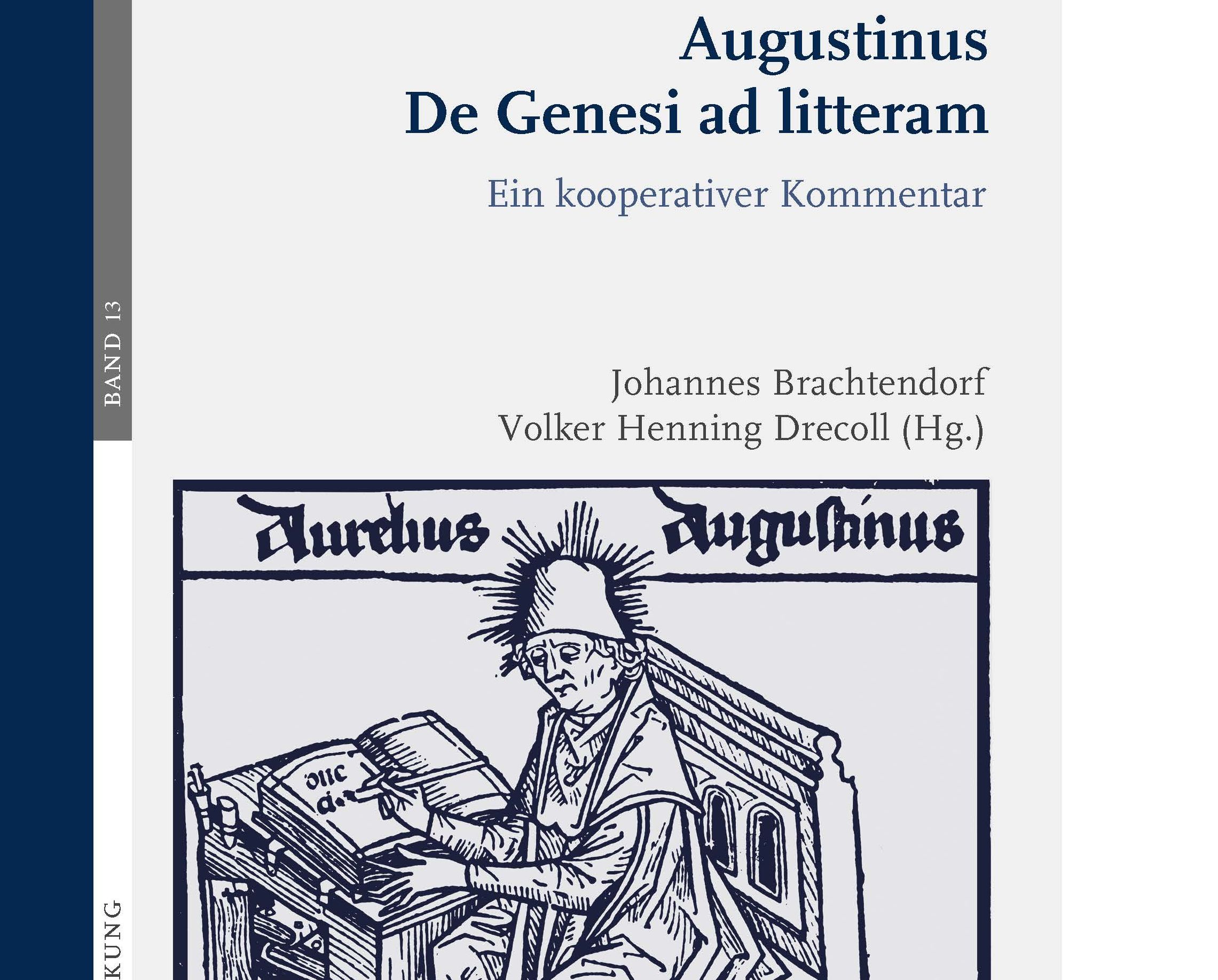
Professor Johannes Brachtendorf is a faculty member at the University of Tübingen , holding the Chair of Fundamental Philosophical Questions of Theology within the Faculty of Catholic Theology . Additionally, he is an associated member of the Philosophical Seminar at the University of Tübingen. His office is located at 12 Liebermeisterstraße, Tübingen , and he can be reached at +49 (0)7071 29 72670 or via email at johannes.bringendorf@uni-tuebingen.de . Academic Focus: His research spans Metaphysics , Philosophy of Mind , and Philosophy of Religion , with a particular emphasis on the works of Augustine , Fichte , and Kant . He explores intersections between Classical Chinese Philosophy and Augustinian Theology , as well as themes like Infinity , Divine Attributes , and Religious Ethics . Publications and Contributions: He has authored monographs such as Augustins Confessiones and Die Struktur des menschlichen Geistes nach Augustinus , with translations into English and Chinese. He co-edits the Augustinus-Opera-Werke and Augustinus – Werk und Wirkung series, and has contributed to The Oxford Guide to the Historical Reception of Augustine . International Engagements: His visiting professorships include appointments at Villanova University (USA) , Doshisha University (Japan) , and Minzu University (China) . He has presented at conferences globally, including in Chile , Malta , and China .
Professor Antje Flüchter is a distinguished historian at Bielefeld University, where she has served as Professor of General History with special focus on Early Modern Period since 2014. She currently holds multiple significant academic leadership roles, including Speaker of the Collaborative Research Center 1288 "Practices of Comparison: Ordering and Changing the World" since May 2021, and previously served as Dean of the Faculty of History, Philosophy and Theology from 2018-2021. Her institutional affiliations include membership in the Center for InterAmerican Studies, the Institute for World Society, and the Center for Uncertainty Studies (CeUS). Professor Flüchter's educational background demonstrates a strong foundation in historical studies. She earned her Magistra Artium from the University of Cologne in 1997 with a thesis on "Estates and State Formation in Bohemia in the Confessional Age." She completed her doctorate at the University of Münster in 2002 with research on "Celibacy between Norm and Deviance. Church Politics and Everyday Community Life in Jülich and Berg in the 16th and 17th Centuries," and successfully habilitated at the University of Heidelberg in 2012 with her work "The Diversity of Images and the One Truth. The Statehood of India in the German-speaking Perception (1500-1700)." Professor Flüchter's research interests center on the history of global entanglement, particularly the relationships between Asia (with special focus on India) and Europe during the early modern period. Her work explores transculturality, gender history, theory of history, and the history of religiosity. She has made significant contributions to understanding how comparative practices were used to order human diversity from the 15th to 19th centuries, examining the shift from religious and birth status classifications to increasingly racialized categorizations. Her scholarship investigates the cultural dynamics of translation, the history of knowledge, and the political dimensions of historical periodization. A consistent theme across Professor Flüchter's recent publications is the examination of comparative practices and their role in ordering the world. Her work demonstrates how bodies were compared and used to classify humans across different historical contexts, from the Ottoman Empire to Jewish communities and the Indian subcontinent. She explores the intersection of corporeality, religion, and social differentiation, revealing how comparative frameworks shaped Western modernity and contributed to mechanisms of exclusion. Her research on transcultural encounters, particularly between Europe and Asia, illuminates the multidirectional nature of translation and knowledge production. Professor Flüchter has held significant leadership positions that reflect her standing in the academic community. Since November 2023, she has served as Chair of the Advisory Board of the Käte Hamburger Research Centre Dis:connectivity in Processes of Globalisation (global dis:connect), having been elected to the Advisory Board in June 2023. Since September 2021, she has been a committee member of the Association of Historians in Germany. Additional memberships include the Advisory Board of the Institute of World History, the Historical Commission for Westphalia, and the Tenure Board of Bielefeld University. She also coordinates the Working Group on Gender History of the Early Modern Period. As a principal investigator and project leader, Professor Flüchter has secured substantial research funding, particularly through the German Research Foundation (DFG). She has led multiple projects within the Collaborative Research Center 1288, including "The Compared Body: Order in Human Diversity (16th-19th Centuries)" and "Practices of Comparison: Ordering and Changing the World." Her work on translation cultures has been supported through the Priority Programme "Translation Cultures of the Early Modern Period," where she led the project "Cultural Translation as a Multidirectional Process - Roberto Nobili as a Missionary Translator between Cultures, Religions, and Institutions." Previously, she served as Principal Investigator of the Cluster of Excellence "Asia and Europe in a Global Context" at Heidelberg University. Professor Flüchter is deeply integrated into several research communities and teams. She serves as Speaker of the Profile Area "Global and Entangled History" within the Department of Historical Sciences at Bielefeld University. Her work with the Collaborative Research Center 1288 has created an extensive network of scholars examining comparative practices across historical periods and geographical contexts. She is also affiliated with the Bielefeld Graduate School in History and Sociology and contributes to the Center for InterAmerican Studies. Through her editorial work, she co-edits several academic series including "Peripheries. Contributions to European History," "Studies on Everyday Life and Cultural History," and the international series "Traces," further extending her scholarly influence.
Max Planck Institute for Empirical AestheticsGermany
Prof. Dr. Andreas Chiocchetti leads the Molecular Genetics Laboratory at the Department of Child and Adolescent Psychiatry, Psychosomatics and Psychotherapy of Goethe University Frankfurt am Main. His work bridges biology and clinical practice in translational child psychiatry , focusing on neurodevelopmental disorders like autism, ADHD, and conduct disorder, alongside traits such as aggression and self-injury. Projects: R2D2-MH, RAISE-GENIC Methods: Genomic/epigenetic analysis, bioinformatics, machine learning, patient-specific neural cells (2D/3D), CRISPR/shRNA Research Interests Andreas Chiocchetti’s lab uncovers biomarkers and mechanisms in child psychiatry by integrating genetic, molecular, and behavioral data. They investigate genetic resilience and diversity in mental health across development, using patient cohorts and clinical partners. Their work includes modeling disorders like autism through neural cell cultures and organoids in a dish, combined with gene editing to dissect risk variants. Publications & Trends His recent articles highlight interdisciplinary approaches, including epigenetic studies of conduct disorder, neuroimaging of gene-brain-behavior links, and genetic analyses of autism. The work spans clinical observations (e.g., eating disorder admission rates during the pandemic) to molecular investigations (e.g., neuronal differentiation in ASD models). Techniques & Collaborations The lab combines wet-lab experiments (RNA sequencing, qPCR) with computational approaches to integrate multi-omics datasets. Collaborative efforts like R2D2-MH and RAISE-GENIC aim to predict treatment responses and identify patient subgroups, emphasizing personalized interventions for mental health.
Elgin Hoffmann is a Physician Scientist specializing in Radiation Oncology at a clinical institute focused on uro-oncology, neuro-oncology, pediatric radio-oncology, and sarcomas . His work bridges clinical practice with translational research, particularly in CNS tumors and biomarker-guided therapies. His research interests include: Development of biomarker-guided therapies for nervous system tumors Optimizing radiation therapy protocols for CNS lymphomas and meningiomas Investigating prognostic factors like SSTR2A expression in meningiomas Exploring neurobiological mechanisms in autistic trait-associated social cognition Recent publications demonstrate a focus on precision oncology and radiation treatment optimization , with co-authorship on 2025 studies about adjuvant therapy in penile cancer and 2024 work on low-dose radiotherapy for skin lesions. While no formal awards are listed, his collaborative research spans multiple institutions including University Hospital Tuebingen and German Society of Radiation Oncology networks. Key affiliations include the University Clinic for Radiation Oncology , with clinical expertise in neuro-oncology and pediatric radio-oncology . His technical focus areas encompass molecular subtyping , survival analysis , and advanced imaging applications in glioblastoma prognosis.
Prof. Dr. Winfried Rudolf is a leading scholar in Old English Language and Literature, currently serving as Professor at the University of Göttingen since 2011. He has held visiting positions at University College London (2015–2020) and previously taught at institutions including Princeton University and University College London. His research spans medieval manuscripts, homiletic texts, digital humanities, and cultural exchange between Anglo-Saxons and Continental Saxons. Key research interests include: Manuscript transmission and digital corpora (e.g., the ERC-funded ECHOE project) Old English poetry and prose interfaces Medieval childhood studies Devotional practices in late medieval England Anglo-Saxon interactions with continental Europe His recent publications focus on homilies, digital editions, and manuscript studies, with a strong emphasis on interdisciplinary methods combining philology, paleography, and digital tools. Notable projects include the ECHOE corpus and hybrid editions of Anglo-Saxon texts. Scientific recognition includes memberships in the Lower Saxony Academy of Sciences, Early English Text Society, and editorial roles in Cambridge Elements. He has led international collaborations such as the Göttingen-Vercelli teaching partnership and contributed to documentary projects like the RAI 3 video seminar.