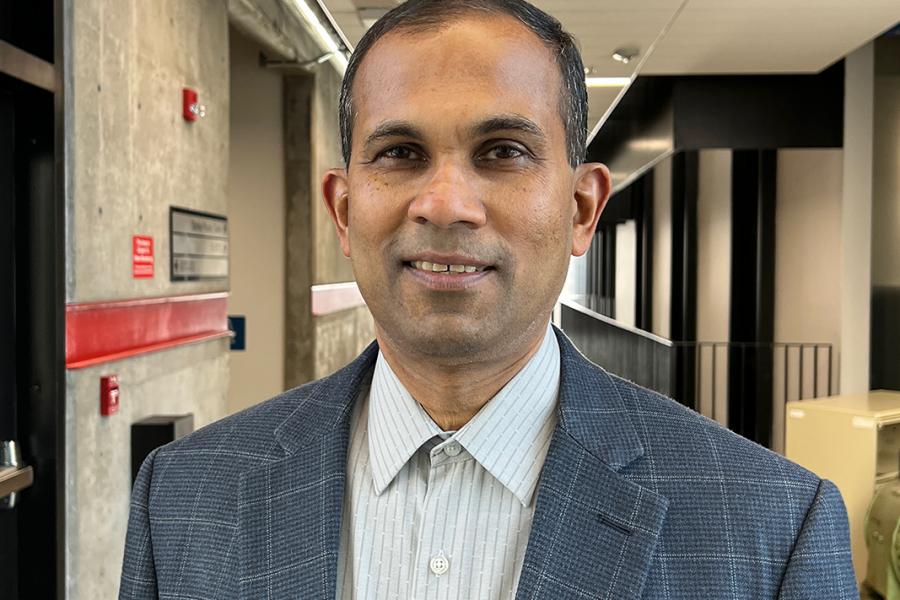
Kasim Sinan Yildirim is an Associate Professor in the Department of Information Engineering and Computer Science at the University of Trento, where he conducts research at the intersection of embedded systems, Internet of Things (IoT), and wireless communication technologies. His work focuses on developing innovative hardware and software solutions for resource-constrained and energy-limited environments. His research interests include: Hardware and software design for batteryless and intermittently powered embedded systems Energy harvesting and transient computing Wireless sensor networks and self-organizing networks Backscatter and visible light communication Edge learning and inference Distributed algorithms and real-time computing The absence of published articles in the provided text prevents analysis of publication trends. However, his research direction emphasizes sustainable, low-power computing paradigms essential for next-generation IoT deployments. There are no listed scientific awards in the provided information. Dr. Yildirim advises students and contributes to academic training, though specific advisees are not listed. There is no mention of external grants or funded projects in the provided text. He is involved in research related to advanced embedded and cyber-physical systems, particularly focusing on novel computing models for batteryless devices and sustainable IoT infrastructures.
Dr. Athula Rajapakse is a Professor in the Department of Electrical and Computer Engineering at the Price Faculty of Engineering, University of Manitoba, Canada. He leads the Intelligent Power Grid Laboratory and holds Fellow status with Engineers Canada, alongside senior membership in IEEE. His research addresses critical challenges in modern power systems, particularly renewable energy integration and grid resilience. His academic foundation includes: B.Sc. (Eng) First Class Honours in Electrical Engineering from the University of Moratuwa, Sri Lanka (1990) M.Eng. in Energy Technology from the Asian Institute of Technology, Bangkok, Thailand (1993) Ph.D. in Quantum Engineering and Systems Science from the University of Tokyo, Japan (1998) Dr. Rajapakse's research centers on power system protection in evolving grid environments, with specialized expertise in transient-based protection schemes , HVDC grid security , and machine learning applications for fault detection. His work bridges theoretical innovation and industry implementation through synchrophasor technology and wide-area monitoring systems, addressing vulnerabilities introduced by inverter-based renewable resources. Analysis of his 2023-2025 publications reveals three dominant thrusts: (1) Machine learning-driven voltage stability prediction using real-time monitoring, (2) Novel protection architectures for HVDC grids and microgrids requiring sub-cycle fault clearance, and (3) Standardized electro-thermal designs for scalable DC circuit breakers in medium-voltage networks. These reflect the industry's urgent need for adaptive protection in grids with high renewable penetration. His recognition includes: Fellow of Engineers, Canada Dr. Rajapakse serves as Associate Editor for the International Journal of Electric Power and Energy Systems (Elsevier) and Technology and Economics of Smart Grids and Sustainable Energy (Springer), while convening the Cigre/IEEE Joint Working Group C4/C2.62 on synchrophasor applications. Though not accepting new graduate students currently, his editorial leadership and working group contributions significantly shape power systems protection standards. His research has secured industry partnerships focused on real-world grid modernization. The Intelligent Power Grid Laboratory under his direction develops hardware-in-the-loop validation platforms for protection schemes, collaborating with Manitoba Hydro and international grid operators to test solutions for renewable-rich systems and remote microgrids.
Michael Ruderman is a Professor in the Department of Engineering Sciences at the University of Agder, Norway, where he has been working since June 2020 (previously as Associate Professor from October 2015 to June 2020). He is currently on sabbatical from January 2025. Prior to his position at UiA, he held academic appointments at Nagaoka University of Technology, Nagoya Institute of Technology, and Technical University Dortmund. His research focuses on: Motion control and robotics Mechatronics systems Nonlinear systems with memory Nonlinear, hybrid, and robust control methodologies Ruderman's work centers on the analysis and compensation of kinetic friction in robotic and mechatronic control systems, culminating in his 2023 book 'Analysis and Compensation of Kinetic Friction in Robotic and Mechatronic Control Systems'. His research bridges theoretical control concepts with practical engineering applications, particularly in hydraulic systems, robotic actuators, and systems with hysteresis and friction effects. His recent publications (2024-2025) demonstrate a strong emphasis on advanced control techniques for complex mechanical systems, with particular focus on sliding mode control, nonlinear damping, hysteresis compensation, and oscillation control. Many of his papers address real-world challenges in hydraulic actuators, robotic systems, and mechanical interfaces with friction. Professionally, Ruderman serves on the editorial boards of IEEE Transactions on Control Systems Technology, IFAC Control Engineering Practice, IFAC Mechatronics, and IEEE/ASME Transactions on Mechatronics. He previously chaired the IEEE-IES Technical Committee on Motion Control (2018-2021) and served on the Management Committee of IEEE/ASME Transactions on Mechatronics (2020-2023). Ruderman has been actively involved in numerous research projects including DAAD mobility grants, H2020-MSCA-RISE projects on robust control, and several Research Council of Norway (RCN) projects focusing on fractional-order systems, nonlinear control methods, and compensators for non-minimum phase systems. He teaches courses including Control Theory (MSc), Advanced Control and Robotics (PhD), Electromagnetic Modeling (PhD), and Feedback Control Systems 1 (BSc), demonstrating his commitment to educating the next generation of control engineers and robotics specialists.
Prof. Marcin Panowski is a Professor at Czestochowa University of Technology's Faculty of Infrastructure and Environment, specializing in the Department of Advanced Energy Technologies. His academic credentials include PhD, DSc, and Eng. qualifications, reflecting his extensive expertise in energy systems engineering. He maintains active teaching responsibilities with regular consultation hours scheduled for the 2024/2025 academic year. Prof. Panowski's research focuses on critical energy sector challenges: Technical and environmental optimization of energy production systems Advanced waste heat recovery methodologies, particularly low-temperature applications Industrial implementation of compressor and absorption heat pump technologies CO2 emission reduction through innovative adsorption capture methods Integration of carbon capture systems with conventional power generation His recent publication record reveals a strategic expansion from traditional power plant optimization toward interdisciplinary applications, particularly in agricultural energy systems. While maintaining his core expertise in carbon capture technologies, he has increasingly focused on practical implementations of waste heat recovery in vegetable sprout production. This evolution demonstrates his ability to bridge theoretical energy engineering with real-world industrial and agricultural applications. Prof. Panowski has secured recognition through significant patents: "Sposób schładzania dwutlenku węgla CO2 wyseparowanego ze spalin ze spalania paliw stałych w kotłach energetycznych" (Patent PL 228625, 2018) "Sposób przygotowania świeżej wody na potrzeby podlewania w uprawie kiełków warzywnych" (Patent PL 243296 A1, 2023) His practical contributions include the implementation of "an energy-saving pilot line for the production of vegetable sprouts with improved quality parameters" as part of project POIR.01.01.01-00-0759/17. This project exemplifies his commitment to translating research into tangible industrial solutions that simultaneously improve energy efficiency and product quality while addressing environmental concerns.
Walter Illman is a Professor of Physical and Contaminant Hydrogeology at the University of Waterloo's Department of Earth and Environmental Sciences, Faculty of Science. He has been actively engaged in research and teaching since completing his PhD at the University of Arizona in 1999. Illman is a member of The Water Institute at the University of Waterloo and teaches courses including Flow and Transport Through Fractured Rocks (EARTH 439), Physical Hydrogeology (EARTH 458), Physical Processes in Groundwater Systems (EARTH 650), and Flow and Transport in Fractured Rock (EARTH 658). His educational background includes a PhD in Hydrology and Water Resources from the University of Arizona (1999) and a BSc (Honours) in Earth Sciences from the University of Washington (1994). Professor Illman specializes in groundwater hydrology, with particular expertise in both saturated and unsaturated zones. His research employs mathematical modeling (both analytical and numerical), laboratory experiments, and field investigations to understand fluid flow and contaminant transport in porous and fractured geologic media. Key areas of focus include Dense Non-Aqueous Phase Liquid (DNAPL) source zone characterization, geostatistical inverse modeling, bioremediation, natural attenuation of organic contaminants, and hydraulic tomography for aquifer characterization. His work bridges theoretical hydrogeology with practical applications for groundwater management and contamination remediation. Illman's publication record demonstrates a sustained focus on hydraulic tomography as a method for characterizing aquifer heterogeneity, with increasing attention in recent years to integrated surface water-groundwater modeling and climate change impacts on water resources. His research spans laboratory experiments, field investigations, and mathematical modeling across various hydrogeological settings. Among his notable recognitions are the 2003 Outstanding Paper award at the International Symposium on Groundwater Problems Related to Geo-Environment, the 2002 American Geophysical Union Editors' Citation for Excellence in Refereeing, and several prestigious fellowships during his doctoral studies at the University of Arizona. Professor Illman has supervised numerous graduate students working on advanced topics in hydrogeology and has secured research funding to support his laboratory and field investigations. His work often involves collaboration with researchers at other institutions to address complex groundwater contamination problems. His research group maintains laboratory facilities for conducting controlled experiments on fluid flow and contaminant transport, and regularly conducts field studies to validate theoretical models and investigate real-world groundwater systems.
Rafid Al-Khoury is a Senior Researcher at the Faculty of Civil Engineering and Geosciences, Delft University of Technology. His work focuses on computational poromechanics, geothermal systems, and CO2 geosequestration, utilizing advanced finite element and spectral methods. He leads the Computational Mechanics chair within the Applied Mechanics section. Education: Ph.D. (Cum Laude) in Computational Mechanics, M.Sc. (Distinction) in Civil Engineering, and B.Sc. in Civil Engineering. Research: Specializes in mesh-independent finite element schemes, inverse problems, and spectral analysis for geothermal and CO2 storage applications. His publications address transient heat flow, fracturing porous media, and energy pile dynamics. Key contributions include books on Computational Modeling of Shallow Geothermal Systems (2012) and Computational Models for CO2 Geo-sequestration & Compressed Air Energy Storage (2014). He has chaired program committees for major conferences like InterPore.
Yan Li is an Assistant Professor in Electrical Engineering with extensive research activity spanning 2013–2025 and 76 research outputs. Their work intersects power systems engineering , quantum computing , and computational symmetry with applications in microgrid stability , neuroimage analysis , and human pose dynamics . Active in UN Sustainable Development Goals related to sustainable energy systems Key research areas: Quantum Computing Training , Transient Dynamics Analysis , Software-defined Networking , and Data-driven Modeling Recent publications focus on adaptive control algorithms for microgrids, quantum computing applications in power systems, and geometric machine learning for differential equations on manifolds. Their work combines theoretical innovation with practical implementations in energy and biomedical domains. Grant funding includes: National Science Foundation (CyberTraining: Quantum Computing Training for Power Engineers, 2024–2026) U.S. Navy (Quantum Analysis of Renewable Energy Transients, 2022–; SCADA Network Security via SDN, 2021–) National Science Foundation (Data-driven Modeling for Renewable Systems, 2022–2025)
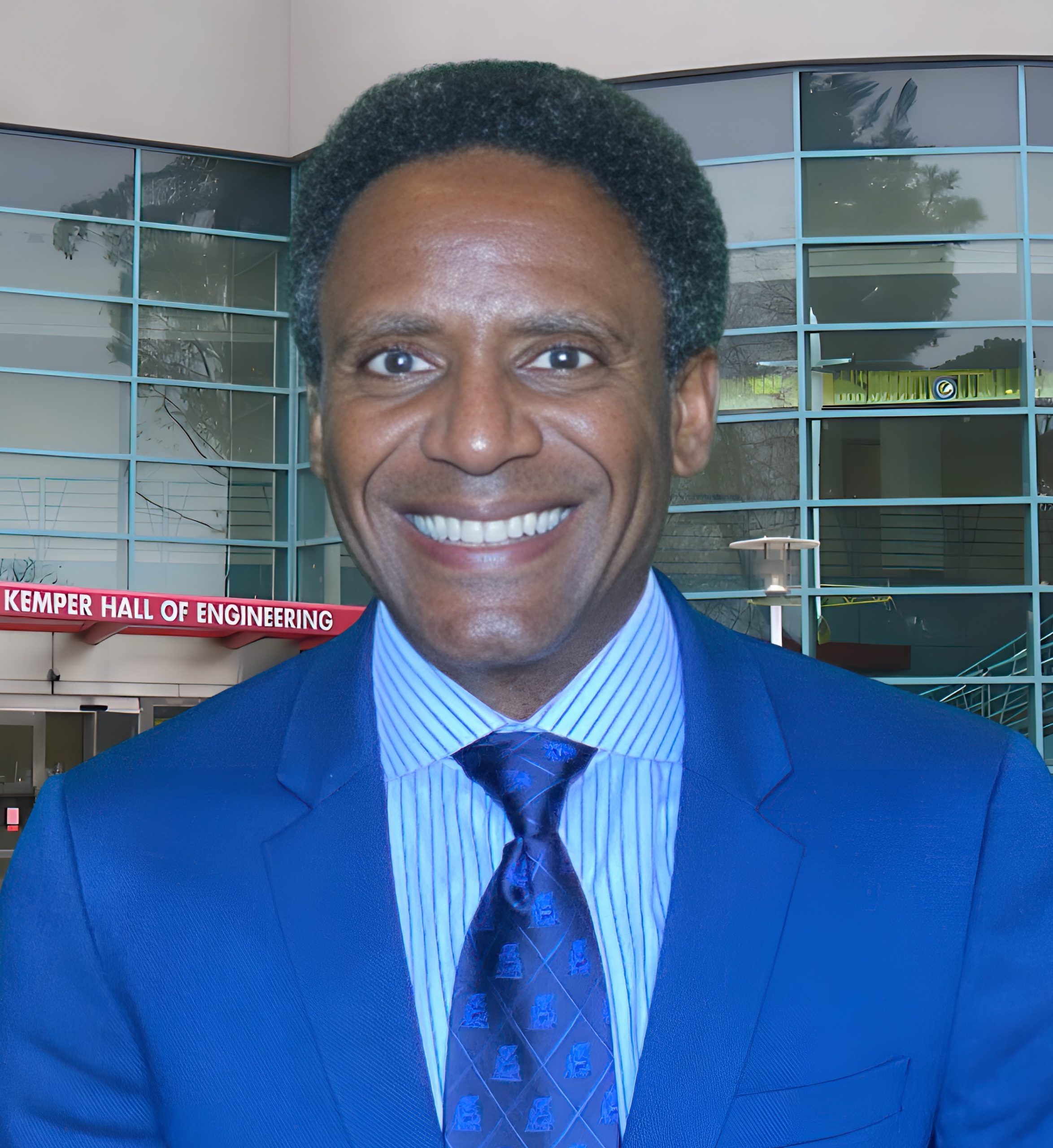
Ralph Aldredge is a Professor in the Department of Mechanical and Aerospace Engineering at the University of California, Davis, and serves as Executive Associate Dean for the College of Engineering, overseeing undergraduate studies and facilities planning. His leadership encompasses enrollment management, academic advising, retention programs, ABET accreditation, and strategic capital projects for engineering facilities. He earned a Bachelor of Science in Mechanical Engineering and French from Carnegie-Mellon University (1985), a Master of Arts in Mechanical and Aerospace Engineering from Princeton University (1988), and a Doctor of Philosophy in the same field from Princeton University (1990). Dr. Aldredge's research focuses on combustion, fluid dynamics, and bio-transport , with dual emphases on bio-fluid dynamics (vascular blood flow) and front propagation in biological tissues (avascular-tumor dynamics) and reacting gases (flame propagation). His work integrates computational modeling to solve complex problems in energy and biomedical systems, including the development of the Level-Set app for flame propagation simulation. Analysis of his recent publications reveals a consistent interdisciplinary trajectory bridging combustion engineering and biomedical applications. Key themes include flame propagation modeling in complex flows, tumor growth dynamics influenced by extracellular matrix components, and optimization of medical devices for drug delivery and cancer treatment. His research demonstrates how fluid dynamics principles can be applied across energy systems and healthcare innovation. No scientific awards were explicitly documented in the source materials. Dr. Aldredge advises graduate students in combustion and bio-fluid dynamics while driving systemic improvements in engineering education. His administrative leadership has shaped holistic-review undergraduate admissions policies adopted system-wide across the University of California, significantly impacting enrollment management and academic support structures. As Associate Dean for Facilities and Capital Planning, he directs strategic development of engineering spaces and resources, ensuring alignment with academic priorities while maintaining safety compliance and operational efficiency for the College of Engineering.
Helmut Eichlseder is a Professor at Graz University of Technology , directing the Institute of Thermodynamics and Sustainable Propulsion Systems . His research focuses on hydrogen combustion engines, fuel cell systems, and thermal management optimization. Key research areas include: Hydrogen engine emission aftertreatment NOx reduction strategies Thermal management co-simulation for BEVs and FCEVs Piston-bore interface optimization Efficiency enhancement in sustainable propulsion systems Recent publications highlight trends in hydrogen engine efficiency (50% BTE), catalyst deactivation mechanisms, and advanced cooling designs using water spray injection. His work addresses both automotive and non-road mobile machinery applications. He maintains a teaching authorization in internal combustion engines and operates from the institute's premises at Inffeldgasse 19/III, Graz. Contact: helmut.eichlseder@tugraz.at
Glen T. Schumock is the Dean of the College of Pharmacy and a Professor in the Department of Pharmacy Systems, Outcomes and Policy at the University of Illinois at Chicago (UIC). As Dean, he leads one of the top-ranked and largest pharmacy colleges in the United States. A licensed pharmacist with extensive research experience, his expertise spans pharmacoeconomics, pharmacoepidemiology, drug costs, drug safety, and pharmacy education. Dr. Schumock's educational background includes: Bachelors of Pharmacy from Washington State University (1987) Doctor of Pharmacy from the University of Washington (1989) Masters of Business Administration from UIC (1994) PhD in Public Health Sciences - Pharmacoepidemiology from UIC (2012) Residency in Hospital Pharmacy from University of Washington Medical Center (1989) Fellowship in Hospital Pharmacy Administration from UIC (1992) Specialized Residency in Hospital Pharmacy Administration from UIC (1991) Dr. Schumock's research focuses on pharmacoeconomics and pharmacoepidemiology, with particular emphasis on the cost and economic impact of prescription medications, medication safety, and adherence patterns. His work often examines real-world medication use patterns and their implications for healthcare systems. He has published extensively on national trends in prescription drug expenditures, with annual projections that are widely cited in the field. His methodological research on case-crossover studies has contributed significantly to understanding bias in pharmacoepidemiological research. Analysis of Dr. Schumock's recent publications (2021-2025) reveals a consistent focus on pharmacoeconomics, medication adherence, and pharmacoepidemiological methods. His work spans multiple therapeutic areas including diabetes management (particularly SGLT2 inhibitors), HIV prevention (PrEP adherence), anticoagulation safety, and opioid-related risks. A notable pattern is his annual publication series on national prescription drug expenditure trends, which has become a standard reference in healthcare policy discussions. His research frequently employs sophisticated analytical methods including case-crossover designs, group-based trajectory modeling, and large claims database analyses. Dr. Schumock has received numerous research grants including: Risk of Venous Thromboembolism Following Diagnosis and Treatment of Multiple Myeloma ($438,969, 2018-2019) Institute for Clinical and Economic Review Consulting Agreement ($500,000, 2017-2020) Sentinel Initiative with the Food and Drug Administration (2015-2020) Multiple grants related to Comparative Effectiveness Research totaling over $1 million As an educator, Dr. Schumock teaches Undergraduate Research Experience in Pharmaceutical Systems (PSOP 300) and Dean's Leadership Forum (PMPR 329). His recent publication "Empowering Pharmacy Education: Leveraging Technology and Infrastructure to Advance Faculty, Staff and Student Success" (2024) demonstrates his commitment to advancing pharmacy education through technological innovation and infrastructure development.
Stephanie Diem serves as Professor in the Department of Nuclear Engineering & Engineering Physics within the College of Engineering at the University of Wisconsin-Madison. She leads the Pegasus-III Experiment as Principal Investigator, pioneering innovations in solenoid-free fusion startup techniques to advance commercial fusion energy development. Her work bridges experimental plasma physics, international collaboration, and sociotechnical engagement in fusion energy systems. Dr. Diem's educational background includes: BS in Engineering Physics from University of Wisconsin-Madison MA in Plasma Physics from Princeton University PhD in Plasma Physics from Princeton University (National Spherical Tokamak Experiment research) Her research centers on experimental plasma physics for magnetic confinement fusion, with specialized expertise in radio frequency wave applications for plasma heating and current drive. Current investigations focus on electron Bernstein wave (EBW) physics, non-solenoidal startup via local helicity injection, and edge instability control in spherical tokamaks. This work integrates advanced diagnostics, numerical modeling validation, and international collaborations across facilities including Proto-MPEX (ORNL), MST (UW-Madison), NSTX, and MAST (UK). Analysis of her recent publications reveals strong emphasis on spherical tokamak startup physics, EBW heating systems, and sociotechnical dimensions of fusion development. Key trends include machine learning integration for plasma control, impurity transport during startup, and public engagement frameworks for equitable energy transitions. Her work spans fundamental plasma physics to policy-oriented fusion technology assessment. Notable scientific recognition includes: Kavli Fellow (National Academies, 2025) U.S. Science Envoy for Fusion Energy (2024/2025) David J. Rose Excellence in Fusion Engineering Award (Fusion Power Associates, 2023) New Voices of the National Academies cohort (2021, extended to 2024) Thomas H. Stix Graduate Prize (Princeton University) Dr. Diem actively mentors graduate students through NE 790/890/990 research courses while securing major grants for fusion research infrastructure. Her leadership extends to the Global Fusion Forum initiative and development of sociotechnical readiness frameworks for fusion systems. Current efforts include international collaborations under the PPPL-IAEA practical arrangement and U.S. Department of State science diplomacy initiatives. The Pegasus-III laboratory team develops cutting-edge diagnostics including multi-point Thomson scattering, impurity monitoring systems, and EBW emission measurements. The facility serves as a testbed for scalable startup techniques with partnerships spanning Oak Ridge National Laboratory, General Atomics, and international fusion centers.
Anne Kavounoudias is a Professor at Aix-Marseille University, where she serves as Director of the Body & Multisensoriality team within the NeuroMarseille Institute. She also holds the position of Director of EUR Neuroschool, a University Research School that brings together L3, Master and PhD programs in Neurosciences from Aix-Marseille University. Since 2020, she has served as Deputy Director of the NeuroMarseille Institute and previously served as a member of CNU section 69 (2015-2022) and the Board of the Doctoral School of Life and Health Sciences (2019-2021). Dr. Kavounoudias' research focuses on the mechanisms and neural bases underlying multisensory integration in the representation and control of human body movement. Her work sits at the interface of neurophysiology and experimental psychology, examining how muscular proprioceptive, tactile, and visual sensitivities interact to ensure movement perception and control. She conducts studies with healthy adults, elderly subjects to understand adaptive processes during non-pathological aging, and individuals who are transiently deafferented (through immobilization) or permanently (amputees, deafferented patients). Her research methodology incorporates functional brain imaging (fMRI), structural imaging (DWI), MR-spectroscopy of the brain and spinal cord, psychophysical approaches, electromyography, and multisensory stimulations including tendon vibration, visual vection, and tactile vection. Current projects include the ANR ASTRID 'PhantomPain' Project (2021-2025) on phantom pain in amputees, an AMIDEX Excellence Incubator Project (2020-2021) on new therapies for phantom pain, and previous projects like 'DISREMO' (2017-2019) and the ANR JCJC 'MULTISENSE' project (2012-2016). Analysis of Dr. Kavounoudias' recent publications reveals a consistent evolution in her research focus, with increasingly sophisticated neuroimaging approaches to study multisensory integration. Her work demonstrates growing attention to age-related changes in sensory processing and expanding applications to rehabilitation contexts, particularly for amputees and individuals with movement disorders. The publications show a progression from basic research on sensory integration mechanisms to more translational work with clinical applications. Her research has been supported by multiple competitive grants including: ANR ASTRID 'PhantomPain' Project (2021-2025) - Phantom pain in amputees: understanding its central and peripheral origins AMIDEX Excellence Incubator Project (2020-2021) - New therapy for phantom pain after amputation 'DISREMO' Project (2017-2019) - Exploration of audio-haptic interactions in texture perception ANR JCJC 'MULTISENSE' Project (2012-2016) - Multisensory integration and kinesthetic perception As Director of EUR Neuroschool, Dr. Kavounoudias oversees graduate education in neuroscience at Aix-Marseille University, coordinating L3, Master and PhD programs. She previously served as Co-director of the ICN PhD Program and Co-manager of the Brain Master Program, both initiatives aimed at internationalizing neuroscience education at AMU. Dr. Kavounoudias leads the Body & Multisensoriality research team at the NeuroMarseille Institute, where her group investigates the neural mechanisms of body representation and movement control. Her laboratory employs a multidisciplinary approach combining neuroimaging, psychophysics, and electrophysiological techniques to study sensory integration in both healthy and clinical populations, with particular focus on developing rehabilitation approaches for movement disorders.
Dr. Andrzej Drwal is a Lecturer at the Department of Automation and Computer Science , Faculty of Electrical and Computer Engineering , Kraków University of Technology . His research focuses on electrical networks, optimal control, and signal processing. Academic Rank: Lecturer Institution: Kraków University of Technology Department: Automation and Computer Science Dr. Drwal's research spans Electrical Engineering , Control Systems , and Signal Processing . He has published extensively on energy-optimal signal distribution, voltage fluctuation minimization, and fractional-order digital filters. His work often involves Time-Domain Analysis and L1 Impulse Methods for complex linear networks. The 15 most recent publications highlight trends in Optimal Control of electrical systems, Power Quality improvements, and Fractional Order Systems . Key topics include Voltage Stability , Current Distribution , and Harmonic Component Modeling in networks with pulsed or periodic signals. Email: andrzej.drwal@pk.edu.pl
Dr. Valeriu Moldoveanu is a Scientific Researcher I and Head of the Theoretical Physics and Computational Modeling Group at the National Institute of Materials Physics in Romania. His career spans theoretical physics research with significant contributions to quantum transport phenomena in nanostructures and hybrid quantum systems. His academic background includes graduate studies at the Faculty of Physics, University of Bucharest (1993-1998), a Master Degree in Condensed Matter Physics (1998-2000), and a PhD in Theoretical Physics completed in 2004 through a cotutelle program between Universite de la Mediteranee Aix-Marseille II and University of Bucharest. His doctoral research was supervised by Prof. Gheorghe Nenciu and Prof. Francois Bentosela. Moldoveanu's research focuses on quantum transport in nano-devices and hybrid quantum systems, particularly nano-electromechanical systems, cavity-embedded quantum dots, and color centers. His theoretical work combines configuration interaction methods, density functional theory, and generalized master equation formalisms to address complex many-body problems in mesoscopic physics. Recent publications demonstrate continued active research in cavity quantum electrodynamics with nanostructures, single-molecule magnets, and non-equilibrium transport phenomena. His scholarly achievements include the prestigious Radu Grigorovici Prize of the Romanian Academy awarded in 2010. He has led significant research projects such as 'Electron-vibron coupling effects in driven nano-electromechanical systems' (PCE-Idei, 2017-2019). Throughout his career, Moldoveanu has maintained strong international collaborations, conducting research at institutions including Technion Institute in Israel, Aalborg University in Denmark, Bilkent University in Turkey, and the Science Institute in Reykjavik, Iceland. He has also contributed to academic education through teaching positions at the University of Bucharest and Universite de Toulon et du Var in France.
Henk Jan Bergveld is a part-time Full Professor in Embedded Control in Energy Management at Eindhoven University of Technology (TU/e) and Technical Director at NXP Semiconductors' AMS IP department. He specializes in battery management systems for electric vehicles and power electronics design. Education: MSc (1994) and PhD (2001) in Electrical Engineering from University of Twente Research Interests: Focuses on battery management systems, DC/DC converters, and power electronics for automotive applications. His work integrates industry challenges with academic research to improve energy efficiency and battery performance. Publications: Recent work emphasizes advanced battery modeling, transient response optimization in converters, and sustainable energy storage solutions. Over 115 publications span journals like IEEE Transactions and patents in power electronics. Affiliations: Collaborates with NXP Semiconductors, VDL Cleantron, and industry partners on projects aligned with UN Sustainable Development Goals for clean energy.