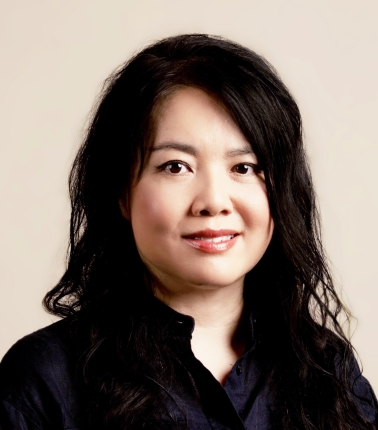
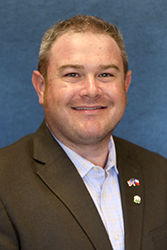
Yuemei Dong, PhD , is a Senior Research Associate at the Bloomberg School of Public Health, Johns Hopkins University, with primary affiliations in the Department of Molecular Microbiology and Immunology and the Johns Hopkins Malaria Research Institute. Her work focuses on molecular mechanisms of pathogen-mosquito interactions, leveraging CRISPR/Cas9 genome editing Gene drive technology Mosquito microbiota manipulation Immune pathway crosstalk Vector control strategies to combat malaria and arboviruses. Dr. Dong's research interests center on Mosquito innate immunity Host-pathogen molecular interactions Transgenic tools for disease suppression Microbiota-based interventions Gut-leaky transmission dynamics . She pioneered foundational work on mosquito microbiota's role in malaria defense, including her 2009 PLoS Pathogens study that catalyzed global research in this field. The 15 most recent articles highlight her contributions to Mosquito immune pathways Gene drive for malaria control Microbiota-pathogen interactions CRISPR/Cas9 applications Diagnostic tools for arboviruses Leaky gut-malaria links . Her work spans molecular discovery to field-deployable solutions like Chromobacterium biopesticides and aptasensor diagnostics. Dr. Dong's collaborations with malaria-endemic countries emphasize Community-based vector control Translational research Global health equity , aligning with integrated strategies for sustainable disease prevention.
Dr. William O. Lamp , a Professor at the University of Maryland's Department of Entomology since 1985, integrates research on insect ecology in human-altered environments with outreach and education. His work centers on: Integrated Pest Management (IPM) in agroecosystems Impacts of invasive species like Halyomorpha halys and Lycorma delicatula IPM and land use effects on aquatic invertebrates His Lamp Lab has produced 59 refereed publications, securing over $3M in grants as Principal Investigator. Research combines molecular, physiological, and ecosystem-level approaches to address agricultural sustainability and aquatic ecosystem health. His recent publications highlight trends in: 2025 : Insect-based food systems and parasitoid community dynamics in drainage ditches 2024 : Digital training programs for circular agriculture interns 2023 : Morphology-ecology education tools and historical entomology integration 2022 : Spotted lanternfly host analysis and ecosystem service frameworks Dr. Lamp's outreach includes the annual "Discover a Swamp" demonstration at Maryland Day since 2002, mentoring 68 undergraduates and 15 high school students , and coordinating extension efforts for pests like the kudzu bug. He has served as science editor for four National Geographic Kids insect books and teaches courses in IPM, aquatic entomology, and Insect Biodiversity: The Good, The Bad, and The Weird .
Maciej Maselko is an Associate Professor in Applied BioSciences at Macquarie University. His research focuses on insect genome engineering to advance biotechnology applications, including genetic biocontrol of disease-vectoring mosquitoes and bioremediation of environmental contaminants. He leads projects on transgenic animal systems, synthetic biology-based solutions for invasive species control, and sustainable biomanufacturing in insects. Education: PhD in Molecular and Cell Biology (Oregon State University, 2011) BS in Biological Sciences (University of Alaska Anchorage, 2005) Research Interests: Dr. Maselko's work integrates genetic engineering and synthetic biology to address global challenges such as disease vector control, environmental pollution, and agricultural sustainability. His lab develops transgenic insects for biocontainment, population replacement strategies, and bioremediation using microbial enzymes expressed in insect hosts. Current projects include cane toad genetic manipulation, amphibian disease resistance engineering, and phytase production in black soldier flies. Collaborations: Active collaborations span institutions globally, with a focus on ecological and agricultural applications of genetic engineering. Projects involve partnerships in Australia, the US, and other regions. Grants & Projects: Principal Investigator for multiple grants including 'Sustainable biomanufacturing of phytase enzymes' (2023–2026) and 'Control of cane toads by genetic manipulation' (2023–2027). Lead on initiatives like 'Preventing disease-caused extinctions in amphibians' (2022–2025) and 'Insecticide-resistant honey bees for pollination security' (2023). Labs & Teams: His research group operates at the intersection of molecular biology, ecology, and engineering, with a focus on translating lab discoveries into real-world solutions for environmental and agricultural challenges.
Dr. Tim Harvey-Samuel is a Lecturer in Arthropod Genetics and Group Leader at Keele University's School of Life Sciences. He holds a PhD from the University of Oxford/Oxitec Ltd, where he researched genetically engineered methods for controlling agricultural insect pests. His postdoctoral work at the Pirbright Institute focused on gene-drive systems and insect sex determination. His research develops sustainable genetic control approaches for agricultural and human-health pests like mosquitoes and moths. His research integrates molecular biology, genetic modification, and synthetic biology to manage pests such as Culex quinquefasciatus, Aedes albopictus, and Plutella xylostella. He specializes in CRISPR-based gene drives, germline transformation, and sex determination pathways. Publications focus on CRISPR applications, gene drives, and vector control, with recent work emphasizing field applicability and ecological impact. Trends include optimization of gene-drive efficiency, pest population suppression, and vector-pathogen interactions. No awards or student advisees are documented. He leads a research group and collaborates globally to advance genetic pest management.
Dr Tony Nolan is an Honorary Senior Lecturer at Imperial College London's Faculty of Natural Sciences and currently serves as a Senior Lecturer in Vector Biology at the Liverpool School of Tropical Medicine. His work focuses on molecular biology approaches to disrupt mosquitoes' ability to transmit diseases, particularly malaria via Anopheles species. He leads research in genetic control strategies like CRISPR-Cas9 gene drives and transgenic mosquito development for sterile insect techniques. Research interests include genetics, public health, chemical sciences, biochemistry, ecology, and zoology with emphasis on mosquito genetics, insecticide resistance, and vector population dynamics. Nolan has contributed to groundbreaking studies on gene expression in Anopheles mosquitoes, Y chromosome evolution, and aminergic signaling disruption for pest control. His interdisciplinary work spans synthetic biology (via Imperial's Centre for Synthetic Biology) and collaborations through the Liverpool School of Tropical Medicine's Vector Biology group. Nolan maintains affiliations with the DoLS emeritus program and Imperial's Malaria Network. Labs/Teams: Active in Liverpool School of Tropical Medicine's Vector Biology unit and collaborates with Imperial College's malaria-focused initiatives.
Christopher Potter is a Professor of Neuroscience at the Johns Hopkins University School of Medicine and serves as Co-Director of the Neuroscience Training Program. He is based in the Solomon H. Snyder Department of Neuroscience and affiliated with the Center for Sensory Biology. His research focuses on the olfactory systems of Anopheles mosquitoes and how they detect human hosts, with the goal of developing novel strategies to prevent mosquito bites and malaria transmission. Institution: Johns Hopkins University School: School of Medicine Department: Department of Neuroscience Role: Professor, Co-Director of Neuroscience Training Program Contact: cpotter@jhmi.edu Dr. Potter's research centers on insect olfaction, particularly the molecular and neural mechanisms underlying mosquito host-seeking behavior. His lab employs advanced neurogenetic tools, including the Q-system, to label and manipulate sensory neurons in Anopheles mosquitoes. Key areas include the function of odorant and ionotropic receptors, the effects of repellents on olfactory perception, and the genetic regulation of chemosensory gene expression. His work bridges molecular neuroscience, genetics, and vector biology to understand and disrupt disease transmission. The recent publications (2020–2023) highlight a strong focus on mosquito olfactory neurogenetics, functional imaging, receptor mapping, and genetic tool development. Articles appear in high-impact journals such as Cell Reports, eLife, and Nature Communications, reflecting expertise in neural circuits, chemosensory biology, and transgenic methodologies. The research spans from molecular mechanisms (e.g., base editing, receptor expression) to organismal behavior (e.g., host-seeking, biting decisions). While no specific scientific awards are listed in the provided text, Dr. Potter's leadership in developing genetic tools for mosquitoes and his influential publications indicate significant recognition in the field of sensory neuroscience and vector biology. Dr. Potter mentors graduate students through the Neuroscience Training Program and the Biochemistry, Cellular and Molecular Biology (BCMB) program. His lab actively recruits motivated students and researchers. He has secured research grants supporting work on mosquito neurogenetics and sensory biology, though specific grant details are not listed. His lab develops and applies innovative techniques such as the Q-system and GCaMP-based calcium imaging to study mosquito olfaction at the neural level. The Potter Lab is part of the Center for Sensory Biology at Johns Hopkins, where it contributes to a collaborative environment focused on understanding sensory systems. The lab specializes in mosquito neurogenetics, using transgenic Anopheles strains to investigate olfactory circuits and behaviors. Current projects include studying how repellents affect mosquito smell, characterizing olfactory receptor mutants, and exploring the neural basis of biting decisions.
Dr. Lena Riabinina is an Associate Professor in the Department of Biosciences at Durham University and a Fellow of the Wolfson Research Institute for Health and Wellbeing. Her research focuses on genetic tool development, insect sensory neuroscience, and sensory ecology in species such as Drosophila, mosquitoes, bumblebees, and black soldier flies. PhD: University of Sussex (2009), studying insect visual navigation Postdoctoral positions: UCL, Johns Hopkins University, Imperial College, and Manchester University Joined Durham as Assistant Professor in 2019, promoted to Associate Professor in 2023 Research interests include: Genetic tools for non-model insects (e.g., mosquitoes) Insect olfaction and neuroethology Co-evolution of courtship songs and hearing in Drosophila Recent articles explore mosquito blood-feeding patterns, bee neuroecology, and genetic expression systems. Her lab (InsectNeuroLab) actively develops interdisciplinary approaches to study insect sensory systems. Supervises four PhD students and holds grants from the Daiwa and Sasakawa Foundations. Currently advertising self-funded PhD projects and MRes opportunities in areas like mosquito genetic tool development and AI-driven insect behavior analysis.
Andy Pereira is Professor of Plant Molecular Genetics at the University of Arkansas, holding the Anheuser-Busch and Arkansas Wholesalers Professorship. He directs the Experiment Station and teaches in the Department of Crop, Soil and Environmental Sciences. His research focuses on plant genetics, environmental stress responses, and climate adaptation strategies for crops. Education includes: Ph.D. in Plant Breeding and Cytogenetics from Iowa State University (1986) M.S. in Genetics from Indian Agricultural Research Institute (1981) B.Sc. in Agriculture and Animal Husbandry from Govind Ballabh Pant University of Agriculture and Technology (1979) Research examines molecular mechanisms of stress tolerance in crops, with recent studies on heat/drought responses, transposable elements, and QTL mapping for yield stability. Dr. Pereira is actively involved in climate change education, having presented research to teachers through the Andrill Climate Change program and participated in national science festivals. Publications demonstrate strong focus on abiotic stress responses in rice, particularly genomic approaches to heat/drought tolerance, with new methodologies for phenotyping and gene characterization emerging in recent works.
Dr. Julia Bally is a Research Fellow in QUT's Centre for Agriculture and the Bioeconomy, affiliated with the Faculty of Science's School of Biology & Environmental Science. She holds a PhD in Biological Science from Université Lille 1 (2008) and completed postdoctoral work at Bayer CropScience and the University of Sydney under an ARC Super Science Fellowship. Her research focuses on plant biotechnology, particularly using Nicotiana benthamiana as a model to develop gene expression systems for industrial applications, including RNAi-based pest control and recombinant protein production. Collaborations include work with Corteva Agriscience on trans-kingdom RNAi for agricultural pest management. Education: PhD in Biological Science, Université Lille 1 - Science and Technology (2008) Postdoctoral training at Bayer CropScience (rhizobium-legume symbiosis, nitrogen fixation) ARC Super Science Fellowship at University of Sydney (2011–2014) Research Interests: Dr. Bally's work spans plant genetic engineering, molecular biology, and sustainable agriculture. Key areas include: Optimizing chloroplast-based protein expression systems Developing RNAi strategies for pest resistance Investigating drought tolerance mechanisms in plants Leveraging nanotechnology for biopesticide delivery Labs/Teams: She leads the Genetics and Molecular Biology program within the Centre for Agriculture and the Bioeconomy, collaborating with industry partners to translate research into real-world agricultural solutions.
Professor Peter Waterhouse is a leading molecular geneticist at Queensland University of Technology (QUT), holding dual roles as Professor of Molecular Genetics and Australian Laureate Fellow. He is affiliated with QUT’s Faculty of Science (School of Biology & Environmental Science) and serves as Program Leader at the Australian Research Council (ARC) Centre of Excellence for Plant Success in Nature and Agriculture. A Fellow of the Australian Academy of Science and recipient of the Prime Minister’s Prize for Science (2007), his work spans RNA interference (RNAi), plant genomics, and epigenetics. Education: BSc (Hons) in Plant Biology from the University of Newcastle upon Tyne (1977), PhD in Plant Virology from the University of Dundee (1981). Career highlights include leadership roles at CSIRO Plant Industry, ARC Federation Fellowships (2008–2013), and honorary professorships at the University of Sydney. He has pioneered RNAi research with over 150 peer-reviewed publications (>20,000 citations, h-index >65). Research focuses on gene silencing mechanisms, viral biology, and plant biotechnology. Notable contributions include patents on RNAi applications, recombinant antibodies, and virus-resistant plants. His work bridges fundamental science with commercialization, exemplified by collaborations with industry partners like Bayer and Cambridge Antibody Technology Ltd. Awards: Prime Minister’s Prize for Science, CSIRO Chairman’s Medal, Victor Chang Medal Patents: 11 RNAi-related patent families, recombinant antibody patents, and plant resistance patents Leadership: Scientific advisory roles for organizations including the Prime Minister’s Science Council and the Ramaciotti Centre for Gene Function Analysis His recent publications emphasize multi-omic analyses of Nicotiana benthamiana, viral resistance mechanisms, and drought response strategies in plants. Ongoing work explores terminator elements to enhance transgene expression and improve biotechnological applications.
Benjamin McKnight is an Assistant Professor and State Extension Cotton Specialist at Texas A&M University's College of Agriculture & Life Sciences. His work focuses on enhancing cotton sustainability and profitability through integrated research and extension programs. He holds a B.S. (2008), M.S. (2012) in Agronomy from Texas A&M University, and a Ph.D. in Agronomy from Louisiana State University (2017). Research Interests: McKnight’s research emphasizes cotton production systems, including fertility management, pest/weed control, and adoption of new technologies. He investigates crop-weed interactions, herbicide efficacy, and sustainable practices like integrated pest management and livestock-crop integration. His work also explores drought tolerance, water use efficiency, and nitrogen fertilizer optimization. Recent Focus: Recent studies highlight his work on cotton fleahopper resistance (Mpp51Aa2 protein), Palmer amaranth dispersal via harvesters, and harvest-aid program evaluations across Texas regions. He collaborates with county agents, IPM specialists, and researchers to translate findings into actionable field strategies. Advising & Teams: McKnight mentors support staff Dale Mott and Matthew Stewart. He is part of Texas A&M AgriLife Extension Service, leading collaborative efforts in applied agronomic research and educational outreach. Labs/Teams: Engaged with Texas A&M’s Soil and Crop Sciences programs, focusing on field trials, remote sensing for nematode management, and precision agriculture tools to improve cotton yield and environmental resilience.
Dr. Jose Barrero Sanchez is a Principal Research Scientist and Team Leader at the Commonwealth Scientific and Industrial Research Organisation (CSIRO) , where he leads the Legume Engineering Team within the Pests and Diseases Group. His research focuses on developing genetically modified cowpea varieties with traits like insect resistance (Cry1Ab protein) and enhanced photosynthetic capacity through projects such as the USAID Pod-Borer Resistant Cowpea Project and RIPE Project . His work has been recognized with awards including the 2023 CSIRO Chair’s Medal for Science and Engineering Excellence . Education Bachelor in Environmental and Marine Biology, University of Alicante (2000) PhD in Plant Genetics, Miguel Hernandez University (2005) Research Themes Seed dormancy and germination mechanisms in cereals Genetic engineering for climate-resilient crops ABA and jasmonate signaling pathways in plant stress response High-throughput screening for crop yield optimization Leadership & Collaborations Regional representative, International Seed Science Society (2014–present) CSIRO representative, International Wheat Genome Sequencing Consortium (2015–2017) Scientific Awards 2023 Chair’s Medal for Science and Engineering Excellence 2019 Julius Career Award 2018 Director’s Award: Breakthrough Innovation 2015 Director’s Award: Breakthrough Innovation 2011 ACORN Project Award
Sevil SAĞLAM YILMAZ is a Professor at Kırşehir Ahi Evran University, Faculty of Agriculture, Department of Agricultural Biotechnology. She earned her PhD in Field Crops from Ankara University in 2010, following her Master's degrees (with and without thesis) in the same field in 2005 and 2001 respectively. Her academic career includes positions as Research Assistant at University of Helsinki (2008), Research Assistant at Ankara University (2007-2010), Lecturer with PhD at Ahi Evran University (2010-2014), Associate Professor (2014-), and Professor (2023-). Her research focuses on Plant Biotechnology, particularly plant tissue culture, genetic engineering, and transgenic plant development. She has conducted extensive research on various crops including common bean (Phaseolus vulgaris L.), walnut (Juglans regia L.), terebinth (Pistacia terebinthus L.), bitter gourd (Momordica charantia L.), and ornamental plants like Rhododendron species. Her work spans in vitro propagation, somatic embryogenesis, genetic transformation, and studies on genetically modified organisms. Dr. Yılmaz has published 92 scientific works including 32 articles, 55 conference papers, 2 books, and 3 book chapters. Her research has been cited 425 times with an h-index of 7 according to Google Scholar. Her most recent publications focus on in vitro propagation techniques, genetic transformation of crops, and studies on bitter gourd and walnut biotechnology. PhD Thesis First Prize from Eskişehir Osmangazi University (2011) Second Prize from Akdeniz University (2005) She has supervised 8 theses (1 PhD and 7 Master's) and has been involved in 17 research projects, serving as principal investigator in several studies including 'Chandler Walnut (Juglans regia L.) In vitro Propagation Research' (2024-2026) and 'Menengiç (Pistacia terebinthus L.) Plant Micropropagation' (2023-2024). She has also participated in international scientific missions to the University of Athens and University of Helsinki.
William D Hutchison is a Professor at the University of Minnesota's College of Food, Agricultural and Natural Resource Sciences, specializing in integrated pest management (IPM) since 1983. His work addresses critical agricultural challenges including Lepidopteran pest control Pesticide risk assessment Climate change impacts on agriculture Pollinator protection Recent research focuses on Japanese beetle management in wine grapes Transcontinental Helicoverpa zea migration Biogeochemical markers for pest tracking Climate modeling applications to Minnesota agriculture His projects include collaborations with agencies like Minnesota Department of Agriculture USDA Agricultural Marketing Service U.S. Environmental Protection Agency Minnesota Corn Research and Promotion Council
Bryony C. Bonning is a Professor and Eminent Scholar in the Department of Entomology and Nematology at the University of Florida, where she directs the Center for Arthropod Management Technologies (CAMTech). She holds a B.Sc. in Zoology from the University of Durham and a Ph.D. in Entomology from the London School of Hygiene and Tropical Medicine. Her research focuses on developing environmentally benign pest management solutions through insect physiology and pathology studies. Research integrates molecular biology and virology to engineer novel insecticides, with emphasis on Bacillus thuringiensis toxins, viral vectors for toxin delivery, and RNAi strategies against hemipteran pests like the Asian citrus psyllid. Work spans proteomics of insect guts, viral discovery, and transgenic plant development. Awards include the Nan-Yao Su Award for Innovation (2013) and fellowships in ESA and AAAS. Publications demonstrate consistent focus on practical pest management solutions, with recent advances in viral-mediated toxin delivery and specificity databases for pesticidal proteins.