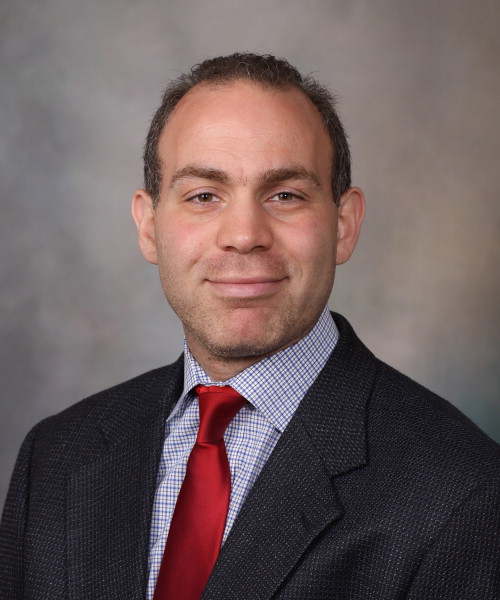
Frank LongoView profile
Professor
Frank Longo is a Professor in the Department of Neurology and Neurological Sciences at Stanford University School of Medicine. He actively teaches across the neuroscience curriculum including Medical Scholars Research (NENS 370), Directed Reading courses (NEPR 299/NENS 299), Graduate Research (NENS 399/NEPR 399), and Early Clinical Experience (NENS 280), demonstrating his commitment to training the next generation of neuroscientists and clinicians. His research program centers on neurodegenerative diseases with particular emphasis on Alzheimer's, Huntington's, and Parkinson's diseases. Longo investigates the therapeutic potential of neurotrophin receptor modulation (especially p75NTR and TrkB) using small-molecule ligands like LM11A-31, exploring mechanisms spanning protein aggregation, synaptic dysfunction, neuroinflammation, and metabolic dysregulation. His work bridges molecular neuroscience with translational applications, utilizing advanced techniques including transcriptomics, neuroimaging, and biomarker analysis in cellular and animal models. Analysis of his 2024-2025 publications reveals consistent focus on targeting neurotrophin pathways to reverse disease phenotypes. Key themes include: 1) Development of small-molecule modulators for p75NTR/TrkB to rescue synaptic and cognitive deficits; 2) Biomarker discovery for early detection (e.g., plasma Aβ42/Aβ40 ratios); 3) Mechanistic studies on autophagy, white matter changes, and metabolic dysfunction; and 4) Leadership in collaborative initiatives like the TREAT-AD Center for target validation. His research demonstrates both breadth across neurodegenerative disorders and depth in neurotrophin signaling mechanisms. Through undergraduate and graduate research courses, Longo mentors students in neuroscience research despite no specific advisees being listed. His extensive publication record and involvement in multi-institutional consortia (including EU-US task forces) indicate significant research funding and national leadership in neurodegenerative disease research, though specific grant details aren't provided in the source material.