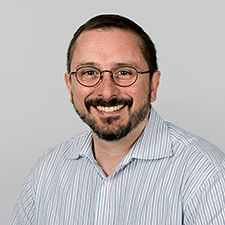
Prof. Johannes Bohacek is an Associate Professor at ETH Zürich's Department of Health Sciences and Technology, within the Institut für Neurowissenschaften. His research focuses on understanding how acute stress events lead to anxiety disorders, particularly through noradrenaline's role in molecular and circuit-level brain changes. He leads the Molecular and Behavioral Neuroscience (MBN) lab, emphasizing transgenerational epigenetic effects and neuromodulation. Notable contributions include the BehaviorFlow pipeline for rodent behavior analysis and studies on locus coeruleus-norepinephrine signaling. He was a finalist for the 2024 Art of Leadership Award (ALEA). His work is published in top journals like Nature Methods and Nature Neuroscience . Contact: Email , Lab Website .
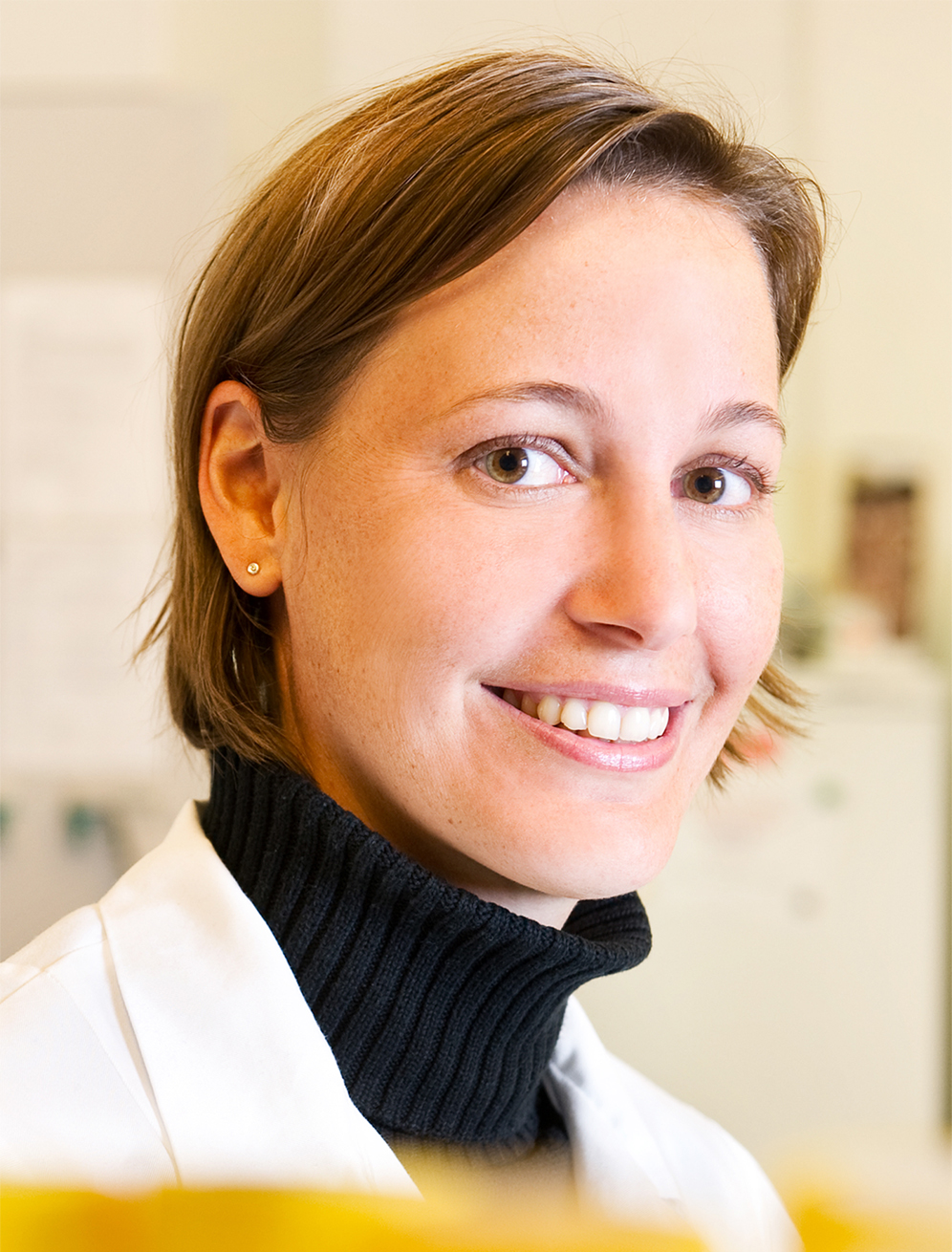
Caroline Junqueira is a Group Leader at the Institute for Research in Biomedicine (IRB) in Switzerland, where she directs the Laboratory of Immunobiology . Her career spans institutions including Federal University of Minas Gerais (Brazil), Memorial Sloan Kettering Cancer Center (USA), University of Notre Dame (USA), Oswaldo Cruz Foundation (Brazil), and Harvard Medical School (USA), where she worked until 2023. She was awarded the best PhD thesis in Brazil (2012) for her work on a cancer vaccine using Trypanosoma cruzi as a vector and became an Affiliate Member of the Brazilian Academy of Sciences (2019) . Education: Master’s in Biochemistry, Federal University of Minas Gerais PhD in Immunology, Federal University of Minas Gerais Her research focuses on immunobiology, particularly the cell biology of immune effector mechanisms in malaria, Chagas disease, and cancer immunotherapy. She explores CD8+ T cells, NK cells, inflammasome activation, and gasdermin proteins in parasitic and tumor immunity. Scientific Awards: Best PhD thesis in Brazil (2012) Affiliate Member, Brazilian Academy of Sciences (2019) She has published extensively on Trypanosoma cruzi-based vaccines , immune cell interactions with pathogens , and pyroptosis in disease . Her work bridges infectious disease immunology and cancer vaccine development , with recent studies on Malaria , Leishmania , and COVID-19 pathogenesis. Junqueira leads the Laboratory of Immunobiology at IRB, focusing on cellular mechanisms of immunity and translational applications for infectious and neoplastic diseases.
Prof. Silvia Arber is a Full Professor at the Biozentrum, University of Basel, where she leads a research group investigating neural circuits controlling body movement. Her work combines mouse genetics, viral tracing, optogenetics, and behavioral analysis to understand motor network organization, development, and plasticity. Education: PhD (1995) and BSc (1991) from the University of Basel. Research focuses on hierarchical motor control systems spanning brainstem nuclei, spinal cord circuits, and sensory feedback pathways. Key areas include: Precision in neural connectivity for movement execution/suppression Brainstem regulation of locomotor speed and skilled motor tasks Spinal cord circuit organization for interlimb coordination Plasticity in motor networks after injury Her publications consistently explore motor circuit specialization, with recent work emphasizing brainstem-basal ganglia interactions, cortical-medullary mapping, and pathological mechanisms in movement disorders. Major scientific honors include: The Brain Prize (2022) Louis-Jeantet Prize for Medicine (2016) Two ERC Advanced Grants (2015, 2010) Otto Naegeli Prize (2014) EMBO Young Investigator Award (2000) She mentors doctoral and postdoctoral researchers in neurobiology techniques. Her laboratory employs electrophysiology, genetic tools, and quantitative behavior analysis to dissect motor control principles.
Prof. Dr. Fiona Doetsch is a leading researcher at the Biozentrum, University of Basel , focusing on adult neural stem cells and their regulation in the mammalian brain. Her work bridges fundamental stem cell biology with applications in brain repair and pathological conditions such as tumors. Active research on stem cell niches and their interactions with vasculature , cerebrospinal fluid , and choroid plexus . Investigates quiescent vs. activated stem cell dynamics using FACS purification and gene regulatory networks . Recent studies include pregnancy-induced brain remodeling and lipid droplet abundance in the brain (2024). Her lab collaborates on neurogenesis and physiological state responses (2023). The group trains doctoral and master's students , including Dimitris Dimitrakopoulos and Celina Hartmann.
Professor Susan Mango is a leading researcher in developmental biology at the Biozentrum, University of Basel, where she serves as Professor of Cell and Developmental Biology since 2019. Her laboratory investigates fundamental questions about how complex organs develop from embryonic cells, with a focus on the nematode Caenorhabditis elegans as a model organism. She has made significant contributions to understanding transcriptional regulation, chromatin organization, and epigenetic inheritance during development. PhD, Princeton University (1984-1990) Undergraduate Researcher, MIT (1982-1983) Post-doctoral Fellow, University of Wisconsin (1990-1995) Professor Mango's research spans several interconnected areas of developmental biology. Her laboratory examines how chromosomes are organized in 3D within the cell nucleus and how this organization affects development, with particular focus on heterochromatin formation during embryogenesis. She has pioneered work on pioneer transcription factors, especially PHA-4/FoxA, which determines cell identity in the developing gut. Her research also investigates how environmental conditions experienced by parents can influence embryonic development in subsequent generations, exploring mechanisms of epigenetic inheritance. Her laboratory employs molecular genetics, live imaging, genomics, and innovative chromosome tracing techniques to address these fundamental questions. Professor Mango's publications reveal a consistent focus on nuclear architecture, transcriptional regulation, and developmental mechanisms using C. elegans . Her recent work has advanced chromosome tracing methodologies, explored translational control of mRNA localization, and investigated how neurons can modulate signaling to offspring. Her research shows a progression from foundational studies on organ development to more complex investigations of nuclear organization and transgenerational inheritance. Excellence in Teaching Award, University of Basel and Credit Suisse (2021) Elected to the European Molecular Biology Organization (EMBO) (2019) NIH NIGMS MERIT Award (2011-2020) MacArthur Foundation Fellowship (2009-2013) Harland Winfield Mossman Developmental Biologists' Award (2005) Professor Mango has led a productive research group investigating fundamental developmental processes for over two decades. Her laboratory has been supported by prestigious funding including the MacArthur Fellowship and NIH MERIT Award. She has mentored numerous students and postdoctoral researchers who have gone on to establish independent research careers. Her collaborative approach is evident in her extensive publication record spanning multiple disciplines within developmental biology. Professor Mango leads the Mango Research Group at the Biozentrum, University of Basel, where her team employs advanced imaging techniques including Chromosome Tracing and multiplex FISH to study nuclear organization during embryogenesis. Her laboratory investigates multiple projects simultaneously including Chromosomes in 3D, Epigenetic Inheritance, Pioneer transcription factors, and The Skin I Live in (focusing on epidermal development).
Prof. Dr. Caroline Ospelt leads the Research Group at the Department of Rheumatology, University Hospital Zurich, focusing on the molecular and epigenetic mechanisms of synovial fibroblasts in rheumatoid arthritis (RA). Her work bridges innate immunity, non-coding RNA, and joint-specific pathogenesis. Professor, University Hospital Zurich Director, Center of Experimental Rheumatology Research Interests Elucidating pattern-recognition receptor activation in RA synovial fibroblasts Investigating microRNA and long non-coding RNA roles in RA progression Mapping epigenetic changes (histone acetylation, DNA methylation) in stromal cells Decoding joint-specific transcriptional regulators (HOX genes) in arthritis Publications span functional genomics, RA heritability, and epigenetic diversity of synovial fibroblasts, with recent emphasis on non-coding RNA and GWAS integration. Technical Expertise : Primary cell culture, gene/protein expression analysis, functional assays (migration, invasion), ChIP, bisulfite sequencing, and scRNAseq.
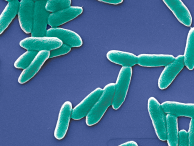
Karl Perron is a Lecturer and Researcher in the Department of Plant Sciences at the University of Geneva's Faculty of Sciences. He leads the Molecular Bacteriology laboratory (Labs 0057-0077) located at Sciences III, Quai Ernest-Ansermet 30 in Geneva. His position combines teaching responsibilities with active research in bacterial resistance mechanisms. Dr. Perron's primary research focuses on the mechanism of cross-resistance between heavy metals and antibiotics, particularly in Pseudomonas aeruginosa . His laboratory employs molecular bacteriology and biochemistry methods to monitor the effects of zinc, cadmium, cobalt, and copper on this opportunistic pathogen. Additional research interests include wound infections, particularly in severe burn victims, and the development of new antimicrobial molecules through the PAM project. His recent publications (2012-2018) reveal a consistent research trajectory examining how metal exposure influences bacterial antibiotic resistance mechanisms. Key themes across his work include transcriptional regulation, metal homeostasis, and the molecular basis of cross-resistance. His research bridges basic science with practical applications in combating antibiotic-resistant infections. Active participant in teaching activities for biologists and pharmacists Collaborates with the Section of Pharmaceutical Sciences and the Medical Faculty Provides microbiological analysis services to the community Dr. Perron maintains a strong commitment to science communication, managing various outreach missions to schools and the general public through initiatives like BiOutils. His media presence includes interviews on microbiology topics such as the relationship between laundry temperature and bacterial survival, demonstrating his engagement with public understanding of science.
Prof. Fabian Ille is a Professor and Head of the Competence Center for Bioscience and Medical Engineering at Lucerne School of Engineering and Architecture (HSLU). He leads interdisciplinary research in biomedical engineering, space biology, and regenerative medicine. His academic background includes a Master's in Cell Biology from Heidelberg University and a PhD in Neuronal Stem Cell Biology from ETH Zurich, followed by postdoctoral work in the Space Biology Group. He combines clinical, computational, and engineering approaches to address challenges in musculoskeletal disorders and fertility treatments. Education: PhD in Neuronal Stem Cell Biology, ETH Zurich (Neuroscience Center Zurich) Master's in Cell Biology, University of Heidelberg Research Focus: Intervertebral disc and joint repair mechanisms under microgravity conditions Development of medical software solutions (CDSS, SaMD) for musculoskeletal and reproductive disorders Biomedical applications of microgravity research including space bioreactors and tissue engineering Data-driven approaches in fertility treatments and clinical decision support systems Key Projects: Space Bioreactor Development SORTHOdisc: Stem cell sorting technology for disc therapy PAEON Virtual Hospital System COSMOS Data Cockpit for personalized medicine Technical Contributions: Medical device testing methodologies (e.g., phacoemulsification instruments) Multi-omics analysis frameworks for space biology experiments AI-driven ERP data mining for service shop optimization Laboratory Infrastructure: Leads the Institute of Medical Engineering with specialized facilities for cell culture under microgravity simulation, electrophysiology labs, and biomedical software development hubs.
Ivan Rodriguez is a Full Professor at the University of Geneva's Faculty of Science, leading the Laboratory of Neurogenetics. His research focuses on understanding the molecular and cellular mechanisms underlying neural circuits governing innate behaviors in mammals, particularly through the olfactory and vomeronasal systems. His work combines genetic, physiological, and computational approaches, including the development of transgenic mouse models and single-cell technologies. Key projects include studying the claustrum’s role in memory and sensory integration, the evolution of chemoreceptors, and the impact of pathogens on neural behavior. Research Interests Dr. Rodriguez’s lab investigates neural circuits in the olfactory system, claustrum, and vomeronasal organ. Specific topics include: Neuronal coding and plasticity in sensory systems Genetic and molecular mechanisms of olfactory receptor choice Pathogen detection and immune-to-olfactory receptor evolution Claustrum function in memory and inter-areal communication Key Collaborations His team includes researchers such as Sabine Fièvre (Ambizione Fellow), Daniel Rossier, and Alan Carleton, focusing on projects like genetic tool development for the claustrum and SARS-CoV-2 entry mechanisms in olfactory tissues. Recent work highlights the claustrum’s critical role in working memory and long-term memory consolidation. Grants & Lab The laboratory employs advanced techniques like single-cell RNA sequencing and optogenetics. Current projects are supported by grants from Swiss National Science Foundation and EU funding, though specific grant details are not explicitly stated in the provided texts. Publications Recent contributions span Nature , Neuron , and Cell , with a focus on sensory systems, neural circuits, and evolutionary biology. Notable papers include studies on claustrum function, vomeronasal receptor evolution, and SARS-CoV-2 receptors in olfactory tissues.
Anne Niknejad is a Researcher at the University of Lausanne, Faculty of Biology and Medicine, Department of Ecology and Evolution. She works as a Biocurator for Bgee.org and Vital-IT , Swiss Institute of Bioinformatics, focusing on expression data curation, anatomical homology relationships, and species-specific developmental ontologies. Expertise in transcriptomic data curation, chemical data management for genome-scale metabolic networks, and clinical data harmonization Education: Master of Biology (Animal Physiology) from Geneva University, Swiss Institute of Bioinformatics (SIB) training courses (1999) Her research interests include proteome annotation, mass spectrometry data interpretation, and data mining for biomedical applications. She received the Biocuration Career Award in 2021. She has contributed to international conferences (e.g., SFEAP 2008, SMAP 2007) and is a co-inventor of multiple patents related to cardiovascular disorders and carcinoma-related peptides.
Dr. Joël Pothier is a researcher at the Institute of Natural Resource Sciences , part of the Zurich University of Applied Sciences School of Life Sciences and Facility Management . He holds a position as a Researcher and specializes in microbiology, plant pathology, and genomics. His work focuses on understanding plant-microorganism interactions, developing diagnostic tools, and exploring biotechnological applications. Expertise Areas: Microbial genomics Plant disease diagnostics Molecular biology techniques Environmental microbiology Bioinformatics applications Agricultural sustainability Dr. Pothier leads multiple ongoing research projects including: Development of biofungicides using actinobacteria Comparative genomics of plant pathogens MALDI-TOF MS for microorganism identification Chitin soil amendment effects His recent publications demonstrate expertise in: Xanthomonas species genomics Actinobacteria biotechnology Phage characterization Molecular diagnostics development Microbial community analysis Plant pathogen surveillance Dr. Pothier collaborates extensively with institutions across Europe and contributes to global plant health initiatives through his research on pathogen detection and management strategies.
Monika Maurhofer Bringolf serves as a Titular Professor and Lecturer at the Department of Environmental Systems Science at ETH Zürich, where she leads the research group focused on Biological Control. Her academic career at ETH Zürich spans over 25 years, beginning as an assistant researcher (1996-1999) and progressing to her current position as senior researcher and lecturer since 2000. Her educational background includes a Dipl. sc. nat. from ETH Zürich (1988) and a Dr. sc. nat. from the Institute of Phytopathology/Plant Sciences at ETH Zürich (1993). These qualifications established the foundation for her extensive research in plant-microbe interactions and biological control mechanisms. Professor Maurhofer Bringolf's research centers on the ecological properties of biocontrol pseudomonads and the complex interactions between crop plants and microorganisms inhabiting the rhizosphere. Her work spans microbial ecology, plant pathology, and biological pest control, with particular emphasis on how plant-beneficial bacteria can improve soil health and plant resistance against pathogens and pests. She investigates the mechanisms governing interactions among biocontrol bacteria, phytopathogens, pest insects, plants, and non-target microbiota. Her research employs approaches ranging from field studies to comparative genomics and transcriptomics to understand how biocontrol bacteria can switch between different ecological niches. Her recent publications demonstrate a strong focus on entomopathogenic bacteria, microbial consortia for pest control, and the suppressive properties of composts against soilborne pathogens. The research shows an increasing trend toward understanding microbial communities and their collective effects on plant health and pest management, with particular attention to how different biocontrol organisms can work synergistically. Winner of the 'golden owl' teaching award from ETH Zurich students in 2014 Winner of the 'golden owl' teaching award from ETH Zurich students in 2017 She actively contributes to scientific policy as a member of the Swiss Expert Committee for Biosafety (SECB) and the Swiss Society for Phytiatry. Her research has been supported by grants from the Swiss National Science Foundation, including projects on microbial consortia for pest control and molecular determinants of insect-plant associated lifestyles of beneficial pseudomonads. Professor Maurhofer Bringolf teaches Plant Pathology I and Plant Pathology III courses at ETH Zürich, maintaining her commitment to educating future plant pathologists and environmental scientists while continuing her active research program.
Prof. Dr. sc. nat. Philippe Krebs is a Group Leader at the Institute of Tissue Medicine and Pathology , affiliated with the University of Bern . His research focuses on immunology, cancer biology, and infectious diseases, particularly the role of innate immune cells in tumor microenvironments and inflammatory conditions. Key Research Areas: Innate lymphoid cells (ILC2), IL-33 signaling, tumor immunology (colorectal and prostate cancer), bone marrow interactomics, and organ-on-chip models. Recent Trends: Utilizing AI for immune cell quantification in cancer, developing lipid-based gels for ulcerative colitis, and engineering nanoparticles to mimic natural killer cell functions for leukemia therapy. Techniques: Single-cell transcriptomics, organ-on-chip systems, and molecular regulation studies of immune checkpoints.
Paolo Cinelli, a Lecturer at the University of Zurich , serves as Head of Research at the Department of Trauma Surgery, University Hospital Zurich. His work bridges Stem Cell Biology , Trauma Immunology , and Bioengineering with a focus on molecular mechanisms governing stem cell identity and bone regeneration. Research trends reveal interdisciplinary studies on RNA-mediated bone cell inflammation Immune regulation in trauma Chronobiology in surgical outcomes Fracture healing biomarkers Translational trauma models Key affiliations include the Swiss Stem Cell Network and leadership roles in the Swiss Laboratory Animal Science Association. His work appears in journals like EMBO Journal and Brain , with recent emphasis on traumatic injury immunology and bioengineered bone repair.
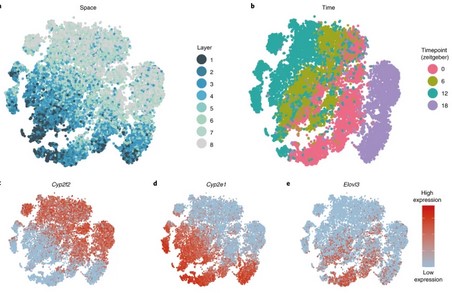
Prof. Felix Naef is a Full Professor at EPFL's School of Life Sciences (SV), leading the Laboratory of Computational and Systems Biology within the Institute of Bioengineering (IBI). His research focuses on quantitative systems biology, integrating theoretical, computational, and experimental approaches to study circadian rhythms, gene regulation, and cellular dynamics. He holds additional roles in teaching and administration, including membership in the Doctoral Program Committee for Computational and Quantitative Biology and the CDS Office. Education: PhD in Physics, EPFL (2000) Postdoctoral training at Rockefeller University (2000-2004) Research Interests: Circadian gene regulatory networks and liver chronobiology Single-cell analysis of transcriptional bursting and noise Systems biology of developmental patterning and metabolic pathways Integration of multi-omics data to model biological oscillators Key Contributions: Pioneered methods to infer circadian time from omics data Discovered space-time interactions in liver zonation and gene expression Advanced understanding of ribosome dynamics and translation elongation Awards: EMBO Member (2020) SNSF Sinergia Grant (2022) Advising & Grants: Supervised over 30 PhD students and postdocs Funded by SNSF, EU Horizon 2020, and industry collaborations Laboratory: The Naef Lab is part of EPFL's IBI, collaborating globally to address fundamental questions in systems biology and chronobiology.