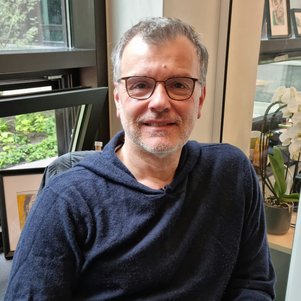
Geert Wiegertjes is a Full Professor at Wageningen University & Research, specializing in Aquaculture and Fisheries . With over 351 research outputs and 25 active or completed projects, his work focuses on fish immunology, disease resistance, and sustainable aquaculture practices. Key Research Areas: Immunology, fish physiology, teleost immune systems, and microbiome interactions. Notable Contributions: Discovery of behavioral fever's role in fish immunity, B cell dynamics in carp, and algal extract-based immune stimulation. Research Trends: His recent articles emphasize genomic and immunological approaches to understanding fish disease resistance (e.g., CyHV-3 infection), mucosal immunity, and sustainable aquaculture through microbiome modulation and parasite protocols. Scientific Awards: Mosaic 2.0 grant/NWO (2022) Supervision: Mentored 13 PhD students, including Lisette Bouwman, Mehwish Ahmed, and Laura Binch. Collaborations: Active in international networks, with recent collaborations spanning fish genomics, maternal immunity, and European Green Deal initiatives.
Dr. Shibiao Wan serves as Assistant Professor in the Department of Genetics, Cell Biology and Anatomy at University of Nebraska Medical Center (UNMC), with a courtesy appointment in Biostatistics. He is Co-Director for the Bioinformatics and Systems Biology (BISB) PhD Program and Assistant Director for the Bioinformatics and Systems Biology Core. With over 14 years of experience in machine learning and bioinformatics, Dr. Wan leads an active research program developing computational methods for biomedical data analysis. Dr. Wan's research spans computational biology and biomedical informatics with focus on single-cell analysis, multi-omics integration, spatial transcriptomics, and cancer research. His laboratory develops AI and machine learning approaches to analyze genomics, transcriptomics, epigenetics, proteomics, metabolomics, and medical imaging data. Key contributions include methods for protein subcellular localization prediction, cancer subtyping, and multi-omics integration for precision medicine applications. His recent publications show a strong trend toward multi-modal data integration for disease diagnosis and subtyping, particularly in cancer (medulloblastoma, leukemia, lung cancer) and neurodegenerative disorders (Alzheimer's disease). His laboratory has developed numerous bioinformatics tools including SHARP for single-cell RNA-seq analysis, RaMBat for medulloblastoma classification, RanBALL for leukemia subtyping, and WIMOAD for Alzheimer's diagnosis. Dr. Wan has received significant recognition including the Springer Nature Editor of Distinction Award (2025), UNMC New Investigator Award (2024), FIRST Award from Nebraska EPSCoR (2023), and the Outstanding Young Alumni Award from HK PolyU (2022). He was named among the top 1% reviewers globally by Clarivate in both 'Cross-Field' and 'Biology and Biochemistry' categories (2019). As Co-Director of the BISB PhD Program, Dr. Wan actively mentors graduate students in bioinformatics and computational biology. His laboratory comprises a multidisciplinary team working at the intersection of computer science, statistics, and biomedical research. Dr. Wan serves as Editor-in-Chief for Current Proteomics and holds editorial positions with numerous high-impact journals including Briefings in Functional Genomics, BMC Bioinformatics, and Frontiers journals. The Wan Lab at UNMC focuses on machine learning and bioinformatics (MLAB), developing computational methods to unravel molecular biological systems using heterogeneous biomedical data. The lab collaborates extensively with scientists in cancer biology, metabolism, immunology, pathology, and developmental biology to translate computational findings into biological insights and potential clinical applications.
Tine Goedhart is a Researcher in the Department of Pediatrics at Erasmus University Medical Center Rotterdam, specializing in pharmacokinetics, haemophilia, and platelet research. Her work is closely associated with the SYMPHONY consortium, the Thrombocytopathy in the Netherlands (TiN) Study Group, and the OPTI-CLOT study group, focusing on thrombosis and haemostasis. Her research spans Pharmacokinetics , Haemophilia A/B , Blood Clotting Factor 8 , and Platelet Biochemistry . Key areas include optimizing factor concentrate dosing in haemophilia, developing rapid diagnostic tests for platelet disorders, and investigating endothelial cell heterogeneity in vascular diseases. Her work integrates pharmacological modeling with clinical applications to improve treatment strategies for bleeding disorders through: Pharmacokinetic-guided prophylaxis dosing Nanobody-based platelet agonist development Transcriptional profiling of endothelial colony-forming cells Population modeling for pediatric hemophilia B Analysis of her 14 research outputs reveals dominant trends in thrombosis diagnostics , factor replacement therapy optimization , and pediatric pharmacokinetics , with strong emphasis on translational applications for hemophilia management and platelet function disorders. Dr. Goedhart collaborates extensively with international consortia including SYMPHONY, TiN, and OPTI-CLOT, contributing to multi-center studies on haemophilia management and platelet function. While specific grant details are not provided, her research is embedded within these large-scale collaborative projects focused on advancing bleeding disorder treatments. She actively participates in the SYMPHONY consortium and TiN study group, which drive innovation in thrombotic/bleeding disorder research through integrated pharmacokinetic and functional analyses across European institutions.
Steven Bergink is an Associate Professor at the University of Groningen, holding positions at both University College Groningen (Department of Mathematics and Natural Sciences) and the Medical Faculty (Department of Cell Biology). His research group focuses on the intersection of DNA repair mechanisms, protein quality control systems, and neurodegenerative processes. Dr. Bergink received his master's degree in molecular biology from the University of Groningen, followed by a PhD at ErasmusMC in Rotterdam under Jan Hoeijmakers, where he studied DNA repair regulation through ubiquitin family posttranslational modifications. He continued this research focus during his postdoctoral work at the Max Planck Institute of Biochemistry in Munich with Stefan Jentsch. DNA Damage (100%) Protein Aggregation (97%) Quality Control (95%) Ubiquitin (89%) Polyglutamine (88%) DNA Repair (84%) His recent publications demonstrate a strong focus on the relationship between DNA damage, protein homeostasis, and neurodegenerative conditions. The research spans from fundamental molecular mechanisms of protein quality control to clinical implications in conditions like glioblastoma and ataxias. His work often involves chaperone systems, DNA repair pathways, and their connections to neurological disorders. Understanding the cause of ataxia in the DNA repair deficiency syndrome Ataxia Telangiectasia: a possible link between DNA damage and proteostasis (2013) Dr. Bergink has supervised multiple research projects as indicated by the 3 supervised works documented in his profile. His research has attracted attention from both academic and public spheres, with media coverage of his work on ataxias. He maintains active collaborations across multiple institutions as evidenced by his research network.
Hendrik-Jan Megens is an Assistant Professor in Animal Breeding and Genetics at Wageningen University & Research (WUR), Netherlands, affiliated with the Wageningen Institute for Advanced Studies (WIAS). His dr.ir. title reflects a Dutch engineering doctorate, and he maintains an active research profile with over 200 publications and 51 datasets. His work integrates genomic analysis with conservation and aquaculture applications across vertebrate species. Research interests focus on: Genomic consequences of inbreeding in fragmented populations Environmental adaptation mechanisms in aquaculture species Structural variants in chromosome evolution Functional annotation of deleterious mutations Epigenetic regulation in reproductive transitions Genotype-environment interactions in growth traits Recent publications (2023-2025) reveal dual expertise in wildlife conservation (European wild boar, sharks) and aquaculture genomics (tilapia, seabream, oysters). Key trends include application of long-read sequencing (Pore-C) for structural variant detection, pCADD-based prioritization of causal mutations, and investigation of polyploidy effects in teleost fish. His work bridges fundamental evolutionary questions with practical breeding challenges. Megens has co-supervised 12 research projects including five PhD candidates: S. Ousley: Super corals project (reef restoration genomics) G. Kuguru: Black tipped reef shark diversity (Maldives) A. Blasweiler: AquaFAANG (fish health immunology) X. Yu: Nile tilapia adaptation architecture H. van Kruistum: Livebearing fish reproductive genomics He leads projects on genomic tools development (pCADD) and contributes to international consortia like the European Reference Genome Atlas. His team collaborates across WUR's Animal Breeding and Genetics group, focusing on translating genomic findings into conservation strategies and sustainable aquaculture practices through field studies and computational pipelines.
Carla Araya Cloutier is an Assistant Professor in Food Chemistry at Wageningen University & Research . Her research focuses on antimicrobial phytochemicals , particularly prenylated isoflavonoids and chalcones from plants like licorice and legumes. She explores their mechanisms of action against pathogens such as Listeria monocytogenes , Streptococcus mutans , and Staphylococcus aureus , aiming to combat antimicrobial resistance and improve food safety. Her work includes studies on efflux pump inhibition, membrane permeabilization, and cytotoxicity. She has received the Veni Award 2019 from NWO for her project on plant-based efflux pump inhibitors. She co-supervises multiple PhD projects, including work on natural antimicrobial valorization and phytochemical mechanisms. Key collaborations involve institutions like the University of Nottingham for datasets on transcriptomic responses to antimicrobial compounds. Her research spans food safety, natural product chemistry, and microbiology , with applications in developing sustainable antimicrobial solutions. She has published extensively on prenylated phenolics, isothiocyanates, and their roles in bacterial defense systems.
Henk Verheul is a Full Professor in the Department of Medical Oncology at Erasmus MC, Erasmus School of Medicine. He is actively contributing to clinical and translational cancer research, with a focus on gastrointestinal malignancies and treatment optimization. His research interests span a wide range of topics in oncology, including colorectal cancer, metastatic disease, immune checkpoint inhibitors, pharmacological resistance, and the use of digital health tools such as smartphone-based activity monitoring to predict clinical outcomes. He is also involved in precision medicine initiatives, particularly the application of whole genome sequencing in cancers of unknown primary origin. The recent publications highlight a strong trend toward integrating advanced technologies—such as machine learning and genomics—into clinical oncology to improve patient stratification, treatment efficacy, and outcome prediction. His work bridges experimental pharmacology, clinical trials, and data science. Henk Verheul actively collaborates with multidisciplinary teams, including the Dutch Pancreatic Cancer Group, and contributes to high-impact clinical research in solid tumors. His involvement in systematic reviews and real-world cohort studies underscores his commitment to evidence-based oncology practice.
Nicolle Litjens is an Assistant Professor at Erasmus MC, Faculty of Medicine, in the Department of Internal Medicine. Her research is centered on immunological mechanisms in organ transplantation, particularly focusing on T-cell responses, immune monitoring, and immunosuppression in kidney and liver transplant recipients. Her research interests include T cell immunology , alloreactive T cell dynamics , antibody-mediated rejection , and the impact of bariatric surgery on immune function . She employs advanced techniques such as single-cell RNA sequencing and flow cytometry to investigate immune cell phenotypes and functions in clinical contexts. The recent publications highlight a strong trend toward translational immunology , with emphasis on donor-specific hyporesponsiveness , polyfunctional T cells , and intracellular pharmacokinetics of immunosuppressive drugs . Her work bridges molecular immunology with clinical outcomes in transplantation. She has contributed to over 75 research outputs, including original articles and reviews, and has supervised several junior researchers. Her collaborative network spans national and international institutions in the field of transplant immunology.
Renee Hoekzema is an Assistant Professor in the Department of Mathematics within the Faculty of Science at Vrije Universiteit Amsterdam (VU Amsterdam). Her research spans multiple disciplines including mathematics, biology, and cognitive science, with a particular focus on topological structures and their applications across scientific domains. Dr. Hoekzema's research interests encompass a diverse range of mathematical and interdisciplinary topics: Algebraic Topology and Manifold Theory Geometric Analysis and Spectral Methods K-Theory and Cobordism Invariants Mathematical Biology and Developmental Patterns Mathematical Cognition and Spatial Reasoning Feature Selection and Unsupervised Learning Methods Her recent publications demonstrate a strong interdisciplinary approach, bridging pure mathematics with applications in biology, medical imaging, and cognitive science. Dr. Hoekzema frequently applies topological and geometric methods to problems in developmental biology and mathematical cognition, showing how abstract mathematical structures can illuminate concrete scientific questions. Her work on manifolds with odd Euler characteristic represents significant contributions to geometric topology, while her research on visuo-spatial thinking explores the cognitive foundations of mathematical expertise across multiple dimensions of analysis. Dr. Hoekzema serves as Principal Investigator for the research project "Shapes inside shapes in mathematics, physics, and biology" (2022-2025), which has generated substantial academic and public engagement across multiple platforms including news outlets, social media, and Wikipedia. She also teaches "Elements of Geometry" and maintains an active research profile with publications spanning mathematical topology, biological applications, and cognitive aspects of mathematical thinking, demonstrating her commitment to both theoretical advancement and practical scientific applications.
Prof. Dr. Ir. Jean-Marc Daran is a Full Professor and Section Leader in the Department of Biotechnology at the Faculty of Applied Sciences, Delft University of Technology (TU Delft) . He leads a research group focused on yeast molecular and metabolic engineering, with strong emphasis on industrial applications in fermentation, brewing, and biotechnology. His research interests span yeast molecular biology, metabolic engineering, CRISPR genome editing, synthetic biology, microbial physiology, and industrial biotechnology . He investigates the molecular basis of industrially relevant traits in both domesticated and wild yeasts, particularly Saccharomyces cerevisiae and Saccharomyces pastorianus , with applications in flavor formation, sugar assimilation, cold tolerance, and biosynthesis of high-value chemicals such as flavonoids and antibiotics. His group also pioneers genetic tools for non-conventional yeasts like Kluyveromyces , Ogataea , and Yarrowia . The recent articles highlight a strong trend in advanced genome editing techniques (e.g., CRISPR-Cas9, ErCas12a, CRI-SPA), metabolic pathway engineering (vitamin-independent growth, ethyl ester production, 2-phenylethanol), and systems-level understanding of yeast physiology and genomics . His work integrates computational genomics, molecular biology, and bioprocess engineering to develop next-generation yeast cell factories. Prof. Daran has made significant contributions through numerous high-impact publications and collaborative research within TU Delft, particularly with the Pronk and Daran-Lapujade groups. His work has practical implications in brewing, sustainable chemistry, and biomanufacturing. Email: j.g.daran@tudelft.nl Office: Room B58.B0.350, TU Delft ORCID: 0000-0003-3136-8193
Nikita Sajeev is a researcher at Wageningen University specializing in plant molecular biology with a focus on seed germination and dormancy mechanisms. Dr. Sajeev completed their PhD in January 2023 with a dissertation titled "Stop, slow-down or speed-up? The role of mRNA binding proteins during seed germination" under the supervision of Professor Bentsink. Their research primarily investigates the molecular mechanisms controlling seed germination, with particular emphasis on mRNA regulation and protein interactions in Arabidopsis thaliana . Dr. Sajeev's work spans several key research areas including seed dormancy (100% focus), mRNA regulation (85% focus), Arabidopsis biology (50% focus), proteome dynamics (48% focus), translational regulation (48% focus), and abiotic stress responses (42% focus). Their research combines molecular biology, proteomics, and plant physiology to understand how seeds regulate their germination process at critical developmental transitions. Analysis of their publication record reveals a consistent research trajectory focused on mRNA-protein interactions during seed germination, with increasing attention to broader applications in plant breeding technologies. Their 2024 publication in The Plant Cell shows significant citation impact with 68 citation indexes and 83 reader captures, indicating strong scholarly influence in the field. Dr. Sajeev has actively engaged with science communication, providing expert commentary on plant breeding techniques and CRISPR-Cas technology through multiple media contributions in 2023-2024, demonstrating commitment to bridging science and society.
Patricija Gran is a researcher at Wageningen University's Department of Plant Sciences. Her work focuses on molecular mechanisms in plant seed biology, particularly the role of stored mRNAs during seed priming and germination. She has contributed to studies on transcriptome dynamics, stress granules, and polysome analysis in seeds. Research Areas: Transcriptomics, Seed Physiology, Post-transcriptional Regulation Projects: Investigating seed longevity mechanisms and mRNA protection during priming treatments Recent studies involve Arabidopsis and lettuce models to understand accelerated germination and shelf-life impairment. Collaborations span European institutions, with a focus on crop science applications.
Michel Meijer is an active neuroscience researcher contributing to UN Sustainable Development Goals through investigations of neurodegenerative and neuroinflammatory disorders. His work focuses on spinocerebellar ataxia, microglial biology, and multiple sclerosis, with 13 research outputs including peer-reviewed articles and datasets. He operates within collaborative academic networks across Dutch research institutions. Meijer's research centers on molecular mechanisms of spinocerebellar ataxia type 23, where he examines mutant dynorphin A-induced Purkinje cell loss, and neuroimmunology, particularly microglial transcriptomes in multiple sclerosis and fetal development. His fingerprint analysis shows dominant activity in spinocerebellar ataxia (100%), microglia (88%), and Purkinje cell research (60%), utilizing genomics, molecular biology, and neuropathology to dissect disease pathways. Analysis of his 2015-2022 publications reveals consistent focus on cerebellar disorders and neuroinflammation. The 2022 multiple sclerosis study demonstrates advanced transcriptomic profiling of macrophage heterogeneity, while his 2015 spinocerebellar ataxia work integrates genetic mutation analysis with functional outcomes. This trajectory highlights his interdisciplinary approach bridging neurogenetics, neuroimmunology, and clinical neurology. Meijer collaborates extensively with Dutch neuroscience experts including N. Brouwer, B.J.L. Eggen, and S.M. Kooistra, indicating strong institutional ties to neurology and neuroimmunology research groups. His work contributes to understanding disease mechanisms in ataxia and multiple sclerosis through molecular and cellular investigations.
Prof. Dr. Victor Rutten serves as an Associate Professor in Infectious Diseases & Immunology at Utrecht University's Faculty of Veterinary Medicine, where he conducts research within the Department of Biomolecular Health Sciences. His academic profile demonstrates a sustained commitment to advancing veterinary immunology across multiple species and disease systems. Faculty position: Associate Professor in Infectious Diseases & Immunology Institutional affiliation: Faculty of Veterinary Medicine, Utrecht University Department: Department of Biomolecular Health Sciences Research focus: Immunology of infectious diseases in domestic and wild animals Dr. Rutten's research spans multiple domains of veterinary immunology. His work demonstrates particular expertise in elephant endotheliotropic herpesvirus (EEHV), canine autoimmune disorders, avian immunology, and mycobacterial diseases. His laboratory investigates immune mechanisms at cellular and molecular levels, with emphasis on antibody responses, cellular immunity, and host-pathogen interactions. The interdisciplinary nature of his research bridges basic immunological principles with practical veterinary applications. Analysis of Dr. Rutten's recent publications (2021-2025) reveals three dominant research themes. First, his extensive work on EEHV represents a significant contribution to wildlife conservation medicine, with multiple publications on antibody detection, vaccine development, and disease epidemiology in Asian elephants. Second, his research on polymyositis in Kooiker dogs has identified a specific 39 kb genomic deletion associated with this condition, advancing understanding of breed-specific autoimmune disorders. Third, his investigations into Leptospira immunology span vaccine development, TLR signaling, and cross-species immune responses, demonstrating translational potential for both veterinary and human medicine. Dr. Rutten actively supervises PhD students as indicated in his university profile, though specific student names aren't provided in the available information. His research appears well-funded, supporting multiple publication streams across different disease systems and animal species. The collaborative nature of his work is evident through extensive co-authorship with researchers both within Utrecht University and international institutions. While specific laboratory details aren't provided in the available information, Dr. Rutten's publication record suggests leadership in a multidisciplinary research team with expertise spanning immunology, virology, bacteriology, and molecular biology techniques. His work with both domestic animals (dogs, chickens) and wildlife (elephants) reflects a comprehensive approach that bridges clinical veterinary medicine and conservation biology.
Dr. J.J. (Jelle) Vlaanderen is an Associate Professor at Utrecht University's Faculty of Veterinary Medicine, Department of Population Health Sciences, and a key researcher at the Institute for Risk Assessment Sciences (IRAS). Specializing in epidemiological research, his work bridges environmental exposure and disease etiology, focusing on the exposome —the totality of environmental influences on health. He leads major EU Horizon 2020 projects like EXPANSE (urban exposome) and EPHOR (occupational health), and contributes to the International Human Exposome Network (IHEN). His methodological expertise combines OMICs markers , biostatistics (R programming), and exposure assessment for air pollution, pesticides, and industrial chemicals.