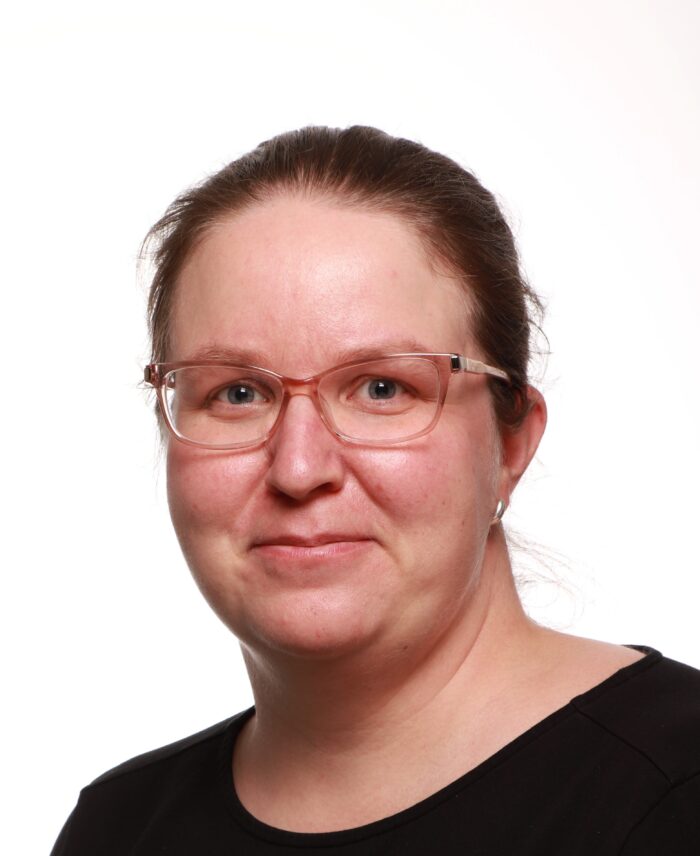
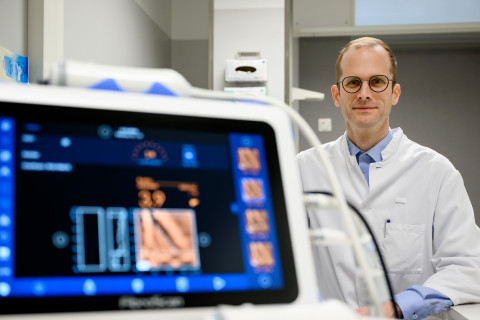
Heli Lehtivuori is a University Lecturer at Aalto University’s Department of Chemistry and Materials Science. Her work bridges natural science research, teaching, and international collaboration in multidisciplinary environments. Research Focus: Multidimensional nanomaterials, their structural, electronic, and vibrational properties, and applications in spectroscopy. Expertise: Chemical sciences, materials engineering, nanotechnology, physical chemistry, biochemistry, and educational sciences. Her recent publications emphasize open science practices in collaborative research, molecular toxicology in aquatic ecosystems, and advanced spectroscopic studies of phytochrome proteins. She has contributed to 12 peer-reviewed articles and actively participates in scientific conferences.
Juhani Taponen is an Adjunct Professor at the Faculty of Veterinary Medicine , University of Helsinki , affiliated with the Department of Production Animal Medicine . His work focuses on veterinary science with emphasis on reproduction in ruminants and endocrinology of reproduction . His research spans reproductive biotechnology, metabolic adaptation in dairy cows, and genetic factors in reproductive failures. Key projects include REPROINNOVA (1995–present) and ETTS/Esteves Luis/Doppler (2025–2028). Publications highlight studies in bovine fetus anomalies , gene variants in fertility , and dietary impacts on transition cows . Dr. Taponen has supervised multiple Master’s and Licentiate theses , including works by Aakkula, Heikkilä, and Nykyri. His peer-review activities cover journals like Theriogenology , PLoS One , and Reproduction in Domestic Animals . He has served as an opponent in doctoral dissertations , including Miha Savc (2017) and Adam Dunstan Martin (2015).
Leif Peter Sarin is an Adjunct Professor and University Lecturer in Molecular Biology at the University of Helsinki , affiliated with the Faculty of Biological and Environmental Sciences and Molecular and Integrative Biosciences Research Programme . He leads the RNAcious laboratory and supervises doctoral and Master’s students. Doctor of Philosophy in Molecular Virology (University of Helsinki, 2005-2010) Master of Science in General Microbiology (University of Helsinki, 2005) Title of Docent (Adjunct Professor) in Molecular Biology (University of Helsinki, 2014) His research focuses on post-transcriptional RNA modifications , transfer RNA , translation regulation , and host-pathogen interactions , with applications in synthetic biology and industrial biotechnology . Recent publications explore RNA sequencing methods, tRNA dynamics in marine bacteria, and roles of noncoding RNA in cancer. Scientific awards include the Sigrid Jusélius Fellowship 2012-2014 . Key projects: PROMOTE (2023-) and ProteRNA (2019-2025), funded by the Academy of Finland and Research Council of Finland. He has supervised doctoral and Master’s students, including Matea Radešić and Lampi, M. , and hosted international researchers like Jocelyne DiRuggiero . His work spans virology, biochemistry, and RNA biology, with over 33 publications and 72 collaborative activities.
Anna Vähärautio is an Adjunct Professor at the University of Helsinki, affiliated with the Organismal and Evolutionary Biology Research Programme. She supervises the Doctoral Programme in Integrative Life Science and the Doctoral Programme in Biomedicine. Her research focuses on cancer genomics, drug resistance mechanisms, and single-cell transcriptomics in ovarian cancer. She leads multiple funded projects, including a €1.99M ERC grant (2024–2029) for studying cancer resistance, and collaborates extensively on initiatives like the iCAN Digital Precision Cancer Medicine flagship. Her work employs advanced genomic techniques to identify therapeutic vulnerabilities in ovarian cancer. Dr. Vähärautio organizes academic events such as the Single Cell Transcriptomics Symposium and Eurooppalainen tutkijoiden yö (European Researchers' Night).
Jarkko Salojärvi is a University Researcher at the University of Helsinki, affiliated with the Viikki Plant Science Centre (ViPS) and the Organismal and Evolutionary Biology Research Program . He serves as a supervisor in the Doctoral Programme in Plant Sciences and contributes to bioinformatics research for molecular biology and genomics. His research spans plant genomics , evolutionary biology , and bioinformatics , with a focus on silver birch , pathogen interactions , and plant stress responses . Recent work includes genomic analyses of Taphrina infections , betulin biosynthesis in fungi, and adaptive landscapes in forest trees. He has published extensively on plant-microbe interactions , genetic diversity , and computational biology , with funded projects such as TreeBio: Centre of Excellence in Tree Biology and Future Forests . His activities include peer review , conference presentations , and thesis supervision .
Matilda Elna Alina Riskumäki is a Doctoral Researcher in the Doctoral Programme in Microbiology and Biotechnology and a Grant-funded researcher in the Research Programs Unit at the University of Helsinki. She is concurrently affiliated with the Systems Toxicology Unit at Karolinska Institutet in Stockholm (since December 2020). Her research bridges microbiology, immunology, and dermatology, focusing on skin microbiota interactions in allergic and inflammatory conditions. Her work employs genomic and transcriptomic approaches to investigate: Skin microbiome dynamics in atopic dermatitis miRNA-mRNA networks in contact dermatitis Immune tolerance mechanisms Her publications (2021–2022) demonstrate consistent themes in microbiome-immune crosstalk, utilizing clinical data and molecular analysis. No awards, grants, or student advisorship details are reported. Collaborations include interdisciplinary teams at Helsinki and Karolinska Institutet, emphasizing translational dermatology and toxicology.
Maia Aisha Malonzo is a Researcher at the Computational Biology Research Group in the Department of Computer Science at Aalto University . She specializes in Bioinformatics and Epigenetics , with a focus on DNA methylation analysis, transcriptome profiling, and computational modeling of biological systems. Key collaborations with Harri Lähdesmäki 's research team Active in Statistical Genetics and Genomic Data Analysis Her research involves: Developing computational methods for epigenetic profiling (LuxHMM, LuxRep) Investigating DNA methylation changes in disease contexts like Alzheimer's and asthma Elucidating regulatory mechanisms in human pluripotent stem cells
Maia Malonzo is a visiting faculty member at Aalto University's Department of Computer Science, focused on bioinformatics and epigenetic research. She is affiliated with the Professorship Lähdesmäki Harri and has contributed to 8 research outputs since 2015. Doctor of Science in Technology (2024, Aalto University) Master of Science in Technology (2012, Aalto University) Her research spans DNA methylation analysis, stem cell biochemistry, transcriptome studies, and biomedical informatics. Key projects include the SyMMys initiative (2015–2017) under the Finnish Centre of Excellence in Molecular Systems Immunology and Physiology Research. Recent publications (2022–2024) include tools like LuxHMM and LuxRep for bisulfite sequencing data analysis, with applications in epigenetics and disease biomarker discovery. She has collaborated on datasets for genome segmentation and received media coverage for her bioinformatics work, including mentions in news outlets and social media discussions (2023).
Jukka Jernvall is an Academy Professor at the University of Helsinki , affiliated with the Faculty of Science and the Department of Geosciences and Geography . His research bridges ecology, evolutionary biology, developmental biology, and paleontology , focusing on the interplay between developmental processes and evolutionary patterns in mammals. His current projects include investigating developmental mechanisms in dental diversity , exploring evolutionary constraints , and analyzing genomic adaptations in glacial relict species . Recent work spans from 3D imaging techniques in organ development to conservation genetics of ringed seals . Key research trends involve evolutionary developmental genetics , mammalian dentition , and quantitative analysis of morphological robustness . He supervises doctoral programs in Geosciences, Materials Research, Wildlife Biology, and Integrative Life Science .
Ping Chen is an Academy Research Fellow at the University of Helsinki , affiliated with the Faculty of Medicine and the Stem Cells and Metabolism Research Program . They also hold an Assistant Professor position at Karolinka Institutet since 2021. Research Interests: Biomedical research focusing on stem cells and metabolism Medical biotechnology applications in disease mechanisms Single-cell RNA sequencing and transcriptomics Alternative splicing and gene regulation in cancer Computational methods for sparse data analysis MicroRNA functions in tumor sensitivity Scientific Contributions: Their recent work spans epithelial cell dynamics in organ development, liver immunology in metabolic diseases, glioblastoma signaling pathways, and computational frameworks for cancer subtyping. Articles show strong integration of bioinformatics , genomics , and translational medicine . Awards and Grants: Academy Research Fellow, Research Council of Finland Docent (adjunct professor) title in the Faculty of Medicine Juselius 1-3 Chen 25 project (2024-2026) funded by Sigrid Juséliuksen Säätiö Academy of Finland grant (2023-2027) for studying RNA editing and macrophage plasticity in metabolic diseases Collaborative Network: Active collaborations include researchers from Massachusetts Institute of Technology, Nordic Lymphoma Group, and multiple European institutions.
Professor Ville Männistö is a leading academic in gastroenterology and hepatology at the University of Eastern Finland, holding the Professorship of Gastroenterology since September 2024. He is affiliated with the Institute of Clinical Medicine within the School of Medicine, Faculty of Health Sciences. His academic career includes roles as Research Director, Clinical Researcher, and head of gastroenterology specialization training programs at the University of Eastern Finland and Kuopio University Hospital. He completed his Licentiate of Medicine (2008), MD (2016), and became a Docent in Gastroenterology (2021). His research focuses on liver disease epidemiology, particularly metabolic dysfunction-associated steatotic liver disease (MASLD) and alcohol-related liver disease (ALD). Key areas include fibrosis progression mechanisms, population-level liver risk stratification, and the synergistic effects of metabolic and alcohol-related factors. He has pioneered the CLivD risk score for liver-related event prediction and contributed to understanding genetic and environmental influences on liver health. Professor Männistö leads large-scale cohort studies such as the METSIM study tracking liver health in Eastern Finnish men, and has published extensively on biomarkers (e.g., indole-3-propionic acid), metabolic signatures, and clinical outcomes. His work integrates genetic, metabolic, and epidemiological data to advance early detection and prevention strategies for severe liver outcomes. His research also addresses global health challenges like rising inflammatory bowel disease prevalence and the evolving terminology of liver diseases. He collaborates internationally on projects such as the EU-funded METSIM study and liver metabolomics initiatives.
Sarianna Sipilä is the current Dean of the Faculty of Sport and Health Sciences at the University of Jyväskylä. Her research focuses on the interplay between physical activity, aging, and health, particularly in contexts of menopausal transition, sarcopenia, and bone health. She leads studies addressing the physiological and psychological impacts of exercise interventions in older adults, emphasizing frailty prevention and post-fracture rehabilitation. Her work integrates clinical trials with molecular biology approaches, exploring epigenetic aging markers and transcriptomic changes in muscle tissue. She collaborates on large-scale projects like the ENDURE study, investigating the effects of reduced physical activity during the pandemic on older adults. Sipilä’s contributions include advancing methodologies for assessing physical activity and developing home-based rehabilitation programs to improve quality of life in aging populations. Key collaborations involve interdisciplinary teams studying muscle health, cardiovascular risk factors, and mental well-being dynamics. Education: Not explicitly detailed in provided texts but inferred to hold a doctoral degree in related health sciences. Key Projects: ENDURE study (COVID-19 mobility impact), ERMA study (menopause and muscle apoptosis), PASSWORD study (executive/physical functions). Research Interests: Sipilä’s research spans exercise physiology, aging biology, and clinical interventions. Her work examines how physical activity mitigates age-related declines in muscle mass, bone density, and cognitive function. She investigates menopause’s role in metabolic and musculoskeletal changes, with a focus on vitamin D sufficiency and inflammatory markers. Recent studies explore the bidirectional relationships between mental well-being and physical activity in older adults, especially during pandemics. Grants & Awards: No specific awards listed, but her extensive publication record reflects sustained research funding. Active in securing grants for clinical trials and longitudinal cohort studies. Labs/Teams: Oversees research groups within the Faculty’s Exercise Physiology and Gerontology divisions, collaborating with clinical partners on translational health initiatives.
Pavlina Gregorova is a Doctoral Researcher at the University of Helsinki , affiliated with the Faculty of Biological and Environmental Sciences and the Molecular and Integrative Biosciences Research Programme . Her work bridges biochemistry, molecular biology, and microbiology. Biochemistry, cell and molecular biology Biomedicine Microbiology and virology Research Interests focus on post-transcriptional RNA modifications, particularly their role in translation regulation and infection dynamics. Recent studies explore tRNA cleavage in extremophiles, RNA modifications in prostate cancer, and aging-related protein structural changes. Scientific Contributions include developing novel methods for RNA virus quantification, analyzing RNA modification landscapes, and characterizing enzyme-polymerization-based longevity controls. Her work spans Microorganisms , Nucleic Acids Research , and Molecular Cell . Fulbright Finland Foundation Travel Grant for Research Collaboration (2020) She actively supervises Master's theses and participates in international collaborations, including a research visit at Johns Hopkins University . Gregorova contributes to organizations like the RNA Society and Societas biochemica, biophysica et microbiologica Fenniae .
Muhammad Qasim is a Doctoral Researcher at the University of Helsinki, affiliated with the Faculty of Biological and Environmental Sciences and the Molecular and Integrative Biosciences Research Programme. His research focuses on RNA biology, microbiology, and molecular adaptations in extremophilic organisms. Research Interests: RNA sequencing in non-model organisms Dynamic tRNA modifications under stress Marine bacterial physiology Plant developmental RNA metabolism Scientific Awards: FEMS JOURNALS ORAL PRESENTATION PRIZE (2020) Project Highlights: ProteRNA (2019–2025): Enhancing heterologous protein production via RNA modification
Janne Lehtiö is a Professor in Medical Proteomics at Karolinska Institutet's Department of Oncology-Pathology in Stockholm, Sweden. He has held continuous positions at Karolinska Institutet since 2004, progressing from Senior Scientist to Associate Professor and currently Professor. His research focuses on proteomics and proteogenomics applications in cancer research and precision medicine. Lehtiö earned his PhD in School of Biotechnology from Kungliga Tekniska Högskolan (Royal Institute of Technology) in Stockholm (1997-2001) and his Master of Science in Department of Biochemistry from Helsingin Yliopisto (University of Helsinki) in Finland (1991-1997). Prior to his academic career at Karolinska, he worked as a Field Scientist at Ciphergen Biosystems Inc. in Fremont, California (2001-2003). His research interests center on proteomics, proteogenomics, cancer biology, and precision medicine . Lehtiö's work bridges molecular biology with clinical applications, particularly in cancer diagnostics and treatment selection. His laboratory develops advanced proteomic technologies for in-depth molecular phenotyping of cancer. Analysis of his recent publications reveals a strong trend toward clinical proteogenomics with emphasis on spatial proteomics, immune-oncology, and biomarker discovery. His research increasingly integrates machine learning approaches for early cancer detection and treatment response prediction, with significant focus on lung cancer, ovarian cancer, and lymphoma. Lehtiö serves as Principal Investigator on numerous research grants and has extensive experience as a peer reviewer for high-impact journals including Nature Communications, Cell, and Nature Genetics. His research is supported by substantial grant funding from major Swedish research organizations including the Swedish Research Council (VR), Swedish Cancer Society, and VINNOVA. Current projects focus on proteogenomics for cancer immunotherapy, precision medicine infrastructure, and early lung cancer diagnosis.