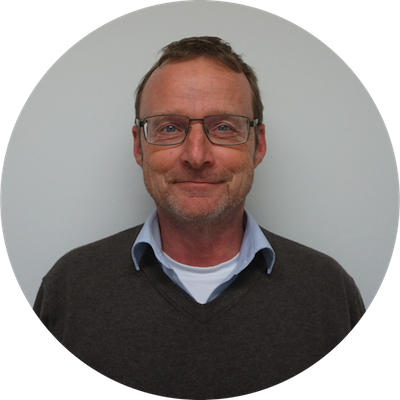
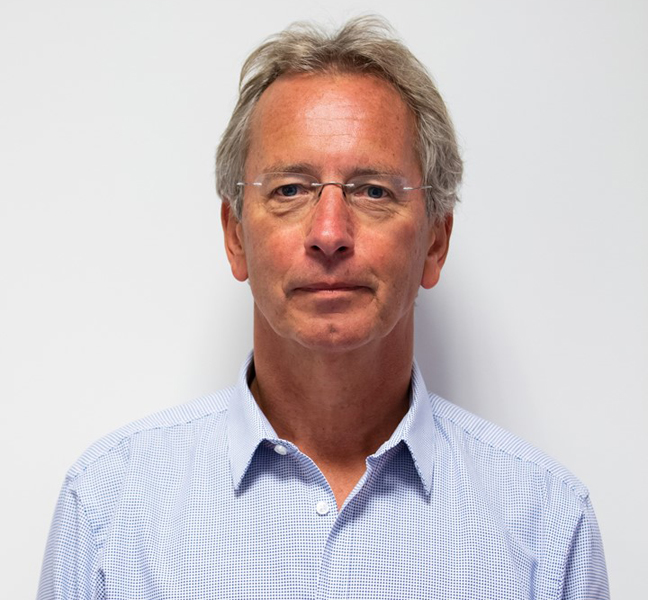
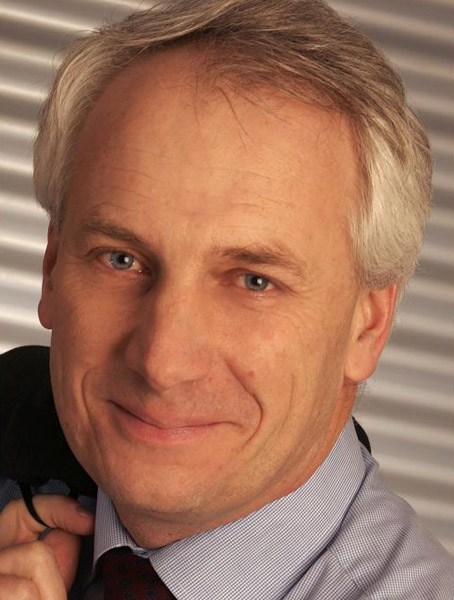
Jörg Menche holds a full Professor position (Univ.-Prof.) at the University of Vienna, with dual appointments in the Faculty of Mathematics, Department of Mathematics, and Max Perutz Labs, Department of Structural and Computational Biology. His work bridges mathematical modeling and biomedical research through network-based approaches to complex disease mechanisms. Primary research interests include Network Biology, Computational Systems Medicine, and Immunometabolism, with specific focus on proteomic signatures in neuropathic pain, metabolic reprogramming in obesity, and autoimmunity networks. He develops innovative computational tools like VRNetzer for virtual reality network analysis and BioProfiling.jl for high-content imaging data integration, targeting intersections between metabolism, immunity, and environmental exposures. Recent publications (2019-2024) reveal a dominant trend in multi-omics network medicine, particularly in autoimmunity (AutoCore framework), cardiometabolic diseases, and rare genetic disorders. His work demonstrates exceptional translational impact, with multiple papers highlighted by news outlets and patents (e.g., 3 patents referencing 2021 research). While the text indicates involvement in one project (2016) and 13 activities, grant specifics and student mentoring details remain undisclosed. His collaborative network spans immunology, neuroscience, and toxicology, evidenced by co-authorships with clinical and computational teams. Menche operates within Max Perutz Labs, a premier molecular biology research center in Vienna. His team integrates computational biologists, cell biologists, and clinicians to develop network cartography methods for disease module identification, with strong emphasis on virtual reality interfaces and multi-omics validation.
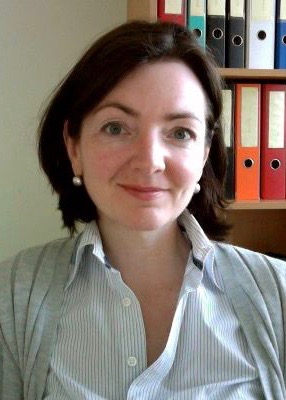
Barbara Maier is a Principal Investigator at CeMM (Center for Molecular Medicine of the Austrian Academy of Sciences), specializing in tumor immunology and the tumor microenvironment (TME). Her research focuses on immune suppression mechanisms, antigen-presenting cell (APC) dynamics, and T cell exhaustion in cancer, aiming to enhance immunotherapy strategies like immune checkpoint blockade (ICB). Education: Studied molecular biology at the University of Vienna and earned a PhD from MedUni Vienna, investigating type I interferon in pulmonary inflammation under Professor Sylvia Knapp. Barbara Maier’s work explores how tumor-associated APCs and myeloid cells shape T cell responses, using integrative approaches such as single-cell transcriptomics and high-throughput cell culture. Her research addresses critical questions about T cell dysfunction in the TME and draining lymph nodes, with the goal of developing next-generation immunotherapies targeting these pathways. Her recent publications highlight studies on APC subsets in ICB response, spatial T cell exhaustion programs, and myeloid cell-based therapies. She leads the ERC Starting Grant 'REWIRE' (2024–2028) to manipulate lymph node niches for T cell reactivation and an FWF Stand-Alone Project (2024–2027) to enhance T cell immunity in tumor-draining lymph nodes.
Pascale Romby is a leading French molecular biologist and CNRS Researcher based at the Institute of Molecular and Cellular Biology (IBMC) in Strasbourg. She serves as Director of CNRS Unit UPR 9002 since 2016 and Team Leader of the 'Bacterial regulatory RNAs and mRNAs' group since 2004. Specializes in RNA biology and bacterial gene regulation Current focus on RNA-protein interactions and stress response networks Member of international/national scientific societies Active editorial and supervisory roles Research Interests : Romby's work centers on regulatory RNAs in bacteria, particularly their roles in virulence, stress responses, and host-pathogen interactions. Her team investigates RNA degradation machineries, translation control mechanisms, and the impact of small RNAs on bacterial persistence and metabolic adaptation. Publications Trends : Her recent work focuses on RNA targetome mapping in Gram-positive pathogens, ribosome structure-function relationships, and multi-layered regulatory networks controlling bacterial virulence. These studies employ biochemical, structural, and systems biology approaches. Scientific Honors : Recipient of the prestigious Pasteur Medal (2018) Langevin Prize by French Academy of Sciences (2010) CNRS Silver Medal (2006) and Bronze Medal (2003) FEBS Fellowship (1984) and Choucroun Prize (1984) Supervision & Leadership : Has mentored 15 PhD students, 10 postdocs, and 23 visiting researchers. Organized two major Jacques Monod Conferences on RNA regulation and delivered over 45 invited seminars worldwide.
Audrey Mat is a Research Fellow at the University of Vienna , affiliated with the Department of Neuroscience and Developmental Biology within the Faculty of Life Sciences . She holds a postdoctoral fellowship through the Vienna International PostDoc Program VIP2 (2022–2025), focusing on circadian rhythms and photoreceptor biology in marine organisms. Her work contributes to UN Sustainable Development Goals related to ecosystem sustainability and climate action. Mat's research interests include circadian rhythms, photoreceptor function in non-traditional locations, and molecular mechanisms in marine invertebrates. Notable projects involve studying rhythmic behaviors in annelids (e.g., Platynereis dumerilii ) and exploring how environmental factors like temperature influence biological clocks. She has published extensively on topics such as Bathymodiolus azoricus rhythms, oyster transcriptome responses to toxins, and chronobiological methodologies in marine biology. Her recent talks include presentations on "Biological rhythms in the deep sea" and "Space and time in the deep sea" , highlighting her expertise in deep-sea chronobiology. Mat has received recognition through the VIP2 fellowship and has collaborated with institutions like the Vienna BioCenter and the University of Vienna's Department of Microbiology, Immunobiology and Genetics. Key Awards: Vienna International PostDoc Program VIP2 Fellow Recent Activities: 5 talks/oral presentations (2023–2024), including invited lectures on deep-sea biological rhythms Labs/Teams: Collaborates with the Tessmar-Raible Lab (Vienna BioCenter) on circadian and photoreceptor research
Arndt von Haeseler is a Full Professor for Bioinformatics at the Center for Molecular Biology and Department for Computer Sciences at the University of Vienna, as well as at the Department for Medical Biochemistry at the Medical University of Vienna. He serves as the Scientific Director of the Center for Integrative Bioinformatics Vienna (CIBIV) and was previously Dean of the Center of Molecular Biology at the University of Vienna and Head of the Center for Medical Biochemistry at the Medical University of Vienna from 2017-2020. His research focuses on phylogenetic inference, phylogenomics, neural networks, sequence evolution, and complex patterns of evolution. With expertise spanning mathematics, biology, and computer science, he has made significant contributions to computational biology through the development of algorithms and software tools for phylogenetic analysis. His work bridges theoretical approaches with biological applications, particularly in evolutionary biology and genomics. Dr. von Haeseler's recent publications demonstrate a strong trend toward integrating machine learning approaches with traditional phylogenetic methods, while expanding into single-cell RNA sequencing analysis and organoid modeling. His research spans computational methodology development, evolutionary analysis, and biomedical applications, with a consistent focus on improving analytical frameworks for biological sequence data. Visiting Professor at Division of theoretical Genetics, National Institute of Genetics, Mishima, Japan (since 2012) WWTF Science Chair Award, Vienna, Austria (2005) Honorary Professor for Theoretical Biology, University of Leipzig, Germany (since 1999) PhD scholarship, Studienstiftung des Deutschen Volkes, Germany (1985-1988) He mentors numerous PhD students and researchers, including Heiko A. Schmidt, Alina Leuchtenberger, and Cassius Manuel. His laboratory develops computational methods that have found widespread application in evolutionary biology and genomics research. The Center for Integrative Bioinformatics Vienna (CIBIV), which he directs, serves as a hub for interdisciplinary research bridging computational approaches with biological questions.
Carlos Ibanez is a Professor in Neuroscience at the Department of Neuroscience, Karolinska Institute, Stockholm, Sweden. His research focuses on neuronal growth factors, neurodevelopment, and neurotrophins. He has held his current position since 1996 and is affiliated with the Carlos Ibanez Lab @ KI, collaborating with institutions like Peking University and NUS. His work spans molecular biology, stem cell research, and genomics. Education and career: Ibanez earned his academic credentials and has been a member of prestigious organizations, including Academia Europaea (since 2007) and the European Molecular Biology Organization (EMBO, since 2006). He has received awards like the Goran Gustafssons prize in Molecular Biology (1998) and the Erik K. Fernstrom Young Researcher Prize. Research Interests: His lab investigates neurotrophin signaling, stem cell biology, and genomic approaches to neural development. Notable contributions include studies on neurotrophin-4, cholinergic neuron regulation, and spatial transcriptomics of the medial ganglionic eminence. Awards: Beyond his memberships, Ibanez has been recognized for contributions to molecular biology and neuroscience, including grants from the Swedish Cancer Society and the Swedish Research Council. His lab hosts international collaborations under networks like Molpark and Endocyte. Grants and Funding: Current grants include support from the Swedish Cancer Society (2019–2022) and the Swedish Research Council (2021–2024). His work integrates multidisciplinary approaches to understand neural development and disease mechanisms. Labs and Teams: The Ibanez Lab collaborates globally, with satellite groups at Peking University (CIBR) and NUS. Alumni include researchers like Sabrina Zechel and Pawel Zajac, contributing to genomics and stem cell projects.
Susana Chuva de Sousa Lopes is a leading scientist in developmental biology and stem cell research. Currently Professor at the Leiden University Medical Center (LUMC) since 2019, she previously held Associate Professor and Assistant Professor positions there from 2011-2019. She also serves as Guest Professor at Ghent University Hospital's Department of Reproductive Medicine since 2013. Co-discoverer of Epiblast Stem Cells (EpiSC) Developed the KeyGenes machine learning webtool for stem cell differentiation analysis Board member of Stichting Biowetenschappen en Maatschappij (2021-present) Her research focuses on human gametogenesis and ovarian development, with groundbreaking work on the epithelialized epiblast (PICMI) intermediate during embryonic stem cell derivation. She has received prestigious awards including: ERC Consolidator Grant (2017) VICI award (2019) Two Aspasia awards (2006 and 2011) De Snoo-van't Hoogerhuijs Foundation awards Her lab pioneers single-cell analysis of human fetal/adult ovaries and develops artificial follicle systems for fertility preservation. She also explores in vitro gametogenesis and its applications in reproductive toxicology and contraception research.
Professor Alexandra Lusser serves as Professor and Deputy Head in the Department of Molecular Biology at Innsbruck Medical University, where she leads the Chromatin and Epigenetics Laboratory. Her research focuses on understanding the molecular mechanisms of chromatin assembly, remodeling, and epigenetic regulation at both DNA and RNA levels. Professor Lusser completed her PhD at the University of Innsbruck in 1998, followed by postdoctoral training at the University of California, San Diego (2001-2004) in the laboratory of Professor JT Kadonaga. She joined Innsbruck Medical University as Assistant Professor in 2004, achieved her Habilitation for Molecular Biology in 2008, was promoted to Associate Professor, and became a full Professor in 2019. Her research program investigates how eukaryotic DNA is organized in chromatin and how this organization affects DNA metabolism processes including transcription, replication, repair, and recombination. A significant portion of her work examines ATP-dependent chromatin assembly and remodeling mechanisms, variant histone assembly, and epigenetic mechanisms at the mRNA level, particularly mRNA base modifications such as 5-methylcytosine and their roles in mRNA metabolism and translation. Her publications reveal a strong focus on developing and applying innovative biochemical and genomic techniques to study RNA modifications and chromatin dynamics. Professor Lusser's extensive publication record spanning from 1996 to the present demonstrates consistent contributions to the fields of chromatin biology and RNA epigenetics. Her recent work shows particular emphasis on developing novel sequencing methods for RNA modification analysis, exploring the functional consequences of RNA modifications, and investigating the relationship between chromatin remodeling factors and neurological functions. HOECHST Award (1998) APART 3-year postdoctoral fellowship from the Austrian Academy of Sciences (2001) START Prize from the Ministry of Science and Research (2005) Member of the Young Curia of the Austrian Academy of Sciences (2008-2016) Research Award from the State Capital Innsbruck (2009) As Deputy Head of the Department of Molecular Biology, Professor Lusser contributes to departmental leadership while maintaining an active research program. Her laboratory has developed several important methodologies including TUC-Seq for measuring mRNA transcription and degradation rates, bisulfite sequencing for detecting 5-methylcytosine in RNA, and other innovative approaches for studying RNA modifications. Her work bridges molecular biology, biochemistry, and genomics, with implications for understanding fundamental biological processes and potential applications in disease research.
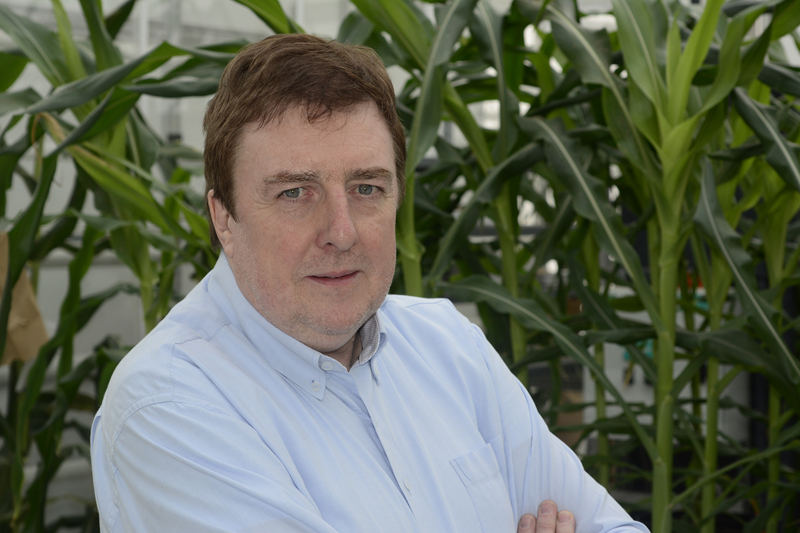
Dirk Inzé is a global leader in plant biology and Full Professor at Ghent University. He serves as Science Director and Head of the VIB-UGent Center for Plant Systems Biology, driving advanced research in plant systems biology since 2002. Research spans molecular networks regulating plant growth, crop productivity, and climate resilience Key initiatives include EU-SAGE (European Sustainable Agriculture through Genome Editing) Chair of the LS9 panel for Advanced ERC Grants and frequent advisor to international institutes Research Focus: Dirk Inzé's work addresses molecular mechanisms controlling plant organ growth and stress responses. His team develops genetic engineering strategies to enhance crop yield under climate stress, contributing to food security for a growing global population. Scientific Recognition: He has received numerous accolades including the Francqui Prize ("Belgian Nobel Prize") World Agriculture Prize (GCHERA) Double ERC Advanced Grant awardee AAAS Fellow Highly-cited researcher (H-index 131) Dirk Inzé has delivered over 150 invited lectures and leads policy advocacy for genome-edited crops in Europe through EU-SAGE. His lab at Ghent University comprises ~300 researchers, making it one of the world's premier plant science centers.
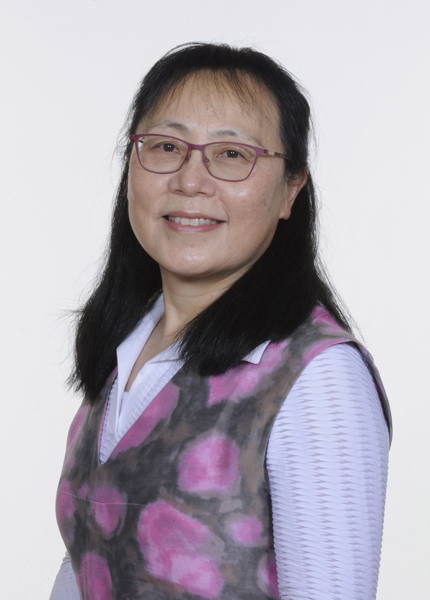
Professor Xin Lu is Director of Research and Full Member at the Ludwig Institute for Cancer Research, Oxford Branch, and Professor of Cancer Biology at the University of Oxford. She has held prominent academic positions since 2007 at Oxford, following professorial roles at University College London (2004-2007) and Imperial College London (2000-2004). As Director of the Oxford Centre for Early Cancer Detection and Cancer Theme co-Lead at the NIHR Oxford Biomedical Research Centre, Professor Lu leads significant research initiatives focused on tumor suppression and cellular plasticity. Professor Lu received her academic training in China and the UK: BSc in Biochemistry from Sichuan University, China (1982) MSc in Cell and Molecular Biology from Cancer Institute, Peking Union Medical College & Chinese Academy of Medical Sciences, Beijing (1985) PhD in Cell and Molecular Biology from Imperial Cancer Research Fund and University College London, London, UK (1991) Professor Lu's research program centers on understanding molecular mechanisms that control cellular plasticity and suppress tumor growth. With a long-standing interest in the tumor suppressor p53 and the ASPP family of proteins, her work has revealed how cells change characteristics in response to external signals - a process fundamental to cancer initiation, metastasis, and therapy resistance. Her laboratory investigates selective transcription mechanisms, regulators of cellular plasticity in gastrointestinal cancers (particularly esophageal and gastric), and the influence of infections like Helicobacter pylori and Epstein-Barr Virus on cell plasticity and cancer development. The discovery of ASPP proteins as key regulators of p53 function represents a major contribution to the field. Analysis of Professor Lu's recent publications shows a consistent focus on cellular plasticity mechanisms, p53 family regulation, and the role of ASPP proteins in cancer and developmental disorders. Her work spans molecular, cellular, and tissue-level investigations, increasingly incorporating advanced techniques like single-cell RNA sequencing and organoid models to study cancer initiation and progression. Professor Lu's significant contributions to science have been recognized with numerous prestigious awards: Fellow of the Royal Society (2020) CDD Award for her work on cell death (2016) Elected Fellow of Academy of Medical Sciences (FMedsci) (2013) Elected Supernumerary Fellow of Magdalen College, University of Oxford (2013) Elected Member of the European Molecular Biology Organisation (EMBO) (2011) Professor Lu has served on numerous scientific advisory boards, grant committees, and editorial boards. She has been a Medical Sciences Division Board Member at the University of Oxford since 2010, serves on the European Research Council (ERC) Consolidator Panel since 2012, and has been a Receiving Editor for Cell Death and Differentiation since 2014. Her leadership extends to organizing major international conferences, including multiple Sino-British Frontier Workshops of Cancer Biology and Ludwig-Nature Conferences on Nuclear Reprogramming of the Cancer Genome. Professor Lu leads a research group at the Ludwig Institute for Cancer Research, Oxford Branch, based at the Old Road Campus Research Building. Her team investigates tumor suppression mechanisms with particular focus on cellular plasticity and selective transcription. The laboratory has made significant contributions to understanding the ASPP family of proteins and their roles in cancer and developmental disorders. Professor Lu's group collaborates extensively with researchers across Oxford University and internationally, particularly with institutions in China.
Satu Mustjoki is a Professor of Translational Hematology at the University of Helsinki (UH), Finland, and holds leadership roles such as Director of the Translational Immunology Research Program (2019–2025) and former Head of the Department at the Helsinki University Hospital (HUS) Comprehensive Cancer Center (2018). She is affiliated with the Faculty of Medicine, UH, and specializes in hematology and immunology. Her research spans somatic mutations in non-malignant diseases, NK cell biology, and personalized medicine. She has led over 20 international grants totaling millions in funding, including ERC Consolidator (€2.047M) and NIH/Academy of Finland collaborations. Education: MD (1997, UH), PhD (2001, UH with distinction), Adjunct Professor (Docent) in Experimental Hematology (2011). Awards include the 2020 City of Helsinki Science Award and ERC Proof-of-Concept grant (2020). Her work bridges clinical and translational research, with focus on immunological biomarkers and cancer immunotherapy. Research emphasizes somatic mutations in autoimmune diseases (e.g., rheumatoid arthritis), T and NK cell dysfunction in blood cancers, and precision medicine strategies. She has supervised 18 completed PhDs and 9 ongoing postdocs, with over 9,900 citations and an H-index of 49. Leadership roles include Scientific Director of the iCAN Digital Precision Cancer Medicine Flagship (2022–2026) and membership in the European Hematology Association’s program committee. Funding highlights include the Academy of Finland Terva Consortium (€830K), EraPerMed EU project (€566K as PI), and industry grants from Pfizer and Novartis. She leads global clinical trials and biomarker programs, contributing to drug discovery and patient stratification strategies in hematologic malignancies.
Tom van der Poll is a Full Professor of Medicine and Chair of the Department of Medicine at Amsterdam University Medical Centers (Amsterdam UMC). He holds affiliations with the University of Amsterdam and leads translational research on sepsis and pneumonia immunology. His career includes a postdoctoral fellowship at Cornell University Medical College (1993–1995) and clinical training in infectious diseases at Harbor View Medical Center (2000). Positions: Chair of Medicine (2016–present), Professor of Medicine (2003–present) Leadership roles: Head of Infectious Diseases and Center for Experimental and Molecular Medicine (2011–2016) Research Focus: Immunopathology and immune therapy of sepsis/pneumonia, combining clinical studies with mouse models. He leads European projects like COMBACTE and SEPCELL for biomarker discovery. Key themes: Innate immunity, coagulation pathways, host-pathogen interactions Translational approach: Bridging basic science and clinical practice Scientific Recognition: Elected Royal Netherlands Academy of Arts and Sciences (2019) – lifetime honor Goslings Award (2002) for best Dutch infectious diseases research Member of Dutch Health Council (2013–2015) Advising & Impact: Supervised 79 PhD students, 7 of whom became Professors Led international sepsis guidelines and definition committees Labs/Teams: Directs research at Amsterdam UMC’s Center for Experimental and Molecular Medicine and collaborates with global networks on sepsis biomarkers.
Kurt Zatloukal has been Professor of Pathology at the Medical University of Graz since 1997. His career includes postdoctoral training at the Research Institute of Molecular Pathology (IMP) in Vienna and residency at the Institute of Pathology, University of Graz. He is a member of the Austrian Academy of Sciences and has held leadership roles in European biobanking initiatives. Research Focus: Molecular pathology of metabolic liver diseases and cancer. Development of high-quality biobanking standards and infrastructures. Harmonization of ethical and legal frameworks for biobank operations. Medical aspects of long-duration space flights. His work has been pivotal in establishing BBMRI-ERIC and leading the SPIDIA project under the EU FP7 framework, both aimed at improving biobank interoperability and standardization across Europe. Scientific Awards & Recognitions: Santa Chiara Chair, University of Siena (2009) Honorary Professor, University of Dundee (2009–2012) Director, Christian Doppler Laboratory “Biospecimen Research and Biobanking Technologies” (2010) Founder and former CEO of Oridis-Biomed (2001–2005) Leadership & Advisory Roles: Member, Austrian Science Fund board (2000–2003) Member, Bioethics Commission at the Austrian Federal Chancellery (2001–2009) President, Austrian Society of Genetics and Gene Technology (2002–2005) Member, OECD task force on biological resource centres (2002–2007) Member, ESFRI Roadmap Working Group (2004–2011)
Dr. Satu Mustjoki is a Professor of Translational Hematology at the Faculty of Medicine, University of Helsinki (UH), Finland. She serves as Director of the Translational Immunology Research Program (2019-2025), Scientific Director of the iCAN Digital Precision Cancer Medicine Flagship (2022-2026), and leads multiple international research consortia including EraPerMed EU and Heal-Art projects. Adjunct Professor (2011), Experimental Hematology, UH Specialist in Clinical Chemistry (2008), UH PhD (2001), UH MD (1997), UH Her research focuses on somatic mutations in hematological malignancies and autoimmune diseases, cancer immunology, and personalized medicine. The work integrates immunogenomics, functional genomics, and clinical translation to identify novel therapy targets and biomarkers. Recent publications highlight somatic mutation analysis in T cells (chronic GVHD, RA), NK cell interactions with blood cancers, and single-cell approaches to melanoma immunotherapy. Key themes include mutation-driven immune dysregulation and precision targeting of apoptotic pathways in leukemia. Helsinki Institute of Life Science (HiLife) Fellow (2017-2025) ERC Consolidator grant awardee (2015-2020) Biomedicum Helsinki award (2018) City of Helsinki Science award (2020) Academy of Finland Senior Research Fellowship (2010-2015) She supervises 9 completed + 9 ongoing post-doctoral researchers, 18 completed + 13 ongoing PhD students, and 22 completed MSc/MD theses. Funding includes major grants from the Erkko Foundation, Leukemia & Lymphoma Society, and Academy of Finland. She participates in European and American hematology scientific committees and leads international clinical studies as principal investigator.
Sigrid Neuhauser is a Full Professor (Univ.-Prof. Mag. Dr.) at the Institute of Microbiology , University of Innsbruck , where she also serves as Deputy Head of the Institute. She is a START-Fellow of the Austrian Science Fund (FWF) and leads a vibrant research group focused on Phytomyxea , phytopathology, and marine and soil microbiology. Education & Career: Current: Professor and Deputy Head, Institute of Microbiology, University of Innsbruck START-Fellow, Austrian Science Fund (FWF) Research Interests: Prof. Neuhauser’s work spans taxonomy and systematics of Phytomyxea , host-parasite interactions , phytopathology , and marine and soil microbiology . Her group uses cutting-edge molecular tools, including transcriptomics and single-cell RNA visualization (FISH), to unravel how biotrophic parasites interact with their hosts at the cellular level. She has pioneered studies on Plasmodiophora brassicae (clubroot) and Maullinia parasites of brown algae, and she leads the EU Marie Curie ITN ALFF – Algal friends and foes . Scientific Awards: START-Fellowship, Austrian Science Fund (FWF) Leadership & Grants: Principal Investigator, HiPhy – Understanding Phytomyxid-Host-Interactions (START-Grant, FWF) Partner, ALFF – Algal friends and foes (EU Marie Curie ITN) Coordinator, YETIS: Yeast Endophytes of VitIS sp. (applied research) Labs & Teams: She heads the Phytomyxea Research Group at the Institute of Microbiology, comprising post-docs, PhD students, and technical staff. The group operates state-of-the-art microscopy, molecular biology, and bioinformatics facilities.