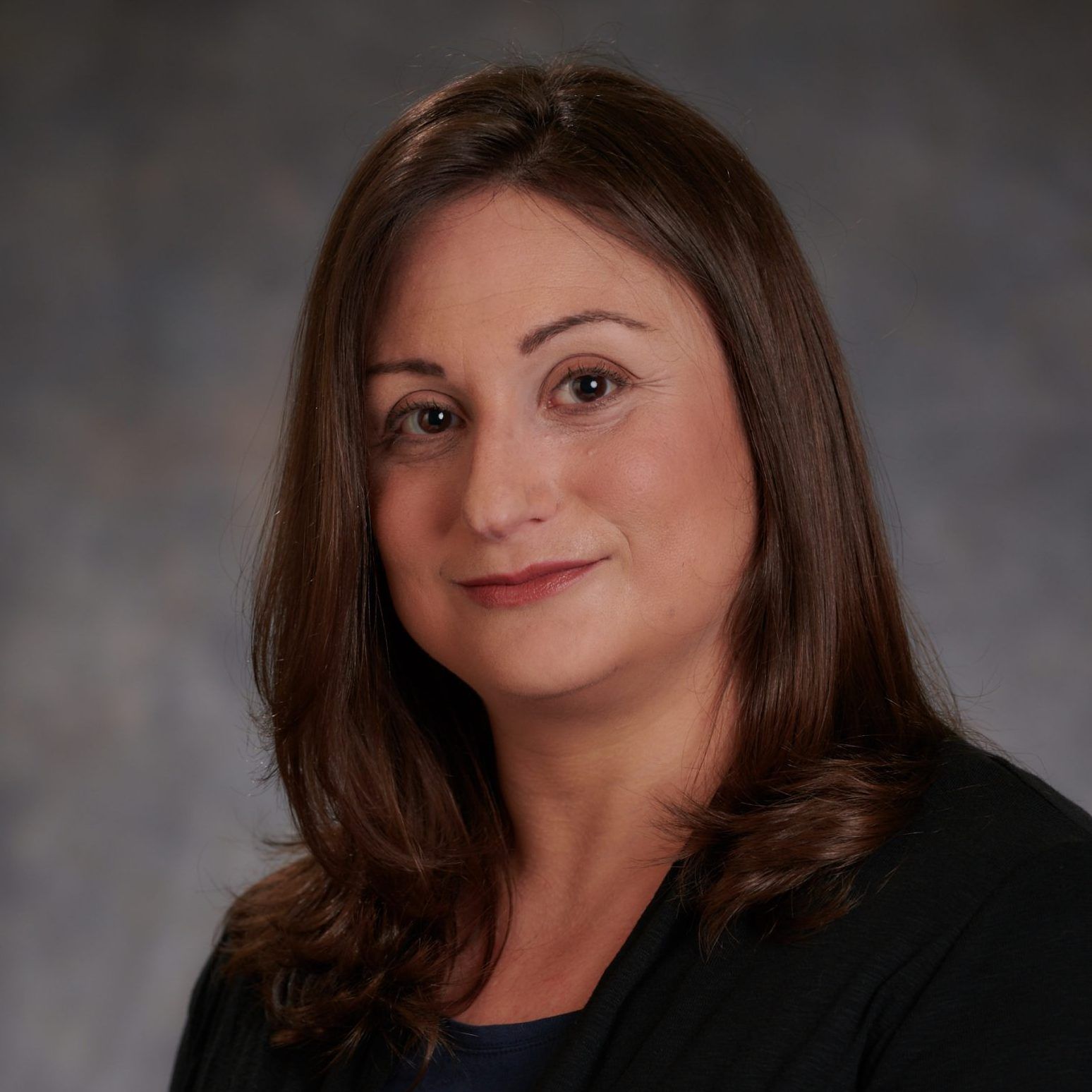
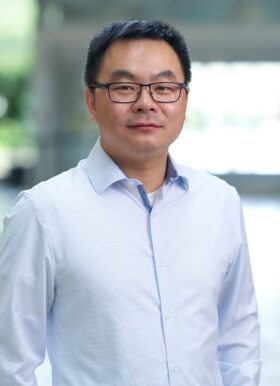
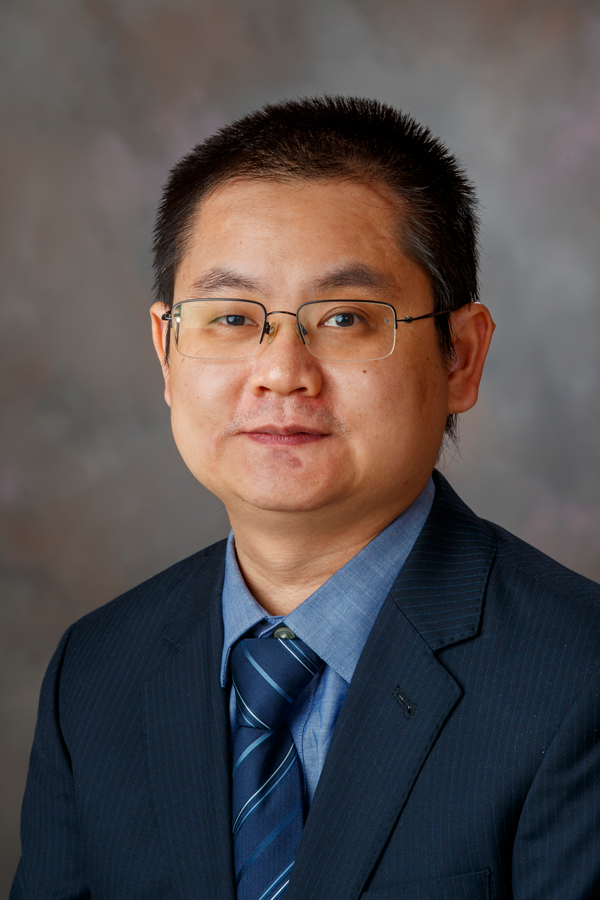
Md. Abul Hassan Samee is an Associate Professor at Baylor College of Medicine , specializing in Integrative Physiology . He is affiliated with the Computational and Integrative Biomedical Research Center (CIBR) , THINC@BCM , and the Cardiovascular Research Institute (CVRI) . Education: Postdoctoral Fellowship at Gladstone Institutes, University of California San Francisco PhD in Computer Science from University of Illinois Urbana Champaign Research Interests: Development of machine learning algorithms for biological datasets Single-cell and spatial omics analysis Comparative genomics in regeneration and aging Computational models for cancer and neurodegenerative diseases Publications focus on spatial transcriptomics, cardiac regeneration, and interpretable AI in genomic research. Recent projects include SPaSE for pathology scores and GraphAge for epigenetic aging. Grants from the National Institutes of Health support his work on Alzheimer's disease and MYH7 variant interpretation.
Elizabeth Videlock, M.D., Ph.D. is an Assistant Professor of Medicine at the David Geffen School of Medicine , University of California, Los Angeles (UCLA) . Her laboratory is housed within the UCLA Center for Inflammatory Bowel Diseases and she leads the Videlock Laboratory . She is a physician-scientist with dual training in internal medicine and gastroenterology, and a Ph.D. in translational research focused on the gut-brain axis. Education and Training: B.S., Chemistry – Yale University M.D. – David Geffen School of Medicine at UCLA Internal Medicine Residency – Beth Israel Deaconess Medical Center, Boston Gastroenterology Fellowship – UCLA STAR Program Ph.D. – UCLA, under mentorship of Dr. Charalabos Pothoulakis and Dr. Lin Chang Research Focus: Dr. Videlock’s research centers on the gut-brain axis , with a particular emphasis on Parkinson’s disease and irritable bowel syndrome (IBS) . Her lab uses clinical samples, animal models, and cell-based systems to investigate how gastrointestinal dysfunction contributes to neurological disease. Key areas include mitochondrial dysfunction in the gut epithelium, alpha-synuclein pathology, and the role of genes like PINK1 and PRKN in intestinal health. Scientific Awards and Honors: NIH-NIDDK K08 Grant Award (2024) UCLA CTSI KL2 Translational Science Award (2023) Chan Zuckerberg Initiative Neurodegeneration Challenge Grant American Gastroenterological Association (AGA) FORWARD Scholar Funding and Grants: NIH-NIDDK K08: “Intestinal Mitochondrial Dysfunction and the Gut-Brain-Immune Axis in Models of Parkinson’s Disease” UCLA CTSI KL2: “Parkinson's Disease May Begin in the Gastrointestinal Tract” Chan Zuckerberg Initiative: “The Role of Pink1/Parkin in the Intestinal Epithelium” CURE Pilot and Feasibility Grant UCLA Claude Pepper Rapid Pilot Award Laboratory and Affiliations: Dr. Videlock leads the Videlock Laboratory within the UCLA Center for Inflammatory Bowel Diseases . She is also affiliated with the UCLA G. Oppenheimer Center for Neurobiology of Stress and Resilience and the UCLA Vatche and Tamar Manoukian Division of Digestive Diseases .
Lorenzo Farina is a Full Professor at Sapienza University of Rome's Faculty of Information Engineering, Computer Science and Statistics, specializing in Electronic and Computer Bioengineering (ING-INF/06). With over 25 years of academic leadership, he co-founded Italy's first Bioinformatics degree program and established key oncology precision medicine initiatives, maintaining active collaborations with Harvard Medical School's network medicine division. His educational background includes a cum laude Electronic Engineering degree and PhD in Systems Engineering, both from Sapienza University. These foundational studies evolved into pioneering work in positive linear systems theory, evidenced by his highly-cited Wiley textbook Positive Linear Systems: Theory and Applications (2000). Farina's research centers on network medicine – applying complex network science to molecular medicine since his 2004 breakthrough. His work spans cancer mechanisms (breast, glioblastoma, lung), drug repositioning (including COVID-19 applications), and liquid biopsy biomarker development. Current projects focus on miRNA-based network biomarkers for cancer diagnostics and immunotherapy response prediction, integrating multi-omics data through advanced computational frameworks. Analysis of his 15 most recent publications (2024-2025) reveals dominant themes: sexual dimorphism in cancer networks (MIRROR platform), immunotherapy response signatures, and critical examinations of AI's role in precision medicine. His work consistently bridges computational innovation with clinical applications, particularly in oncology diagnostics and therapeutic optimization. His scientific recognition includes: 2001 Guillemin-Cauer Award for best IEEE Transactions on Circuits and Systems article 2014 SysBio Award for annual best publication Farina actively mentors through interdisciplinary programs he established, including the Network Oncology doctoral program. His laboratory collaborations span Sapienza's Oncogenomics and Immunology Laboratories, Harvard's Channing Division of Network Medicine, and clinical departments in oncology and radiology, driving translational research from computational models to patient applications. He leads multiple research teams focused on network-based diagnostics, including the MIRROR platform for cancer disparity analysis and liquid biopsy development teams investigating circulating miRNA networks for early cancer detection across multiple malignancies.
Paola Arlotta is the Golub Family Professor and Chair of the Department of Stem Cell and Regenerative Biology at Harvard University. She is a principal faculty member at the Harvard Stem Cell Institute, an Institute Member at the Broad Institute, and an Associate Member of the Stanley Center for Psychiatric Research. Her career spans groundbreaking work in cortical development and regenerative neuroscience. Education: M.S. in Biochemistry from the University of Trieste, Italy Ph.D. in Molecular Biology from the University of Portsmouth, UK Postdoctoral training in Neuroscience at Harvard Medical School Dr. Arlotta’s research focuses on defining molecular pathways that govern the differentiation of neural progenitors into cortical projection neurons, with a special interest in corticospinal neurons linked to ALS and spinal cord injury. Her lab bridges developmental neuroscience with stem cell engineering to study human-specific cortical development using 3D organoid models, aiming to uncover mechanisms of neurodevelopmental diseases. Scientific Contributions: 2024: Discovery of individual susceptibility to neurotoxicity in brain chimeroids 2024: Microglia’s role in fetal brain inflammation response 2022: Autism risk genes affect asynchronous neuron class development 2019: Reproducible generation of human cortical diversity in organoids Scientific Awards: Elected to the National Academy of Medicine for pioneering brain organoid research Her lab employs advanced techniques like single-cell RNA sequencing, FIN-seq for frozen tissue analysis, and in utero electroporation. She also explores neuronal reprogramming and myelin dynamics across axons, contributing to understanding cortical circuit assembly and repair.
Dr. Curtis Huttenhower is a Professor of Computational Biology and Bioinformatics at Harvard T.H. Chan School of Public Health , with dual appointments in the Department of Biostatistics and Department of Immunology and Infectious Diseases . His research focuses on computational methods for microbial community analysis, human microbiome public health implications, and machine learning applications in genomics. Education: B.S. (2000) from Rose-Hulman Institute of Tech, M.S. (2003) from Carnegie Mellon, Ph.D. (2008) from Princeton Major grants: NIH R21CA299494 (cancer virome), U24HL175772 (HVP consortium), OT2CA297578 (early-onset colorectal cancer prevention) His work spans functional metagenomics , microbiome diagnostics , and structured biological knowledge in machine learning . Recent studies include strain-level microbiome mapping and microbiome links to depression, diabetes, and cardiovascular disease . He contributes to open-source tools like MaAsLin and WAAFLE , and leads the Human Microbiome Project sub-cohort for inflammatory bowel disease microbiome characterization.
Anniek Frederike Lubberding serves as a Tenure Track Assistant Professor and Postdoc at the Department of Biomedical Sciences , University of Copenhagen. Her research focuses on immuno-endocrinology , particularly diabetes-related cardiovascular complications, ion channel mechanisms, and circadian rhythm interactions with metabolic pathways. Keywords: Diabetes, Cardiovascular Research, Ion Channels, Inflammation, Metabolism, Circadian Rhythms Recent studies explore GLP-1 receptor agonists in cardiometabolic therapy, salivary biomarkers for type-2 diabetes, and cross-disciplinary links between cardiac ion channels (Kv7.1/Kv11.1) and pancreatic beta cell dysfunction. She has published 19 research outputs since 2022. Key Collaborations: Acta Physiologica, Diabetes, Obesity and Metabolism, Cardiovascular Research Contact: alubberding@sund.ku.dk | Phone: +4535328260
Alan Schulman is a Research Professor and Research Director at the Institute of Biotechnology within the Faculty of Biological and Environmental Sciences at the University of Helsinki. He serves as a supervisor in three doctoral programs: Integrative Life Science, Sustainable Use of Renewable Natural Resources, and Plant Sciences. His work is centered at the Viikki Plant Science Centre (ViPS), where he leads significant research initiatives in plant genomics and biotechnology. Dr. Schulman earned his Ph.D. in Cell and Developmental Biology from Yale University (1979-1986) and his B.Sc. in Botany from Duke University (1975-1979). He also holds a position as Professor at the Natural Resources Institute Finland, Green Technology Unit VITE, since 2001. His research spans multiple areas of plant science with a focus on plant genomics, crop improvement, and the application of biotechnology in agriculture. Dr. Schulman's work addresses critical challenges in food security, plant disease resistance, and adaptation to climate change. His expertise encompasses plant genetics, molecular biology, and the regulatory aspects of genetically modified organisms. Recent research has particularly emphasized genomic approaches to improve crops like faba bean, barley, oat, and strawberry, with applications in disease resistance, nutritional quality, and environmental adaptation. Dr. Schulman's extensive publication record reflects his leadership in plant genomics and biotechnology. His recent work demonstrates a strong focus on the intersection of genomic technologies, crop improvement, and regulatory science, with particular attention to how new genomic techniques can address agricultural challenges while navigating complex regulatory landscapes. His research bridges fundamental plant science with practical applications for sustainable agriculture. Knight, First Class, Order of the Lion of Finland (2010) Marquis Who's Who in the World (2010) Dr. Schulman actively mentors doctoral students across multiple programs and leads significant research projects funded by the Ministry of Agriculture and Forestry, the Academy of Finland, and other sources. His current projects include Schulman MMM 2022-2026, ViPS: Viikki Plant Science Centre, NaPPI (National Plant Phenotyping Infrastructure), ProFaba (focusing on faba bean breeding), and Papugeno (genomic tools for faba bean improvement). These projects address critical challenges in sustainable protein production, crop resilience, and advanced genomic technologies for plant improvement. As a Principal Investigator in the Viikki Plant Science Centre, Dr. Schulman works within a collaborative research environment that brings together experts across plant sciences. His research group focuses on applying genomic technologies to solve practical problems in crop improvement, with particular expertise in molecular marker development, genome analysis, and the application of new breeding techniques.
Keith Latham is a Professor at Michigan State University affiliated with the Cell & Molecular Biology Program and Genetics & Genome Sciences Program. His research focuses on molecular mechanisms regulating early mammalian embryogenesis and disease origins from developmental disruptions. Cell & Molecular Biology Program Faculty Genetics & Genome Sciences Program Faculty Research Interests His work explores embryonic development , epigenetics , and reproductive biology , emphasizing how maternal/paternal factors influence embryo viability. Recent studies investigate FSH effects on ovarian stimulation, oocyte transcriptome regulation, and mitochondrial dysfunction transmission via oocytes. Scientific Awards Advising and Grants No student advising or grant information is provided in the text. Further details may exist in external academic records.
Tristan Qingyun Li, PhD is an Assistant Professor of Neuroscience and Genetics at Washington University in St. Louis School of Medicine. His research focuses on neuroimmunology with particular emphasis on microglial biology in brain development, aging, and disease. Dr. Li earned his BS in Biological Sciences from China Agricultural University (2002-2006), followed by a PhD in Biology from Duke University (2008-2015) under advisor Pelin Volkan. He completed his postdoctoral training at Stanford University (2015-2019) with advisors Ben Barres and Tony Wyss-Coray. His research interests center on understanding microglial heterogeneity, development, and function using cutting-edge single-cell genomic technologies combined with in vitro and in vivo genetic, molecular, and cellular tools. The lab investigates how microglia (and other immune cells) differ during development, homeostasis, and aging, and how these different populations interact with neural cells to control brain development and function. Another major focus is understanding how microglial fate is specified and diverged from other tissue macrophages during early embryonic development. Analysis of Dr. Li's publications reveals a strong focus on microglial states across developmental stages and disease conditions. His work demonstrates how microglia shift from functionally heterogeneous states early in life to a more homogeneous state in adulthood, with identification of distinct subpopulations like PAM (proliferative-region-associated microglia) that share signatures with DAM (disease-associated microglia). His 2024 Immunity paper introduced the Clec7a-CreER mouse model to track microglial states, showing their plasticity during remyelination. 2011-2012 Howard Hughes Vertical Integration Partnership Program Fellowship 2014 Departmental Semester Fellowship, Duke University 2014 Ray J. Tysor Graduate Fellowship, Duke University 2016 Dean's Fellowship, Stanford University Dr. Li leads the Li Lab, which employs rodent models and techniques including mouse genetics, histology, imaging, single-cell transcriptomics, epigenetics, primary cell culture, transplantation, flow cytometry, and cell sorting. The lab actively recruits graduate students, postdoctoral researchers, and undergraduate students interested in neuroimmunology and microglial biology. Located in the Jeffrey T. Fort Neuroscience Research Building in St. Louis, MO, the lab is part of Washington University's neuroscience and genetics research community.
Jennifer Donelson is an Associate Professor and ARC Future Fellow at James Cook University , affiliated with the ARC Centre of Excellence for Coral Reef Studies. Her research investigates how marine fish respond to climate change through acclimation and transgenerational plasticity , utilizing advanced temperature-controlled aquarium systems. PhD in Marine Ecology (2012) from James Cook University Chancellor’s Postdoctoral Fellowship at University of Technology Sydney (2013-2016) Collaborative fellowship between KAUST (Saudi Arabia) and Coral Reef Studies Centre Her work spans thermal ecology , phenotypic plasticity , and parental effects , with publications analyzing developmental acclimation , epigenetic responses , and behavioral changes under ocean warming. Key projects explore gene expression , metabolic adaptation , and conservation strategies for coral reef ecosystems. Jennifer’s recent 15+ peer-reviewed articles focus on topics like multi-generational thermal exposure , marine heatwave impacts , and molecular acclimation in reef fish. Notable awards include her ARC Future Fellowship for climate change research. Contact: Office in Building DB-32 Room 118, Townsville, QLD 4811, Australia. Twitter: @DrJDonel
Simon Boulton is a distinguished molecular biologist and cancer researcher serving as a Senior Group Leader at the Francis Crick Institute and holding an honorary Professorship at University College London. He also serves as Senior Vice President of Science Strategy at Artios Pharma Ltd, which he helped establish in 2016, where he additionally chairs the Scientific Advisory Board and serves on the Executive Board. His educational background includes: Molecular Biology studies at the University of Edinburgh PhD at the University of Cambridge with Professor Steve Jackson (Gurdon Institute) EMBO and HFSP funded postdoctoral fellowships at Harvard Medical School with Prof. Nick Dyson (MGH Cancer Centre) and Prof. Marc Vidal (Dana Farber Cancer Institute) Boulton's research focuses on understanding DNA damage response mechanisms, particularly DNA double-strand break repair in both mitotic and meiotic cells. His laboratory employs the complementary experimental strengths of C. elegans and mouse genetics, combined with cell biology and biochemistry approaches. Over his career, his lab has discovered novel DNA repair genes and provided crucial molecular insights into human diseases, especially cancer. His work bridges fundamental biological processes with potential therapeutic applications in oncology. Analysis of his recent publications reveals a consistent focus on genome integrity mechanisms, with particular emphasis on DNA repair pathways, telomere biology, replication stress responses, and the development of novel assays to study these processes. His research increasingly intersects with cancer therapeutics, particularly through his work with Artios Pharma on DNA Damage Response (DDR) target pipelines. His significant scientific contributions have been recognized with numerous prestigious awards: Member of EMBO Fellowship of the Academy of Medical Sciences Colworth Medal European Association for Cancer Research (EACR) Young Investigator Award Eppendorf/Nature Award for Young European Investigators Royal Society Wolfson Research Merit award EMBO Gold Medal Paul Marks Prize for Cancer Research Royal Society Francis Crick Prize lecture Mendel Lecture Boulton has secured substantial research funding throughout his career, including EMBO and HFSP postdoctoral fellowships, and currently leads a well-funded research group at the Crick Institute. His dual role in academia and industry through Artios Pharma demonstrates a successful translation of basic research into therapeutic development, with the company building an innovative DNA Damage Response (DDR) target pipeline aimed at transforming cancer therapy. His laboratory at the Francis Crick Institute maintains strong collaborative networks across multiple disciplines, utilizing advanced facilities including proteomics, genomics, bioinformatics, and microscopy resources. The lab's work spans from fundamental DNA repair mechanisms to potential clinical applications, with a particular focus on how failures in DNA repair contribute to cancer and other diseases.
Dr. Shibiao Wan serves as Assistant Professor in the Department of Genetics, Cell Biology and Anatomy at University of Nebraska Medical Center (UNMC), with a courtesy appointment in Biostatistics. He is Co-Director for the Bioinformatics and Systems Biology (BISB) PhD Program and Assistant Director for the Bioinformatics and Systems Biology Core. With over 14 years of experience in machine learning and bioinformatics, Dr. Wan leads an active research program developing computational methods for biomedical data analysis. Dr. Wan's research spans computational biology and biomedical informatics with focus on single-cell analysis, multi-omics integration, spatial transcriptomics, and cancer research. His laboratory develops AI and machine learning approaches to analyze genomics, transcriptomics, epigenetics, proteomics, metabolomics, and medical imaging data. Key contributions include methods for protein subcellular localization prediction, cancer subtyping, and multi-omics integration for precision medicine applications. His recent publications show a strong trend toward multi-modal data integration for disease diagnosis and subtyping, particularly in cancer (medulloblastoma, leukemia, lung cancer) and neurodegenerative disorders (Alzheimer's disease). His laboratory has developed numerous bioinformatics tools including SHARP for single-cell RNA-seq analysis, RaMBat for medulloblastoma classification, RanBALL for leukemia subtyping, and WIMOAD for Alzheimer's diagnosis. Dr. Wan has received significant recognition including the Springer Nature Editor of Distinction Award (2025), UNMC New Investigator Award (2024), FIRST Award from Nebraska EPSCoR (2023), and the Outstanding Young Alumni Award from HK PolyU (2022). He was named among the top 1% reviewers globally by Clarivate in both 'Cross-Field' and 'Biology and Biochemistry' categories (2019). As Co-Director of the BISB PhD Program, Dr. Wan actively mentors graduate students in bioinformatics and computational biology. His laboratory comprises a multidisciplinary team working at the intersection of computer science, statistics, and biomedical research. Dr. Wan serves as Editor-in-Chief for Current Proteomics and holds editorial positions with numerous high-impact journals including Briefings in Functional Genomics, BMC Bioinformatics, and Frontiers journals. The Wan Lab at UNMC focuses on machine learning and bioinformatics (MLAB), developing computational methods to unravel molecular biological systems using heterogeneous biomedical data. The lab collaborates extensively with scientists in cancer biology, metabolism, immunology, pathology, and developmental biology to translate computational findings into biological insights and potential clinical applications.
Dr. Jill Johnsen is an Academic Professor in the Division of Hematology and Oncology at the University of Washington School of Medicine. She serves as faculty at both the Institute for Stem Cell & Regenerative Medicine and the Center for Cardiovascular Biology at UW. Dr. Johnsen is also affiliated with the Washington Center for Bleeding Disorders, where she practices clinically. Education: M.D. from Case Western Reserve University Residency in Internal Medicine at University Hospitals of Cleveland Fellowship in Hematology/Oncology at University of Michigan Dr. Johnsen is a physician scientist specializing in classical hematology with a focus on von Willebrand disease, hemophilia, and blood group genetics. Her research program aims to improve diagnosis and care of patients with blood disorders through advancement of our understanding of the underlying biology. She leverages new technologies including targeted and whole genome next generation DNA sequencing, multi-omics, and long-read sequencing to study the genetics of clotting factors and blood groups, with particular emphasis on how bleeding uniquely impacts females. Analysis of Dr. Johnsen's recent publications reveals a strong focus on von Willebrand disease genetics, hemophilia research, and blood group antigen studies. Her work spans basic science investigations of coagulation factor biology to clinical studies examining diagnosis and treatment approaches. A consistent theme is the application of genomic technologies to understand bleeding disorders across diverse populations. Professional Activities: Active participant in the My Life, Our Future hemophilia genotyping initiative Contributor to NHLBI Exome Sequencing Project and TOPMed Program Regular presenter at hematology conferences including ISTH and ASH
Qiuming Yao is an Assistant Professor in the Department of Computer Science at the School of Computing, University of Nebraska-Lincoln since 2020. His research develops computational methods for integrating multi-omics data to decode complex biological systems at the interface of computer science, biology, and medicine. PhD in Computer Science, University of Missouri, 2014 MA in Statistics, University of Missouri, 2014 Dr. Yao's work pioneers scalable algorithms for genomics, transcriptomics, proteomics and metabolomics integration. His lab investigates microbiome ecology (environmental/health impacts), genetic mutation functionality (gene therapy applications), molecular isoform quantification (medical/plant contexts), and interpretable machine learning. He bridges frequentist and Bayesian statistical frameworks to model biological uncertainty while developing tools for causal inference in high-dimensional omics data. His publication record (2012-2021) reveals consistent innovation in bioinformatics tool development, with flagship projects including Motif Raptor for transcription factor analysis, Storm/Omega2 for metagenomic pipelines, and P3DB/Musite for phosphorylation databases. These tools, published in Nature Genetics, Nature Communications, and Bioinformatics, demonstrate cross-domain applicability from human genetics to plant proteomics through rigorous algorithmic design. No scientific awards were documented in the source material. Dr. Yao actively mentors postdocs (offering salaries exceeding NIH standards), graduate RAs (with tuition waivers), undergraduates, and visiting scholars through his Integrated Digital Omics Lab. His lab culture emphasizes interdisciplinary collaboration, self-directed learning, and translating computational research into publishable outcomes for academic or industry careers. The Integrated Digital Omics Lab (IDOL) cultivates a collaborative environment where computer scientists, biologists, and statisticians develop omics integration frameworks. The lab welcomes researchers passionate about algorithm development for biological discovery, with current focus on microbiome modeling, mutation impact prediction, and interpretable machine learning for molecular systems.
Tine Goedhart is a Researcher in the Department of Pediatrics at Erasmus University Medical Center Rotterdam, specializing in pharmacokinetics, haemophilia, and platelet research. Her work is closely associated with the SYMPHONY consortium, the Thrombocytopathy in the Netherlands (TiN) Study Group, and the OPTI-CLOT study group, focusing on thrombosis and haemostasis. Her research spans Pharmacokinetics , Haemophilia A/B , Blood Clotting Factor 8 , and Platelet Biochemistry . Key areas include optimizing factor concentrate dosing in haemophilia, developing rapid diagnostic tests for platelet disorders, and investigating endothelial cell heterogeneity in vascular diseases. Her work integrates pharmacological modeling with clinical applications to improve treatment strategies for bleeding disorders through: Pharmacokinetic-guided prophylaxis dosing Nanobody-based platelet agonist development Transcriptional profiling of endothelial colony-forming cells Population modeling for pediatric hemophilia B Analysis of her 14 research outputs reveals dominant trends in thrombosis diagnostics , factor replacement therapy optimization , and pediatric pharmacokinetics , with strong emphasis on translational applications for hemophilia management and platelet function disorders. Dr. Goedhart collaborates extensively with international consortia including SYMPHONY, TiN, and OPTI-CLOT, contributing to multi-center studies on haemophilia management and platelet function. While specific grant details are not provided, her research is embedded within these large-scale collaborative projects focused on advancing bleeding disorder treatments. She actively participates in the SYMPHONY consortium and TiN study group, which drive innovation in thrombotic/bleeding disorder research through integrated pharmacokinetic and functional analyses across European institutions.