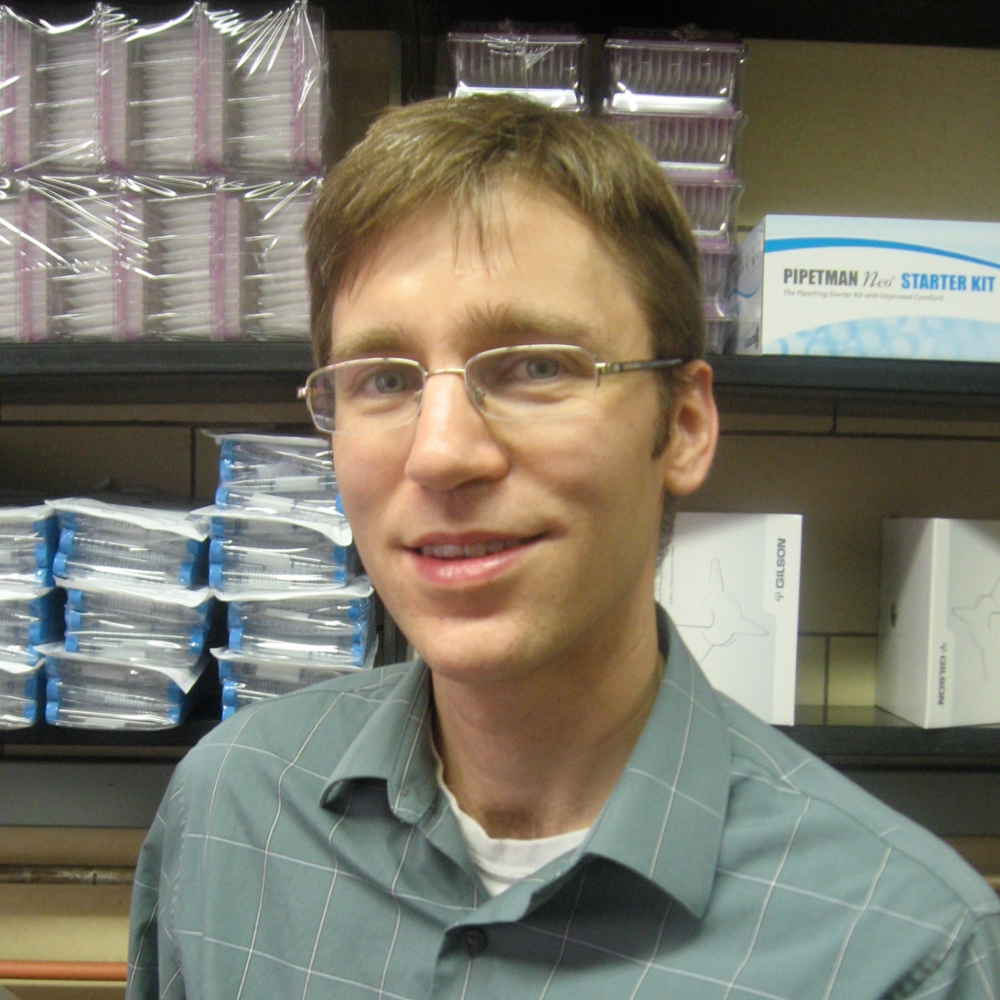
C. Joel McManus is an Associate Professor in the Department of Biological Sciences at Carnegie Mellon University's Mellon College of Science. His research focuses on mechanisms regulating mRNA translation and their roles in phenotypic diversity and disease. Key areas include upstream open reading frames (uORFs) in yeast and translational control in fungal pathogens like Candida albicans. McManus received his Ph.D. from the University of Wisconsin-Madison and completed postdoctoral training at the University of Connecticut Health Center. His lab develops high-throughput assays and computational models to study RNA regulatory elements and their impact on protein production. Research interests span understanding how uORFs influence translation initiation, particularly through non-AUG start codons, and the role of translational control during fungal infections. Collaborations with the Mitchell and Filler labs investigate host-pathogen interactions in Candida albicans. McManus has published extensively on topics such as ribosome profiling, RNA structure-function relationships, and biofilm regulatory networks. His work bridges fundamental molecular biology with translational applications in pathogenesis and genetic regulation.
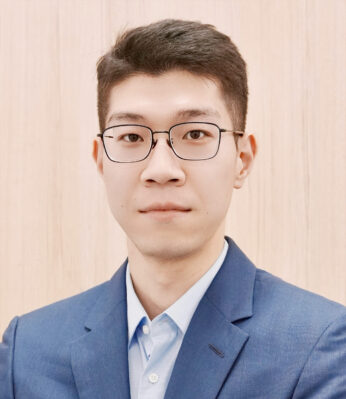
Dr. Yi Athena Ren is an Assistant Professor of Reproductive Biology in the Department of Animal Science at Cornell University's College of Agriculture and Life Sciences. Her research focuses on innovative applications of biotechnology and systems biology to address fundamental questions in reproductive biology, with particular emphasis on ovarian physiology and developmental programming of reproductive health. Dr. Ren earned her Doctorate in Reproductive Physiology from Cornell University in 2011 and completed her Bachelor's in Animal Science at China Agricultural University in 2006. Her academic journey has positioned her at the forefront of reproductive biology research, with a focus on translating basic science discoveries into potential clinical applications. Doctorate in Reproductive Physiology, Cornell University, 2011 Bachelor's in Animal Science, China Agricultural University, 2006 Dr. Ren's research spans multiple interconnected areas including ovarian physiology, where she investigates molecular mechanisms of ovarian function and uses the ovary as a model for tissue homeostasis; developmental programming of health and diseases related to ovarian function; vascular remodeling in ovulation; biomarkers for reproductive performance in dairy cattle; and the role of immune cells in the hypothalamic-pituitary-gonadal axis. Her work combines innovative biotechnologies with systems biology approaches to tackle open questions in reproductive biology. Analysis of Dr. Ren's recent publications reveals a strong focus on molecular mechanisms of ovulation, with particular attention to vascular remodeling processes, gene regulation, and the role of specific proteins like Semaphorin 3E in reproductive processes. Her research increasingly incorporates genomic and epigenetic approaches, as evidenced by her work on DNA methylation variants in cattle and spatiotemporal molecular atlases of the ovulating ovary. Dr. Ren has received significant recognition for her research contributions: Schwartz Research Award, Cornell University, 2022 (one of only two winners university-wide) PCCW Affinito-Stewart Award from President's Council of Cornell Women, 2021 Second Place, Cornelia Post Channing New Investigator Award, Society for the Study of Reproduction, 2014 Lalor Foundation Merit Award, Society for the Study of Reproduction, 2014 Dr. Ren actively mentors graduate and undergraduate students, with several advisees receiving prestigious research awards. Her laboratory has secured substantial funding from multiple sources including Cornell University start-up funds, USDA Federal Capacity Funds (HATCH grant and Multistate Research Project NE-2227), the Center for Vertebrate Genomics, President's Council of Cornell Women, and the Eunice Kennedy Shriver National Institute of Child Health and Human Development. She teaches courses including Model Organisms in Reproductive Sciences, Current Concepts in Reproductive Biology, Reproductive Biology Journal Club, and Fundamentals of Endocrinology. The Ren Laboratory, located in Morrison Hall at Cornell University, maintains active collaborations across multiple disciplines and has established itself as a center for innovative research in reproductive biology, with particular strengths in ovarian physiology, molecular mechanisms of ovulation, and applications to both human reproductive health and agricultural productivity.
Danny Nedialkova holds dual positions as Professor for Biochemistry of Gene Expression at Technische Universität München (TUM) and Max Planck Research Group Leader at the Max Planck Institute of Biochemistry. Her research focuses on understanding proteostasis mechanisms in metazoan cells, particularly how distinct cell proteomes are established and maintained. She employs genome-wide assays and stem cell models to investigate protein biogenesis, translation regulation, and systems biology. Key contributions include discoveries on tRNA modifications, ribosome elongation rates, and quality control systems. Education: PhD in Molecular Virology (Leiden University Medical Center, 2010), B.Sc. in Biotechnology (Università degli Studi di Perugia, 2004). Awards include the EMBO Young Investigator Award (2021) and ERC Starting Grant (2018). Funding includes grants from the European Research Council and Max Planck Society. Her lab explores cell-type specific vulnerabilities to proteome damage, leveraging CRISPRi screens and mim-tRNAseq profiling. Collaborative projects address translational control, mitochondrial DNA repair, and neuronal migration. Publicly accessible at https://www.biochem.mpg.de/nedialkova .
Dr. Judith Mank is a Professor and Canada 150 Research Chair in Evolutionary Genomics at the University of British Columbia (UBC), Department of Zoology. She leads the Mank Lab, focusing on evolutionary genomics, sexual dimorphism, and sex chromosome evolution. Her work integrates genomic, transcriptomic, and ecological approaches to study how selection shapes phenotypic diversity. Education: Ph.D. in Genetics, University of Georgia (2006) M.S. in Forest Resources, Pennsylvania State University (2001) B.A. in Anthropology, University of Florida (1997) Research Interests: Her lab investigates the genetic and genomic basis of sexual dimorphism, sex chromosome evolution, and dosage compensation. Key areas include: Genetic mechanisms underlying sexual conflict and adaptation Evolutionary dynamics of sex chromosomes (e.g., Y and W chromosomes) Role of transposable elements and epigenetics in genome evolution Behavioral genomics and social behavior in fish Awards & Honors: 2020 Honorary Doctorate, Uppsala University 2016 Royal Society Wolfson Fellowship 2013 Zoological Society of London Scientific Medal Labs & Collaborations: The Mank Lab is part of UBC’s Biodiversity Research Centre and collaborates with global institutions. They maintain state-of-the-art facilities for molecular genetics, including single-cell RNA-Seq and fish behavior experiments. Current projects involve guppies, willows, and other model organisms to study sex chromosome evolution and sexual selection.
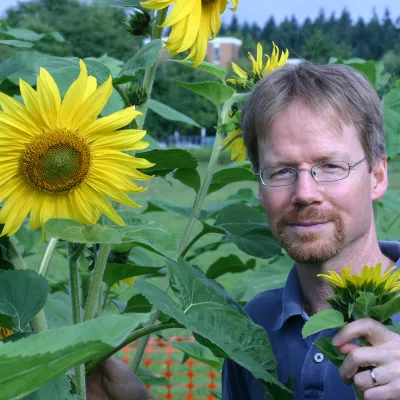
Dr. Loren Rieseberg is a Professor in the Department of Botany at the University of British Columbia (UBC), affiliated with the Biodiversity Research Centre. His research focuses on evolutionary genomics, speciation, and plant adaptation, particularly in sunflowers and other Compositae species. He leads the Rieseberg Lab, which integrates genomic, computational, and ecological approaches to study plant evolution, hybridization, and crop improvement. Key research areas include: Evolutionary processes driving speciation and adaptation Role of hybridization in plant evolution and invasiveness Genomic basis of ecotype divergence and crop domestication Climate resilience and genetic resources for sunflower improvement His work highlights how structural variants like chromosomal inversions contribute to adaptation and reproductive isolation. Recent studies emphasize the genomic mechanisms underlying invasive species success and the application of evolutionary principles to crop breeding. Dr. Rieseberg collaborates globally, with projects spanning North America, South America, and Europe. Notable achievements include sequencing the sunflower genome and identifying genomic regions critical for stress tolerance and hybrid vigor. His lab’s pre-bred lines for agronomic traits have been widely adopted in sunflower breeding programs worldwide.
WEI Jiangbo is an Assistant Professor and holder of the NUS Presidential Young Professorship at the Department of Chemistry, National University of Singapore. His research focuses on RNA modifications, epigenetic mechanisms, and their applications in precision medicine and biotechnology. He holds a B.Sc. from Peking University (2015), a Ph.D. from The University of Chicago (2021), and completed a postdoctoral fellowship there (2021-2023). B.Sc., Peking University, 2015 Ph.D., The University of Chicago, 2021 Postdoctoral Researcher, The University of Chicago, 2021-2023 His research interests span three core areas: (1) Investigating RNA modifications' roles in genetic information flow and epigenetic inheritance, (2) Leveraging RNA modifications for precision medicine via synthetic lethality and therapeutic targeting, and (3) Developing next-generation RNA profiling and modulation technologies. Notable contributions include studies on FTO-mediated LINE1 demethylation and YTHDF1-driven neuronal translation regulation. His work has been recognized with awards such as the NUS Presidential Young Professorship (2023), Josef Fried Chemical Biology Award (2021), and Chinese Government Award for Outstanding Self-Financed Students (2020). Key findings include insights into m6A's role in adipocyte metabolism, cancer progression, and plant development. Labs/Teams : The Wei Lab at NUS focuses on RNA-centric regulatory mechanisms, with ongoing projects in cancer biology, epigenetic therapies, and RNA technology development.
Dr. John Pinney is a Senior Teaching Fellow and Early Career Researcher at Imperial College London's Central Faculty. As the Data Science Skills Leader within the Graduate School, he designs and delivers training programs in programming, statistics, and machine learning for graduate students. His research focuses on computational systems biology, integrating macromolecular sequences, protein structures, and biological networks to study biological systems' evolution and function. His research interests span biochemistry, evolutionary biology, microbiology, and computational tools development. He is affiliated with the Industrial Biotechnology Hub (BIO) and contributes to interdisciplinary projects. His publications emphasize viral evolution (e.g., herpesviruses), host-pathogen interactions, and metabolic network analysis. He has developed tools like PathwayBooster and metaSHARK for metabolic pathway curation and network reconstruction. No scientific awards are explicitly mentioned in the text. He advises no listed students but collaborates widely on grants and training initiatives. His work supports the Graduate School's mission to enhance data science skills for modern research. He is part of the Industrial Biotechnology Hub, contributing to applied systems biology and biotechnology research.
Joanna Moodie is a Research Associate at the Lothian Birth Cohort Studies Group within the School of Philosophy, Psychology and Language Sciences at the University of Edinburgh. She holds a PhD in Psychology (2021) from the University of St Andrews, funded by the Scottish Graduate School of Social Sciences, and an MSc in Human Cognitive Neuropsychology (Distinction) from the University of Edinburgh. Current Roles: Research Associate; Co-supervisor (with Prof. Simon Cox and Prof. Riccardo Marioni); Associate Fellow of the Higher Education Academy (AFHEA). Research Focus: Interdisciplinary studies linking brain structure, ageing, cognition, and vascular health; expertise in MRI analysis, epigenetics, and cognitive neuroscience. Her scientific contributions span neuroimaging, genetic analysis, and longitudinal cohort studies. She has peer-reviewed papers in her expertise areas and supervised multiple PhD rotation projects. Key Scientific Awards: Scottish Graduate School of Social Sciences (SGSSS) PhD Funding Highly Commended Dissertation Award (University of Edinburgh) Principal's Scholarship for Academic Excellence (University of St Andrews)
John T. Lis is the Barbara McClintock Professor of Molecular Biology and Genetics at Cornell University's College of Agriculture and Life Sciences (CALS). He obtained his Ph.D. in Biochemistry from Brandeis University (1975) and conducted postdoctoral research at Stanford University on Drosophila gene regulation. Since joining Cornell in 1978, his research has focused on transcriptional regulation, chromatin structure, and RNA polymerase dynamics, supported by grants from the NIH, March of Dimes, and Proctor & Gamble. His work has pioneered techniques like PRO-seq for mapping transcriptional activity. **Research Interests:** Lis’s lab investigates gene expression control mechanisms, including enhancer/promoter function, transcriptional pausing, and stress responses. Key areas include the role of transcriptional checkpoints (e.g., NELF-Cdk9), epigenetic regulation, and the interplay between chromatin architecture and transcription. Recent studies explore transcriptional memory, viral-host interactions (e.g., SARS-CoV-2), and cancer-related transcriptional dysregulation. **Awards & Grants:** He is a 2013 Fellow of the American Academy of Arts and Sciences and recipient of the NIH MERIT Award. His lab secured a $33M grant for Academic Integration efforts (2021), advancing collaborative research in computational biology and genomics. **Advancing Science:** Lis has developed groundbreaking methods like PRO-IP-seq and Femto-Seq to study RNA polymerase modifications and chromatin contacts. His work bridges basic science and translational research, addressing questions in cancer biology, viral pathogenesis, and developmental genetics.
Eirene Markenscoff-Papadimitriou is an Assistant Professor in the Department of Molecular Biology and Genetics at Cornell University's College of Agriculture and Life Sciences (CALS). Her research focuses on gene-regulatory mechanisms in brain development, particularly how chromatin regulation and genetic variants contribute to neurodevelopmental disorders like autism. She employs transgenic mice and human induced pluripotent stem cell-derived neurons to model developmental processes. Key areas include autism-associated genes, epigenetic mechanisms, and the functional impact of genetic variants. Education: BA from Harvard University; PhD from University of California, San Francisco. Honors include the Klingenstein-Simons Fellowship Award (2024) and SFARI Bridge to Independence Fellowship (2022). Research interests emphasize chromatin accessibility, synaptic gene expression, and the interplay between gene networks and neurodevelopmental disorders. Her lab uses cutting-edge techniques like spatial transcriptomics and epigenomics to study neuronal diversity. Recent work explores how non-coding RNA variants and human accelerated regions influence brain evolution and disease. Contact: Located in 249 Biotechnology Building, Ithaca, NY. Lab: Papadimitriou Lab (ecm253@cornell.edu), actively recruiting graduate students and postdocs. Open projects involve neurodevelopmental mechanisms, epigenetic regulation, and translational therapies for psychiatric disorders.
Marcel Dinger is a Professor of Genome Biology and Dean of Science at the University of Sydney. He holds a PhD from the University of Waikato and is a Fellow of the Royal Society of Pathologists of Australasia (RCPA) and the Royal Society of New South Wales. His career spans over 22 years in genomics, combining academic leadership with entrepreneurial ventures in biotechnology and IT. **Education**: PhD in 2003, University of Waikato, New Zealand **Research Interests**: Professor Dinger’s work focuses on genomics, noncoding RNAs, and clinical applications of genomic medicine. He has pioneered studies on long noncoding RNAs (lncRNAs) and their roles in development, disease, and therapy. His research integrates computational biology, clinical genomics, and translational science. **Awards & Honors**: 2023 Fellow of the Royal Society of New South Wales 2019–2022 Clarivate Analytics Highly Cited Researcher 2016 Fellow of the RCPA 2010 NHMRC Career Development Award **Advising & Grants**: Led major initiatives like the Kinghorn Centre for Clinical Genomics and Australian Genomics. His teams have secured funding for projects on genomic diagnostics, cancer transcriptomics, and mitochondrial diseases. Collaborations include startups like Genome.One and Pryzm Health. **Labs & Teams**: Previously directed the Kinghorn Centre for Clinical Genomics at the Garvan Institute and the National Centre for Indigenous Genomics. Current leadership includes the School of Life and Environmental Sciences at the University of Sydney.
Dr Chong Mei Dong is a Research Fellow at the University of Sydney's School of Life and Environmental Sciences, affiliated with the Sydney Institute of Agriculture. She joined the university in 2002 and focuses on non-transgenic gene modification methods and cereal genetics. Education: Bachelor's and Master's degrees from Fudan University, Shanghai, China PhD in wheat cell cycle gene research at Australian National University Postdoctoral research on wheat meiosis at University of Adelaide Research Interests: Cloning/functional analysis of genes, association studies linking genes to traits, TILLING technology for wheat breeding, cereal genetics, functional genomics, and molecular biology. Her work aligns with the university's research strengths in crop improvement and genomics. Key Research Trends: Recent studies emphasize genetic resistance to rust pathogens, genomic analysis of fungal pathogens (e.g., Austropuccinia psidii), and the application of modern biotechnologies like TILLING. Publications highlight wheat-rust interactions, carotenoid biosynthesis in fungi, and introgression line development for disease resistance. Grants & Collaborations: 2021: Accelerating genetic gain in wheat hybrid breeding (ACIAR) 2020: Stomatal manipulation for wheat yield improvement (GRDC) Labs & Teams: Active in Plant Breeding Institute (Cobbitty) and collaborates with international teams on hybrid breeding and pathogen genomics.
Dr. Ian Sudbery is a Senior Lecturer in Bioinformatics at the School of Biosciences, University of Sheffield, a position he has held since 2022. Previously, he served as a Lecturer in Bioinformatics at the same institution from 2014 to 2022. His academic journey includes roles such as a CGAT Fellow at the MRC Functional Genomics Unit, University of Oxford (2011–2014), and Postdoctoral Research Fellowships at Harvard Medical School and the Wellcome Trust Sanger Institute. Dr. Sudbery earned his PhD in Functional Genomics from the Wellcome Trust Sanger Institute and the University of Cambridge (2003–2007). He has also held postdoctoral positions at Harvard Medical School and the Wellcome Trust Sanger Institute, focusing on systems biology and functional genomics. His research interests revolve around understanding gene regulation and its malfunction in diseases. Key areas include the role of microRNAs in regulatory networks, chromatin structure in disease contexts, and computational genomics methodologies. Specific topics include how microRNAs threshold gene expression, the interplay between enhancers and promoters in chromatin structure, and the application of computational tools to study these processes. His work spans topics such as miRNA function, chromatin-based regulatory rewiring in cancer, and the development of computational tools for genomic analysis, as evidenced by his publications in Nature , Nature Communications , and others. Collaborations with institutions like Imperial University explore chromatin structure's role in disease. His contributions include widely used tools like Alevin and UMI-tools for RNA-seq data analysis.
Dr Emily Noël is a Senior Lecturer at the University of Sheffield's School of Biosciences. Her research focuses on understanding heart development and congenital defects using zebrafish models. She holds a British Heart Foundation Intermediate Basic Science Research Fellowship and has led projects on ECM dynamics and heart morphogenesis. Education : BSc Biochemistry (University of Warwick, 2001-2004) PhD Student in Ober Lab (National Institute for Medical Research, London, 2005-2009) Research Interests : Heart Development and Congenital Defects . Uses genetic editing (CRISPR-Cas9), live imaging, and quantitative analysis to study cell-ECM interactions during heart formation. Recent work emphasizes asymmetric ECM expansion and laminin roles in cardiac morphogenesis. Grants & Awards : British Heart Foundation Fellowship Academy of Medical Sciences/Wellcome Trust Grant Rosetrees Trust Funding Teaching : Leads courses in Developmental Biology, Biomedical Technology, and Disease Modeling at undergraduate/graduate levels. Supervises MSc and PhD students including Juliana Sánchez Posada and Emma Armitage.
Dr. Jiyuan An is a Bioinformatics Specialist at Queensland University of Technology (QUT), affiliated with the Faculty of Science's School of Biology & Environmental Science. He holds a PhD from the University of Tsukuba. His research focuses on bioinformatics methodologies, multi-omic data analysis, and genetic epidemiology with applications in plant biology, cancer genomics, and disease susceptibility studies. Key research interests include developing bioinformatics tools for high-dimensional data indexing, miRNA-target interactions, and transcript factor analysis. He has contributed to major projects like the multi-omic resource for Nicotiana benthamiana , which integrates genomic and transcriptomic datasets for plant research. His work also addresses genetic risk factors for gastroesophageal reflux, glaucoma, and melanoma using large-scale genomic studies. Dr. An has published extensively on topics ranging from AI-driven medical image analysis to Mendelian randomization studies evaluating causal relationships between lifestyle factors and diseases. His recent work explores genetic heterogeneity in mental health disorders and integrates multi-omic data to identify shared risk genes for allergic diseases. While no specific awards are noted, his research demonstrates significant contributions to both computational biology and translational genetics, with collaborations spanning plant science, oncology, and epidemiology. He contributes to open-access resources for genomic data analysis and has developed computational methods for transcriptomic and proteomic studies.