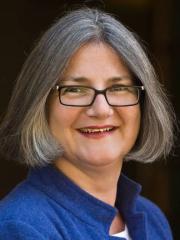
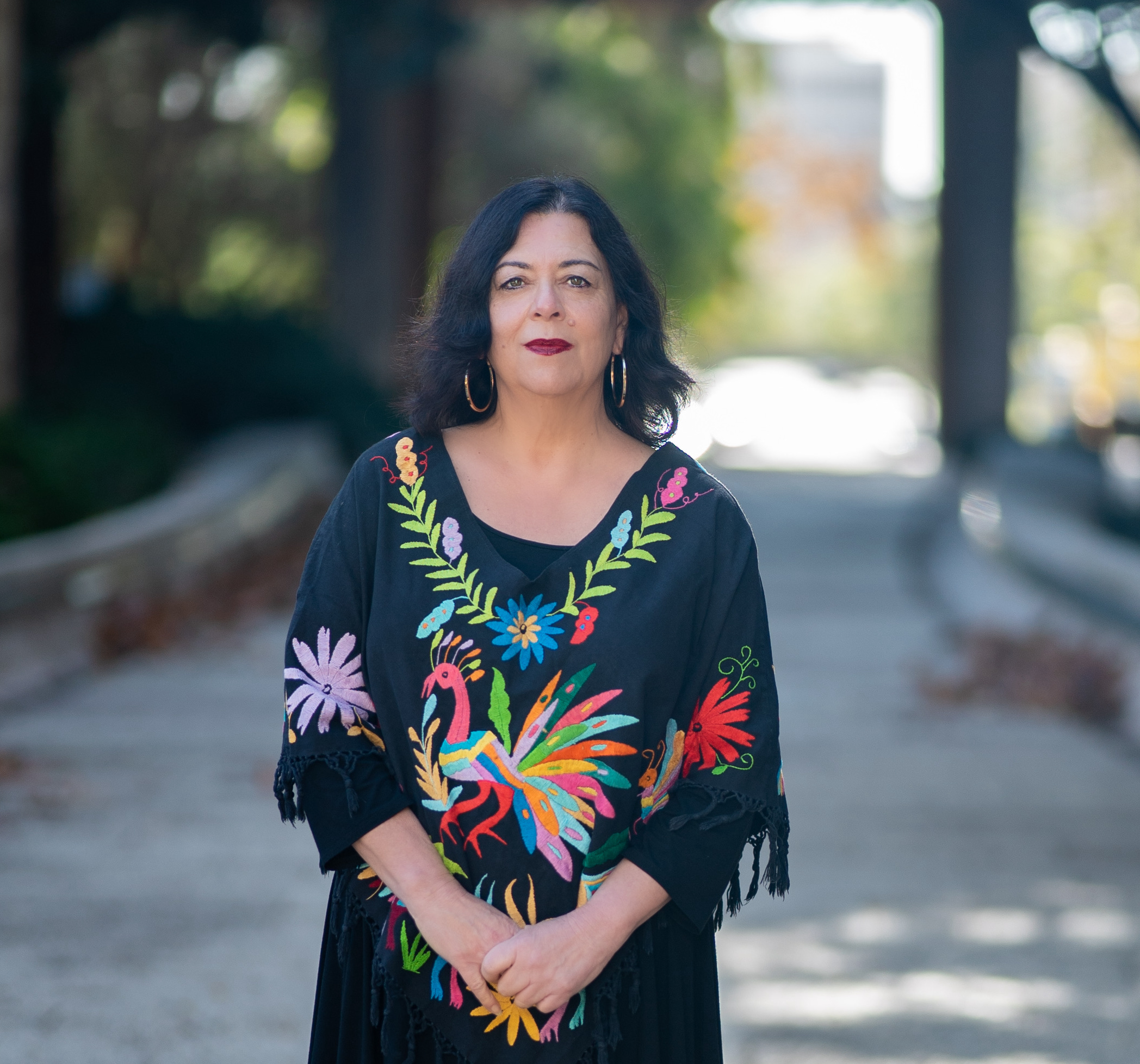
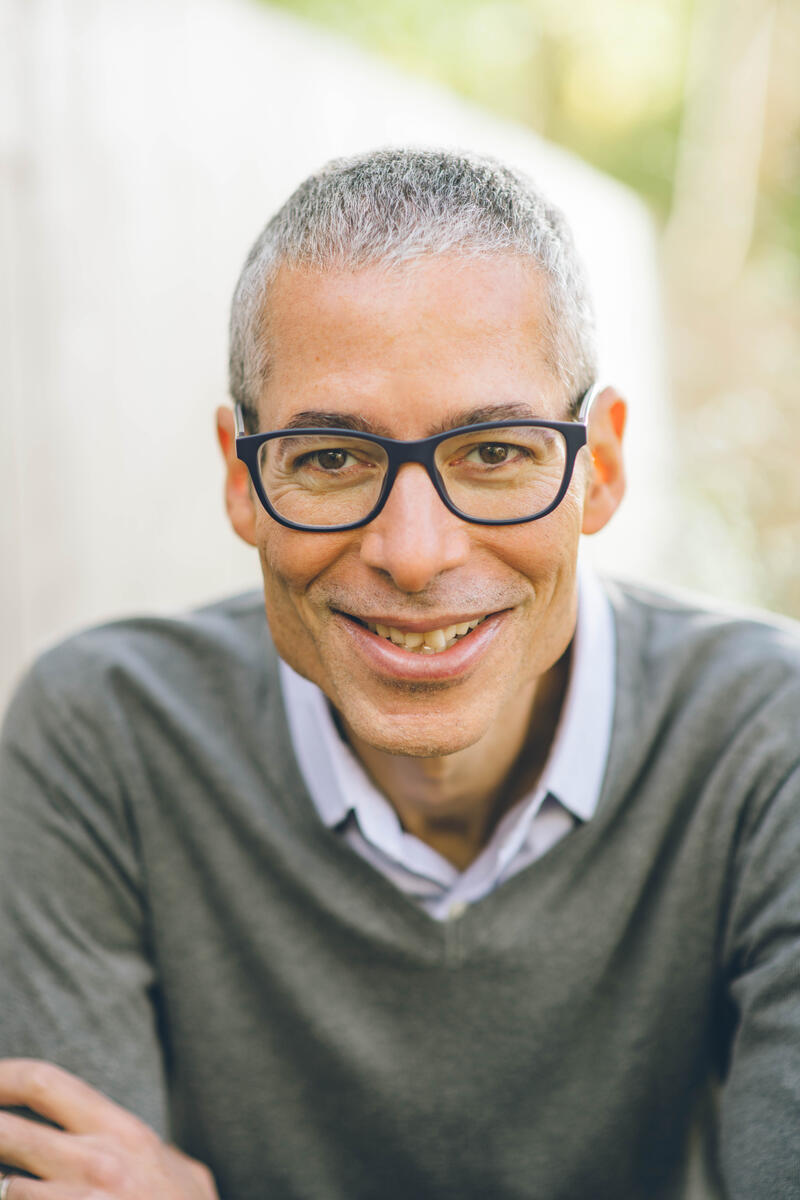
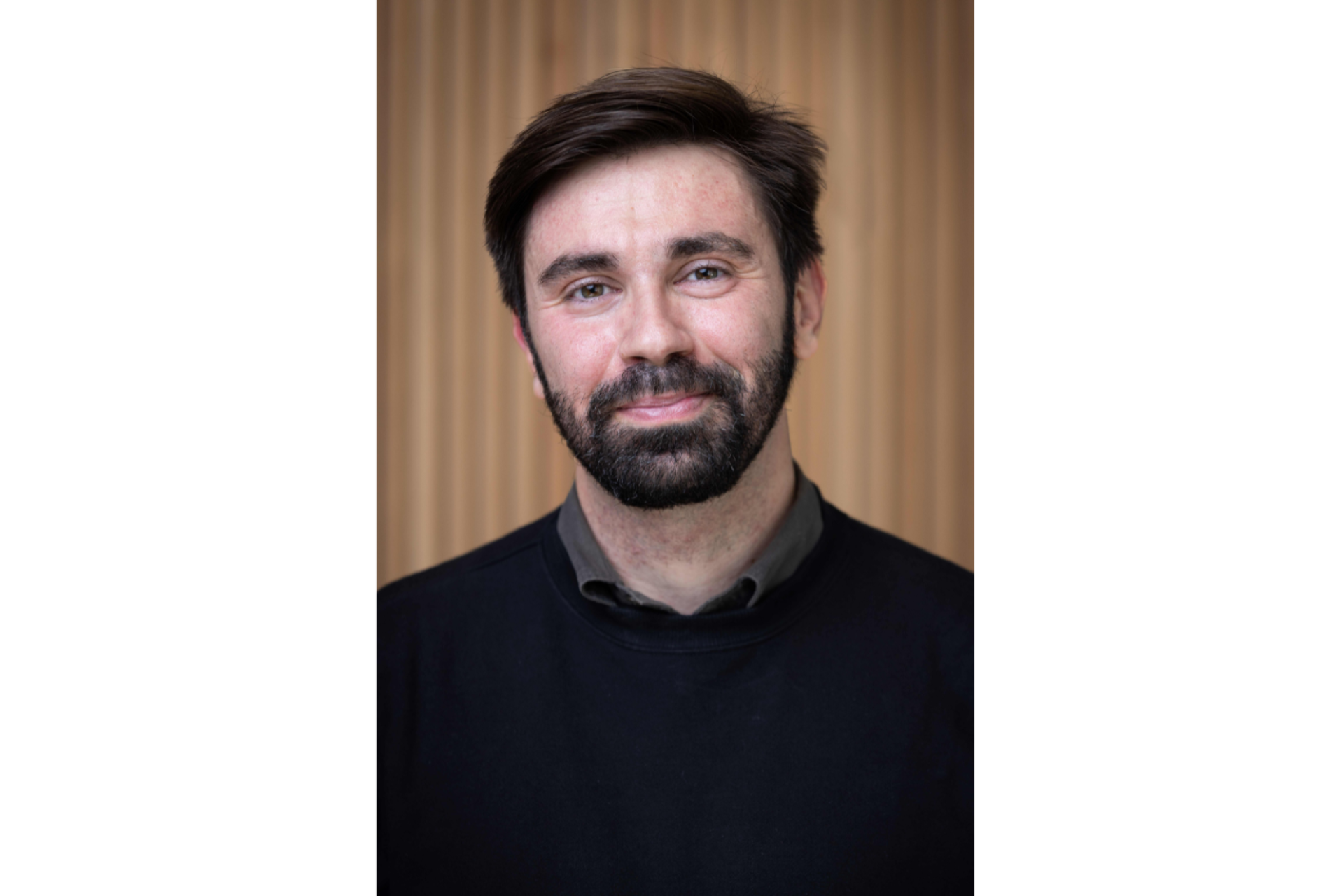
Noelani Arista (Kanaka Maoli) is Associate Professor and Canada Research Chair specializing in 19th-century Hawaiian legal history and Indigenous knowledge systems. She directs McGill's Indigenous Studies Program and authored the award-winning book The Kingdom and the Republic , which reframes colonial histories through Hawaiian-language documents. Her research examines governance, law, and epistemology prior to US annexation. Current projects explore artificial intelligence applications for Indigenous language archives and traditional knowledge organization. She founded the '365 days of aloha' initiative to share Hawaiian language and cultural knowledge through social media. Her publications frequently analyze intersections of indigenous sovereignty, archival practices, and decolonization methodologies.
Associate Professor Dolly MacKinnon holds an Honorary position in Early Modern History at The University of Queensland's School of Historical and Philosophical Inquiry. Her research bridges history, music, and cultural studies, focusing on marginalized groups and institutionalized communities through auditory, material, and mental landscapes. She has received prestigious awards including the Arts Faculty Research Excellence Award (2011) and a Promoting Women Fellowship (2014). Her work spans projects like 'Soundscapes of Emotion' (2016) and 'Battlefields of Memory' (2014-2016), funded by ARC grants totaling nearly $1 million. Key research areas include battlefield memorials, early modern slavery, and psychiatric institutional histories. Education: Not explicitly detailed in the text but implied through academic roles and publications. Research includes collaborations with institutions like the ARC Centre for Excellence for the History of Emotions and the Institute of Advanced Studies in the Humanities. Publications encompass over 30 books/chapters, 30 journal articles, and contributions to museum exhibitions. Recent work explores enslaved children in 18th-century Scotland and the role of soundscapes in historical memory. Awards highlight her contributions to gender-focused research and historical methodologies. Grants include an ARC Discovery Grant ($300k) for battlefield memory studies and a Linkage Grant ($149k) on psychiatric care history. Her work often intersects with public history, including radio features on BBC and ABC programs.
University of California, Los AngelesUnited States
Charlene Villaseñor Black is a Professor of Art History and Chicana/o Studies at the University of California, Los Angeles (UCLA), where she serves as Chair and Core Faculty. Her scholarship focuses on the art of the Ibero-American world, particularly the politics of religious art, gender discourses in the Spanish Empire, and Chicana/o art practices. Her research examines intersections of art, religion, and colonial history, including the role of saints in visual culture, censorship in early modern Spain and the Americas, and the pedagogy of Chicana/o and Latina/o art history. She has co-edited works on trade networks, materiality, and global art encounters, and her teaching emphasizes border-crossing perspectives in early modernism. Scientific Awards: Gold Shield Faculty Prize (2016) Grants and Funding: Villaseñor Black has held grants from the Getty, ACLS, Fulbright, Mellon, Woodrow Wilson Foundations, and the National Endowment for the Humanities (NEH), supporting her interdisciplinary research on religious art, global exchange, and Chicana/o art.
Dylan C. Penningroth is a Professor of Law and History at the University of California at Berkeley and an Affiliated Research Professor at the American Bar Foundation. His work focuses on African American history and U.S. socio-legal history, particularly how Black individuals engaged with legal systems from slavery to the 1970s. His research explores property rights, contract law, inheritance, and civil rights in Black communities. His book Before the Movement (2023) won 11 book prizes and examines how ordinary Black people used law in everyday life to shape American law and social movements. Key Awards: 2024: Littleton-Griswold Prize, Beveridge Prize, Order of the Coif Book Award 2007–2015: Research Professor at American Bar Foundation 2013–2017: MacArthur Fellow Education: PhD in History (Johns Hopkins University, 2000) MA in History (Johns Hopkins, 1996) BA with Distinction in History (Yale, 1193)
Patrice Rankine is a Professor in the Department of Classics and The College at the University of Chicago. He holds a Ph.D. from Yale University (1998) and a BA from Brooklyn College (magna cum laude). His research explores the intersection of classical antiquity with race, performance, and modern literature, particularly in African American contexts. He has held administrative roles, including Dean of the School of Arts & Sciences at the University of Richmond, and received the Excellence in Teaching Award at Purdue University. His work bridges ancient and modern, examining how classical texts shape contemporary racial discourse and theatrical performance. Key projects include Theater and Crisis: Myth, Memory, and Racial Reckoning in America (2024) and Aristotle and Black Drama (2013). He co-edited The Oxford Handbook of Greek Drama in the Americas (2015) and leads research on slavery’s global legacy, including organizing an international symposium on 'Transhistorical and Interdisciplinary Approaches to Slavery.' Education: Ph.D. in Classical Languages, Yale University (1998) B.A. in Ancient Greek, Brooklyn College (magna cum laude) Research Interests: Classical reception, race and performance, African American literature, theater studies, slavery studies. Rankine’s recent articles analyze classical themes in modern theater, Black poetry, and posthuman perspectives on Roman texts. He advocates for diversity in classical education and has contributed to grants like the Enhancing Research collaboration at Purdue University. His future projects include Slavery and the Book (Harvard UP), exploring slavery’s cultural imprint through literature. Awards: Excellence in Teaching Award, Purdue University (School of Languages and Cultures) Grants & Leadership: Led an international symposium on slavery research; contributed to NEH initiatives. His work emphasizes public scholarship, connecting classical studies to contemporary social issues. Labs/Teams: Collaborates on interdisciplinary projects like the Classical Reception and Modern World Poetry volume and the Critical Ancient World Studies initiative.
Dr. Grigoris Bacharis is a Lecturer in Private Law at the University of Edinburgh's School of Law and serves as the Academic Year Lead for third-year LLB students. His teaching focuses on delict and contract law. His research spans private law (civil and common law jurisdictions), competition law, EU law, and legal theory, with a current emphasis on competition damages claims, private law theory in the EU context, and private enforcement of public policies. He has held editorial and academic leadership roles, including editorship of the European Journal of Legal Studies and coordination of the EUI Private Law Working Group. Previously, he worked as a lawyer in Greece, a trainee at the European Commission, and a Fellow at LSE Law School. Education: LLM (Distinction) from Ludwig Maximilian University of Munich (LMU); Bachelor of Law (First in Year) and Master’s in Private, Labour, and Civil Procedural Law (Distinction) from the University of Thessaloniki. Research Interests: Interaction between competition damages claims and tort law Private law theory in the EU, focusing on public policy enforcement EU and US competition law frameworks Comparative law approaches to civil and common law jurisdictions Recent Work: Co-authored Bridging the Gap(s): The Importance of Private Law Theory in the EU Context (Common Market Law Review, 2024) and is developing a book based on his PhD research. His scholarship often bridges theoretical debates with practical legal mechanisms. Professional Experience: Visiting researcher at Columbia Law School, King’s College London, and Humboldt University Berlin. Active in academic networks and policy-related legal research.
Dr. Owen Walsh is a Lecturer at the University of Aberdeen, School of Divinity, History, Philosophy & Art History. He specializes in 20th-century history with a focus on race, political radicalism, and internationalism. His forthcoming book examines Black internationalism during the 1930s and its impact on global anti-racist movements. Education: Ph.D., University of Leeds, 2016–2021 MA, Race and Resistance BA, English and History Research Interests: Dr. Walsh explores the intersections of race, radicalism, and international solidarity through cultural projects and political organizing. His work analyzes anti-racist movements in transnational contexts, particularly examining Black intellectual activism and multiracial political cultures. Publications: His research centers on Black radical traditions, Marxist theory, and anti-imperialist struggles, often using archival methods to recover marginalized voices. Recent works examine figures like Juanita Harrison and the intellectual history of Black Marxism. Awards: LAHRI Postdoctoral Fellowship Eccles Centre Visiting Fellowship (British Library) Dr. Walsh teaches specialized courses including 'The Long Black Freedom Struggle in America' and 'The Black Radical Tradition'. He engages in public scholarship through Black History Month events and community partnerships.
Sergey Radchenko is the Wilson E. Schmidt Distinguished Professor at the Johns Hopkins School of Advanced International Studies (SAIS Europe). His research focuses on Cold War history, nuclear strategy, and the foreign policies of Russia and China. He has held positions at institutions including East China Normal University and the Woodrow Wilson Center as a Global Fellow. Radchenko holds a PhD from the London School of Economics (2005) and has extensive experience in Mongolia, China, and Wales. His work explores Sino-Soviet rivalry, Soviet expansion in Asia, and the geopolitical impacts of Cold War decisions. Notable works include To Run the World: the Kremlin’s Cold War Bid for Global Power (2024) and Two Suns in the Heavens: the Sino-Soviet Struggle for Supremacy (2009). His research interests span Soviet strategy in Asia, the Cuban Missile Crisis, and post-Cold War Russian foreign policy. Recent studies analyze defector dynamics in the Cold War and NATO’s contested history. He has written extensively on Mongolia’s geopolitical position between China and Russia, as well as the legacy of Cold War arms races and diplomatic negotiations. Radchenko’s interdisciplinary approach combines diplomatic history with geopolitical analysis, emphasizing how historical Cold War decisions shape modern international relations. Professional affiliations include: Johns Hopkins SAIS Europe Woodrow Wilson Center (Global Fellow) Zi Jiang Distinguished Professor (East China Normal University) His academic contributions bridge archival research with contemporary strategic analysis, particularly on nuclear diplomacy and the evolution of Asian geopolitical alliances. Though no formal grants or lab affiliations are explicitly noted, his prolific publication record underscores sustained engagement with international policy and historical scholarship.
Kristina Spohr is a Senior Fellow and the inaugural Helmut Schmidt Distinguished Visiting Professor at the Kissinger Center for Global Affairs within Johns Hopkins University's School of Advanced International Studies (SAIS). Her work focuses on Germany's international history since 1945, Cold War summitry, and the theoretical and practical dimensions of contemporary history. She holds affiliations with the German Academic Exchange Service (DAAD) and the Foreign Policy Institute at SAIS. Dr. Spohr's research examines the dissolution of Cold War bipolarity, NATO's role in post-Cold War security, and the global geopolitical shifts following 1989. Her expertise includes analyzing diplomatic strategies of leaders like Helmut Schmidt, the evolution of international order, and the challenges of post-communist transitions. Recent publications include The Global Chancellor (2016), Transcending the Cold War (2016), Open Door (2019), and her upcoming Post Wall, Post Square (2019/2020), which explores global reorganization after the fall of the Berlin Wall. Her current fellowship at SAIS supports research on Cold War exit strategies and grand strategy scholarship. She has authored/co-authored multiple books bridging historical analysis and policy relevance, with a focus on German foreign policy, summit diplomacy, and transatlantic security frameworks.
Chris Cook, PhD, is an Associate Professor of Political Science and Director of the International Studies Certificate Program at the University of Pittsburgh at Johnstown. His academic background includes a BA from Fitchburg State College, MA from California State University, Los Angeles, and PhD from the University of California, Santa Barbara. He specializes in international relations with a focus on African politics, media representation of conflicts, and resource-driven wars. Dr. Cook's research critically examines media framing of African conflicts, particularly how Western media filters narratives around resource plunder and geopolitical dynamics. His work highlights the intersection of postcolonialism, resource extraction, and sovereignty debates in regions like the Democratic Republic of the Congo, Angola, and Liberia. He has also explored pedagogical approaches to teaching international issues, emphasizing the impact of film and cultural narratives in shaping perceptions of terrorism and African politics. His publications analyze American, British, and French media coverage of wars in Central Africa, revealing systemic biases in conflict reporting. He has written extensively on topics such as the Congo Wars, Angolan civil war, and the role of international institutions in shaping US policy toward East Timor and Kosovo. His contributions also include historical analyses of figures like Patrice Lumumba and Zimbabwe's revolutionary veterans, offering insights into neo-colonialism and resistance movements. Dr. Cook actively engages with undergraduate research programs, mentoring students in global studies and conflict analysis through initiatives like the SPACE faculty-student mentorship projects. His work bridges academic scholarship with real-world policy implications, particularly in understanding how media narratives influence international intervention decisions and resource conflict dynamics.
Emily Conroy-Krutz is an Associate Professor in the Department of History at Michigan State University (MSU), part of the College of Social Science. She specializes in the global history of 19th-century America, focusing on American empire, religion, and reform. Her work bridges domestic and international dimensions, particularly examining how religion and missionary activities intersected with U.S. foreign relations. Her research has produced influential works like Christian Imperialism: Converting the World in the Early American Republic (Cornell, 2015) and the forthcoming Missionary Diplomacy: Religion and Nineteenth-Century American Foreign Relations . She co-edited The Early Imperial Republic: From the American Revolution to the U.S.-Mexican War (2023), which redefines understanding of early U.S. territorial and ideological expansion. At MSU, she teaches courses on American foreign relations, women’s history, revolutionary America, and legal history. She actively mentors undergraduate History Scholars and serves as the undergraduate honors advisor. Her scholarship emphasizes transnational perspectives, highlighting how American empire-building influenced global religious and political landscapes. Her recent publications explore themes such as Native nations' resilience against imperial encroachment, the role of humanitarianism in U.S. diplomacy, and the intersections of race, religion, and gender in 19th-century contexts. She collaborates widely, contributing to interdisciplinary debates on early American imperialism and transimperial history.
University of North Carolina at Chapel HillUnited States
Robert M. Jenkins is a Teaching Professor in the Department of Political Science at the University of North Carolina at Chapel Hill. His research focuses on security policy, international organizations, social/political change, and post-communist transitions. He specializes in Central/Eastern Europe, Soviet successor states, and the Western Balkans. Since 2001, he has led study abroad programs in locations like Brussels, London, Bosnia, Kosovo, and South Africa. He teaches undergraduate courses on transatlantic security, ethnic conflict, and data analysis for MA students in the Transatlantic Masters program. Prior roles include Director of the UNC Center for Slavic/Eurasian Studies (2001-2015) and Director of the MA in Russian/East European Studies (1999-2015). His consulting work has addressed higher education reform in post-communist states.
Andrea Brady is a Professor of Poetry at Queen Mary University of London, School of English and Drama. She holds a BA from Columbia University and a PhD from the University of Cambridge. Her research spans poetry and poetics, early modern literature, and contemporary avant-garde poetries, with a focus on African-American poetry and political engagement. She is the author of critical monographs like *Radical Tenderness* (2024) and *Poetry and Bondage* (2021), and poetry collections including *Desiring Machines* (2021) and *The Blue Split Compartments* (2021). Brady has performed globally, curated festivals like Globe Road Poetry, and founded initiatives like the Archive of the Now and QMUL Centre for Poetry. Her work explores themes of intimacy, political crisis, and constraint, with translations into multiple languages. Supervised PhD students include Katy Lewis-Hood and Sophie Seita. She has held fellowships at the Leverhulme Trust and National Humanities Center, and her critical essays have been widely recognized.
Annemarie Steidl is an Associate Professor at the University of Vienna's Department of Economic and Social History, part of the Faculty of Historical and Cultural Studies. She served as Head of Department from October 2020 to September 2022. Her research focuses on historical migration patterns, artisans' history, gender studies, and quantitative methods in historical analysis. She has led major projects like Migration Systems (2006–2009) and Transnational Migration (2004–2007). She holds editorial roles in journals such as HSR – Historical Social Research and Dve domovini . Notable awards include the 2019 Univie International Award. Her work explores migration dynamics in the Habsburg Empire, transatlantic connections, and border studies. Recent projects include co-editing (Vienna) Profiles of Social History (2024) and contributing to Journal of Migration History . She has been a visiting professor at the University of Alberta (2024) and the University of Minnesota (2011). Her research integrates interdisciplinary approaches to understand spatial mobility, urbanization, and gender roles in historical contexts.
Dr. Ariane Fichtl serves as an Honorary Research Fellow at the School of History, University of St Andrews, conducting postdoctoral research on British abolitionism and early modern democracy. Her work bridges intellectual history with cultural studies, focusing on the interplay between political thought, religion, and emotions. She actively collaborates with Helsinki University and the Bonn Center for Dependency and Slavery Studies, while serving on the editorial board of History of European Ideas and participating in the British and Irish Association for Political Thought. Education: PhD in History, Université de Lille (France), 2020 Dr. Fichtl's research centers on the intellectual roots of abolitionist strategies and republican discourse, examining how concepts like mutual dependence evolved from ancient Greek, Hebrew, and Kabbalistic traditions into modern political frameworks. Her methodology uniquely integrates historiographical approaches from Thomas Haskell with emotional and religious history to analyze shifts in consumer morality and moral responsibility within slave economies. Current projects investigate eighteenth-century democracy transformations and the replacement of freedom-slavery binaries with dependency-focused analyses. Her publication trends reveal deep engagement with Atlantic-world political thought, connecting imperial history, neutrality debates, and celebrity culture through interdisciplinary lenses. Articles consistently explore transnational idea circulation, particularly how classical republican models radicalized during revolutionary periods and influenced early American foreign policy frameworks. Scientific Awards: Max Weber Fellowship at the German Historical Institute Visiting Fellowship at the European University Institute (Florence) Junior Fellowship at the Turin Humanities Programme (Turin) Dr. Fichtl directs international research collaborations strengthening St Andrews' partnership with Bonn University's Dependency and Slavery Studies center, utilizing their asymmetrical dependency analytical framework. Her work contributes to UN Sustainable Development Goal 16 (Peace, Justice, and Strong Institutions) through historical analyses of political exclusion and moral responsibility frameworks. Current grant activities focus on transnational projects examining eighteenth-century democracy conceptions and abolitionist cognitive techniques. She leads collaborative research networks connecting St Andrews with Helsinki University (early modern democracy project) and Bonn Center for Dependency and Slavery Studies, developing methodologies that replace freedom-slavery binaries with dependency-focused political analysis while examining religious dissenters' roles in antislavery activism.