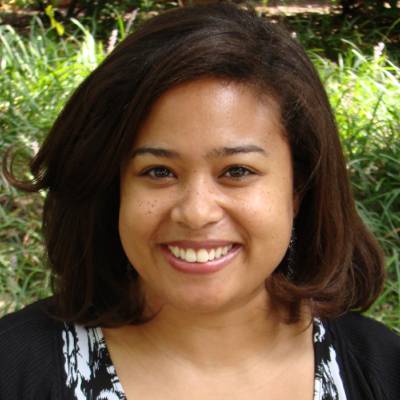
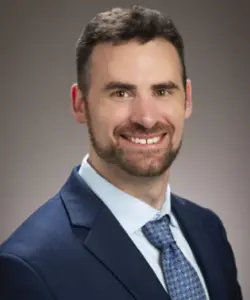
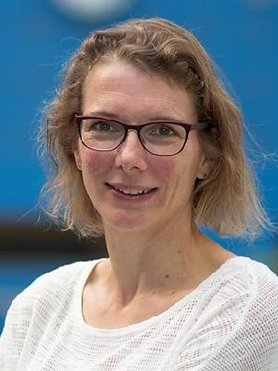
Dr. Abby Mulay is an Assistant Professor in the Department of Psychiatry and Behavioral Sciences at the Medical University of South Carolina (MUSC), specializing in forensic psychology within the Community and Public Safety Psychiatry Division. She holds a PhD in clinical psychology from Long Island University and a Bachelor's in Jazz Voice Performance from the Manhattan School of Music. Education: Bachelor's of Music in Jazz Voice Performance (Manhattan School of Music) PhD in Clinical Psychology (Long Island University) Her research focuses on forensic evaluation methodologies, including competency assessments and the clinical utility of the DSM-5 Alternative Model for Personality Disorders (AMPD). She co-edited a seminal text on the AMPD and serves as Associate Editor for the Journal of Personality Disorders . Her clinical work includes treating personality disorders using integrative DBT/CBT approaches and supervising trainees in forensic psychology. Awards: SPA John E. Exner Scholar Award (recent recipient) Professional Roles: Representative-At-Large, Society of Personality Assessment (SPA) Board of Trustees Editorial Board Member for multiple personality and criminal justice journals She maintains a small outpatient psychotherapy practice and is actively involved in reptile care and yoga training (Baptiste style).
Caroline K. Milne, M.D., is Professor (Clinical) of Internal Medicine at the University of Utah School of Medicine, where she also serves as Vice Chair for Education and Program Director of the Internal Medicine Training Program. In addition, she directs the fourth-year sub-internship and leads clinical-skills education for medical students. Education & Training M.D., University of Wisconsin School of Medicine Residency & Chief Residency, Internal Medicine, University of Utah School of Medicine Fellowship in General Medicine / Medical Education Research, University of Pennsylvania M.B.A., Business Administration, University of Utah Fellowship in Executive Leadership in Health Care, Drexel University Research Focus Dr. Milne’s scholarly work centers on medical education research, particularly the assessment and development of clinical skills, evaluation of residency training programs, and policy studies on resident wellness and parental leave. Her investigations employ mixed-methods and multi-institutional survey designs to inform best practices in graduate medical education. Clinically, she practices general internal medicine at the VA Medical Center, integrating bedside teaching with outpatient and inpatient care. This dual role informs her research on optimizing educational experiences within clinical environments and improving systems of care for veterans. Publication Themes Across more than two decades, her peer-reviewed articles reveal consistent themes: evaluating learner performance, refining feedback mechanisms, exploring health-system responses (e.g., during COVID-19), and analyzing policies affecting residents’ well-being. The work bridges education science, health-services research, and quality improvement. Scientific Awards No specific awards are listed in the provided material. Advising & Grant Activity While formal student advisees are not enumerated, Dr. Milne’s roles as Program Director and Director of Clinical Skills imply extensive mentorship of residents and medical students. Grant details are not provided. Laboratories & Teams She collaborates with the Internal Medicine residency leadership team and the School of Medicine’s clinical-skills educators, operating primarily within the University of Utah’s academic medical center and the affiliated VA Medical Center.
Heather A. Jones, Ph.D., serves as Associate Professor in the Department of Psychology within Virginia Commonwealth University's College of Humanities and Sciences, holding joint appointments with the Department of African American Studies, Department of Pediatrics, and Institute for Women's Health. As a licensed clinical psychologist in Virginia, she maintains an active research program focused on reducing mental health disparities through culturally responsive interventions. Ph.D. in Psychology, University of Maryland at College Park (2006) Dr. Jones' research centers on three interconnected pillars: Black children and families' mental health, maternal mental health across the perinatal spectrum, and training culturally competent clinical psychologists. Her work specifically examines ADHD manifestations in Black youth, impacts of racial discrimination on adolescent mental health, and integration of behavioral health services within primary care settings. She employs mixed-methods approaches to address systemic barriers in mental healthcare access for underserved communities. Analysis of her 2023-2025 publications reveals consistent emphasis on health equity through studies of cultural competence in cancer survivorship, ADHD treatment representation gaps, and digital interventions for perinatal depression. Her methodological approaches span latent class analyses of service utilization, content analyses of historical research biases, and clinical trials of integrated care models, all contextualized within structural determinants of health. Dr. Jones has received significant recognition for her contributions: VCU College of Humanities and Sciences Distinguished Teaching Award (2023) VCU Department of Psychology Outstanding Mentoring Award (2023) Elizabeth Fries Young Investigator Award (2016) Clinical and Translational Research Award (2016) She actively mentors students, particularly supporting Black graduate trainees in pediatric psychology as evidenced by numerous student co-authorships. As Principal Investigator, she directs the $1.4M HRSA-funded Primary Care Psychology Training Collaborative providing pro bono services to urban Richmond and rural Virginia communities, recently expanded through an additional $1.1M grant serving Latinx immigrants and refugees. Her federally funded work consistently bridges research, clinical service, and community engagement. Dr. Jones co-directs the Families and Mental Health Research Lab and Primary Care Psychology Training Collaborative, leading interdisciplinary teams comprising psychology graduate students, pediatric residents, and community health workers. These initiatives operate within VCU's integrated primary care clinics, focusing on implementation science to scale evidence-based practices for underserved populations while training the next generation of healthcare providers.
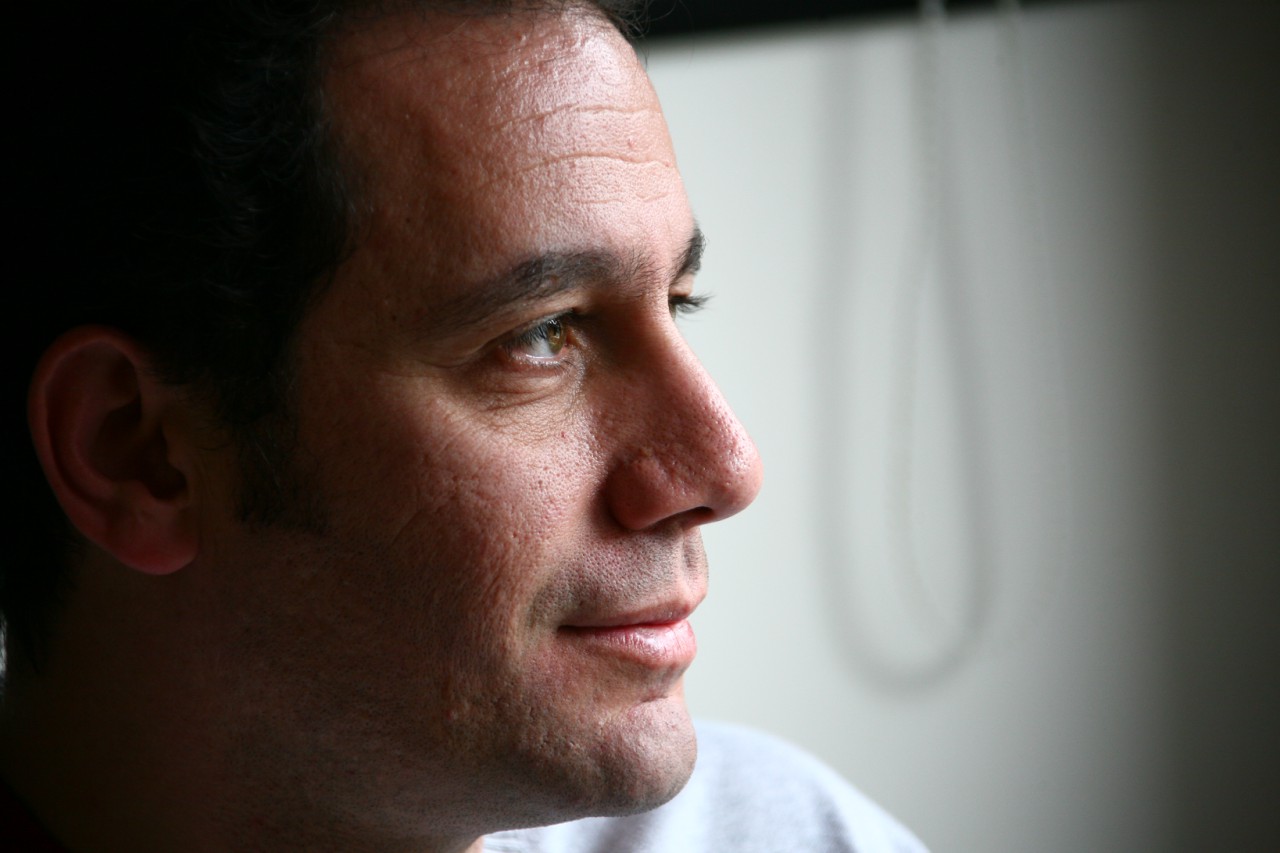
Dr. Ugur Turhan is a Senior Lecturer in aviation at UNSW Canberra with over two decades of experience in academic and professional settings. His expertise spans Air Traffic Management, Airport Operations, Aviation Safety, and Human Factors in Aviation. Previously, he served as Assistant Professor at Eskisehir Technical University and Anadolu University, and held a visiting professorship at Embry Riddle Aviation Academy. Dr. Turhan earned his Ph.D. in Civil Aviation Management from Anadolu University. His academic journey includes significant contributions to aviation education and research across multiple institutions in Turkey and internationally. Dr. Turhan's research focuses on critical aspects of aviation safety and efficiency. His work explores human factors in air traffic control, aircraft maintenance procedures, and emergency management in aviation contexts. He has developed innovative approaches to training air traffic controllers using 3D simulation technology and has investigated the relationship between safety culture and operational performance in aviation organizations. His research bridges theoretical frameworks with practical applications to enhance aviation safety standards globally. Analysis of Dr. Turhan's recent publications reveals a strong emphasis on human factors across aviation domains. His work consistently addresses safety management systems, cognitive workload assessment, and maintenance procedures. A notable trend is the integration of neurophysiological measurements with operational data to assess air traffic controller performance. His research also demonstrates growing interest in the application of advanced technologies for improving maintenance documentation and technician performance. Dr. Turhan has secured significant research funding through multiple international projects. His leadership roles include: Researcher and Eskisehir Technical University Coordinator for the FACT project under European Commission HORIZON2020 SESAR call (2020-present) Researcher and Eskisehir Technical University Coordinator for the Skill-UP project under Erasmus+ (2020-present) Researcher and Anadolu University Coordinator for the STRESS Project under HORIZON 2020-SESAR-2015-1 (2016-2018) Researcher and Anadolu University Coordinator for the IMPACT Project under HORIZON 2020-DRS-2014 (2015-2018) Researcher and Anadolu University Coordinator for SECONOMICS project under European Commission FP7 (2012-2015) Researcher for Boeing-sponsored International Project on Aviation Educational Software (2014-2016) Dr. Turhan has supervised multiple doctoral and master's students in aviation-related fields. His doctoral students include Birsen Acikel (2016) who researched flight training airspace complexity and Tarık Güneş (2021) who assessed aircraft maintenance technician competency. His master's students have investigated topics ranging from Turkish airspace flexibility to aircraft maintenance documentation. Dr. Turhan also serves as a valuable resource for prospective PhD students interested in human factors and safety in aviation and air traffic management.
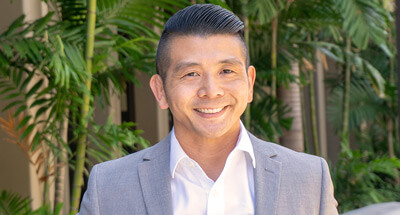
Dr. Brad Nakamura is Professor and Director of the Center for Cognitive Behavioral Therapy (C-CCBT) at the University of Hawai‘i at Mānoa. With over 15 years of continuous service to the university, he focuses on improving youth mental health through integration of scientific research with community practice. His career demonstrates strong commitment to Hawai‘i's youth mental health systems. PhD in Clinical Psychology (2007) MA in Psychology (2004) BA in Psychology (2000) His research program addresses two key areas: 1) dissemination and implementation of evidence-based practices (EBPs) in youth mental health services, and 2) developmental psychopathology of anxiety disorders in children and adolescents. Recent publications focus on strength-based assessment tools like SEEDS, Ohio Scales validation, and implementation strategies for EBPs in public mental health systems. Current research trends show particular attention to: Telehealth adaptation and telepresence optimization Measurement feedback systems in schools Implementation context analysis Strengths-based assessment development Community-academic partnerships Cultural adaptation of mental health tools Dr. Nakamura actively advises trainees and leads multiple funded initiatives including: $582,550 (2024-2025) Hawaii Department of Education contract $1,757,063 (2024-2025) Department of Health grant Long-running Faculty Travel Fund recipient He serves as principal investigator for statewide mental health assessment and training programs, and co-investigator for psychological assessment training initiatives. His lab collaborates with the Center for Cognitive Behavior Therapy to develop practice element frameworks and implementation ontologies that standardize youth mental health care delivery across Hawaii.
Amy Lynn Meadows, MD, MHS, FAAP, FAPA, DFAACAP serves as Associate Professor in the Department of Psychiatry at the University of Kentucky College of Medicine, holding the Dr. Laurie L. Humphries Endowed Chair in child psychiatry while directing the Division of Child and Adolescent Psychiatry. Her dual appointment bridges psychiatric and pediatric care within the academic medical center. Dr. Meadows' research program centers on how adverse childhood experiences (ACEs) disrupt health decision-making and treatment adherence, with current NIH-funded work investigating engagement strategies for childhood trauma survivors in opioid use disorder medication treatment. Her scholarship integrates developmental trauma theory with behavioral medicine approaches to improve outcomes for medically complex youth. Recent publications (2023-2025) reveal three dominant trajectories: 1) Racial disparities in youth psychiatric diagnosis and ACEs-substance use pathways; 2) Family factors (particularly parental sleep) impacting medication adherence; and 3) Innovative curriculum development for Triple Board training and pediatric consultation-liaison psychiatry. Her work consistently applies trauma-informed frameworks across medical comorbidities. Her scholarly impact is recognized through: University of Kentucky College of Medicine’s Vision Award UK Academy of Medical Educator’s Excellence in Teaching Award UK Department of Psychiatry Tagalie Heister Mentor Award As Division Director, Dr. Meadows mentors psychiatry residents and Triple Board trainees while leading national curriculum development through the AACAP Book Club and Pediatric Consultation-Liaison Psychiatry initiatives. Her grant portfolio includes NIH studies on ACEs and adherence mechanisms, plus institutional awards for innovative educational programming. She co-leads the University of Kentucky's Triple Board Residency Program (integrating pediatrics, general psychiatry, and child psychiatry) and directs the Child and Adolescent Psychiatry Division's clinical-research-education triad, with active collaborations across pediatric subspecialties including endocrinology and neurology.
Festo Kayima is an Associate Professor in Chemistry Didactics at the Department of Teacher Education, Faculty of Social and Educational Sciences, Norwegian University of Science and Technology (NTNU). His research focuses on science teacher education, classroom knowledge, and pedagogical strategies in chemistry. Doctorate in Chemistry Education (2018, University of Bergen) Master’s in Science Education (2020, NTNU) Kayima’s research projects include developing science teacher trainees’ professional knowledge through reflective practice, enhancing scientific literacy, and integrating sustainability into chemistry education. He leads the Erasmus+ project STEMkey (2020–2023), emphasizing graduate attributes and key skills for educators. His recent publications (2025) with Springer explore pedagogical themes like chemical knowledge, outdoor teaching, and technology integration. These works align with broad keywords such as Science Education, Curriculum Development, and Experiential Learning, with subfields spanning digital tools, sustainability, and misconceptions in chemistry. Co-supervised Kristine Fjelldal Sunde’s thesis on teacher questioning in labs He contributes to research groups Naturfaglig Literacy i Skole og Lærerutdanning and ScienceHumanities , bridging interdisciplinary approaches in education. His teaching includes courses like Science as a School Subject (MGLU4211) and Teacher Education: Teaching Chemistry (PPU4626).
Laura Manzie is a Senior Lecturer in English as a Foreign Language at the School of Arts & Humanities, Nottingham Trent University, where she is affiliated with the Nottingham Institute of Languages and Intercultural Communication. She serves as Subject Coordinator for TESOL in the BA Joint Honours program and actively contributes to language teaching and teacher education across multiple platforms, including the Cambridge CELTA and Trinity Cert TESOL training programs. Her research focuses on academic literacy, particularly the development of criticality in academic writing and reading. She explores pedagogical innovations such as blogging and Academic Reading Circles as tools to foster critical engagement among students. Additionally, she investigates how language classrooms can serve as spaces for building intercultural competence (ICC) , linking language learning with broader sociocultural awareness. Laura has extensive international teaching experience, having taught in Sri Lanka, Australia, Vietnam, Turkey, Japan, and China. She played a key role in establishing NTU’s Pre-Sessional English Language Programme at the Communication University of China in Beijing. Her professional work extends to community outreach, where she connects trainee teachers with opportunities to teach refugees and asylum seekers in Nottingham. She is also involved in external professional activities, working as a freelance teacher trainer in the UK and Turkey, and supports Syrian academics through CARA’s Syrian programme by providing English language assistance. Teaching Responsibilities: MA Teaching English to Speakers of Other Languages (TESOL) BA Joint Honours TESOL modules Cambridge CELTA Trinity Cert TESOL (as trainer and course director) Professional and Community Engagement: Freelance teacher trainer (Nottingham, UK; Izmir, Turkey) Participant in CARA’s Syrian programme Collaborator in NTU’s community outreach projects with refugee and asylum seeker communities
Elif Bilgic is an Assistant Professor and Education Scientist at McMaster University's Department of Pediatrics. Her research program focuses on performance assessment across medical specialties, with an emphasis on optimizing clinical and simulation-based evaluations through technological innovation, interdisciplinary collaboration, and competency-based frameworks. McMaster University, Department of Pediatrics (2025-present) McGill University, Department of Surgery (2018-2025) Research Interests span performance assessment in surgical and pediatric education, virtual reality simulations, and artificial intelligence applications in health sciences training. She investigates: Valid assessment tools for laparoscopic suturing and endoscopic procedures Extended reality (XR) adoption in Canadian medical simulation centers Emotional impacts of competency assessment mandates on trainees and faculty Interdisciplinary AI integration in surgical education Educational analytics for skill acquisition tracking Teaching includes modules like The Fundamentals of Skill Acquisition (HSEDUC 704) and Program Evaluation in Health Sciences Education (HSEDUC 710). Her 2025 publications highlight advancements in simulation platforms for pediatric acute care, AI implications in surgical training, and emotional analysis of assessment systems.
Joshua Camins , Ph.D., ABPP, is a Clinical Assistant Professor at the University of Illinois, Urbana-Champaign , affiliated with the Department of Educational Psychology and the Department of Clinical Sciences . He also serves as an Affiliate at the Disability Resources and Educational Services (DRES) within the College of Applied Health Sciences . Education: B.A. in Psychology, University of New Haven (2011) B.S. in Criminal Justice, University of New Haven (2011) M.A. in Clinical Psychology, Towson University (2013) Ph.D. in Clinical Psychology, Sam Houston State University (2020) ABPP Board Certification in Forensic Psychology (2024) Research Focus: Camins specializes in forensic psychology , competence to stand trial , and violence risk assessment . His neuroscience work on childhood adversity and brain structure, particularly hippocampal volume reduction due to maltreatment, has been published in PLoS ONE and other journals. Publication Trends: His recent articles explore telesupervision during the pandemic, PTSD in veterans , maternal influences on delinquency , and school-based mental health for immigrant youth . Scientific Awards: ABPP Board Certification in Forensic Psychology (2024) Postdoctoral Fellowship in Forensic Psychology, Mendota Mental Health Institute (2021) Grants & Collaborations: Co-authored a NIH-funded study on childhood socioeconomic status and brain structure (2017) and contributed to research on financial strain and neurodevelopmental outcomes.
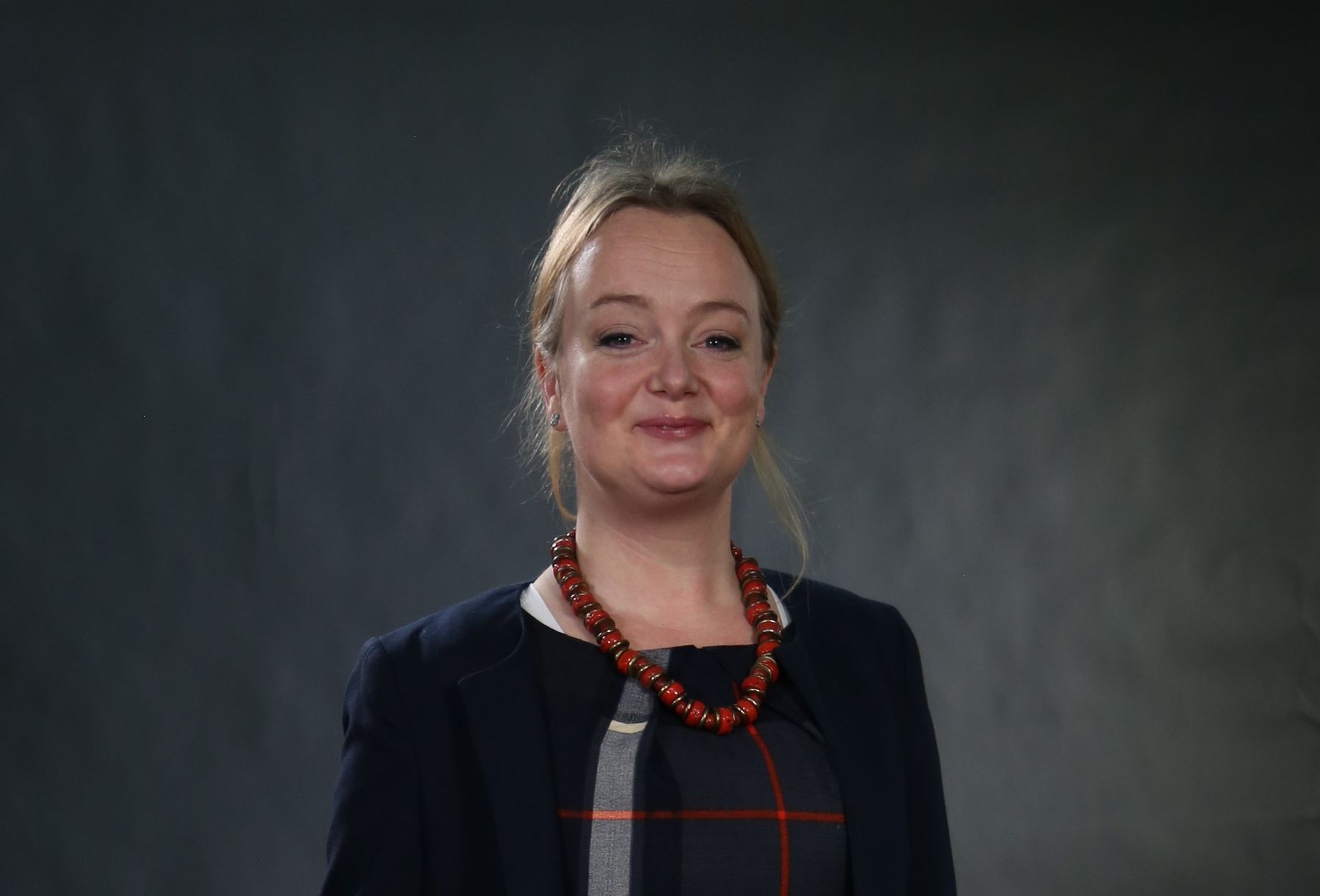
Professor Barbara Skinner is a Professor of TESOL and Education at Ulster University's School of Education, based at the Coleraine campus. She serves as Director of Development and Partnerships for the School of Education and is a member of the School's Senior Management Team. Dr. Skinner was the first lecturer in Ulster's Centre for English Language Teaching (CELT) and moved to the School of Education to become Course Director of MA TESOL in 2006. Her educational background includes a Doctorate of Education from the University of Bristol (2014). Originally from Cornwall, she has extensive experience teaching ESOL and EAP, and has served as a UCLES examiner and IELTS examiner. Professor Skinner's research focuses on language teacher education, higher education pedagogy, and intercultural competence. Her current work explores minority language pupils in Northern Ireland, examining their educational attainment, home-school partnerships between schools and migrant parents, and the socio-emotional well-being of refugee pupils. She also investigates teacher talk and second language teacher education, with particular interest in conversation analysis, threshold concepts, and teacher identity. Her research has resulted in numerous publications in key international journals including the English Language Teaching Journal, Journal of Studies in International Education, and Journal of Education for Teaching. Professor Skinner has secured significant funding from external sources including the British Council, UKISA, and international partners in Spain, Korea, China, and Central Asia, with recent projects focusing on inclusive English language teaching across multiple countries. Sustained educational excellence award (2021) Professional Practice Innovation award (2021) Distinguished teaching fellowship - highly commended (2010) Excellence in International Partnership award (2020) Professor Skinner is actively involved in doctoral supervision and examination, and serves as Northern Ireland representative for the British Educational Research Association (BERA). She is an Editor of the BERA Blog and a member of BERA Publications Committee. Her professional activities include reviewing for several prestigious journals and mentoring new reviewers globally. She leads multiple international projects, including the MA TESOL dual award program between Kazakhstan and Northern Ireland, demonstrating her commitment to advancing language education worldwide.
Don Davis is a Professor in the Department of Counseling at Georgia State University's College of Education & Human Development. He serves as program coordinator for Counseling Psychology and teaches in Clinical Mental Health and Counselor Education programs. Research Focus: Dr. Davis directs the Humility and the Advancement of Positive Psychology Interventions (HAPPI) Lab, which conducts basic and applied research on virtues including humility, forgiveness, and gratitude. His work also examines spirituality as an aspect of diversity in counseling. He leads a $6 million John Templeton Foundation grant project investigating intellectual humility development and intervention contexts. Publications explore cultural humility in clinical supervision, religious/spiritual struggles, existential humility, and multicultural counseling processes. Recent work examines how virtues like humility and gratitude impact therapeutic relationships and psychological well-being across diverse populations. Key Research Areas: Positive Psychology Interventions Cultural Humility in Counseling Spirituality and Mental Health Virtue Development in Clinical Practice
Gerta Bardhoshi is a Professor of School Counseling at the University of Iowa’s College of Education, affiliated with the Department of Counselor Education and the Scanlan Center for School Mental Health. She holds a BS in Psychology (Northern State University), MSED in Counseling, and a PhD in Counselor Education and Supervision (George Washington University). Her research focuses on school counselor well-being, interventions addressing adolescent mental health, LGBTQ+ student experiences, and photovoice methodology. She has been honored as a Senior Research Fellow at the University of Iowa Public Policy Center (2019). Her work emphasizes burnout prevention, culturally responsive counseling practices, and evidence-based interventions. Notable grants include studies on rural Latinx students’ sense of belonging and the psychometric validation of scales like the School Counselor Self-Efficacy Scale. She is certified as a Licensed Professional Counselor (LPC) and Approved Clinical Supervisor (ACS). Awards: Senior Research Fellow (2019), University of Iowa Public Policy Center Grants: Over $200K in grants for counseling interventions, including group therapy for marginalized youth and photovoice studies. Her lab and collaborations emphasize community-based participatory research, advocating for inclusive education policies and counselor training programs to enhance student outcomes.
Charles Bermingham is a Clinical Associate Professor in the Counseling Psychology Program at the University of Iowa's College of Education and Doctoral Program Director at Grinnell College's Student Health and Wellness (SHAW) center. He holds licensure as a Psychologist in Iowa and is a National Register Health Service Psychologist. His dual role involves academic leadership at UI and clinical oversight at Grinnell College. Bermingham earned his BA in Psychology from Loras College and his PhD in Counseling Psychology from the University of Iowa, completing an APA-accredited internship at UI's Counseling Service. His research focuses on clinical supervision for international trainees, rural mental health systems, homelessness interventions, and veteran housing programs. Key initiatives include the Fairweather Lodge housing model for homeless veterans and collaborations between Grinnell College and UI's counseling programs. He maintains active membership in APA divisions including Society for Counseling Psychology (Division 17), Society for Psychoanalysis (Division 39), and the Caucus on Homelessness. Bermingham's clinical work emphasizes culturally responsive care and interdisciplinary collaboration. He has contributed to policy development around permanent housing solutions and peer support systems for vulnerable populations. His office is located in Room 352 of the Lindquist Center in Iowa City.
Sonja Paus-Buzink is an Assistant Professor in Human Factors at TU Delft’s Faculty of Industrial Design Engineering, specializing in the Human-Centered Design department. Her research focuses on integrating human factors/usability evaluation into medical device and healthcare service design, emphasizing inclusive design perspectives. She teaches courses on human factors, usability, and medical device regulation, supervising students in research and graduation projects. Academic Background: PhD from TU Delft (Medisign Research Group), co-funded by Catharina Hospital, focusing on patient safety in image-based surgical procedures and VR/AR simulation tools. Postdoctoral work on surgical skillslabs and scientific coordination of the European Laparoscopic Surgical Skills Program. Previously a Managing Human Factors Specialist at UL-Wiklund R&D, advising medical device manufacturers on regulatory compliance. Research Interests: Human factors, ergonomics, medical device design, patient safety, inclusive design, surgical training, and healthcare technology. Her work bridges clinical, engineering, and psychological disciplines to enhance healthcare outcomes. Awards: Summa Cum Laude MSc in Industrial Design Engineering (TU Delft). Best IDE Graduate of the Year award at TU Delft. Grants & Collaborations: Collaborations with medical institutes, simulator companies, and organizations like the European Association for Endoscopic Surgery (EAES). Her research emphasizes cross-disciplinary teamwork to address challenges in surgical training and medical device usability. Labs/Teams: Engaged with TU Delft’s Medisign research group and skillslab initiatives. Active in developing tools for surgical training and patient safety in operating rooms.