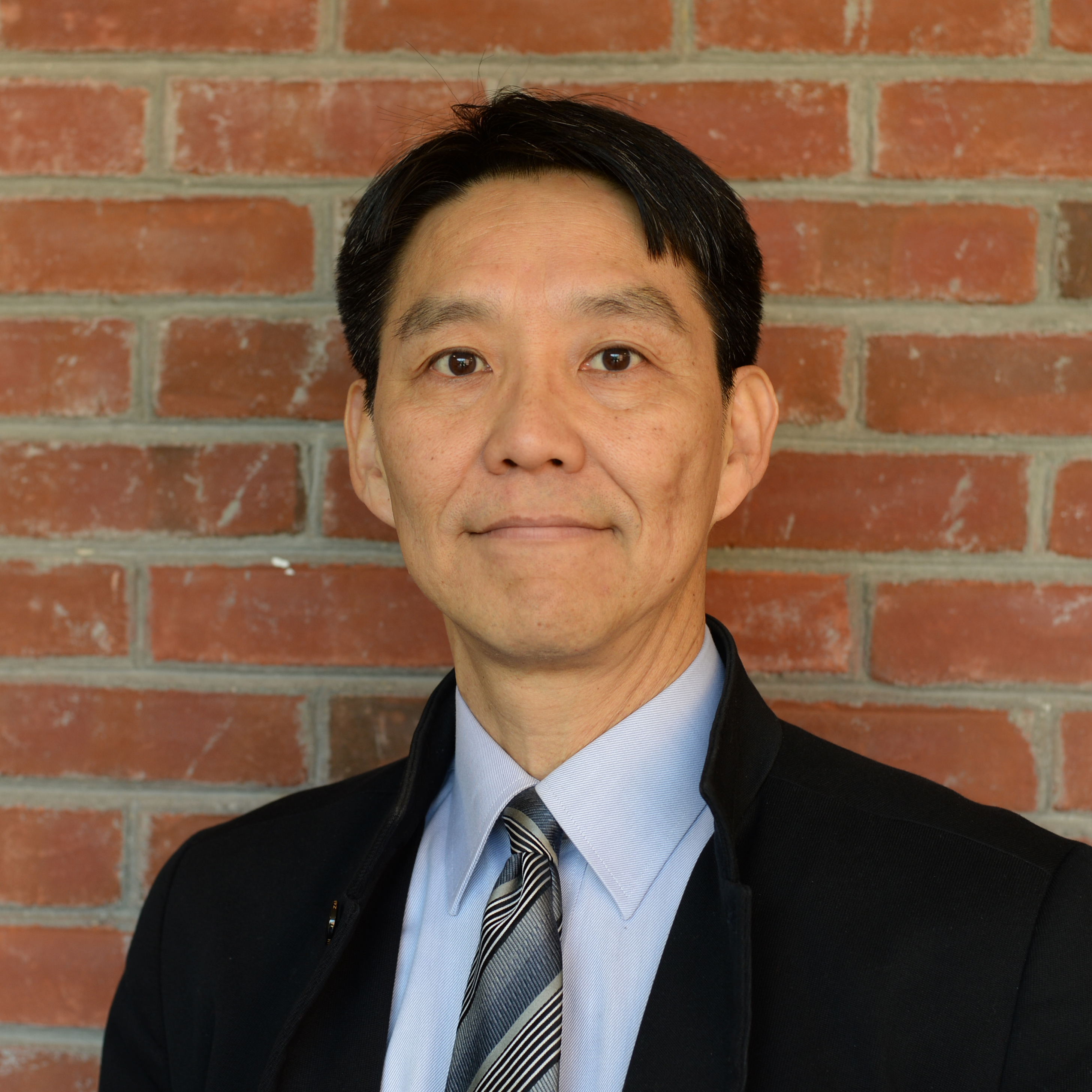
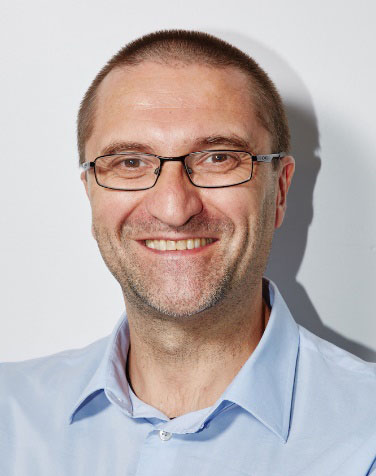
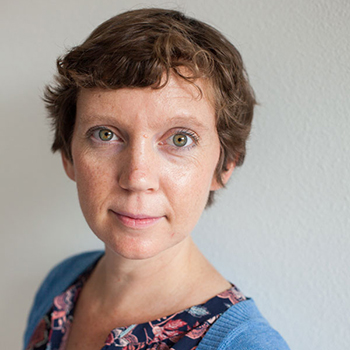
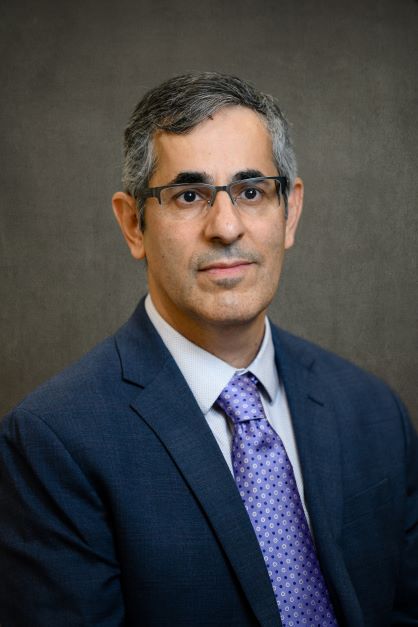
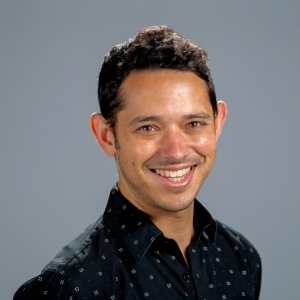
Hiroyuki Iseki is Associate Professor of Urban Studies and Planning at University of Maryland's School of Architecture, Planning and Preservation, and Research Affiliate with the National Center for Smart Growth. His work examines interactions between transportation, land use, equity, and environmental sustainability. Research focuses on: Transit-oriented development impacts on firm location Equity in public transit finance Climate policy implementation in urban planning Active transportation infrastructure analysis Recent publications analyze post-pandemic transit demand shifts, campus multimodal conflicts, and bicycle accessibility modeling. Methodological strengths include spatial econometrics, GIS analysis, and longitudinal data approaches. Work increasingly addresses climate adaptation in transportation planning and EV charging grid impacts. Research contributes to urban policy through WMATA collaborations and Japanese municipal climate planning studies. Current PhD program directorship advances urban planning analytics training.
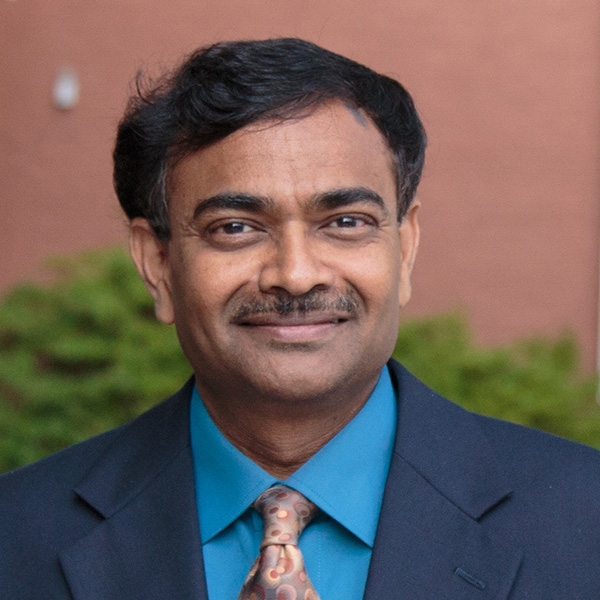
Mithuna S. Thottethodi is a Professor and Interim Associate Head of Teaching and Learning at the Elmore Family School of Electrical and Computer Engineering at Purdue University. He holds a B.Tech. from the Indian Institute of Technology, Kharagpur (1996), and a Ph.D. in Computer Science from Duke University (2002). His research focuses on computer architecture, interconnection networks, distributed systems, and security, with notable work on sparse tensor accelerators and processing-near-memory architectures. His work has been funded by the NSF, AT&T, and SK Hynix. Research interests include security, interconnection networks in multicores, storage performance optimization, and memory hierarchies. Notable contributions span hardware accelerators for machine learning, secure speculative execution, and datacenter network congestion control. He has advised over 20 graduate students, many of whom have joined top tech firms like Google, Microsoft, and Intel. Awards: NSF CAREER Award (2007) Wilfred Hesselberth Teaching Excellence Award (2021) Multiple Eta Kappa Nu Outstanding Professor Awards Teaching includes undergraduate courses like EE 437 (Computer Design) and graduate courses such as ECE 666 (Advanced Computer Architecture). He also advises VIP and EPICS student teams.
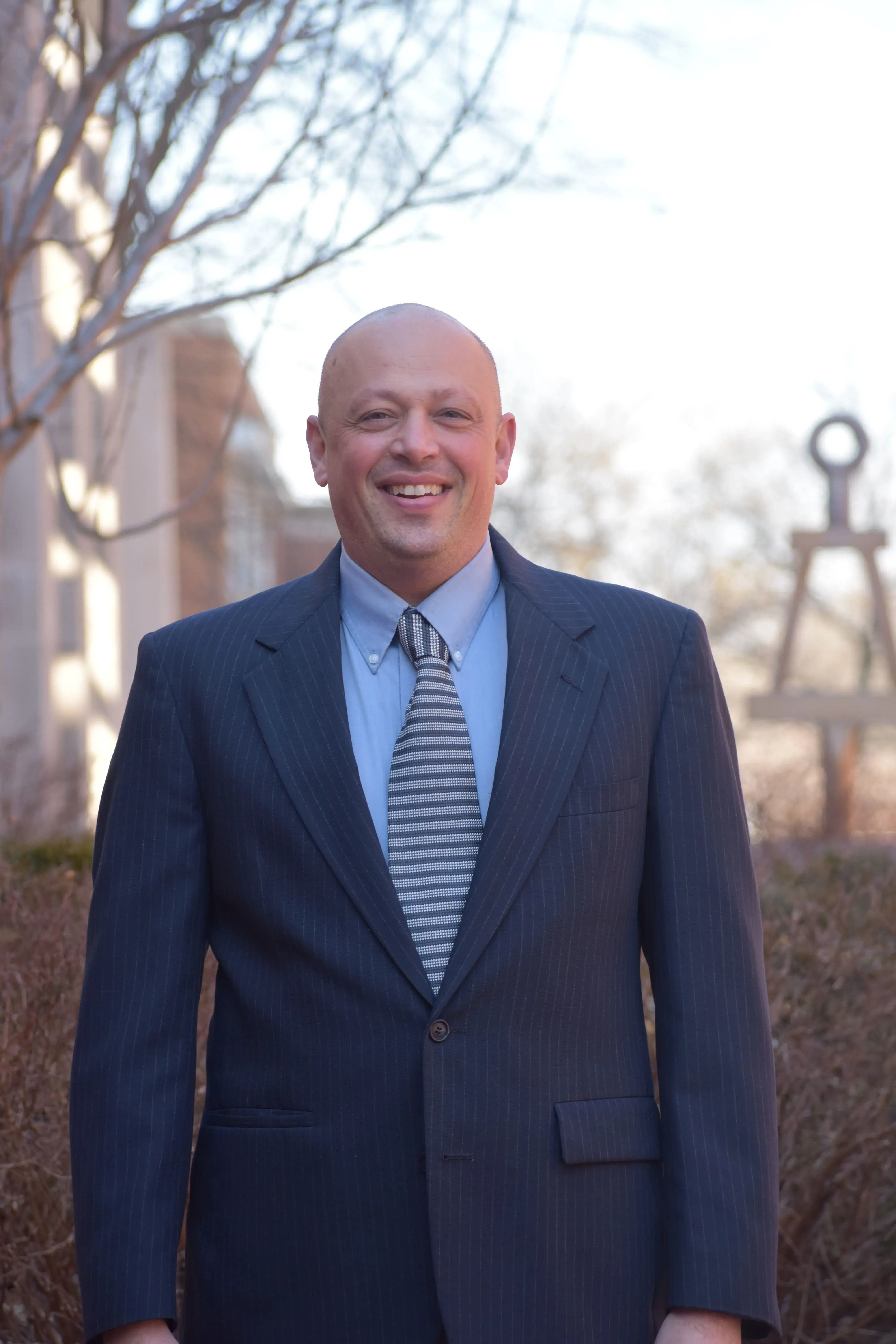
Dr. Srinivas Peeta is the Frederick R. Dickerson Chair and Professor in Transportation Systems Engineering at the Georgia Institute of Technology’s School of Civil and Environmental Engineering. He previously held the Jack and Kay Hockema Professorship at Purdue University, where he served for 24 years. He is also the Associate Director of the USDOT Center for Connected and Automated Transportation. Education: B. Tech. from IIT Madras, M.S. from Caltech, and Ph.D. from UT Austin, all in Civil Engineering. His research focuses on large-scale transportation systems, infrastructure interdependencies, and connected/automated vehicles. He has authored over 345 publications and secured over $48M in research funding. Research Interests: Dynamic traffic networks and driver behavior modeling Information-based navigation in vehicular systems Systems perspectives for complex adaptive infrastructure Autonomous vehicle integration and human-vehicle interactions Key Achievements: Developed DYNASMART software for traffic operations Recipient of NSF CAREER Award (1997) and ASCE Walter Huber Prize (2009) Directed NEXTRANS UTC and pioneered USDOT’s real-time route guidance systems Grants & Outreach: Secured funding from USDOT, NSF, FHWA, and international agencies Initiated NEXTRANS internship programs and K-12 outreach Labs/Teams: Active in Georgia Tech’s ACT Lab, focusing on autonomous transportation systems and human-vehicle-environment interactions.
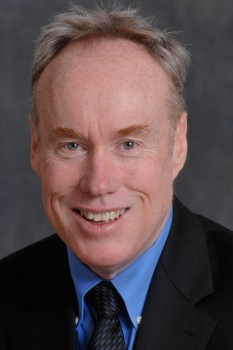
Eric Green is an Adjunct Assistant Professor in the Department of Civil Engineering at the University of Kentucky , affiliated with the Kentucky Transportation Center . He holds a Ph.D., M.S., and B.S. in Civil Engineering from the same institution. Ph.D., Department of Civil Engineering, University of Kentucky M.S., Department of Civil Engineering, University of Kentucky B.S., Department of Civil Engineering, University of Kentucky His research focuses on highway safety , spatial analysis (GIS) , crash modeling , and software development for traffic safety . Recent work includes text mining for secondary crash detection and GPS-based horizontal curve analysis. Publications highlight trends in crash analysis , Highway Safety Manual methodologies , and data integration for asset management . Key subfields include GIS applications, safety modeling, and automated regression techniques.
University of California, Los AngelesUnited States
Brian D. Taylor is a Professor of Urban Planning and Public Policy at UCLA’s Luskin School of Public Affairs, and a Research Fellow at the Institute of Transportation Studies. His academic roles include Director of the UCLA Institute of Transportation Studies and former leadership of the Lewis Center for Regional Policy Studies. Education: PhD in Urban Planning (UCLA), MCP in City and Regional Planning (UC Berkeley), MS in Civil Engineering (UC Berkeley), and BA in Geography (UCLA). Research focuses on transportation equity, finance, policy, and behavior. Key areas include post-pandemic travel trends, transit ridership decline, transportation pricing, and the socio-political dimensions of urban mobility. Recent work explores falling public transit use, pandemic-induced activity changes, and equity impacts of new mobility systems. Publications highlight studies such as The Drive for Dollars (Oxford Press, 2023), analyzing freeway financing and urban transformation, and influential papers on congestion economics and transit fiscal challenges. Over 50 students advised, many now leading academics and practitioners. Awards include the YPT Excellence in Innovation Award (2021) and recognition as a Top 10 Transportation Thought Leader (2016). Teaching includes courses on transportation economics, land-use integration, and shared mobility policy. Administrative leadership roles span institutes and transportation centers across California.
Calin Belta is the Brendan Iribe Endowed Professor of Electrical and Computer Engineering and Computer Science at the University of Maryland, College Park. He is affiliated with the Institute of Systems Research (ISR) and the Maryland Robotics Center (MRC), and holds a Research Professor position at Boston University's College of Engineering. His work bridges control theory, formal methods, and machine learning to ensure safety in cyber-physical and data-driven systems, with applications in robotics, autonomous driving, and systems biology. Research Interests: Focus on dynamics and control theory, formal methods for verification and control synthesis, robotics, autonomous systems, and synthetic biology. Recent projects include PROGENIC (collaborating with MIT, UChicago, and UDelaware) and safety-critical control for heterogeneous robotic teams. Key Achievements: General Chair of the 2025 MRC Symposium, recipient of AFOSR Young Investigator Award (2008), NSF CAREER Award (2005), and IEEE Fellow. His work on formal methods for autonomous systems has led to impactful tools for safety assurance in robotics and AI. Grants: NSF EFRI PROGENIC grant (2024), multiple industry partnerships. Advising: Mentored students like Wenliang Liu (PhD 2024, now at Amazon), and collaborator Marius Kloetzer (shared HSCC Test of Time Award 2025). Labs/Teams: Maryland Robotics Center, Institute for Systems Research, and Boston University collaborations.
Dr. Angelos D. Keromytis is the John H. Weitnauer, Jr. Endowed Chair Professor and Georgia Research Alliance (GRA) Eminent Scholar at the School of Electrical and Computer Engineering , Georgia Institute of Technology . He is a globally recognized leader in systems and network security and applied cryptography , with over 250 publications and 67 issued US patents. He is an elected Fellow of both the IEEE and ACM, and previously served as a Program Manager at DARPA and Program Director at NSF. Education: Ph.D. in Computer Science, University of Pennsylvania (2001) M.Sc. in Computer Science, University of Pennsylvania (1997) B.Sc. in Computer Science, University of Crete, Greece (1996) Research Interests: Dr. Keromytis's research spans a broad spectrum of cybersecurity topics, including: Systems and Network Security : He has led foundational work in secure systems design, intrusion detection, and network anomaly detection. Applied Cryptography : His work includes cryptographic protocols, secure communications, and privacy-preserving systems. Hardware and Side-Channel Security : He has pioneered techniques for detecting hardware Trojans using electromagnetic side-channels. Cloud and IoT Security : He has developed novel approaches to securing cloud services and IoT devices. Software Security : His work includes defenses against malware, return-oriented programming (ROP), and automated software patching. Scientific Awards: John H. Weitnauer, Jr. Endowed Chair Georgia Research Alliance (GRA) Eminent Scholar IEEE Fellow (2018) ACM Fellow (2017) ACM Distinguished Scientist (2012) DARPA Superior Public Service Medal DARPA Results Matter Award Advising and Grants: Dr. Keromytis has advised over 30 Ph.D. students and numerous postdocs. He has secured over $35M in research funding from agencies like DARPA, NSF, IARPA, ONR, and AFRL. His recent grants include: DARPA SMOKE : $22.7M for "Antikythera" cybersecurity framework NSF SaTC : $1.2M for mobile network anti-tracking architecture DARPA CHASE : $1.7M for network abuse behavioral engine DARPA OPS-5G : $7.3M for large-scale adversary defense ONR : $4.4M for dormant hardware Trojan detection Labs and Teams: He co-founded and co-directs the Center for Cyber Operations Enquiry and Unconventional Sensing (COEUS) at Georgia Tech. Previously, he founded and directed the Network Security Lab (NSL) at Columbia University, which produced foundational research in network security, intrusion detection, and software protection.
Carole Voulgaris is an Associate Professor of Urban Planning at Harvard University’s Graduate School of Design (GSD), where she teaches courses on transportation economics, urban analytics, and planning methods. She holds a PhD in Urban Planning from UCLA, an MBA from the University of Notre Dame, and Civil Engineering degrees from Brigham Young University. Her research focuses on travel behavior decision-making, transportation policy, and quantitative metrics for urban environments. She leads the Laboratory for Design Technologies at GSD and has professional experience in transportation planning, including roles at Utah Transit Authority and Transpo Group. Education: PhD in Urban Planning, UCLA MBA, University of Notre Dame Bachelor's and Master's in Civil Engineering, Brigham Young University Research Interests: Dr. Voulgaris explores how urban design influences travel choices and how transportation institutions use data to shape policy. Her work emphasizes equity in mobility access, sustainable infrastructure, and the accuracy of ridership forecasts for transit projects. She has pioneered methods to measure built environment impacts on travel behavior, including studies on school travel patterns and edge-lane road safety. Key Contributions: Her research has been recognized with prestigious awards, including the 2017 Barclay Gibbs Jones Dissertation Prize and the 2019 TRB Fred Burggraf Award. Her recent work examines pandemic-era transit equity, cycling safety disparities, and innovative approaches to urban satisfaction metrics. Teaching & Grants: She instructs core urban planning studios and advanced courses like Transportation Economics and Travel Behavior Forecasting. Her projects include the Highlands’ Harvest studio (Spring 2020) and collaborations with the Laboratory for Design Technologies. She has secured research funding from federal transportation agencies and the GSD. Labs/Teams: Affiliated with the Laboratory for Design Technologies, focusing on integrating technology into urban planning practices.
Ardalan Vahidi is a Professor of Mechanical Engineering at Clemson University, joining in 2005 after receiving his Ph.D. from the University of Michigan. His research focuses on optimal control, energy-efficient mobility, connected and automated vehicles, and human bioenergetics during exercise. Education: Ph.D. Mechanical Engineering, University of Michigan, Ann Arbor, 2005 M.Sc. Transportation Safety, George Washington University, 2001 M.Sc. Structural Engineering, Sharif University of Technology, 1998 B.Sc. Civil Engineering, Sharif University of Technology, 1996 Research Interests: His work integrates control theory with transportation systems to reduce energy use and emissions. He explores eco-driving algorithms, vehicle connectivity, and human factors in cycling performance, leveraging both modeling and extensive vehicle-in-the-loop experimentation. Publications Trend: Recent articles emphasize validated experiments on energy-efficient automated driving, cyclist fatigue modeling, and cooperative control strategies, demonstrating a shift toward cyber-physical validation and interdisciplinary sports science applications. Scientific Awards: Best Paper Award, Road User Measurement and Evaluation Committee, TRB 2024 2nd Best Paper Award, IEEE International Automated Vehicle Validation Conference 2023 ASME Automotive and Transportation Systems Best Paper Award 2020 & 2018 IFAC Young Author Award 2019 Advising & Grants: He mentors numerous graduate researchers and postdocs; prospective students are directed to an online form for open positions. His research has been supported by NSF, DOE, DOT, and industry partners, although specific grant details are not listed here. Labs & Teams: He leads the Clemson Vehicle & Energy Systems Laboratory, conducting vehicle-in-the-loop experiments and collaborating with interdisciplinary teams across mechanical engineering, transportation, and sports science.
Scott Moura is a Professor in Civil and Environmental Engineering at the University of California, Berkeley, holding the Clare and Hsieh Wen Shen Distinguished Professorship. He serves as the Acting Director of the Institute of Transportation Studies (ITS) and directs the Energy, Controls, and Applications Lab (eCAL). Previously, he was Faculty Director of the California Program for Advanced Transportation Technology (PATH) starting January 2022, with recent news (June 2025) confirming new leadership roles at both ITS and PATH. Education: B.S. in Mechanical Engineering, University of California, Berkeley, 2006 M.S.E. in Mechanical Engineering, University of Michigan, Ann Arbor, 2008 Ph.D. in Mechanical Engineering, University of Michigan, Ann Arbor, 2011 Postdoctoral Fellow, University of California, San Diego, Cymer Center for Control Systems and Dynamics, 2013 Visiting Researcher, MINES ParisTech, Centre Automatique et Systèmes, Paris, 2013 Moura's research spans multi-scale energy systems: battery modeling and control at component level, electrified/connected vehicles at system level, and distributed energy resources/smart grid integration at grid scale. His work pioneers real-time battery health estimation, fast-charging algorithms, and vehicle-grid integration to enhance capacity, safety, and efficiency while minimizing degradation. Key methodological contributions include PDE control theory, adaptive control frameworks, and machine learning applications for energy storage systems. Scientific Awards: ASME Division of Control Systems Outstanding Young Investigator Award National Science Foundation CAREER Award NSF Graduate Research Fellowship UC Presidential Postdoctoral Fellowship University of Michigan Distinguished ProQuest Dissertation Honorable Mention University of Michigan Rackham Merit Fellowship College of Engineering Distinguished Leadership Award ITS Faculty of the Year Award (2020) As eCAL Lab Director, Moura mentors undergraduate/graduate students, postdocs, and visiting scholars in developing battery monitoring software and control systems. His research attracts significant funding including a $10M USDOT grant for rural autonomous vehicle freight (2025) and the I-40 Corridor SMART Grant (2024), with industry partnerships focused on practical deployment of energy management solutions. Current projects address EV longevity, HOV lane optimization via AI traffic signals, and climate impact assessments for California infrastructure. eCAL Lab operates at the forefront of energy systems research, combining theoretical control frameworks with experimental validation. The lab's work on battery degradation models directly informs industry practices, while its vehicle-grid integration research supports California's clean energy transition. Recent initiatives include KTH Royal Institute of Technology student exchanges and Bay Area climate impact assessments.
Ziran Wang is an Assistant Professor in the Department of Civil Engineering at Purdue University's College of Engineering, appointed as new faculty in 2022. His research bridges digital twin technologies, autonomous driving systems, and human-machine interaction to advance intelligent transportation solutions. Ph.D. in Mechanical Engineering, University of California, Riverside Prior role: Principal Researcher at Toyota North America His work focuses on creating personalized autonomous driving experiences through machine learning, emphasizing safety and efficiency in real-world applications. Key areas include multimodal large language model integration, federated learning for privacy-preserving data sharing, and cooperative perception frameworks. He develops novel approaches for digital twin-based traffic simulation, medical emergency detection in vehicles, and human behavior modeling in complex urban environments. Analysis of his 2024-2025 publications reveals a dominant trend toward generative AI applications in autonomous driving, particularly for perception-prediction-planning integration and real-world validation. His research increasingly incorporates digital twins for safety-critical testing and explores medical applications through in-vehicle health monitoring systems. Dr. Wang advises graduate students including Wenhui Huang and leads the Purdue Digital Twin Lab, which develops advanced simulation and testing platforms for autonomous systems. His lab maintains strong industry partnerships with Toyota for real-world deployment and validation of research成果.
University of Illinois Urbana-ChampaignUnited States
Roy Dong is an Assistant Professor at the University of Illinois at Urbana-Champaign, affiliated with the Coordinated Science Laboratory. His research bridges Control Theory Economics Statistics Optimization to address challenges in cyber-physical systems and the Internet of Things, focusing on data manipulation, privacy, and strategic behavior in interconnected systems. His academic journey includes a Ph.D. in Electrical Engineering and Computer Sciences from UC Berkeley (2017) and dual B.S. degrees in Economics and Computer Engineering from Michigan State University (2010). At Illinois, he teaches courses ranging from Control Systems to Convex Optimization , with multiple teaching excellence awards. Roy's research explores Closed-loop effects of machine learning Causality in decision systems Incentive design for strategic agents Privacy-utility tradeoff optimization Human behavior modeling with applications in smart grids, transportation networks, and semi-autonomous vehicles. His work formulates privacy-preserving mechanisms as optimization problems, balancing data utility against user privacy in dynamic systems. Article trends show expertise in Game theory for strategic data sources Energy disaggregation techniques Nonlinear basis pursuit algorithms Privacy-aware control systems with a focus on cyber-physical systems and human-in-the-loop applications. Scientific recognition includes 'Teacher Ranked as Excellent' awards (ECE 120, ECE 486, ECE 515) Contributions to smartSDH building control and CPRL compressive sensing Roy leads the Privacy-aware Control Systems research group, collaborating with institutions like UC Berkeley and Michigan State University , and directs projects funded by grants including the New USDA NIFA grant for agricultural robot autonomy .
Duminda Wijesekera serves as Professor in the Department of Cyber Security Engineering and Department of Computer Science at George Mason University, where he was inaugural chairman of the Cyber Security Engineering Department until December 2022. He concurrently held the position of visiting research scientist at the National Institute of Standards and Technology (NIST) from 2007-2022 and maintains status as a fellow at the Potomac Institute of Policy Studies. He leads the Mason Innovation Laboratory at Mason Square, driving translational research in cyber-physical security. His educational foundation includes: PhD in Computer Science, University of Minnesota (1997) PhD in Mathematical Logic, Cornell University (1990) BSc in Mathematics, University of Colombo Professor Wijesekera's research centers on cyber-physical system security , with pioneering work in Intelligent Transportation Systems spanning trains, aircraft, and connected vehicles. His digital forensics innovations establish frameworks for evidence-based scenario reconstruction and error management, while his formal methods research provides mathematical guarantees for safety-critical systems. Current projects address Next G-based edge services, digital twin vulnerability detection, and healthcare security architectures, consistently bridging theoretical rigor with real-world infrastructure protection. Analysis of his 2022-2025 publications reveals intense focus on autonomous vehicle security (38% of recent output), including traffic signal control optimization, ramming attack countermeasures, and CARLA-based scenario validation. Digital forensics using AI (20%) and secure manufacturing/edge computing (27%) constitute other major thrusts, demonstrating how formal verification and machine learning converge to solve complex cyber-physical security challenges across transportation, energy, and healthcare domains. His scientific recognition includes: CCI Impact Award (2022) for groundbreaking cyber-physical security contributions Fellowship at the Potomac Institute of Policy Studies for cybersecurity policy leadership Professor Wijesekera has secured substantial research funding through: NIST grants for health record security frameworks (2014-2015) US Department of Transportation projects on wireless frequency mapping for high-speed rail (2013-2014) Cyber Security Research Alliance funding for trust architectures in cyber-physical systems (2014) Commonwealth Cyber Initiative awards for autonomous vehicle security and energy-efficient manufacturing His industry partnerships with Honeywell and NIST ensure practical impact of theoretical research. The Mason Innovation Laboratory under his direction serves as an interdisciplinary hub for cyber-physical security, integrating researchers from computer science, electrical engineering, and policy studies to develop deployable solutions for transportation networks, power grids, and critical infrastructure protection.
Ying Cai is an Associate Professor in the Department of Computer Science at Iowa State University, joining in 2003 after earning his Ph.D. in Computer Science from the University of Central Florida (2002). His research focuses on AI, machine learning, data science, cybersecurity, privacy protection, and database systems. He leads projects funded by the Air Force Research Laboratory, including work on authentication data structures for rank-aware queries, requiring U.S. citizenship and expertise in linear algebra/cryptography. Dr. Cai’s work spans cybersecurity (e.g., adversarial example defense, secure secret sharing), spatio-temporal systems (e.g., traffic risk prediction, check-in time modeling), and healthcare AI (e.g., cervical spine diagnosis with transformers). His publications emphasize practical applications of ML in privacy, security, and distributed systems. Professional roles include Associate Editor for Multimedia Tools and Applications (since 2009), Co-chair for COMPSAC TAIN/NCIW symposium (2014–2017), and TPC Chair for Mobilware 2010. His service includes contributions to INFOCOM, ICDCS, and MDM conferences. Current research opportunities exist for graduate students with strong programming/math skills, particularly in cryptography and linear algebra. He emphasizes interdisciplinary work, such as bridging AI with social sciences via large language models.
University of California, Los AngelesUnited States
Lara J. Cushing is an Associate Professor of Environmental Health Sciences at UCLA's Fielding School of Public Health, holding the Jonathan and Karin Fielding Presidential Chair in Health Equity. Her work centers on environmental justice, health disparities, and climate change impacts, with emphasis on racial equity in exposure to environmental hazards. Her educational background includes a PhD in Energy & Resources Group, MPH in Epidemiology, and BS in Molecular Environmental Biology, all from UC Berkeley. Dr. Cushing's research investigates how structural racism manifests in environmental health through historical redlining, oil and gas infrastructure siting, drinking water contamination, and climate vulnerability. She employs mixed-method epidemiological and geospatial approaches to study impacts on pregnant women and infants, focusing on urban greenspace, extreme heat, and sea level rise. Her community-engaged methodology partners with frontline organizations to ensure research directly informs environmental justice advocacy. Analysis of her recent publications reveals three dominant trends: (1) Historical discrimination's enduring impact on current environmental hazards, (2) Health consequences of fossil fuel infrastructure on marginalized communities, and (3) Methodological innovations in measuring cumulative environmental and social stressors. Her work spans climate adaptation, drinking water justice, and air pollution epidemiology with consistent focus on racial health disparities. Her significant honors include: Contributing Author to the IPCC Fourth Assessment Robert & Patricia Switzer Foundation Environmental Fellowship JPB Environmental Health Fellowship at Harvard Chan School Dr. Cushing maintains active community partnerships that shape her research agenda and policy recommendations, particularly through UCLA's Center for Healthy Climate Solutions and Kaiser Permanente Center for Health Equity. Her work bridges academic rigor with community-driven solutions for environmental health equity. She leads interdisciplinary collaborations examining climate-water-health intersections, with current projects focusing on Permian Basin emissions, urban heat vulnerability, and drinking water justice in California frontline communities.