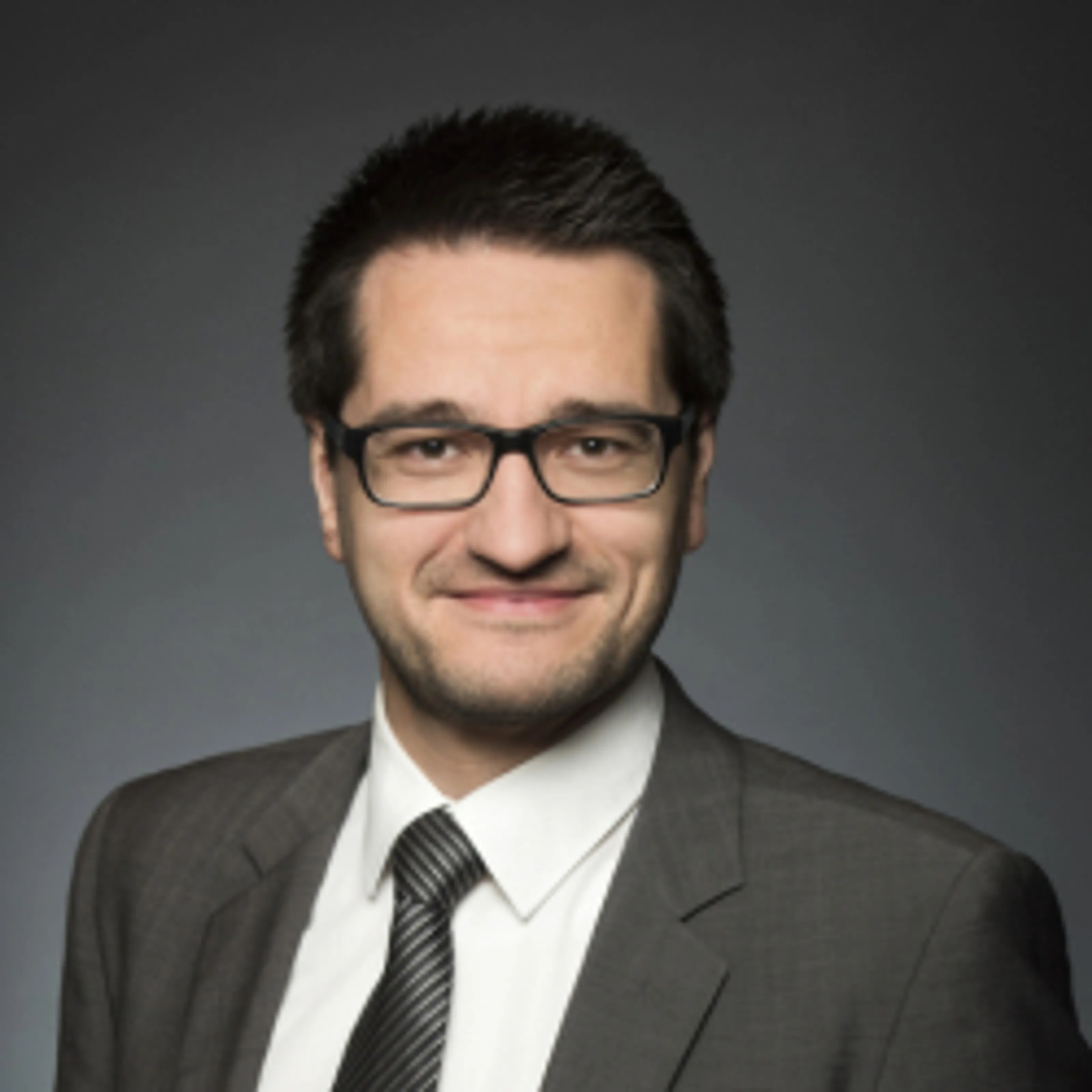
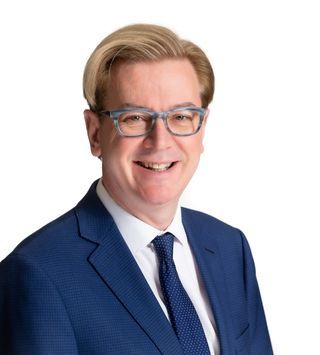
Associate Professor Kiat Boon, Daniel SENG is a leading academic at the National University of Singapore (NUS), specializing in technology law and infocommunications law. He currently serves as Director of the LLM (Intellectual Property & Technology Law) program and IT Coordinator. Previously, he held roles as Director of Research at the Singapore Academy of Law (2001–2003), partner and head of technology practice at Rajah & Tann, and non-residential fellow at Stanford Law School’s Center for Legal Informatics (CodeX). His education includes a JSD and JSM from Stanford University, BCL (Oxford, Rupert Cross Prize recipient, 1994), and LLB (NUS with first-class honors). His research employs machine learning, NLP, and big data to analyze digital law challenges, particularly in copyright takedown notices and AI governance. Research interests span information technology law, empirical legal studies, quantitative research, and AI’s intersection with legal reasoning. He contributes to global legal reform via advisory roles at the World Intellectual Property Organization (WIPO), focusing on copyright exceptions, music licensing, and intermediary liability. Key awards include the 1994 Rupert Cross Prize. His work bridges law and technology through publications on digital evidence, metaverse legal frameworks, and AI’s impact on private law. He is actively involved in shaping Singapore’s legal infrastructure through government committees and academic initiatives.
The Chinese University of Hong Kong (CUHK)Hong Kong SAR
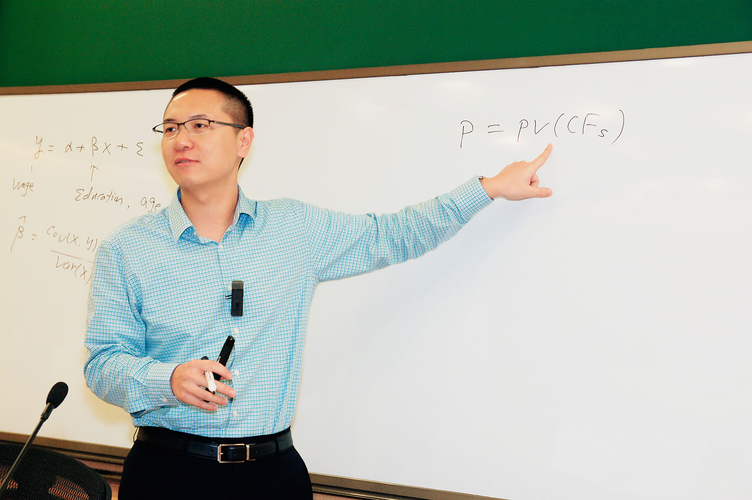
Jyh-An Lee is a Professor and founding Executive Director of the Centre for Legal Innovation and Digital Society (CLINDS) at The Chinese University of Hong Kong (CUHK) Faculty of Law. He leads the New Ventures Legal Team (NVLT) and holds advisory roles at institutions like the European Center for E-Commerce & Internet Law and National University of Singapore. Education : JSD (Stanford), LLM (Harvard), MBA & LLB (National Taiwan University) Admissions : Practicing lawyer in Taiwan His research interests focus on Intellectual Property , AI and the Law , Law & Digital Technology , and Asian Law . He has contributed to landmark studies on NFTs, metaverse legal frameworks, cybersecurity, and IP litigation in Asia. The scientific awards he has received include: CUHK PhD IMPAC Award (2024-25) CUHK Vice-Chancellor’s Exemplary Teaching Award (2023, 2019) CUHK Outstanding Research Impact Award (2022-23) Numerous other university and faculty-level honors His work has been cited by major international courts and agencies. He is also a TRAIL Academic Fellow and active in policy advisory roles for Creative Commons and IP offices in Taiwan and Hong Kong.
Dr. Rebecca Connolly is an Adjunct Professor at the Sydney Law School, University of Sydney, specializing in International Space Law, Technology Law, and Biotechnology Regulation. Her research addresses global governance challenges in outer space militarization, commercialization, and sustainability, while contributing to agricultural biotechnology policy frameworks. She is affiliated with the Space Law Council of Australia and New Zealand and the International Law Association. Education: LL.B (Hons), LL.M, Ph.D. (Sydney University). Teaching focuses on International Space Law and Technology Law. Recent publications (2023) emphasize regulatory gaps in near-space military activities and outer-space advertising, reflecting her expertise in emerging legal frontiers. Publications span over two decades, with early work addressing WTO disputes over genetically modified foods and AUSFTA environmental cooperation. No scientific awards listed, though her contributions to space law are notable. She supervises in space law and technology law domains, contributing to interdisciplinary legal scholarship.
Stefan Bechtold is a Full Professor of Intellectual Property at ETH Zurich since 2013 and Associate Vice President IP Policy (2023–2026). He is affiliated with the ETH AI Center and serves on global advisory boards including the Academic Advisory Board of the German Federal Ministry for Economic Affairs and Climate Action. His interdisciplinary research bridges law, economics, and computer science.
Stacey Lantagne is a Professor of Law at Western New England University School of Law , joining in 2022. Her research explores the intersection of digital creativity and intellectual property law, focusing on fanfiction and internet memes. She actively engages with pop culture and fan studies communities as a presenter and guest speaker. Education : B.A. summa cum laude, Boston College (English major, Computer Science minor) J.D. cum laude, Harvard Law School Her work addresses evolving legal challenges in digital communication, trademark expansion, and fair use doctrine. Articles like “Building a Better Mousetrap” and “Mutating Internet Memes” highlight her expertise in copyright law’s adaptation to internet culture. She serves on the Legal Committee of the Organization for Transformative Works , advocating for fan creators. Prior roles include teaching at the University of Mississippi and Loyola University New Orleans, along with intellectual property litigation experience at Goodwin Procter and Drinker Biddle & Reath.
Teresa Scassa is a Full Professor in the Common Law Section of the University of Ottawa's Faculty of Law and holds the Canada Research Chair in Information Law and Policy. She is affiliated with the Centre for Law, Technology and Society and cross-appointed to the School of Information Studies. Dr. Scassa earned her LL.B. from McGill University and LL.M. and SJD from the University of Michigan. Her research focuses on law and technology intersections, including AI regulation, data governance, privacy law, and intellectual property. She has authored influential books like Artificial Intelligence and the Law in Canada and Canadian Trademark Law . Scassa advises Canadian government bodies, including the Advisory Council on Artificial Intelligence and Ontario’s Law Commission. She has contributed to privacy law debates through high-profile cases like Clearview AI litigation and public sector data governance challenges. Her work bridges legal frameworks with emerging technologies, emphasizing interdisciplinary approaches. Recent publications address facial recognition surveillance, data privacy enforcement, and ethical challenges in AI. Scassa’s academic leadership includes roles on data policy working groups and international collaborations, reflecting her role as a leading voice in information law policy.
Professor Lionel Bently is the Emmanuel College Professor of Intellectual Property Law (Herchel Smith) at the University of Cambridge's Faculty of Law. He holds a B.A. in Law from Cambridge (1986) and has held academic positions at King's College London and visiting roles at institutions like Columbia University and the University of Toronto. His research focuses on intellectual property law, copyright, trademark law, and legal history, with particular emphasis on historical developments and European frameworks. He directs the Centre for Intellectual Property and Information Law (CIPIL) and co-founded the International Society for the History and Theory of Intellectual Property (ISHTIP). His publications include seminal works such as Intellectual Property Law (co-authored) and Between a Rock and a Hard Place: The Problems Facing Freelance Creators in the UK Media Market Place . He serves as Editor-in-Chief of the Cambridge Law Journal and contributes to multiple editorial boards, including the European Intellectual Property Review . Bently's work spans theoretical and practical dimensions of IP law, with a strong emphasis on historical analysis. His articles and book chapters address topics like the Berne Convention's签署, utility models in UK law, and pharmaceutical trademark limitations. He also leads initiatives such as the Primary Sources on Copyright project, digitizing historical IP materials. His professional network includes roles as Honorary Legal Advisor to the Royal Historical Society and advisory positions with UCL’s Institute of Brands and Innovation Law. Bently’s research has influenced both academic discourse and policy-making in intellectual property, reflecting his dual commitment to historical scholarship and contemporary legal challenges.
Alan Marco is an Associate Professor at the Jimmy and Rosalynn Carter School of Public Policy within Georgia Tech's Ivan Allen College of Liberal Arts. His research focuses on innovation policy, patent economics, and intellectual property strategy. Previously, he served as Chief Economist at the U.S. Patent and Trademark Office (USPTO), where he co-created PatentsView.org and led the Cancer Moonshot Patent Challenge. Research interests span antitrust regulation, patent valuation, technology markets, and empirical legal studies. Marco holds a Ph.D. in economics from UC Berkeley and a B.A. from Skidmore College. Publications demonstrate expertise in patent analytics, with recent work examining strategic citation behaviors, FRAND royalty calculations, and links between antitrust enforcement and innovation. Research methodologies emphasize large-scale data analysis of USPTO records, litigation outcomes, and market transactions.
Florian Martin-Bariteau is an Associate Professor at the Faculty of Law - Common Law Section of the University of Ottawa . He serves as Director of the Centre for Law, Technology and Society and holds the LR Wilson Chair in Information Technology and e-Commerce Law as an Affiliate Scholar. His work spans cybersecurity, artificial intelligence, smart contracts, and intellectual property law. Research Focus : Cybersecurity, AI governance, and digital democracy. Leadership : Director of Centre for Law, Technology and Society (2016–present). Education : LL.D. in Intellectual Property and Information Technology Law from Université de Montréal; multiple degrees in law from Université d'Aix-Marseilles III. His recent scholarship addresses AI's impact on elections, human-centric cybersecurity, and regulatory challenges for quantum technologies. Work includes comparative analyses of intellectual property law, smart contracts, and data protection frameworks. He collaborates with institutions across Canada and Europe, including Université de Montréal, McGill University, and Université Laval, and has contributed to policy agendas for a digitally connected Canada.
Xuan Tian is the JD Capital Chair Professor of Finance at PBC School of Finance, Tsinghua University, where he has been actively contributing to academic research and teaching since at least 2014. His institutional affiliation is evident through his university email address (tianx@pbcsf.tsinghua.edu.cn) and his extensive publication record representing Tsinghua University as his primary academic institution. Professor Tian's research interests center on theoretical and empirical corporate finance and entrepreneurial finance, with primary focus areas including Venture Capital, Corporate Innovation, Mergers and Acquisitions, Labor Economics, and Payout Policy. His scholarly work demonstrates a consistent trajectory exploring how financial markets, institutions, and policies influence corporate innovation and entrepreneurial activities, with particular attention to Chinese market dynamics and global comparative perspectives. Analysis of his recent publication trends reveals a growing emphasis on the intersection of technology, information, and finance, with increasing attention to patent systems, innovation ecosystems, and the impact of digital transformation on traditional financial markets. His work frequently examines how market participants process information and how institutional arrangements affect innovation outcomes. Jensen Prize (2nd prize) of Journal of Financial Economics Jensen Prize (1st prize) of Journal of Financial Economics Professor Tian has presented his research at numerous prestigious conferences including the American Finance Association (AFA), Western Finance Association (WFA), and National Bureau of Economic Research (NBER) programs. His teaching portfolio includes Corporate Finance for Master's students and Ph.D. Seminars on Advanced Topics in Finance, demonstrating his commitment to both research and academic mentorship. His publications have been featured in prominent outlets including the Harvard Law School Forum on Corporate Governance and Financial Regulation, indicating significant impact on both academic and practitioner communities.
Femke van Horen is a Full Professor of Consumer Behavior at the Marketing Department of the School of Business and Economics, Vrije Universiteit Amsterdam. She serves as Scientific Director of the VU Behavioural Lab and Associate Editor for the International Journal of Research in Marketing . Her research focuses on product imitation strategies, environmental uncertainty's impact on consumer decisions, and nudging for sustainability. She co-chaired the 2023 EACR Conference and was a visiting scholar at Stanford University. Education: PhD from Tilburg University (2013), followed by postdoctoral research at the University of Cologne's Social Cognition Lab. Joined VU Amsterdam in 2013. Research Interests: Product Imitation: Effectiveness of copycat strategies and brand evaluation dynamics. Environmental Uncertainty: Consumer decision-making during crises or elections. Sustainability Nudging: Behavioral methods to promote eco-friendly actions. Awards & Grants: AMA Research in Practice Award 2019 (for Out-of-Category Brand Imitation ). IJRM Outstanding Reviewer Award 2023. Grants from ACR/Sheth Foundation, University of Cologne, and others. Advising: Co-supervises two PhD students on sustainability and product imitation, and a postdoc on plant-based meat adoption. Labs & Teams: Leads the VU Behavioural Lab, focusing on interdisciplinary consumer research.
Mustafa Aksu is a Professor at Istanbul University's Faculty of Law, Department of Civil Law. His research spans Civil Law , Intellectual Property Law , Information Law , and EU Legal Harmonization . He has advised 26 theses and published extensively on digital rights, family law, and obligations law. Research Interests: Focus on AI and law, copyright exhaustion in digital markets, EU-Turkey legal alignment, domain name regulation, and protection of computer programs. Publications: Recent works include AI's legal frameworks (2023), medical informatics law (2021), and digital exhaustion doctrine (2016). His research emphasizes cross-border IP enforcement and EU court precedents. Contact: Email aksum@istanbul.edu.tr | Office: Hukuk Fakültesi Binası, İkinci Kat, Oda No: 38, Beyazıt, Istanbul, Turkey.
Tatsuhiro Ueno serves as Professor at Waseda University's Faculty of Law and School of Law, specializing in Intellectual Property Law, Copyright Law, and Information Law. He currently holds leadership positions as Director of the Institute of Comparative Law (since 2024) and President of SARLIB (Society for Administration of Remuneration for Public Transmission by Libraries or Similar Facilities). With extensive international experience including visiting scholar positions at Ludwig Maximilian University of Munich and the Max Planck Institute for Intellectual Property and Competition Law, Professor Ueno has established himself as a leading authority in copyright law reform and international intellectual property matters. Professor Ueno earned his Master of Law from Kyoto University following undergraduate and graduate studies there. His academic career includes teaching positions at Rikkyo University College of Law and Politics and Seijo University Faculty of Law before joining Waseda University in 2013, where he now contributes to shaping Japan's legal education landscape. His research focuses on the critical intersection of intellectual property law with emerging technologies, particularly artificial intelligence systems and digital platforms. Professor Ueno has pioneered work on text and data mining exceptions, copyright limitations in digital environments, and creator-oriented copyright frameworks. His scholarship bridges theoretical analysis with practical policy development, influencing both domestic legislation and international copyright discourse. His recent publications demonstrate a concentrated focus on AI and copyright law, with numerous articles examining the legal challenges posed by generative AI systems, text and data mining exceptions, and the evolving landscape of copyright protection in the digital era. Professor Ueno's work consistently addresses the balance between protecting creators' rights and ensuring public access to knowledge. KDDI Foundation Book Publishing Grant (January 2025) for "Creator-Oriented Copyright System" Professor Ueno actively participates in numerous government committees shaping Japan's copyright law, including serving as Chairman of the Law and Computers Society and as a longstanding member of the Copyright Subcommittee of the Council for Cultural Affairs. His research is supported by multiple grants from the Japan Society for the Promotion of Science, including ongoing projects examining human portraits and voices in the AI age (2025-2029) and AI and intellectual property rights systems (2024-2029). He regularly presents at international forums including WIPO Summer Schools, ATRIP conferences, and copyright forums worldwide, establishing his reputation as a key thought leader in global copyright policy development.
Alexandra Mogyoros is an Assistant Professor at the Lincoln Alexander School of Law, Toronto Metropolitan University, and an Associate Member of the University of Ottawa’s Centre for Law, Technology and Society. Her research focuses on intellectual property law, particularly trademarks as brands and their public interest functions. She consults governments and organizations on IP policy, technology law, constitutional law, and freedom of information. Education includes a DPhil (2024) in Intellectual Property Law from the University of Oxford (St. Peter’s College), BCL (2015) with Distinction from Oxford (St. Hugh’s College), JD (2013) from University of Ottawa, and a BAS (2009) in Biology and Philosophy from University of Guelph. She clerked at Canada’s Supreme Court and practiced litigation in Toronto. Her research explores certification trademarks, eco-labels, and ethical branding. Awards include the 2025 Dean’s Teaching Award and SSHRC/Pierre Elliott Trudeau Foundation scholarships. She has held fellowships at Oxford, Toronto, Edinburgh, Cape Town, and Ottawa universities. Engagement includes coaching intellectual property moot teams, advising on AI-IP policy, and authoring pieces on brand regulation and disinformation. She articled in litigation and is a member of the Ontario Bar.
Graeme B. Dinwoodie is a University Distinguished Professor and Global Professor of Intellectual Property Law at Chicago-Kent College of Law, Illinois Institute of Technology, where he also serves as Co-Director of the Program in Intellectual Property Law. He has held prestigious academic positions at the University of Oxford (2009-2018), where he was Director of the Oxford Intellectual Property Research Centre and a Professorial Fellow of St. Peter's College, and Queen Mary College, University of London (2005-2009). Prior to his Oxford appointment, he led Chicago-Kent's intellectual property program for several years. Dinwoodie earned his J.S.D. from Columbia Law School, LL.M. from Harvard Law School, and LL.B. in Private Law (first class honors) from the University of Glasgow. He was the Burton Fellow at Columbia Law School (1988-89) and a John F. Kennedy Scholar at Harvard Law School (1987-88). Before entering academia, he practiced intellectual property law at Sullivan and Cromwell in New York. A leading international authority in trademark law, design law, and international intellectual property law, Dinwoodie's research focuses on the intersection of national and international IP systems, trademark theory and doctrine, and the evolving landscape of digital copyright. His work explores how trademark law serves consumer interests, the challenges of harmonizing IP systems across jurisdictions, and the role of international organizations like WIPO in shaping global IP norms. He has made significant contributions to understanding territoriality in trademark law and the impact of digital technologies on IP enforcement. Dinwoodie's extensive publication record reveals a consistent focus on the tension between national sovereignty and international harmonization in intellectual property law. His recent work examines the implications of Brexit for IP systems, the evolving role of internet intermediaries in IP enforcement, and the normative foundations of trademark law. He has increasingly focused on the practical application of IP law in digital contexts while maintaining his foundational work on international IP architecture. Scientific Awards and Recognition: Inducted into the IP Hall of Fame (2020) Recipient of the Ladas Memorial Award from the International Trademark Association (2008) Awarded the Pattishall Medal for Teaching Excellence in trademarks and trade identity law (2008) Three-time recipient of the Goldman Prize for Excellence in Teaching (University of Cincinnati) Elected to membership in the American Law Institute (2003) Named Norman and Edna Freehling Scholar (2001) Dinwoodie has served in significant advisory roles, including as a consultant to the World Intellectual Property Organization on private international law matters, an adviser to the American Law Institute Project on Principles on Jurisdiction and Recognition of Judgments in Intellectual Property Matters, and a consultant to the United Nations Conference on Trade and Development on the Protection of Traditional Knowledge. He currently serves as an adviser on the ALI's project on the Restatement of Copyright Law. He has held leadership positions as past chair of the Intellectual Property Section of the Association of American Law Schools and president of the International Association for the Advancement of Teaching and Research in Intellectual Property (ATRIP) from 2011 to 2013. As Co-Director of the Intellectual Property Program at Chicago-Kent, Dinwoodie helps shape one of the nation's leading IP law programs. His work with the Center for Design, Law & Technology reflects his commitment to addressing contemporary challenges at the intersection of law and innovation. Through his extensive scholarship, teaching, and professional service, Dinwoodie continues to influence both the theoretical foundations and practical applications of intellectual property law worldwide.