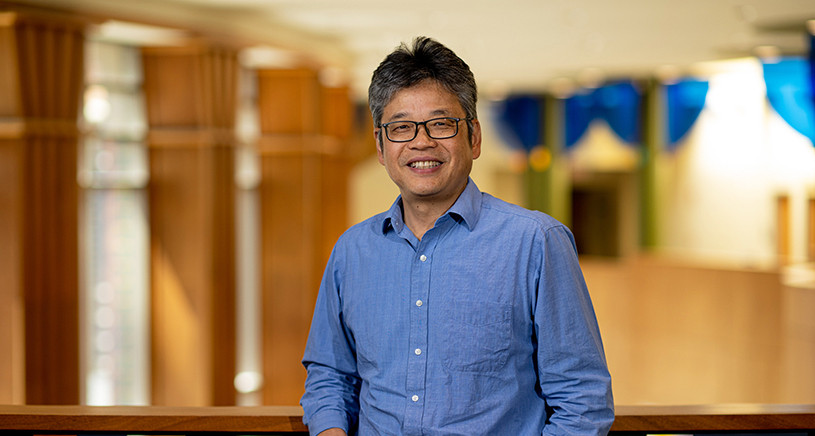
Samuel V. Scarpino is a Professor at Northeastern University , leading as Director of AI + Life Sciences in the Institute for Experiential AI . He holds appointments in the Khoury College of Computer Sciences , Bouvé College of Health Sciences , and the Network Science Institute . Scarpino’s career spans roles at The Rockefeller Foundation, Dharma Platform, and co-founding Global.health , a Google-backed pathogen tracking initiative. Education: PhD in Biology (2013) from The University of Texas at Austin; Omidyar Fellow at the Santa Fe Institute (2013–2016). His research focuses on integrating AI , network science , and epidemiology to address global health challenges. Key areas include disease modeling , wastewater surveillance , and health equity . Recent work explores AI applications for H5N1 pandemic preparedness , scRNA-seq analysis , and social determinants of health . Scarpino’s scientific contributions include over 100 publications in Nature , Science , and PNAS , alongside fellowships from the ISI Foundation (2017), Santa Fe Institute (2020), and Vermont Complex Systems Institute (2021). He mentors PhD students like Wan He and leads interdisciplinary teams at Northeastern’s Roux Institute and Network Science Institute . Grants from the McGovern Foundation and Microsoft Research support his work on AI for public health.
Yan Huang is an Associate Professor in the Department of Software Engineering and Game Development at Kennesaw State University (KSU). His work bridges Federated Learning (FL) and Cybersecurity Education , with a focus on personalization and privacy in distributed systems. Research spans Machine Learning , Extended Reality (XR) , and Data Privacy . He has served as Editor of WCMC and Program Co-Chair for CyberSciTech 2020-2024. Research Trends: Recent publications emphasize Federated Learning for non-IID data, VR-based Cybersecurity Education , and Privacy-Preserving Algorithms in IoT and social media analytics. Key subfields include personalized learning architectures, graph learning, and game-theoretic privacy frameworks. Scientific Awards: Excellent Paper Award (Tsinghua Science and Technology, 2021) Best Paper Award (Future Generation Computer Systems, 2019) Best Paper Awards at IEEE SmartWorld 2021, COCOA 2019, and WASA 2019 Grants: Led over $600,000 in NSF and NSA-funded projects, including VR cybersecurity education for K-12 and XR engineering curricula. His lab recruits VR/AR Research Assistants via industry partnerships.
Dr Bastien Lechat is a Research Fellow at Flinders Health and Medical Research Institute (FHMRI): Sleep Health, within the College of Medicine and Public Health at Flinders University. He is also a Full Member of the College of Science and Engineering and the Medical Device Research Institute. As an NHMRC Emerging Leadership Fellow, he leads innovative research at the intersection of sleep medicine, artificial intelligence, and wearable technology. Education: PhD in Sleep Health, Adelaide Institute for Sleep Health, Flinders University (2018–2021) Bachelor of Engineering in Engineering Science/Acoustics, Université du Maine, France (2014–2017) Dr Lechat’s research focuses on understanding the physiological mechanisms and consequences of obstructive sleep apnea (OSA), particularly night-to-night variability and patient subtypes. He develops AI-driven tools for efficient and accurate diagnosis using wearables and signal processing. His work aims to create a scalable, low-cost model of care for sleep-disordered breathing, addressing global diagnostic gaps. His recent publications reveal a strong trend in digital health innovation, with a focus on machine learning for OSA detection, circadian rhythm modeling, cardiovascular risk prediction, and climate impacts on sleep. His research has been published in top journals including Nature Communications , Journal of Sleep Research , and Sleep Medicine , demonstrating interdisciplinary reach. Scientific Awards and Recognition: NHMRC Emerging Leadership Fellow (2023) Helen Bearpark Memorial Scholarship (2022) Emerging Research Leader Award, Flinders University (2021) Multiple early-career awards from Sleep Down Under, Australasian Sleep Association, and Adelaide Sleep Retreat Ranked in the top 5% of international authors in sleep apnea by Expertscape Dr Lechat has secured over $2.5 million in competitive research funding and actively supervises and mentors junior researchers. He serves on the program committee of the American Thoracic Society meetings and contributes to clinical guidelines. He collaborates globally with industry and academic partners to translate research into clinical practice. Laboratories and Research Teams: He co-leads the 'Novel use of digital innovations & technology development' theme at FHMRI: Sleep Health, working closely with Professor Danny Eckert. His team integrates expertise in biomedical engineering, data science, and clinical sleep physiology to advance digital sleep medicine.
Prof. Vahid Jamali is an Assistant Professor and Head of the Resilient Communication Systems Group at the Technical University of Darmstadt, Germany. His research focuses on resilient communications, 6G wireless systems, bio-inspired molecular communication, and reconfigurable intelligent surfaces (RIS). He holds a Doctoral Degree from Friedrich-Alexander-Universität Erlangen-Nürnberg (FAU), Germany, and has served as a postdoctoral researcher at Princeton University and FAU. Education PhD in Communication Systems, FAU (2019) Visiting Researcher at Stanford University (2017) Research Assistant at FAU's Institute for Digital Communications (2013-2019) Research Interests Resilient Networks : Emergency networks, RIS-based systems, and resilience-by-design architectures. Wireless Innovations : 6G technologies, holographic MIMO, and joint communication-sensing systems. Bio-inspired Systems : Molecular communication modeling using biological principles like diffusion and chemical reactions. Recent Work Trends His 2024-2025 publications emphasize RIS optimization (e.g., temperature-aware phase shifts, fast beam switching) and molecular communication (e.g., Poisson channel identification, bio-inspired receiver designs). Emerging themes include AoI-based RIS reconfiguration and integrated sensing-communication-powering (ISCAP) for IoT. Lab Activities He leads the Resilient Communication Systems Group, exploring cutting-edge RIS hardware (e.g., liquid crystal implementations) and theoretical foundations for future wireless systems.
Prof. Emiel Krahmer is a Professor at the Department of Communication and Cognition, Tilburg School of Humanities and Digital Sciences (TSHD), Tilburg University. His research focuses on healthcare communication, digital health technologies, and patient-centered approaches. He explores barriers/facilitators in return-to-work strategies for trauma patients, personalized predictions in rehabilitation, and the role of serious games in health behavior change. His work also addresses ethical challenges in self-monitoring platforms for mental health, emphasizing epistemic justice and algorithmic fairness. Collaborations with medical professionals and interdisciplinary teams highlight his contributions to digital health innovation. Key projects include studies on trauma patient perspectives, implementation of patient-reported outcome measures (PROMs), and game-based interventions. His research bridges communication science and clinical practice, aiming to enhance patient engagement and equitable healthcare delivery through technology.
Kristin Y. Pettersen is a Professor at the Norwegian University of Science and Technology (NTNU) in the Department of Engineering Cybernetics, Faculty of Information Technology and Electrical Engineering. She holds a PhD and MSc in Engineering Cybernetics from NTNU and serves as an Adjunct Professor at the Norwegian Defence Research Establishment (FFI). She co-founded and led Eelume AS as its first CEO. PhD in Engineering Cybernetics, NTNU MSc in Engineering Cybernetics, NTNU Her research focuses on nonlinear control theory, motion control of mechanical systems, and marine robotics. Key areas include autonomous vehicles, underactuated systems, and cooperative control. Her recent work involves snake robotics, vehicle-manipulator systems, and safety-critical control algorithms. Her publications demonstrate trends in marine robotics , nonlinear control systems , autonomous navigation , formation control , and adaptive algorithms . Emerging topics include energy-shaping control , extremum-seeking optimization , and task-priority frameworks for complex robotic systems. 2025: Norwegian Academy of Science and Letters (DNVA) 2020: ERC Advanced Grant 2017: IEEE Fellow 2016-2021: Board member, Eelume AS 2013-2023: Key scientist, NTNU AMOS She has supervised 30 PhD graduates and currently mentors 16 PhD candidates. Her grants include ERC PoC UR4energy (€150k), ERC AdG CRÈME (€2.5M), and CAROS (NOK 45M) for subsea autonomy. She leads teams at NTNU's Applied Underwater Robotics Laboratory and contributes to the Cluster of Excellence IntCDC.
Eakta Jain is an Associate Professor in the Department of Computer & Information Science & Engineering at the University of Florida's College of Engineering. Her research centers on human-computer interaction with a specialized focus on eye-tracking technologies, virtual reality, and privacy-preserving techniques in immersive environments. With over 15 years of sustained academic contributions, she has established herself as a leading researcher in gaze analysis and its applications across multiple domains. Dr. Jain's research interests span eye-tracking, virtual reality, extended reality (XR), privacy in immersive technologies, human-computer interaction, computer vision, and animation. Her work demonstrates a consistent trajectory from fundamental gaze analysis techniques to practical applications addressing critical privacy concerns in emerging technologies. She has made significant contributions to understanding how gaze data can be used to enhance user experience while simultaneously developing methods to protect user privacy in these systems. Analysis of her recent publications reveals a strong focus on privacy challenges in XR environments, with particular attention to gaze data protection, face-swapping technologies, and the psychological impacts of continuous monitoring. Her research bridges theoretical insights with practical implementations, often resulting in novel algorithms and frameworks that address real-world problems in immersive technologies. The interdisciplinary nature of her work connects computer science with cognitive psychology and human factors research. Dr. Jain has received recognition through publications in top-tier venues including IEEE Transactions on Visualization and Computer Graphics, ACM Transactions on Applied Perception, and the Symposium on Eye Tracking Research and Applications. Her work has been influential in shaping the discourse around privacy in immersive environments and has practical implications for the development of ethical XR systems. She actively mentors students and collaborators, with several junior researchers appearing as co-authors on her publications. Her research group appears to focus on the intersection of computer vision, graphics, and human-centered computing, with projects spanning from fundamental gaze analysis to applied privacy-preserving techniques in commercial VR systems. Current projects suggest strong industry connections and potential grant funding supporting her privacy-focused XR research.
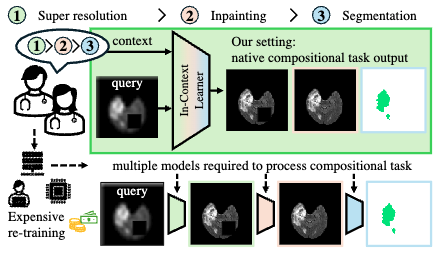
Prof. Dr. Erik Rodner is a faculty member at the University of Applied Sciences Berlin (HTW Berlin), where he serves as a Professor for Machine Learning and Data Science. He also contributes to the School of Engineering Sciences - Technology and Life. His research spans computer vision, machine learning, and biomedical applications, with a focus on learning with limited data, robust visual recognition models, and medical image analysis. He has developed innovative methods for medical diagnostics, industrial classification, and anomaly detection. Recent publications (2025-2016) highlight his expertise in visual in-context learning, semi-weakly segmentation, and active learning frameworks. He has collaborated with institutions such as ZEISS Group, Friedrich Schiller University Jena, and UC Berkeley. Scientific Awards: Award for Excellent Teaching (2023)
Panagiotis Papapetrou is a Professor of Data Science and Deputy Head of Department at the Department of Computer and Systems Science , Stockholm University (since 2017). He also serves as Head of the Data Science Research Group and holds an Adjunct Professor position at Aalto University (Finland). As a Board Member of the Swedish Association for Artificial Intelligence (SAIS) , he contributes to shaping AI research directions in Sweden. Research Pillars: Algorithmic data mining, interpretable machine learning, time series classification, and health informatics Key Projects: AI for societal fairness, digital twins for smart buildings, EXTREMUM for explainable medical AI, and e-learning personalization Teaching Legacy: Developed courses in Data Mining (HT2013-2022), Machine Learning (VT2022-2024), and Health Informatics (VT2018-2021) His work focuses on interpretable AI for healthcare applications, particularly through counterfactual explanations for time series classification and forecasting. This includes developing methods like Glacier for constrained counterfactuals and Ijuice for k-justified explanations. His research also explores multimodal clustering of sepsis patient records and federated learning approaches for ICU mortality prediction. Recent scientific contributions include: CounterFair (2024): Group fairness analysis via counterfactual burden metrics M-ClustEHR (2024): Multimodal clustering for electronic health records COMET (2024): Constraint-based glucose forecasting explanations Temporal pattern mining (2024-2025): Enhanced forecasting models through decomposition Z-Time (2024): Interpretable multivariate time series classification His editorial leadership includes: Action Editor at Machine Learning Journal (since 2024) Action Editor at Data Mining and Knowledge Discovery (since 2018) Guest Editorial Board for ECML/PKDD Journal Track (2014-2019)
Peter X. K. Song is a Professor in the Department of Biostatistics at the University of Michigan School of Public Health. With expertise spanning statistical methodology development and interdisciplinary applications, Dr. Song maintains active collaborations across Nutritional Sciences, Environmental Health Sciences, Chronic Disease research, and Nephrology. His work bridges theoretical statistics with practical healthcare solutions, focusing on innovative approaches to complex data challenges in public health and medicine. Based at the M4140 SPH II building in Ann Arbor, he leads the Song Lab and contributes significantly to the academic community through teaching, research mentorship, and scholarly publications. PhD, University of British Columbia, Vancouver, 1996 BS, Jilin University, Changchun, 1985 Dr. Song's research focuses on the statistical foundation of big data analytics, with particular emphasis on data integration, distributed inference, high-dimensional data analysis, longitudinal data analysis, mediation analysis, and spatiotemporal modeling. His methodological innovations address critical challenges in smart health applications, including organ exchange programs, children's health, chronic disease management, environmental health assessment, and nutritional sciences. His approach combines statistical theory, integer optimization, and algorithm development to create practical tools that help researchers understand complex relationships between environmental exposures and health outcomes. Dr. Song's publication record demonstrates a consistent trajectory of methodological innovation applied to pressing health challenges. His recent work shows increasing focus on sleep classification using AI techniques, personalized treatment effect analysis, distributed statistical methods for high-dimensional data, and epigenetic applications in adolescent health. The interdisciplinary nature of his research is evident in publications spanning biostatistics journals, computer science venues, and domain-specific medical publications. His work increasingly addresses the challenges of integrating diverse data sources while maintaining statistical rigor in the era of big data. IMS Fellow ASA Fellow Elected Member of the International Statistical Institute 2017 ENAR John Van Ryzin Award Dr. Song has mentored an impressive 22 PhD students and 6 postdoctoral trainees throughout his career, with many now holding faculty positions at prestigious institutions or working as data scientists in leading technology companies. His lab, the Song Lab, currently supports two postdoctoral research fellows and eight doctoral students working on cutting-edge statistical methodology development. His collaborative research extends across numerous grants that support interdisciplinary projects in kidney paired donation programs, environmental health studies, nutritional sciences, and chronic disease research, demonstrating his commitment to translating statistical innovation into practical health solutions. The Song Lab serves as a hub for interdisciplinary statistical research at the University of Michigan, bringing together experts from statistics, operations research, and machine learning to address complex challenges in medical and public health sciences. Current lab members include eight doctoral students and three postdoctoral fellows working on projects related to optimal organ matching strategies, causal mediation pathways of omics biomarkers, and statistical methods for big data integration. The lab maintains strong connections with clinical researchers across nephrology, pediatrics, environmental health sciences, and nutritional sciences, ensuring that methodological developments remain grounded in real-world applications.
Professor Trina Myers serves as the Head of School for the School of Information Technology at Deakin University's Faculty of Science Engineering and Built Environment. With extensive experience in academia and research leadership, she plays a pivotal role in shaping IT education and research directions at Deakin. She is also an active member of the Australian Council of Deans of ICT (ACDICT), having served as its immediate past President. Her educational background includes: Doctor of Philosophy in Computer Science from James Cook University Master of Business Administration from James Cook University Master of Information Technology from James Cook University Professor Myers' research focuses on semantic technologies, ontology engineering, Internet of Things, knowledge management, natural language processing, and human-computer interaction . Her work emphasizes interdisciplinary collaboration, bridging technology with fields such as healthcare, marine science, environmental conservation, and business. She has pioneered approaches in academagogy (academic gamification) to enhance online learning engagement, particularly for adult learners. Her IoT research has significant applications in healthcare space optimization, environmental monitoring, and resource management. Her recent publications demonstrate a strong trajectory in applying AI and IoT technologies to solve real-world problems, particularly in healthcare, education, and resource optimization. There's a clear pattern of interdisciplinary work connecting computer science with healthcare, education, and environmental science. Her research increasingly focuses on human-centered technology design, especially for vulnerable populations like adolescents with autism spectrum disorder. Her notable achievements include: Fellow of the Australian Computer Society (2023) Australian Awards for University Teaching (AAUT) Teaching Award (2020) Women in IT Professional Leadership Award Finalist (2020) Asia-Pacific International Triple E Entrepreneurial Educator of the Year Award (1st runner-up, 2020) Australian Computer Society, National Digital Disruptor ICT Educator of the Year (2019) Professor Myers actively supervises doctoral students across diverse research areas including gamification in language learning, brain tumor analysis using deep learning, AI in higher education, AI for refugee resilience, data integrity in edge environments, and quantum-driven satellite networking. She has secured significant research funding, including a recent grant for "Indiginizing ICT Curriculum: A Starter Framework for the Community of Practice" through the Australian Council of Deans of ICT. Her teaching philosophy emphasizes active learning methodologies, Process Oriented Guided Inquiry Learning (POGIL), blended learning, and collective intelligence approaches.
Professor Spiridon Ivanov Penev is a leading academic in the School of Mathematics and Statistics at the University of New South Wales. He holds a PhD in Mathematical Statistics from Humboldt University (Berlin, Germany) and has been affiliated with UNSW since 1992, progressing from Lecturer to Professor in 2019. His research spans wavelet methods, saddlepoint approximations, structural equation models, and stochastic risk analysis. Education: PhD in Mathematical Statistics, Humboldt University Current Affiliation: Department of Statistics, School of Mathematics and Statistics, UNSW His work focuses on advanced nonparametric techniques, including wavelet-based signal recovery with adaptive sampling rates, and robust inference in structural equation models. He has developed bias-corrected reliability measures for psychometric applications and contributed to stochastic optimization problems in finance and engineering. Recent publications highlight his expertise in semiparametric regression, robust portfolio optimization, and marine engineering applications using machine learning. Key trends include the use of Bregman divergence for shape-preserving estimation and Markov chain methods for climate model weighting. Scientific Awards: DAAD award Elected member of the International Statistical Institute (ISI) He has supervised numerous grants as Chief Investigator, including Australian Research Council projects and industry collaborations. Administrative roles include membership in the School of Mathematics and Statistics Executive Committee. Teaching duties span advanced statistical inference, multivariate analysis, and data science applications.
Margherita Fantoli is a tenure track lecturer at the Faculty of Arts at KU Leuven, affiliated with the Cultural Studies Research Group. She is an active member of multiple research institutes including DigiSoc – KU Leuven Institute for Digital Society and LECTIO – KU Leuven Institute for the Study of the Transmission of Texts, Ideas and Images in Antiquity, the Middle Ages and the Renaissance. Her institutional involvement extends to the Faculty Council of Arts and the POC Digital Humanities. Dr. Fantoli's research spans Digital Humanities with a focus on historical linguistics, classical studies, and book history. Her work integrates computational methods with traditional humanities scholarship, particularly in analyzing ancient Greek and Latin texts, knowledge transmission networks, and multilingualism in historical contexts. She specializes in using digital tools to explore cultural transmission from antiquity through the Renaissance, with particular attention to network analysis of historical texts and academic communities. Her recent publications demonstrate a strong trend toward computational approaches to historical scholarship, particularly through the STUDIUM.AI project which maps knowledge networks around the premodern University of Leuven (1425-1797). Her work bridges classical philology with digital methods, examining topics such as canon formation in antiquity, multilingualism in early modern book catalogues, and the presence of classical texts in later periods. She frequently collaborates across disciplines, working with computer scientists, historians, and linguists. Dr. Fantoli serves as promoter or co-promoter on multiple significant research projects including CLARIAH-VL+ (toward the 'SSH Open Science Cloud' in Flanders), studies on the coherence of scientific language in ancient technical texts, and investigations into canon formation in Greco-Roman antiquity. Her teaching portfolio includes courses on data processing, linked data scholarship, and introduction to Digital Humanities, reflecting her commitment to training the next generation of digitally literate humanities scholars. She is actively involved with the Cultural Studies Research Group in Leuven, contributing to their mission of exploring cultural transmission across historical periods. Through her leadership in the STUDIUM.AI project and other digital initiatives, she helps build infrastructure for connecting historical knowledge networks and making premodern scholarship more accessible through digital means.
Shashank Vatedka is an Assistant Professor in the Department of Electrical Engineering at the Indian Institute of Technology Hyderabad . His research focuses on information theory , coding theory , and their applications to data compression , statistical inference , and security . He holds a PhD from IISc, Bengaluru and has postdoctoral experience at Institut Polytechnique de Paris and The Chinese University of Hong Kong . Education : PhD and MSc (Engg) in Electrical Communication Engineering, IISc, Bengaluru (2011-17) Academic Positions : Assistant Professor, IIT Hyderabad (2019-present) Postdoctoral Fellow, Telecom Paris (2018-19) Research Assistant/Postdoctoral Fellow, Institute of Network Coding, CUHK (2016-18) His research spans three main areas: distributed inference (federated learning, wireless sensor networks), compression with locality constraints (local decoding, low-complexity algorithms), and communication in adversarial environments (jamming, list decoding). Recent work includes distributed mean estimation with limited communication and adversarial channel coding with partial information. He has received several honors including the Seshagiri Kaikini Medal for best PhD thesis at IISc in 2017, Best Paper Awards at NCC 2023 and Stanford Compression Workshop 2021, and the TCS Research Fellowship (2014-17). He serves as a Faculty Placement Coordinator at IIT Hyderabad and organizes international conference tracks. His research group advises students across PhD, MTech, BTech , and internships , with alumni pursuing advanced degrees at institutions like UCSD , Columbia University , and TU Delft . Collaborations include theoretical work with colleagues like Yihan Zhang and Sidharth Jaggi .
Manolis Chatzis is an Associate Professor in the Department of Engineering Science at the University of Oxford and a Tutorial Fellow at Hertford College. His research focuses on dynamic systems and earthquake engineering, particularly modeling risks for unanchored structural and non-structural components subjected to ground motions. University of Oxford - Department of Engineering Science Hertford College - Tutorial Fellow His work on system identification and observability of nonlinear systems aims to optimize sensor setups for infrastructure reliability. Recent publications address discontinuous Kalman filters for non-smooth dynamics, energy loss in rocking bodies, and experimental validation of seismic response models. Applications span seismically isolated buildings, museum artifacts, hospital equipment, and supercomputers. Key research trends include: Nonlinear dynamics of rocking/sliding systems Bayesian identification methods Energy dissipation mechanisms 3D motion tracking algorithms Sensor fusion and data-driven modeling His publications since 2010 demonstrate interdisciplinary collaboration across civil, mechanical, and computational engineering domains.