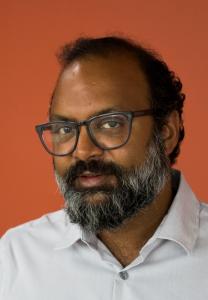
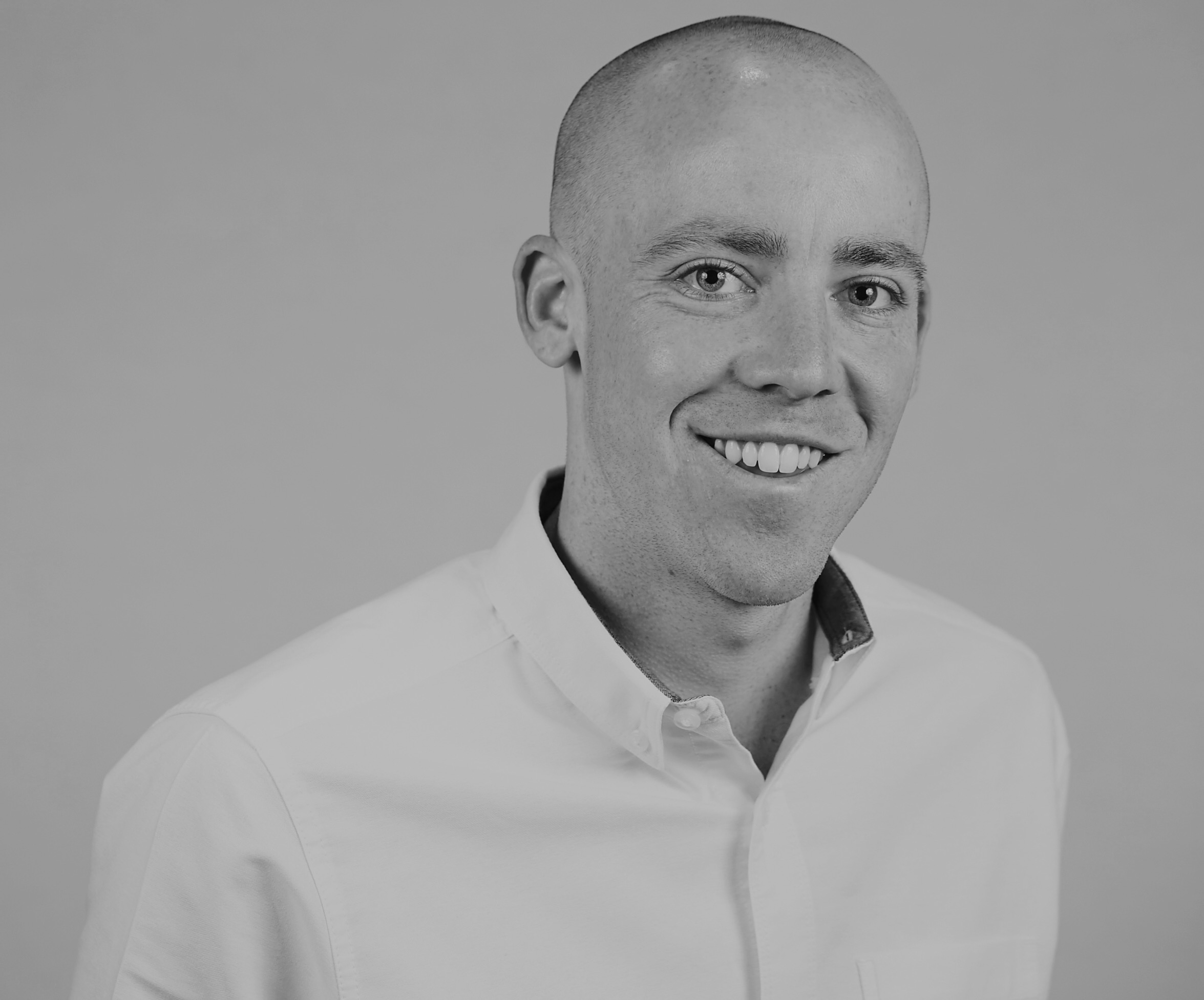
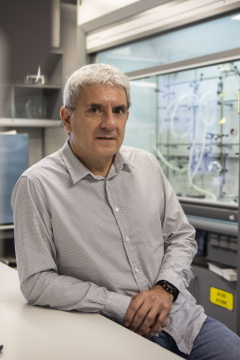
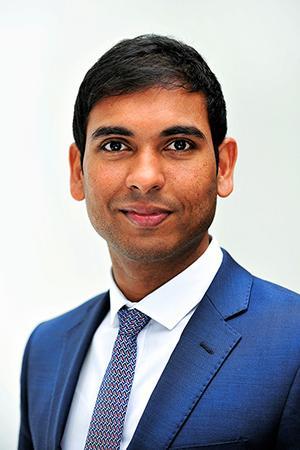
Thomas Siegmund is a Professor of Mechanical Engineering at Purdue University's School of Mechanical Engineering. He holds positions in West Lafayette and leads research in solid mechanics, advanced materials, and biomechanics. His work emphasizes multiscale modeling, fracture mechanics, and topologically interlocked materials (TIMs). Education: Diplom-Ingenieur (1990) and PhD (1994) from the University of Leoben, Austria. Research Focus: - Design of engineered material systems and microarchitectured materials - Fatigue and fracture in advanced alloys (e.g., Alloy 718) - Biomechanics of soft/hard tissues, including human cortical bone studies - TIM systems: geometric symmetry, chirality, and biomimetic designs - Battery cooling systems and impact-resistant enclosures. Notable Achievements: 2021 Fellow of the Society of Engineering Science 2012 ASME Fellow Multiple NSF grants and Purdue awards Editorial roles in journals like Architectured Materials Mechanics Labs/Teams: Directs the Advanced Materials & Mechanics Lab , focusing on experimental and computational studies of novel material systems. Collaborates with industry on battery safety and additive manufacturing.
Stuart Rowan is the Barry L. MacLean Professor of Molecular Engineering at the University of Chicago's Pritzker School of Molecular Engineering (PME), where he also serves as Director of the Materials and Sustainability Engineering Research Theme. He holds a joint appointment in the Department of Chemistry and is a staff member at Argonne National Laboratory. His research focuses on dynamic chemistry in polymeric materials , including supramolecular polymers, self-healing materials, and sustainable polymers derived from cellulose nanocrystals. Rowan's group addresses challenges in energy storage, biomedical applications, and environmental sustainability. Education : BSc (Hons.) in Chemistry from the University of Glasgow (1991), PhD from the University of Glasgow (1995), postdoctoral work at the University of Cambridge (1994–1998) and UCLA (1998–1999). He joined Case Western Reserve University in 1999 before moving to the University of Chicago in 2016. Research Interests : Synthesis and properties of structurally dynamic polymers, responsive adhesives, metal-containing polymers, and biomaterials. Key areas include redox-flow batteries , ion-conducting polymers , and biomimetic materials . The Rowan Group actively develops sustainable materials to address climate and energy challenges. Awards : Morley Medal (2013), Herman Mark Scholar Award (2015), ACS and Royal Society of Chemistry Fellowships. He serves as Editor-in-Chief of ACS Macro Letters . Advancing Science : Rowan's lab trains students and postdocs in molecular engineering, with a focus on interdisciplinary projects. Current lab members include graduate students, postdocs, and undergraduate researchers working on interlocked macromolecules , cellulose nanocrystal applications , and energy storage systems . The group emphasizes collaboration across universities and institutions. Labs & Facilities : The Rowan Group operates within the Eckhardt Research Center, leveraging advanced facilities for polymer synthesis, characterization, and materials testing. They collaborate with Argonne National Laboratory for cutting-edge research in sustainable materials.
Federico Rossi is an Associate Professor in Architecture and Digital Manufacturing at London South Bank University's Architecture Digital x Data Research Centre. As the founding director of the Digital Architecture and Robotic Lab (DARLAB), he leads research at the intersection of digital fabrication, robotics, and sustainable construction. His work spans both academic and industry applications, with collaborations including Volkswagen, Astana Energy Expo, Ars Electronica, SCM Group, Veolia, Dyson, and Southwark Council. Rossi graduated from the Architectural Association in London and previously worked with Dame Zaha Hadid focusing on digital manufacturing processes in construction. His expertise has been recognized through significant research funding, including a £400k HEFCE grant for establishing DARLAB in 2013, a KEEP+ grant from EU Horizon 2020 in 2018, and EPSRC UKMSN+ funding in 2021 for the SCRAM project (Sustainable Construction through Robotic Additive Manufacturing). Rossi's research focuses on computational design, Design for Additive Manufacturing, circular manufacturing, and large-scale reinforced polymer structures. His work explores how robotics and automation can overcome traditional constraints in the AEC industry by integrating digital workflows directly with the design process. Recent projects include collaboration with the European Space Agency on 3D printed planetary habitats using recycled polymers, and research on circular cementitious products and modular interlocking bricks in Nigeria and the UK. Analysis of Rossi's publication record reveals a strong trajectory toward sustainable construction solutions using advanced manufacturing techniques. His recent work demonstrates increasing focus on circular economy principles, recycled materials (particularly polymers and glass), and international collaboration (especially between the UK and Nigeria). The integration of machine learning and topology optimization with robotic manufacturing represents an emerging trend in his research. Fellow of the Royal Society of Arts Work exhibited internationally at Salone del Mobile, Wired, Domus, Royal Academy Summer Show, and Italian Trade Agency Recipient of multiple research grants including HEFCE, KEEP+, EPSRC UKMSN+, UK Innovate, and Royal Society funding Rossi serves as an External Examiner for MArch at the University of East London and holds additional responsibilities as Director of DARLAB, Head of Research for the Architecture Division, and Member of the Research and Enterprise Committee. His research grants demonstrate strong industry and government partnerships focused on sustainable construction, circular economy implementation, and advanced manufacturing. Current projects include UK Innovate research for circular cementitious products and Royal Society research on modular interlocking bricks with waste reuse models. As Director of the Digital Architecture and Robotic Lab (DARLAB), Rossi leads a multidisciplinary team exploring robotic manufacturing applications in architecture. The lab serves as a hub for industry collaboration, with partners including Volkswagen, Dyson, and SCM Group. Current research teams are focused on sustainable construction through robotic additive manufacturing, circular economy implementation in building materials, and international projects addressing waste reuse models in both developed and developing contexts.
Dr. Xiaoshan (Susanna) Lin is an Associate Professor and Australian Research Council Future Fellow at RMIT University's School of Engineering. Her research focuses on advanced numerical methods for composite materials, innovative cementitious structures, and free-form fabrication techniques. She has secured significant grants, including ARC Future Fellowships and industry partnerships, and supervises students in structural design, computational mechanics, and materials science. Dr. Lin holds a PhD in Civil Engineering from the University of New South Wales (2012) and has held postdoctoral positions at the University of Liverpool, Nanyang Technological University, and UNSW before joining RMIT in 2016. She is an Editor for *Construction and Building Materials* and Editorial Board Member for *Engineering Structures*. Her research interests include topological optimization, blast-resistant materials, and sustainable concrete technologies. Notable achievements include being named a World’s Top 2% Scientist (2024), IAAM Fellow (2023), and receiving RMIT’s HDR Supervision Award (2023). Dr. Lin’s work bridges theoretical and applied engineering, with projects addressing structural resilience under extreme conditions, additive manufacturing, and recycled materials integration. She actively collaborates with industry to advance eco-friendly construction solutions. Her teaching includes courses on steel and concrete structures, complementing her research focus on structural innovation and materials science.
David Leigh is the Sir Samuel Hall Professor of Chemistry at The University of Manchester, leading the Organic Chemistry Group. He holds a PhD from the University of Sheffield and has held academic roles at the University of Manchester Institute of Science and Technology (1989–1998), University of Warwick (1998–2001), and the University of Edinburgh (2001–2012). His research focuses on molecular machines, chemical topology, and supramolecular chemistry, including the design of molecular motors, rotaxanes, and knots. Leigh has been awarded prestigious honors such as the 2007 Izatt-Christensen Award for Macrocyclic Chemistry and the Feynman Prize for Nanotechnology. His work emphasizes the synthesis of interlocked molecules and functional molecular machines, with applications in advanced materials and nanotechnology. Recent research highlights include catalysis-driven molecular motors and the development of supramolecular polymers. Leigh’s contributions have been recognized through over 170 publications, including high-impact articles in Nature and the Journal of the American Chemical Society . He actively engages in international collaborations and public outreach, such as his 2018 interview on nanobots and creativity with Tim Blais.
Prof. Michael Famulok is a faculty member at the University of Bonn, affiliated with the Life and Medical Sciences Institute (LIMES) and the Faculty of Mathematics and Natural Sciences. His research focuses on DNA nanotechnology, aptamer development, and chemical biology, with an emphasis on creating functional biomolecular machines and molecular switches. His work explores interlocked DNA structures like rotaxanes and catenanes, aiming to develop controllable nano-devices for applications in diagnostics and therapeutics. Key projects include light-activated DNA nanoengines, self-regulating actuators, and aptamer-based systems targeting SARS-CoV-2 and cancer biomarkers. Research Interests: DNA Nanotechnology, Aptamer Selection, Chemical Biology, Molecular Switches, Bio-Hybrid Systems, Diagnostic Assays. Selected Publications Highlight Dynamic DNA Architectures, SARS-CoV-2 Aptamer Therapeutics, and Interlocked Nanostructures. His lab actively contributes to advancing nanoengineering and biotechnological applications.
C Su is a Professor in the Mathematics & Computer Science Department at Providence College , specializing in abstract algebra and topology. Their work bridges homotopy theory with module theory, focusing on structural equivalences between algebraic and topological systems. Education : Ph.D. in Homotopy Theory of Modules from SUNY Binghamton (2000) Research Interests center on homotopy theory, exact sequences, and categorical frameworks in module theory. They explore how fibrations, cofibrations, and interlocking sequences reveal algebraic-topological parallels. Publication Trends show a sustained focus on exact sequences in module theory (2005-2012), emphasizing fibrations, homotopy groups, and categorical constructions. Collaborations with Peter Hilton highlight foundational influences.
Ramesh Jasti is a Professor in the Department of Chemistry and Biochemistry, Materials Science Institute, and Knight Campus for Accelerating Scientific Impact at the University of Oregon. His research focuses on organic synthesis, nanotechnology, and materials science, particularly through the development of carbon nanohoops and curved aromatics. B.S., University of North Carolina at Chapel Hill (1998) Ph.D., University of California, Irvine (2006) Postdoctoral Fellowship at Lawrence Berkeley National Laboratory (2006-2009) His work explores synthesis of curved aromatics for nanotube applications, supramolecular chemistry of nanohoops, polymer design using nanohoop monomers, and biological imaging with biocompatible fluorophores. Recent publications highlight scalable methods for CPP derivatives and their optical/electronic properties. Key article trends span nanohoop synthesis, strain-promoted reactivity, and interlocked molecular architectures. These studies intersect organic chemistry, materials science, and computational modeling. Scientific Awards : Camille Dreyfus Teacher-Scholar (2014-2019), NSF CAREER (2013-2018), Alfred P. Sloan Fellowship (2013-2015) Students : Mentoring graduate researchers in synthetic methodology, materials characterization, and interdisciplinary projects.
Yuri Estrin is an Adjunct Professor in the School of Engineering, Department of Mechanical Engineering, at The University of Western Australia. His research focuses on advanced materials processing and deformation mechanisms. Plastic Deformation Magnesium Alloys Equal Channel Angular Pressing Strain Hardening High Entropy Alloys Recent work explores high-pressure torsion for structural evolution in immiscible laminates, topological interlocking in metamaterials, and constitutive modeling of entropy alloys. Key methodologies include atom probe tomography, finite element simulation, and acoustic emission monitoring. Grants include collaborative projects on NiTi shape memory alloys and nanocrystalline composites. He has co-authored 131 research outputs and contributed to datasets on Bayesian-optimized lattice metamaterials.
Andrew Roberts is an Associate Professor of Chemistry at the University of Utah , affiliated with the Biological Chemistry Program . His research focuses on chemical synthesis of peptide- and protein-based therapeutics , with emphasis on chemoselective methods for peptide ligation, macrocyclization, and modification . Education: B.S. in Chemistry from University of California, San Diego Ph.D. in Organic Chemistry from University of California, Los Angeles The Roberts laboratory develops innovative strategies for peptide engineering , leveraging structural elements from ribosomally synthesized and post-translationally modified peptides . Recent work explores radical SAM enzymes for cross-linking, computational design of lasso peptides , and targeted alpha therapy applications for neurodegenerative diseases. Research spans organic chemistry , molecular biology , and medicinal chemistry , with notable contributions to macrocyclization techniques and oncogenic protein synthesis . Email: roberts@chem.utah.edu
Dr Jonathan Danon is a Research Fellow and group leader at the School of Chemistry, The University of Sydney. He specializes in the synthesis of novel bioactive small molecules for neurodegenerative and CNS disorders. His research focuses on medicinal chemistry, organic synthesis, and chemical biology, with particular interests in neuroinflammation, PET imaging, and protein aggregation. Education: MSci in Chemistry (University of Bristol, 2011); PhD in Chemistry (University of Manchester/Edinburgh, 2016). Postdoctoral work with Prof. David Leigh (2011–2016), followed by a University of Sydney Postdoctoral Fellowship (2018–2021). Since 2022, he holds an NHMRC Emerging Leadership Fellowship. Research interests include drug discovery for neurodegenerative diseases, TSPO targeting, and molecular topology. Key achievements include developing novel compounds for brain disorders and pioneering molecular knot synthesis. His work has been recognized with the 2023 Young Tall Poppy Award. Current grants include NHMRC Investigator Grants and collaborations through the Centre for Drug Discovery Innovation and Brain and Mind Centre. He advises five PhD/MSc students on projects like TDP-43 degradation and P2X7 receptor targeting. Labs/Teams: Member of the Centre for Drug Discovery Innovation and Brain and Mind Centre at the University of Sydney.
Pascal LAFON is a Full Professor at the University of Technology of Troyes (UTT), affiliated with the Laboratory of Mechanical & Material Engineering (LASMIS) and the Department of Physics, Mechanics, Materials and Nanotechnology . He serves as the Director of Corporate Relations at UTT since 2023 and previously led LASMIS lab from 2012-2016. His academic duties include coordinating the 'Mechanics, Material and Advanced Manufacturing' master’s program (2018-2023) and the UTT doctoral program's 'Material, Mechanics, Optics and Nanotechnology' training (2012-2023). Director of Corporate Relations, UTT (2023-present) Head, LASMIS Lab (2012-2016) Master’s Program Coordinator (2018-2023) Doctoral Training Supervisor (2012-2023) His research focuses on Mechanical Optimization (mixed/random variables, nonlinear objectives), Additive Manufacturing (design, material behavior), and Smart Material Applications . Current projects integrate metamodeling (RBF, Kriging) with multi-objective optimization for manufacturing processes and structural systems. Publications and projects demonstrate expertise in: metal forming , composite materials , springback analysis , and breakwater design . He has supervised 13 PhD students since 1996, including international collaborations with Lebanese University and Northwestern Polytechnical University .
Eduardo Peris is a Professor of Inorganic Chemistry at the Universitat Jaume I (Castellón, Spain), affiliated with the Institute of Advanced Materials (INAM). He completed his Chemistry degree (1988) and PhD (1991) at the University of Valencia, followed by postdoctoral research at Yale University (1994–1996). His research focuses on organometallic chemistry, homogeneous catalysis, and supramolecular systems, particularly poly-NHC-based assemblies for PAH recognition and confined-space catalysis. He has authored over 230 articles (>18,000 citations), directed 18 doctoral theses, and received prestigious awards including the Humboldt Research Award (2019) and the Mond-Nyholm Prize (2023). Education: PhD in Chemistry, University of Valencia (1991); Postdoc at Yale University (1994–1996) Research Interests: Heterobimetallic catalysts, molecular squares/rectangles, PAH encapsulation, redox-switchable catalysts Awards: RSEQ Inorganic Chemistry Award (2012), Rafael Usón Medal (2021), and more Leadership: Former President of the Spanish Organometallic Chemistry Division (GEQO, 2014–2018) Labs/Infrastructure: INAM laboratories, including IDIFEDER facilities for advanced materials research His recent work emphasizes anion-switchable catalysts, photoactive gold complexes, and mechanically interlocked molecules. Over 18,000 citations highlight the global impact of his contributions to catalysis and supramolecular design.
Niloufar Emami is Assistant Professor at the University of Illinois School of Architecture, specializing in computational design and digital fabrication. Her research develops innovative applications of additive manufacturing for architectural components, with focus on reusable formwork systems, topology-optimized structures, and sustainable construction methods. Key research areas include: 3D printed formwork for precast concrete elements Topology optimization of building components Material-efficient casting systems using thermoplastics Digital reconstruction of historic precast elements Performance-integrated design methodologies Emami's publications demonstrate how computational design combined with digital fabrication can transform architectural production. Recent work explores reusable TPU formworks that enable complex geometries while reducing material waste, with applications in both contemporary construction and historic preservation education.
Yijiang Huang is a Researcher affiliated with the Department of Computer-Aided Robotics at ETH Zürich. His work focuses on advancing computational robotics, with a particular emphasis on structural design optimization, robotic assembly processes, and algorithmic fabrication methods. He holds a position within the Professorship for Computational Robotics and contributes to cutting-edge research in multi-robot systems, topology optimization, and sustainable construction techniques. His research integrates robotics with structural engineering to enhance automation in manufacturing and construction. Key areas include non-repetitive robotic assembly, cooperative multi-arm systems, and the development of frameworks for high-performance design optimization. Huang has published extensively on topics such as task and motion planning (TAMP), deflation methods for non-convex optimization, and bespoke interlocking connections for timber structures. His articles highlight innovations like the CantiBox project, which explores robotic assembly of interweaving timber elements, and protocols linking algorithmic design with construction intent. These contributions aim to bridge gaps between computational methods and real-world applications, emphasizing efficiency, sustainability, and precision in robotic fabrication systems.