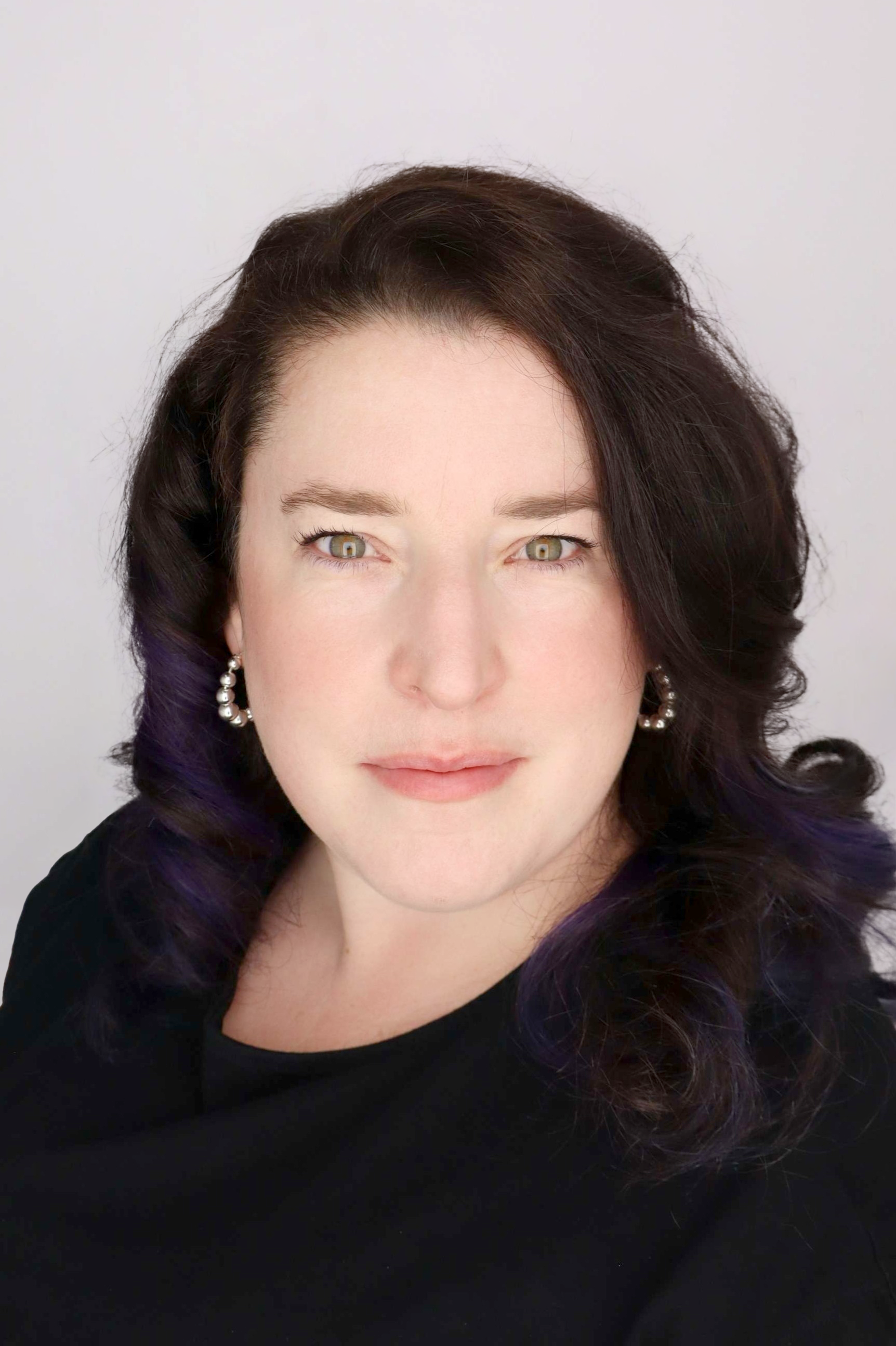
Megan WalshView profile
Professor
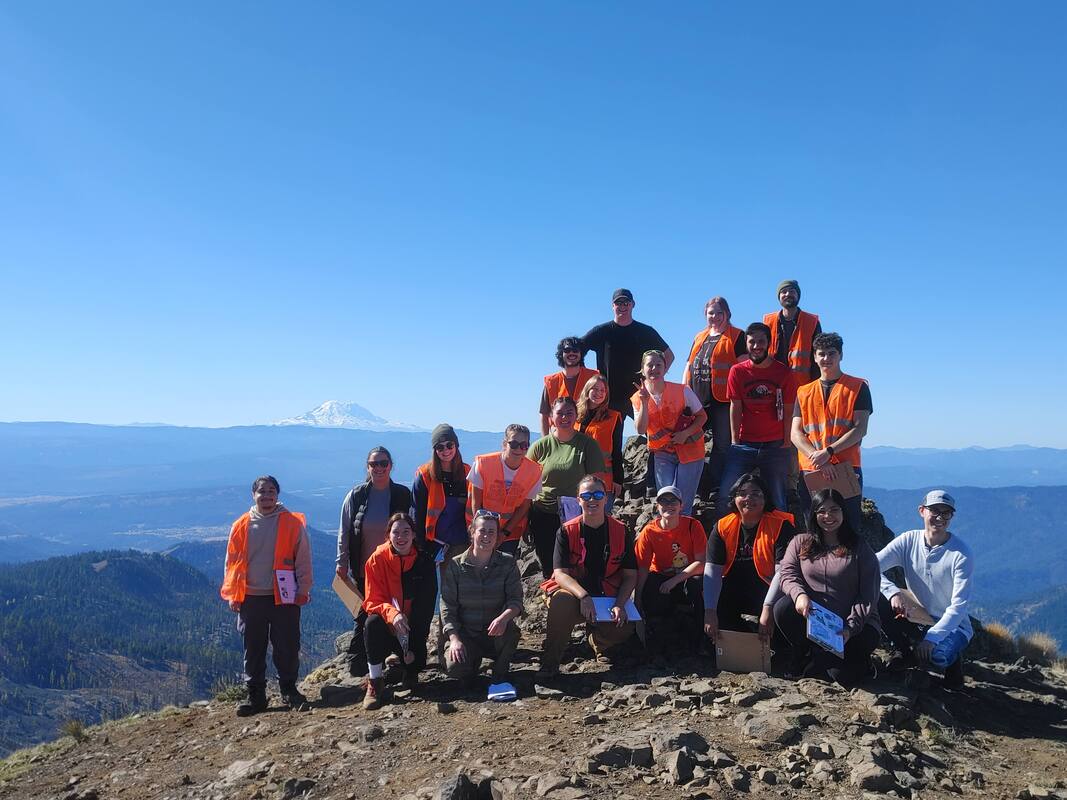
Megan Walsh is Professor and Department Chair in the Department of Geography at Central Washington University, where she also directs both the Integrated Energy Management Program and the Cultural and Environmental Resource Management Masters Program. Her academic leadership spans curriculum development, program administration, and active research mentorship. Her educational background includes a Ph.D. in Natural and Anthropogenic Influences on the Holocene Fire and Vegetation History from the University of Oregon (2008), an M.S. in Fire History of Two Selected Sites in the Uinta Mountains from the University of Utah (2002), and a B.S. with minors in Geography and French from the University of Denver (1999). Walsh specializes in Late Quaternary paleoecology and paleoclimatology with emphases on fire ecology across western North America and Central America. Her research integrates paleoenvironmental reconstruction using lake sediment cores, charcoal analysis, and pollen studies to examine climate-vegetation-fire-human interactions. She actively applies paleoecological data to contemporary land management policy and climate change adaptation strategies, with field sites spanning Oregon, Washington, Utah, Colorado, Montana, Idaho, and Belize. Her teaching portfolio includes foundational courses like Our Dynamic Earth and specialized offerings such as Pyrogeography and Biogeography , all emphasizing field-based learning. Analysis of her recent publications reveals consistent focus on fire history methodology , Holocene climate drivers , and human-environment interactions , with increasing attention to policy applications and educational frameworks. Her work frequently employs multi-proxy sediment analysis to disentangle natural climate variability from anthropogenic impacts across millennia. As director of two graduate programs and through courses like CERM 505 (Research Design), Walsh actively mentors emerging researchers. Her Paleoecology Lab facilitates undergraduate field experiences and collaborative research, particularly evident in publications co-authored with students. While no specific grants are detailed in the source text, her sustained publication record across high-impact journals indicates successful extramural funding. Walsh maintains the Paleoecology Lab at CWU, which serves as the operational hub for her research group. The lab supports field expeditions across the Pacific Northwest and Central America, emphasizing hands-on training in sediment coring, charcoal analysis, and paleoenvironmental interpretation. Her photo gallery documentation of field schools demonstrates strong emphasis on experiential learning.