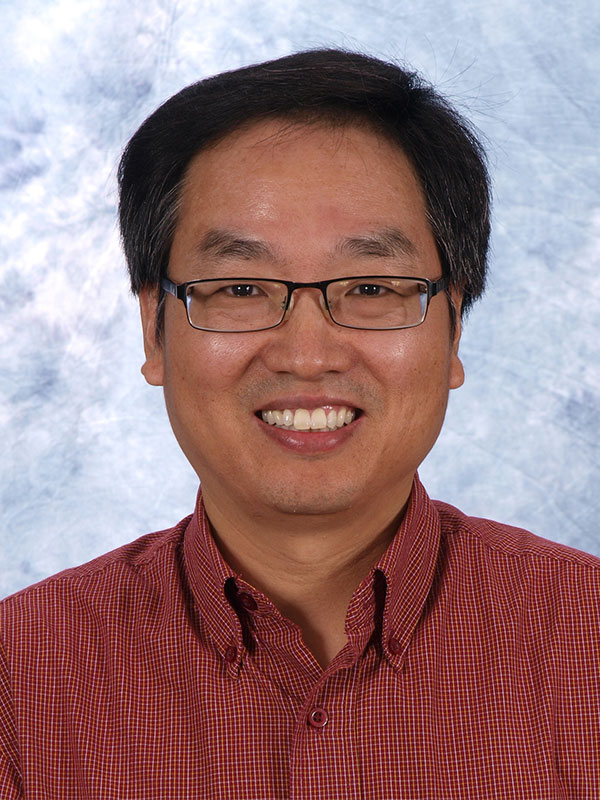
Jane LangdaleView profile
Professor
Professor Jane Langdale, CBE FRS FAA, is a Professor of Plant Development at the University of Oxford, affiliated with the Department of Biology and The Queen's College. Her research focuses on the genetics and evolution of plant development, particularly the mechanisms underlying C4 photosynthesis in plants. She leads the Langdale Lab, which investigates how developmental pathways evolved to enable the C4 photosynthetic pathway, with a long-term goal of engineering this trait into C3 crops like rice. Her work integrates genetics, genomics, and cell biology to understand leaf anatomy and photosynthetic efficiency. Professor Langdale’s research has explored diverse plant taxa, including mosses, lycophytes, ferns, and grasses. She has pioneered methods for studying leaf development, such as spatial transcriptomics and single-cell analysis. Her contributions include identifying key genes like WIP6 and GOLDEN2-like that regulate leaf anatomy and chloroplast biogenesis. She has also developed genetic tools for rice, enabling precise tissue-specific gene expression. Her scientific achievements are recognized through prestigious awards: Commander of the British Empire (CBE), Fellow of the Royal Society (FRS), and Fellow of the Australian Academy of Science (FAA). These honors reflect her global impact on plant science and agricultural innovation. Professor Langdale collaborates widely, contributing to initiatives like the C4 Rice Project. Her lab’s work bridges fundamental biology with applied challenges, aiming to enhance crop yields through photosynthetic improvements. Despite no listed students or grants in the provided text, her leadership in high-impact research underscores her role in mentoring and funding acquisition. Her research extends to understanding evolutionary transitions in plant development, such as the shift from 2D to 3D growth in mosses and the genetic basis of Kranz anatomy in C4 species. This work provides insights into how plants adapt to environmental challenges, including climate change.