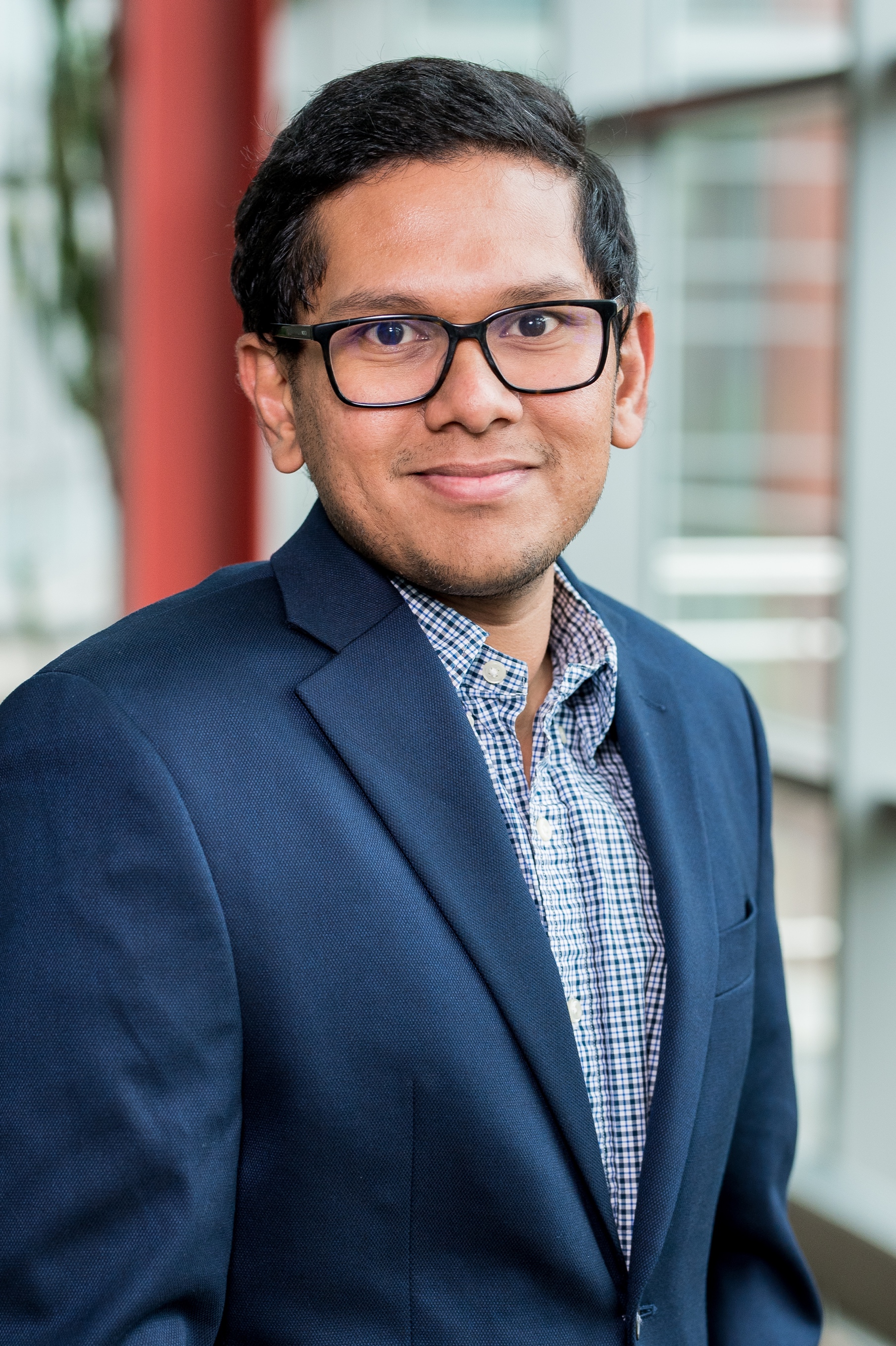
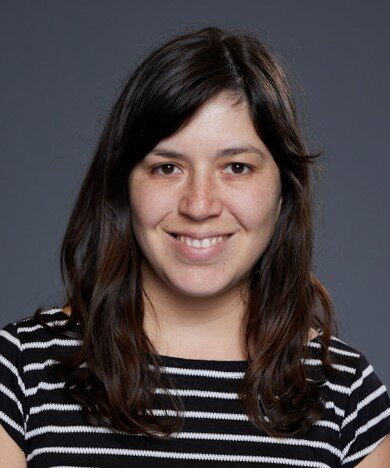
Harry Mamaysky is a Professor at Columbia Business School , where he directs the Program for Financial Studies and the MS program in Financial Economics. He also leads the Chief Investment Officer executive education program, teaching capital markets, asset pricing, and data analytics to MBA, Masters, and PhD students. Education: PhD in Finance (MIT), BS/MS in Computer Science (Brown University) His research spans empirical and theoretical asset pricing , market microstructure , and the interplay of information and trading. He pioneers methods integrating large textual datasets (e.g., news, earnings calls) with machine learning to analyze market dynamics, including the impacts of overnight news on returns and news-topic modeling . Recent publications focus on oil market forecasting, Federal Reserve policy, and the role of textual data in understanding regulatory costs , credit information , and macroeconomic stress . These works highlight cross-disciplinary methodologies bridging finance , economics , and data science . Harry’s industry experience includes founding Citigroup’s Systemic Risk Group, senior portfolio management at Citi Principal Strategies, and roles at Old Lane and Morgan Stanley. He also served as an Assistant Professor of Finance at the Yale School of Management (2000–02). He is affiliated with the Financial and Business Analytics Committee , emphasizing interdisciplinary collaboration in financial research.
Sarah Collins Rossetti is an Associate Professor of Biomedical Informatics and Nursing at Columbia University’s Vagelos College of Physicians and Surgeons. She focuses on leveraging computational tools to reduce documentation burden in EHR systems and improve patient safety through predictive analytics. PhD in Nursing from Columbia University School of Nursing Post-Doctoral Research Fellowship at Columbia’s Department of Biomedical Informatics Her research emphasizes AI-driven patient deterioration prediction , user-centered design , and interprofessional collaboration to enhance clinical workflows. She co-leads the CONCERN Early Warning System study, which reduced mortality risk by 35% and sepsis risk by 7.5%. Recent publications highlight trends in generative AI limitations in EHRs, equity in predictive systems , and healthcare process modeling . She chairs AMIA’s 25×5 Task Force to reduce documentation burden by 75% by 2025. 2019 PECASE recipient 2024 Donald A.B. Lindberg Award for Informatics Innovation 2019 FAMIA recognition Rossetti collaborates with health analytics centers and trains future researchers through NIH- and AHRQ-funded projects, blending machine learning with clinical expertise in critical care settings.
Jilles Vreeken is a Professor of Computer Science at Saarland University and tenured faculty at the CISPA Helmholtz Center for Information Security, where he leads the Exploratory Data Analysis research group. He is also an ELLIS Fellow and Faculty of the Saarbrücken Unit on AI and ML. His work bridges theoretical foundations with practical applications in causal inference, unsupervised learning, and exploratory data analysis. Dr. Vreeken's research focuses on developing theory and algorithms for answering fundamentally exploratory questions about data: "what is going on in my data?", "what causes what and how?", and "what can we learn from this model?" without making unnecessary or unjustified assumptions. He takes a principled approach based on information theory to identify what is worth knowing, then develops efficient algorithms for extracting useful interpretable results. His work spans causal inference under realistic conditions (including hidden confounding, selection bias, and non-i.i.d. data), summarizing complex data and models in understandable terms, and combining these threads to create more robust and useful models across diverse data types. His recent publications demonstrate a strong trend toward causal discovery in increasingly realistic settings, including non-stationary time series, event sequences, and scenarios with hidden confounders. He has made significant contributions to federated learning, interpretable machine learning, and pattern mining. His work consistently applies information-theoretic principles to develop methods that are both theoretically sound and practically useful for extracting insights from complex data. Dr. Vreeken has received numerous prestigious awards including: IEEE ICDM'18 Tao Li Award for Excellence in Research IEEE ICDM'18 Best Paper Award UdS-CS'15 Busy Beaver Teaching Award ACM SIGKDD'11 Best Student Paper Award ACM SIGKDD'10 Doctoral Dissertation Runner-Up Award ECML PKDD'09 Best Student Paper Award As an advisor, Dr. Vreeken has mentored numerous doctoral researchers to completion, including Dr. Osman Ali Mian, Dr. David Kaltenpoth, Dr. Boris Wiegand, Dr. Sebastian Dalleiger, Dr. Janis Kalofolias, Dr. Jonas Fischer, Dr. Alexander Marx, Dr. Panagiotis Mandros, Dr. Kailash Budhathoki, Dr. Roel Bertens, Dr. Koen Smets, and Dr. Michael Mampaey. He has secured significant research funding as PI for multiple projects including "AI for Prediction and Therapy Guidance in Acute Stroke" (HAICU, 2025-2028), "Neuro-Explicit Models of Language, Vision and Action" (RTG, DFG, 2023-2028), and "Crushing Antimicrobial Resistance using Explainable AI" (HAICU, 2021-2024). Dr. Vreeken leads the Exploratory Data Analysis (EDA) research group at CISPA, which focuses on developing theory and algorithms for discovering novel insights from data, learning inherently interpretable models, and drawing reliable causal conclusions. The group has produced numerous influential algorithms and frameworks in causal inference, pattern mining, and exploratory data analysis, with applications spanning healthcare, materials science, and cybersecurity.
Professor Emese Lazar serves as Professor of Finance and Deputy School Director of Teaching and Learning at the ICMA Centre, Henley Business School, University of Reading. She joined the institution in 2005 and is an active member of the Econometrics with Data Science research cluster, focusing on quantitative finance applications. Her educational background includes: PhD in Finance from the University of Reading BSc in Finance and Banking from the University of Economic Studies, Bucharest BSc in Computer Science from the University of Bucharest Research interests span risk measurement and management , model risk , financial econometrics , derivatives pricing , green finance , climate risk in finance , and machine learning applications . Her work bridges theoretical finance with practical risk management challenges, particularly in climate-related financial risks and algorithmic risk modeling. Recent publications reveal a pronounced shift toward integrating climate risk metrics with traditional financial models and developing neural network-based forecasting for tail risk measures. Her research demonstrates consistent innovation in volatility modeling, model risk quantification, and climate finance applications across top-tier journals. Professor Lazar teaches postgraduate modules in Market Risk and Climate Change and Risk Management, supervising PhD students in her specialized research areas. She actively contributes to the Econometrics with Data Science research cluster, fostering interdisciplinary collaboration between finance, data science, and climate risk modeling.
Tianming Liu serves as a Distinguished Research Professor in the School of Computing at the University of Georgia, with courtesy faculty appointments in the Department of Epidemiology and Biostatistics at the College of Public Health and the Institute of Bioinformatics. His academic career at UGA spans from Assistant Professor (2008-2013) to Associate Professor (2013-2015) to full Professor (2015-present), culminating in his recognition as a Distinguished Research Professor in 2017. He also serves as Graduate Program Faculty in the School of Computing. Education: Ph.D. in Computer Engineering, Shanghai Jiaotong University, China (2002) Master of Science in Computer Science, Northwestern Polytechnical University, China (1999) Bachelor of Arts in Computer Science, Northwestern Polytechnical University, China (1998) Dr. Liu's research focuses on the intersection of computer science and neuroscience, with particular expertise in biomedical image analysis, computational neuroscience, and biomedical informatics. His work centers on cortical architecture imaging and discovery, developing advanced computational methods for analyzing brain structure and function. His research spans multiple disciplines including neurosciences, cognitive sciences, biomedical engineering, and clinical sciences, with applications in understanding Alzheimer's disease progression, brain connectomics, and neural architecture. Analysis of Dr. Liu's recent publications reveals a strong trajectory in applying deep learning techniques to neuroimaging data. His work increasingly focuses on developing sophisticated neural network architectures specifically designed for brain connectome analysis, with particular attention to spatiotemporal dynamics and hierarchical organization of brain networks. Recent publications demonstrate his leadership in applying neural architecture search methods to optimize brain network analysis pipelines, with applications spanning from Alzheimer's disease research to fundamental neuroscience questions about cortical folding patterns. Scientific Recognition: Distinguished Research Professor at the University of Georgia (2017) Dr. Liu has secured substantial research funding through multiple competitive grants from NIH and NSF, demonstrating the significance and impact of his work. His most notable projects include the NIH R01 grant "Developing an Individualized Deep Connectome Framework for ADRD Analysis," the NIH R01 grant "Mapping Trajectories of Alzheimer's Progression via Personalized Brain Anchor-nodes," and the NSF CRCNS grant "Exploring the Mechanism of 3-Hinge Gyral Formation and its Role in Brain Networks." These projects highlight his leadership in applying computational methods to address critical challenges in neuroscience and medicine, particularly in the domain of Alzheimer's Disease and Related Dementias (ADRD). Dr. Liu collaborates extensively across disciplines, working with researchers at institutions including University of Virginia, Emory University, UNC Chapel Hill, and UT Arlington. His work has contributed to the development of BiomedGPT, an open-source visual-language foundation model for biomedical applications, demonstrating his commitment to creating accessible tools for the broader research community.
Christian Desrosiers is a Research Professor at the Department of Software Engineering and IT, École de technologie supérieure (ÉTS), with a Ph.D. from Polytechnique Montréal. His research focuses on data mining, machine learning, and computer vision, particularly in medical imaging and optical network analysis. Research Units: Zebra Research Chair in Computer Vision for Industrial Applications, LIVE – Interventional Imaging Laboratory, LIVIA – Imaging, Vision and Artificial Intelligence Laboratory Research Axes: Intelligent and autonomous systems, Health technologies His expertise spans medical image analysis, domain adaptation, and computer vision. Recent publications highlight advancements in 3D point cloud learning, MRI harmonization, domain generalization, and real-time segmentation networks. Scientific awards include the prestigious Zebra Research Chair. He has co-supervised over 30 graduate students in topics ranging from optical network diagnostics to brain imaging and machine learning applications.
Farzad Sabzikar is an Associate Professor in the Department of Statistics at Iowa State University, specializing in stochastic processes, fractional models, and optimization algorithms. He integrates mathematical theory with applications in machine learning and time series analysis. Education: PhD in Statistics (Michigan State University, 2014), MS in Mathematics (Sharif University, 2009), BS in Mathematics (Isfahan University of Technology, 2006) His research bridges fractional calculus and statistical modeling, focusing on tempered processes and their applications in turbulence analysis, geophysical flows, and high-frequency data. He employs wavelet methods and asymptotic theory to study heavy-tailed phenomena and long-range dependencies. Recent publications emphasize tempered fractional Brownian motion, stable noise modeling, and functional data analysis. Key trends include transient anomalous diffusion, machine learning for cognitive decline classification, and optimized signal processing techniques. Scientific Awards: None listed His work has implications for machine learning, geophysics, and astrophysics, though no formal advising, grant, or lab affiliations are detailed in available sources.
Gee Lee is an Associate Professor in the Department of Statistics & Probability and the Department of Mathematics at Michigan State University. His work bridges actuarial science with advanced statistical and machine learning methodologies, focusing on practical applications for insurance risk modeling. PhD, University of Wisconsin-Madison Associate (ASA), Society of Actuaries His research centers on insurance loss modeling for rate-making and loss reserving, multivariate insurance coverage optimization, dependence structure analysis, and integrating machine learning into actuarial frameworks. Current projects include deep neural networks for claim prediction, unstructured data analysis, and multivariate coverage optimization. Recent publications highlight trends in crop insurance modeling (2025), regularization techniques (2024), multivariate risk retention strategies (2023), textual data analysis (2022), copula regression (2022), and reinsurance game theory (2022). Earlier works explore shrinkage methods, word embeddings, longitudinal claims, healthcare data, and deductible ratemaking. Gee Lee supervises MS and PhD students in actuarial science. Former advisees include Leonard Korreshi (2024), Qiaozhen Qian (2023), and Scott Manski (2020, co-advised). He also supports undergraduate research through MSU’s REU program and directed study courses.
Dr. Wai Kiong Oswald Chong is an Associate Professor at Arizona State University's School of Sustainable Engineering and the Built Environment, with a dual affiliation as Senior Global Futures Scientist at the Global Futures Scientists and Scholars program. He holds a PhD in Civil Engineering from the University of Texas-Austin, MSc and BSc in Building from the National University of Singapore, and focuses on integrating artificial intelligence with sustainable engineering systems. PhD (2005): Civil Engineering, University of Texas-Austin MSc (1999) & BSc (1997): National University of Singapore His research bridges lunar construction with Earth-bound sustainable systems, covering topics like: Space habitat modularization Resource circularity systems AI-enhanced building codes Climate-resilient infrastructure Advanced energy modeling Construction supply chain optimization Publications demonstrate consistent focus on: Semiconductor facility HVAC optimization Building energy consumption anomalies Life cycle assessment frameworks Construction risk management Deconstruction and material reuse AI-driven system modeling Current research projects include: Lunar MVI (Moon Village Initiative) Semiconductor fab design optimization Human-AI knowledge interfaces Thermal insulation systems for extreme environments Smart grid energy modeling
Charith Mendis is an Assistant Professor in the Siebel School of Computing and Data Science at the University of Illinois at Urbana-Champaign, with joint appointments in the Department of Computer Science, Electrical and Computer Engineering, and the Coordinated Science Lab. His research focuses on the intersection of compilers, program optimization, and machine learning systems. Dr. Mendis received his educational background from prestigious institutions: Ph.D. in Computer Science from Massachusetts Institute of Technology (2020) S.M. in Computer Science from Massachusetts Institute of Technology (2015) B.Sc. in Electronics and Telecommunication Engineering from University of Moratuwa (2013) His primary research interests center around compiler technology and machine learning systems. Mendis leads the ADAPT lab at UIUC, where his team works on creating high-performance ML optimization techniques and automated compiler construction using machine learning and formal methods. His work bridges the gap between traditional compiler design and modern machine learning approaches, with applications in tensor compilers, graph neural networks, and sparse computation. He has developed novel frameworks for optimizing deep learning workloads, verification of compiler transformations, and performance modeling for emerging hardware architectures. Mendis has established himself as a leading researcher in compiler optimization for machine learning systems, with a particular focus on tensor compilers, graph neural networks, and performance modeling. His recent publications demonstrate increasing sophistication in combining formal methods with machine learning techniques to solve challenging problems in compiler optimization and verification, with multiple papers accepted at top-tier conferences including OOPSLA, PLDI, POPL, and SIGMOD. His notable scientific achievements include: Google ML and Systems Junior Faculty Award (2025) DARPA Young Faculty Award (2024) NSF CAREER Award (2024) Distinguished Paper Award at POPL (2025) William A. Martin Thesis Award for Outstanding SM thesis, MIT (2015) Multiple teaching excellence awards at UIUC (2021-2023) Dr. Mendis actively mentors students through the ADAPT lab, offering research opportunities for undergraduates, master's students, and PhD candidates interested in compiler technology and machine learning systems. His research is supported by significant funding from the ACE center (part of JUMP 2.0), National Science Foundation (NSF), DARPA, IIDAI, and industry partners including Google, Intel, Amazon, and Qualcomm. He teaches advanced courses in compiler construction and machine learning for compilers. He leads the ADAPT lab at UIUC, which focuses on developing advanced compiler technologies for modern machine learning workloads. The lab maintains active collaborations with industry partners and has established itself as a leading research group in compiler optimization for AI systems. Current projects include tensor compilers, graph neural network optimization, and automated verification of deep learning systems.
Katherine Romanak is a Research Professor at the Bureau of Economic Geology, The University of Texas at Austin, specializing in geochemistry and carbon capture/storage (CCS) technologies. She pioneered the process-based soil gas monitoring approach for detecting CO2 leakage, which has become a global standard. Her work bridges scientific research and policy, with contributions to UNFCCC COPs and U.S. Class VI CCS regulations. Ph.D. in Geology (1997), UT Austin M.S. in Geology (1988), UT Arlington B.S. in Geology (1984), Southern Methodist University Her research focuses on: Geochemistry of carbon cycling in vadose zones and aquifers Development of environmental monitoring protocols for CCS sites CO2 leakage attribution and stakeholder engagement Integration of machine learning with field monitoring techniques Recent publications emphasize simplifying monitoring complexity, offshore CCS applications, and machine learning for anomaly detection. She holds two U.S. patents and collaborates globally on projects in Japan, Australia, Canada, and the U.S. Gulf Coast. Scientific awards include: 2015 BEG publication award 2017 U.S. patents for CO2 leakage detection Her team seeks partnerships with vadose zone modelers and microbiologists to advance industrial-scale monitoring systems. Romanak also co-developed UT Austin’s online CCS certification program and provides technical training for petroleum professionals transitioning to CCS roles.
Pamela P Martinez serves as an Assistant Professor at the University of Illinois Urbana-Champaign within the College of Liberal Arts & Sciences, holding concurrent appointments in Microbiology, Statistics, and the Center for Latin American and Caribbean Studies. Her research program integrates computational modeling with epidemiological data to address critical questions in infectious disease dynamics. Her primary research focuses on the interplay between ecological and evolutionary processes in pathogens, specifically investigating how climatic and demographic factors shape spatial-temporal disease patterns and how pathogen diversity influences public health interventions. She employs mathematical and computational approaches applied to longitudinal time-series data, with particular emphasis on SARS-CoV-2, dengue, malaria, and rotavirus. Her work bridges theoretical epidemiology with practical public health applications, often incorporating climate science and socioeconomic variables. Analysis of her 15 most recent publications (2021-2025) reveals consistent themes across computational biology, climate-infectious disease interactions, and pandemic response. Key trends include the development of novel modeling frameworks for pathogen evolution (e.g., ortholog refinement algorithms), quantification of climate drivers on tropical diseases, and rigorous assessment of intervention strategies during the COVID-19 pandemic. Her research demonstrates increasing integration of high-resolution mobility data, immune history analysis, and equity considerations in infectious disease modeling. No scientific awards are documented in the available information. Details regarding student mentorship, grant funding, laboratory infrastructure, or collaborative research teams are not provided in the source materials.
Jing Yang is a full Professor and Director of MS CS Program in the Computer Science Department at the University of North Carolina at Charlotte (UNCC). She has been actively involved in data visualization and visual analytics research since joining UNCC in 2005 after completing her PhD at Worcester Polytechnic Institute. Dr. Yang earned her Bachelor's degrees in Engineering Mechanics and Computer Science from TsingHua University in 1997 and completed her Ph.D. in Computer Science from Worcester Polytechnic Institute in May 2005 under advisors Matthew O. Ward and Elke A. Rundensteiner. Her research focuses on developing visual analytics techniques for abstract data including multidimensional data, time-oriented data, networks, hierarchies, text documents, and trajectory data. She conducts design studies for application domains such as sports, bioinformatics, finance, network security, and health, while exploring fundamental visualization topics like interactions, insight management, clustering-based approaches, and animations. Her recent work emphasizes sports analytics, urban data, and multivariate time series visual analytics. Analysis of Dr. Yang's publication record reveals a strong focus on practical applications of visualization techniques across diverse domains. Her work consistently bridges theoretical visualization frameworks with real-world data challenges, particularly in transportation (taxi trajectories), sports (tennis match analysis), financial transactions, and bioinformatics. The publications demonstrate an evolution from foundational visualization techniques to increasingly sophisticated domain-specific applications. Dr. Yang has secured substantial research funding from NSF, EPA, DHS, and industry partners including Google and Bank of America. Her grants portfolio includes significant projects like TrajAnalytics (NSF, $200,950), Visualizing Event Dynamics (NSF EAGER, $75,317), and Visualizing High Dimensional Categorical Datasets (Google Faculty Research Award, $60,000), among others totaling over $4 million in research support. As an educator, Dr. Yang has taught numerous courses including Visual Analytics, Information Visualization, and Database Design. She directs the Charlotte Visualization Center and has mentored numerous students through research projects. Her collaborative approach is evident in her extensive co-authorship network spanning multiple institutions and disciplines. Current research directions include narrative animation for streaming text visualization and advanced techniques for exploring high-dimensional categorical datasets.
Dr. Shabnam Sadeghi Esfahlani is an Associate Professor in Robotics at the School of Engineering and the Built Environment, Anglia Ruskin University , where she serves as Deputy Leader of the BORI research group and leads the Automation & Robotics MSc program. Her interdisciplinary expertise spans mechatronics, artificial intelligence, virtual reality, and serious games , with a focus on applications for rehabilitation, medical training, and autonomous systems . As a Chartered Engineer and Senior Fellow of the Higher Education Academy , she has secured significant funding from Innovate UK, Horizon 2020, and GCRF , with grants exceeding £3 million. Education PhD in Mechanical Engineering, Anglia Ruskin University BSc (First Class) in Statistics & Mathematical Science, Shahid Beheshty University Her research integrates AI with robotics for societal impact, exemplified by the open-source SROBO ground robot and projects like Rehabgame and the Assistive Feeding Robot . She has published over 45 peer-reviewed articles and contributes to academic communities as a journal guest editor and conference organizer . Key collaborations include IET, IMechE, and the Nuffield Foundation as a mentor for young students. Scientific Awards & Recognitions: Chartered Engineer (CEng), Engineering Council UK Senior Fellow (SFHEA), Higher Education Academy Student-Voted 'Made a Difference Award' (2018) Post-Graduate Certificate in Higher Education
Matias D. Cattaneo is a Professor in the Department of Operations Research and Financial Engineering at Princeton University , with affiliated roles in the School of Public and International Affairs , Economics Department , Latin American Studies Program , Data-Driven Social Science , AI at Princeton , and Center for Statistics and Machine Learning . He serves as an Amazon Scholar and collaborates with global organizations. Education : Ph.D. in Economics (2008) and M.A. in Statistics (2005) from UC Berkeley, Master in Economics (2003) from Universidad Torcuato Di Tella, Licentiate in Economics (2000) from Universidad de Buenos Aires. Research focuses on interdisciplinary challenges in social, behavioral, and biomedical sciences, combining econometrics, statistics, data science, and causal inference. His methodological work includes regression discontinuity designs, synthetic control methods, and local polynomial estimation, with applications to decision-making under uncertainty. Scientific recognition : Elected Fellow of the American Statistical Association Elected Fellow of the Institute of Mathematical Statistics Elected Fellow of the International Association for Applied Econometrics Elected Member of the International Statistical Institute Software contributions include R packages rdhte , scpi , and lpcde , freely available on GitHub. His GitHub activity includes 344 contributions in the last year, with active repositories on regression discontinuity and synthetic control methods.