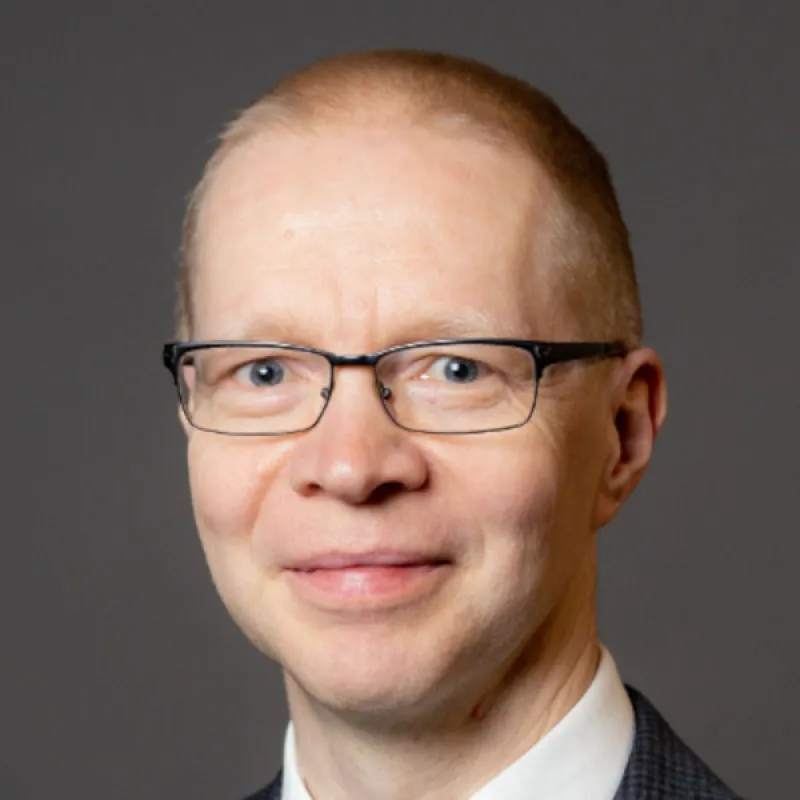
Hector Vives AriasView profile
Researcher
Dr. Hector Vives Arias is a researcher in the Department of Astronomy at the University of Valencia, specializing in gravitational lensing applications to astrophysics and cosmology. His work focuses on high-resolution studies of quasars, active galactic nuclei (AGN), and cosmic structures using cutting-edge observational techniques. Education: PhD in Gravitational Lensing: the Structure of Quasars and Galaxies (2016), Universitat de València, supervised by Dr. José Antonio Muñoz Lozano. Research Focus: Vives Arias leverages gravitational lensing as a natural telescope to probe micro-arcsecond structures in distant objects. His research integrates multi-wavelength observations (radio to infrared) to investigate accretion disk physics, AGN outflows, and dark matter properties. Key methodologies include: Strong and microlensing analysis of lensed quasars ALMA/VLA submillimeter and radio imaging High-resolution spectroscopy of molecular gas Cosmological constraints from microlensing statistics Multi-epoch monitoring of variable sources Publication Trends: His recent work (2019-2024) demonstrates increasing use of ALMA for molecular structure mapping in AGN tori (e.g., NGC 1068) and primordial black hole constraints via quasar microlensing. A consistent theme is exploiting gravitational lensing to achieve resolutions unattainable by conventional telescopes, particularly for sub-microJy radio sources. Scientific Awards: No awards documented in provided materials Advising and Grants: No student supervision or grant information is mentioned in available records. His research appears institutionally supported through University of Valencia affiliations and telescope time allocations. Research Group: Active member of the "Lensing: Gravitational Lensing: A Tool for Cosmology and Astrophysics" group, collaborating on projects involving CanariCam, VLA, and ALMA observations of lensed systems.