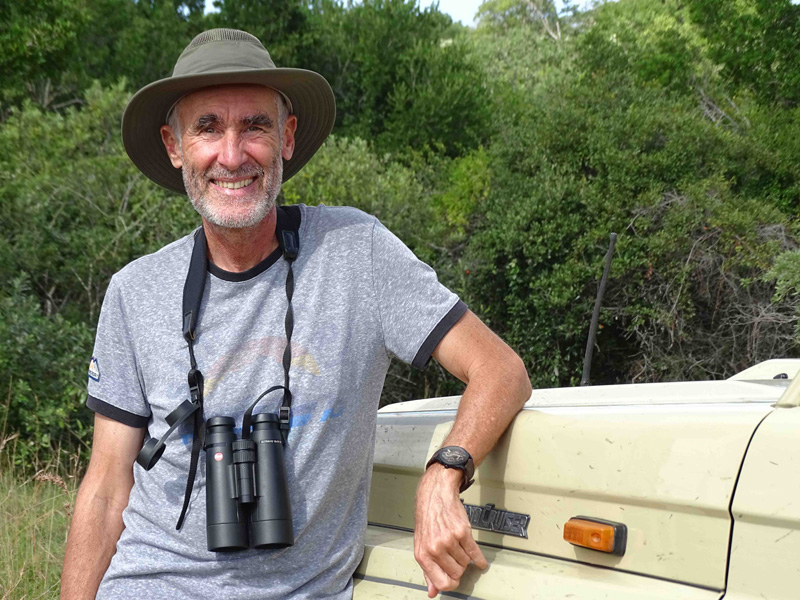
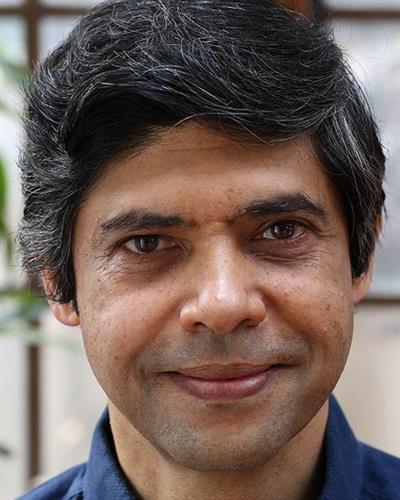
Nicolas Mathevon is a Professor at the University of Saint-Etienne and a Senior Member of the Institut universitaire de France (IUF). His research focuses on bioacoustics and animal communication, spanning from marine mammals to birds. He has held visiting positions at Hunter College (City University of New York) and the University of California, Berkeley. Education Habilitation à diriger les Recherches (2002, University of Saint-Etienne) PhD (1996, University of Lyon 1) Master's Degree (ranked 2nd, University of Lyon 1) Agrégation in Life and Earth Sciences (ranked 8th) Mathevon's research explores how animals use sound for social interactions, mate selection, and environmental adaptation. His work bridges bioacoustics, neuroethology, and behavioral ecology, with a focus on decoding vocal signals' complexity. His publications cover diverse topics including animal soundscapes, vocal memory in seals, and neural encoding of communication calls. The articles highlight interdisciplinary approaches combining neuroscience, behavioral studies, and acoustic signal analysis. Scientific Awards Prose Award for Excellence in Biological and Life Sciences, AAP (2024) Chevalier des Palmes Académiques (2017) IUF Senior Member (2015-present) IUF Junior Member (2005-2010) Mathevon has supervised 17 PhD students, 10 postdocs, and contributed to public outreach through media, documentaries, and public lectures. He leads the International Master of Bioacoustics program and serves as President of the International BioAcoustic Society.
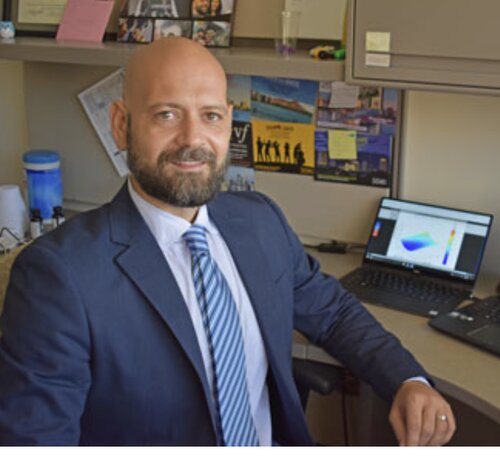
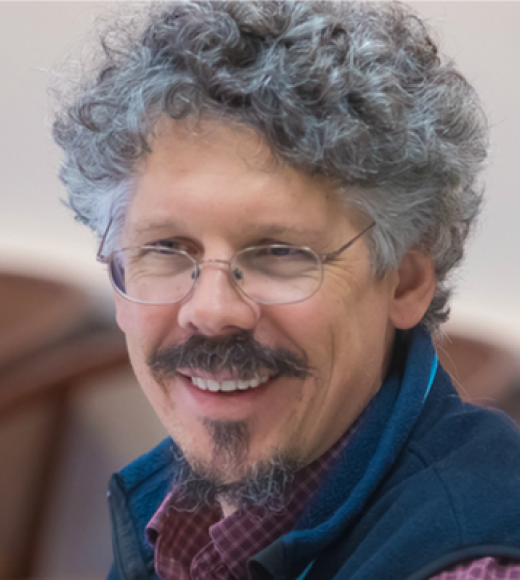
Pasquale Bottalico serves as Associate Professor in the Department of Speech and Hearing Science at the University of Illinois, with dual appointments as Associate Professor at the Center for Latin American and Caribbean Studies and Affiliate Faculty in the School of Music. His unique interdisciplinary profile bridges engineering, music performance, and speech science, reflecting his dual academic training and professional artistry. His educational foundation includes: Bachelor's in Telecommunications Engineering from Univeristà Mediterranea di Reggio Calabria, Italy Concurrent Opera Singing degree from F. Cilea Music Academy, Reggio Calabria Master's in Telecommunications Engineering from Politecnico di Torino, Italy Ph.D. in Metrology specializing in acoustics measurement uncertainty and classroom acoustics Dr. Bottalico's research centers on vocal load quantification and professional voice techniques , with significant contributions to understanding vocal fatigue in teachers and singers. His work spans Speech Intelligibility in educational environments, Room Acoustics for performance and learning spaces, and Musical Acoustics of historical vocal styles. A distinctive thread throughout his research examines how acoustic conditions modulate voice production and perception, increasingly incorporating virtual reality and bone conduction technologies for innovative assessment and intervention approaches. His Colombian vocal health study demonstrates cross-cultural applications of his work. Analysis of his 2023-2025 publications reveals three dominant research trajectories: (1) The impact of noise and dysphonia on children's speech processing in educational settings, using multimodal assessment including EEG; (2) Virtual reality applications for voice production research and therapeutic intervention; (3) Cross-cultural validation of vocal fatigue metrics and development of biofeedback systems. His work consistently bridges engineering precision with clinical applicability, particularly for professional voice users in challenging acoustic environments. No scientific awards were documented in the available information. While specific advising relationships aren't detailed, his research collaborations span international institutions including Colombian and Italian universities, suggesting graduate mentorship in interdisciplinary projects. No grant information was provided, though his systematic reviews and cross-cultural studies imply externally funded research activities. Though no dedicated laboratory is specified, his virtual reality voice studies and acoustic parameter assessments suggest affiliations with audio engineering facilities and voice clinics, likely through the Speech and Hearing Science department's research infrastructure.
Nicolas Mathevon is a Professor at the University of Saint-Etienne, with a focus on Animal Behavior and Bioacoustics . He currently serves as Director of Studies at Ecole Pratique des Hautes Etudes and leads the ENES Team . His research explores acoustic communication across diverse species, including crocodiles, seals, penguins, and humans, with particular emphasis on vocal recognition, signal evolution, and neurobiological underpinnings. Major collaborations include Dr. T. Aubin (CNRS), Dr. I. Charrier (marine mammals), Dr. N. Grimault (crocodilian bioacoustics), and Prof. D. Reby (human communication). He also co-edits a new book, The Voices of Nature , published by Princeton University Press. His recent work spans ecoacoustic monitoring for conservation, multi-modal communication in crocodiles, and cross-species analysis of distress signals in bonobos, chimps, and humans. Neurobiological studies include brain activation patterns in response to vocalizations and sound localization mechanisms in reptiles. Scientific Awards include senior membership in the Institut universitaire de France .
Suvi Saarikallio is a Professor of Music Education at the University of Jyväskylä, Finland , affiliated with the Faculty of Humanities and Social Sciences and the Department of Music, Art and Culture Studies . She leads interdisciplinary research bridging music psychology, education, and therapy, with a focus on youth development, emotion regulation, and well-being. Research Groups: Centre of Excellence in Music, Mind, Body and Brain (2022-2029), Musiconnect (2022-2027) Key Projects: Music and You, Stress & music listening, MPACT (Music and Sports), Music and Cross-modal Associations, SOSUS (Social Sustainability for Children) Research Trends: Her recent publications explore music's role in emotional regulation, cross-modal perception, health outcomes, and educational applications. Themes include AI's impact on music evaluation, rhythm's connection to cognitive skills, and music's influence on stress and social-emotional development. Contact: suvi.saarikallio@jyu.fi
Brian Roberts is a Professor at Aston University's School of Psychology within the College of Health and Life Sciences. His primary research focuses on auditory perception, particularly auditory scene analysis and speech perception. He holds a PhD in Experimental Psychology (Auditory Perception) from the University of Cambridge (1989) and has held academic positions at the University of Birmingham (1993-2001) and Aston University since 2005. His work explores perceptual grouping mechanisms, cochlear implant listening, and the neural bases of auditory phenomena. Affiliations: Cognition & Neuroscience Research Group (CNRG), Centre for Vision and Hearing Research Employment History: Reader at University of Birmingham (2001), Senior Lecturer (1999), Lecturer (1993) Research interests include auditory stream segregation, formant analysis, and the effects of stimulus properties on perceptual organization. He has collaborated internationally, including visiting appointments at Macquarie University (2019) and the University of British Columbia (2011). Notable achievements include being elected a Fellow of the Acoustical Society of America (2009). Recent publications investigate factors influencing stream segregation (2024), asymmetric timbre effects (2023), and lexical bias in consonant identification (2022). Current projects explore sudden changes in auditory stimuli and their impact on perceptual grouping. Grants & Funding: Extensive research grants supporting auditory perception studies (details not explicitly listed) Supervised Work: 4 documented supervisees, though names not provided Labs/Teams: Active in the Auditory Perception Laboratory at Aston University, focusing on psychophysical and computational modeling approaches.
Josh McDermott is a Professor in the Department of Brain and Cognitive Sciences at MIT and an Associate Investigator at the McGovern Institute. He holds roles as Associate Department Head and Principal Investigator of the Laboratory for Computational Audition. His work bridges psychology, neuroscience, and engineering to study auditory perception, with a focus on sound interpretation, hearing impairment treatments, and machine hearing systems. Education includes a B.A. from Harvard (summa cum laude), an MPhil from University College London, and a PhD from MIT. Postdoctoral training included NYU and the University of Minnesota. Research interests encompass computational principles of sound perception, natural sound statistics, music cognition, and machine hearing. Key areas include sound localization, auditory scene analysis, and the role of generative models in perception. Recent publications highlight advancements in auditory neural networks, cross-cultural music perception, and noise schema processing. Awards include the Troland Research Award, BCS Excellence in Advising, and NSF CAREER Award. Advising includes over 20 graduate students and postdocs, with notable contributions to auditory neuroscience and machine learning. Major grants support projects on auditory models and sensory systems. The lab develops tools like cochleagram generation and headphone screening software. The Laboratory for Computational Audition operates at MIT, focusing on biological and computational approaches to hearing. Collaborations span engineering, psychology, and neuroscience to advance understanding of auditory processing.
Stephen S. Hudson is an Assistant Professor of Music Theory at Occidental College. He holds a B.A. from the University of California, Davis, and a Ph.D. from Northwestern University. Appointed in 2022, he specializes in metal music studies and R&B/Soul harmony. Education: B.A., University of California, Davis; Ph.D., Northwestern University Hudson’s research focuses on embodied experiences of rhythm, timbre, and song form in metal music, as well as harmonic complexity in R&B and Soul. His work has been featured in Music Theory Spectrum , Metal Music Studies , and Current Musicology . Recent publications include articles on Drake’s harmonic loops and Meshuggah’s groove structures. He is authoring two books: Heaviness in Metal Music (Oxford University Press) and a study of Meshuggah’s riffs (Lever Press). As Vice President of the Pacific Southwest chapter of the American Musicological Society, he advocates for inclusive music theory pedagogy that extends beyond classical traditions. His teaching emphasizes tools for songwriters and producers. Hudson maintains an active interest in classical and baroque cello performance, reflecting his engagement with both historical and contemporary music practices.
Jennifer Beavers, Ph.D. , is an Associate Professor of Music Theory at the University of Texas at San Antonio (UTSA) in the College of Liberal and Fine Arts. Her research intersects early twentieth-century music analysis, timbre/orchestration studies, and music theory pedagogy, with a focus on Maurice Ravel’s compositions and curriculum innovation. Awarded Faculty Mentor Award for Undergraduate Research (2019) Co-founder of UTSA Music Theory Club initiatives Active presenter at Society for Music Theory , American Musicological Society , and College Music Society conferences Research Themes : Analytical approaches to Ravel’s neurological decline, timbre as structural marker, flipped pedagogy, and interdisciplinary collaborations. Her publications span journals like Music Theory Online and Indiana Theory Review , emphasizing timbral transformations and pedagogical innovation. Scientific Awards : Faculty Mentor Award for Undergraduate Research (2019) Teaching Contributions : Courses include Aural Skills , Basic Skills , 20th-Century Analysis , and graduate Research Methods . Her pedagogical research addresses improvisation, pitch-matching, and AP curriculum alignment.
Rita Aiello is an Adjunct Associate Professor in the Department of Psychology at New York University's College of Arts & Science. Her research focuses on the cognitive and perceptual processes involved in musical listening, with particular emphasis on neuroaesthetics, music learning, and memory. She holds an Ed.D. from Columbia University and has held faculty positions at institutions including the Juilliard School and the Manhattan School of Music. Her work bridges music theory, cognitive science, and education, with a lifelong background as a classical pianist. Education: Columbia University (Ed.D.), Manhattan School of Music (M.M., B.M.), Conservatorio San Pietro a Maiella (Diploma in Music Theory) Certifications: Kodály and Orff Methods Her research explores how musical training influences cerebral dominance, the relationship between mental representations and emotional responses to music, and the cognitive underpinnings of musical memory. She has published widely on topics ranging from musical expectation to pedagogical strategies for memorization. Recent work investigates evolutionary perspectives on singing and the psychological mechanisms behind musical communication. Publications reflect interdisciplinary engagement with music's structural rules, metaphorical dimensions, and its role in human cognition. While no specific grants or awards are listed, her extensive international teaching experience includes visiting roles at institutions in Rome and Lugano, Switzerland, and an honorary appointment at Columbia University's Teachers College.
Courtney N. Reed is a Lecturer in Digital Technologies at Loughborough University London, where she joined in November 2023. She maintains a dual role as a visiting research fellow at the Max Planck Institute for Informatics. Her academic journey includes a BMus in Electronic Production and Design from Berklee College of Music (2016), followed by an MSc (2018) and PhD (2023) in Computer Science from Queen Mary University of London. Prior to her current position, she completed postdoctoral research at both the Max Planck Institute for Informatics and King's College London. Bachelor of Music: Electronic Production and Design, Berklee College of Music (2016) Master of Science: Computer Science, Queen Mary University of London (2018) Doctor of Philosophy: Computer Science, Queen Mary University of London (2023) Dr. Reed's research explores the entangled relationships between humans, bodies, instruments, and technology in music interaction, with particular focus on vocal electromyography (VoxEMG) and the vocalist-voice relationship. Her work incorporates feminist and post-human theories to examine sociopolitical contexts within arts technology, aiming to design for creativity while acknowledging individual, messy bodies in artistic practice. She has developed an open-source platform for vocal electromyography to investigate how biosignal feedback changes understanding and perception of the body in vocal performance. Her interdisciplinary approach bridges music technology, human-computer interaction, and embodied interaction studies. Analysis of Dr. Reed's recent publications (2023-2025) reveals a strong thematic focus on embodied interaction in music technology, with particular emphasis on vocal performance, biosignal feedback, and the philosophical underpinnings of digital instrument design. Her work consistently integrates theoretical frameworks like Karen Barad's agential realism with practical applications in digital musical instruments. Key trends include the exploration of ambiguity in data representation, the sociocultural dimensions of timbre in instrument design, and the development of novel methodologies for understanding embodied musical experiences through micro-phenomenology and ethnographic approaches. ACM SIGCHI Outstanding Dissertation Award (2024) for her thesis 'Imagining & Sensing: Understanding and Extending the Vocalist-Voice Relationship Through Biosignal Feedback' Best Newcomer Award at Loughborough University London's Community Awards Celebration (2024) Dr. Reed actively contributes to the academic community through conference organization and leadership roles. She serves as Member-at-Large on the NIME Board, previously chaired papers for NIME 2024, and co-organized the IBM SkillsBuild Sprint at Loughborough London. She has also chaired sessions at the ACM TEI Conference and co-chaired the Student Design Competition. Her collaborative work spans multiple institutions and includes significant contributions to interdisciplinary projects that bridge music, technology, and human experience. She has been instrumental in developing the senSInt research group and the RaveNET wearable network project. Dr. Reed leads the senSInt research group which focuses on sensorimotor interaction in music and performance contexts. The group develops innovative technologies including the VoxEMG platform for vocal electromyography, the Bones anti-corset for vocal performance, and the RaveNET network of wearable biosensing nodes. These projects explore the intersection of biosignals, embodied interaction, and musical expression, creating novel frameworks for understanding how technology mediates human creativity and performance. The group frequently collaborates with musicians, technologists, and theorists to develop and test these systems in real-world performance contexts.
Theodore Levin serves as the Arthur R. Virgin Professor of Music at Dartmouth College, with significant international engagements including Senior Advisor to the Aga Khan Music Programme and former Executive Director of Yo-Yo Ma's Silk Road Project. His work bridges academic research and cultural advocacy across Central Asia and Siberia. His educational foundation includes a B.A. from Amherst College and both M.F.A. and Ph.D. degrees from Princeton University. Levin's research centers on ethnomusicological fieldwork examining the intricate relationships between sound, environment, and cultural identity among nomadic communities, with particular focus on spiritual practices and oral traditions along historical Silk Road routes. His publications reveal consistent thematic trajectories exploring musical preservation in rapidly changing societies, the ecological dimensions of sound production, and cross-cultural dialogue through artistic exchange. These works collectively document endangered traditions while analyzing their contemporary revitalization through international cultural development frameworks. As an educator, Levin teaches world music and American 'roots' music courses at Dartmouth, mentoring students in ethnographic methodologies. His professional activities extend to shaping global cultural policy through former leadership at Open Society Foundations' Arts and Culture sub-board, demonstrating sustained commitment to integrating arts into international development paradigms. Levin maintains active involvement with international initiatives including the Aga Khan Music Programme, where he contributes to preserving musical heritage across Muslim contexts through performance, education, and documentation projects that connect traditional artistry with contemporary creative expression.
Dr. Aniruddh Patel is Professor of Psychology at Tufts University's School of Arts and Sciences. His pioneering research program in music cognition examines the mental processes underlying music perception and production, with emphasis on music-language relationships, rhythmic processing, and cross-species studies. He employs diverse methodologies including brain imaging, behavioral experiments, and comparative research with nonhuman animals. Education includes a PhD in Organismic and Evolutionary Biology from Harvard University. Dr. Patel previously served as Senior Fellow at The Neurosciences Institute (2005-2012) and President of the Society for Music Perception and Cognition (2009-2011). He is currently Fellow in the Azrieli Brain, Mind, and Consciousness program at the Canadian Institute for Advanced Research. His research output focuses on evolutionary foundations of rhythm perception, cross-species comparisons of musicality, and neural mechanisms underlying auditory illusions and predictive processing, with recent expansion into clinical applications for neurodevelopmental disorders. Fellow, Azrieli Brain, Mind, and Consciousness Program (CIFAR)
Petr Janata is a Professor in the Department of Psychology at the University of California, Davis, and a faculty member at the UC Davis Center for Mind and Brain. His research centers on cognitive neuroscience of music, investigating neural mechanisms underlying music-evoked autobiographical memories and the experience of "groove." He serves on the Board of the Society for Music Perception and Cognition and co-founded the UC Music Experience Research Community Initiative (UC MERCI). Janata's educational background includes: Ph.D. in Biology (Neuroscience) from the University of Oregon (1996) B.A. in Interdisciplinary Studies (Biology/Psychology) from Reed College (1990) His research employs behavioral experiments, fMRI, EEG, and computational modeling to explore how music engages memory, emotion, and sensorimotor systems. Key projects examine music-evoked remembering, the psychology of groove, auditory attention mechanisms, and timbre-emotion links. His work reveals how music activates domain-general brain networks for expectation, memory, and emotional processing. Recent publications (2018-2025) show increasing focus on cross-cultural emotional responses to music, neural correlates of nostalgia, mental replay mechanisms, and clinical applications of music cognition. His lab develops innovative paradigms like the Groove Enhancement Machine (GEM) to manipulate sensorimotor synchronization while measuring subjective enjoyment. Janata's scientific recognition includes: Guggenheim Fellowship (2010) Dual Fulbright Fellowships (1990-91, 2010-11) Music Has Power Award from the Institute of Music and Neurological Function (2010) He has delivered over 100 invited lectures globally and served as scientific advisor to Coro Health LLC before founding Meamer, Inc. in 2017 to connect people through memories and music. His translational work bridges basic cognitive neuroscience with real-world applications in health and technology. The Janata Lab at UC Davis integrates neuroimaging, behavioral testing, and computational modeling to advance understanding of music cognition. Current projects explore lifespan neural changes in music processing, adaptive virtual partners for synchronization studies, and sonification systems for physiological monitoring.
Beatriz Naranjo Sanchez is a researcher at the University of Murcia, Spain, currently affiliated with the Translation, Didactics and Cognition research group and previously with the Translation, Lexicology and Writing Group. Her work bridges translation studies, cognitive psychology, and musicology through experimental methodologies. She earned her PhD from the University of Murcia in 2017 with the dissertation La influencia de la música sobre la calidad y la creatividad en traducción literaria (inglés-español, inglés-italiano) una aproximación estético-psicológica , supervised by Dr. Ana María Rojo López. Her research centers on psychological and emotional dimensions of translation processes, particularly examining how background music influences literary translation creativity, how anger affects decision-making with offensive content, and emotional processing in dubbing. She employs cognitive-experimental approaches to investigate narrative engagement, vocal qualities in emotionally charged scenes, and pandemic-related stressors on evaluative language translation. Analysis of her 2015-2023 publications reveals consistent focus on music-translation interactions and emotional variables, with methodological emphasis on laboratory experiments, psycholinguistic measurements, and cognitive assessments. Her work demonstrates interdisciplinary innovation through the fusion of aesthetic theory, cognitive science, and translation practice. Scientific awards: No awards documented in provided sources. Regarding advising and grants, while she supervises research within university groups, no specific students or funded projects were mentioned. Her institutional affiliation suggests collaborative research within translation psychology frameworks. She actively contributes to the Translation, Didactics and Cognition research group, which investigates cognitive-affective translation processes through experimental paradigms, likely involving lab-based studies on emotional and musical variables in professional translation contexts.
Professor Michael Clarke is a distinguished academic at the University of Huddersfield , serving as Director of IRiMaS (Interactive Research in Music as Sound) and holding leadership roles including former Dean of the School of Music, Humanities and Media and Dean of the Graduate School . His career spans over three decades at Huddersfield, where he has pioneered innovative software for music composition, pedagogy, and analysis. Education: PhD in Music (Durham University), MTC in Teaching (UCL Institute of Education) Clarke's research focuses on composition , particularly in live interactive works , and the development of software like Max/MSP for musicological analysis and sound synthesis. His work intersects with UN Sustainable Development Goals , emphasizing technological innovation in education and cultural preservation. Recent publications highlight his contributions to interactive aural analysis and fluid corpus manipulation tools. Clarke has secured major funding, including a €2.5m ERC Advanced Grant for IRiMaS and AHRC grants for collaborative projects. Awards include the National Teaching Fellowship (2011) and multiple European Academic Software Awards . Scientific Awards: National Teaching Fellowship (2011) European Academic Software Awards (record 3 wins) As a Principal Investigator , he has led projects with Prof Peter Manning and Dr Frédéric Dufeu, while actively supervising PhD students and contributing to REF assessments.