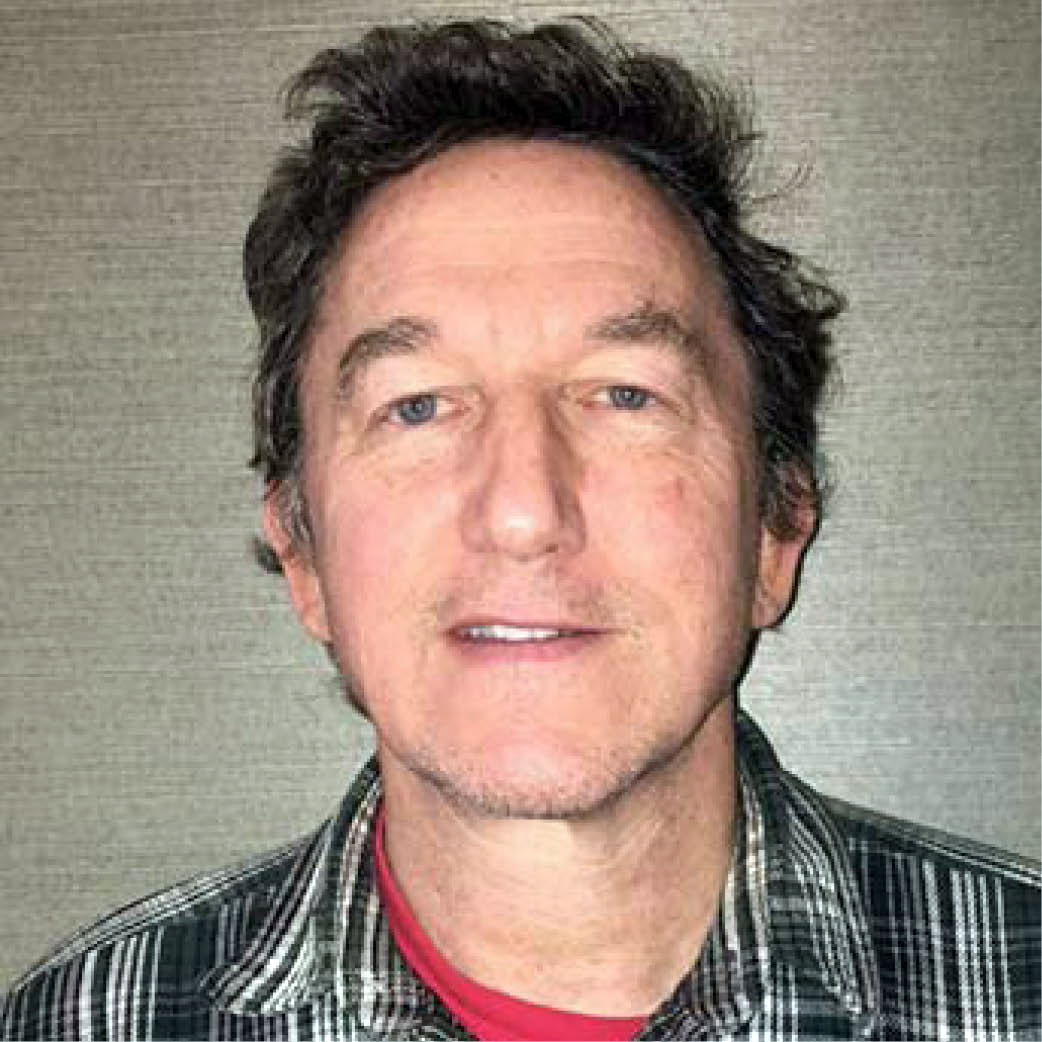
Michael Heben is a Distinguished University Professor and McMaster Chair at the University of Toledo , serving as Director of the Wright Center for Photovoltaics and Commercialization (PVIC). Affiliated with the Department of Physics and Astronomy within the College of Natural Sciences and Mathematics , his research focuses on synthesis and assembly of nanostructured materials for carbon-free energy technologies. Ph.D., California Institute of Technology Email: michael.heben@utoledo.edu Research Interests span photovoltaics, hydrogen storage, and semiconductor materials. Specific areas include: Scanning probe microscopies for material analysis Single-wall carbon nanotube (SWCNT) purification and applications ITO replacement with nanotube films Lithium batteries and ultracapacitors Natural gas purification membranes Hydrogenase-SWCNT biohybrids Article Trends emphasize: • Perovskite-CdSeTe tandems targeting 30%+ efficiency • Doping strategies (Bi, As, P) for voltage enhancement • 2D modeling of back-interface recombination • Space-qualified photovoltaics with lightweight substrates • Hydrothermal Sb2S3 absorbers nearing 800 mV • Ellipsometry-driven process calibration for thin-film uniformity
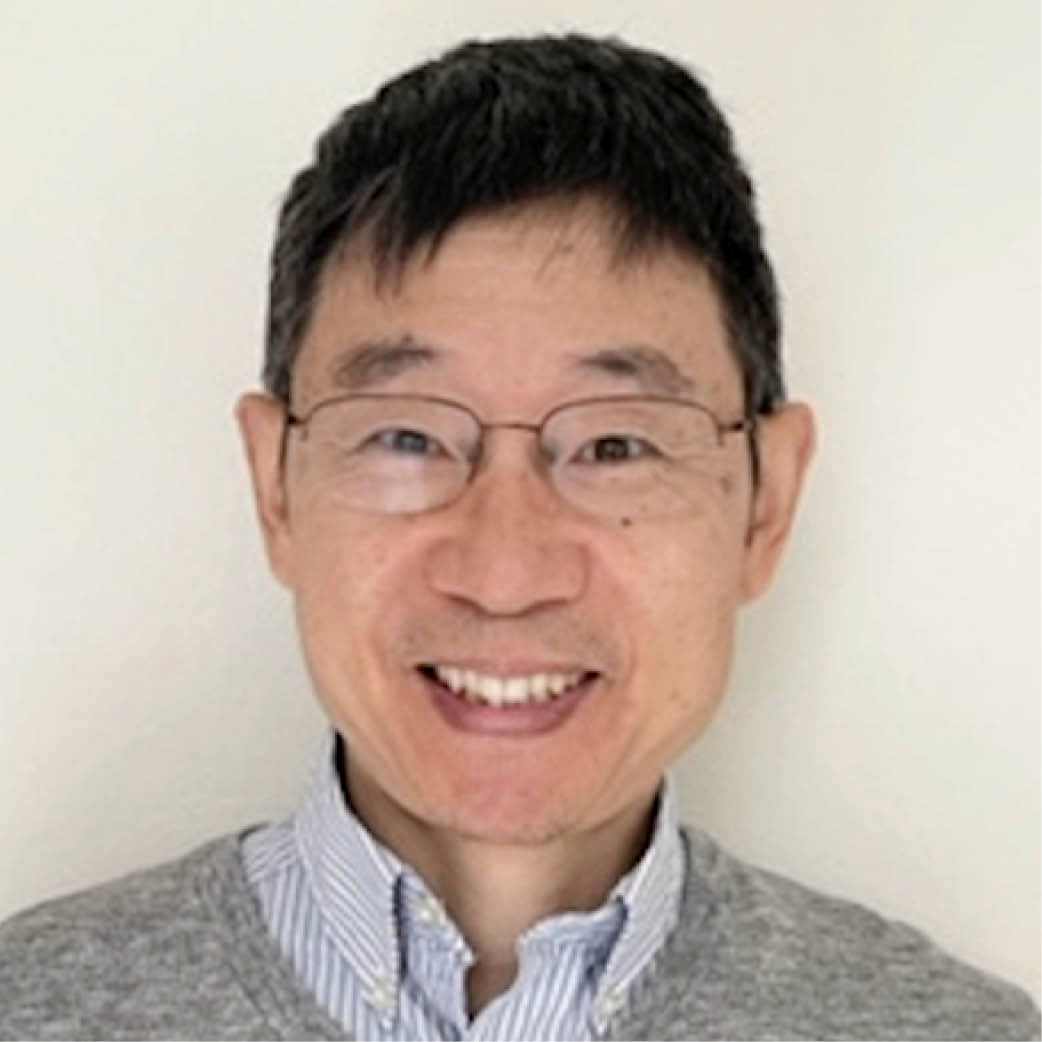
Dr. Yanfa Yan is a Distinguished University Professor and Ohio Research Scholar Chair in the Department of Physics and Astronomy at the University of Toledo, part of the College of Natural Sciences and Mathematics. He holds a Ph.D. from Wuhan University (1993). His research focuses on energy materials, particularly photovoltaics, including perovskite solar cells, hydrogen production, and thin-film solar cell technologies. He employs density functional theory (DFT), material synthesis, and device fabrication to advance sustainable energy solutions. Notably, his work on perovskite-based tandem solar cells has achieved record efficiency and voltage outputs. Dr. Yan has earned prestigious awards such as the R&D 100 Award and recognition as an American Physical Society Fellow. His contributions to the field include groundbreaking studies on perovskite stability, bifacial solar cell performance, and novel materials for photovoltaic applications. He leads a research team focused on scalable production, radiation tolerance, and environmental impact of solar technologies.
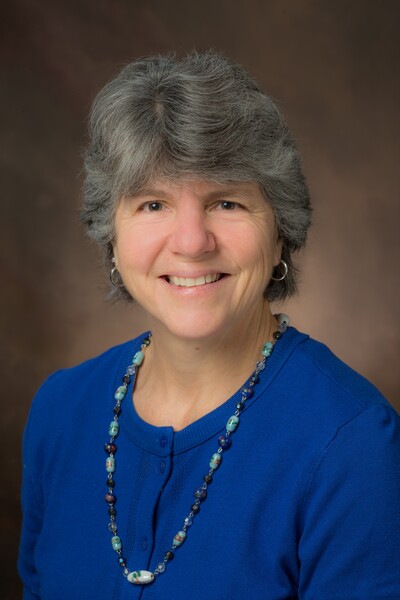
Dr. Asghar Kayani is a Professor of Physics and Chairperson of the Department of Physics at Western Michigan University. He also serves as the Director of the Tandem Van de Graaff Accelerator Laboratory, which supports research and instructional activities. Education: Ph.D., Physics, Ohio University, 2003 MPhil, Physics, Quaid-i-Azam University, Islamabad, Pakistan, 1994 Dr. Kayani is a condensed matter and surface science physicist specializing in advanced materials. His research focuses on nanoparticle synthesis and characterization, thin film fabrication, ion beam irradiation for material modification, and sustainable energy materials. The Tandem Van de Graaff Accelerator Laboratory under his oversight provides critical infrastructure for these studies. His academic leadership roles include Chairperson of the Physics Department and stewardship of major university research facilities.
Dr. Gaurab Rimal is an Assistant Professor of Physics in the Department of Physics at Western Michigan University. His research focuses on novel quantum material synthesis, electrical transport, and spectroscopy, with a specialization in condensed matter physics and thin film technology. He holds a Ph.D. in Condensed Matter Physics from the University of Wyoming (2017) and a B.S. in Physics from Truman State University (2011). Education: Ph.D., Condensed Matter Physics, University of Wyoming, 2017 B.S., Physics, Truman State University, 2011 Research Interests: Novel quantum material synthesis and characterization Electrical transport and spectroscopy Material and device engineering Thin film growth via molecular beam epitaxy Quantum phenomena in layered oxides and Dirac semimetals His recent work emphasizes strain-engineered electronic properties, terahertz spectroscopy of quantum materials, and magneto-optical responses in ultrathin films. He has pioneered studies on emergent magnetism in high-conductivity layered oxides like PdCoO₂ and developed new epitaxy techniques for complex oxides. His articles highlight advancements in thin film synthesis, superconductivity in kagome lattices, and tunable anomalous Hall effects. No scientific awards or advising students are explicitly listed in the provided materials. His research often involves collaborations on cutting-edge topics such as hyperbolic plasmons, Kondo effects, and oxygen vacancy engineering in materials like EuO₁₋ₓ.
Adam B Phillips is an Associate Research Professor in the Department of Physics and Astronomy at the University of Toledo, within the College of Natural Sciences and Mathematics. His research focuses on advancing photovoltaic technology, particularly in the areas of CdTe and perovskite solar cells, thin film materials, and nanomaterials for energy applications. He has published extensively on topics including solar cell efficiency optimization, material interfaces, and environmental impact assessments of photovoltaic technologies. His work emphasizes improving device performance through innovations in buffer layers, doping techniques, and surface engineering. Notable contributions include studies on copper-based hole transport layers, bifacial solar cell designs, and moisture-resistant perovskite devices. Phillips collaborates with researchers in materials science, chemistry, and engineering to address challenges in renewable energy materials. His publications span journals like Solar Energy Materials and Solar Cells , ACS Applied Materials & Interfaces , and Nano Energy , reflecting a strong focus on interdisciplinary research with practical applications in sustainable energy.
Tim Kowalczyk is a Professor in the Department of Chemistry at Western Washington University, affiliated with the College of Science and Engineering. His research focuses on computational strategies rooted in quantum mechanics to study organic materials combining light-absorbing and conducting properties, photostability models for dyes, and simulation frameworks for material degradation pathways. He holds a B.S. in Chemistry and Mathematics from the University of Southern California (2007) and a Ph.D. in Physical Chemistry from MIT (2012). Dr. Kowalczyk has held a JSPS Postdoctoral Fellowship at Nagoya University (2012-2014) and is a Visiting Scholar at the University of Tokyo (Fall 2024). He has received prestigious awards including the NSF CAREER Award (2019), Henry Dreyfus Teacher-Scholar Award (2023), and Cottrell Scholar Award (2018). His research group explores covalent organic frameworks (COFs), electronic properties of materials, and predictive modeling of material stability. He actively contributes to science education through initiatives like the Energy Ambassadors program and slide decks on diverse scientist role models. His work bridges theoretical chemistry with practical applications in energy materials and environmental chemistry. Lab and advising details include regular office hours and collaboration with students on computational chemistry projects. His contributions span software development (e.g., DFTB+ package) and interdisciplinary research in materials science, quantum mechanics, and environmental catalysis.
Martin Kordesch is Professor in the Department of Physics and Astronomy at Ohio University's College of Arts and Sciences, affiliated with the Nanoscale Quantum Phenomena Institute. Education includes a Ph.D. in Physics from Case Western Reserve University (1984), M.S. in Physics from CWRU (1980), and A.B. in Physics from University of Chicago (1978). Research focuses on microscopy of surfaces, amorphous/crystalline semiconductors, and metal-oxide cathodes. Publications emphasize nanomaterials characterization, thin-film technologies, and electron emission phenomena, with recent work in spectroscopy, semiconductor alloys, and nanostructured materials. Awards include Distinguished Summer Fellowship (ASEE), Max Planck Fellowship, and Weston Fellowship. Professional associations include American Physical Society, American Vacuum Society, and Materials Research Society.
Jason S. Matthews is an Associate Professor of Chemistry at Howard University, where he chairs the Natural Science Division. His academic journey began with a B.S. in Chemistry from Howard University (1994) and continued with a Ph.D. from Georgia Institute of Technology (1999). Prior to joining Howard University in 2001, he worked as a Senior Chemist at Union Carbide Corporation's Catalyst Skills Center in Charleston, WV. Ph.D., Georgia Institute of Technology (1999) B.S., Howard University (1994) Matthews' research focuses on the synthesis and evaluation of MOCVD precursors for advanced materials, allosteric effectors for hemoglobin modulation, and polymerization catalysis. His expertise spans Materials Chemistry , Organometallic Chemistry , and Organic Chemistry , with a particular emphasis on zinc-based coordination compounds. The publication trends highlight advancements in crystallographic analysis (2019–2022) and recent breakthroughs in hemoglobin-targeted allosteric effectors (2023). His work intersects MOCVD , Catalysis , and Structural Characterization of metal-organic systems. Graduate Students: Olamide Onakoya, PhD (2007) – Bayer Material Science Tantiboro Ouattara, PhD (2006) – Brewer Science, MO Tigist Kassa, PhD (2012) – FDA, White Oak MD Courtney Cunningham, MS (2012) – EKA Chem, Bahamas Keneshia Johnson, PhD (2013) – Alabama A&M University Oluwaseun Falola, PhD (2015) – EPA Abu Kamara, PhD (2017) – South Carolina State University Nyesa Enakaya, PhD (2023) – Trinity Washington University Jaden Rouse, BS (2022) – Bucknell University
Brian Mazzeo is a Professor in the Department of Electrical and Computer Engineering at Brigham Young University's Ira A. Fulton College of Engineering. His research develops measurement systems for materials characterization in civil infrastructure, Li-ion batteries, and agriculture. Education: Ph.D. from Cambridge University (UK), B.S. from MIT. Research Focus: Non-destructive evaluation of concrete bridge decks using impedance scanning Microscale characterization of battery electrode films Electrical capacitance measurements for plant health assessment RF microfluidic interferometer design Recent Publications: His work spans battery electrode heterogeneity analysis, impedance spectroscopy, and sensor development for infrastructure and agricultural applications.
Venu G Varanasi is an Associate Professor at The University of Texas at Arlington in the College of Nursing and Health Innovation, with additional appointments in Bioengineering, Kinesiology, and Materials Science and Engineering. His research focuses on developing innovative biomaterials and 3D bioprinting technologies for bone and tissue regeneration. Dr. Varanasi received his PhD in Chemical Engineering from the University of Florida in 2004, with work conducted in partnership with Oak Ridge National Laboratory. He completed postdoctoral training at the University of California, San Francisco and Lawrence Berkeley National Laboratory before joining Texas A&M Health Science Center as an Assistant Professor. In 2018, he moved to UT Arlington where he continues his research on biomaterials for regenerative medicine. His research program centers on "in situ bioprinting" - a technique that allows for direct printing of regenerative materials into tissue defects. This approach uses biopolymers like gelatin and FDA-cleared nanoparticles to create scaffolds that facilitate natural bone healing without the need for secondary revision surgeries. His work spans materials fabrication, biomanufacturing tool development, and understanding the mechanisms that trigger rapid tissue healing. Dr. Varanasi has secured significant funding for his research, including multiple NIH grants, an NSF grant, industry funding, and foundation support. His laboratory has generated four inventions with three patents and one provisional filing. His research has resulted in over 35 peer-reviewed publications, book chapters, and patents. Senior Member Induction to the National Academy of Inventors (2024) University Award for Outstanding Research Achievement (2024) First Prize Pitch Competition, Bio North Texas (2022) Inductee, National Academy of Inventors (2022) NIH K25 career development award (2007) Dr. Varanasi actively mentors graduate students across multiple departments and serves on numerous university committees related to research, innovation, and commercialization. He teaches courses in Genomics and Nanotechnology in Health Care, Research Design, and Orthopaedic Biomaterials, bridging engineering principles with clinical applications.
Dr. Ye Cao is an Associate Professor in the Department of Materials Science and Engineering at The University of Texas at Arlington (UTA). He holds a B.S. and M.S. from Shanghai Jiao Tong University and a Ph.D. from Pennsylvania State University. Before joining UTA, he was a Postdoctoral Researcher at Oak Ridge National Laboratory. University: The University of Texas at Arlington Department: Materials Science and Engineering Academic Rank: Associate Professor (since 2024) His research focuses on phase-field simulations, multi-scale modeling of energy storage materials, resistive switching in memristors, and ferroelectric domain dynamics. Key projects include modeling lithium metal battery dendrite inhibition, solid-state electrolytes, and ferroelectric oxide properties. Dr. Cao has secured grants from the National Science Foundation (NSF) and American Chemical Society (ACS), totaling over $8 million. He has authored/co-authored over 60 peer-reviewed articles in journals like Nature Materials , Nature Communications , and Advanced Materials . Key Awards: STARs Award, UT System (2017) Silver Medal in Phase-field Symposium (2014) Robert E. Newnham Award (2013) He advises graduate students and postdocs in topics ranging from battery materials to computational modeling. Teaching includes courses like Computational Materials Science and Phase Transformations . Dr. Cao collaborates on interdisciplinary projects, including the UTA/NU Partnership for Functional Materials. His lab focuses on translating computational insights into practical energy storage and electronic devices.
Dr. Yaowu Hao is a Professor in the Department of Materials Science and Engineering at the University of Texas at Arlington. He holds joint appointments in both Materials Science and Engineering and Bioengineering departments. His academic journey began with a BS and MS in Metal Physics and Chemistry from the University of Science and Technology in Beijing, followed by an MS in Materials Science and Engineering from the University of Florida, and culminated with a PhD in Materials Science and Engineering from MIT in 2003. After completing a postdoctoral fellowship at Johns Hopkins University, he joined UT Arlington in 2005, progressing from Assistant Professor to Associate Professor and ultimately to his current position as Professor since 2018. Dr. Hao's research focuses primarily on nanomedicine, with specific interests in plasmonic metal and semiconductor nanoparticles for biomedical imaging and drug delivery applications, as well as radioactive copper-based inorganic nanoparticles for biomedical imaging and therapeutic applications. His work spans nanotechnology, nuclear medicine, plasmonics, and magnetic materials, with a strong emphasis on developing novel nanomaterials for cancer diagnosis and treatment. His laboratory has made significant contributions to the fields of hollow nanoparticles, surface-enhanced Raman scattering (SERS) substrates, and nanotheranostic agents. Analysis of Dr. Hao's recent publications reveals a consistent focus on nanomaterial synthesis and biomedical applications. His work demonstrates expertise in creating various nanostructures (gold, silver, tungsten disulfide) with specific morphologies for targeted applications, particularly in cancer therapy and diagnostics. There's a clear progression from fundamental nanomaterial synthesis to increasingly sophisticated theranostic applications, with recent work focusing on radiolabeling strategies, improved memory devices, and advanced SERS substrates for sensitive detection. US patent 9,040,157: Hollow nanoparticles and nanocomposites and methods of making hollow nanoparticles and nanocomposites (issued May 26, 2015) US patent 9,801,962 B2: Radioactive nanoparticles and methods and using of the same (issued October 31, 2017) Dr. Hao has mentored numerous graduate students through their PhD and MS research projects, with current advisees including Christopher Pickering, Aseem Athavale, Shahab Ranjbar Bahadori, and Ryan Hart. His research has been generously supported by multiple federal grants from NIH and NSF, as well as state funding from organizations like the Cancer Prevention & Research Institute of Texas. Current major projects include "Radiotherapeutic Nanoseeds for Internal Radiation Therapy of Unresectable Solid Tumors" (NIH-funded) and "Collaborative Research: Hollow Nanoparticle Synthesis" (NSF-funded). Dr. Hao leads the Hao Research Group, which focuses on developing novel nanomaterials for biomedical applications. The group maintains strong collaborations with researchers in bioengineering and oncology, particularly in developing nanotheranostic agents for cancer treatment. Current projects involve radioactive nanoseeds for glioblastoma treatment, renal clearable nanoparticles, and advanced SERS substrates for sensitive molecular detection.
Dr. Jiechao Jiang is a Research Professor in the Department of Materials Science and Engineering at The University of Texas at Arlington (UTA), serving as the facility manager of the UTA Characterization Center for Materials and Biology (CCMB). He holds a Ph.D. in Material Physics from the University of Science and Technology Beijing (1992) and a BS in Metal Physics from Northeastern University, China (1987). His research focuses on advanced materials characterization using electron microscopy techniques, microstructure analysis of thin films, and nanomaterials engineering. Education: PhD, Material Physics, University of Science and Technology Beijing, 1992 BS, Metal Physics, Northeastern University (China), 1987 Research Interests: Dr. Jiang specializes in analytical TEM, high-resolution TEM, STEM, and in-situ TEM for studying advanced functional materials. His work encompasses microstructure characterization of epitaxial thin films, self-assembled nanostructures for electronics, and materials degradation mechanisms. He has extensive expertise in SEM, XPS/Auger, and AFM for surface analysis. Grants & Awards: Recipient of NSF grants and Texas Higher Education Coordinating Board funding for projects on functional materials and coatings. Awards include the Outstanding Ph.D. Thesis Award (1993) and Baogang Scholarship (1992). Labs & Teams: Leads the UTA Characterization Center, a facility housing state-of-the-art microscopy and analytical tools for materials research. Active in the Texas Microscopy Society, previously serving as its President.
Dr. Muhammad N. Huda is a Professor in the Physics Department at The University of Texas at Arlington. His research focuses on theoretical and computational condensed matter physics, with emphasis on strongly correlated f-electron systems and metal oxides for solar energy conversion. Previously, he was a research associate at the National Renewable Energy Laboratory (NREL) and a postdoctoral fellow at UT Austin. He has authored approximately 100 journal publications (h-index 31) and secured significant external funding from NSF, DOE, and Welch Foundation. Education: Ph.D. in Physics, University of Texas at Arlington (2004) M.S. in Applied Mathematics, University of Cambridge (1997) M.Sc. in Physics, University of Dhaka (1996) B.Sc. in Physics, University of Dhaka (1994) Research Interests: Dr. Huda's work combines density functional theory (DFT) and computational methods to design novel materials for renewable energy applications. Key areas include: Photovoltaic and photoelectrochemical materials Metal-oxide semiconductors for solar fuel generation Electronic structure of strongly correlated systems Phase stability predictions and defect engineering Quantum mechanical modeling of nanoscale systems Publication Trends: Recent articles demonstrate a strong focus on computational design of solar energy materials, including quaternary metal oxides, chalcogenides, and sensitizers. Common themes include bandgap engineering, polaron formation effects, surface/interface properties, and thermodynamic stability of photovoltaic materials. DFT+U methods are consistently employed to address electron correlation in transition metal and rare-earth systems. Awards and Honors: Vebleo Fellow (2021) Member, Royal Society of Chemistry (2021) Sigma Xi Honor Society (2020) Cambridge Commonwealth Trust Fellow (1997) Multiple student research awards (ACES, APS) IOPSELECT recognized publications (2012, 2015) Advising and Grants: Dr. Huda has supervised 12+ PhD students and secured over $1M in external funding. Key grants include: NSF RET Site: Sustainable Infrastructure ($596K, 2021-2024) DOE/NSF collaborations on solar materials ($180K-$250K) Welch Foundation grants for actinide research ($75K) LANL sub-contract for plutonium studies ($19K, 2021-2026) He currently advises graduate students in computational materials physics and solid-state theory. Research Group: Leads a computational materials group focusing on renewable energy materials. Collaborates with national labs (NREL, LANL) and international institutions. Current projects include polaron dynamics in metal oxides, f-electron systems, and high-throughput materials discovery for photovoltaics.
Catherine Almquist, Ph.D., is a Professor in the Department of Chemical, Paper, and Biomedical Engineering at Miami University, affiliated with the Institute for the Environment and Sustainability. She joined Miami University in 2001, progressing from Assistant Professor to Professor. Her research focuses on environmental catalysis, photocatalysis, and adsorption technologies, with emphasis on pollution prevention and waste-to-value strategies. She holds a Ph.D. in Environmental Engineering from the University of Cincinnati (2001), an MS in Chemical Engineering (1997), and a BS from Ohio State University (1989). Her education includes: Ph.D., Environmental Engineering, University of Cincinnati (2001) M.S., Chemical Engineering, University of Cincinnati (1997) B.S., Chemical Engineering, Ohio State University (1989) Research interests span environmental catalysis and adsorption, with projects including novel adsorbents for fuel vapor recovery, CO₂ reforming of methane, and photocatalytic destruction of pollutants. She has authored ~30 peer-reviewed articles and one U.S. patent. Dr. Almquist actively mentors students in engineering education and research, contributing to AICHE, TAPPI, and ACS. Her recent articles highlight advancements in photocatalytic devices for fuel vapor control, PFAS removal via membrane-assisted extraction, and catalyst development for VOC oxidation. She has presented at conferences like the International Conference on Semiconductor Photocatalysis and the Clean Energy Alliance of Ohio. Dr. Almquist’s work bridges academia and industry, with experience at Battelle Memorial Institute (1990–1997) and Dow Corning (1989–1990). Her lab focuses on sustainable technologies, including anaerobic digestion of organic waste and mercury adsorbent synthesis from paper sludge.