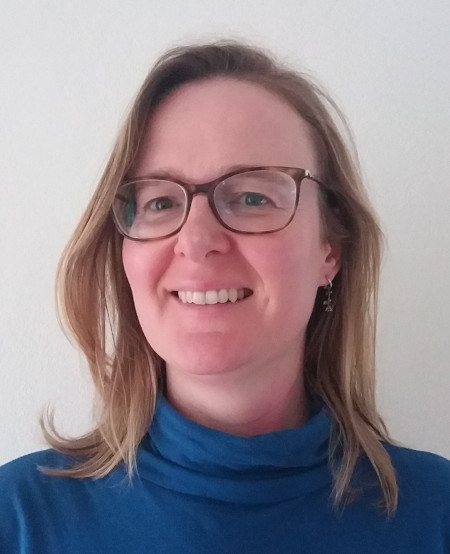
Irene Taurino is an Assistant Professor (tenure track) in the Faculty of Engineering Science at KU Leuven, affiliated with the Department of Physics and Astronomy and the Department of Electrical Engineering (ESAT). She leads the Laboratory of Electrochemical Materials and Bio Interfaces (eMATI), focusing on nano- and microtechnologies for biomedical applications. Her work emphasizes developing advanced electrochemical systems for therapeutic and sensing purposes, including biodegradable platforms and stretchable substrates. Research Interests: Electrochemistry, Nanotechnology, (Bio)sensing, Drug delivery, Bimetals/Metal Oxides, and Smart materials. Projects include HumiPlast (plant transpiration sensors), QuantPAH (firefighter health monitoring), and TALENT (thin-film deposition technologies). She holds leadership roles in Leuven One Health, LIMNI, and the Plant Institute. Advising & Grants: Promotes/Co-promotes 10+ projects on biosensors, CO2 electroreduction, and smart farming. Key roles in funding initiatives like EU Horizon and industry partnerships. Labs/Teams: Heads eMATI, fostering interdisciplinary research in bioelectronics and soft materials. Emphasizes creativity and translational research from fundamental science to practical applications.
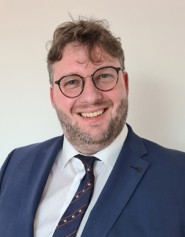
Hans Steenackers is an Associate Professor at the Faculty of Bioscience Engineering, KU Leuven, where he leads the MICA Lab within the Department of Microbial and Molecular Systems. His research focuses on innovative antimicrobial strategies targeting microbial communities, including socio-active, anti-resistance, and observation-guided approaches. Key research areas include biofilm dynamics antimicrobial resistance evolution in situ microbial monitoring Salmonella Typhimurium pathogenesis anti-virulence therapies His recent publications highlight advancements in biofilm inhibition, triggered antimicrobial release systems, and evolutionary robustness of probiotics. The majority of his work involves interdisciplinary collaborations, particularly in projects like TARDIS, ULTiMatE-MS, and MICROTUNe, with a focus on translating fundamental research into clinical applications. As an educator, he teaches advanced courses in microbial physiology, biofilm research, and applied biotechnology. The MICA Lab actively partners with academic and industrial stakeholders in initiatives such as the Flemish Scientific Research Network on Biofilms and the Bioclean H2020 project.
Jean-Michel Dogné is a full Professor at the Faculty of Medicine, University of Namur, where he leads research in clinical pharmacology and toxicology. He is affiliated with several key research centers including the Namur Medicine & Drug Innovation Center, the Namur Thrombosis and Hemostasis Center, and the Namur Nanosafety Center. His work is integral to the Namur Research Institute for Life Sciences and he actively contributes to EU-level pharmacovigilance through his role in the EMA's PRAC committee. Education: Doctor of Pharmacy, Université de Liège (2000), Thesis: Drug design and development His research focuses on anticoagulant therapy, thrombosis, drug safety, and personalized medicine , with strong emphasis on clinical applications in cancer and infectious diseases. He has led major projects such as COVILAB (on COVID-19) and studies on BCR-ABL inhibitors in leukemia. His work often involves systematic reviews, meta-analyses, and biomarker discovery, contributing to evidence-based medicine. The 15 most recent publications reflect a sustained focus on thrombosis in oncology, pharmacovigilance, anticoagulants, and pandemic research , with increasing integration of regulatory science and model-informed drug development. His work spans clinical trials, laboratory investigations, crystallography, and public health policy , demonstrating a multidisciplinary approach to pharmaceutical innovation. Scientific Awards: Prix Léo Pharma Cancer & Thrombosis (2017) Jean-Michel Dogné has supervised over 40 students and researchers, contributing significantly to training the next generation of clinical pharmacologists. He has secured numerous national and international grants, particularly in the areas of drug safety and thrombosis. His collaborative network is extensive, involving institutions across Europe and participation in EU-level regulatory bodies. He is a key member of the Clinical Pharmacology Research Group and leads major initiatives such as the MP-EMA project. His team operates within state-of-the-art facilities at the University of Namur, focusing on translational research from bench to bedside.
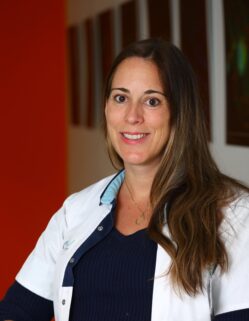
Vanessa Vermeirssen is a Research Professor at Ghent University , leading the Computational Biology, Integromics and Gene Regulation (CBIGR) Laboratory and affiliated with the Cancer Research Institute Ghent (CRIG) . Her work focuses on unraveling disease mechanisms through bioinformatics, systems biology, and multi-omics integration. Specializes in gene regulatory networks , network inference , and machine learning Key application areas: neuroblastoma , glioblastoma , Alzheimer's disease , and neuroinflammation Develops tools like HTSplotter for high-throughput data analysis Research trends combine single-cell transcriptomics , multi-omics modeling , and personalized medicine approaches. Her lab applies network biology to identify therapeutic targets in complex diseases. Active in radiation-induced developmental defects and electroceutical therapies (e.g., vagus nerve stimulation) Investigates stress response networks in plants and humans
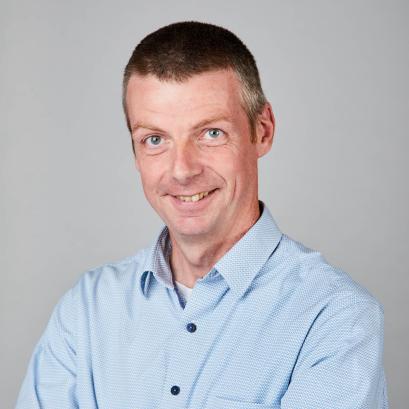
Jan de Hoon serves as a full Professor at KU Leuven's Faculty of Medicine within the Department of Clinical Pharmacology and Pharmacotherapy. He holds dual leadership roles as Head of both the Subdivision and Division of Clinical Pharmacology, and is an active member of the Department of Pharmaceutical and Pharmacological Sciences. His institutional affiliations include membership on the Ethics Committee for Research at UZ/KU Leuven, the Council of the Faculty of Medicine, the POC Geneeskunde, and the Departmental Council. His research centers on TRP channel mechanisms in pain pathways and chemotherapy-induced peripheral neuropathy (CIPN), with significant translational focus from bench to bedside. Key projects include Targeting TRP channels to relief pain (2023-2027) and TRP - Tackling the Roots of Pain (2021-2025). His recent publications demonstrate expertise in neurovascular pharmacology, PET ligand development, and vascular biomarkers for TRP channel functionality. Analysis of his 2024-2025 publications reveals strong emphasis on TRP channel subtypes (TRPA1, TRPV1, TRPM3) in pain mechanisms, vascular readouts for drug effects, and translational models bridging preclinical findings to clinical applications in oncology and neurology. His work frequently employs human tissue studies, healthy volunteer trials, and cancer patient cohorts. As an academic leader, he supervises doctoral candidates including H. Marynissen (2024 thesis on TRP channels in CIPN) and contributes to medical education through courses in Pharmacology, Pharmaceutical Medicine, and Internal Medicine supplements. His research is supported by multiple active grants focusing on TRP channel therapeutics and biomarker development.
Peter Verwilst is an Associate Professor at the Medicinal Chemistry division of the Rega Institute for Medical Research , part of KU Leuven 's Department of Pharmaceutical and Pharmacological Sciences. He leads projects in allosteric modulation of enzyme targets , fluorescent markers for neurodegenerative diseases , and novel antimicrobial development , particularly focusing on Gram-negative bacteria and HIV-related therapies. His research integrates computational modeling , chemical synthesis , and fluorescent probe design . He supervises PhD students including Margaux Billen , Eline Goffin , and Radu Bulai , and collaborates with institutions like Masaryk University and the Institut Pasteur de Lille. Current projects explore CCR5 signaling modulators , PurK inhibitors , and DNA-Encoded Libraries for P. aeruginosa antibiotics. Scientific awards include supporting students like Radu Bulai in obtaining FWO PhD Fellowships . His teaching includes Organische chemie I & II and Medicinale chemie courses. The lab recently celebrated securing a C1 grant and welcomes international collaborations.
Roman Vangoitsenhoven serves as an Assistant Professor at KU Leuven's Faculty of Medicine within the Department of Chronic Diseases and Metabolism. He leads the Subdivision Metabolic unit at the Clinical and Experimental Endocrinology research group (UZ Herestraat 49, box 7003, 3000 Leuven) and holds membership in both the Council of the Faculty of Medicine and the Council of the Department of Chronic Diseases and Metabolism. His research focuses on obesity and diabetes, with particular emphasis on GLP-1 based pharmacotherapy , bariatric surgery outcomes , and cardiometabolic health optimization . Current projects investigate neuropsychobiological approaches to patient selection for weight management therapies, de novo serine biosynthesis in obesity-related cardiac dysfunction, and data-driven interventions for type 2 diabetes management in diverse populations including low-income settings and urban Uganda. Analysis of his 2025 publications reveals a strong thematic concentration on translational obesity research , with recurring subfields spanning pharmacotherapy mechanisms, surgical outcomes, nutritional interventions, and metabolic monitoring technologies. His work demonstrates consistent collaboration across European institutions with significant contributions to clinical guidelines development. Member of Faculty of Medicine Council Member of Department of Chronic Diseases and Metabolism Council Dr. Vangoitsenhoven actively supervises multiple major research projects including a €2.3M ERC-funded study on GLP-1 pharmacotherapy optimization (2025-2029) and international collaborations on diabetes management in low-resource settings. His teaching portfolio includes advanced courses in clinical nutrition, disease mechanisms, and evidence-based medicine within KU Leuven's medical curriculum. He leads the Clinical and Experimental Endocrinology unit's metabolic research subdivision, directing a multidisciplinary team of 12 researchers focused on obesity-diabetes pathophysiology and therapeutic interventions. Current initiatives include the SABO cohort study on post-bariatric sarcopenia in elderly patients and development of digital health tools for personalized diabetes management.
LLewelyn Roderick is a full professor at the Department of Cardiovascular Sciences , Faculty of Medicine, KU Leuven. He leads the Experimental Cardiology unit and contributes to doctoral committees and faculty governance. Research focuses on calcium signaling microdomains, epigenetic regulation of cardiac growth, and arrhythmogenesis mechanisms. Projects include studies on obesity-induced cardiomyocyte dysfunction, hypoxia sensitivity in cardiac cells, and DNA methylation in aging hearts. Current initiatives investigate connexin-43 hemichannels, neutrophil extracellular traps, and 3D cardiac models for drug discovery. His work spans fundamental cardiovascular biology and translational approaches, including collaborations on immune-monitoring technologies and cardiac progenitor cell metabolism. Teaching contributions include advanced courses on epigenetics and cardiovascular biology.
Jonathan Douxfils is a Professor at the University of Namur, affiliated with the Namur Research Institute for Life Sciences and the Thrombosis and Hemostasis Center. His expertise lies in pharmacology, thrombosis, and anticoagulant therapies. He holds a Pharm.D. and Ph.D. from the University of Namur and a Master of Pharmacy from Université Catholique de Louvain. Key roles include CEO of Qualiblood, Co-Chairman of the International Society on Thrombosis and Hemostasis's SSC Control of Anticoagulation, and Pharmacovigilance Expert at the Federal Agency of Medicines and Health Products. His research focuses on anticoagulant safety, thrombosis risk assessment, and innovative diagnostic tools like the DOAC Dipstick. Notable awards include the Alfers Prize 2022, Eberhard F. Mammen Young Investigator Award 2019, and multiple recognition in hemostasis research. He leads projects such as NucleoGlio (glioblastoma diagnostics) and GT4HEALTH (gene therapy research). He has supervised 19 thesis works and contributed to over 436 research outputs. His work aligns with UN SDGs in health and innovation.
Dr. Olivia Gosseries serves as Director of the Coma Science Group and holds the position of Associate Professor at the University of Liège, where she also maintains her status as a FNRS Research Associate. Her academic journey began with a Bachelor's degree in Psychological and Educational Sciences from the University of Brussels in 2004, followed by a Master's with Neuropsychology expertise in 2007, and culminated in her PhD in Biomedical and Pharmacological Sciences from both the University of Liège and University of Brussels in 2012. Prior to her current position, she spent three years at the University of Wisconsin-Madison researching sleep and working memory. Dr. Gosseries' research program spans multiple dimensions of consciousness studies. Initially focusing on diagnosis and prognosis in disorders of consciousness using non-invasive brain stimulation and electrophysiology, her work has evolved to encompass therapeutic interventions for patients recovering from coma. Her current research investigates anesthesia mechanisms, coma memory, lucid dreaming, meditation, hypnosis, cognitive trance, and virtual reality applications to understand human consciousness more comprehensively. This multidisciplinary approach integrates clinical neurology, neuropsychology, and advanced neuroimaging techniques to address complex questions about consciousness states. Her extensive publication record of over 200 peer-reviewed articles in prestigious journals including Science, Lancet, Lancet Neurology, Annals of Neurology, and Brain demonstrates consistent scholarly productivity. The recent publications (2024-2025) reveal a clear trajectory toward exploring novel therapeutic approaches for disorders of consciousness, particularly investigating psychedelic compounds like psilocybin and ketamine, while maintaining strong methodological rigor through computational modeling, multimodal assessment techniques, and international collaborative studies. Her work bridges theoretical neuroscience with practical clinical applications, addressing both fundamental questions about consciousness and tangible improvements in patient care. As Associate Editor for Clinical Neurophysiology and Frontiers in Systems Neuroscience, Dr. Gosseries plays a significant role in shaping scholarly discourse in her field. She co-edited the second edition of 'Neurology of Consciousness' (Elsevier, 2015) and has reviewed for numerous scientific journals. Her leadership extends to organizing major conferences including Coma Day and Human Brain Project conferences on consciousness, fostering international collaboration in consciousness research. Dr. Gosseries actively supervises PhD students and leads the Coma Science Group at the University of Liège's GIGA research center. Her research has been supported by prestigious funding bodies including F.R.S.-FNRS, JSMF, MSF, EC, and Fundação BIAL. The Coma Science Group maintains an active presence in both academic and public spheres, with a mission to improve medical care for patients with disorders of consciousness following acute injuries such as coma, unresponsive wakefulness syndrome, minimally conscious state, or locked-in syndrome.
Prof. Dr. Ir. Benoit STIJLEMANS is a Research Professor at Vrije Universiteit Brussel, where he leads research within the Myeloid Cell Immunology Team. His work focuses on the intricate interactions between host immune responses and parasitic infections, particularly African trypanosomiasis, while also exploring applications in cancer immunology. His educational background includes a Bio-engineering degree in Cell- and Gene biotechnology (1989-1995) followed by a PhD in Applied Biological Sciences (1995-2006) focusing on inflammation-associated anaemia in African trypanosomiasis. He progressed from Post-doctoral assistant (2006-2013) to Senior post-doctoral researcher (2014-2020) before becoming a Research Professor in 2020. Dr. STIJLEMANS' research spans immunology, particularly myeloid cell biology, with emphasis on macrophage function in both infectious disease and cancer contexts. His work bridges fundamental immunological mechanisms with translational applications, especially in nanobody technology development. He has made significant contributions to understanding how parasites like Trypanosoma manipulate host immune responses, particularly through the MIF cytokine family, and how these insights can inform cancer immunotherapy approaches. His research integrates molecular, cellular, and systems-level approaches to dissect complex host-pathogen and tumor-immune interactions. His publication record demonstrates consistent productivity with research spanning from 2002 to the present, with recent work focusing on macrophage plasticity, nanobody applications, and the immunological interface between parasitic infections and cancer biology. Development cooperation prize – edition 2006 Dr. STIJLEMANS has established himself as a leading researcher in myeloid cell immunology, with particular expertise in macrophage biology during parasitic infections and cancer. His work on nanobody technology represents an innovative approach to both diagnostics and therapeutics. The Myeloid Cell Immunology Team he is associated with serves as a hub for interdisciplinary research connecting immunology, parasitology, and cancer biology, fostering collaborations that address fundamental questions while seeking practical applications for disease intervention.
Laure Delbecque is a researcher specializing in pharmacovigilance, adverse drug reactions, and the application of eHealth tools in modern healthcare. Her work focuses on patient participation in pharmacovigilance systems and leveraging big data to improve health informatics. Active in domains: Pharmacovigilance (100% match), Adverse Drug Reaction (100% match), eHealth tools (66% match), Therapeutic Drug Monitoring (66% match). She has published two peer-reviewed articles in reputable journals: Frontiers in Pharmacology (2016) and ISPOR Connections (2014), addressing digital health data collection, patient engagement, and big data applications. Her research output has garnered 22 citations (h-index) and 77 Mendeley readers.
Emmanuel Bottieau is an Associate Professor and Head of the Tropical Medicine Unit at the University of Antwerp. A medical doctor specializing in tropical medicine and internal medicine, he has extensive clinical experience with Médecins Sans Frontières. His research focuses on integrated management of febrile illnesses, neglected tropical diseases, and clinical decision-making in resource-limited settings. Research interests include diagnostics and treatment strategies for tropical infections, travel medicine epidemiology, and clinical management of complex syndromes in low-resource environments. His work particularly emphasizes neglected tropical diseases such as cysticercosis, schistosomiasis, and filarial infections. Articles demonstrate consistent focus on tropical disease diagnostics and management, with recent work expanding to include molecular epidemiology and vaccine effectiveness studies. There is a notable trend toward operational research improving diagnostic protocols in resource-limited settings. Professor Bottieau leads multiple international research collaborations including studies in Ethiopia, Guinea, and the Democratic Republic of Congo. He currently supervises PhD projects on febrile illness management in Northwest Ethiopia and malaria prevention strategies for travelers.
Grégoire Wieërs is a Researcher at the University of Namur's Department of Clinical Pharmacology and Toxicology. He holds a Doctorate in Medicine (specializing in General Internal Medicine) and a PhD in Biomedical and Pharmaceutical Sciences from Université catholique de Louvain. His work contributes to UN Sustainable Development Goals, focusing on healthcare sustainability and antibiotic resistance. Education: Doctor in Medicine, specialist in General Internal Medicine PhD in Biomedical and Pharmaceutical Sciences (Genetics and Immunology) Doctor of Pharmacy from the de Duve Institute, Université catholique de Louvain Research Interests: Wieërs' work spans clinical pharmacology, infectious diseases, and sustainable healthcare. He leads projects on antibiotic resistance in gut microbiota, multidisciplinary Down syndrome consultations, and integrating UN Sustainable Development Goals into medical education. His studies often involve collaborations in immunology, virology, and global health policy. Grants & Projects: PI of projects on sustainable development in healthcare (2020–present) Antibiotic resistance in gut microbiota (2019–present) Multidisciplinary consultation for adults with Down syndrome (2023–present) Activities: He chairs Belgium's Bioethics Consultation Committee (2023–2027) and serves as a peer reviewer for journals like Pilot and Feasibility Studies . Media engagements include discussions on hospital sustainability and ecological transitions in healthcare. Lab/Teams: Clinical Pharmacology Research Group (supervisor), focusing on anticoagulant therapies and drug efficacy.
Maarten Dewilde is an Assistant Professor at the Faculty of Pharmaceutical Sciences, KU Leuven, affiliated with the Department of Pharmaceutical and Pharmacological Sciences. He leads the Therapeutic and Diagnostic Antibodies unit and is a member of the KU Leuven Antibody Centre (PharmAbs), Brain Institute (LBI), and Cancer Institute (LKI). His research focuses on antibody engineering, blood-brain barrier crossing, and neurodegenerative disease therapies. Research: Therapeutic nanobodies, Alzheimer's disease, gene therapy (AAV vectors), brain-targeted drug delivery Teaching: Pharmaceutical Biotechnology, BioPharmaceutical Research His work involves collaborations across immunology, neuroscience, and pharmacology, with projects targeting complement inhibition, amyloid-beta pathology, and innovative biopharmaceutical delivery systems. Dewilde's research has produced key publications on nanobody-mediated therapies in journals like Fluids and Barriers of the CNS and EMBO Molecular Medicine , focusing on neurodegenerative diseases and oncology.