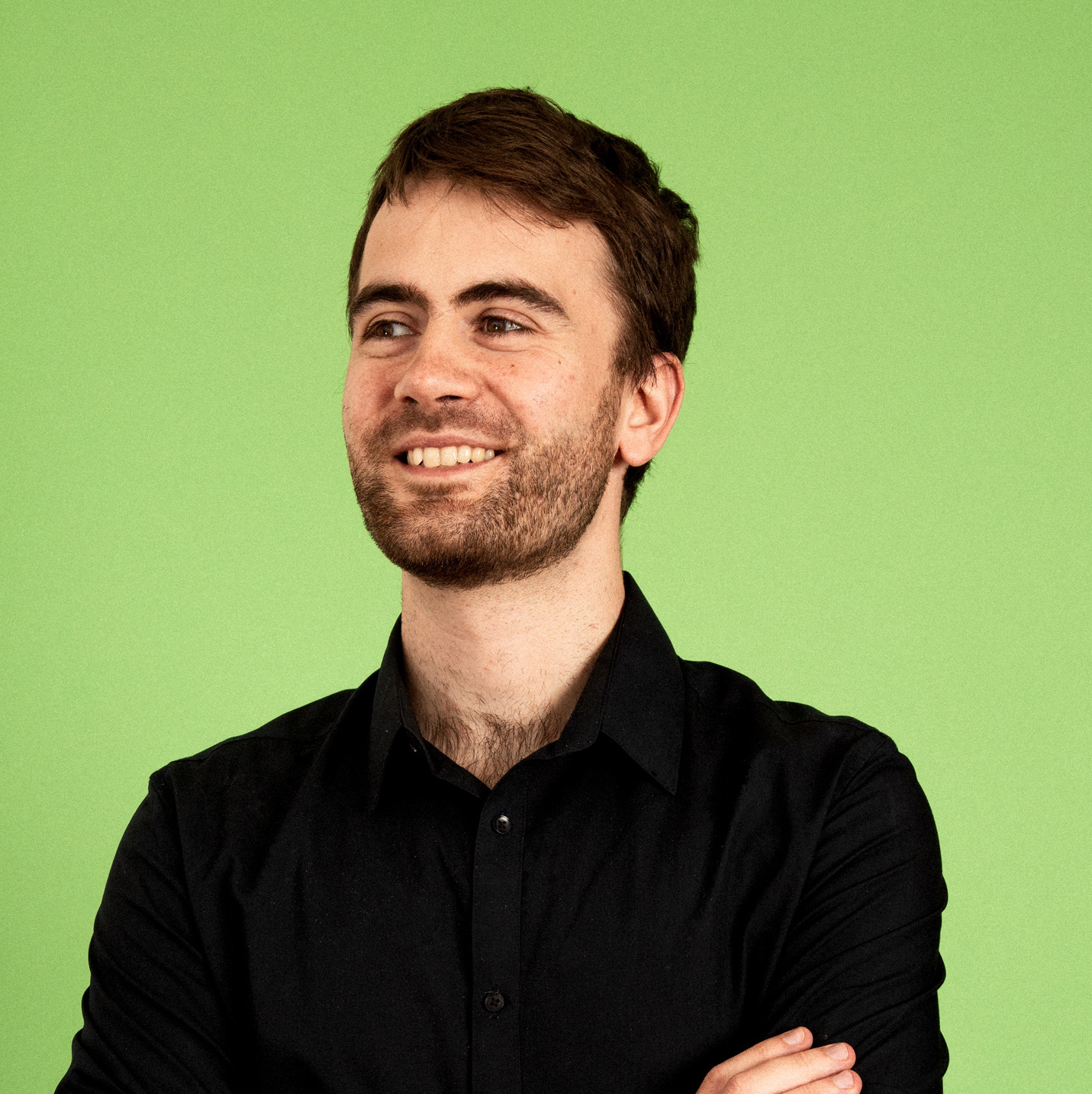
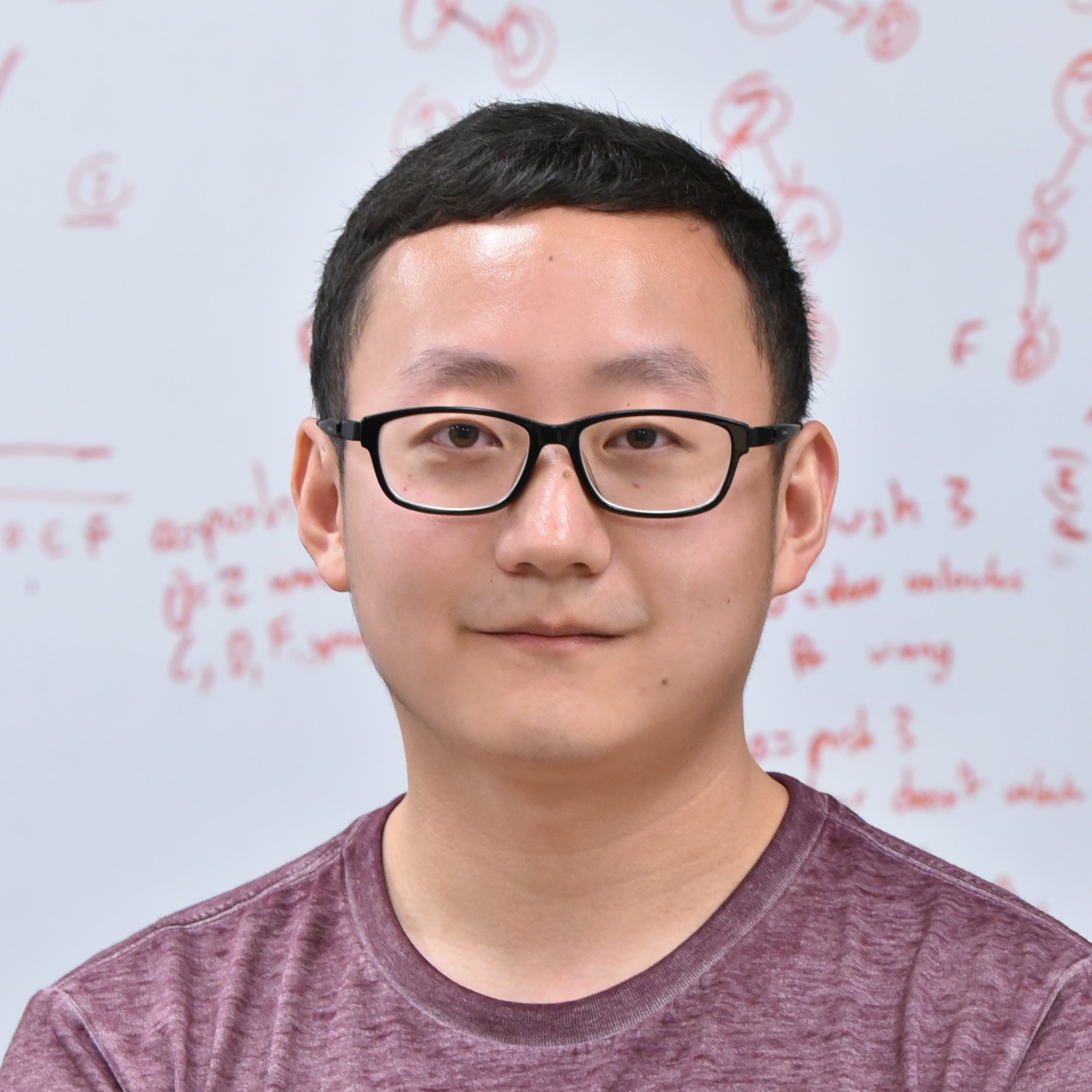
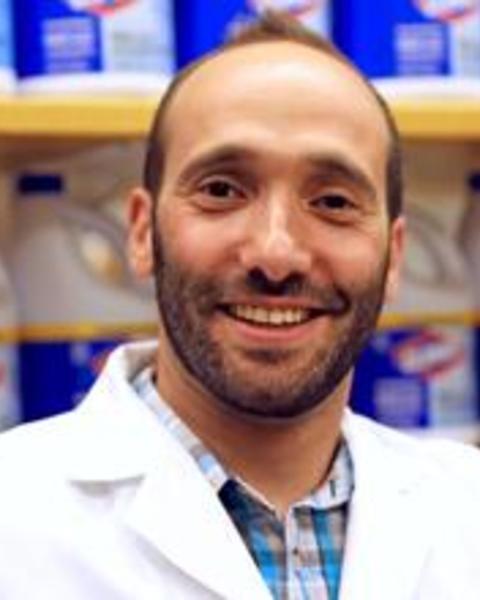
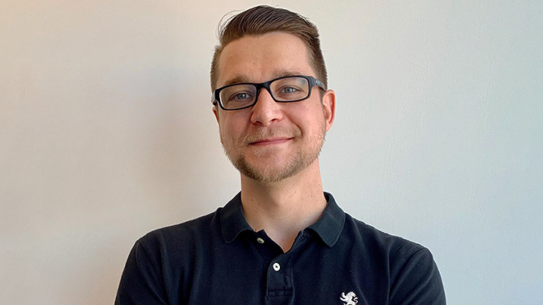
Volodymyr Kuleshov is an Assistant Professor at Cornell Tech and Cornell University's Department of Computer Science. His research focuses on machine learning, particularly generative models, probabilistic methods, and applications in health and sustainability. He co-founded Afresh, an AI startup reducing food waste, and has commercialized genome sequencing work via Moleculo (now part of Illumina). Kuleshov earned his PhD from Stanford University, advised by prominent figures like Stefano Ermon and Serafim Batzoglou. He teaches courses like CS 5785 (Applied Machine Learning) and CS 6785 (Advanced Topics in Machine Learning). His awards include the NSF CAREER Award and Arthur Samuel Best Thesis Award. Education: PhD in Computer Science from Stanford University (2018), advised by Stefano Ermon, Serafim Batzoglou, Michael Snyder, Christopher Re, and Percy Liang. Research Interests: Core ML (generative models, approximate inference), health tech (genome sequencing, clinical decision support), sustainability (AI-driven food waste reduction). Notable projects include Caduceus for DNA sequence modeling and Diffusion Duality theory. Awards: Google Research Scholar Award (2025), Outstanding Paper Award (EMNLP 2023), NIH MIRA Award (2023). Students/Advising: Over 20 advisees across PhD, Master’s, and undergraduate programs, including Edgar Marroquin (PhD) and Charlie Marx (Stanford). Alumni include Allan Bishop (Bloomberg) and Yong Huang (UCI PhD). Labs/Teams: Leads research groups at Cornell Tech focusing on generative AI and its real-world applications. Collaborates with institutions like MILA (Montreal) and DeepMind.
Dr. Owen Dillon is a Research Fellow in the Discipline of Medical Imaging Sciences at the University of Sydney's Faculty of Medicine and Health. He holds affiliations with the ACRF Image X Institute and the Dodd-Walls Centre for Photonic and Quantum Technologies. His work focuses on advanced imaging techniques for medical applications, particularly computed tomography (CT) and motion compensation in radiation therapy. He completed his PhD in Mathematics at the University of Auckland, specializing in probabilistic compression algorithms for inverse problems. Education: B.Sc. Physics & Applied Mathematics (2013, University of Auckland), First Class Honours in Mathematics (2015), PhD Mathematics (2018). Research interests include inverse problems, Bayesian statistics, CT image reconstruction, and real-time imaging systems. Current projects involve optimizing CT acquisition geometries, motion-compensated 4D imaging, and anatomical motion estimation. His contributions have led to clinical trials reducing radiation dose and scan times. He advises two PhD students and collaborates on grants like the Quantum CT project. Grants: 'Quantum CT for Cancer Diagnosis' (2024), 'Functional Imaging in Lung Cancer' (2024). His work bridges mathematical theory with clinical applications in oncology and interventional radiology.
Casey Reas is a Professor of Design Media Arts at the University of California, Los Angeles (UCLA), within the UCLA School of the Arts and Architecture. Previously, he served as an Associate Professor at Interaction Design Institute Ivrea (2001–2003). His academic background includes a BSc in Design from the University of Cincinnati (1996) and an MSc in Media Arts and Sciences from MIT (2001). Reas co-created the open-source programming language Processing with Ben Fry, revolutionizing visual arts and education globally. He is renowned for blending art and technology, creating generative works exhibited in institutions like the Centre Georges Pompidou and the Whitney Museum of American Art. His research focuses on computational aesthetics, algorithmic art, and digital media's intersection with music and design. Education: Bachelor of Science in Design, University of Cincinnati, 1996 Master of Science in Media Arts and Sciences, MIT, 2001 Research Interests: Reas explores the synergy between code and creativity, emphasizing generative systems, real-time visualization, and interactive installations. His work often addresses themes of randomness, pattern formation, and human-computer interaction. Notable projects include Processing language development, music video collaborations with The National, and immersive installations like Sketch Machine and Warm Up . Recent Collaborations: Music videos for The National’s Sleep Well Beast (2017), blending algorithmic visuals with Grammy-winning music. Interactive installations such as Impure Functions (2017) and Warm Up (2017), co-created with UCLA’s Conditional Studio. Public commissions like Sketch Machine (2018), an open-source drawing tool for GIPHY. Awards: Contributor to The National’s Grammy Award for Best Alternative Music Album ( Sleep Well Beast , 2018). Labs/Teams: Reas leads the Reas Studio and collaborates with UCLA’s Arts Conditional Studio, focusing on experimental software, generative art, and interdisciplinary projects.
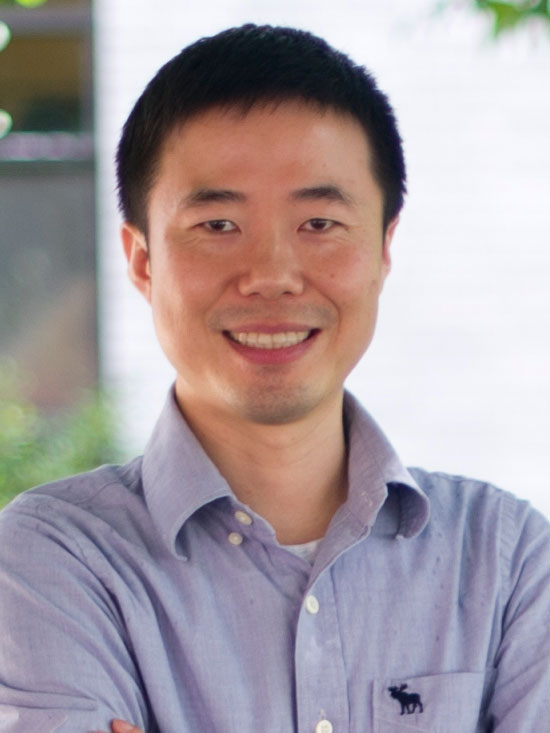
Yongmin Liu is a Professor in Mechanical and Industrial Engineering and Electrical & Computer Engineering at Northeastern University, and a member of the Cross-College Magnetics Center. He holds a PhD in Applied Science and Technology from UC Berkeley (2009), with earlier degrees from Nanjing University. His research focuses on nano-optics, metamaterials, plasmonics, and their applications in optical devices and systems. His interdisciplinary work bridges engineering, physics, and AI, with notable contributions to metasurface design and optical neural networks. Education: PhD, Applied Science and Technology, UC Berkeley (2009) M.S. and B.S., Physics, Nanjing University (2003, 2000) Research Interests: Nano-optics, nanoscale materials engineering, metamaterials, plasmonics, and applied physics. His group develops novel optical materials and devices for applications like super-resolution imaging, efficient light harvesting, and biomedical detection. Recent projects include AI-driven photonic materials design and meta-optical neural networks. Key Achievements: Recipient of the Søren Buus Outstanding Research Award (2024) NSF CAREER Award (2017) and ONR Young Investigator Award (2016) Elected SPIE Fellow (2023) and Optica Fellow (2023) Lab & Collaborations: Head of the Yongmin Liu Research Group, collaborating with institutions like Georgia Tech and Purdue University. Recent grants include a $1.5M NSF DMREF grant for AI-driven photonic materials and a $468K NSF grant for meta-optical neural networks.
Josef Urban is a leading researcher at the Czech Institute of Informatics, Robotics and Cybernetics (CIIRC) , Czech Technical University in Prague, heading the ERC Consolidator project AI4REASON . Previously, he held positions as a postdoc at Radboud University Nijmegen and assistant professor at Charles University in Prague, where he co-founded the Prague Automated Reasoning Group. Education Ph.D. in Computer Science (2004), Charles University, Prague M.S. in Mathematics (1998), Charles University, Prague B.S. in Economics (1995), Charles University, Prague Research Interests Urban specializes in automated reasoning over large formalized knowledge bases, combining deductive theorem proving and inductive machine learning . His work aims to realize "strong AI" through formalized mathematics, particularly using systems like Mizar and the AI/TP Challenges . He advocates for computer-verifiable mathematics as a foundation for AI progress. Article Trends Urban's publications focus on integrating machine learning with automated theorem proving in systems like ENIGMA and BliStr . Key trends include semantic guidance for ATPs, premise selection in formal libraries, and automated proof compression via concept invention. Scientific Contributions Head of ERC Consolidator project AI4REASON Marie-Curie Fellow at University of Miami Co-founder of Prague Automated Reasoning Group Editor for Formalized Mathematics Advising and Grants Urban has advised numerous PhD and MSc students including Daniel Kuehlwein, Krystof Hoder, and Yutaka Nagashima. He has secured grants like the ERC Consolidator Grant and Marie-Curie Fellowship . Labs and Collaborations Urban leads the AI4REASON team at CIIRC and collaborates with the Foundations Group at Radboud University. He contributes to projects like Mizar TWiki and XML-based API for Mizar , aiming to create a semantic AI ecosystem for formal knowledge.
Professor Guy Williams is a leading academic at the University of Cambridge with a focus on imaging science and clinical neurosciences, affiliated with Downing College and the Wolfson Brain Imaging Centre . Holding a PhD in Physics from his initial Natural Sciences degree, he specializes in nuclear magnetic resonance (NMR) and MRI techniques for brain imaging. Education: BA, PhD in Physics His research centers on non-invasive imaging of brain structure and function, particularly in traumatic brain injury (TBI) and dementia. His work involves developing novel MRI pulse sequences and advanced data analysis algorithms, including AI-based diagnostic tools. He leads studies on white matter integrity post-trauma, longitudinal dementia assessment, and applications of MRI in disorders of consciousness and addiction. Recent publications highlight collaborations in traumatic brain injury outcomes, AI-guided dementia prediction, and neuroimaging of post-COVID cognitive deficits. His team's work on ultra-high field laminar fMRI and distortion correction methods has advanced clinical neuroscience applications. Key techniques include diffusion tensor imaging (DTI), 7 Tesla MRI, and positron emission tomography (PET/MR). His research spans from basic NMR physics to clinical translation, with a strong emphasis on multi-site studies and real-world diagnostic implementation.
Professor Hala Zreiqat AM is a leading biomedical engineer at The University of Sydney , serving as the Director of the ARC Training Centre for Innovative BioEngineering . A Fellow of all major Australian academies (AAS, ATSE, FAHMS, FRSN), she develops 3D printed bioceramics for bone regeneration while championing diversity through initiatives like the IDEAL Society and BIOTech Futures mentorship program. Her work bridges academia, clinical practice, and industry in musculoskeletal research . Research Focus: Her lab creates synthetic bone scaffolds that mimic natural bone architecture, strength, and porosity, enabling non-rejected bone regeneration via patient-matched implants. Key applications include orthopaedic, dental, and maxillofacial repair , with over $18M in competitive funding and multiple patents. Current projects explore AI-driven scaffold performance prediction and anti-senescence strategies for aging-related bone loss. Scientific Trends: Recent publications highlight 3D printed nanovoxelated ceramics , antisenescence biomaterials , and multifunctional theranostic platforms . Her team integrates machine learning for scaffold design, atom probe tomography for interface analysis, and two-photon imaging for cellular monitoring in 3D environments. 2021-2022 Fulbright Senior Scholar 2018 NSW Premier's Woman of the Year 2019 Eureka Prize for Innovative Use of Technology Fellow of Australian Academy of Science (2021) Over $18M in research funding Teaching & Leadership: She designed core courses like Tissue Engineering and Nanomaterials in Medicine , mentoring 158 students in 2020 alone. As Chair of CAAR (2020-2023), she strengthens Australia-Arab collaborations. Her lab trains early-career researchers , with alumni now in academia and industry.
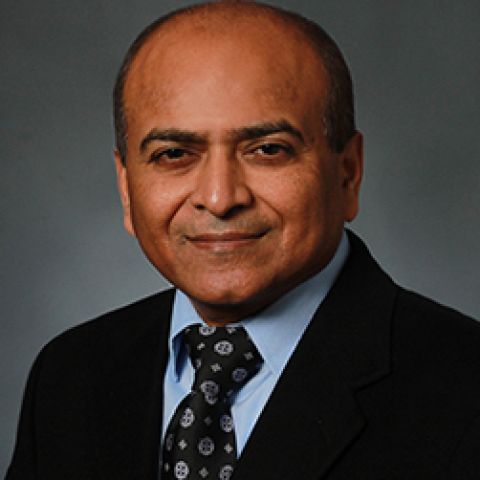
Dr. Vasant Honavar is a Professor of Computer Science and Informatics at Pennsylvania State University, holding the Edward Frymoyer Endowed Chair. He serves as Director of the Center for Artificial Intelligence Foundations and Scientific Applications and Associate Director of the Institute for Computational and Data Sciences. His expertise spans artificial intelligence, machine learning, causal inference, and bioinformatics. Honavar has led over $60M in research grants and mentored 36 PhD students, 30 MS students, and numerous undergraduates. He is a Fellow of the AAAS and recipient of NSF Director’s Awards. Education: Ph.D., Computer Science and Cognitive Science, University of Wisconsin–Madison (1990) M.S., Computer Science, University of Wisconsin–Madison (1989) M.S., Electrical and Computer Engineering, Drexel University (1984) B.E., Electronics Engineering, Bangalore University (1982) Research Interests: His work focuses on machine learning, causal inference, knowledge representation, health informatics, and algorithmic fairness. Notable contributions include scalable algorithms for big data analytics and predictive modeling, as well as computational infrastructure for interdisciplinary science. Awards: Fellow, AAAS (2018) ACM Distinguished Member NSF Director’s Award for Superior Accomplishment (2013) Edward Frymoyer Endowed Chair (2013) Leadership: Honavar co-founded the Penn State Center for Artificial Intelligence and led the NIH-funded Biomedical Data Sciences Ph.D. program. He is a Co-PI of the North East Big Data Innovation Hub and serves on editorial boards of journals like IEEE/ACM Transactions on Computational Biology and Bioinformatics. Lab & Teams: Directs the Artificial Intelligence Research Laboratory and the Center for Big Data Analytics and Discovery Informatics, fostering collaborations across computer science, life sciences, and health sciences.
Andrew S. Rosen is an Assistant Professor in the Department of Chemical and Biological Engineering at Princeton University, leading the Rosen Research Group since his appointment. He became an associated faculty member of the Princeton Plasma Physics Laboratory (PPPL) in June 2025, expanding his collaborative impact in energy research. His work focuses on computationally guided materials discovery to address urgent sustainability challenges beyond traditional trial-and-error approaches. Education Ph.D. in Chemical Engineering, Northwestern University (2021) B.S. in Chemical Engineering, Tufts University (2015) Research Focus Dr. Rosen integrates quantum-chemical calculations , high-throughput computing , and machine learning to design novel materials for energy storage, catalysis, and environmental applications. His group specializes in porous framework solids and molecular materials with tailored electronic properties, emphasizing synthesis pathways to bridge computational predictions with experimental realization. This research targets unprecedented materials for clean energy technologies through AI-enhanced quantum modeling. Research Support NSF grant awarded June 25, 2025 ScienceAtScale NERSC Award received June 10, 2025 Invited speaker at ASE CECAM Workshop (June 24, 2025) Group and Collaborations The Rosen Research Group leverages open-source software and big data initiatives like the Materials Project, maintaining strong ties with experimental teams to validate computational discoveries. Their work directly addresses climate challenges through materials innovation, with recent focus on electronic structure properties for catalytic applications.
Tianmin Shu is an Assistant Professor in the Department of Computer Science at Johns Hopkins University , with a joint appointment in the Department of Cognitive Science . He is the founding director of the Social Cognitive AI (SCAI) Lab and was previously a Research Scientist at MIT, working with Josh Tenenbaum and Antonio Torralba. His research goal is to advance human-centered AI by engineering machine social intelligence —building systems that understand, reason about, and interact with humans in real-world settings. His work is inherently interdisciplinary, integrating machine learning, computer vision, robotics, and social cognition. Research Interests: Theory of Mind Reasoning: Developing models that infer human mental states from multimodal behavioral data. Embodied Assistance: Creating agents capable of assisting humans in physical environments through verbal and non-verbal collaboration. Learning from Human Feedback: Extracting reward-relevant preferences from rich human input to guide agent behavior. Social Scene Understanding: Recognizing and reasoning about group activities and social roles from visual and physical cues. Computational Social Cognition: Modeling how humans perceive and interpret social and physical interactions. Scientific Awards: Outstanding Paper Award at ACL 2024 for "MMToM-QA: Multimodal Theory of Mind Question Answering" Grants & Collaborations: Tianmin Shu has led or co-organized several high-impact workshops and tutorials, including the NeurIPS 2023 Tutorial on "Language Models Meet World Models" and the RSS 2024 Workshop on "Social Intelligence in Humans and Robots". His lab has also developed open-source platforms like VirtualHome-Social and SimWorld for multi-agent interaction research. Lab & Team: As director of the Social Cognitive AI (SCAI) Lab at Johns Hopkins University, Tianmin Shu leads a multidisciplinary team focused on building socially intelligent systems. His lab is located in Malone Hall 213 and collaborates closely with the Departments of Computer Science and Cognitive Science.
Nathaniel D. Daw serves as the Huo Professor in Computational and Theoretical Neuroscience and Professor of Neuroscience and Psychology at Princeton University, based at the Princeton Neuroscience Institute. His research integrates computational modeling with experimental neuroscience to investigate fundamental mechanisms of learning and decision-making. Daw's research focuses on computational and theoretical neuroscience, specializing in reinforcement learning, memory systems, and decision-making processes. He examines how neural circuits represent value, update beliefs through experience, and balance model-based versus model-free control strategies. His work frequently bridges theoretical frameworks with behavioral and neural data to explain phenomena ranging from habitual behavior to flexible cognitive control. Analysis of his 2025 publications reveals dominant themes in neural replay mechanisms, individual differences in learning trajectories, and clinical applications to eating disorders. His work increasingly incorporates large language models for psychological assessment while maintaining core focus on interpretable cognitive architectures and hierarchical planning. Daw maintains active research operations through the Princeton Neuroscience Institute, an interdisciplinary hub fostering collaboration between computational modelers, neuroscientists, and psychologists to advance understanding of neural mechanisms underlying cognition.
Dr. Zara Ersozlu is a Senior Lecturer in Mathematics Education within the School of Education at the University of Newcastle, Australia. With a distinguished international career spanning multiple continents, she has held academic positions at prestigious institutions including North Carolina State University (USA), Gazi and Gaziosmanpasa Universities (Turkey), National Taiwan Normal University (Taiwan), The University of Western Australia, Murdoch University, and Deakin University. Her academic journey includes tenured positions as an Associate Professor and leadership roles as Department Head and Chair in teacher education disciplines. Currently, she teaches undergraduate and postgraduate courses in mathematics education, including Effective Pedagogies in Primary Mathematics, K-6 Mathematics, K-6 Numeracy, and Digitally Supported Learning. Dr. Ersozlu earned her Doctor of Philosophy from Firat University in Turkey and her Master of Art from Sakarya University. Her extensive academic preparation is complemented by five years of practical teaching experience in public schools prior to entering academia. This blend of theoretical knowledge and practical classroom experience informs her approach to teacher education and educational research. At the broadest level, Dr. Ersozlu's research investigates solutions to real-life problems impacting people's well-being, success, and capacity to achieve. Her scholarly work spans primary and secondary mathematics education, the psychology of mathematics (including metacognition, self-regulation, and anxiety), cross-cultural educational studies, teacher education, virtual simulated learning environments, and educational assessment. She has increasingly focused on the transformative potential of AI and machine learning in education, exploring how these technologies alter teaching, learning, and research processes. Her methodological expertise encompasses both quantitative and qualitative approaches, allowing her to effectively analyze both small and large educational datasets. Analysis of Dr. Ersozlu's recent publications reveals a strong emphasis on mathematics anxiety, teacher education, and the integration of technology in learning environments. Her work demonstrates a consistent focus on practical applications of educational research to address real-world challenges in mathematics education. The interdisciplinary nature of her research connects educational psychology, technology integration, and cross-cultural perspectives, with particular attention to how these elements intersect in teacher preparation and student learning outcomes. 2023 ATEA Research Recognition Award from the Australian Teacher Education Association 2021 Fellow of the Higher Education Academy (Advance HE, UK) 2010 Fellowship Program for Postdoctoral Researchers from the Council of Higher Education of Turkey Dr. Ersozlu is deeply committed to mentoring the next generation of scholars, currently supervising four PhD students and having successfully guided ten students to completion. Her grant portfolio includes significant funding for projects such as Best Practice Guidelines for RPL in Initial Teacher Education Programs ($60,000), Exploring the Reciprocal Relationship Between Mathematics Anxiety and Mathematical Resilience ($2,599), and multiple conference travel awards. She serves as an Associate Editor for several prominent journals including the International Electronic Journal of Mathematics Education and as Editor for Interdisciplinary STEM Education. Her editorial work reflects her standing as a respected voice in mathematics education research. Dr. Ersozlu's academic leadership extends to her role in developing innovative teaching approaches that integrate virtual simulation technology and learning analytics. Her work with TeachLivE™, a mixed-reality classroom simulation platform, demonstrates her commitment to creating authentic learning experiences for teacher education students. Through these initiatives, she bridges the gap between educational theory and classroom practice, preparing future educators to effectively implement evidence-based teaching strategies in diverse learning environments.
Dr. Michael Baym is an Associate Professor of Biomedical Informatics at Harvard Medical School with affiliate appointments in Microbiology and the Laboratory of Systems Pharmacology, and as an Associate Member of the Broad Institute. He leads the Baym Lab, which studies microbial evolutionary genomics and antibiotic resistance through a hybrid of experimental, computational, and theoretical approaches. His research focuses on: Antibiotic Resistance Evolution and practical interventions Mobile Genetic Elements (plasmids, phages, transposons) Computational Genomic Algorithms for big data analysis Synthetic Biology tools and technologies Key recent publications explore phage discovery systems , phylogenetic compression of microbial genomes, and RNA-guided gene drives in plasmids. His work is supported by multiple NIH/NIGMS and NSF grants including a MIRA award. Scientific honors include: Packard Fellowship (2018) Pew Biomedical Scholarship (2020) Sloan Research Fellowship (2020) A. Clifford Barger Excellence in Mentoring Award (2021) SSQBio Mentorship Award (2022) The lab actively trains PhD students and postdoctoral fellows with alumni occupying academic and industry positions globally. Current team members include researchers from interdisciplinary backgrounds working at the intersection of experiment, computation, and theory .
Brandon Reagen is an Assistant Professor in the Department of Electrical and Computer Engineering at New York University's Tandon School of Engineering, with affiliations in Computer Science, the Center for Advanced Technology in Telecommunications (CATT), and the NYU Center for Cybersecurity (CCS). He holds a PhD in Computer Science from Harvard (2018) and undergraduate degrees in Computer Systems Engineering and Applied Mathematics from the University of Massachusetts, Amherst (2012). His research focuses on computer architecture, hardware acceleration for deep learning and privacy-preserving computation, and VLSI design. He pioneered efficient deep learning accelerator designs through unsafe optimizations and contributed to benchmarking frameworks like Aladdin and MachSuite. His work spans privacy-preserving machine learning, secure computing systems, and hardware-software co-design for cryptographic protocols. Key achievements include the NSF CAREER Award (2024) and Siebel Scholar recognition (2018). His research centers on advancing secure computing through innovations like zero-knowledge proof accelerators (e.g., zkSpeed), fully homomorphic encryption frameworks (Orion), and entropy-guided privacy techniques for large language models. He leads interdisciplinary efforts at CATT and CCS to bridge hardware design and cybersecurity challenges. Reagen's contributions include over 50 publications in top-tier conferences (e.g., ISCA, ASPLOS, MLSys) and industry collaborations at Facebook AI. His work emphasizes practical solutions for encrypted computation efficiency, privacy-preserving inference, and scalable secure systems.
Debdeep Pati is a Professor in the Department of Statistics at the University of Wisconsin-Madison, affiliated with the School of Computer, Data & Information Sciences. His research focuses on Bayesian methods, high-dimensional data analysis, machine learning, and computational statistics, with applications in health data and network analysis. He has contributed to approximate Bayesian computation, graphical models, and fair algorithms. Key research interests include Bayes theory in high dimensions, hierarchical modeling, efficient Bayesian computation, and real-time tracking algorithms. His work bridges theoretical advancements with practical applications in areas like electronic health records and nuclear physics constraints. Recent work emphasizes Wasserstein-guided nonparametric Bayes, fair clustering algorithms, and variational inference in singular models. He has developed software for covariate-dependent Gaussian graphical modeling, published in ACM Transactions on Mathematical Software . Grants: NSF proposal on Wasserstein-guided nonparametric Bayes, NIH R01/R21 grants on periodontal disease and diabetes comorbidity. Advising: No named advisees listed but actively supervising research in Bayesian computation and high-dimensional statistics. Awards: 2024 JASA reproducibility award for 'Covariate-Assisted Bayesian Graph Learning.' He is an Associate Editor for Journal of Computational and Graphical Statistics and has organized workshops at Banff International Research Station (BIRS) and the Institute for Mathematics and its Applications (IMSI).