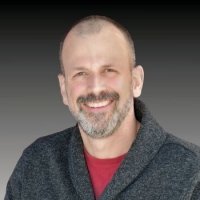
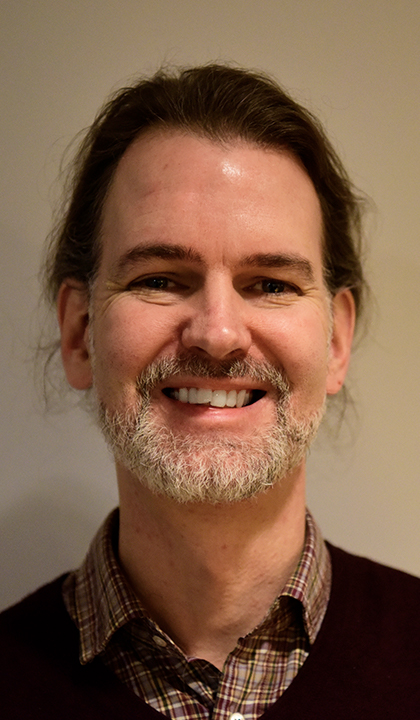
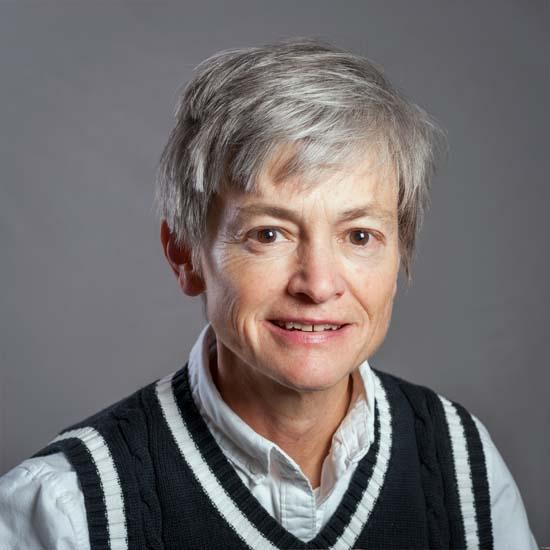
Dr. Damon T. Berry is an Associate Professor and Chair of the Religious Studies Department at St. Lawrence University. He holds a PhD from The Ohio State University. His research focuses on the intersection of religious discourses and racialized ideologies, particularly examining how these shape exclusionary practices and violence. He has authored three monographs analyzing Christian Nationalism, the Alt-Right, and Evangelical political engagement. His work has been presented at institutions like the FBI, Microsoft, and the University of Virginia's Project on Religion and Its Publics. Upcoming projects include a special issue in Nova Religio on the New Apostolic Reformation and the January 6th Insurrection, as well as a journal article on racism and modern militias. Teaching focuses on American religious history, religion & politics, and extremism studies. He regularly contributes to public forums such as the Klau Center for Civil and Human Rights.
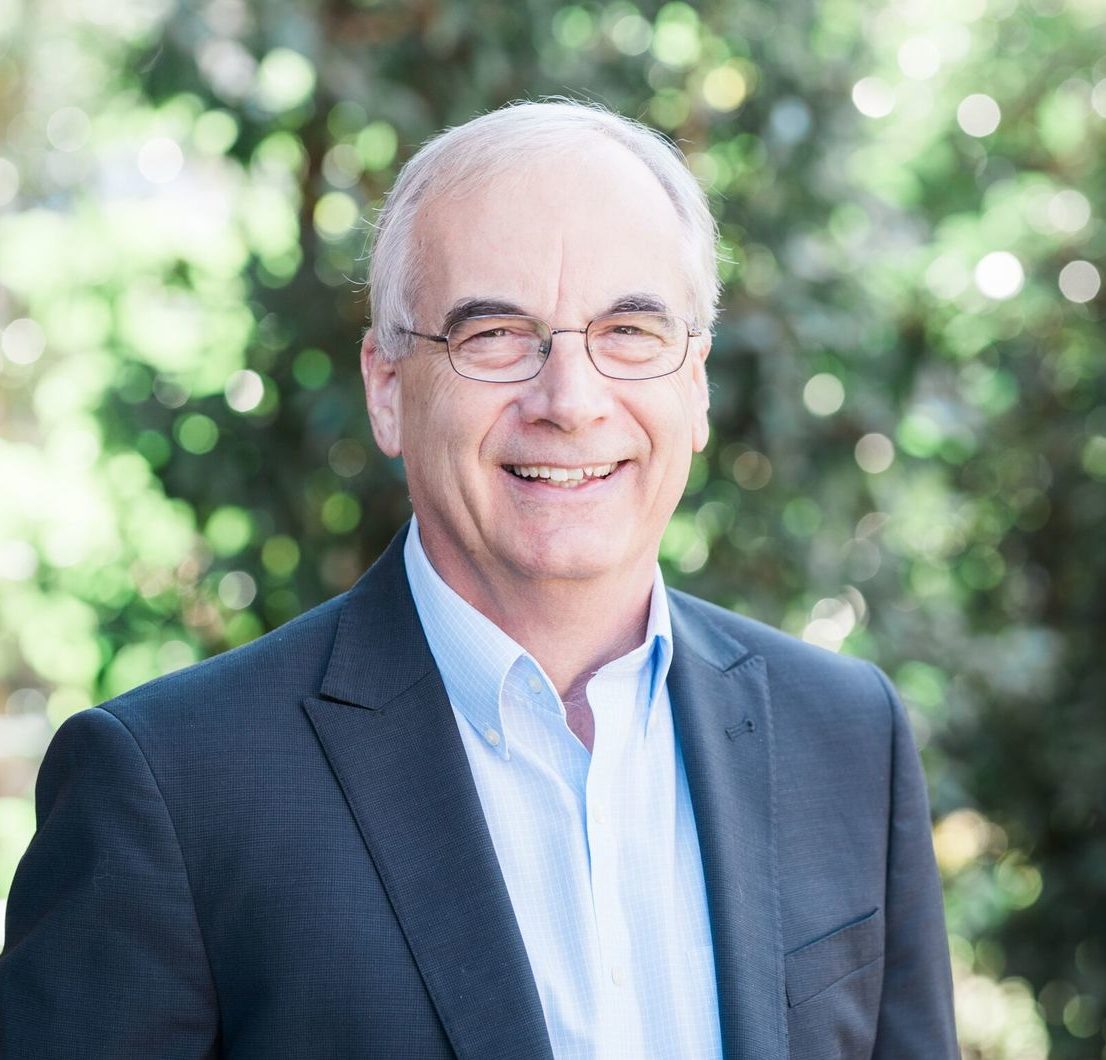
David Faber is a Professor of Philosophy & Religious Studies at Tabor College, serving as Faculty Board Representative. He also holds roles as Director of Assessment and Institutional Research at the same institution. His academic journey includes a Ph.D. in Philosophy from the University of Massachusetts, Amherst, an M.A. in Philosophy from the same university, and a B.A. in Philosophy and English from Calvin College. His research interests span Christian Ethics, Political Theology, Epistemology, and Theology, with a focus on integrating philosophical inquiry with religious studies. He has authored several reviews and articles, particularly in the journal Direction , analyzing works on political theology, ethics, and religious controversies. His teaching includes courses like Philosophy of Religion, Christian Ethics, and Aesthetics. Key recognitions include the Clarence R. Hiebert Excellence in Teaching Award and a Graduate Fellowship in Philosophy. His presentations address topics such as Wolterstorff’s political theology, ethical frameworks, and epistemological debates, delivered at institutions like the Society of Christian Philosophers and Fort Hays State University. Faber actively engages in institutional assessment and interdisciplinary dialogue, reflecting his commitment to academic rigor and community impact.
Edmund Hayes is a postdoctoral researcher at Leiden University and a faculty member at Radboud University Nijmegen. His research focuses on early Islamic history, particularly the history of Shiʿi groups and opposition movements within the Islamic empire. He examines the intersection of intellectual developments with social and political dynamics, with a current emphasis on the institutional evolution of Twelver Shiʿism during the Occultation period. Hayes' work challenges traditional historiographical frameworks by analyzing socio-political processes behind doctrinal formations and the role of financial-sacral institutions in maintaining communal coherence. His academic contributions include analyses of key texts like the khums demand letter attributed to Imam al-Jawād, the role of the Imamate's agents post-874 CE, and the socio-legal boundaries shaped by Imami fiscal practices. He has organized conferences on topics like excommunication in late antiquity and early Islamicate societies, reflecting his interest in transregional connections and religious boundary-making. Hayes’ publications span peer-reviewed articles in journals such as Al-Masāq , Islamic Law and Society , and Annales islamologiques , alongside reviews of seminal works on Shiʿi origins and doctrinal controversies. His doctoral dissertation, Agents of the Hidden Imam , provides a groundbreaking analysis of the Occultation doctrine’s institutional underpinnings. Despite his prolific output, the text does not mention awards or grants, though his active conference participation signals academic leadership in his field.
Mohammad Sagha is a Lecturer in the Modern Middle East at Harvard University's Department of Near Eastern Languages and Civilizations. He also holds roles as Co-Director of the Shi’i Studies Group at the University of Chicago, Iran Project Coordinator at Harvard Kennedy School’s Belfer Center, and Editor for SHARIAsource. His research bridges early Islamic sectarian formations with modern Middle Eastern geopolitics, focusing on Shi’a networks, revolutionary movements, and transregional power dynamics between Iran and Arab states. Education: PhD in Islamic History and Civilization from the University of Chicago (2021), MA in Middle Eastern Studies (University of Chicago). He has conducted research at the University of Tehran and Harvard’s Center for Middle Eastern Studies under Prof. Roy Mottahedeh. Fluent in Persian with advanced Arabic and proficiency in German/French. Research Interests: Sectarianism, factional politics, network theory applied to both early Islamic and modern contexts; Shi’a religious nationalism, underground revolutionary networks, apocalyptic movements, and the intersection of sacred spaces with political authority. Current projects include co-authored books on Shi’a revivalism and a monograph on early Shi’i revolutionary networks under Abbasid rule. Engagements: Editor of Legacies of Islamic Ecumenicism (2021), organizer of international symposia on intra-Shi’a dialogue, and frequent speaker on topics like sectarian de-escalation and Middle East geopolitics. Affiliated with Harvard Divinity School’s Project on Shi'ism and Global Affairs as Faculty Affiliate and Research Director. Teaching: Courses on Islam, Middle East history, and contemporary politics at Harvard. Conducted youth workshops on sectarianism at major Islamic institutions in the U.S., including the Islamic Center of America in Dearborn, MI.
Dr. John D. Currid is a distinguished Professor of Old Testament at Reformed Theological Seminary (RTS), serving 30 years in roles including Chancellor’s Professor, Chair of Biblical Studies, and academic leadership in Jackson and Charlotte campuses. He holds a B.A. from Barrington College, M.A. from Gordon-Conwell Theological Seminary, and Ph.D. from the University of Chicago. His career includes an NEH Post-Doctoral Fellowship at UNC Chapel Hill and prior service as Associate Professor at Grove City College. As a trained archaeologist, Currid participated in excavations at Carthage (Tunisia), Bethsaida, Tell el-Hesi, and directed the Lahav Grain Storage Project. His global engagements include lecturing/preaching in Russia, Ukraine, Great Britain, Australia, and Brazil. Ordained in the Presbyterian Church in America, he has ministerial experience across multiple congregations. Research focuses on Old Testament archaeology, ancient Near Eastern history, and theological interpretation. Key interests include biblical historical narratives, ancient religious practices, and interdisciplinary methodologies bridging archaeology and exegesis. His publications span commentaries, archaeological monographs, and theological treatises, emphasizing contextual understanding of Scripture through material culture and linguistic analysis. Major works include ESV Archaeology Study Bible (2017), Ancient Egypt and the Old Testament (1997), and multi-volume Genesis-Deuteronomy commentaries. Recipient of the NEH Post-Doctoral Fellowship (UNC Chapel Hill). Teaching and scholarship emphasize rigorous engagement with biblical languages, ancient comparative literature, and archaeological data to illuminate theological truths. Current research continues exploration of ANE cultural contexts and their implications for interpreting Scripture.
William A. Calvo-Quirós is an Assistant Professor of American Culture and Latinx Studies at the University of Michigan. His work centers on the intersection of state violence, religiosity, and migration, particularly along the U.S.-Mexico border. He explores how vernacular religious practices (e.g., devotion to saints like Jesús Malverde and La Santa Muerte) serve as tools of resistance and identity formation for migrants. Key research interests include transnational religious migration, gender violence, LGBTQ+ spirituality, and the sociopolitical dimensions of border regions. His award-winning book Undocumented Saints: The Politics of Migrating Devotions investigates how Latinx communities reimagine faith in spaces like detention centers and digital platforms. Calvo-Quirós utilizes ethnographic methods and interdisciplinary approaches, engaging with legal documents, oral histories, and cultural artifacts. His recent work extends to themes of hope, decolonial theory, and queer migration pathways. Recipient of the 2023 American Academy of Religion Best First Book Award 2023 Frank S. and Elizabeth D. Brewer Prize (American Society of Church History) Research focuses on marginalized communities' spiritual practices as acts of survival
Nadera Shalhoub-Kevorkian is a Palestinian Jerusalemite feminist scholar with multiple academic affiliations. She currently holds the position of Global Chair in Law at Queen Mary University of London, serves as Professor Extraordinarius at the University of South Africa, and is Emeritus Professor at the Hebrew University, Jerusalem. She also acts as a Global South Visiting Scholar at Princeton University. Her work focuses on challenging epistemic violence through interdisciplinary analysis of state crime, settler colonialism, and gender dynamics in conflict zones. She has authored and co-edited influential volumes, including Militarization and Violence Against Women in Conflict Zones (2010), Security Theology, Surveillance and the Politics of Fear (2015), and Incarcerated Childhood and the Politics of Unchilding (2019). Her recent works address themes like abolitionism ( Abolitionism, settler colonialism and state crime , 2024), gender violence ( The Cunning of Gender Violence , 2023), and sacralized nationalism ( When Politics are Sacralized , 2021). These publications reflect her commitment to examining law, security, and feminist politics across global contexts. Nadera Shalhoub-Kevorkian has no explicitly listed scientific awards in the provided text. Her research and teaching activities span multiple institutions, and she has contributed to community-engaged education initiatives in Israel as documented in her 2019 co-edited volume. No specific grants or advisees are mentioned here, but her work emphasizes collaborative academic teams and critical interventions in contested political landscapes.
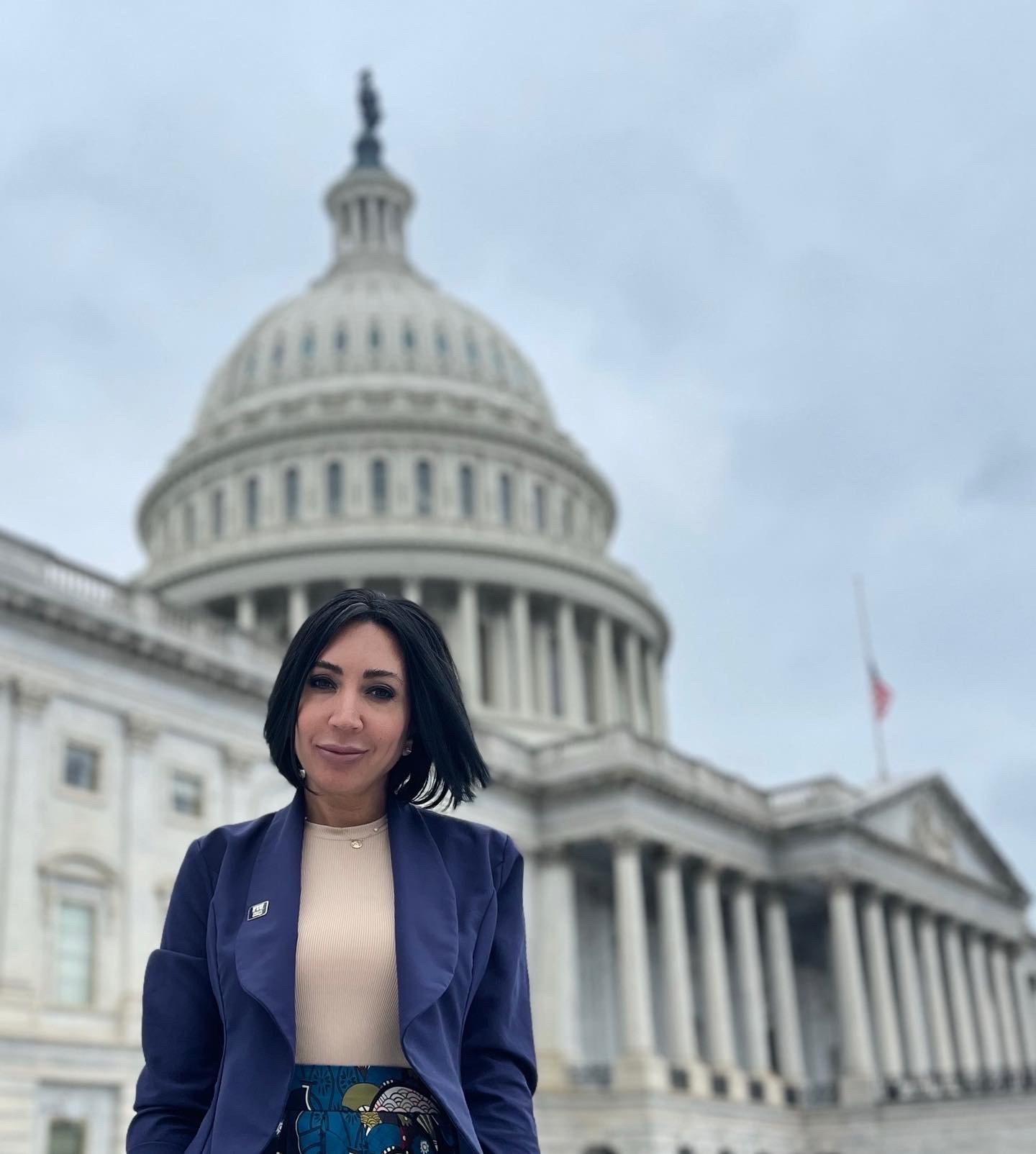
Grisel d’Elena serves as an Adjunct Lecturer in Religious Studies at Florida International University while completing her Ph.D. in International Relations at FIU’s School of International and Public Affairs. She concurrently directs Panthers Care, FIU’s centralized student crisis intervention program within the Dean of Students Office, managing all student emergencies and support services across campus. Academic Background: Ph.D. Candidate in International Relations, FIU School of International and Public Affairs (current) Master’s thesis: “The Gender Problem of Buddhist Nationalism in Myanmar: The 969 Movement and Theravada Nuns” Research Focus: d’Elena investigates state-sponsored persecution of Myanmar’s Rohingya Muslim minority through fieldwork with U.N. officials, refugee coalitions, and ethnic minorities. Her ethnographic work includes direct interviews with U Ashin Wirathu (Time Magazine’s “Buddhist Terror”), analyzing Buddhist nationalist movements and gender dynamics in religious oppression. Expertise Areas: Statelessness & Refugee Studies Geo-Politics of Southeast Asia Security Studies & International Organizations Religion-State Relations Religious Nationalism Analysis Women in Religion & Politics Feminist Theology & Ethics Student Life Skills Development Her 15 publications (2016-2020) reveal interdisciplinary scholarship bridging religious violence, gender politics, and social commentary. Key works critically examine Rohingya victimization narratives and statelessness cycles, while 2016 commentaries address single parenting, Islamophobia, and media effects on humanitarian aid—demonstrating consistent engagement with Southeast Asian conflicts and identity politics across religious studies and political science. d’Elena leads Panthers Care, FIU’s frontline crisis response system for students. No graduate advisees or major research grants are documented in available materials. Her applied work directly connects academic research on trauma and identity to real-time student support services.
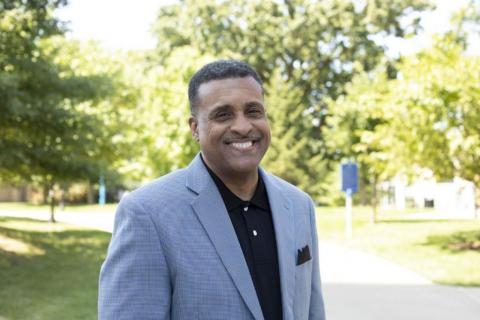
Gerald L. Smith is a full professor of history at the University of Kentucky (UK), affiliated with the College of Arts and Sciences. He holds a B.A., M.A., and Ph.D. in history from UK. His roles include former director of the African American Studies and Research Program (1997-2005) and pastor of Pilgrim Baptist Church (Lexington) since 2011. He is a prominent scholar of African American history, race and sports, and the Black Freedom Struggle. Dr. Smith has authored/co-authored five books, including the award-winning Slavery and Freedom in the Bluegrass State (2023) and The Kentucky African American Encyclopedia (2015). He co-edits the University Press of Kentucky’s series on race and sports. His current research focuses on a general history of Black Kentuckians. Awards: Over 20 honors including the UK Alumni Great Teacher Award (2013), Charles W. Anderson Laureate (2014), and 2025 Black Authors Matter TV Award. Service: Served on the Kentucky African American Heritage Commission, Kentucky Historical Society Foundation Board, and co-chaired the Fayette County Racial Justice Commission (2020). Media: Featured in documentaries on CBS, NBC, and NPR’s WEKU, and hosts a radio series on racial justice. Smith’s academic leadership extends to teaching courses on Kentucky history, the Civil Rights Movement, and African American intellectual history. He actively engages in community advocacy and educational outreach, including workshops for K-12 teachers and historical consulting.
Cristina Traina is Professor of Theology at Fordham University, specializing in Christian feminist ethics with a focus on Catholic tradition. Holding a Ph.D. from the University of Chicago Divinity School, she previously taught at Northwestern University for nearly three decades. Her research examines moral agency, sexuality, childhood ethics, bioethics, and social justice through intersectional frameworks. Her scholarly publications demonstrate consistent focus on reforming theological ethics through feminist perspectives. Recent works explore moral agency in children, vulnerability studies, and inclusive ecclesiology. Article trends show engagement with LGBTQ+ inclusion, environmental ethics, reproductive justice, and structural evil. Active in professional societies, she has served as President of the Society of Christian Ethics and contributes to the Catholic Theological Society of America and American Academy of Religion. She advises New Ways Ministry and writes for their Bondings 2.0 blog on Catholic LGBTQ+ issues.
Thomas Massaro, S.J., is the Laurence J. McGinley Professor of Religion and Society and Professor of Moral Theology at Fordham University’s Department of Theology. A Jesuit priest of the East Province, he previously held academic roles at Weston Jesuit School of Theology, Boston College, and the Jesuit School of Theology of Santa Clara University, serving as Dean there. Awarded the McGinley Chair in 2024, his work centers Catholic social teaching’s application to public policy, social justice, and peacebuilding. His research explores Pope Francis’s moral leadership, globalization ethics, environmental concerns, and the role of conscience in religious participation in public life. Education includes a PhD in Christian Social Ethics from Emory University, STL and MDiv from Weston Jesuit School of Theology, and BA from Amherst College. He co-founded Catholic Scholars for Worker Justice and served on Cambridge’s Peace Commission. His 11 books and over 100 articles analyze papal social ethics, economic justice, and faith-based activism. Recent works include Pope Francis as Moral Leader (2023) and Living Justice: Catholic Social Teaching in Action (2024). Research interests span the ethics of globalization, spirituality of social justice, and Pope Francis’s contributions to social ethics. His articles critically engage Laudato Si’, papal advocacy for the poor, and Ignatian spirituality. Grants and collaborations include work on Medellín conference legacies and Jesuit approaches to peace.
Leo Guardado is an Associate Professor of Theology at Fordham University's Lincoln Center Campus. His work bridges theology, peace studies, and social justice, focusing on forced displacement, migrant healing practices, and nonviolence. Guardado holds a PhD from the University of Notre Dame in Systematic Theology and Peace Studies, with a master’s in patristics from the same institution. He previously collaborated in borderlands ministry and monastic life. **Education**: B.A. in Religious Studies, St. Mary's College of California M.T.S. in History of Christianity, University of Notre Dame PhD in Systematic Theology and Peace Studies, University of Notre Dame **Research Interests**: Church as Sanctuary : Theological foundations of sanctuary ministries, especially in light of global displacement. Healing**: Ethnographic study of curanderismo practices among Latinx migrants and their integration into Catholic liturgy. Nonviolence**: Linking Gandhian principles to Latin American liberation theology and Pope Francis' vision. Gutiérrez Legacy**: Editor of posthumous works of Gustavo Gutiérrez, including Vivir y pensar el Dios de los pobres . His publications include Church as Sanctuary: Reconstructing Refuge in an Age of Forced Displacement (2023) and edited volumes on Gutiérrez. His work emphasizes practical theology and institutional change through transdisciplinary collaboration. Awards**: None explicitly listed, though his scholarly contributions highlight recognition in theological circles. Advising & Grants**: Teaches doctoral seminars on Gutiérrez and collaborates on initiatives like the transdisciplinary project bridging Fordham, NYC, and the US-Mexico border. No specific grants listed, but his work implies institutional and grassroots support. **Labs/Teams**: Engages with border communities, NGOs, and theological networks, though specific lab affiliations are not mentioned.
Corey D. B. Walker is the Dean of Wake Forest University School of Divinity, Wake Forest Professor of the Humanities, and Inaugural Director of the Program in African American Studies. His career includes leadership roles at Virginia Union University, Winston-Salem State University, Brown University, and the University of Virginia. A theologian and scholar, his work interrogates the moral foundations of American democracy through interdisciplinary lenses. He holds degrees from Norfolk State University (BS), Virginia Union University (MDiv), Harvard University (MTS), The College of William and Mary (PhD), and Brown University (MA ad eundem). Education: BS in Finance (Norfolk State University), MDiv (Virginia Union University), MTS (Harvard University), PhD in American Studies (William and Mary), MA ad eundem (Brown University). Research interests include religious freedom, Black intellectual traditions, democracy’s ethical frameworks, and critical pedagogy. His scholarship bridges religion, race, and politics. He has authored multiple books and over 70 articles, emphasizing transformative thought and social justice. Notable works include A Noble Fight: African American Freemasonry and the Struggle for Democracy in America and forthcoming Disciple of Nonviolence: Wyatt Tee Walker and the Struggle for the Soul of Democracy . Awards include the 2023-2024 Phi Beta Kappa Frank M. Updike Memorial Scholar distinction. He has served as Book Review Editor and Associate Editor of The Journal of the American Academy of Religion . Current roles include board memberships at Lincoln University, Habitat for Humanity, and the Middle Passage Ceremonies and Port Markers Project. Advising/grants: While no formal advisees are listed, his leadership roles involve mentorship across institutions. Grants include Ford Foundation support for the Center for the Study of Local Knowledge. Labs/teams: Directed the Ford Foundation-supported Center for the Study of Local Knowledge (UVA) and led interdisciplinary initiatives at multiple universities. His work centers collaborative research on race, democracy, and religion.
Scott Ragland, Ph.D., is a Professor and Chair of the Philosophy Department at Saint Louis University's College of Arts and Sciences. He holds a B.A. from Asbury College (1991), an M.A. from the University of Wisconsin-Milwaukee (1993), and a Ph.D. from Yale University (2001). His research focuses on Early Modern Philosophy (especially Descartes), Free Will theories, and Philosophy of Religion, with notable contributions to Cartesian theodicy and metaphysics. Key publications include The Will to Reason: Theodicy and Freedom in Descartes (Oxford, 2016) and co-edited volumes such as What is Philosophy? (Yale, 2001). His work explores topics like divine providence, free will mechanisms, and the intersections of theology and metaphysics in early modern thought. He has contributed to peer-reviewed journals including Archiv für Geschichte der Philosophie and Religious Studies . Ragland's research also engages with contemporary debates on environmental ethics, as seen in his analysis of Laudato Si' and classical philosophical texts. His academic leadership includes editorial roles and interdisciplinary collaborations, reflecting a commitment to advancing philosophical inquiry in both historical and applied contexts.
Michon M. Matthiesen is an Associate Professor of Theology at the University of Mary, affiliated with the School of Arts & Sciences. He previously taught at Providence College, Loyola Marymount University, and St. Patrick’s Seminary and University. His academic background includes a PhD in Systematic Theology from Boston College (2008), an STL in Sacramental Theology from the Jesuit School of Theology (2001), and an MA in English Literature from the University of Notre Dame (1989). His research focuses on eucharistic theology, Christian spirituality, theology and literature, and the liturgical movement. Rooted in Thomistic thought, he emphasizes retrieving early Church Fathers' teachings and explores intersections between theology and literary studies. He mentors students in the Gregorian Scholars Honor Program. No specific publications or awards are listed, but his work bridges historical theological traditions with contemporary spiritual and liturgical practices. His teaching spans systematic theology, sacramental theology, and interdisciplinary studies linking faith and literature. Personal interests include gardening, raptor-watching, cooking, and enjoying fine wine, alongside his standard poodle Roman.