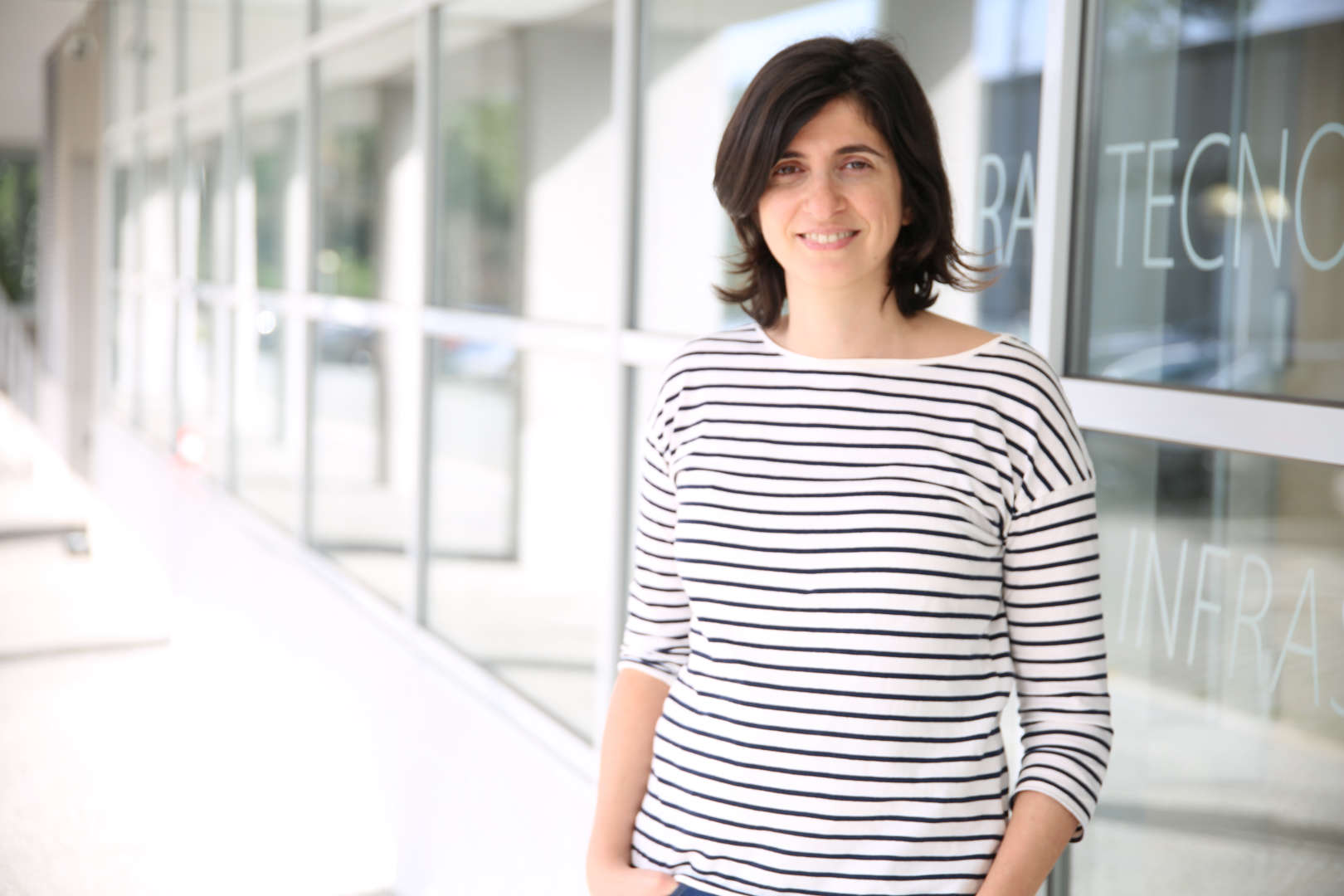
Guy HembroffView profile
Associate Professor
Guy Hembroff serves as an Associate Professor in the College of Computing at Michigan Technological University, where he directs both the MS in Health Informatics program and the interdisciplinary PhD in Computational Science & Engineering program. His academic leadership spans computational health sciences and biomedical data science initiatives. Education: PhD in Computational Science and Engineering, Michigan Technological University MPA in Public Administration, Northern Michigan University BS in Finance and Economics, Michigan Technological University Hembroff's research focuses on human health applications of artificial intelligence, particularly in medical image analysis, natural language processing, and cybersecurity. His work bridges clinical needs with computational solutions through projects like fracture risk prediction from radiographs, lung nodule classification, and mental health intervention modeling. The Biomedical Data Science (BDS) Lab he founded integrates expertise across medicine, data science, and cybersecurity to tackle healthcare challenges. His recent publications demonstrate strong trends in applying deep learning to medical imaging (35%), natural language processing for health literacy (20%), and mental health analytics (15%), with growing emphasis on generative AI applications since 2023. Key methodological approaches include multitask learning, transformer models, and ensemble techniques tailored for healthcare data. Doctoral Advising: Harikrishnan C. (Medical Image Segmentation using AI) Chethana Kadirimangalam (Mental Health Intervention Modeling) Abel Reyes (Medical Image Segmentation and Computer Vision) Tim Van Wagner (Blockchain for Patient Data Auditing) Hembroff leads multiple externally funded research initiatives including the Tick-Talk geographical tick disease monitoring system (MI-SAPPHIRE grant), FHIR-enabled health information exchanges, and mental health intervention optimization models. His BDS Lab maintains active collaborations with Henry Ford Hospital and nonprofit healthcare networks for real-world implementation of health informatics solutions. The Biomedical Data Science Lab operates as a multidisciplinary hub combining clinical expertise with computational innovation. Current projects span physical and mental health domains, with particular focus on disease progression modeling, clinical decision support systems, and secure health data architectures. The lab's work directly informs both graduate curriculum development and healthcare industry partnerships.