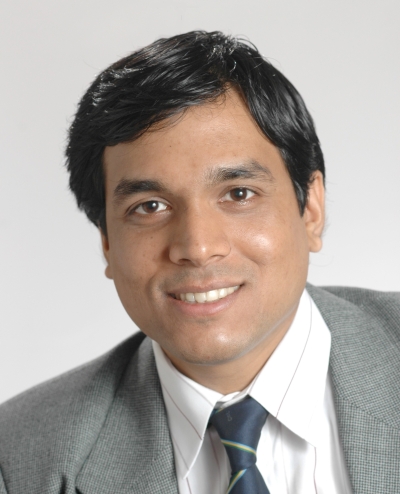
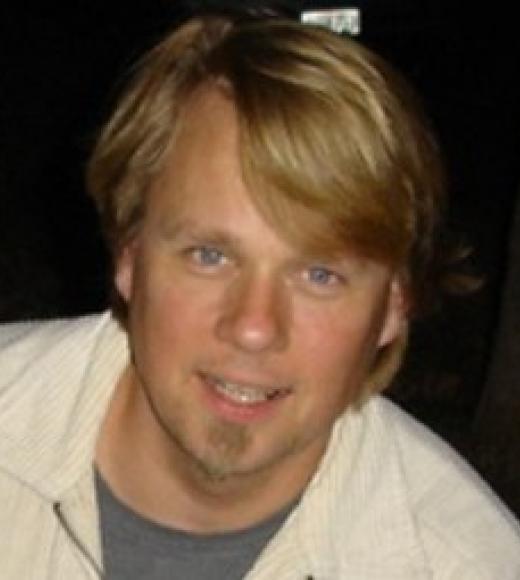
Sanjit A. Seshia is the Cadence Founders Chair Professor in the Department of Electrical Engineering and Computer Sciences at the University of California, Berkeley . He is affiliated with the Group in Logic and the Methodology of Science and participates in centers like the Industrial Cyber-Physical Systems Center , Berkeley AI Research , and the Simons Institute for the Theory of Computing . Research interests include formal methods for automated verification and synthesis of dependable systems, with applications to cyber-physical systems , AI-based autonomy , and computer security . His work spans SMT solving, model counting, syntax-guided synthesis, and algorithmic improvisation, with tools like UCLID5 , VerifAI , and Scenic for verifying autonomous systems and educational platforms like CPSGrader . Students and collaborators include notable researchers such as Dorsa Sadigh (Stanford), Daniel Fremont (UC Santa Cruz), and Hazem Torfah (Chalmers). He has co-founded startups like Decyphir and 20ⁿ Labs based on his research.
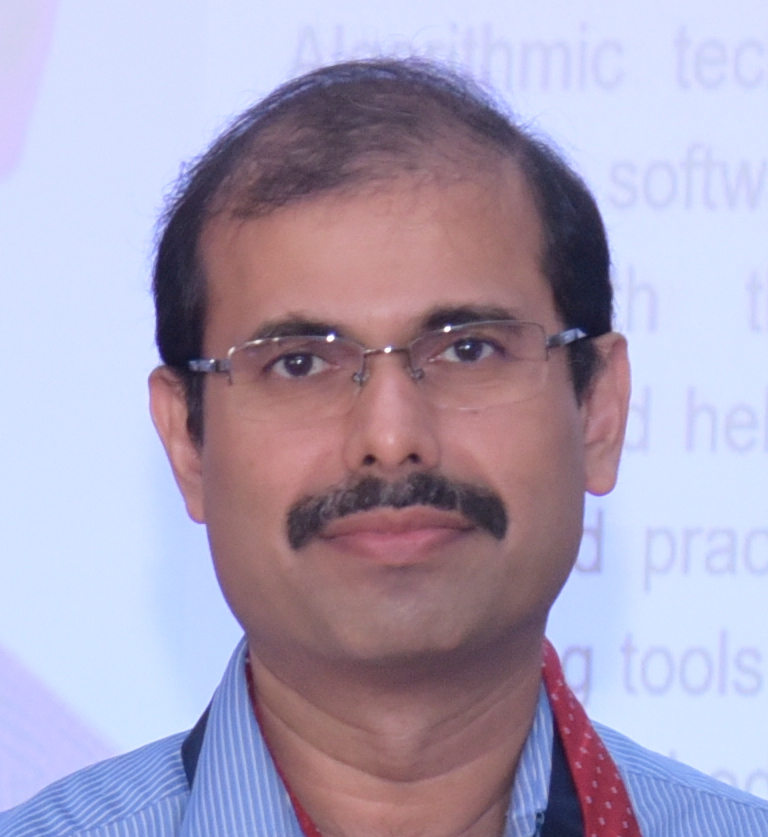
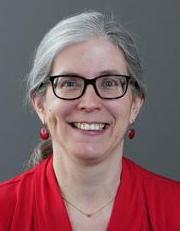
Supratik Chakraborty serves as the Bajaj Group Chair Professor in the Department of Computer Science and Engineering at Indian Institute of Technology Bombay. He maintains dual affiliations with the Centre for Formal Design and Verification of Software and the Centre for Liberal Education at IIT Bombay, demonstrating his cross-disciplinary engagement. Professor Chakraborty's research spans formal methods with focus on formal verification, rigorous analysis of system models, and automated synthesis of systems from specifications. His work bridges theoretical foundations with practical applications, particularly in developing mathematically provable guarantees for increasingly complex hardware, software, and intelligent systems. Current research interests include constrained counting and sampling, scalable formal verification of software and hardware systems, automated synthesis of programs and circuits, and applications of automata, logic and finite model theory to practical verification challenges. His publication trajectory shows a significant evolution from traditional hardware and software verification toward addressing verification challenges in machine learning and AI systems. Recent work increasingly focuses on interpretability of black-box models, verification of neural networks, and synthesis techniques applicable to intelligent systems. The research demonstrates strong interdisciplinary connections between formal methods, programming languages, and artificial intelligence. IIT Bombay Excellence in Thesis (CSE) Award 2011 (for Bhargav Gulavani's thesis) IIT Bombay Excellence in Thesis (CSE) Award 2017 (for Abhisekh Sankaran's thesis) Best Paper in Algorithms and Architecture track at IEEE International Conference on Computer Design: VLSI in Computers and Processors, 1998 Professor Chakraborty has successfully supervised 11 doctoral students, with research spanning formal verification techniques, Boolean functional synthesis, constrained counting, and applications to hardware and software systems. His students have gone on to positions at major institutions including Microsoft Research, TCS Research, Georgia Tech, and BARC, reflecting the strong industry and academic impact of his mentorship. Current research directions show increasing emphasis on verification challenges posed by machine learning systems and AI. His research group at IIT Bombay, while not explicitly named in the materials, appears to focus on formal methods with strong connections to the Centre for Formal Design and Verification of Software. The group maintains active collaborations with international researchers including Moshe Y. Vardi at Rice University, and has made significant contributions to verification tools like VeriAbs that bridge theoretical advances with practical applications.
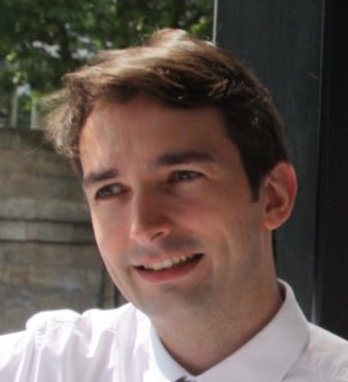
Vladimir Spokoiny is a Professor at the Departments of Mathematics and Economics of the Humboldt University of Berlin and Head of the Research Group "Stochastic Algorithms and Nonparametric Statistics" at the Weierstrass Institute for Applied Analysis and Stochastics (WIAS) in Berlin, Germany. His research spans multiple areas of statistics, machine learning, and financial mathematics, with significant contributions to nonparametric statistics, high-dimensional data analysis, and statistical methods in finance. Spokoiny received his M.Sc. in applied mathematics from the Moscow Institute of Railway Engineering in 1981 and his Ph.D. in mathematics from Lomonosov Moscow State University in 1988. He completed his Habilitation at Humboldt University in 1996. His academic career includes positions at the All-Union Institute of Railway Transport in Moscow, the Institute for Information Transmission Problems in Moscow, and the Institute for Applied Analysis and Statistics in Berlin before joining the Weierstrass Institute and Humboldt University where he has been a professor since 2002. Spokoiny's research focuses on adaptive nonparametric smoothing and hypothesis testing, high dimensional data analysis, statistical methods in finance, image analysis with applications to medicine, classification, and nonlinear time series. His work often addresses the challenges of nonstationarity in time series data and develops innovative methods for volatility estimation and risk management. He has made significant contributions to the development of adaptive weights smoothing procedures, which have applications in image processing, community detection, and manifold learning. His recent work has expanded into high-dimensional statistics, Bayesian inference, and optimization methods for machine learning, with publications demonstrating novel approaches to Gaussian approximation, Laplace methods, and statistical inference in non-Euclidean spaces. Spokoiny has supervised numerous PhD students including Oliver Reiss, Danilo Mercurio, Ying Chen, Elmar Diederichs, and Mstislav Elagin, whose research has focused on mathematical finance, time series analysis, and statistical methods. He serves as an Associate Editor for The Annals of Statistics (since 2004) and Statistics and Decisions (since 2002), and has previously served on the editorial board of the Journal of Statistical Planning and Inference. His professional activities include reviewing for major statistical journals including Annals of Statistics, Bernoulli, Econometrica, and Journal of American Statistical Association, as well as reviewing grant proposals for the National Science Foundation (USA), German Research Foundation, and Netherlands Organisation for Scientific Research. Spokoiny is a member of several professional societies including the International Statistical Institute, American Statistical Association, Institute of Mathematical Statistics, and Bernoulli Society. He is fluent in Russian (mother tongue), English, and German, and has good knowledge of French. His research group at WIAS focuses on developing novel statistical methodologies with applications across various scientific domains, particularly emphasizing adaptivity and robustness in complex data environments. The group's work has significant implications for financial risk management, medical imaging, and machine learning applications, with recent publications addressing fundamental questions in high-dimensional statistics and nonparametric inference.
Tanja Käser is a Tenure Track Assistant Professor at EPFL's School of Computer and Communication Sciences (IC), leading the Machine Learning for Education Laboratory (ML4ED). Her interdisciplinary research bridges machine learning, data mining, and educational technology, focusing on personalized learning systems and human behavior modeling. PhD in Computer Science (ETH Zurich, 2015) - honored with Fritz Kutter Award Former Senior Data Scientist at Swiss Data Science Center (ETH Zurich) Postdoctoral Researcher at Stanford University's Graduate School of Education Research Focus Explainable AI for education Adaptive learning environments Behavioral pattern recognition Generative AI applications in pedagogy User modeling and personalization Learning analytics in unstructured settings Recent Publication Trends Her 2024-2023 work demonstrates: Interpretable clustering of learners Transformer-based language learning prediction GAN applications for creative education Teacher-AI collaboration frameworks Explainability validation methods Modular network architectures Scientific Recognition Fritz Kutter Award for best Swiss computer science thesis (2015) Advising & Collaborations Currently supervises multiple PhD students including: Cock Jade Maï L Glandorf Dominik Güres Fatma-Betül Neshaei Seyed Parsa Radmehr Bahar Shibu Abhinand Shved Ekaterina Research Infrastructure Operates from EPFL's ML4ED laboratory with hybrid on-site and digital educational systems research capabilities.
Nida Latif is a Research Fellow in the Department of Internal Medicine at Yale School of Medicine. Her work focuses on understanding coronary microvascular dysfunction and ischemic heart disease in patients with nonobstructive coronary arteries, particularly in women. She is a key contributor to the DISCOVER INOCA multicenter registry, evaluating invasive coronary function testing protocols and diagnostic strategies. Her research integrates clinical, anatomical, and physiological data to improve diagnostic accuracy and patient outcomes. Key areas of investigation include coronary vasoreactivity testing, risk factor analysis in ischemic syndromes, and the impact of diabetes on angina pathophysiology. Latif's publications highlight advancements in coronary flow reserve measurement, comparison of diagnostic modalities (e.g., PET vs thermodilution), and the clinical utility of vessel-specific analysis. Her work emphasizes translational outcomes, bridging basic science insights with clinical practice improvements. While no specific awards are listed, her contributions to high-impact clinical registries and peer-reviewed publications reflect her active role in advancing cardiovascular medicine.
Ed O'Donnell is the Emerson Groennert Professor of Accountancy at the School of Accountancy within the College of Business at Southern Illinois University (SIU). He joined SIU in Fall 2009, teaching courses in financial statement auditing, information systems assurance, and experimental accounting research methods. O'Donnell's research focuses on how accounting information influences decision-making, utilizing cognitive psychology theories to analyze professional judgment and diagnostic reasoning. His applied work addresses improving auditing decisions and frameworks for enterprise risk management and information technology governance. Prior to SIU, he held faculty positions at Mississippi State University, Arizona State University, University of Kansas, and served as a visiting professor at the University of Connecticut. His recent publications examine strategic systems audit approaches, compensating controls, and cross-cultural differences in audit risk assessment. O'Donnell holds a Ph.D. in accounting from the University of North Texas (1995) and combines academic rigor with 14 years of practical experience as a practicing accountant, including roles as controller for a diversified company and public accounting sole proprietor. Contact: Email: eod@siu.edu Phone: 618-453-1497 Office: Rehn Hall, 228A
Professor Shaun Gregory is the Director of the Centre for Biomedical Technologies at Queensland University of Technology (QUT), where he also serves as Co-Director of the Artificial Heart Frontiers Program, Founder and Director of the Heart Hackathon student team competition, and Director of the CardioRespiratory Engineering and Technology Laboratory. He holds appointments in the Faculty of Engineering, School of Mechanical, Medical & Process Engineering. His educational background includes Bachelor, Masters (research), and PhD degrees, all awarded by QUT. He also holds both NHMRC and Heart Foundation fellowships, demonstrating his significant contributions to cardiovascular research. Professor Gregory's research applies a translational approach to cardiovascular engineering with a particular focus on devices used to support or replace the heart. His work brings together multidisciplinary teams of engineering, biomedical science, design, and medicine to develop novel technical solutions for clinically relevant problems. His research has changed clinical practice on numerous occasions and assisted with the regulatory approval of medical devices. His areas of interest include mechanical circulatory support, artificial heart development, cardiovascular device engineering, and hemodynamics. His publication portfolio demonstrates a strong focus on extracorporeal membrane oxygenation (ECMO), ventricular assist devices, and cardiovascular device testing. His recent work has explored computational fluid dynamics in blood flow analysis, novel cannula design for circulatory support, and the hemodynamic effects of various cardiovascular devices. His research often bridges engineering principles with clinical applications, resulting in practical innovations in cardiac support technologies. NHMRC Fellowship Heart Foundation Fellowship President-Elect of the International Society for Mechanical Circulatory Support Professor Gregory has successfully secured more than $65 million in research funding and has published over 100 research articles in his field. He is actively involved in mentoring the next generation of researchers, currently accepting Honours, Masters, and PhD students. His CardioRespiratory Engineering and Technology Laboratory serves as a hub for interdisciplinary research that brings together engineering, biomedical science, and clinical expertise to address critical challenges in cardiovascular medicine.
Ismael Castillo is a Professor of Statistics at Sorbonne Université , affiliated with the Laboratoire de Probabilités, Statistique et Modélisation (LPSM) and its Statistics, Data, Algorithms team. He serves as Associate Editor for Annals of Statistics , Bernoulli , and co-Editor for Bayesian Analysis . Research Interests : Mathematical statistics with emphasis on Bayesian nonparametrics , inference in high-dimensional structures , uncertainty quantification , and applications in signal processing and life sciences . Recent Work spans deep neural networks with heavy-tailed weights , posterior and variational inference , fractional posteriors in semiparametric models , and deep Gaussian processes . His publications demonstrate expertise in multiple testing procedures , Spike and Slab priors , and nonparametric Bayesian methods . Awards : IMS Fellow , Honorary Fellow of Institut Universitaire de France , and Best Paper Prize (2021) for research on Pólya tree posterior distributions. Students : Supervised PhD candidates Paul Egels , Thibault Randrianarisoa , and co-supervised Bo Ning (FSMP postdoc) and Kweku Abraham (Hadamard postdoc). Grants : ANR BACKUP (2023-2027, coordinator) and ANR GAP (2021-2025, member).
Marcia C. Linn is the Evelyn Lois Corey Professor of Instructional Science in the Berkeley School of Education at the University of California, Berkeley. She serves as Chair of the Graduate Group in Science and Mathematics Education (SESAME) and has made significant contributions to the field of science education for over five decades. Dr. Linn is a member of the National Academy of Education and a Fellow of multiple prestigious organizations including the American Association for the Advancement of Science (AAAS), the American Psychological Association (APA), the Association for Psychological Science (APS), the American Educational Research Association (AERA), and the International Society of the Learning Sciences (ISLS). Dr. Linn earned her B.A. in Psychology and Statistics (1965), M.A. in Educational Psychology (1967), and Ph.D. in Educational Psychology (1970) from Stanford University, where she worked under Lee Cronbach. Her early career included working with Jean Piaget at the Institute Jean Jacques Rousseau in Geneva, Switzerland (1967-68), serving as a Fulbright Professor at the Weizmann Institute of Science in Israel (1983), and conducting research at University College in London. She has been a fellow at the Center for Advanced Study in Behavioral Sciences three times and a Writing Resident at the Rockefeller Foundation Bellagio Center twice. Dr. Linn's research focuses on how students learn science and how technology can be used to improve science education. She developed the Knowledge Integration framework, which has become widely used in science education. Her work explores the intersection of cognitive science and educational practice, with particular attention to how students develop understanding of complex scientific concepts. She has pioneered the use of technology in science education, developing the Web-based Inquiry Science Environment (WISE) and directing the NSF-funded Technology-Enhanced Learning in Science (TELS) center. Dr. Linn's recent publications demonstrate a clear trajectory toward integrating artificial intelligence with science education. Her work increasingly focuses on how AI can support knowledge integration, facilitate science learning opportunities, and promote equitable educational experiences. She examines how technology can help students develop deeper understandings of scientific concepts through inquiry-based learning while addressing issues of social justice in science education. Scientific Awards and Honors National Association for Research in Science Teaching Award for Lifelong Distinguished Contributions to Science Education American Educational Research Association Willystine Goodsell Award Council of Scientific Society Presidents first award for Excellence in Educational Research Fulbright Professor (1983) Apple Wheels for the Mind grant (1985) National Institute of Education grant (1983) Throughout her career, Dr. Linn has secured significant funding for educational research, including multiple National Science Foundation grants. She directed the NSF-funded Technology-Enhanced Learning in Science (TELS) center and has led numerous projects investigating the cognitive consequences of computer environments for learning. She has advised countless students and researchers in the field of science education, shaping the next generation of educational researchers and practitioners. Dr. Linn directs the Web-based Inquiry Science Environment (WISE) project and has been instrumental in developing technology-enhanced learning environments for science education. Her laboratory has been at the forefront of creating and testing innovative learning technologies that support students in developing deep understanding of scientific concepts through inquiry-based approaches.
Dr. Dicky Tsang is an Associate Professor at the Faculty of Law , The Chinese University of Hong Kong. He holds degrees from Georgetown University (S.J.D.), Columbia University (LL.M., J.D.), University College London (LL.M.), and the University of Hong Kong (LL.B., PCLL). His practice experience includes corporate finance law at Linklaters and Shearman & Sterling across New York, London, Hong Kong, Beijing, and Shanghai. Admitted to practice in New York, England & Wales, and Hong Kong Research Interests : Dr. Tsang specializes in Private International Law and Company Law , focusing on cross-border corporate liability, veil-piercing, arbitration agreements, and FRAND litigation. His work bridges empirical legal analysis with comparative law frameworks. Publication Trends : His recent scholarship examines jurisdictional conflicts, enforcement of foreign judgments, and regulatory challenges in global corporate law. Publications span journals like Virginia Journal of International Law and Journal of Private International Law . Scientific Awards : Outstanding Research Impact Award 2022-23 CUHK Research Excellence Award 2019-2020 CUHK Teaching Excellence Award 2016-2017 Grants : He has led multiple RGC-funded projects, including empirical studies on China’s choice-of-law regime and foreign judgment enforcement. Collaborative grants explore corporate governance and legal education in Asia.
Andrew Yonelinas is a Professor in the Department of Psychology at the University of California, Davis, where he directs the Human Memory Lab. He holds additional leadership roles as Associate Director of the Center for Mind and Brain and is an affiliated faculty member with the UC Davis Center for Neuroscience. His research bridges cognitive psychology and neuroscience to investigate fundamental memory mechanisms and their neural substrates. His educational background includes a Ph.D. in Experimental Psychology from McMaster University (1995) and a B.S. in Cognitive Science from the University of Toronto (1990). These foundational studies established his expertise in experimental methodologies and cognitive theory. Yonelinas specializes in dual-process models of memory, distinguishing between recollection (detailed contextual retrieval) and familiarity (vague recognition). His lab employs process dissociation, remember/know procedures, and ROC modeling alongside neuroimaging (fMRI, ERP) and clinical studies with amnesic and Alzheimer's patients. Recent work expands into auditory working memory, multisensory integration, and the impact of mental illness on cognitive processes, revealing hippocampal roles across memory systems. His research consistently addresses how memory fails in clinical conditions while developing unified theoretical frameworks. Analysis of his 2024-2025 publications shows a strong focus on memory mechanisms across sensory modalities, with increasing emphasis on clinical applications. Key trends include hippocampal contributions to visual/auditory working memory, EEG-based biomarkers for mental illness, and the interplay between schema knowledge and memory distortion in aging populations. His work demonstrates methodological innovation through model-based EEG phenotyping and multisite clinical collaborations. His scientific recognition includes: American Psychological Society’s Shahin Hashtroudi Memorial Award University of California Chancellor’s Fellow Award European Brain and Behavior Society International Lecture Award Yonelinas actively shapes his field through editorial roles at top journals including Proceedings of the National Academy of Sciences and Journal of Experimental Psychology, while serving as a grant reviewer for NIH, NSF, and international funding bodies. His Human Memory Lab trains next-generation researchers in memory theory and methodology, with recent projects examining stress effects on memory precision and neural mechanisms of action slips. The Human Memory Lab operates within UC Davis's neuroscience ecosystem, collaborating closely with the Center for Mind and Brain on projects involving clinical populations and neuroimaging. Current initiatives include the CNTRACS Consortium for EEG standardization in mental illness and investigations into how stress modulates memory binding through hippocampal mechanisms.
Vicki L. Plano Clark is a Professor in the Research Methods area of the School of Education at the University of Cincinnati, where she advises students in the Quantitative and Mixed Methods Research Methodologies (QMRM) concentration of the Educational Studies doctoral program and the Applied Research Methods (ARM) track of the Educational Studies master's program. She joined the University of Cincinnati in 2012 after serving as the director of the Office of Qualitative and Mixed Methods Research at the University of Nebraska-Lincoln. Dr. Plano Clark earned her Ph.D. in Quantitative and Qualitative Methods in Education from the University of Nebraska-Lincoln (2005), M.S. in Physics from Michigan State University (1993), and B.A. in Physics from Kalamazoo College (1990). Her academic journey transitioned from physics education to research methodology, bringing a unique interdisciplinary perspective to her work. As a leading methodologist specializing in mixed methods research, Dr. Plano Clark's scholarship focuses on delineating useful designs for conducting mixed methods research, examining procedural issues associated with these designs, and exploring the contexts for the adoption and use of mixed methods. Her research spans diverse application areas including cancer pain management, STEM graduate student identity development, teacher professional development, and the well-being of rural low-income families. Her work demonstrates how mixed methods approaches can effectively address complex research questions across multiple disciplines. Dr. Plano Clark has made significant contributions to the field through her editorial leadership and publications. She was the founding Managing Editor for the Journal of Mixed Methods Research and currently serves as an Associate Editor. In 2011, she co-led the development of Best Practices for Mixed Methods in the Health Sciences for NIH's Office of Behavioral and Social Sciences Research. In 2012, she became a founding co-editor of the Mixed Methods Research Series with Sage Publications. She has authored numerous influential books including 'Designing and Conducting Mixed Methods Research' (now in its 3rd edition) and 'Mixed Methods Research: A Guide to the Field.' Founding Managing Editor for the Journal of Mixed Methods Research Co-developer of NIH's Best Practices for Mixed Methods in the Health Sciences (2011) Founding co-editor of the Mixed Methods Research Series with Sage Publications (2012) Chair of the Mixed Methods Research Special Interest Group of AERA As an active researcher, Dr. Plano Clark has secured multiple grants including a Department of Education grant evaluating Ohio Network of Education Transformation (ONET) Schools (as Principal Investigator) and a UC University Research Council grant on reducing mass incarceration by improving public defense (as Collaborator). Her recent publications continue to advance methodological understanding in mixed methods research, with a focus on integration techniques, terminology challenges, and applications across health sciences and education. Dr. Plano Clark maintains an active role in the research community through invited presentations and workshops worldwide, helping to train the next generation of researchers in mixed methods approaches and contributing to the ongoing development of methodological standards and practices.
Prof. Tibor Neugebauer is a Full Professor of Finance at the University of Luxembourg’s Faculty of Law, Economics and Finance (FDEF), Department of Finance. He holds a Doctorate in Economics from the University of Valencia (2000) and professional qualifications from Hannover, with prior academic positions at institutions including York, Kiel, Hannover, and research stays at Lisbon, Bari, Valencia, and Rome. His research focuses on Experimental Finance and Economics, particularly behavioral finance, asset markets, auctions, and decision-making under uncertainty. He designs laboratory experiments to analyze markets, strategic interactions, and algorithm-human dynamics, with recent emphasis on algorithmic trading and market regulations. Education: Doctor of Economics, University of Valencia (2000) Master of Science in Economics, University of Alicante (1997) Bachelor’s in Economics, University of Bonn (1994) Professional Qualification in Economics, University of Hannover (2006) Research Interests: Prof. Neugebauer’s work examines institutional and informational structures’ impact on market outcomes, including fairness in co-determination, communication effects in asset markets, and algorithmic arbitrage. His experiments explore human behavior in complex environments, such as speculative asset trading and regulatory interventions. He has pioneered studies on algorithmic trading’s role in experimental markets, combining theoretical models with empirical behavioral insights. Key Contributions: His research addresses topics like margin trading regulations, Modigliani-Miller theorem validity in experimental settings, and the ‘greater fool’ phenomenon. Recent studies emphasize algorithmic-human interaction dynamics, market efficiency under varying mechanisms, and the implications of wash trading. Awards & Grants: No specific awards listed, but his extensive publication record reflects sustained recognition in experimental finance. Grants and collaborations likely relate to his research on market design and behavioral finance. Labs/Teams: Active in the FDEF’s finance research group, contributing to Luxembourg’s international reputation in experimental economics and finance. Collaborates with global institutions on algorithmic trading and market dynamics.
Krishna Gummadi is a Scientific Director and Professor at the Max Planck Institute for Software Systems (MPI-SWS) in Germany, where he leads the Networked Systems Research Group. He also holds a professorship at the University of Saarland, demonstrating his dual commitment to research and academic instruction in computer science. His educational background includes: Ph.D. in Computer Science and Engineering from the University of Washington (2005) B.Tech. in Computer Science and Engineering from the Indian Institute of Technology, Madras (2000) Gummadi's research spans networked and distributed computer systems with a current focus on social computing systems. His work addresses critical challenges in algorithmic fairness, privacy in social media, trustworthiness of online identities, and information dissemination in social networks. He approaches these problems through interdisciplinary methods combining user-centric studies, data-centric analysis, and systems-centric design to create practical solutions that enhance fairness, transparency, and user control in online platforms. His methodology integrates large-scale observational studies, computational modeling, and system implementation to tackle complex human-computer interaction challenges at societal scale. His recent publications reveal a strong emphasis on fairness in algorithmic decision making, with significant contributions to quantifying and addressing discrimination in machine learning systems. His work bridges computer science, social science, and ethics, creating frameworks for fair classification, understanding media bias, and developing privacy-preserving techniques that maintain functionality while protecting user data. The research demonstrates a progression from technical system design to addressing societal implications of computing systems. Among his notable scientific achievements: ERC Advanced Grant in 2017 for 'Foundations for Fair Social Computing' Test of Time Awards at ACM SIGCOMM and AAAI ICWSM Casper Bowden Privacy Enhancing Technologies (PET) and CNIL-INRIA Privacy Runners-Up Awards IW3C2 WWW Best Paper Honorable Mention Multiple Best Paper awards across prestigious conferences Gummadi has advised numerous PhD students and postdoctoral researchers who have gone on to prominent positions in academia and industry. His ERC Advanced Grant has supported extensive research into fair social computing, while his leadership in major conferences (including serving as General Chair for ICWSM 2016 and Program Chair for WWW 2015) has shaped research directions in the field. His teaching portfolio includes courses on Distributed Systems, Human-Centered Machine Learning, and Social Media Analysis. He leads the Networked Systems Research Group at MPI-SWS, which has developed several publicly available systems including tools for fair classification, privacy risk assessment, trust evaluation in social media, and information diet management. The group's work bridges theoretical advances with practical implementations that address real-world challenges in social computing, with numerous software releases and datasets made available to the research community.
Marguerite M. Pinto, MBBS, serves as a Clinical Assistant Professor in the Department of Pathology at Yale School of Medicine. With decades of experience in cytopathology, Dr. Pinto specializes in diagnosing diseases through cellular examination of tissue samples, with particular expertise in fine needle aspiration techniques and cytologic diagnosis. She has maintained a strong clinical focus throughout her career, emphasizing the importance of accurate diagnosis to avoid unnecessary patient testing and biopsies. Dr. Pinto's educational background includes: MBBS from St. John's Medical College (1969) Residency at Bridgeport Hospital (1975) Fellowship at Children's Hospital of Philadelphia (1976) Fellowship at Milton S. Hershey Medical Center (1977) Her research focuses on improving diagnostic accuracy in cytopathology, particularly through the application of biomarker testing in fine needle aspirates. Dr. Pinto has specialized interest in clinical research involving small case series to develop practical diagnostic methods applicable in any laboratory setting. Her work has contributed significantly to the understanding of tumor markers like carcinoembryonic antigen (CEA) and CA-125 in the diagnosis of various cancers, with particular applications in breast, gynecologic, pancreatic, and pulmonary pathologies. She approaches diagnostic pathology with the philosophy that accuracy directly impacts patient care quality, minimizing unnecessary procedures while ensuring definitive diagnoses. Dr. Pinto's publication record from 1991-1997 demonstrates a focused research trajectory examining how tumor markers can enhance traditional cytologic diagnosis. Her work consistently explored the diagnostic value of CEA and CA-125 across multiple organ systems, establishing evidence for their practical application in fine needle aspiration biopsies. This research has contributed to standardized protocols for using these biomarkers as diagnostic adjuncts in cytopathology. Her professional recognition includes: American Cancer Award (April 14, 2009) Dr. Pinto maintains active clinical practice at Yale Medicine, where she applies her expertise in cytopathology to patient care. Her professional legacy extends beyond her own work, as she comes from a multi-generational medical family - her father was a medical school dean, and her daughter graduated from Yale School of Medicine to become a transplant cardiologist, continuing the family tradition. Dr. Pinto has been affiliated with the Norma Pfriem Cancer Center at Bridgeport Hospital from 1997-2012, contributing her cytopathology expertise to cancer diagnosis and treatment.