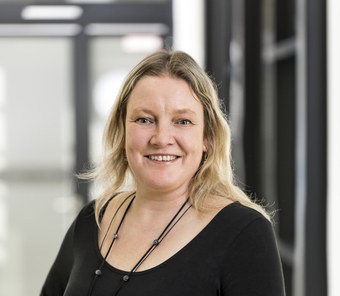
Susanne Weis is a Research Professor and Group Leader of the 'Variability of the Brain' group at the Department of Brain and Behavior (INM-7), part of the Institute of Neuroscience and Medicine (INM) at Research Center Jülich GmbH. Her work focuses on understanding brain variability through advanced neuroimaging techniques and machine learning, with particular emphasis on sex differences, hormonal influences, and clinical applications in mental health. Her research interests include neuroimaging methodologies, machine learning applications in cognitive neuroscience, and the structural-functional relationships underlying brain variability. She investigates how factors like sex hormones and naturalistic stimuli (e.g., movies) affect brain connectivity and cognitive performance, aiming to improve diagnostic and predictive tools for disorders such as schizophrenia and Alzheimer’s disease. Publications highlight her contributions to developing datasets (e.g., SpEx), analyzing confound leakage in ML models, and exploring meta-analytic networks during naturalistic viewing. Her work bridges basic science and clinical impact, addressing challenges in interpreting neuroimaging data and advancing personalized medicine approaches. In her role as a group leader, Weis oversees research projects and collaborates with interdisciplinary teams. She is affiliated with the Helmholtz Association and contributes to the broader scientific community through her research in neuroimaging and computational neuroscience.
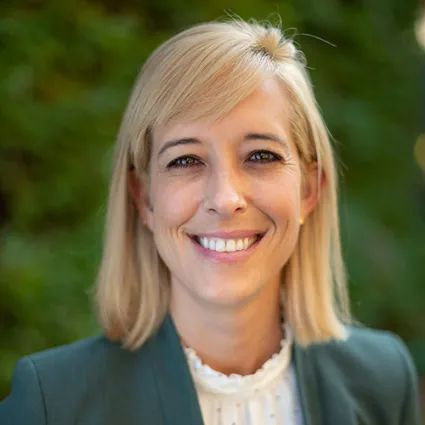
Stephanie Jarvi Steele is an Assistant Professor of Psychology at Smith College . She directs the Behavioral Assessment of Self-Injury Lab (BASIL) , focusing on risk factors for self-injurious thoughts and behaviors, including non-suicidal self-injury (NSSI) and self-disgust. She teaches courses such as Abnormal Psychology, Research Methods, and a seminar on high-risk behaviors in psychopathology. Steele is a licensed clinical psychologist in Massachusetts. She earned her Ph.D. in Clinical Psychology from Suffolk University and completed a predoctoral internship at Brown University's Warren Alpert Medical School. She held a postdoctoral fellowship at Boston University and served as a Visiting Assistant Professor at Williams College before joining Smith. Her research interests include non-suicidal self-injury (NSSI) , social contagion effects , implicit identity in self-injurious behaviors , and transdiagnostic cognitive-behavioral therapy , with a focus on treating comorbid mental health conditions. Her recent publications explore implicit associations in NSSI, teletherapy risk management, and longitudinal studies on sleep and suicide. Scientific Awards : NIH Loan Repayment Program (LRP) award (2019) Grants & Collaborations : She has collaborated on large-scale clinical trials, including the efficacy of transdiagnostic cognitive-behavioral therapy for comorbid alcohol use and anxiety disorders. She mentors students and co-authors research with mentees, indicated by footnotes in her publications.
Insa Feinkohl is a Professor at the Chair of Medical Biometry and Epidemiology within the Faculty of Health at the University of Witten/Herdecke . Her research focuses on risk factors for cognitive dysfunction and mental health in older adults, particularly post-surgery, with emphasis on metabolic and cognitive risk factors. Bachelor of Science (BSc) in Psychology (1 st class honors) – University of Dundee (2006-2009) Master of Science (MSc) in Psychology of Individual Differences (with distinction) – University of Edinburgh (2009-2010) PhD in Community Health Sciences – University of Edinburgh (2010-2014) Post Doc in Knowledge Construction Group – Leibniz Institute for Knowledge Media, Tübingen (2014-2015) Postdoc in Molecular Epidemiology Group – Max Delbrück Center, Berlin (2015-2022) Habilitation in Molecular Epidemiology – Charité Universitätsmedizin Berlin (2021) Her research integrates medical biometry and epidemiology to study postoperative cognitive dysfunction (POCD), delirium, and aging-related cognitive decline. Key areas include biomarker validation (e.g., leptin, interleukins), brain connectivity (dopaminergic networks, thalamus), and metabolic risk factors (diabetes, obesity). She contributed to the BioCog project , an EU-funded initiative for personalized risk prediction of postoperative cognitive impairment. Her recent publications highlight trends in perioperative neuroscience, including brain mineralization, cytokine associations with neurocognitive disorders, and structural/functional imaging in delirium. Articles also explore metabolic syndrome, cognitive reserve, and delirium prediction models using machine learning. Insa Feinkohl is affiliated with major academic societies, including the German Society for Epidemiology , German Society for Medical Informatics, Biometry and Epidemiology , and the German University Association .
Anselm B. M. Fuermaier, PhD, is Associate Professor for Clinical Neuropsychology at the University of Groningen, Netherlands. His research focuses on the assessment of attention disorders, with a special emphasis on symptom and performance validity testing in adult ADHD evaluations. University: University of Groningen Department: Clinical and Developmental Neuropsychology Academic Rank: Associate Professor Dr. Fuermaier’s work has advanced understanding of: Network analysis in ADHD diagnostics Cognitive functioning disparities Embedded vs. standalone validity measures Standardization of neuropsychological testing Reaction time variability as ADHD biomarker His recent publications examine: Impairment assessment frameworks Longitudinal cognitive patterns Delphi consensus on diagnostic protocols Performance validity in mixed neuropsychiatric samples
New Jersey Institute of Technology (NJIT)United States
Xiaobo Li is a Professor in the Department of Bio-Medical Engineering at New Jersey Institute of Technology. Holding a Ph.D. in Computer Aided Geometric Design from the University of Birmingham and a B.S. in Automation from Nanjing University of Aeronautics, their research bridges computational methods with neuroimaging and psychiatric disorder analysis. Ph.D., University of Birmingham (Computer Aided Geometric Design, 2004) B.S., Nanjing University of Aeronautics (Automation, 1999) Dr. Li’s work focuses on applying machine learning and graph theory to understand brain network abnormalities in conditions like ADHD , schizophrenia , and traumatic brain injury . Their studies analyze structural-functional connectivity , reward processing , and gut-brain axis interactions using fMRI , fNIRS , and diffusion tensor imaging . Recent publications highlight their development of tools like the GAT-FD MATLAB toolbox for brain network analysis and their exploration of multimodal MRI in schizophrenia diagnosis. They also investigate the neurobiological effects of photobiomodulation and vision therapy interventions.
Mia Liljeström is a Staff Scientist at the Department of Neuroscience and Biomedical Engineering, Aalto University. She holds a Doctoral Degree in Engineering and Technology from Aalto University (2010) and a Master's Degree in Engineering and Technology from Helsinki University of Technology (2002). Doctoral Degree: Aalto University, 2010 Master's Degree: Helsinki University of Technology, 2002 Her research focuses on Magnetoencephalography (MEG) , Functional Connectivity , and Brain Networks . She explores Transcranial Magnetic Stimulation (TMS) , Functional MRI , and Neural Networks to map language-critical brain areas and study cortical dynamics. Recent work includes automated speech artefact removal from MEG data and test-retest reliability of brain connectivity metrics. Mia actively participates in conferences like MEG Nord and has presented invited talks on language processing and large-scale brain networks. Her publications emphasize MEG-informed TMS, cortical beta modulation, and brain stimulation precision. She contributes to the UN Sustainable Development Goal of Quality Education through neuroimaging research.
Dr. Mathias Basner is a Professor of Psychiatry at the University of Pennsylvania Perelman School of Medicine , where he directs both the Behavioral Regulation & Health Section and the Unit for Experimental Psychiatry within the Division of Sleep and Chronobiology . With dual appointments in Psychiatry and Sleep Medicine, his research bridges aerospace, urban, and clinical environments to study neurobehavioral consequences of sleep loss and noise exposure. Education: MD (1999), PhD in Research (2001) from University of Bochum; MSc in Epidemiology (2006) from University of Bielefeld Key Research Areas: Sleep deprivation effects, environmental noise impacts, astronaut behavioral health, and cognitive performance assessment Research Trends: Using field studies, space analog environments, and large datasets like the American Time Use Survey, Dr. Basner examines sleep-wake cycles, noise-induced stress responses, and cognitive adaptation in extreme environments. His work informs WHO guidelines, FAA policies, and NASA's Mars mission planning. Scientific Recognition: International Space Station Innovation Award (2018) Journal Publication Award for Outstanding Space Medicine Article (2016) Consultant for WHO, ICAO, and FAA noise/sleep guidelines Professional Contributions: Senior Associate Editor for Sleep Health and Frontiers in Physiology , developer of the PVT-B and Cognition test battery for NASA, and principal investigator in major studies including the TWINS study and Inspiration 4 mission.
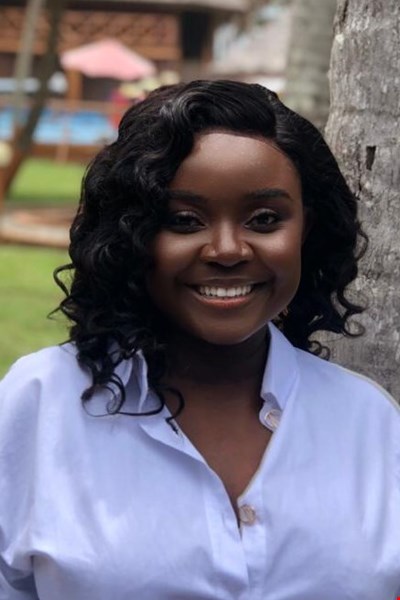
Rosemary Xorlanyo Doe-Asinyo serves as a Lecturer (Education) in Occupational Therapy within the Department of Health Sciences at Brunel University's College of Health, Medicine and Life Sciences, bringing over six years of experience in teaching and clinical placement coordination. A pioneer in Ghana's occupational therapy education, she completed foundational training as part of West Africa's first BSc occupational therapy cohort and gained UK clinical experience through a placement with North Umbria Healthcare NHS Foundation Trust. Her academic credentials include: MSc in Occupational Therapy from the University of Cape Town, South Africa Ms. Doe-Asinyo's research centers on neurodevelopmental disabilities in school-aged children, with emphasis on Developmental Coordination Disorder (DCD), motor performance, physical fitness metrics, and the therapeutic role of active play. She specializes in developing culturally responsive assessment tools and interventions for diverse pediatric populations, while advocating for expanded occupational therapy education frameworks and intra-professional fieldwork collaboration across practice settings. Her 2021 publications in Heliyon and BMC Pediatrics establish the PERF-FIT test battery as a validated instrument for measuring motor skill-related physical fitness in children, demonstrating strong ecological validity and reliability metrics. These works reflect her commitment to evidence-based pediatric assessment methodologies that bridge clinical practice and research. Professional leadership defines her career through roles as inaugural president of the Occupational Therapy Association of Ghana (OTAG), delegate for the World Federation of Occupational Therapists (WFOT), and current OTAG board member. Concurrently, she maintains active clinical practice as a private occupational therapist specializing in children and young people with neurodevelopmental disabilities and their families.
Dr. Bradley Elphinstone is a Senior Lecturer in the School of Health Sciences at Swinburne University of Technology, where he conducts research and teaching in clinical and health psychology, with a focus on mindfulness, nonattachment, self-compassion, and gender-affirming mental health. He is actively involved in PhD supervision and has led research on public trust in genomic data, emotional well-being, and digital mental health interventions. His research interests include: Clinical and Health Psychology Social and Personality Psychology Mindfulness-Based Interventions Nonattachment and Self-Compassion Gender Euphoria and Transgender Mental Health Public Trust in Health Data Systems His recent publications (2020–2025) reflect a strong trend in psychometric scale development (e.g., Gender Euphoria Scale, Equanimity Scale), emotional regulation, and public health psychology, particularly during the pandemic. His work bridges clinical psychology with public engagement and policy, especially in genomic governance and mental well-being. Scientific contributions include: Development and validation of psychological scales Studies on trust and compliance during public health crises Exploration of non-dualistic approaches to mental health (e.g., A Course in Miracles) Telehealth and dignity therapy for older adults Dr. Elphinstone supervises multiple PhD students on topics ranging from financial well-being to gender identity and digital interventions. He has secured external funding, including a grant from the Department of Health and Aged Care on genomic data trust. He is also involved in collaborative research networks and public engagement through platforms like The Conversation. He is affiliated with research teams focused on: Mindfulness and psychological development Trans and gender diverse mental health Digital and telehealth interventions Public attitudes toward biobanks and genomics
Michael J. Larson is a Professor of Psychology in the College of Family, Home, and Social Sciences at Brigham Young University (BYU), where he directs the Clinical Cognitive Neuroscience and Neuropsychology (CCNN) Lab. His research integrates neuropsychology and cognitive neuroscience methodologies to investigate cognitive control mechanisms in healthy individuals and cognitive dysfunction following traumatic brain injury (TBI). He employs advanced techniques including event-related potentials (ERPs) and functional magnetic resonance imaging (fMRI) to examine neural correlates of cognitive processes. Dr. Larson's research program has four primary aims: (1) Investigating behavioral and neural reflections of cognitive control using ERP/fMRI; (2) Understanding lifespan developmental trajectories of cognitive control in neurologic insult or psychopathology (TBI, autism, depression); (3) Examining cognitive control's role in exercise and food-related behaviors including obesity; (4) Determining psychometric properties of biological measures for clinical application. His work spans traumatic brain injury recovery, exercise cognition, food inhibitory control, and psychopathology-neurocognition interactions. His publication trends reveal strong focus on methodological rigor in psychophysiology, with recent articles emphasizing ERP reliability across paradigms, preregistration practices, and multiverse analysis approaches. Key research domains include TBI rehabilitation (particularly via photobiomodulation and HRV biofeedback), sex differences in concussion mechanisms through the LIMBIC MATARS Consortium, and neural markers of food-related inhibitory control. Editor-in-Chief, International Journal of Psychophysiology (2016-Present) Top-Cited Scholar for Scientific Field (2019) Martin B. Hickman Innovation in Teaching Award (2018) University Young Scholar Award (2015) College Outstanding Young Alumnus, University of Florida (2014) Dr. Larson mentors students through the BYU Chapter of the Association of Neuropsychology Students and Trainees (ANST) and collaborates extensively with Dr. Tricia Merkely, Dr. Derin Cobia, and Dr. Shawn Gale on clinical neuropsychology training. His lab emphasizes rigorous methodology and psychometric validation, contributing significantly to standards in electrophysiological research through editorial leadership and methodological publications.
Professor Lisa Barnett is a leading academic in Physical Activity and Health at Deakin University's Institute for Physical Activity and Nutrition within the Faculty of Health. She currently serves as Associate Head of School for Research and has held progressive academic positions since 2009, advancing from Lecturer to her current Professorship (2022-present). Her internationally recognized work focuses on developing measurement tools and interventions to improve physical literacy, with particular expertise in motor skills assessment. Doctor of Philosophy, University of Sydney Master of Public Health, University of New South Wales Graduate Certificate of Higher Education, Deakin University Bachelor of Social Science, Edith Cowan University Professor Barnett's research has established her as the number one researcher in the world in motor skills according to Expertscape. Her work bridges academic research with practical application through extensive industry partnerships and international collaborations. She developed the pictorial scale for Perceived Movement Skill Competence in 2016, now used in 35 countries, and co-led the development of the Australian Physical Literacy Definition and Framework in 2019. In 2021, she led development of an innovative pictorial tool to measure children's physical literacy for the Australian Sports Commission, requested by researchers from 22 countries across 17 language groups. Her research interests focus on Motor Skills, Physical Self-Perception, Physical Literacy, and Physical Activity measurement and intervention. Her recent publications demonstrate strong continuity in her research program, with 2025 articles focusing on physical literacy measurement tools, motor competence assessment, and interventions targeting children's physical activity. These works show increasing methodological sophistication with applications of artificial intelligence, longitudinal program evaluation, and digital health approaches. Number one researcher in the world in motor skills (Expertscape) Past President of the International Motor Development Research Consortium Co-leads the Physical Literacy Special Interest Group for the Asia Pacific Society of Physical Activity Professor Barnett has secured substantial research funding, including current grants such as 'Culturally adapting the Resistance Training for Teens movement intervention for Middle Eastern adolescent girls' and 'Implementation of a physical activity and physical literacy tool in schools.' She actively supervises doctoral students across diverse topics related to physical literacy, motor competence, and inclusive physical activity practices. Her leadership extends to directing research centers and contributing to national frameworks, demonstrating significant impact beyond traditional academic boundaries. She leads the Institute for Physical Activity and Nutrition research group and has been instrumental in developing international physical literacy standards and assessment tools that are transforming how children's movement skills are measured and developed worldwide.
Uri Hasson is a Professor at the Princeton Neuroscience Institute, Princeton University, focusing on the neural basis of brain-to-brain human communication, natural language processing, and language acquisition in real-world contexts. His lab challenges traditional experimental models by using deep learning to decode cognition during natural stimuli. Research Highlights: Investigates neural alignment in speaker-listener interactions. Develops computational tools to model language processing in everyday conversations. Explores shared principles between biological and artificial neural networks. Recent Article Trends: 2025–2023 publications emphasize deep language models matching neural responses, event segmentation via Bayesian surprise, and multibrain convergence during storytelling. Key keywords: Neuroscience, Natural Language Processing, Deep Learning, Cognitive Modeling . Awards: NIH Pioneer Award Lab & Collaborations: The Hasson Lab integrates neuroimaging (ECoG, fMRI) with large-scale datasets and AI to study real-life cognition. Collaborations span psychology, computational neuroscience, and machine learning.
Rene Mõttus is a Professor of Personality Psychology at the University of Tartu's Faculty of Social Sciences, Institute of Psychology, and a Reader at the University of Edinburgh. He holds a prominent position in personality research, serving as Editor-In-Chief of the European Journal of Personality since 2020. Dr. Mõttus earned his PhD in Psychology from the University of Tartu in 2009, with a dissertation titled "Universal and specific aspects of personality traits in their various representations," supervised by Jüri Allik. He completed his Master's degree in Psychology at the University of Tartu in 2005, with a thesis on "The relationship of cognitive ability to the structure, variability and measurement of personality," supervised by Jüri Allik and Helle Pullmann. Professor Mõttus specializes in personality psychology, with research interests spanning personality structure, well-being, psychometrics, and the connections between physical and mental health. His work particularly focuses on the nuances of personality traits beyond the traditional Big Five framework, examining how these finer details predict life outcomes, relate to physical characteristics like body mass, and develop across the lifespan. He has made significant contributions to understanding the reliability of personality measures, the Dark Triad traits, and the relationship between personality and social media use. His recent publications demonstrate a strong focus on advancing personality research methodology while exploring the intricate connections between personality, health, and social behavior. Mõttus has pioneered research on personality nuances—finer-grained aspects of personality that go beyond traditional domains and facets—and their implications for understanding individual differences. His work often employs large-scale, multi-sample approaches and sophisticated statistical methods to address fundamental questions in personality science. Among his notable achievements, Mõttus received the Early-Career Award from the European Association of Personality Psychology in 2018. He has also been honored with the Erns Jaakson Scholarship (2010) and multiple publication awards from the Estonian Centre of Behavioural and Health Sciences (2006, 2008). As Editor-In-Chief of the European Journal of Personality since 2020, Mõttus plays a key role in shaping the direction of personality research globally. He has secured significant research funding for projects examining well-being and personality, including a major €540,000 grant from the Estonian Research Council (PRG2190) as principal investigator. His collaborative work extends across international boundaries, with numerous co-authored publications featuring researchers from multiple countries. Professor Mõttus leads research within the Estonian Center of Excellence of Well-Being Sciences and directs several projects focused on predicting, understanding, and promoting well-being through large-scale data analysis. His work bridges personality psychology with health sciences, aiming to develop practical applications for improving mental health and well-being.
Erik Frykholm is a postdoctoral researcher and staff scientist at Umeå University's Department of Community Medicine and Rehabilitation, specializing in Physiotherapy. He actively teaches at both undergraduate and advanced levels in the Physiotherapy program while conducting research focused on exercise interventions for older adults and individuals with chronic obstructive pulmonary disease (COPD). His work emphasizes measurement methods for muscle function and exercise evaluation. Current affiliation: Umeå University Department: Community Medicine and Rehabilitation Section: Physiotherapy Academic role: Researcher Frykholm's research primarily investigates exercise physiology in aging populations and COPD patients, with publications covering high-intensity interval training (HIIT) feasibility, muscle function assessment techniques, and resistance training protocols. He contributes to the Umeå Translational Respiratory EXercise group (U-TREX) and participates in projects like the Umeå HIT Study (2019-2024) and ENDURE/PREDQUAD (2016-2023). His recent publications demonstrate a consistent focus on clinical exercise physiology, particularly analyzing quadriceps endurance measurement reliability and developing exercise programs for special populations. The work integrates both geriatric and pulmonary rehabilitation perspectives, emphasizing valid and feasible assessment methods.
Chiara Bulgarelli is a Leverhulme Trust Early Career Research Fellow at Birkbeck's Centre for Brain and Cognitive Development. She holds a PhD in Developmental Cognitive Neuroscience from Birkbeck and leads the ToddlerLab neuroimaging facility. Research Focus: Examines neurodevelopment during social interactions using fNIRS and VR technologies. Her Leverhulme-funded project investigates empathy development in 3-5-year-olds, combining wearable neuroimaging with virtual reality scenarios to study real-time neural responses. Methodological Expertise: Pioneers mobile fNIRS applications for freely moving toddlers and validation of VR paradigms for developmental populations. Contributes to fNIRS methodology standardization through the FRESH reproducibility initiative. Publication Trends: Recent work (2023-2025) establishes neural correlates of empathy in toddlers, validates VR-fNIRS methods for neurodiverse children, and identifies infant brain connectivity patterns predicting childhood cognitive flexibility. Earlier research mapped fronto-temporoparietal connectivity development. Collaborations: Worked on the BRIGHT project creating neurodevelopmental curves for infants in low-resource settings. Current interdisciplinary projects validate VR setups for neurodivergent children through EPSRC funding.