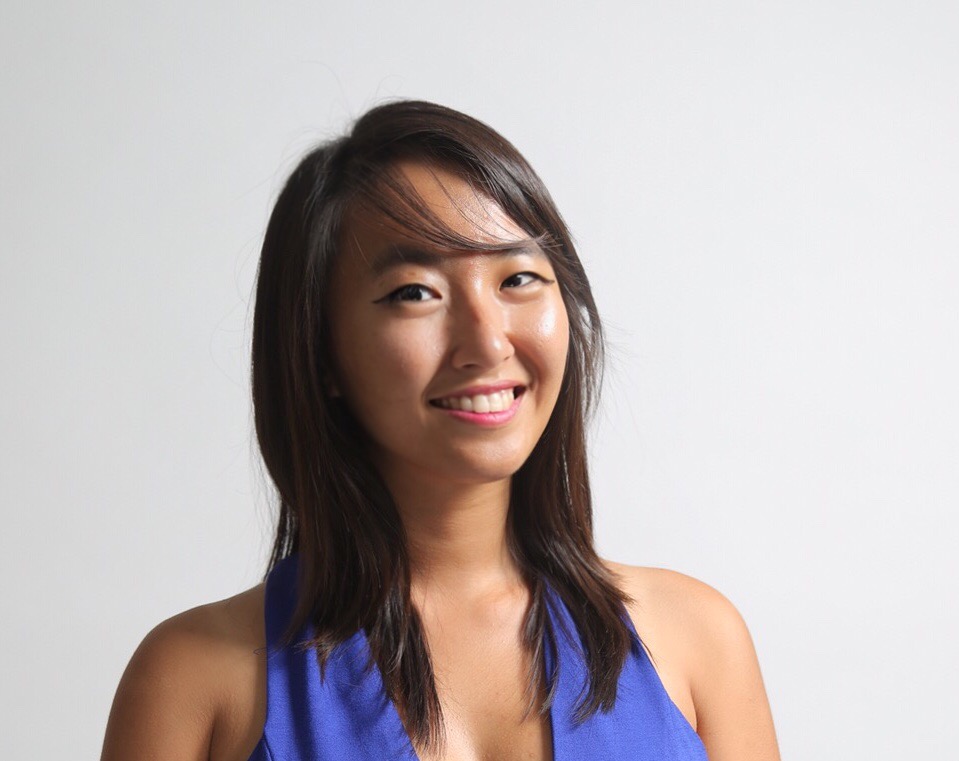
Claudia De GrandiView profile
Teaching Professor
Claudia De Grandi serves as an Associate Professor (Lecturer) in the Department of Physics & Astronomy at the University of Utah, where she has been since 2015. Her academic journey began with theoretical physics research before transitioning to physics education, where she now focuses on developing innovative teaching practices and inclusive learning environments. She has held positions as Helmsley Teaching Scholar (2015-2018), Assistant Professor (Lecturer) (2018-2022), and was promoted to Associate Professor (Lecturer) in 2022. Dr. De Grandi's educational background includes a PhD in Condensed Matter Theory from Boston University (2011) and an MS in Physics from the University of Milan, Italy (2005). Her research interests have evolved from quantum physics to primarily physics education research, with a strong focus on student belonging, assessment methods, and curriculum development for life sciences students. Her scholarly work reveals a clear transition from theoretical quantum physics to physics education research. The earliest publications (2007-2015) focus on quantum dynamics, quenches near critical points, and Bose-Hubbard systems, while her more recent work (2019-2023) centers on educational innovation, student engagement, and inclusive teaching practices. This trajectory demonstrates her successful transition from research physicist to education specialist. Her 2023 textbook "Introductory Physics for the Life Sciences" represents a major contribution to physics education literature, designed specifically for biology and premedical students. Dr. De Grandi has received significant recognition for her teaching excellence: Early Career Teaching Award from University of Utah (February 2023) College of Science Distinguished Educator Award from University of Utah (March 2022) Her teaching philosophy emphasizes active learning, student engagement, and creating inclusive environments. She has taught numerous sections of "Physics for Science & Engineering" and developed the innovative "Being Human in STEM" course. Her research shows particular interest in how assessment formats affect student performance across different demographic groups, with findings indicating that social belonging impacts performance even on non-traditional assessments. She has also pioneered the use of open-source videos for flipped classrooms and developed comprehensive STEM climate surveys through student-faculty collaboration.