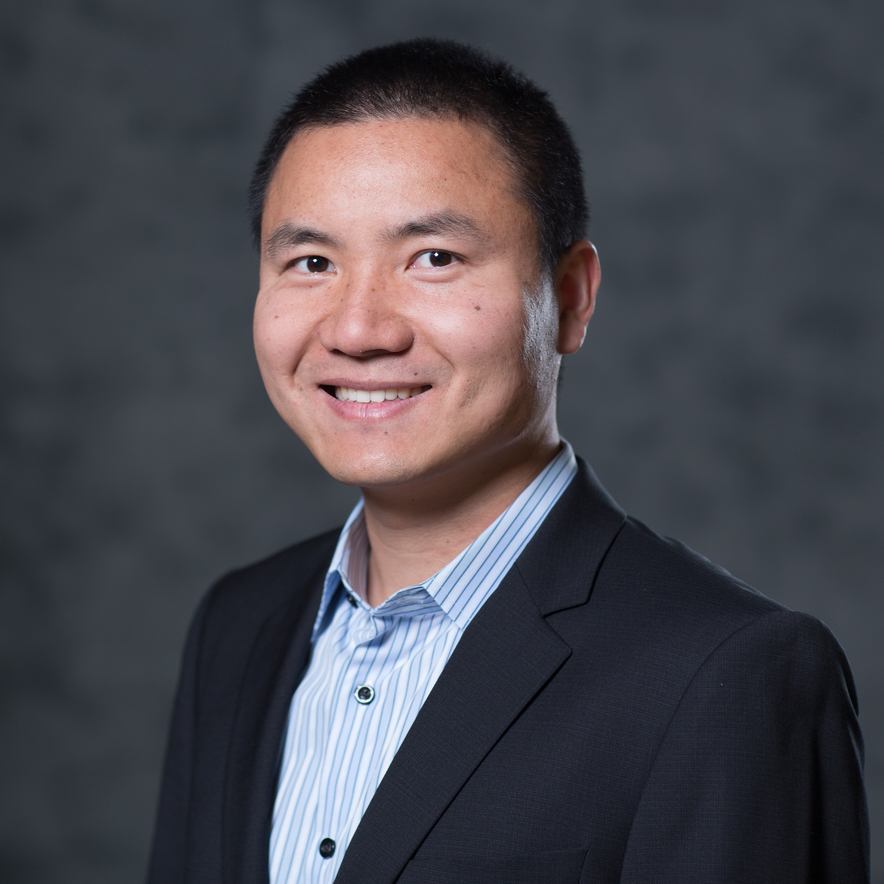
Margaret MartonosiView profile
Professor
Margaret Martonosi is the William M. Addy ’82 University Professor of Computer Science at Princeton University, a position she has held since 1994. Her research focuses on computer architecture, with significant contributions to both classical and quantum systems. She has led major initiatives such as co-founding the ACM CARES movement and served as Director of the NSF Directorate for Computer and Information Science and Engineering (CISE) from 2020 to 2024. Her work emphasizes power-efficient designs, quantum hardware/software co-design, and scalable hybrid computing frameworks. Her academic leadership includes roles in broadening participation in computing through the Computing Research Association (CRA-W) and mentorship recognized by awards like the ACM Frances E. Allen Award. She has authored over 200 papers, with impactful contributions in security (e.g., SoCurity frameworks), quantum architectures (e.g., ARQUIN, HetArch), and heterogeneous computing (e.g., DCRA chiplet systems). Her recent research addresses challenges in quantum-classical integration and post-Moore’s Law computing paradigms. Publications highlight innovations like TensorQC for hybrid quantum-classical systems and CutQC for distributed quantum circuit optimization. Her NSF leadership shaped federal computing research priorities, emphasizing quantum science, AI, and cyberinfrastructure. She maintains active roles in technical societies and serves on non-profit boards focused on advancing computing equity and accessibility. Key grants include the $115M quantum science center (with Princeton’s electrical engineering collaboration) and EPiQC (Enabling Practical-Scale Quantum Computation). Her lab develops tools like MosaicSim for agile hardware-software co-design and RTLCheck for verifying hardware consistency models. Leadership Roles: NSF CISE Director (2020–2024), ACM CARES Co-founder, CRA-W Board Key Projects: Quantum-Supercomputing Integration, Power-Efficient Architectures, Formal Verification Frameworks Recent Focus: Quantum Benchmarking (SuperMARQ), Edge Computing Security, Chiplet-Based Systems