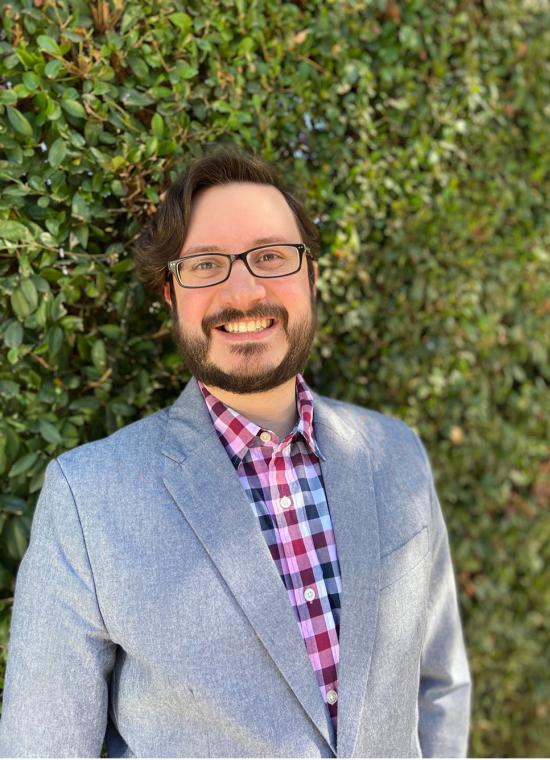
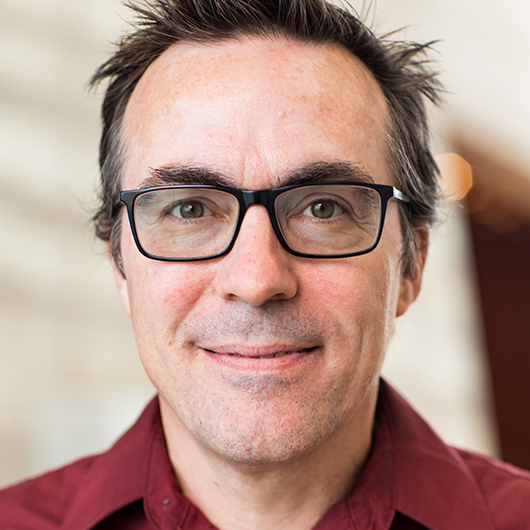
Ryan Engley is an Assistant Professor of Media Studies at Pomona College since 2019. He co-hosts the ongoing podcast Why Theory (2017-present) with Todd McGowan, focusing on Continental philosophy and psychoanalytic theory applied to contemporary media. Ph.D. from University of Rhode Island M.A. from University of Vermont B.A. from Bridgewater State College Engley's research intersects psychoanalytic theory with media studies, examining seriality as a cultural and psychic formation. His work spans television binge culture , film serials , podcasts , and social media , incorporating disability studies and video game theory . Key themes in his publications include desire and drive in cinematic endings , surveillance ethics , and narrative analysis in serial media . While no explicit scientific awards are listed, his scholarship engages interdisciplinary frameworks across philosophy, media, and cultural studies. Engley's teaching and research emphasize critical theory, with a focus on Žižek/Baudrillard interpretations and the philosophical implications of mass media forms.
George Nelson Bass III serves as Professor and Chair of the Department of Humanities and Politics within Nova Southeastern University's Halmos College of Arts and Sciences. He teaches political science courses, advises NSU's award-winning Model United Nations team (Nova International Relations Association), and actively participates in Farquhar Honors College activities including co-hosting Current Events Forums and instructing honors seminars. His educational background spans multiple disciplines: Ph.D. from Florida International University J.D. from the University of Miami B.S. from Appalachian State University Dr. Bass's research examines critical intersections of global and domestic politics, with primary focus on International Relations frameworks, International Political Economy dynamics, American Foreign Policy formulation, and systemic American Politics analysis. His scholarly approach integrates theoretical rigor with practical geopolitical applications. As an Honors College contributor, he serves on the USS Steering Committee, teaches specialized courses including 'Wicked Wit: Satire in Literature, Film, and Television' and 'Philosophy and Politics in Film', and participates in student recruitment through Shark Preview sessions and Open Classroom presentations. His leadership extends to mentoring through the Nova International Relations Association.
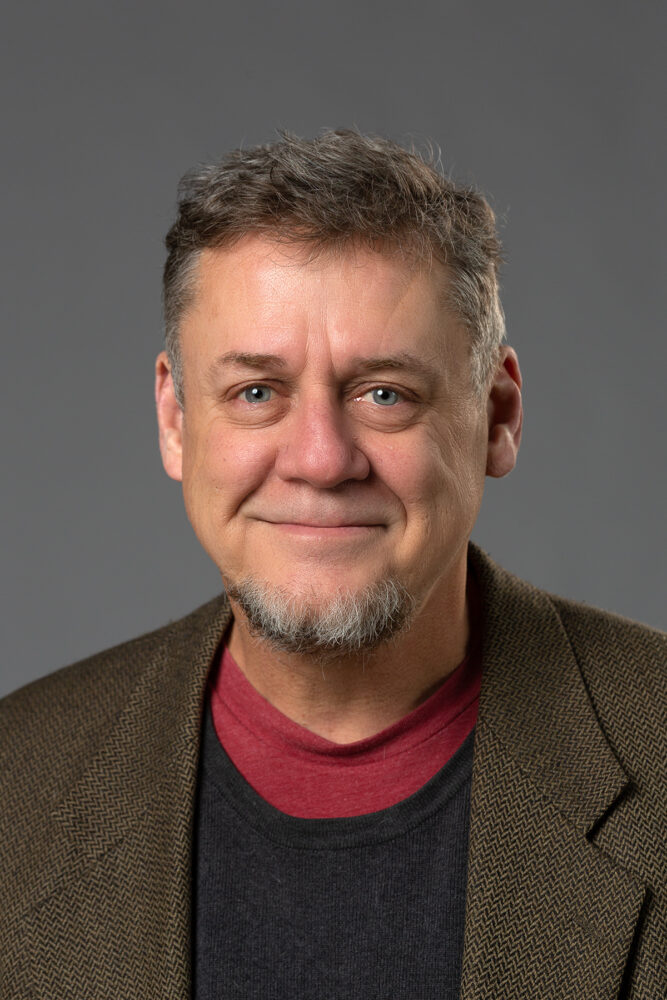
Matthew Frye Jacobson serves as Sterling Professor of American Studies and History at Yale University with an additional appointment as Professor of Black Studies. His scholarly work critically examines race, politics, and cultural dynamics in American history from 1790 to the present, bridging academic research with public humanities engagement. Education: Ph.D. in American Civilization, Brown University (1992) Research Focus: Professor Jacobson's interdisciplinary scholarship investigates the intersections of race and U.S. political culture through lenses of imperialism, migration, civil rights movements, and citizenship jurisprudence. His innovative approach integrates documentary studies with historical analysis to explore how visual media shapes historical memory and contemporary discourse. Scientific Awards: Golden Telly Award for General Television Documentary (2019) for "A Long Way from Home: The Untold Story of Baseball’s Desegregation" Professional Activities: Co-host of the monthly webinar series "Historians Imagine" with Patty Limerick, fostering creative methodologies in historical practice. Currently developing projects on Dick Gregory's political comedy and continuing documentary work at the intersection of race and American cultural history. His leadership extends to public scholarship through film production and digital humanities initiatives.
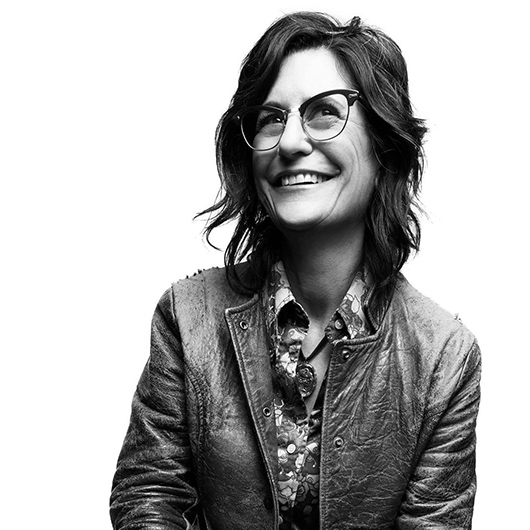
Carol Dole serves as Professor of English at Ursinus College, specializing in nineteenth- and twentieth-century British literature and Film Studies within the English Department. Her teaching bridges literary analysis and cinematic adaptation across multiple cultural contexts including American, Russian, French, and German traditions. Her educational background includes: B.A. from Manhattanville College M.A. from Louisiana State University Ph.D. from Cornell University Dole's research centers on adaptation theory and gender representation in visual media, with particular focus on 19th-century literary adaptations and feminist discourse in contemporary film. Her scholarship examines how heritage films reinterpret classic narratives while interrogating societal constructions of femininity through cinematic lenses. Recent publications demonstrate consistent engagement with narrative strategies across television and film, analyzing works like 'Mad Men' and 'Pride and Prejudice' adaptations alongside feminist readings of popular cinema such as 'Legally Blonde.' This body of work reveals evolving methodologies connecting literary realism with modern media representations. Professor Dole actively collaborates with undergraduate researchers, evidenced by her 2019 co-publication with Courtney DuChene in the Jane Austen Society journal. While no major research grants are documented in the source material, her involvement in Sigma Tau Delta (English Honor Society) inductions highlights institutional engagement.
Katherine H. Lee is an Associate Professor and Foundational Studies Program Coordinator in the Department of English at Indiana State University's College of Arts and Sciences. She has held leadership roles including Interim Department Chair (2020-2023) and Acting Department Chair (2019). Education: B.A. in English, Indiana University M.A. in English, University of Missouri-Columbia Ph.D. in English, University of Missouri-Columbia (2001) Dr. Lee's research centers on American literature and popular culture , with a focus on representations of gender and race . Her work explores how media shapes and reflects societal attitudes toward identity and power, particularly in television series like Game of Thrones and Sex and the City . She employs frameworks from gender theory , cultural studies , and Asian American literature to analyze the politics of representation. Her publications from 2001 to 2018 demonstrate a sustained engagement with American popular media. She critically examines films and television through the lenses of race and gender, addressing topics such as Asian American representation, feminist theory, and cultural identity. Her work frequently connects media analysis to broader social and political contexts. Awards and Honors: 2020-21 Foundational Studies Outstanding Instructor (April 15, 2021) As Foundational Studies Program Coordinator, Dr. Lee advises students in foundational courses and oversees program curriculum. She has served on multiple university committees including the Faculty Senate Executive Committee, Provost's Advisory Council, and Asian Pacific Islander Faculty Council. No external grant funding is mentioned in the provided information.
Damien Stankiewicz is an Associate Professor at Temple University's Department of Anthropology within the College of Liberal Arts. He focuses on intersections of national, transnational, and cosmopolitan ideologies of identity, particularly examining how mass media reshapes belonging in Europe. BA: University of Chicago (2003) Certificate & PhD: New York University (2006 & 2011) His research examines nationalism in media contexts, especially through ARTE TV's transnational experiments and French far-right digital politics. He critiques concepts like 'imagination' in social theory and explores media's role in redefining publics through digital transformations. Recent work includes analyzing AI's impact on far-right politics (2025 interview with Austrian Academy of Sciences). Publications span journal articles and books addressing media anthropology, European identity, and political cartoons' cultural legibility. Teaching includes Anthropology of Mass Media, Introduction to Production of Anthropological Media, and courses on race, European societies, and media production. He maintains affiliations with Temple University (Anthropology) and alumni status at New York University and University of Chicago.
Joshua Weaver, M.D., serves as Assistant Professor of Clinical Neurology at Weill Cornell Medical College and Assistant Attending Neurologist at NewYork-Presbyterian Hospital. His clinical practice focuses on neuromuscular disorders with specialization in peripheral neuropathy and spinal conditions through the Neuromuscular Center and Peripheral Neuropathy Center. His educational background includes: B.A. in Cognitive Neuroscience from Harvard University (2002), magna cum laude M.D. from Albert Einstein College of Medicine (2007) Dr. Weaver's research integrates clinical neurology with integrative medicine, emphasizing evidence-based approaches to neuropathic pain and spinal disorders. His work bridges electrodiagnostic medicine with complementary therapies like Tai Chi and qigong, particularly for low back pain management. He maintains a holistic treatment philosophy combining conventional neurology with integrative techniques. Recent publications demonstrate strong focus on neuropathic pain therapeutics, virtual mind-body interventions for musculoskeletal conditions, and pandemic-era adaptations in neurology education. These works span pain medicine, neuromuscular disorders, and medical education research with increasing emphasis on integrative approaches. Triple board certified by the American Board of Psychiatry and Neurology, American Board of Electrodiagnostic Medicine, and American Board of Integrative Medicine, Dr. Weaver exemplifies specialized expertise across multiple domains of neurological practice. As Neurology Clerkship Director, he actively mentors medical students and residents while leading educational research on clerkship trends and faculty compensation. His clinical work is anchored in the Neuromuscular Center where he provides specialized electrodiagnostic testing and comprehensive management of complex neuromuscular conditions.
University of California, Los AngelesUnited States
Cheryl L. Keyes is Professor of Ethnomusicology and Global Jazz Studies at UCLA's Herb Alpert School of Music, where she also serves as Chair of the Department of African American Studies. A multi-faceted scholar-artist, she bridges academic research with musical performance, holding leadership positions including Director of Graduate Studies for Ethnomusicology and former Inaugural Associate Dean for Equity, Diversity, and Inclusion at the Herb Alpert School of Music. Her educational background includes a Ph.D. in Ethnomusicology/Folklore and M.M.E. in Music Education from Indiana University, and a B.M.E. in Music Education from Xavier University of Louisiana. Keyes' research focuses on the continuum of African musical traditions through the diaspora, examining how West African aesthetic practices transform into contemporary forms like hip-hop and jazz. Keyes' scholarly and creative work centers on African American musical expressions, with particular focus on hip-hop ethnography, gender dynamics in jazz, and the preservation of African musical heritage. Her groundbreaking book Rap Music and Street Consciousness established foundational frameworks for understanding hip-hop as both street culture and artistic innovation. Recent projects explore connections between West African epic traditions and contemporary musical expressions, notably through her award-winning composition Sundiata Keita Overture . Her publications and creative works reveal a consistent thread connecting historical African musical practices with contemporary American forms. The Smithsonian Anthology of Hip-Hop and Rap , for which she served on the executive committee, represents decades of curatorial work documenting hip-hop's evolution from Bronx parks to global phenomenon. Her musical compositions, including the Sundiata Keita Overture , demonstrate how traditional West African storytelling forms continue to shape modern musical expression. CHOICE award for Rap Music and Street Consciousness NAACP Image Award for Let Me Take You There Global Music Award Silver Medal for Hollywood and Vine Indiana University's Herman C. Hudson Alumni Award Global Music Award Silver Medal for Sundiata Keita Overture (2024) Honorary Membership in the Society for Ethnomusicology As an institutional leader, Keyes has secured significant support for cultural programming including the David and Irmgard Dobrow Fund for her Swinging to a World of Strings concert series. She created UCLA's inaugural Juneteenth Day celebration and has directed multiple concert series examining African American musical traditions. Her leadership extends to national organizations, having served as President of IASPM-US and on the Board of Directors for the Society for Ethnomusicology. Keyes directs the Instrumental Women Project™, commissioning concerts that highlight female jazz instrumentalists, and maintains the UCLA Ethnomusicology Archive containing four decades of her field research. Her multimedia projects, including Prelude to Juneteenth Day Celebration at Royce Hall, demonstrate her commitment to creating platforms that connect academic research with public engagement through performance.
University of Wisconsin-Stevens PointUnited States
David Arnold is a Professor of English and Director of Composition at the University of Wisconsin-Stevens Point, where he has served on the faculty since 2000. His academic foundation includes all degrees earned in English from the University of California at Riverside. His educational background features: Ph.D. in English, University of California at Riverside M.A. in English, University of California at Riverside B.A. in English, University of California at Riverside Arnold's research centers on American literary traditions with deep engagement in African American literature (particularly William Faulkner and Toni Morrison), American folklore, and interdisciplinary connections between literature, film, television, and music. His course development—including Literary Legacy of World War I , War in Literature and Film , and Popular Literature: The Western —demonstrates his focus on historical narratives, genre studies, and cross-media analysis. He investigates how musical elements shape narrative structures and gender representations within cinematic contexts. His publication record shows concentrated exploration of film-music dynamics, exemplified by his 2006 analysis of masculinity construction in Howard Hawks' Westerns. This work reflects his broader scholarly interest in audiovisual storytelling techniques within American cultural frameworks. Arnold's teaching excellence has been formally recognized through: UWSP Excellence in Teaching Award (2010) Justus F. and Barbara J. Paul Award (2004) While specific advising details and grant activities remain undocumented in available materials, his pedagogical philosophy actively encourages student engagement through the directive: "Do all the reading and never be afraid to ask questions!"
Rich Heldenfels is a Senior Lecturer in the English Department at the University of Akron, where he has served as adjunct faculty since 2011. His career also includes a significant role as a critic and columnist for newspapers like the Akron Beacon Journal (1994–2016) and a weekly column for the Tribune News Service. Education BA, Princeton University MA, University of Akron His academic work centers on popular culture, media studies, and film appreciation. He has authored publications such as the book Television’s Greatest Year: 1954 and co-authored titles like Ghoulardi: Inside Cleveland TV’s Wildest Ride and Cleveland TV Memories . He has contributed chapters to anthologies including The Joker: A Serious Study of the Clown Prince of Crime and The Supervillain Reader . Heldenfels teaches courses in Film Appreciation and English Composition , blending his expertise in cultural analysis with practical instruction in writing and film studies.
Ian Horswill is an Associate Professor of Computer Science at Northwestern University , with joint appointments in the Departments of Electrical Engineering/Computer Science and Radio/Television/Film. He directs the Division of Graphics and Interactive Media and the Animate Arts Program, blending AI research with interactive art and entertainment. Research Focus: Autonomous agents, emotion/personality modeling for virtual characters, procedural animation via the Twig system, and interdisciplinary education in the Animate Arts Program. Key Projects: Twig (procedural animation), Meta (Scheme-like programming language), and role-passing architectures for efficient inference in robotics. Publications span AI, robotics, and games, with a focus on real-time decision-making, believable character behaviors, and cognitive architecture. His work has been recognized with the 2001 Nils Nilsson Prize . Students: Robin Hunicke, Magy Seif El-Nasr, and Rob Zubek, all of whom contributed to systems for game difficulty adjustment, dynamic lighting design, and natural-language dialog with NPCs. Affiliations: Chair of the Doctorial Consortium for the 2009 Foundations of Digital Games conference, member of the IGDA Education Committee.
Debra Tolchinsky serves as an Associate Professor in the Department of Radio/Television/Film at Northwestern University's School of Communication, where she founded the MFA in Documentary Media program and recently held the role of RTVF department associate chair. A documentary director/producer and multimedia artist, her work critically examines memory contamination within criminal investigations and the ethical implications of documentary filmmaking. Her educational background includes: MFA in Painting from the School of the Art Institute of Chicago BA in Film/Video Production from USC School of Cinematic Arts Tolchinsky's research centers on false memory and internalized belief systems within the criminal justice framework, investigating how investigative processes contaminate recollection and how documentary media itself functions as a contaminant. Her practice bridges artistic creation with critical legal scholarship, emphasizing the psychological dimensions of truth and evidence through experimental documentary forms. Her recent works like Contaminated Memories (2019) demonstrate a consistent focus on memory distortion in legal contexts, utilizing documentary to dissect systemic vulnerabilities in eyewitness testimony and judicial processes. This body of work reveals an evolving trajectory toward multi-platform storytelling that integrates film, written analysis, and public discourse to challenge established narratives about truth and justice. Her distinguished recognition includes: Alice Kaplan Fellowship for the Humanities (2017-2018) Kartemquin Partner Program Sage Fund Grant (2018) Van Zelst Research Professor appointment (2019) Gold Hugo nomination at Chicago International Film Festival (2019) Provost Grant for Research (2021) As an educator and program architect, Tolchinsky secured significant research funding including the Provost Grant and Kartemquin Sage Fund to advance documentary practice as scholarly inquiry. Her mentorship extends through RTVF 551-556 MFA thesis courses where she guides students in developing documentary projects that intersect with legal and psychological themes, often collaborating with external entities like the Italy Innocence Project. Currently developing the Kartemquin Films-associated True Memories and Other Falsehoods series, Tolchinsky leads a creative team exploring false memory through longitudinal case studies, positioning documentary as both investigative tool and subject of critical examination within justice reform initiatives.
Felicia D. Henderson is an Associate Professor at Northwestern University’s School of Communication, Department of Radio/Television/Film. With over two decades of experience in television, film, theatre, and comic books, she joined the faculty in Fall 2023 after teaching at UCLA and Columbia University. Her interdisciplinary approach integrates screenwriting, showrunning, and television history with critical research on cultural dynamics. Education: MBA: University of Georgia MFA: University of California, Los Angeles (UCLA) BA: University of California, Los Angeles (UCLA) PhD (in progress): Cinema and Media Studies, UCLA Her research focuses on race, class, gender, and systemic “othering” in television writers’ rooms, the political economics of the 2007 Writers Guild of America (WGA) strike, and media representation of single women. She has published in textbooks and media studies journals. Scientific Awards & Recognition: Emmy Award nomination for contributions to television Three-time NAACP Image Award for Best Drama for Soul Food As a writer-director-producer-educator and artivist, Henderson created Showtime’s groundbreaking series Soul Food and has shaped high-profile shows like Gossip Girl , Empire , and First Kill . She actively mentors underserved teens and supports domestic violence survivors through writing workshops, while co-endowing scholarships at UCLA for emerging creators.
Raimondo Genna serves as Associate Professor and Faculty Chair of Theatre within the Department of Theatre at the University of South Dakota's College of Fine Arts. With over three decades of professional directing experience and a PhD from UC San Diego, he bridges academic scholarship with practical theatre production. His educational background includes: PhD in Theatre, University of California San Diego (2010) MA in Theatre, San Diego State University (2001) BA in Theatre, San Diego State University (1998) Genna's research interrogates the intersections of performance, national identity, and cultural trauma, particularly through 9/11 representations. His critical framework examines how theatrical, cinematic, and mediatized narratives shape collective memory and social structures, extending into film analysis and cultural studies with emphasis on regenerative violence and identity formation. His publications consistently engage with political performance themes across immigration law, violence studies, and identity validation. These works demonstrate interdisciplinary connections between theatre studies, legal discourse, and media theory, revealing how performance both challenges and reinforces societal power dynamics. His accolades include USD's President's Legacy Award and BroadwayWorld Sioux Falls honors for ensemble direction, alongside scholarly recognition through the MRG Performance Studies Scholar fellowship and teaching achievement awards: Campus Partner of the Month (April 2024) President's Legacy Award (2021) Best Ensemble (2021) MRG Performance Studies Scholar (2006-2007) Teaching Assistant Achievement Award (2010) No documented information exists regarding student advising relationships or externally funded research grants. His professional certifications include Adult Mental Health First Aid and COVID-19 Compliance Officer credentials for film/television productions, reflecting practical engagement with industry standards.
Eric Patrick serves as Associate Professor and Director of the MFA in Documentary Media at Northwestern University's School of Communication within the Department of Radio/Television/Film. His innovative work merges animation with ethnographic storytelling to explore cultural narratives and social issues. Education: BUS in Studio and Media Arts, University of New Mexico MFA in Experimental Animation, California Institute of the Arts Research Focus: Patrick pioneers animated ethnography through experimental techniques like rotoscoping and 360° film environments. His practice examines how animation can document lived experiences, particularly in urban settings and refugee contexts, while creating educational visualizations for complex policy topics. This interdisciplinary approach bridges visual anthropology, documentary filmmaking, and data communication. Creative Output Trends: Recent works demonstrate a consistent commitment to socially engaged animation, evolving from early commercial projects like Blues Clues toward independent documentary hybrids. His 2012-2020 output shows increasing sophistication in using animation to visualize abstract concepts (tax policy, healthcare systems) and human experiences (migration, urban transit), often employing immersive formats like 360° film and video installations. Major Honors: Guggenheim Fellowship Peabody Award Clio Awards NIH Center for Reproductive Health grant Multiple Black Maria Film Festival awards Best Documentary Film at Short Movie Club Festival (2021) Best Animation Short at Stop Motion Film Festival (2021) Academic Leadership: As MFA Director, Patrick mentors documentary media students while securing competitive grants including the Chicago Digital Media Production Fund. His NIH-funded reproductive health animations exemplify applied research translating academic expertise into public health resources. He teaches specialized courses spanning analogue/digital animation, projection mapping, and children's media production. Production Context: Patrick leverages Northwestern's advanced production facilities—including cutting-edge animation studios and performance spaces—to realize his creative vision, often collaborating with clinical labs and external partners for projects requiring interdisciplinary expertise.