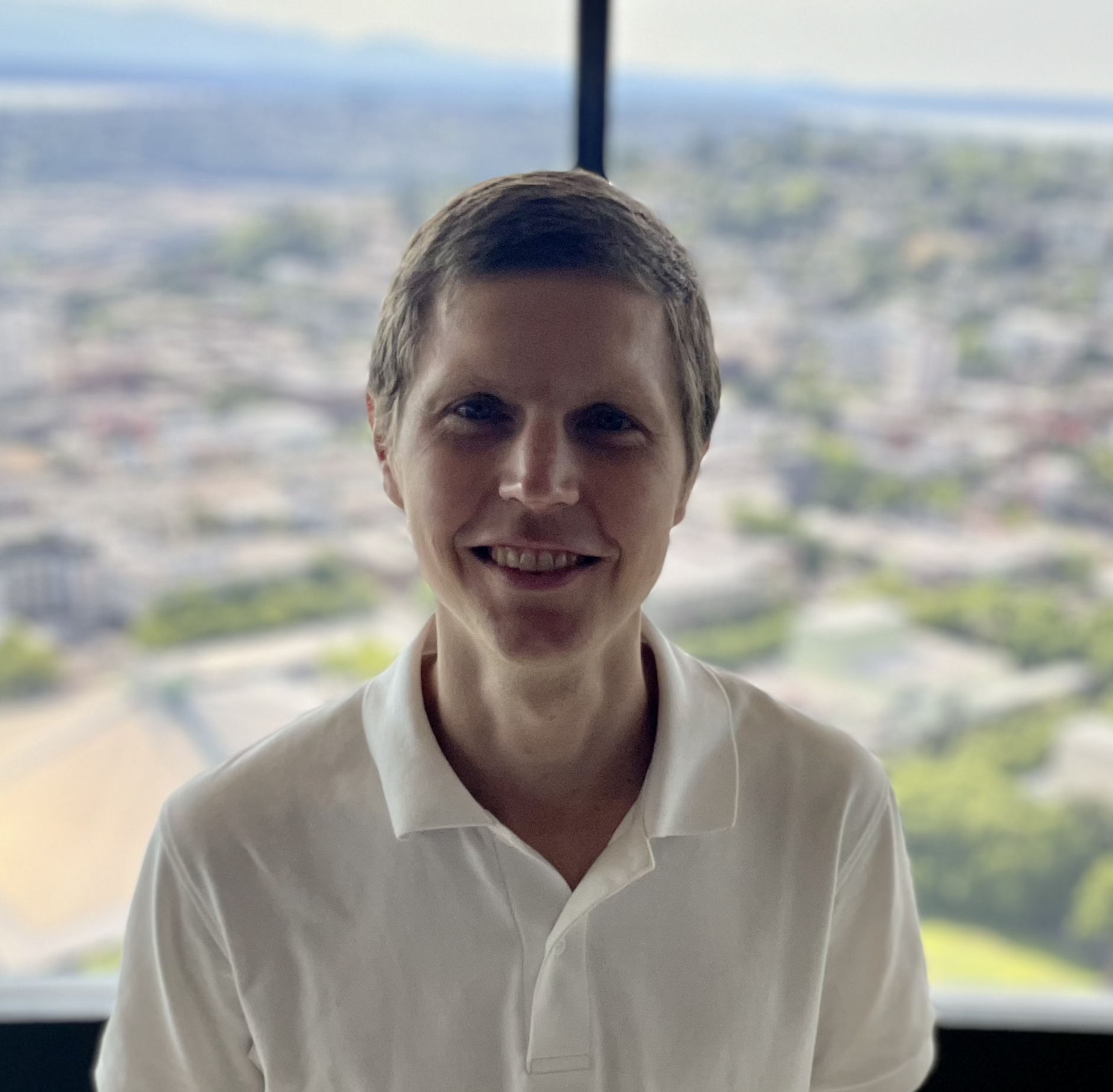
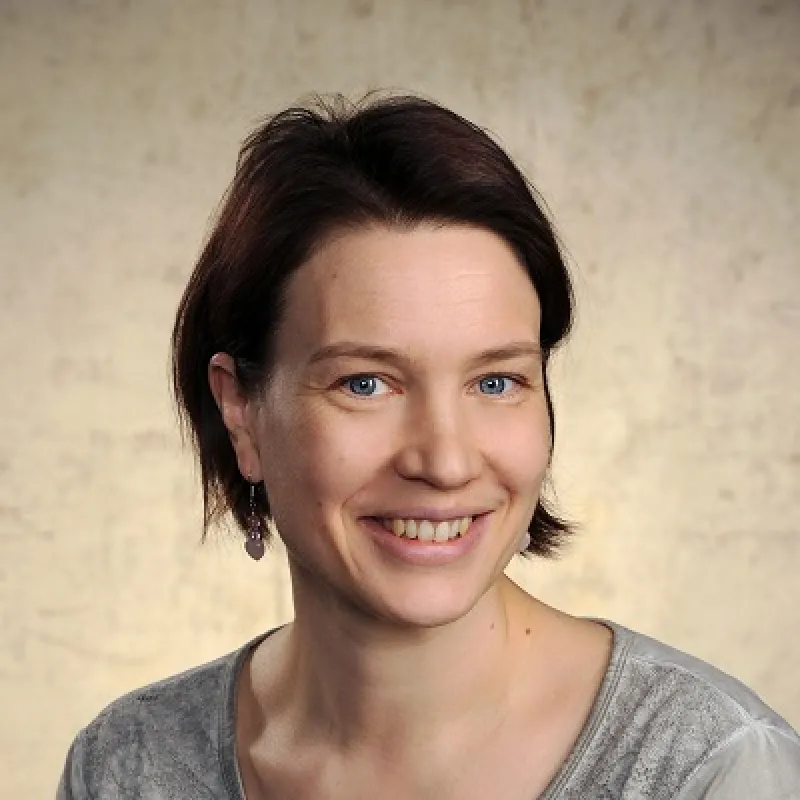
Dr. Lucie Kruse is a researcher at the Department of Informatics, University of Hamburg, specializing in Human-Computer Interaction (HCI) and Virtual Reality (VR). Her work focuses on immersive user interfaces for cognitive and physical training, particularly for older adults and those with dementia. She has been an active member of the University of Hamburg's HCI group since 2018 and served on the Ethics Commission since 2023. Her research interests include: Virtual Reality Exergames Serious Games Assistive Technologies Accessibility in VR Mental Health Applications Her publications from 2021-2025 demonstrate expertise in designing VR systems for healthcare, analyzing age-related interaction patterns, and developing inclusive interfaces. She has received multiple awards including the 2024 Honorable Mention for Best Poster at ACM SUI and the 2023 Honorable Mention at ACM CHI. Scientific Awards: Honorable Mention for Best Poster Award at ACM SUI (2024) Runner-Up Prize at Metaverse for the Good (2024) Honorable Mention at ACM CHI'23 Interactive Demo (2023) Honorable Mention at ACM VRST (2021) She has supervised multiple theses on topics like AI agents for mental health, accessibility of chatbots for seniors, and VR exergame design. Her work spans collaborations with institutions like HITLab NZ and Western Sydney University's MARCS Institute.
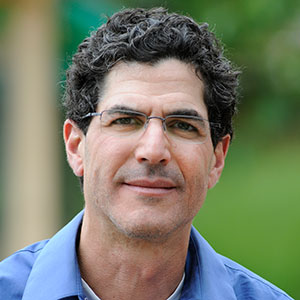
Maarten Sap is an Assistant Professor at Carnegie Mellon University's Language Technologies Institute with a courtesy appointment in the Human-Computer Interaction Institute. He also holds a part-time research scientist position at the Allen Institute for AI (AI2) as an AI safety lead. Current affiliations: CMU (2022–present), AI2 (2022–present) Prior: Postdoctoral Researcher at AI2 (2021–2022), Research Intern at AI2 (2018–2019) and Microsoft (2019) His research focuses on enhancing AI systems with social intelligence and addressing social biases in language technology. Key themes include: Ethical AI and Human-Centric Design Narrative Dynamics and Social Context Analysis AI Agents and Social Intelligence Toxic Language Detection and Cultural Bias Mitigation Recent publications examine: AI safety frameworks like HAICOSYSTEM Clinical reasoning alignment (ALFA) Multilingual moderation (PolyGuard) Cultural sensitivity in non-verbal AI (Mind the Gesture) Personality shaping in LLMs (BIG5-CHAT) Scientific Recognition: 2025 Okawa Research Grant Best Paper Runner Up - NAACL 2025 Outstanding Paper - EMNLP 2023 Best Paper - FAccT 2023 Best Paper - WeCNLP 2020 He advises a diverse group of PhD students across CMU and MIT, and has served on multiple program committees including ACL, EMNLP, and FAccT. His work appears in top venues like Nature Machine Intelligence, PNAS, and ACL.
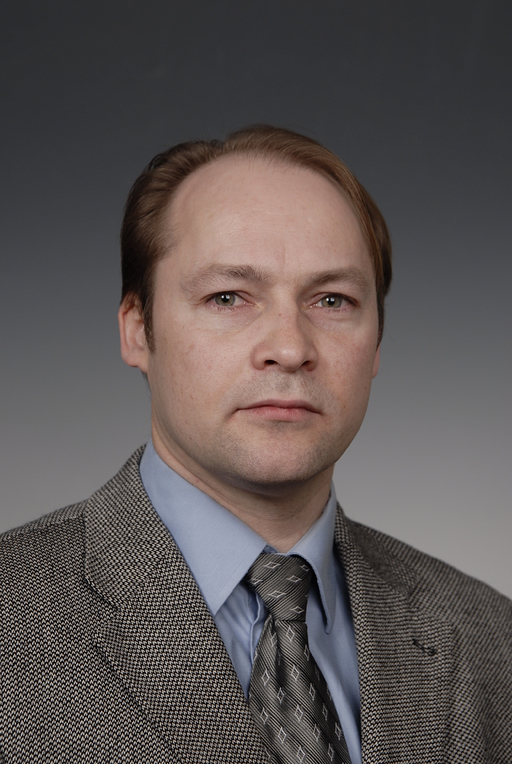
Sean Welleck is an Assistant Professor at Carnegie Mellon University's School of Computer Science, specifically within the Language Technologies Institute (LTI). He leads the L3 Lab and serves as an advisor for the AI for Math Fund. His academic journey includes a PhD from New York University under Kyunghyun Cho and postdoctoral positions at the Allen Institute for Artificial Intelligence and the University of Washington with Yejin Choi. Dr. Welleck's educational background shows a strong foundation in computer science. He earned his PhD in Computer Science from New York University, where he worked under the mentorship of Kyunghyun Cho and Zheng Zhang. Prior to this, he completed his MSE and BSE in Computer Science from the University of Pennsylvania, demonstrating a long-standing commitment to the field. Dr. Welleck's research focuses on bridging informal and formal reasoning with AI, with particular emphasis on developing learning, inference, and evaluation algorithms for large language models. His work spans multiple cutting-edge areas including mathematical reasoning , code generation , inference algorithms , and AI reasoning agents . A significant portion of his recent work involves combining AI with formal methods for mathematics, where he has developed frameworks like Llemma (an open-source language model for mathematical reasoning) and meta-generation (for inference-time algorithms). His research is characterized by a strong theoretical foundation coupled with practical applications that push the boundaries of what AI systems can achieve in formal reasoning domains. Analysis of Dr. Welleck's recent publications reveals a clear research trajectory focused on enhancing language models' capabilities in formal reasoning and mathematical problem-solving. His work demonstrates an evolution from foundational research in neural text generation to increasingly sophisticated approaches that integrate formal methods with deep learning. Key trends include the development of inference-time algorithms that improve model performance without additional training, frameworks for mathematical reasoning that connect informal and formal proofs, and novel evaluation methodologies for language models. His publications consistently appear in top-tier conferences including NeurIPS, ICLR, ICML, and ACL, reflecting the high impact of his contributions to the field. Dr. Welleck's scientific achievements have been recognized with several prestigious awards: NAACL 2025 Best Paper Award ICLR 2025 Oral Presentation (Top 2%) ICLR 2025 Spotlight Presentation (Top 5%) NeurIPS 2021 Outstanding Paper Award (Top 0.1%) for MAUVE NVIDIA AI Labs Pioneering Research Award (2017 and 2018) As an educator and mentor, Dr. Welleck actively guides the next generation of AI researchers. He currently advises multiple PhD students including Pranjal Aggarwal, Weihua Du, Andre He, and Seungone Kim (some co-advised with other faculty), along with MS students Riyaz Ahuja, Jiewen Hu, Qinyue Tan, and Thomas Zhu, and undergraduate Tate Rowney. At CMU, he teaches advanced courses such as Neural Code Generation and Advanced NLP, and has previously taught at New York University and the University of Washington. His commitment to education extends to creating resources like the Thesis Review Podcast and developing tutorials on neural theorem proving that have been presented at major conferences. Dr. Welleck leads the L3 Lab at CMU, which focuses on the intersection of language, learning, and logic. The lab brings together students and researchers to tackle challenging problems in AI reasoning, with particular emphasis on mathematical reasoning and code generation. Recent initiatives include the development of Llemma, an open-source language model specialized for mathematical reasoning, and work on inference-time algorithms that enable language models to improve their performance through additional computation during inference rather than through additional training.
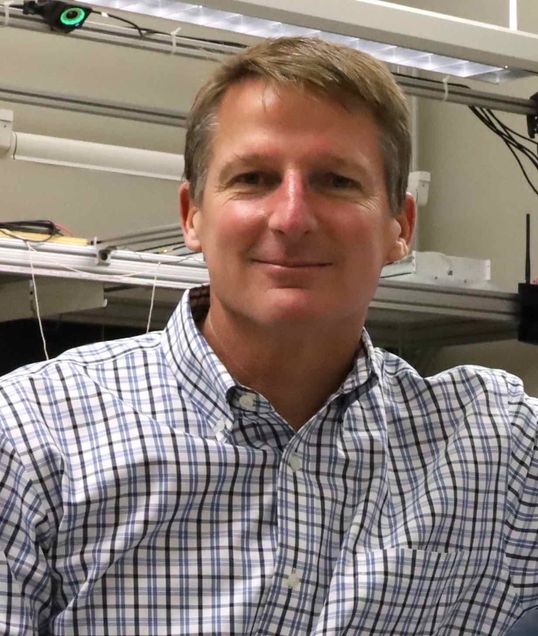
Thomas DC Little is a Professor of Electrical and Computer Engineering in the College of Engineering at Boston University. He serves as the Associate Dean for Educational Initiatives, driving the growth of the engineering master’s program and enhancing pedagogy through mobile and cloud technologies. Additionally, he is the Associate Director and Principal Investigator of the National Science Foundation Smart Lighting Engineering Research Center (LESA), a multi-institutional effort advancing visible light communication and smart lighting systems. Professor Little's research centers on ubiquitous computing and communications, with a focus on using optical cells to expand wireless data capacity for mobile devices. He pioneers ambient intelligence that enables environments to anticipate human needs. His key areas include Visible Light Communications (VLC), Optical Wireless Communications, Indoor Positioning Systems, and Smart Lighting. By integrating lighting infrastructure with communication networks, his work addresses the growing demand for wireless data and enables energy-efficient, responsive smart buildings and urban environments. Analysis of his recent publications (2019-2024) shows a strong trend toward occupancy sensing, indoor positioning, and hybrid RF/VLC networks. His team develops innovative solutions for people counting, zone-based positioning, and interference mitigation in dense optical wireless environments. There is increasing integration of machine learning for security and optimization, with applications in energy-efficient buildings and user-centric smart spaces. Scientific awards received by Professor Little include: Janetos Award for Continuous Indoor Air Quality Assessment for BU Buildings (2025) Professor Little actively mentors graduate students and postdocs, with notable advisees including Iman Abdalla (awarded Best Computer Engineering Dissertation, 2020-2021) and the MenuNav team (Societal Impact Award for a navigation app for the blind). He has secured significant research funding, including a $1M Department of Energy/ARPA-E project for occupancy sensing to reduce energy costs in commercial buildings and grants for indoor air quality sensor development. He leads the NSF Smart Lighting ERC (LESA), which develops COSSY people counting technology, sensory lighting systems, and dynamic light control applications. His team collaborates with industry and has spun off Helux Technologies, Inc. to commercialize dynamic lighting control. Current projects focus on creating safe, energy-efficient buildings through advanced sensor integration and wireless communication.
Dr. Raimon Tolosana Delgado is a Research Fellow at the Helmholtz-Zentrum Dresden-Rossendorf (HZDR), affiliated with the Helmholtz Institute Freiberg for Resource Technology. He leads research in predictive geometallurgy and statistical analysis of mineral resources, focusing on translating geological data into processing insights. His research integrates geostatistics , compositional data analysis (CoDa) , and machine learning to model ore behavior and resource potential. Key areas include: Predictive geometallurgy for forecasting ore/waste behavior Bayesian statistics for parameter estimation and uncertainty analysis Development of R-based tools (e.g., compositions and gmGeostats packages) for mineral data analysis Particle-based process modelling for mineral separation optimization Recent publications emphasize machine learning integration (e.g., neural networks for geophysical tensor fields), tailings reprocessing (3D geostatistical assessment of resource potential), and advanced statistical methods for compositional data. A consistent trend involves enhancing predictive accuracy in mineral processing through multi-source data fusion. Dr. Tolosana Delgado coordinates the development of technology platforms for geometallurgical data analysis, including databases and interfaces for industrial applications. His work bridges ore geology, mineral processing, and metallurgy to optimize resource efficiency.
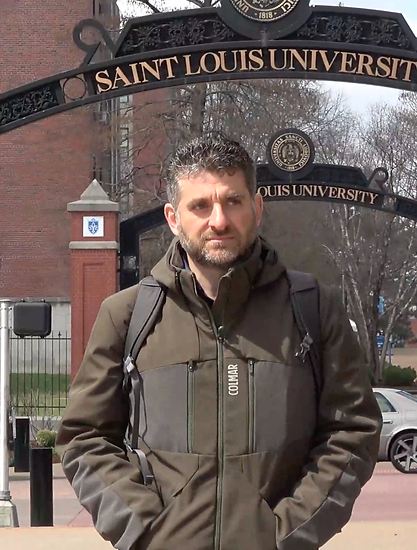
Flavio Esposito is an Associate Professor in the Computer Science Department at Saint Louis University's School of Engineering. He also serves as a Research Institute Fellow and CS Graduate Coordinator. His office is located in ISE 234D at 3450 Lindell Blvd, St. Louis, MO. Dr. Esposito's research focuses on cyber-physical systems and networked systems, including network virtualization, network management, Software-Defined Networks (SDN), network architectures, and wireless networks. He has a strong interest in interdisciplinary applications of these technologies to medicine and agriculture. His work bridges theoretical networking concepts with practical implementations. His publications span key areas in networking research, with recent work focusing on congestion control algorithms, virtual network embedding, recursive network architectures, and edge computing applications. The research trends show a progression from foundational networking protocols toward more sophisticated applications integrating machine learning, edge computing, and cyber-physical systems, with increasing emphasis on real-world applications in diverse domains. Outstanding Graduate Mentoring Faculty Award from the School of Engineering (2021) Finalist for the Undergraduate Mentoring Award in the College of Arts and Sciences Multiple NSF research awards including US Ignite, ICE-T, CNS Core, CC* Integration, CPS:TTP, and ModernCARE projects COMCAST Innovation Fund Award (January 2020) International Center for Responsible Gaming (ICRG) Award ($150K) Dr. Esposito actively mentors PhD and MS students, with numerous current and past students who have gone on to positions at major tech companies, universities, and research institutions. He has been a Principal Investigator on multiple significant research grants totaling millions of dollars. He co-founded Spaghetti Code Labs with former PhD student Alessandro Sangiorgi, whose cybersecurity educational app WeeNet has achieved 5.7M+ downloads. He leads several research labs and teams focused on cyber-physical systems, with current openings for PhD students, visiting researchers, and postdocs working on networks, learning, edge computing, and applications to medicine and agriculture. His teams have developed numerous software systems including Software Mutant, Neighborhood Method Prototype, VINEA, ProtoRINA, and BUtorrent.
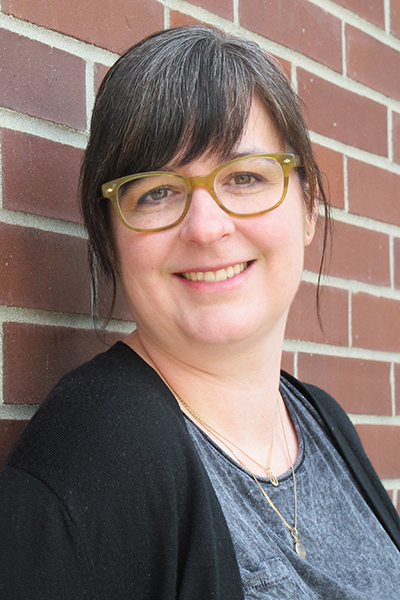
Dr. Heather Latimer is an Assistant Professor in the Gender, Women and Sexuality Studies department at the University of British Columbia's Irving K. Barber Faculty of Arts and Social Sciences. She teaches courses including Politics of Reproduction, Critical Sexuality Studies, Feminist Epistemologies, Gender and Popular Culture, and Gender, Race, Sexuality and Power. Her academic work focuses on feminist theories, sexuality studies, and reproductive politics across various cultural texts. Dr. Latimer earned her PhD in English from Simon Fraser University and her MA in Gender and Women's Studies from the University of British Columbia. Her educational background has shaped her interdisciplinary approach to examining reproductive politics through literary and cultural analysis. Her research primarily explores feminist theories and epistemologies, sexuality studies, science and technology studies, cultural studies, literature and film, with a particular focus on reproduction and pregnancy, reproductive technologies and politics, and reproductive governance and abortion. She is currently investigating the role of reproductive politics in contemporary dystopian fiction through an SSHRC Insight Development Grant-funded project that examines how fourteen core texts portray dystopian societies fixated on reproductive control. This research suggests these narratives reveal 'the political unconscious' of public and private discourses about reproduction. Dr. Latimer's publications demonstrate a consistent thematic focus on reproductive politics across literature, film, and political discourse. Her work connects feminist theory with contemporary political debates, particularly around abortion rights and reproductive justice. The articles show increasing engagement with intersectional approaches, examining how reproductive politics intersect with race, migration, and environmental concerns. SSHRC Insight Development Grant (2019-22) UBC Teaching and Learning Enhancement Fund Grant (2017-19) UBC Killam Teaching Prize (2017) Women's and Gender Studies and Recherches Féministes Outstanding Scholarship Award (2015) As a graduate student supervisor, Dr. Latimer mentors students interested in feminist theory, reproductive politics, and cultural studies. Her teaching philosophy emphasizes critical engagement with contemporary issues of power, conflict, and ideas as they relate to gender, sexuality, and reproduction. She maintains an active research agenda that bridges academic scholarship with current political debates around reproductive rights and justice.
Maija Aksela is a Professor at the University of Helsinki , affiliated with the Teachers' Academy and Department of Chemistry . She supervises doctoral students in the Doctoral Program in School, Education, Society and Culture and Doctoral Programme in Chemistry and Molecular Sciences . Professor (Chemistry Education) Supervisor, University of Helsinki Doctoral Programs LUMA Centre Finland Leadership Her research focuses on science education , sustainability education , and non-formal learning . She has developed e-learning courses using instructional design frameworks and co-design approaches for climate change education. Recent publications include studies on project-based learning collaborations between secondary schools and universities, teacher self-efficacy in climate education, and student question utilization in environmental topics. Her work emphasizes student-centered methodologies and digital chemistry education . Awards highlight her contributions to STEM education , including the Global Best Award in 2018, Teachers' Academy founding membership in 2013, and UNESCO commission participation (2019-2022). Global Best Award 2018 Teachers' Academy Founding Member 2013 LUMA Center Excellence 2008 UNESCO Commission Member 2019-2022 She leads key projects like LUMA SUOMI and Non-formal Science Education , with active involvement in international collaborations (China, Jordan, Portugal, Turkey) and media appearances (MTV3, China partnerships).
Mikhail Gelfand is a Full Professor and Director of the Center for Molecular and Cellular Biology at Skolkovo Institute of Science and Technology (Skoltech), where he also serves as Vice President for Biomedical Research. His distinguished career spans multiple prestigious institutions including Lomonosov Moscow State University and the Higher School of Economics. His educational background includes: 1985: MSc in mathematics (functional analysis) 1993: PhD in physics-mathematics (biophysics) 1998: DSc in biology (molecular biology) 2007: full professor (bioinformatics) Professor Gelfand's research focuses on molecular evolution, comparative genomics, systems biology, and metagenomics. His work examines eukaryotic processes including alternative splicing, mRNA editing, and chromatin structure, as well as bacterial genome evolution and transcription regulation. His lab combines data on three-dimensional chromatin structure, epigenetic states, and gene expression to obtain an integrated view of genome functioning across diverse organisms from humans to amoebae. One major research direction focuses on the evolution of transcript splicing and editing, while comparative analysis of bacterial genomes yields functional annotations of novel enzymes, transporters, and transcription factors. His recent publications demonstrate a strong focus on RNA editing in cephalopods, bacterial genome analysis, and computational approaches to understanding chromatin structure. The work spans molecular biology, evolutionary biology, and bioinformatics, with particular emphasis on how RNA editing contributes to adaptation and molecular evolution across metazoans. His research shows how edited adenines are more frequently substituted with guanine in evolution than their unedited counterparts, suggesting RNA editing may enhance adaptation. His notable awards include: The President of Russian Federation's Award for Young Doctors of Science (2000) The "Best Scientist of the Russian Academy of Sciences" award (2004) A. A. Baev Prize in Genomics and Genoinformatics (2007) Member of Academia Europaea (2010) As Director of the Center for Molecular and Cellular Biology, Professor Gelfand leads a research group that combines computational and experimental approaches to study genome function and evolution. His lab's work has significant implications for understanding molecular mechanisms of evolution and adaptation across diverse biological systems, from bacteria to complex eukaryotes. His research on metagenomics extends to practical applications in areas including coral disease, aphids, and oil wells.
Lappeenranta-Lahti University of Technology LUTFinland
Johanna Naukkarinen is a Researcher at the School of Energy Systems at Lappeenranta University of Technology. Her work focuses on engineering education, gender dynamics in STEM, and lifelong learning competencies. Researcher, School of Energy Systems, Lappeenranta University of Technology Email: Johanna.Naukkarinen@lut.fi Her research explores: Gender disparities in engineering education and careers Pedagogical strategies for lifelong learning Mathematical skill development in first-year engineering students Technology education reform and sustainability integration Use of digital tools for competency enhancement Professional identity formation in early-career engineers Recent publications highlight trends in: Comparative studies across Belgium, Ireland, and Finland Co-creation methods in educational design Assessment of online learning environments Gendered perspectives on engineering recruitment Interdisciplinary approaches to sustainability education Workplace dynamics in technology sectors
Andrew Riseman serves as an Associate Professor in the Department of Applied Biology within the Faculty of Land and Food Systems at the University of British Columbia. His academic work bridges sustainable agricultural systems, plant breeding, and educational innovation, with particular emphasis on integrated crop-livestock models and urban farming applications. His educational background includes: PhD from Pennsylvania State University (1997) MSc from Pennsylvania State University (1990) BSc from Pennsylvania State University (1984) Riseman's research program investigates plant genetics for sustainable production systems, focusing on intercrop interactions, nutrient use efficiency, root physiology, and biotic/abiotic stress resistance. He develops germplasm specifically for multi-trophic production environments and urban agriculture contexts. Complementing his biological research, he actively engages in the Scholarship of Teaching and Learning and Community Based Action Research, with interests in critical thinking pedagogy and technology-enhanced educational environments. Analysis of his 2011-2015 publications reveals consistent investigation into intercropping dynamics (wheat-bean, barley-pea), nutrient cycling, and water management across diverse cropping systems. Key contributions include evaluations of organic production methods, root architecture variation, and sustainable rice intensification techniques, demonstrating a systems-oriented approach to agroecological challenges. No scientific awards or honors were documented in the provided source material. As a graduate supervisor, Riseman mentors students in UBC's Integrated Studies in Land and Food Systems and Plant Science programs. His research portfolio includes funded projects on bioactive agricultural formulations, plant genetics in intercropping systems, and nitrogen source evaluations in organic production. Educational grants have supported his development of computer simulations for plant breeding education and scaffolded experiential learning initiatives within Land and Food Systems curriculum. Riseman maintains active affiliation with the Centre for Sustainable Food Systems at UBC Farm and the Diversified Agroecosystem Cluster. He champions the UBC Farm as a vital academic resource for sustainable food system research, teaching, and community outreach, viewing its continued evolution as essential to advancing land and food systems scholarship.
Paul J Benkeser is a Professor and Senior Associate Chair in the Wallace H. Coulter Department of Biomedical Engineering at the Georgia Institute of Technology and Emory University. He has been a member of the Georgia Tech faculty since 1985 and was a founding faculty member of the Coulter Department in 1998, serving as its first associate chair for undergraduate studies. Education: BS in Electrical Engineering from Purdue University MS in Electrical Engineering from University of Illinois at Urbana-Champaign PhD in Electrical Engineering from University of Illinois at Urbana-Champaign Research Interests: Dr. Benkeser's work spans biomedical engineering education, ultrasound applications in medicine, biomedical signal/image processing, cancer biology, and regenerative medicine. After initial research in therapeutic/diagnostic ultrasound, he shifted focus to enhancing undergraduate curricula through problem-driven learning and global experiential opportunities. Grants: His initiatives have received funding from the National Institutes of Health (NIH), National Science Foundation (NSF), Department of Veterans Affairs, and Whitaker Foundation. Professional Activities: An active ABET participant since 2002, he has served as program evaluator, EAC Commissioner, and board delegate. His affiliations include: American Institute for Medical and Biological Engineering Biomedical Engineering Society American Society for Engineering Education Senior member of IEEE
Heikki Remes serves as Associate Professor in the Department of Energy and Mechanical Engineering at Aalto University's School of Engineering, where he investigates high-performance steel structures for marine environments with emphasis on lightweight ship designs using advanced materials and manufacturing techniques. His research integrates fundamental fatigue and fracture mechanics with practical structural challenges, spanning from crystal-level material behavior to continuum-scale modeling. Key focus areas include welded joint integrity, additive manufacturing defects, and computational analysis of marine structures under extreme conditions. Recent publications reveal strong trends in fatigue assessment methodologies for complex welded geometries, experimental validation of distortion effects, and AI-enhanced damage prediction systems, reflecting his commitment to bridging theoretical mechanics with shipbuilding applications. Scientific Awards: Aalto Education Impact Award (2018) for establishing Marine Technology study programs SNAME Honorable Mention for 2018 Vice Admiral E. L. Cochrane Award Teaching Award of Aalto School of Engineering (2012) for educational tools No specific student advising or grant information appears in available sources, though his active publication record indicates ongoing research leadership. He contributes significantly to the Marine and Arctic Technology research group, driving projects on structural integrity assessment and advanced manufacturing solutions for next-generation marine vessels.
Assoc. Prof. Dr. Yusuf Yaşa is an Associate Professor at Istanbul Technical University, Department of Electrical Engineering, specializing in Electrical Machines, Power Electronics, and Hybrid/Electric Vehicles. He holds a PhD from Yıldız Technical University and has served in academic and administrative roles at Bursa Technical University and Istanbul Technical University. PhD in Electrical Machines and Power Electronics, Yıldız Technical University (2006–2013) Current Vice Dean at Istanbul Technical University (2023–) Founding Partner of Yasa Motor Technologies (2018) and Nardan Power Conversion Systems Ltd. Co. (2023) His research focuses on noise mitigation in switched reluctance machines, battery cooling with graphene-enhanced phase change materials, and efficiency optimization in electric vehicle systems. He has led projects on DC fast-chargers and sensorless control of synchronous reluctance motors. His publications address energy conversion, battery management, and acoustic noise reduction. Recent research trends include advancements in electric vehicle modeling, state-of-charge estimation for Li-ion batteries, and thermal management solutions for battery systems. His work integrates simulation tools like ANSYS and machine learning for efficiency improvements. He has advised PhD and Master’s theses on topics such as battery charge rate estimation, graphene-doped PCM materials, and Kalman filter-based motor control. Collaborations span institutions like The University of Akron and companies in electric propulsion and robotics.
Professor Hossein Rahmani serves at the School of Computing and Communications , Lancaster University , with a focus on Computer Vision and Machine Learning . His career spans institutions like the University of Western Australia (PhD), Shahid Beheshti University (MSc), and Isfahan University of Technology (BSc). Research Interests : Computer Vision, Machine Learning, Video Analysis, Action Recognition/Detection, Object/Human Pose Estimation, 3D Reconstruction, Diffusion Models, Human-Object Interaction Editorial Roles : Associate Editor for IEEE Transactions on Neural Networks and Learning Systems , Pattern Recognition , ACM Computing Surveys ; Area Chair for CVPR 2025, ICLR 2025, ECCV 2024, IJCAI 2024 His recent work leverages diffusion models for domain-generalized object pose estimation, 3D scene editing, and human mesh recovery, published in top venues like TPAMI , CVPR , ICCV , and ECCV . He received the Best Scientific Paper Award from the International Conference on Pattern Recognition and actively supervises 5 PhD students with interdisciplinary projects in digital health and data science.