Dr. Eunice Eunhee Jang is a Professor in the Department of Applied Psychology and Human Development at the Ontario Institute for Studies in Education (OISE), University of Toronto. Her research focuses on synergistic learner modeling, dynamic assessment systems, and the intersection of language testing with educational measurement. PhD with specializations in language testing, educational measurement, and program evaluation Develops interactive digital assessment interfaces for struggling readers Author of "Focus on Assessment" (2014) and co-author of OECD Reviews on Evaluation and Assessment in Education Research Interests Dr. Jang's work explores prismatic assessment analytics to understand learner potential and predict learning pathways. She integrates natural language processing and machine learning to create diagnostic feedback systems that support cognitive, metacognitive, and affective growth in technology-rich classrooms. Scientific Awards Jacqueline Ross TOEFL Dissertation Award Caroline Clapham IELTS Master’s Award Tatsuoka Measurement Award Professional Contributions She has served on major advisory boards including EQAO provincial assessments and TOEFL Committees of Examiners. Currently, she is an elected board member for the International Language Testing Association and contributes to the Broader Measures of Success Advisory Committee for People for Education.
Joonhyuk Suh is an Assistant Professor in the Department of Food Science & Technology at the University of Georgia's College of Agricultural & Environmental Sciences. His research focuses on applying analytical chemistry and metabolomics/flavoromics to enhance food flavor, quality, and safety. Research Interests : Multidisciplinary food chemistry analysis Metabolite and flavor profiling Nut and fruit quality evaluation Dairy product flavor chemistry Food safety biomarkers Recent Publication Trends (2025-2022) show expertise in: Metabolomic evaluation of agricultural products Flavor chemistry in tropical fruits and nuts Food processing safety and contaminant analysis Plant-based food characterization Microbiome and nutritional interventions
Prof. Dr. Wolfgang Lutz is a Full Professor and Head of the Department of Clinical Psychology and Psychotherapy at the Faculty of Psychology, University of Trier, Germany. He also serves as Director of the Outpatient Clinic and Postgraduate Clinical Training. Additionally, he holds an Adjunct Professor position at the University of Western Australia and is a Fellow of the Association for Psychological Science (APS). Dr. Lutz's research focuses on advancing clinical psychology and psychotherapy through precision mental health care, treatment personalization, and feedback-informed psychological therapy. His work emphasizes using data-driven approaches to optimize treatment outcomes, with particular attention to depression, anxiety disorders, and PTSD. He has pioneered the development of the Trier Treatment Navigator (TTN), a system for feedback-informed treatment that helps match patients to the most effective therapeutic approaches. His recent publications reveal a strong emphasis on integrating technology and artificial intelligence into psychotherapy research and practice. This includes developing algorithms for personalized therapy, using large language models to analyze therapy sessions, and implementing routine outcome monitoring systems. His research shows how temporal dynamics in therapy processes affect outcomes and how clinical microskills can predict therapeutic alliance and success. Fellow of the Association for Psychological Science (APS) Editor of Psychotherapy Research He leads initiatives to develop a European Psychotherapy Consortium (EPoC) to standardize outcome measurement across countries and promote cooperation in psychotherapy research. His laboratory focuses on precision mental health care, developing tools for treatment personalization, and investigating the mechanisms of change in psychotherapy.
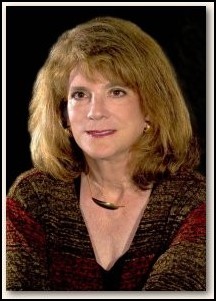
Elizabeth F. Loftus is a Distinguished Professor at the University of California, Irvine with appointments in the Department of Psychology and Social Behavior, Department of Criminology, Law, and Society, and Department of Cognitive Sciences. She also holds affiliate professor appointments in Psychology and Law at the University of Washington. As a Fellow of the Center for the Neurobiology of Learning and Memory, she maintains active research programs across multiple disciplines. Dr. Loftus's research focuses on the malleability of human memory, particularly in legal contexts. Her pioneering work on the misinformation effect demonstrates how memories can be altered by post-event information, with profound implications for eyewitness testimony. She has extensively studied false memories, repressed memory phenomena, and the creation of memory distortions through suggestion, hypnosis, and other therapeutic techniques. Her research has challenged conventional wisdom about memory reliability and has been instrumental in legal cases involving eyewitness testimony. Analysis of her recent publications reveals consistent themes in cognitive psychology and legal applications, with particular emphasis on memory distortion mechanisms, source monitoring failures, and the creation of false memories through suggestion. Her work spans experimental psychology, legal psychology, and clinical applications, demonstrating how memory can be manipulated in predictable ways. Grawemeyer Award in Psychology (2005) American Psychological Association Award for Distinguished Scientific Applications of Psychology (2003) Member, American Academy of Arts and Sciences Member, National Academy of Sciences (U.S.) Dr. Loftus has been central to numerous high-profile legal cases involving memory reliability, including the Eileen Franklin case where she served as an expert witness. Her research has influenced legal standards for evaluating eyewitness testimony and has prompted critical examination of recovered memory therapy practices. She has been involved in litigation concerning false memory syndrome and therapeutic malpractice, with her research cited in numerous court cases. At UC Irvine, she collaborates with researchers in the Center for the Neurobiology of Learning and Memory, bridging cognitive psychology with neuroscience approaches to memory research.
Prof. Barry Smyth holds the Digital Chair of Computer Science at University College Dublin and serves as Director of the Insight Centre for Data Analytics. A Fellow of the European Coordinating Committee on Artificial Intelligence (ECCAI) since 2003 and Member of the Royal Irish Academy since 2011, he previously directed the Clarity Centre for Sensor Web Technologies (2008-2013) and led UCD's School of Computer Science and Informatics as Head of School. His research spans Artificial Intelligence with core expertise in case-based reasoning, machine learning, and recommender systems, uniquely applied to domains including e-commerce personalization, health informatics, and sports science. Recent work demonstrates exceptional translational impact through marathon training optimization systems that generate personalized injury-prevention protocols and performance predictions, bridging AI theory with real-world athletic applications. Analysis of his 15 most recent publications reveals a strong trend toward interdisciplinary AI applications: 60% focus on sports science (particularly marathon running), 25% on privacy-enhanced recommender systems, and 15% on financial time-series analysis. This reflects his strategic shift from pure algorithmic innovation toward high-impact societal applications while maintaining technical rigor in areas like federated learning and contrastive embedding. Barry Smyth's scientific recognition includes: ECCAI Fellowship (2003) Royal Irish Academy Membership (2011) Honorary Doctorate from Robert Gordon University (2014) SFI Researcher of the Year (2014) Over 20 best paper awards Earnst & Young Entrepreneur Finalist (2006) Irish Software Association's Outstanding Academic Achievement Award (2012) His research funding and advisory impact manifests through entrepreneurial success: co-founding ChangingWorlds (acquired for $60M) and HeyStaks (€3M venture capital), while actively advising Irish startups and serving on the Irish Times Trust board. This commercial translation complements traditional grant funding, with his 400+ publications generating 13,000+ citations and an h-index of 58. Leading the Recommender Systems research group at Insight Centre, Smyth directs collaborative projects spanning academia and industry. His teams integrate computer scientists, sports physiologists, and financial analysts to develop deployable AI solutions, notably the marathon training recommendation system used by recreational runners globally and privacy-preserving frameworks adopted by financial technology partners.
Univ.-Prof. Dr. Michaela Sambanis is a Professor of English Didactics at the Institute of English Philology within the Department of Philosophy and Humanities at Freie Universität Berlin. She has held this position since 2011 and previously served as the managing director of the Institute from Winter semester 2017/2018 to October 2019. Her academic journey includes research work at the Transfer Center for Neuroscience and Learning at the University of Ulm (2008-2011), completion of her habilitation in 2006, and her promotion in 2001. Professor Sambanis's research centers on the innovative intersection of educational neuroscience and language teaching methodology. Her work pioneers the field of Positive Foreign Language Didactics, connecting positive psychology with language education. She investigates embodied cognition approaches, particularly movement-based learning, and explores theater methods and arts integration in language instruction. Her research also addresses teacher well-being and health, multilingualism in educational settings, and the application of neuroscience findings to practical classroom situations. The k2teach project represents her current focus on teaching-learning labs in English teacher education. Her scholarly output demonstrates a consistent trajectory toward integrating neuroscience with language pedagogy, with recent publications increasingly addressing mental health, digital transformation in education, and positive psychology applications. The evolution of her work shows a progression from practical teaching methods to increasingly sophisticated neurodidactic frameworks that bridge scientific evidence with classroom practice. Professor Sambanis serves on multiple scientific advisory boards including the Goethe Institut in Munich, the Transfer Center for Neuroscience and Learning at the University of Ulm, and the Schlözer Program for Teacher Education. She is also the founding chair of the cross-state E&M Berlin-Brandenburg section and a member of the German Society for Foreign Language Research (DGFF). Her editorial work includes the SELT book series on English Language Teaching. Her teaching responsibilities include supervising master's theses in English teaching, and she has developed numerous teaching-learning laboratories that connect theoretical knowledge with practical application in teacher education. Her work demonstrates a strong commitment to evidence-based foreign language didactics that incorporates insights from neuroscience, psychology, and educational research.
Bettina Sandgathe Husebø is a Professor and Head of the Center for Geriatric and Nursing Home Medicine at the Department of Global Health and Community Medicine, Faculty of Medicine, University of Bergen (UiB). She also serves as Innovation Manager at IGS, UiB since 2019. Her extensive career spans clinical practice, research, and leadership roles in geriatric and palliative care. Dr. Husebø completed her medical education at the University of Bonn, Germany in 1988, followed by specialization in Anaesthesiology and Intensive Care in 1995. Her Norwegian qualifications include Medical Specialization in Palliative Medicine (2012) and Nursing Home Medicine (2014) from UiB, along with a PhD from the Faculty of Medicine Dentistry at UiB in 2008. She further enhanced her expertise with a Postgraduate Safety, Quality, Informatics and Leadership (SQIL) Program from Harvard University in 2021. Her research focuses on critical geriatric issues including pain assessment and management in dementia patients, behavioral disturbances in dementia, palliative care in nursing homes, and digital phenotyping applications for elderly care. She has pioneered work on the relationship between pain, agitation, and neuropsychiatric symptoms in dementia patients, particularly through the COSMOS trial and LIVE@Home.Path study. Her recent publications (2023-2025) demonstrate a strong emphasis on digital health solutions for dementia care, with particular focus on activity monitoring, pain assessment through technology, and community-based interventions for aging populations. Her work bridges clinical geriatrics, technology innovation, and patient-centered care models. Among her notable recognitions are the National Dementia Award by His Majesty King Harald of Norway (2022) and multiple awards for research excellence in pain management and palliative care. Her work has significantly influenced Norwegian healthcare policy regarding dementia care and end-of-life practices. As an educator, she lectures in English, German, and Norwegian on dementia, pain in dementia, innovation technologies for older adults, symptom management at end-of-life, systematic medication review, and advance care planning. She has received teaching awards including 'Teacher of the Year' from the Faculty of Medicine and Dentistry at UiB. Dr. Husebø leads the Center for Geriatric and Nursing Home Medicine (SEFAS) and has been instrumental in establishing Norway's first palliative care ward in a nursing home. Her research group focuses on translating evidence into practice to improve quality of life for elderly patients, particularly those with dementia.
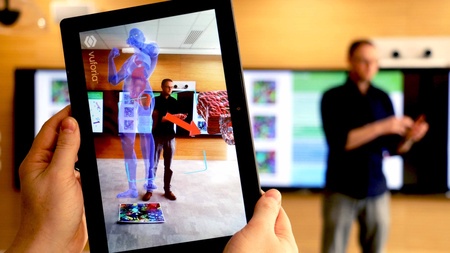
Professor John Barrow is a Professor of Biochemistry & Molecular Biology at the University of Aberdeen, where he also serves as Dean for Employability and Entrepreneurship since 2020. He is affiliated with the School of Medicine, Medical Sciences and Nutrition, based at the Institute of Medical Sciences on the Foresterhill Campus with office address at Ashgrove Road West, AB25 2ZD. Barrow earned his academic qualifications entirely from the University of Aberdeen: a BSc(Hons) in Biochemistry (2002), PhD in Molecular Biology (2005), and PGCert in Higher Education (2011). He was awarded Senior Fellow status with the Higher Education Academy in 2015. His academic career at Aberdeen has progressed from Postdoctoral research scientist (2005-2009), through Teaching Fellow (2009-2013) and Senior Teaching Fellow (2013-2015), to Senior Lecturer (Scholarship) (2015-2021), before becoming Professor in 2021. Professor Barrow's research primarily focuses on innovative approaches to biochemistry education, with particular emphasis on virtual reality and immersive learning technologies. His work bridges traditional biochemical knowledge with cutting-edge educational methodologies, creating engaging learning experiences for students. He has pioneered the use of virtual reality for teaching complex biochemical concepts such as the citric acid cycle and molecular structures. Additionally, his research extends to graduate attributes development, employability skills, and entrepreneurship education, reflecting his dual role as both educator and Dean for Employability and Entrepreneurship. Analysis of his recent publications reveals a strong trend toward educational technology and innovative teaching methods, particularly virtual and augmented reality applications in biochemistry education. His work spans molecular biology education, skills development, and the integration of enterprise and entrepreneurship into the academic curriculum. While his earlier career included more traditional molecular biology research on topics like gene promoters and receptor pathways, his recent focus has shifted predominantly toward educational innovation. His professional recognition includes: Senior Fellow of the Higher Education Academy (2015) As Dean for Employability and Entrepreneurship, Professor Barrow oversees initiatives that connect academic learning with real-world applications, including the ABDN Grad Challenge and Hack 2040 ideathon events. His work focuses on developing students' enterprise skills and preparing them for diverse career paths. He has been instrumental in creating programs like the Employability Boost Award, designed to enhance students' career readiness through structured skill development. Professor Barrow is actively involved in curriculum development at the University of Aberdeen, particularly in transforming and embedding graduate attributes across programs. His leadership extends to external examiner roles for institutions in Pakistan and reviewing for major academic publishers and journals. His innovative approach to education has positioned him as a leader in educational technology within the medical and biochemical sciences.
Timothy J. Muldoon is a Professor in the Department of Biomedical Engineering at the University of Arkansas, where he has been since 2012. He holds joint appointments in the (ENGR)-Engineering and (BMEG)-Biomedical Engineering programs. B.S. in Biomedical Engineering from Johns Hopkins University (2002) Ph.D. in Bioengineering from Rice University (2009) M.D. from Baylor College of Medicine (2010) Dr. Muldoon leads the Translational Biophotonics and Imaging Laboratory, focusing on multimodal microendoscopy , multiphoton imaging , and light sheet microscopy for cancer detection and treatment monitoring. His work bridges optical spectroscopy , nanotechnology , and microfluidics to develop novel diagnostic tools. Current research includes optical methods for assessing chemoradiotherapy response in colorectal cancer, metabolic imaging of tumor organoids , and point-of-care blood analysis systems . His publications (30+ peer-reviewed articles) and NIH-funded projects demonstrate clinical translation of optical biopsy technologies. National Institutes of Health Academic Research Enhancement Award (R15) - Cancer Imaging NIH Early Career Reviewer Program (2016) Burroughs Wellcome Collaborative Research Grant (2012) Dr. Muldoon teaches advanced courses in Biomedical Microscopy (BMEG 5504) and Biomedical Instrumentation (BMEG 2904), emphasizing optical techniques and physiological measurements . He has received multiple teaching and service awards at the University of Arkansas.
Tessa H.S. Eysink is a Full Professor in Instructional Technology, affiliated with the Digital Society Institute. Her research focuses on educational technology, inquiry-based learning, and technology-enhanced STEM education for children. 2024 Research Highlights : Investigated physiological and gaze metrics for learner emotions in Frontiers in Psychology Studied hypothesis generation in simulation-based learning in the Journal of Research in Science Teaching Co-developed the gamified Science Chaser app for STEM engagement at the ACM Interaction Design and Children Conference Her work bridges psychology, computer science, and education, emphasizing multimedia learning and cognitive modeling. No scientific awards or student supervision details were explicitly mentioned in the provided texts.
Alan Briones Delgado is a researcher at the La Salle School of Engineering , Universitat Ramon Llull , with a focus on Internet of Things , Cybersecurity , and Transport Protocols . His work spans projects funded by the European Commission and national grants, including EXCEL4HOUSING4.0 , WeB-Nimbus , and NG-SOC , addressing challenges in cloud computing education, ecological monitoring, and security operations. His research integrates Artificial Intelligence and Wireless Sensor Networks for sustainable solutions. Key research areas include Quality of Service in heterogeneous networks, Environmental Conservation via IoT, and Teaching and Learning strategies for Big Data. Projects like EcoSentinel and BTL-COP highlight his commitment to Environmental Monitoring and Community Policing applications. His collaborations extend to institutions in the UK , Albania , and Western Balkans . Contact: alan.briones@salle.url.edu
Linda Bailey Hayden is a distinguished Professor and Associate Dean of Mathematics and Computer Science at Elizabeth City State University (ECSU), where she has made significant contributions to mathematics education and geoscience applications since 1980. Originally from Portsmouth, Virginia, she overcame segregation barriers to pursue her academic career, earning degrees from Virginia State University, University of Cincinnati, Old Dominion University, and American University. At ECSU, she founded the Center of Excellence in Remote Sensing Education and Research to increase minority participation in environmental science. Dr. Hayden's research interests span mathematics education, applications of mathematics in geoscience, remote sensing technologies, and environmental science. Her work uniquely bridges theoretical mathematics with practical applications in climate science, ice sheet monitoring, water quality assessment, and Antarctic research. She has pioneered educational approaches that connect mathematics with real-world environmental challenges, particularly through NASA-related programs and the GLOBE initiative. Her publication record reveals a strong focus on mentorship, educational outreach, and interdisciplinary research connecting mathematics with environmental science. The most recent publications demonstrate her ongoing commitment to developing innovative approaches for engaging students in scientific research, particularly through hackathons, remote sensing applications, and climate change education. Her work consistently emphasizes increasing participation of underrepresented groups in STEM fields. Presidential Award for Excellence in Science, Mathematics, and Engineering Mentoring (2003) Emerald Honors for Educational Leadership from US Black Engineer magazine Mathematically Gifted & Black Black History Month 2017 Honoree An Antarctic ice shelf was named after her institution by the Advisory Committee on Antarctic Names Dr. Hayden has dedicated her career to mentoring minorities and women in STEM fields through various programs including the Nurturing ECSU Research Talent (NERT) initiative, the Home-Institution Support Program, and numerous NASA-funded educational projects. Her grant history reflects strong partnerships with federal agencies to offer interdisciplinary training in remote sensing and environmental science. She has established multiple educational partnerships focused on enhancing undergraduate involvement in research, particularly for underrepresented students. As founder of the Center of Excellence in Remote Sensing Education and Research at ECSU, she has built a significant infrastructure for geoscience research and education, developing cyberinfrastructure for remote sensing of ice sheets and creating numerous educational programs from middle school through undergraduate levels. Her work has connected ECSU with major research institutions and federal agencies, establishing the university as a hub for remote sensing education in minority-serving institutions.
Dr. Yu Huang is an Assistant Professor in the Department of Computer Science at Vanderbilt University's School of Engineering, with a secondary appointment in the Department of Teaching and Learning at the Peabody School of Education. She is affiliated with the Institute for Software Integrated Systems, the Frist Center for Autism and Innovation, the Vanderbilt Lab for Immersive AI Translation (VALIANT), and the Vanderbilt LIVE Learning Innovation Incubator. Her academic journey began with a BS in Aerospace Engineering from Harbin Institute of Technology in China (2011), followed by an MS in Computer Engineering from the University of Virginia (2015), and culminated with a PhD in Computer Science and Engineering from the University of Michigan in 2021 under Professor Westley Weimer. Dr. Huang's research bridges human cognition and machine intelligence to enhance software development. Her work spans software, hardware, AI, medical imaging (fMRI/fNIRS), eye tracking, and mobile sensing through collaborations with Security, Education, Psychology, and Neuroscience researchers. She leads the MIND Lab (Mixed INtelligence Development for programming lab), investigating programming expertise formation, code comprehension processes, cognitive error patterns, and diversity in programming communities. Her innovative approach combines empirical human studies with AI model development to create more effective programming tools. Her recent publications reveal a growing emphasis on leveraging human attention data to improve code language models, analyzing cognitive biases in security contexts, and examining social factors in technical communication. The research shows strong interdisciplinary connections between neuroscience, psychology, and software engineering, with increasing applications of LLMs in developer tooling. Dr. Huang's work consistently demonstrates how understanding human cognition can inform better AI systems for programming tasks. Dr. Huang has received numerous prestigious recognitions including the 2025 ICPC Vaclav Rajlich Early Career Achievement Award and three ACM SIGSOFT Distinguished Paper Awards (ICSE 2019, FSE 2023, ICSE 2024). Her lab has earned the Best Presentation Award at GI2024, while her students have received the Richard Bennett/Dorothy Danforth Compton Prize scholarship and the C. F. Chen Best Paper award. She actively mentors a diverse team of graduate students (Yifan Zhang, Zach Karas, Zihan Fang, Yueke Zhang, Jiahao Zhang) and undergraduate researchers, with many former students advancing to top institutions (Stanford, Harvard, Duke, UC Berkeley) and organizations (NASA JPL). Her research is supported by a 4-year NSF grant, GitHub Tech for Social Good funding, and the Provost's Faculty Immersion Vanderbilt Grant, enabling comprehensive studies of human-AI collaboration in software engineering. The MIND Lab maintains a strong collaborative culture, frequently working with Professor Kevin Leach's research group and organizing retreats to locations like Radnor State Park and the Great Smoky Mountains. This environment fosters innovation at the intersection of human cognition and software engineering while supporting the professional development of emerging researchers in the field.
Professor Daniel Catchpoole serves as Deputy Head of School (Research) at the School of Computer Science, University of Technology Sydney (UTS), holding dual appointments at UTS and The Children's Hospital at Westmead. With over 20 years of research experience, he bridges computational sciences and pediatric cancer research through the Biomedical Data Science Lab in the Australian Artificial Intelligence Institute. His work integrates data analytics, artificial intelligence, and software development with molecular cancer biology to transform pediatric cancer treatment pathways. PhD in Cancer Cell Biology, University of New South Wales (1991-1995) Founding Fellow, Royal College of Pathologists Australasia (2010-present) Head, Children's Hospital at Westmead Tumour Bank (2001-present) Professor Catchpoole's research focuses on translational applications of genomics in childhood cancers, particularly acute lymphoblastic leukemia and neuroblastoma. His work combines high-throughput genomic technologies with advanced computational analysis to develop systems biology approaches for cancer patient assessment. Recent projects explore virtual reality applications for complex genomic data visualization and copper chelation therapies to enhance neuroblastoma immunotherapy. His research has received significant funding from Cancer Institute NSW, Sony Foundation, ARC, and NHMRC. His publication record spans biomedical data science, cancer genomics, and virtual reality applications in oncology. Recent work demonstrates leadership in 3D latent diffusion models for tumor segmentation, biobank economics, and innovative immunotherapies. His research consistently addresses the critical need for actionable knowledge from complex multidimensional biomedical data. Editorial Board Member, Cancers (2023) Associate Editor, Innovations in Digital Health, Diagnostics and Biomarkers (2019) Founding member and first President, Australasian Biospecimens Network Association Professor Catchpoole has supervised 17 Honours students (including 6 First Class Honours), 3 MSc students, and 12 PhD candidates across multiple institutions, with 6 current PhD students. His collaborative research bridges UTS's Faculty of Engineering and IT with The Children's Cancer Research Unit at The Children's Hospital at Westmead. Significant research funding includes Cancer Institute NSW grants, Sony Foundation VR projects, and ARC Discovery Projects focused on genomic data analysis and clinical decision support systems. His leadership extends to building frameworks for translational research, managing biobanks and clinical data linkages, and navigating governance requirements for cancer research. The Tumour Bank at Kids Research, CCRU, represents his long-standing commitment to pediatric cancer infrastructure development.
Maria Pau Ginebra Molins is a Professor in the Department of Materials Science and Engineering at the Barcelona East School of Engineering (EEBE), Polytechnic University of Catalonia (UPC). She leads the BBT Research Group focused on Biomaterials, Biomechanics and Tissue Engineering and is affiliated with the Institute of Research and Innovation in Health. Her educational background, while not explicitly detailed in the provided text, reflects extensive expertise in materials science with a specialization in biomaterials, evidenced by her substantial research portfolio spanning over three decades. Professor Ginebra Molins' research spans biomaterials development, bone tissue engineering, and advanced manufacturing techniques. Her work focuses on calcium phosphate-based materials, 3D printing technologies for bone scaffolds, hydrogel systems, and surface modifications of biomaterials to enhance biological responses. She has pioneered approaches in vat photopolymerization, direct ink writing, and the development of stimuli-responsive biomaterials. Analysis of her recent publications (2024-2025) reveals a strong emphasis on translational research with clinical applications. Her work bridges fundamental materials science with practical medical solutions, particularly in bone regeneration, dental implants, and antimicrobial biomaterials. The publications demonstrate expertise in advanced characterization techniques, including spectroscopy and nanoindentation for biomaterial evaluation. Multiple competitive R&D projects including CEX2023-001300-M Maria Maetzu Centre Ciència i Enginyeria Multiescala 17 documented awards and recognitions Leadership in the Inspiring the next generation of innovators project Patents related to 3D-printed bone grafts Professor Ginebra Molins actively supervises doctoral students, with Johansson, L. completing a thesis on 3D-printed biomimetic bone grafts. Her research group (BBT) collaborates extensively with industry and clinical partners to translate laboratory findings into medical applications. She participates in numerous competitive research projects funded by national and European programs, demonstrating the high impact and relevance of her work in the biomaterials field.