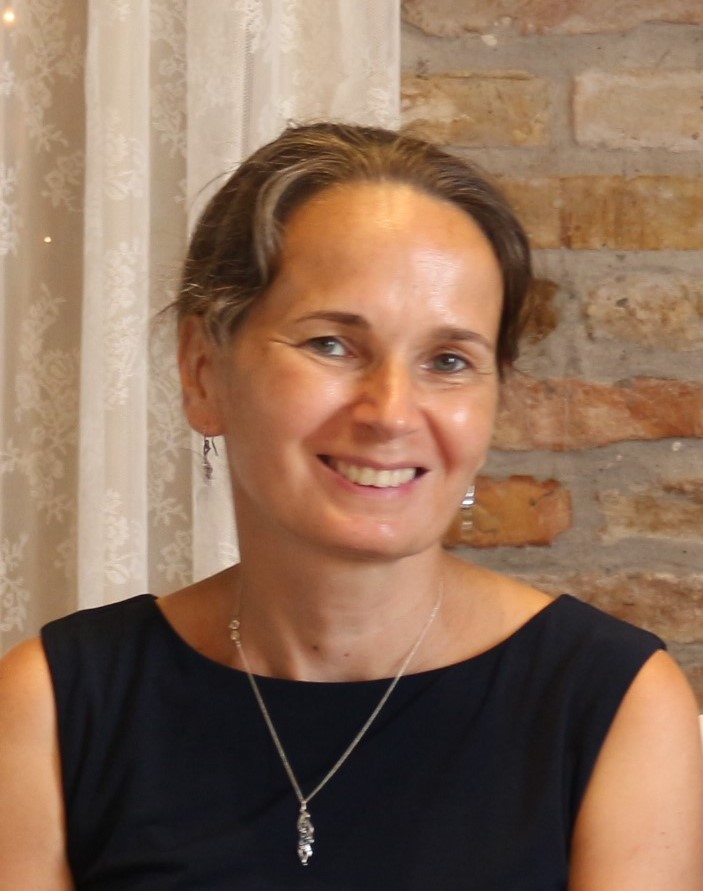
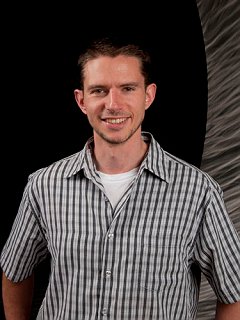
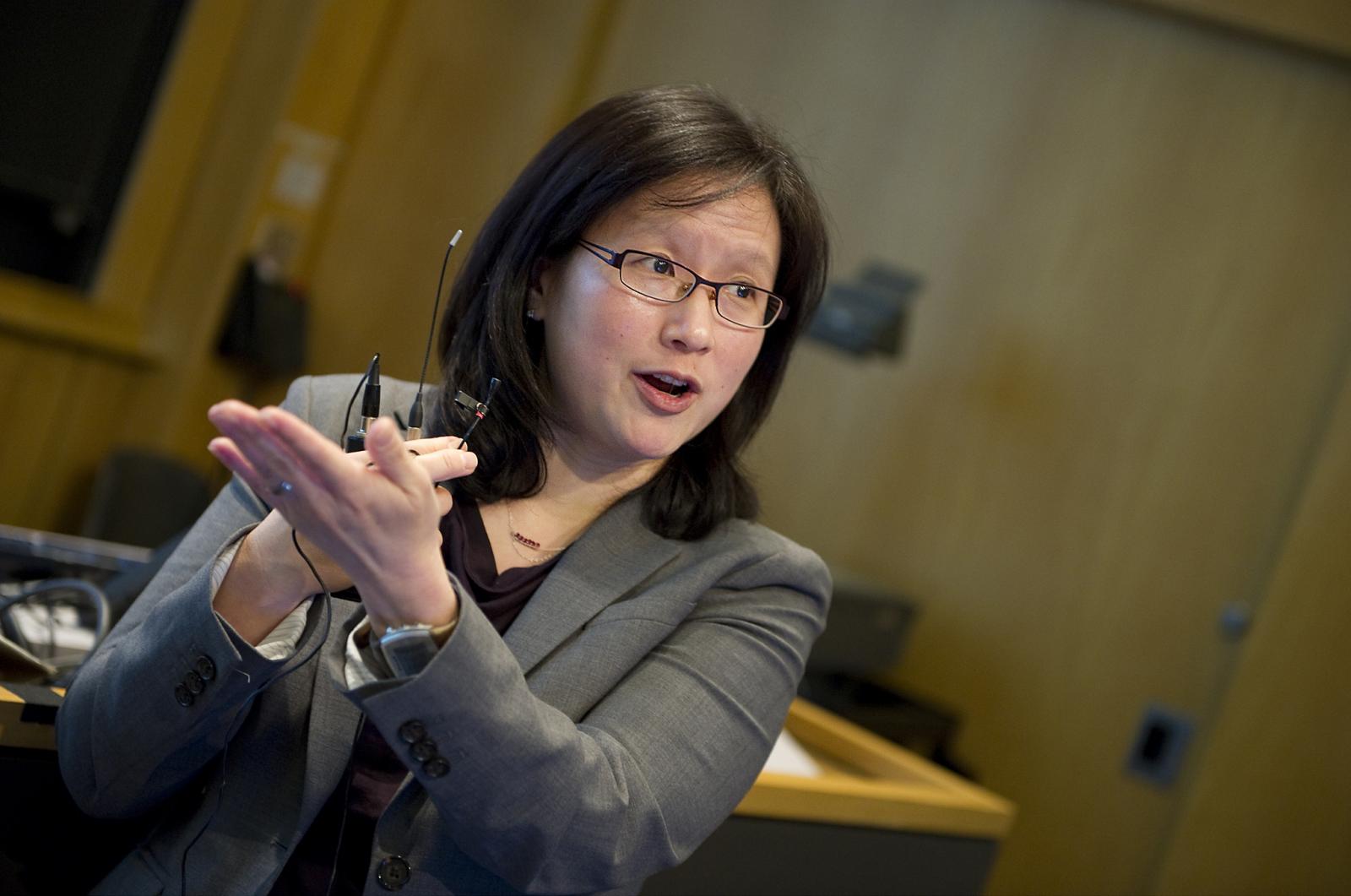
Ali Bozkurt is a Professor in Mathematics Education at the Gaziantep Education Faculty , Gaziantep University. His academic career spans over two decades, with previous roles including Associate Professor (2013-2019) and Assistant Professor (2008-2013) at the same institution. He holds a PhD (2007), MS (2001), and BS (1999) in Mathematics Education from Selçuk University. Research Focus: Mathematics education, teacher training, algebraic/geometric reasoning, technology integration, STEM education, and educational activity design. Key Projects: Led TÜBİTAK and higher education institution-funded projects on innovative mathematics pedagogy, technology-enhanced classrooms, and quality of mathematics instruction. Publications include 31 books/chapters and 59 articles, emphasizing cognitive demand in textbooks, ethical decision-making in teaching, and activity evaluation frameworks. His work has been presented at international conferences like ICME-15 and ERME. He collaborates with scholars such as Mehmet Fatih Özmantar and Begüm Özmuşul on algebraic habits and geometric reasoning. Scientific Contributions: Developed the Activity Evaluation and Feedback Tool (AEFT) and analyzed mathematics instruction quality in Turkey and Syria. Advising: Mentors graduate students and pre-service teachers, particularly in algebraic/geometric reasoning and classroom practices.
FATMA FİLİZ TILFARLIOĞLU is a Professor at Gaziantep University's Faculty of Education, Department of Foreign Language Education, specializing in English Language Teaching. With a distinguished academic career spanning over three decades, she has made significant contributions to the field of foreign language education, particularly through her development and research on the Lean Educational Method. Her academic journey began with a PhD from Çukurova University (1993-1996), followed by her appointment as a Research Assistant at Gaziantep University in 1990, progressing through academic ranks to become a full Professor in 2021. Her research interests focus on innovative approaches to language teaching, including the Lean Educational Method, discourse analysis, language learning strategies, self-efficacy in language learning, and teacher education. Professor TILFARLIOĞLU has supervised 38 master's theses and has an extensive publication record with 46 articles, 5 book chapters, and 66 conference papers. Her work demonstrates a consistent focus on improving language teaching methodologies and understanding the psychological factors affecting language learning. Her recent research has centered on innovative teaching methods such as TRIZ and CDIO in language education, analysis of teacher self-efficacy in distance learning environments, and the psychological aspects of language learning including fear of success and rejection sensitivity. Professor TILFARLIOĞLU has also led projects focused on foreign language education in Turkish society, including 'Hayatta Biz de Varız Hep Beraber Elele' and 'BİK PROJESİ - Biliyor musunuz İngilizceden Korkmuyorum.' TESOL U.S.A. Convention (1999) TEFL Summer School (1996) Yurtdışı Yüksek Lisans ve Doktora Bursu from YÜKSEK SEÇİM KURULU BAŞKANLIĞI (1991) Yurtdışı Yüksek Lisans ve Doktora Bursu from MİLLİ EĞİTİM BAKANLIĞI (1990) Throughout her career, Professor TILFARLIOĞLU has held significant administrative roles including Department Head, Vice Dean, and various committee memberships at Gaziantep University. She has taught numerous courses at both undergraduate and graduate levels, focusing on English Language Teaching Methodology, Materials Evaluation, and Contextual Grammar. Her academic leadership extends to her membership in INGED (İngilizce Eğitim Derneği) since 1995.
Susan Poetsch is a Senior Lecturer at the University of Sydney's School of Education and Social Work. She coordinates the Master of Indigenous Languages Education (MILE) program and teaches units related to Aboriginal and Torres Strait Islander education, languages education, and the Indigenous Studies Major. Her work is deeply collaborative, conducted in partnership with Aboriginal and Torres Strait Islander communities, families, organizations, leaders, language experts, and educators. Dr. Poetsch holds a PhD from the Australian National University (ANU), an M.A. in Applied Linguistics from Sydney, a Grad Dip TEFL from Sydney, and a B.A. Dip. Ed. Primary from Macquarie University. Prior to her academic career at Sydney University, she served as a curriculum officer in the Board of Studies NSW, where she worked with Aboriginal community members, linguists, and school staff to implement the Aboriginal Languages K-10 Syllabus. Susan Poetsch's research focuses on language reclamation and maintenance for Aboriginal and Torres Strait Islander teachers, learners, and communities. Her work spans several key areas including teacher education, Aboriginal and Torres Strait Islander education, first and second language learning for Indigenous students, and linguistics for Aboriginal and Torres Strait Islander languages learning and teaching. Her recent publications demonstrate a consistent focus on Indigenous language revitalization, educational approaches for Indigenous language learners, and collaborative methodologies that center community knowledge and leadership. Dr. Poetsch has received significant recognition for her work, including: 2023 MAK Halliday Prize for Outstanding Research from the Applied Linguistics Association of Australia 2022 University of Sydney Early-Mid Career Academic Network (SEMCAN) Good Mentor Award 2018 ARC Centre of Excellence for the Dynamics of Language student mobility award 2013 Faculty of Education & Social Work Teaching Excellence Award (Koori Centre Team Award) In terms of mentorship, Susan Poetsch supervises research students including Keith LIN, who is researching "The Development of TESOL Postgraduate Students' Beliefs and Knowledge of Translanguaging through a Professional Development Program," and Iris MENZIES, who is studying "Supporting hidden multilingual Indigenous students in mainstream education: a case study in the East Kimberley." She is currently involved in significant research projects such as "Understanding Aboriginal and Torres Strait Islander language ecologies" (2021-2024), funded by the ARC Special Research Initiative, and "Teacher Education at the University of Sydney: Aboriginal and Torres Strait Islander Graduates' Pathways and Impacts" (2022-2023). Dr. Poetsch is actively engaged with numerous professional associations including the Applied Linguistics Association of Australasia, Australian Linguistics Society, Languages and Cultures Network for Australian Universities, First Languages Australia, Living Languages, Foundation for Endangered Languages, Australian Federation of Modern Languages Teachers' Associations, and ATESOLNSW. Her work demonstrates a deep commitment to collaborative research and education that centers Indigenous knowledge systems and language revitalization efforts.
Lara Ravitch serves as Senior Lecturer, Russian Language Coordinator, and Director of Undergraduate Studies within the Russian East European and Eurasian Studies program at the University of Oregon's School of Global Studies and Languages. Her academic leadership spans curriculum development, language instruction coordination, and undergraduate program administration in Eugene, Oregon. Her research centers on Russian heritage language acquisition and second-language pedagogy , with particular focus on non-prototypical learner narratives and academic writing development. Key interests include heritage language identity formation, ESL curriculum design for community colleges, and contextualized vocabulary acquisition frameworks. Analysis of her publication history reveals consistent contributions to language education methodology , particularly through textbook development for the Longman Academic Writing Series. Her work bridges theoretical linguistics with practical classroom applications, emphasizing accessibility for diverse learner populations through digital resources and context-based learning approaches. As Director of Undergraduate Studies, Ravitch oversees academic advising pathways and degree requirements while coordinating Russian language instruction across proficiency levels. Her role integrates program administration with hands-on teaching responsibilities in the Department of Russian East European and Eurasian Studies.
Channine Clarke is a Professor at the University of Brighton , serving as Associate Dean for Practice Learning and Partnerships in the School of Education, Sport and Health Sciences. An occupational therapist since 1998, she specializes in mental health and has held leadership roles in clinical governance and education development. Her 2012 PhD on role-emerging placements established her as an international authority in practice learning innovation. MSc in Occupational Therapy, University of Exeter (2002) PhD in Professional Identity Development, University of Brighton (2012) Her research focuses on practice learning , professional identity formation , and diverse clinical placements . She pioneered curriculum reforms requiring all Brighton occupational therapy students to complete placements in non-traditional settings. Her work in interpretative phenomenological analysis has shaped understanding of therapist-patient interactions across physical and mental health domains. Recent publications examine placement diversification in podiatry and identity development in UK community roles. She has developed a digital platform for occupational therapists and organizes annual conferences on diverse practice settings. Her teaching methodology combines problem-based learning with experiential theories, creating student-centered environments that emphasize critical reasoning and reflective practice. AdvanceHE National Teaching Fellowship (2024) Two Excellence in Facilitating Learning Awards (University of Brighton) As an MSc/PhD supervisor, she guides research on practice education, occupational science, and therapeutic interventions. Her Higher Education Academy grant funded the creation of authentic digital learning triggers that facilitate lifelong learning readiness. Active collaborations span multiple UK institutions, focusing on clinical education reform and therapist-patient dynamics.
Barbara Mones is a Teaching Professor in the Paul G. Allen School of Computer Science & Engineering at the University of Washington. She serves as Director of the Reality Studio, part of the Reality Lab, and leads the Facial Expression Research Group (FERG) and the Octopus Research Group (ORG). Education: Undergraduate degree from University of Michigan, Ann Arbor Post graduate certification in Animation from Sheridan College, Oakville, Canada MFA from Rhode Island School of Design Professor Mones specializes in Human-Centered Computing and Interaction with the Physical World, with expertise in Augmented, Virtual & Mixed Reality; Computer Graphics & Animation; and Computing Education Research. Her research focuses on the intersection of animation, storytelling, and immersive technologies, exploring how these can be effectively integrated into educational contexts and creative production pipelines. She has developed specialized curriculum for facial expression in animated characters and immersive storytelling environments. Professor Mones has directed and produced more than twenty animated shorts throughout her career at the University of Washington. Her recent works demonstrate expertise in character animation, facial expression, and digital storytelling, often incorporating innovative techniques in virtual and augmented reality. These films showcase her commitment to advancing both the artistic and technical aspects of computer animation. Scientific Awards: SIGGRAPH 2021 Distinguished Teaching Award NASA Group Achievement Award Professor Mones has been instrumental in developing animation curriculum that has influenced programs worldwide. She serves on the ACM SIGGRAPH Executive Committee and the Education Committee, where she continues to shape computer graphics education globally. Her teaching approach emphasizes hands-on, project-based learning through the complete animation production pipeline. She leads the Reality Studio, which focuses on research and development in immersive storytelling technologies, and oversees the Facial Expression Research Group which investigates the technical and artistic aspects of creating expressive digital characters for animation and virtual environments.
Mark Pletcher, MD, MPH is a Professor in the Department of Epidemiology & Biostatistics at the University of California, San Francisco (UCSF) School of Medicine. In 2023, he became Chair of the UCSF Department of Epidemiology and Biostatistics. He is an epidemiologist and general internal medicine physician whose research focuses on clinical decision-making and policy relevant to primary care and prevention, particularly in cardiovascular disease prevention. Dr. Pletcher earned his M.D. from the University of California, San Francisco in 1998 and completed his residency at UCSF School of Medicine. He also completed UCSF's Diversity, Equity, and Inclusion Champion Training in 2019. His research interests span cardiovascular disease prevention with particular focus on early life causes of atherosclerosis, prevention of coronary heart disease, clinical decision-making regarding preventive medications, screening for subclinical cardiovascular disease, interventions to improve blood pressure control, and the use of technology to enhance health outcomes. He has led numerous studies on marijuana use and cardiovascular health, blood pressure management, and digital health interventions. His work often leverages large cohort studies like the Coronary Artery Risk Development in Young Adults (CARDIA) study. Analysis of his recent publications reveals a strong focus on digital health interventions for hypertension management, cardiovascular risk assessment in young adults, liver disease applications of artificial intelligence, and the impact of pandemic policies on mental and physical health outcomes. His research increasingly incorporates machine learning and large language models for clinical decision support, particularly in gastroenterology and cardiology applications. Dr. Pletcher leads the UCSF CTSI's Informatics and Research Innovation Program and has been Principal Investigator on numerous NIH and PCORI-funded projects including the Health eHeart Study and the PCORnet Blood Pressure Control Laboratory. His research funding spans cardiovascular disease prevention, digital health interventions, and health policy evaluation. He mentors students, fellows, and junior faculty members, and teaches clinical research methods. His laboratory work focuses on the Health eHeart Alliance and related digital health initiatives that leverage consumer technologies for cardiovascular research.
Dr. Gabriella Perge is an Assistant Professor and Lecturer at the Institute of Germanic Studies and the Department of German Language Teaching and Vocational Didactics at Eötvös Loránd University (ELTE) in Budapest. Her academic focus lies in foreign language pedagogy, multilingualism, and German language education. She has contributed extensively to research on text analysis, reading comprehension, and multilingual teaching methodologies through publications and projects like the LEELU teacher education initiative. Academic Rank: Assistant Professor Affiliation: Institute of Germanic Studies, ELTE Department: German Language Teaching and Vocational Didactics Her research explores multilingualism in institutional language teaching, emphasizing intercomprehension , language mediation , and coherence in multilingual writing . She investigates how learners develop competence through text-based learning and experiential reading strategies. Recent work includes analyzing temporal language patterns and curriculum design for multilingual classrooms. Dr. Perge’s publications (2015–2025) center on reading pedagogy , language didactics , and teacher training . Themes include vocabulary development across languages, extensive reading programs, and the role of coherence in multilingual education. Her LEELU project highlights experiential learning and collaborative reflection in teacher education.
Edina Robin is a Habilitated Associate Professor at the Institute of Language Mediation , part of Eötvös Loránd University . She serves as the Director of the Institute and leads two departments: the Department of Translation and Interpreting and the Department of Hungarian as a Foreign Language . Her work bridges theoretical and applied translation studies, emphasizing modern challenges in language mediation. Role: Director of Institute of Language Mediation Role: Head of Department of Translation and Interpreting Role: Head of Department of Hungarian as a Foreign Language Research Interests Translation universals and revision practices Corpus-based translation analysis Human-in-the-loop machine translation systems Ethical implications of AI in translation Distance education methodologies in translation training Publication Trends reflect her interdisciplinary focus on machine translation (33%), translation teaching (25%), corpus linguistics (20%), and crisis communication (15%). Recent works explore the intersection of artificial intelligence, human agency, and ethical frameworks in language mediation. Academic Leadership includes institutional development for language mediation, curriculum design for Hungarian as a foreign language, and fostering collaboration between academic and industry translation practices.
Tiark Rompf is an Assistant Professor at Purdue University , with research spanning programming languages, compilers, and systems. His work bridges domains including architecture, databases, machine learning, and AI through projects like Reachability Types and Rhyme. Co-director of the Purdue Center for Programming Principles and Software Systems (PurPL) Scientific Advisor at SambaNova Systems Previously a member of the Scala team at EPFL His research focuses on: Runtime code generation and advanced compiler technology Expressive data-centric query languages (Rhyme, Datalog) Reachability type systems for memory safety and effect handling Metaprogramming and logical relations for formal verification Recent publications highlight contributions to Datalog compilation (Flan), nested data structures (Rhyme), and polymorphic reachability types. He leads projects exploring: Compiler optimizations for emerging architectures (GPU, TPU, FPGA) ML-driven compiler improvements Secure multi-party computation via metaprogramming Scientific awards include: NSF CAREER Award (2016) Google Faculty Research Awards (2017, 2018) DOE Early Career Research Award (2017) ACM SIGPLAN PL Software Award (2019) GPCE Test of Time Award (2020) Students and alumni from his group have joined institutions like Databricks, DeepMind, Galois, and Meta. He teaches advanced compiler courses including: CS 590 - Advanced Topics in Compilers CS 352 - Compilers CS 502 - Graduate Compilers
Shui Yu is a Professor of the School of Computer Science in the Faculty of Engineering and Information Technology at the University of Technology Sydney (UTS), where he also serves as the Deputy Chair of the UTS Research Committee. His academic career spans over 20 years in Australia and 7 years in China, with additional teaching experience in Hong Kong and Indonesia. He has developed more than 10 units in cybersecurity, computer science, data analytics, and computer games, serving as the Course Director for Computer Science undergraduate programs. Professor Yu's research interests center on cybersecurity, privacy, networking aspects of Big Data, and applied mathematics for computer science. He pioneered the field of 'networking for big data' in 2013 and edited the seminal book 'Networking for Big Data' published in 2015. His work has practical applications in industry, including Amazon Cloud's auto-scale strategy against distributed denial-of-service attacks. Current research focuses include privacy and security concerns associated with big data, security issues in smart grids, anonymous transactions on Blockchain, and anonymous communication for web browsing privacy. Analysis of his recent publications reveals a strong research trajectory spanning cybersecurity, privacy-preserving technologies, networking for big data, and applied mathematics. His work shows increasing focus on quantum-resistant cryptography, federated learning security, and adversarial robustness in AI systems. The interdisciplinary nature of his research bridges theoretical foundations with practical applications in IoT, blockchain, and cloud environments. Fellow of IEEE (2023) Distinguished Lecturer of IEEE Communications Society (2018-2021) Distinguished Visitor of IEEE Computer Society (2022-2024) Professor Yu has secured numerous research grants from the Australian Research Council, including current projects on privacy and fairness in high intelligence models (DP240100955), improved security and privacy for online platforms (LP220200808), and secure blockchain for financial applications (LP220100453). He has served on editorial boards of multiple IEEE journals including IEEE Communications Surveys and Tutorials, IEEE Communications Magazine, and IEEE Internet of Things Journal. His service extends to organizing major conferences such as IEEE Globecom 2015 and IEEE INFOCOM 2016-2017.
Maria Yang is a Professor and the William E. Leonhard Professor/Interim Dean of the School of Engineering at the Massachusetts Institute of Technology (MIT), affiliated with the Department of Mechanical Engineering. Her research focuses on early stage design processes , design methods , and system-level engineering design , with applications spanning consumer products, complex systems, and sustainable technologies. Educational Background: B.Sc., MIT (1991) M.Sc., Stanford University (1994) Ph.D., Stanford University (2000) Yang's research explores the theoretical foundations of design , emphasizing sketching , prototyping , and design cognition . Her work addresses global challenges in sustainability , emerging markets , and human-computer interaction , as demonstrated by collaborations with NASA, IBM, and Ferrari. Recent publications highlight trends in design-by-analogy , 3D printing of transparent glass , and information flow in complex systems . Her research bridges mechanical engineering , bioengineering , and computational design . Scientific Awards: 2024 ASME Design Theory and Methodology Award 2024 ASME Design Theory and Methodology Best Paper Award 2017 MacVicar Faculty Fellow 2016 Bose Excellence in Teaching Award 2014 ASEE Fred Merryfield Design Award 2013 ASME Fellow Yang mentors students through courses like 2.00B Toy Product Design and 2.009 Product Engineering Processes , and leads the MIT Ideation Laboratory , which investigates transformational design strategies for global competitiveness and sustainability.
Dr. Kit Yan Chan is a Senior Lecturer at the School of Electrical Engineering, Computing and Mathematical Sciences (EECMS) at Curtin University. His research focuses on Artificial Intelligence, Machine Learning, Deep Learning, and Optimization, with applications in wireless communications, signal processing, and power systems. He has held editorial roles in journals such as Neurocomputing, Sensors, and the International Journal of Ad Hoc and Ubiquitous Computing. His teaching spans courses like Transmission and Interface Design, Advanced Research in AI, and Mobile Cloud Computing. Dr. Chan's work emphasizes interdisciplinary approaches, combining computational intelligence with engineering challenges. He has contributed to over 100 publications in areas such as resource allocation in heterogeneous networks, deep learning for load forecasting, and underwater acoustic communication systems. His research bridges theoretical advancements and practical implementations, addressing real-world problems in telecommunications, energy systems, and smart technologies. His recent projects include optimizing energy efficiency in 5G networks, developing robust power control strategies, and advancing neural network architectures for real-time applications. Collaborations with industry and global institutions underscore his commitment to impactful research.
Simon Mawhinney is a Professor in the School of Arts, English and Languages at Queen's University Belfast, specializing in composition with a focus on instrumental and electronic media. His work bridges complexist music, post-spectral harmonies, and cultural cantillation influences. Notable collaborations include projects with ensembles in Germany, France, and Iceland. He holds a Queen’s University Teaching Award (2012) and has pioneered modules on Messiaen’s music. His research explores new music performance, computer-assisted composition (using OpenMusic), and experimental technologies. Current roles include PhD supervision in composition, convening MA research methods modules, and undergraduate composition instruction. Key achievements include commissions from Ensemble Caput (Iceland) and Garth Knox/Quatuor Béla, resulting in works such as Marlacoo and a viola d’amore/string quartet piece premiered in Paris (2013). Recent projects involve recordings with pianist Mary Dullea and bass flutist Kolbeinn Bjarnason. His fingerprint research areas include labour studies in composition, technical performance practices, and avant-garde instrumentation. Over 35 compositions span decades, with 2016-2019 works emphasizing electronic integration and algorithmic processes. Awards include the AIC Composition Prize (2001) and Ann Driver Trust Award (2000). Professional service roles include Elected Member of the Academic Council since 2010 and Exams Liason Officer (2009-2011). Teaching: Undergraduate modules on Messiaen, Beethoven's late works, and composition techniques Research: Focus on postwar modernism, new musical technologies, and performance-based creation Public Engagement: Active in festivals, radio interviews, and international recitals
Prof. Kira Weber is an Assistant Professor at the University of Hamburg 's Faculty of Education . Her research focuses on AI-driven feedback systems in education, teacher professional development, classroom management, and educational technology adoption. She leads studies analyzing the impact of prompt engineering on AI feedback quality and investigates how teacher educators' AI literacy influences pedagogical practices. Her work bridges educational psychology with technological innovation, emphasizing video-based interventions and peer feedback mechanisms. Her research explores topics such as the role of self-efficacy beliefs in AI tool adoption among student teachers, the effects of expert feedback on pre-service teachers' competencies, and the influence of socioeconomic factors on teacher professional development needs. She has published extensively on professional vision measurement, reflective practice in teacher training, and digital tools for feedback quality enhancement. Recent studies include analyses of LLMs in educational feedback (2025), mixed-methods investigations of teacher educators' AI literacy (2024), and longitudinal studies on peer feedback expertise development (2022–2023). Her work consistently emphasizes practical applications of research in teacher training programs and classroom settings. Prof. Weber's academic contributions span over 30 peer-reviewed articles since 2017, covering domains from self-concept measurement in primary education to cutting-edge AI applications. She is affiliated with the University of Hamburg's Faculty of Education , contributing to both research and pedagogical innovation.