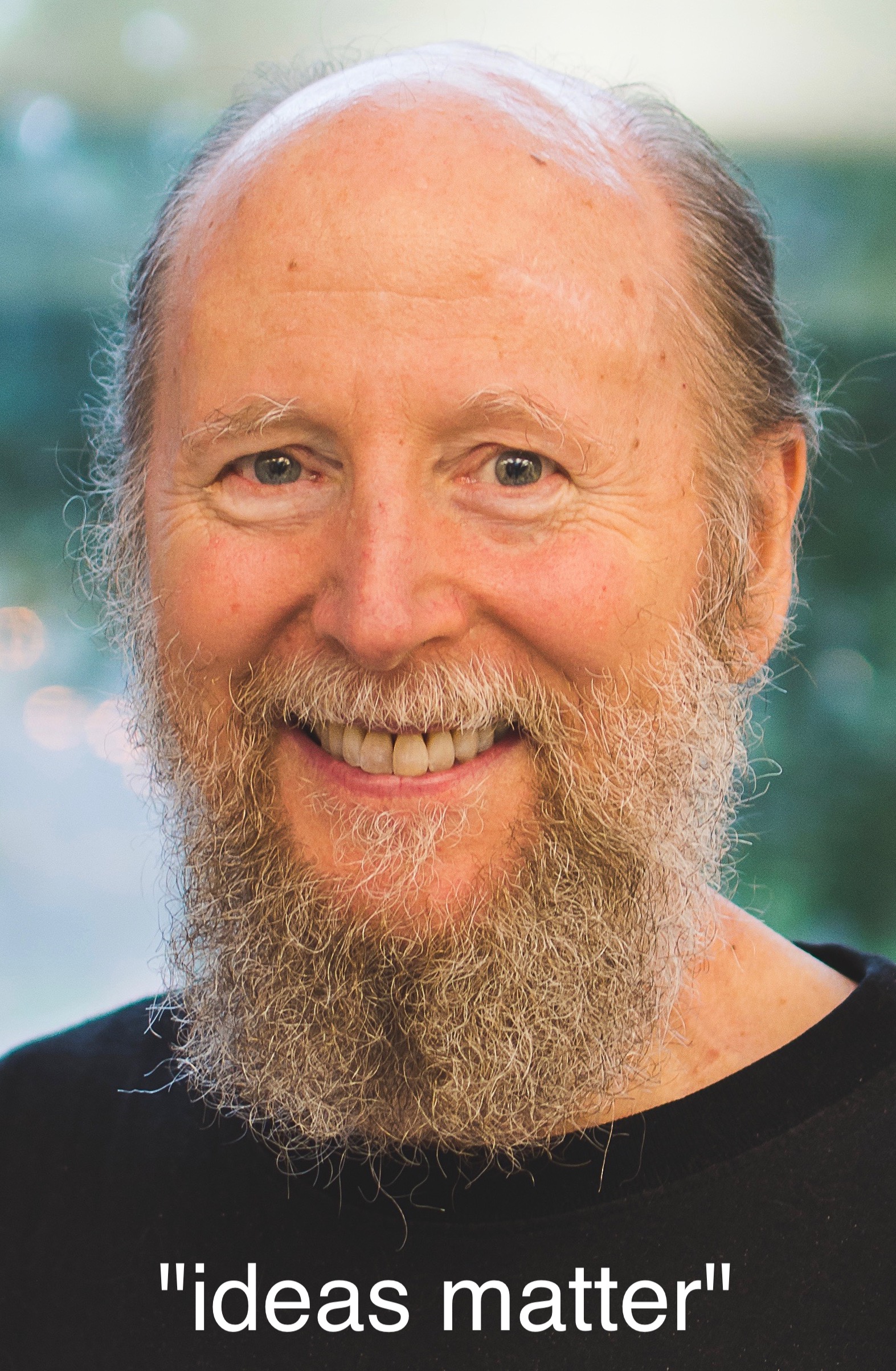
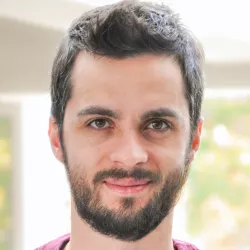
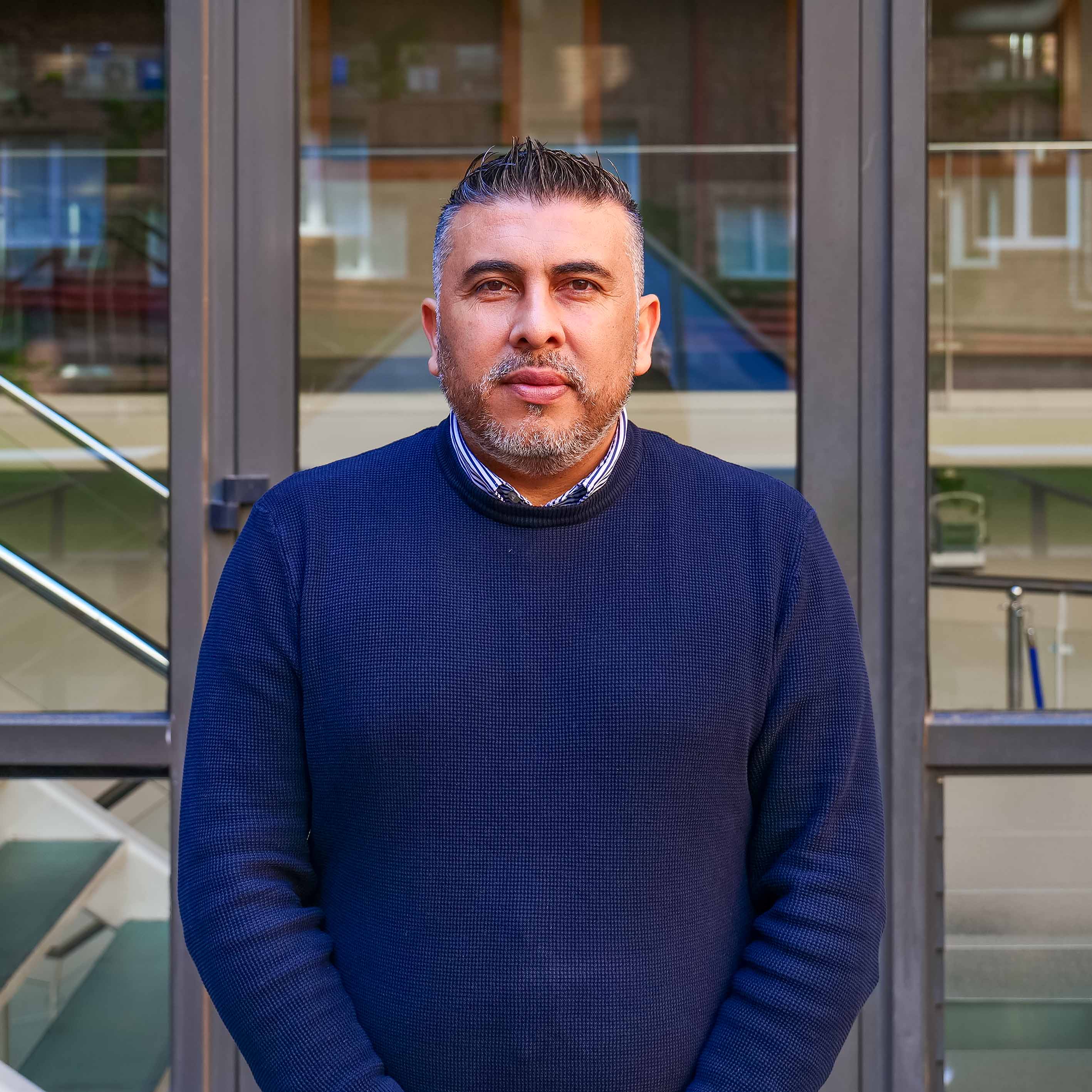
Richard S. Sutton is a Professor in the Department of Computing Science at the University of Alberta , a Research Scientist at Keen Technologies, and the Principal Investigator at the Reinforcement Learning and Artificial Intelligence Lab . He also serves as the Canada CIFAR AI Chair at the Alberta Machine Intelligence Institute (Amii) and as Chief Scientific Advisor there. Additionally, he founded the Openmind Research Institute and is Chief Scientific Officer at ExperienceFlow. His research focuses on identifying general computational principles underlying intelligence and goal-directed behavior. He emphasizes the interaction between intelligent agents and their environment , exploring how goals, choices, and information sources emerge from this interaction. His work spans reinforcement learning (RL) , agent-environment dynamics, and ethical considerations in AI, such as robot rights and moral philosophy. His articles include technical works on RL, ethical frameworks, and philosophical essays like The Bitter Lesson (2019) and The Definition of Intelligence (2016). Canada CIFAR AI Chair Co-author of foundational RL textbook Developed Tile Coding Software for RL
Jay David Bolter holds the Wesley Chair of New Media and serves as Professor and Director of Computational Media at the Georgia Institute of Technology, where he is affiliated with the School of Literature, Media, and Communication within the Ivan Allen College of Liberal Arts. A foundational figure in digital media studies, he is renowned for his influential theoretical works and practical contributions to new media forms. His research spans Augmented Reality , Virtual Reality , Digital Culture , and the History of Media , with particular emphasis on remediation theory (developed with Richard Grusin) and the evolution of digital writing. As an active member of the Augmented Environments Lab, Bolter creates narrative-driven AR applications for cultural heritage sites and educational contexts, blending theoretical rigor with experimental design. His work consistently examines how new media technologies reshape human perception and cultural practices. Recent publications reveal a concentrated exploration of reality media (AR/VR) as narrative spaces, with articles addressing biofeedback integration in VR fitness, agency-driven interactive storytelling, and theoretical frameworks for understanding immersive experiences. His scholarship bridges historical media analysis with cutting-edge technical implementation, demonstrating how remediation processes continue to evolve in mixed reality environments. This trajectory reflects his lifelong investigation into the interplay between technological capabilities and human expression. Bolter maintains significant collaborative partnerships, including co-authoring seminal texts like Remediation and developing the Storyspace hypertext system with Michael Joyce. His leadership in the Augmented Environments Lab drives interdisciplinary projects that merge humanities perspectives with technological innovation, particularly in creating culturally resonant AR experiences. Teaching responsibilities include advanced courses in mixed reality design, computational media, and digital media theory, shaping the next generation of media scholars and practitioners.
Massachusetts Institute of TechnologyUnited States
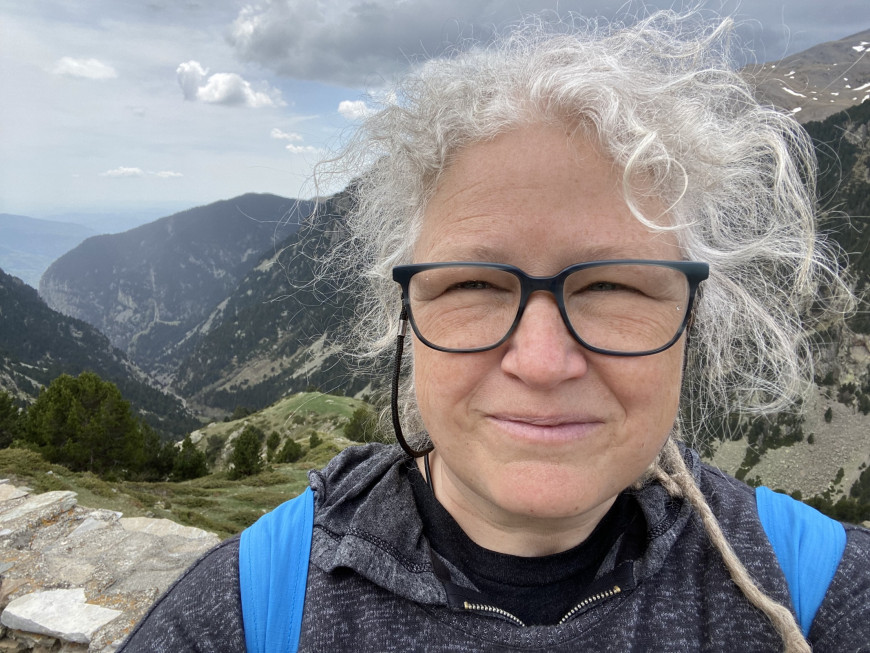
T.L. Taylor is a Professor of Comparative Media Studies at MIT, affiliated with the School of Humanities, Arts, and Social Sciences. She holds the Margaret MacVicar Faculty Fellow distinction and directs the MIT Game Lab. Her expertise spans online gaming culture, sociology of technology, and digital media studies. Taylor’s research bridges qualitative methods with critical analyses of virtual worlds, esports, and live-streaming platforms. Education: M.A. (1997) and Ph.D. (2000) from Brandeis University; B.A. (1990) from UC Berkeley; community college graduate (Chaffey, 1988). She has taught courses on critical internet studies, qualitative methods, and gaming at MIT. Taylor co-founded the non-profit AnyKey and served on Twitch’s Safety Advisory Council (2020–2024), advocating for inclusive gaming environments. Research interests include digital culture, ethnography of online spaces, and the socio-technical dynamics of games. Her award-winning book Watch Me Play: Twitch and the Rise of Game Live Streaming (2018) explores live-streaming’s cultural impact. She also authored Raising the Stakes (2012) on esports professionalization and Play Between Worlds (2006) on MMOG communities. Awards include the 2019 MacVicar Faculty Fellow for undergraduate teaching excellence and the ASA CITAMS Book Award. Her work intersects academia and industry, with consulting roles at Microsoft Research and contributions to policy discussions at the White House and International Olympics Committee. Taylor’s current projects include studies on play in curated environments like Disney parks and the evolving socio-technical assemblages of theme parks. She advises on civic initiatives and regularly publishes on esports diversity, platform moderation, and digital cultural practices.
Uwe Flick is a Seniorprofessor in the Department of Education and Psychology at Freie Universität Berlin, specializing in Qualitative Social and Education Research. He has held professorships at Alice Salomon University and Hannover Medical School and is internationally recognized for his contributions to qualitative methodology. Education: Dr. phil. from Freie Universität Berlin (1988), Habilitation in Psychology from Technical University of Berlin (1994). Professional Affiliations: Freie Universität Berlin (2013–present, Seniorprofessor since 2022), Alice Salomon University (2004–2013), Hannover Medical School (1996–1997). His research centers on qualitative methods , social representations of health and illness , chronic illness , migration , and vulnerability . He investigates the lived experiences of marginalized groups, including chronically ill youth, homeless adolescents, and refugees, often employing triangulation and mixed methods to deepen understanding. The 15 most recent publications highlight his sustained focus on advancing qualitative research methodology—editing handbooks, writing foundational texts, and refining concepts of research quality, triangulation, and design. Simultaneously, his empirical work explores health communication, peer relationships, and integration challenges among vulnerable populations, demonstrating a powerful integration of methodological innovation with socially relevant inquiry. Scientific Awards: Lifetime Achievement Award in Qualitative Inquiry, ICQI (2019) Flick actively advises doctoral students through his Promotionskolloquium and has secured substantial research funding for projects on refugee integration, sleep disorders, and chronic illness. His editorial roles in journals like Qualitative Research , Journal of Health Psychology , and Sozialer Sinn , and his leadership in book series such as Qualitative Sozialforschung , underscore his influence in shaping the field. He is a central figure in qualitative research communities, frequently engaging as a visiting scholar and professor across Europe and globally. He leads a research team at Freie Universität Berlin, supervising master’s and doctoral projects on topics like peer relations, health concepts, and migration, fostering the next generation of qualitative researchers.
School for Advanced Studies in the Social SciencesFrance
Dinah Ribard is a Director of Studies at the École des Hautes Études en Sciences Sociales (EHESS), working within the Centre de Recherches Historiques (CRH). She serves as Center Director for the GRIHL (Groupe de recherche interdisciplinaire sur l'histoire du libéralisme) research group. Her academic career has been dedicated to the historical study of work, intellectual practices, and cultural production from the early modern period through the 19th century. Ribard completed her thesis in December 2000 at the University of Paris III - Sorbonne Nouvelle under the direction of Alain Viala, entitled "Live Tell Think. Research on the literary status of the philosopher: the Lives of philosophers in France 1650-1766." She was formerly a student at the École Normale Supérieure (Ulm) and holds a degree in Modern Literature. Prior to her position at EHESS, she served as an ATER (Attaché Temporaire d'Enseignement et de Recherche) at Paris III University from 1999 to 2001 and taught at Lycée Jacques-Feyder in Epinay sur Seine from 2001 to 2003. Ribard's research focuses on the history of work from multiple perspectives - examining both intellectual work (1600-1900) and material labor. She investigates how work has been conceptualized, narrated, and institutionalized throughout history. Her work explores the relationship between knowledge production and labor, analyzing how different professions and social statuses have shaped intellectual and cultural practices. She examines the historical construction of disciplines, professions, and social classifications, with particular attention to how writing practices intersect with work identities. Her recent publications reveal a consistent focus on the relationship between writing, work, and social identity across the early modern and modern periods. Ribard's scholarship demonstrates how textual practices were embedded in specific work contexts, from artisanal workshops to academic institutions. Her work shows how literary forms were used to construct professional identities and how writing practices served as forms of political action. She has made significant contributions to understanding the historical relationship between intellectual labor and material production. Ribard has published extensively, including the notable 2023 book "Le Menuisier de Nevers. Poésie ouvrière, fait littéraire et classes sociales (XVIIe-XIXe siècle)" which examines how working-class poetry was historically constructed and marginalized. Her scholarship challenges traditional literary classifications and reveals how social categories have been historically produced through cultural practices. As Director of Studies at EHESS, Ribard supervises doctoral students and contributes to the academic training of historians. She co-responsible for the Grihl seminar and teaches courses at EHESS on topics including "Writings of the Past. Literature and History: Methods, Theories, Fields" and "History and stories of work." Her teaching reflects her research interests in the intersection of literary practices, historical methodology, and social analysis. Within the CRH, Ribard is affiliated with the GRIHL research group, which focuses on the interdisciplinary history of liberalism. Her work bridges historical, literary, and sociological approaches to understanding the development of social and intellectual categories. Through her research, teaching, and institutional leadership, Ribard has made significant contributions to the historical understanding of work, knowledge production, and cultural classification.
Seb Falk is a College Fellow and Research Fellow at Girton College, University of Cambridge, and a Senior Admissions Tutor. He holds academic roles including Praelector and Director of Studies for the Cambridge Foundation Year. His research focuses on medieval mathematical sciences, particularly astronomy, navigation, and the history of scientific instruments and texts. Falk earned a BA in History and Spanish from Oxford University, followed by an MPhil and PhD in History and Philosophy of Science from Cambridge. His research explores the interplay between religion, literature, and science in the Middle Ages, challenging the 'Dark Ages' narrative. Key projects include studies on late medieval astronomical tables and instruments, and a global comparative analysis of natural sciences around the year 1000. Falk has published widely, including the acclaimed book The Light Ages (2020), which was shortlisted for the Hughes Prize and awarded the Osterbrock Prize in 2025. His articles span topics like medieval astronomical practices, manuscript studies, and the cultural history of science. Falk is also a sought-after media contributor, appearing on BBC programs and podcasts, and has engaged in public outreach through lectures and museum collaborations.
Vasilis Kostakis is a Professor of Technology Governance and Sustainability at Tallinn University of Technology (TalTech), Estonia, and a Faculty Associate at Harvard University's Berkman Klein Center. He is also the founder of the P2P Lab, a global initiative exploring peer-to-peer production systems, and a founding member of the 'Tzoumakers' rural makerspace and CommonEn energy cooperative in Greece. Research Interests : Kostakis focuses on technology governance, sustainability, and commons-based systems. His work critiques traditional economic models and advocates for decentralized, community-driven approaches to energy, production, and knowledge-sharing. Key themes include post-growth economics, cosmolocal scalability, and the intersection of digital technology with local initiatives. Key Contributions : He has pioneered frameworks like 'cosmolocalism' (balancing local and global systems) and 'design global, manufacture local' (Dgml), emphasizing localized production using global digital designs. His projects, such as TheOtherSchool.art and the P2P Lab, aim to democratize access to technology and knowledge. Labs & Collaborations : The P2P Lab acts as a hub for global commons research, while his hometown initiatives in Ioannina, Greece, exemplify grassroots sustainability. Collaborations span academia, civil society, and policy-making to reimagine socio-technical systems.
Massachusetts Institute of TechnologyUnited States
Nick Montfort is a Professor of Digital Media at Massachusetts Institute of Technology (MIT) and Professor II & Principal Investigator at the University of Bergen 's Center for Digital Narrative. He directs MIT's Trope Tank lab/studio and contributes to platform studies, critical code studies, and electronic literature. Ph.D. in Computer and Information Science from University of Pennsylvania (2007) M.A. in Creative Writing (Poetry) from Boston University (2001) S.M. in Media Arts and Sciences from MIT (1998) B.S./B.A. in Computer Science and Liberal Arts from University of Texas at Austin (1995) Montfort's research focuses on computational creativity and digital poetics , particularly through exploratory programming and constraint-based writing . He has developed over ten computer-generated print books and co-edited MIT Press volumes like The Future and The New Media Reader . His work bridges computer science and literary arts , emphasizing algorithmic expression and platform-specific creation. His recent computational works include All the Way for the Win (2025), written entirely in three-letter words, and collaborations like The Deletionist and Sea and Spar Between . Notable books cover interactive fiction ( Twisty Little Passages ), platform studies ( Racing the Beam ), and generative literature ( 10 PRINT ). He also co-edits the Hardcopy and Using Electricity book series. Montfort's academic contributions span digital narrative systems , creative code , and computer-generated literature . His 101 BASIC Poems and Output: An Anthology of Computer-Generated Text exemplify his focus on code as cultural artifact and algorithmic literary practice . He has presented at major conferences including ELO, C&C, and Digital Arts and Culture, addressing topics from minimalist computational poems to narrative modeling . Through collaborations with institutions like University of Bergen and MIT's Comparative Media Studies/Writing, Montfort explores digital storytelling , machine-generated poetry , and platform-specific creativity . His academic leadership includes directing the Trope Tank and co-founding Bad Quarto press.
Matthew Santa serves as Professor of Music Theory and Chair of the Music Theory and Composition Area at Texas Tech University School of Music, with prior teaching appointments at Queens College and Hunter College. His leadership shapes curriculum development and academic initiatives within the department. Academic credentials include advanced degrees from Louisiana State University and The City University of New York, establishing foundational expertise in theoretical frameworks and analytical methodologies. Research focuses on post-tonal analysis , diatonic set theory , and parsimonious voice leading , bridging complex theoretical concepts with practical pedagogy. His work integrates popular music analysis and metrical studies, emphasizing accessibility for diverse learners through innovative teaching resources. Publications demonstrate evolving scholarly trends from late-20th century set theory toward contemporary applications in musical form and rhythm. Recent textbooks synthesize Rothstein, Krebs, and Mirka's theories into unified analytical approaches for undergraduate and graduate education. Scientific recognition includes: MTSNYS Young Scholar Award (1998) Mentorship encompasses graduate and undergraduate students across composition and theory disciplines, though specific advisees aren't documented in source materials. No grant funding details appear in available records. Collaborative projects include the Flute/Theory Workout series with Lisa Garner Santa and Thomas Hughes, blending performance technique with theoretical concepts through MIDI accompaniment systems.
Horacio Rostro González is an Associate Professor in the Department of Industrial Engineering at IQS School of Engineering, Universitat Ramon Llull (URL), Barcelona, Spain. He is an active researcher with a strong international academic background and current affiliations in both research and teaching. Education: PhD in Control and Signal and Image Processing (2011, INRIA & University of Nice – Sophia Antipolis, France) Master’s in Electrical Engineering (2007, University of Guanajuato, Mexico) Electronic Engineer (2003, National Technological Institute of Mexico) His research interests lie at the intersection of Artificial Intelligence, Computational Neuroscience, Neuromorphic Computing, Embedded Systems, and Robotics. He applies advanced techniques in neural networks, machine learning, and control systems to solve complex engineering problems in robotics, biomedicine, and industrial design. His work emphasizes biomimetic approaches, such as spiking neural networks for robot locomotion and AI-driven analysis of physiological signals like ECG and facial expressions. The recent publications highlight a strong trend in interdisciplinary research, combining AI with photonics, robotics, cardiovascular diagnostics, and emotional recognition in children. His work spans from theoretical algorithm development to practical industrial applications, particularly in additive manufacturing and smart systems. Scientific Projects: Offshore Wind Farms: Data analysis using machine learning and power generation prediction (2023–2024) GEPI: Grup Enginyeria de Productes Industrials (2022–2025) He is actively involved in research grants and collaborative projects, with no mention of formal student advising in the provided text. He is a member of the GEPI (Industrial Products Engineering Group), which focuses on additive manufacturing, reverse engineering, and material characterization. His scientific output is robust, with consistent publication activity from 2005 to 2025, including numerous articles in indexed journals.
Vera Liao is a Principal Researcher at Microsoft Research, where she is part of the FATE (Fairness, Accountability, Transparency, and Ethics of AI) group. She will join the University of Michigan Computer Science and Engineering department as an Associate Professor in fall 2025. Her work focuses on human-AI interaction, explainable AI, and responsible computing. Liao has made significant contributions to IBM products such as AI Explainability 360 and Uncertainty Quantification 360 during her time at IBM T.J. Watson Research Center. Dr. Liao received her education from the University of Illinois at Urbana-Champaign and Tsinghua University. Her academic journey has positioned her at the intersection of human-computer interaction and artificial intelligence, with a strong emphasis on creating AI systems that are transparent, accountable, and user-centered. Vera Liao's research primarily centers around human-centered AI explainability and transparency. She investigates how to design AI systems that effectively communicate their capabilities, limitations, and decision-making processes to users. Her work examines the intersection of AI transparency with trust, control, and user experience. Liao has pioneered approaches to bridging the socio-technical gap in AI evaluation and has developed frameworks for contextualized evaluation of explainable AI systems. Her research spans multiple domains including conversational interfaces, data storytelling, and creative work with generative AI. Liao's publications reveal a clear trend toward addressing the challenges of large language models and their impact on human-AI interaction. Her recent work focuses on understanding how uncertainty communication affects user trust, how to design for appropriate reliance on AI systems, and how to create authentic co-creation experiences with generative models. She has been examining the risks in AI-infused information ecosystems and developing methods for human-centered evaluation of language technologies. Her scientific contributions have been recognized with multiple honors: Best Paper Award, Honorable Mention at CHI 2025 (two papers) Best Paper Award at CHI 2024 Best Paper Award, Honorable Mention at FAccT 2023 Best Paper Award, Honorable Mention at HCOMP 2022 Best Paper Award, Honorable Mention at CHI 2021 Best Paper Award, Honorable Mention at CHI 2014 Outstanding Paper Award at IUI 2019 Dr. Liao is an active mentor, having guided numerous research interns from top universities including Cornell, Princeton, CMU, Stanford, and MIT. She serves in editorial roles as Co-Editor-in-Chief of the Springer Human-Computer Interaction Book Series and as an Editor for ACM CSCW. Liao has secured research funding through her work at Microsoft Research and previously at IBM, focusing on projects related to AI explainability, transparency, and responsible AI development. As part of Microsoft Research's FATE group, Liao collaborates with a multidisciplinary team of researchers focused on the ethical implications of AI technologies. Her work bridges the gap between technical AI development and human-centered design principles, ensuring that AI systems are developed with user needs and societal impacts in mind.
O.J. (Oliver) Moore is a Professor and Chair of Chinese Language & Culture at the University of Groningen's Faculty of Arts. His expertise spans Art History of China, early/modern Chinese history, archaeology, and material culture. He holds a PhD from Cambridge University and has held roles at Leiden University, the British Museum, and Kyoto University. His research integrates historical, technical, and aesthetic aspects of Chinese art and culture, with a focus on photography, printing systems, and classical texts. Education: Studied Chinese at London University (SOAS) and Fudan University (Shanghai), PhD at Cambridge on Tang Dynasty civil service recruitment rituals. Teaching includes modern Chinese language, East Asian art/media, and thesis writing. He supervises PhD projects on Chinese art collecting in the Netherlands and collaborates internationally on courses like 'Chinese Gardens in Europe.' Key publications: Photography in China: Science, Commerce and Communication (2022), translations of Tang-era texts, and studies on Tang art and archaeology. Research emphasizes demystifying Chinese culture through translation and cross-disciplinary approaches. Past roles include Curator at the Netherlands Museum of Ethnology and Visiting Professor at Kyoto University.
Dr. Susana Castro-Kemp is an Associate Professor in Psychology and Human Development at University College London's Institute of Education (IOE), where she serves as Director of the Centre for Inclusive Education (CIE) since September 2023. Previously, she was a Reader in Education at the University of Roehampton for eight years. Her work focuses on inclusive education policy and practice globally, with particular expertise in special educational needs and disabilities (SEND), early childhood intervention, and mental health in schools. The IOE has been ranked number one in the world for Education for several consecutive years, providing an ideal environment for her impactful research. Dr. Castro-Kemp holds a PhD in Psychology jointly awarded in 2012 by the University of Porto (Portugal) and the University of North Carolina at Chapel Hill (USA). Her doctoral research was fully funded by the Foundation for Science and Technology/European Commission and the Global Education and Development Studies scholarships. She is a Chartered Psychologist with the British Psychological Society, a Senior Fellow of Advance HE, and a Recognised Research Supervisor by the UK Council for Graduate Education. Dr. Castro-Kemp's research centers on policy regulating education, health, and welfare services for children, particularly those with support needs. She examines inclusive education practices from users' perspectives, policy models leading to effective inclusive pedagogy, and country-level policy impacts on outcomes for children with special educational needs. Her work moves away from diagnostic labels toward engagement and civic participation as educational outcomes. She also investigates inclusion and early intervention in low- and middle-income countries, mental health in schools, and quality of early childhood education. Her recent publications reveal several key trends in inclusive education research. There's growing emphasis on understanding educational experiences through the voices of children and families rather than diagnostic labels. Much of her work examines the implementation gap between inclusive education policy and classroom practice. She has conducted significant research on how children with special educational needs experienced the pandemic, revealing both challenges and unexpected "silver linings" for some groups. Her corpus analysis of Ofsted reports shows narrow focus in early childhood education inspections, while her work on SEND policy increasingly takes an international comparative approach. Dr. Castro-Kemp has received recognition for her impactful work, including: Best Digital Humanities Project for Community Engagement Prize (2023) from the National Institute of Humanities and Social Sciences of South Africa for her project "Optimising collaborations and reducing inequalities of Early Childhood Intervention in post-Covid-19 South Africa" Dr. Castro-Kemp has secured approximately £1.3 million in research funding from various sources including ESRC, British Academy/Leverhulme Trust, European Commission, and private sponsors. Her current major project is 'ScopeSEND' (2024-2026), funded by the Nuffield Foundation (£250,000), examining international SEND policies. She has led numerous projects including "Transdisciplinary provision for children with disabilities in the Global South" (£3,500), "Optimising collaborations in South Africa" (£47,200), and "Froebel meets Ofsted" (£19,185). As a supervisor, she mentors MA/MSc and PhD students in education policy, early childhood, and inclusive education, having been nominated for student choice awards for excellent feedback and outstanding research supervision. As Director of the UCL Centre for Inclusive Education since 2023, Dr. Castro-Kemp leads a team focused on advancing knowledge exchange and research in inclusion and special needs. The Centre works with schools, educators, parents, and early years settings to translate research into practice. Her international collaborations include work with the World Health Organization as a technical advisor on the use of the International Classification of Functioning, Disability and Health (ICF) system in educational contexts. She also serves on the SEN Policy Research Forum and has provided oral evidence to the House of Commons Education Select Committee.
Budapest University of Technology and EconomicsHungary
Dr. HAJNAL Géza is an Associate Professor at the Budapest University of Technology and Economics (BME), Faculty of Civil Engineering, where he serves in the Department of Hydraulic and Water Resources Engineering. His office is located in Room K. ép / mf. 12/7, and he can be contacted via email at hajnal.geza@emk.bme.hu or phone at +36 1 463 2362. His teaching portfolio includes active courses such as Hydraulic Engineering, Water Management (BMEEOVVAT43) and Hydrometric Field Course (BMEEOVVAI44). Previously, he taught Hidrogeology (BMEEOGMMET3) and Hydrogeology of Subsurface Water (BMEEOGMDT81). HAJNAL's research specializes in hydrogeology , with emphases on karst aquifer dynamics, groundwater flow modeling, climate impacts on hydrology, and hydraulic engineering. His work integrates field measurements (e.g., drip-water monitoring in Buda Castle Cave) with advanced numerical modeling to address complex hydrological challenges in Hungarian watersheds. Analysis of his 15 most recent publications (2013–2025) reveals dominant themes: 73% focus on karst/fractured aquifers , 20% on hydrological modeling techniques , and 7% on socio-environmental conflicts. Recurrent technical subfields include seepage flow validation, transmissivity determination, and rainfall-runoff sensitivity. No scientific awards, grants, student advisees, or lab affiliations are documented in the provided materials.
Andrew Warfield is an Adjunct Professor in the Department of Computer Science at the University of British Columbia (UBC) and a Senior Principal Engineer at Amazon. His research focuses on computer systems software, including virtualization, distributed storage, security, and high-availability systems. He previously held roles as Associate Professor at UBC, CTO at Coho Data, and Technical Director at Citrix Systems. His work has led to projects like Remus (high-availability replication), Tralfamadore (execution analysis), and secure hypervisor development with Xen. Warfield's education includes a PhD from the University of Cambridge's Computer Laboratory, where he researched I/O device virtualization under Steven Hand. He has held visiting roles at Intel Research Cambridge and internships at AT&T Research and Nortel Networks. Research Grants: Supported by Intel Research, NSERC, Network Appliance, and the Communications Security Establishment. Professional Activities: Technical Advisory Board Member at Teradici, and involvement in program committees for conferences like HotOS, EuroSys, and FAST. His research emphasizes practical systems, aiming to bridge the gap between theoretical computer science and real-world applications. Notable contributions include innovations in storage for virtualized environments, secure hypervisor architectures, and disaster-tolerant systems like SecondSite. Warfield is affiliated with UBC's Department of Computer Science and maintains active collaboration with industry partners. Though currently not actively recruiting students, his prior mentorship has influenced many in systems research.