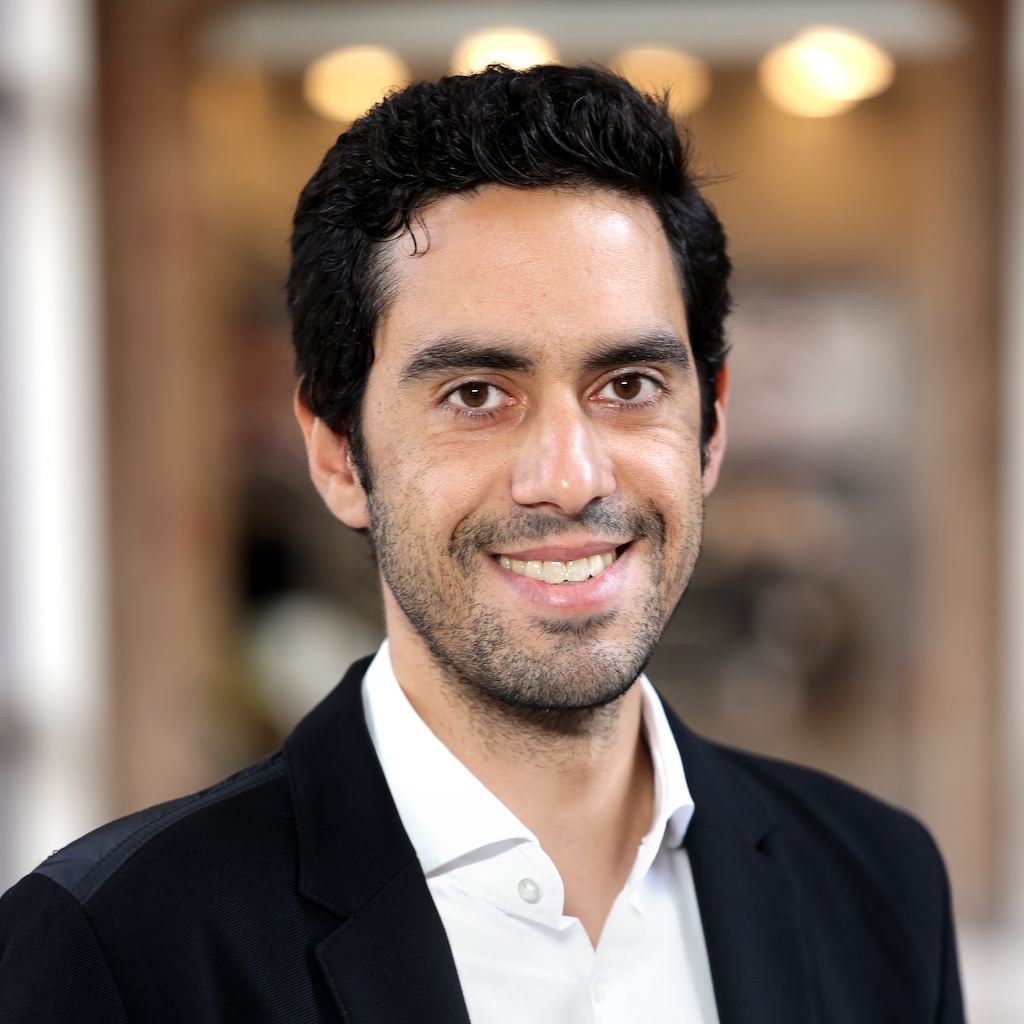
Christoforos Mavrogiannis is an Assistant Professor of Robotics at the University of Michigan, leading the Fluent Robotics Lab within the Department of Robotics. He holds a Ph.D. and M.S. from Cornell University and a Diploma in Mechanical Engineering from the National Technical University of Athens. His research focuses on enabling robots to seamlessly integrate into dynamic, unstructured environments through advancements in human-robot interaction, shared autonomy, multiagent systems, and navigation algorithms. Education: Ph.D. and M.S., Cornell University Diploma in Mechanical Engineering, National Technical University of Athens Research Interests: His work spans human-robot interaction , shared autonomy , and multiagent systems . He develops algorithms for navigating dynamic environments , decentralized control , and behavior prediction , with applications in robotic manipulation and collaborative transport . Recent projects include the HOUND off-road robot and pixel-art generation with mobile robots. Awards: Best paper award at the RSS Social Navigation Workshop (2024) Grants & Advising: He advises the Fluent Robotics Lab and contributes to organizing conferences like ICRA and HRI. His lab focuses on human-centered robotics and socially competent navigation . Labs & Teams: Fluent Robotics Lab at the University of Michigan, collaborating on projects like the HOUND platform and electrostatic brake systems for manipulation.
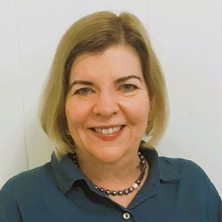
Dr. Conny H. Antoni serves as a Senior Research Professor in Work, Industrial, and Organizational Psychology at the Department of ABO Psychology, University of Trier. Their research focuses on digital collaboration, team dynamics, and psychosocial risk management in modern work environments.
Huy T Tran is an Assistant Professor in the Department of Aerospace Engineering at the University of Illinois at Urbana-Champaign's College of Engineering, with additional appointments at the Applied Research Institute. His research focuses on the intersection of robotics, artificial intelligence, and multi-agent systems, with applications spanning autonomous navigation, critical infrastructure resilience, and intelligent transportation. Dr. Tran earned his Ph.D. in Aerospace Engineering from Georgia Institute of Technology in 2015, following advanced degrees from Georgia Tech and University of Wisconsin-Madison. His academic journey includes research assistant professor positions before achieving his current assistant professor role in 2021. He previously worked as a Senior Multi-Disciplinary Systems Engineer at The MITRE Corporation and served as a Visiting Scholar at the Air Force Institute of Technology. His research interests encompass Autonomy, Reinforcement Learning, Artificial Intelligence, Machine Learning, Robotics, Multiagent Systems, Intelligent Transportation Systems, and Critical Infrastructure Resilience. As director of the Lab for Intelligent Robots and Agents (LIRA), he leads cutting-edge research in autonomous systems that interact with humans and other robots. His work has evolved from foundational resilience modeling in aerospace systems toward increasingly sophisticated AI applications in multi-robot coordination and explainable decision-making. Dr. Tran's publication record demonstrates a clear trajectory toward explainable AI and human-AI collaboration, with recent work focusing on generating explanations for reinforcement learning policies, coordination in ad hoc teams, and neuro-symbolic approaches to robot policy interpretation. His research bridges theoretical advances with practical applications in air traffic control, field robotics, and critical infrastructure management. Best Paper Award: Theoretical (2016 Complex Adaptive Systems Conference) Selected for oral presentation at IROS 2023 Workshop 27% full paper acceptance rate at AAMAS 2022 44% acceptance rate at ICRA 2020 As an educator, Dr. Tran teaches core aerospace courses including Computational Systems Engineering, Aerospace Numerical Methods, and Reinforcement Learning. He has secured significant research funding from NASA's Transformational Tools and Technologies program, ARL A2I2 program, ONR Science of AI program, and DARPA. His current projects span ad hoc teaming in multi-robot systems, collective autonomous air mobility, hierarchical reinforcement learning, and interpretable AI agents.
Prof. Taco van der Vaart is a Professor and Department Chair at the Department of Operations, Faculty of Economics and Business, University of Groningen. His expertise lies in Supply Chain Management, Health Care Operations, and Buyer-Supplier Relationships. He holds a PhD in Business Administration (2000) and an MSc in Mathematics from the University of Groningen. Research Interests: His work focuses on supply chain sustainability, healthcare logistics, and the integration of operations management principles in complex systems. Notable contributions include studies on physician payment dynamics, emergency care coordination, and global value chain governance. Professional Roles: He has served as President of the European Operations Management Association (2019–2022), Director of Graduate Studies at the SOM Research School, and currently chairs the Department of Operations. He also contributes to ancillary roles like the Advisory Board of the Politecnico di Milano School of Management. Recent Research Trends: His recent publications emphasize healthcare operational challenges, such as patient flow management in emergencies and supplier sustainability in global supply chains. Collaborations span international institutions, reflecting his global impact in operations research.
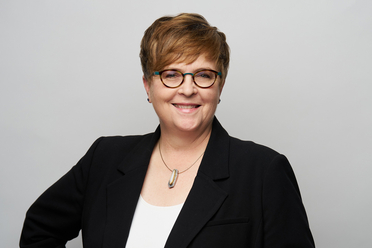
Louise Hunter is an Associate Lecturer at the Oxford School of Nursing and Midwifery, Oxford Brookes University, where she contributes to both undergraduate and postgraduate teaching in midwifery. She is actively involved in research, supervision, and professional development, with a strong focus on improving maternity care and the experiences of women and midwives. Education: PhD MA (Oxon) RM (Registered Midwife) Her research interests revolve around enhancing midwifery care through innovative models such as mindfulness training and group antenatal care. She has investigated mindfulness as a tool to improve workplace culture and support women during labor and early parenthood. Her work on the NIHR-funded REACH project explored group antenatal care, and she continues to research water birth feasibility, anemia in pregnancy, and equity in midwifery education. Her recent publications demonstrate a consistent focus on maternal and newborn health, midwifery education, and service user empowerment. Themes across her work include health equity, particularly for Black, Asian, and Minority Ethnic (BAME) students and birthing people, evidence-based practice, and the integration of psychological and social support into maternity care. Scientific Awards and Recognition: Fellow of the Higher Education Academy Louise Hunter is also a member of the Royal College of Midwives (RCM) and actively supervises research students, including Claire Litchfield, whose work examines water immersion in labor for obese women. She is involved in the Maternity Care (OxMater) research group and contributes to developing initiatives that involve service users in midwifery recruitment and training. Her work bridges clinical practice, education, and research, aiming to create more inclusive, effective, and compassionate maternity services.
Professor Karen Healy AM is Head of the School of Nursing, Midwifery and Social Work at The University of Queensland . Her work focuses on community-based approaches to health, wellbeing, and safety, particularly for marginalized populations. She leads research in family and community-led practice, child protection, research co-design, health equity, and social inclusion. Her research program includes a national project on family partnerships in child protection with Micah Projects and City University New York. She collaborates with Aboriginal and Torres Strait Islander communities to advance culturally responsive practices in health and human services. Her teaching emphasizes communication skills, family group meetings, and teamwork for health professionals. Education: Bachelor (Honours), The University of Queensland Doctor of Philosophy, The University of Queensland Graduate Certificate of Applied Statistics, Swinburne University of Technology Professor Healy has supervised 31 Research Higher Degree students and led initiatives like the Young Mothers for Young Women program. Her articles focus on child protection systems, Indigenous cultural connection, and transition planning for youth in care. Awards include the Order of Australia (AM) in 2016 and Principal Fellow of the Higher Education Academy (UK) in 2018.
Torgeir Dingsøyr is an Adjunct Chief Research Scientist and Research Professor in the Department of IT Management at Simula Metropolitan, a leading Norwegian research institute specializing in software engineering and digital technologies. His role encompasses both strategic research leadership and active empirical investigation into large-scale agile software development and software process improvement. Research Interests Large-scale agile software development methods and governance. Coordination and communication challenges in very large development programmes. Software process improvement (SPI) with emphasis on practical, evidence-based approaches. Teamwork effectiveness and autonomous teams in continuous deployment environments. Digital transformation project organization, particularly within Scandinavian contexts. Across more than two decades, Dingsøyr has produced influential handbooks and empirical studies that bridge the gap between SPI theory and industrial practice. His work increasingly addresses second-generation agile methods, emphasizing safety nets for high-risk development and autonomy at scale. Scientific Awards No specific awards listed in the provided text. Advising & Grants Dingsøyr collaborates extensively with industry and academic partners to secure funding for longitudinal case studies and improvement initiatives. While individual student names are not provided, his publications demonstrate active supervision and mentoring within multi-partner projects. Laboratory & Teams He operates within Simula Metropolitan’s research environment, contributing to interdisciplinary teams that unite software engineering researchers, data scientists, and industrial practitioners to advance empirical software engineering and agile transformation.
Audrey Lyndon is the Executive Vice Dean and the Vernice D. Ferguson Professor in Health Equity at NYU Rory Meyers College of Nursing. She holds a PhD from the University of California, San Francisco, and is a renowned expert in maternal health equity, patient safety, and nursing workforce development. Her leadership and research have significantly advanced understanding of nurse-sensitive outcomes and disparities in maternal care. Her educational background includes: PhD, University of California, San Francisco MS, University of California, San Francisco BA, University of California, Santa Cruz Prof. Lyndon's research centers on maternal health equity, community health engagement, and nursing workforce development. She has pioneered studies on patient safety in maternity and neonatal care, including clinician-parent communication, nurse-sensitive outcomes, and severe maternal morbidity. Her work on the CMQCC Obstetric Hemorrhage Toolkit has set national and international standards. She investigates how neighborhood disinvestment, rurality, and systemic inequities affect maternal outcomes, and she leads community-driven initiatives to support survivors of severe maternal morbidity. Her research consistently emphasizes qualitative and health services methodologies to address women's health disparities. Her recent publications reveal a strong focus on reducing cesarean birth rates through improved nurse staffing, understanding racial disparities in peripartum cardiomyopathy, enhancing interprofessional teamwork via simulation training, and addressing mental health screening gaps during pregnancy. Her work spans epidemiology, health policy, clinical practice, and community engagement, reflecting a multidisciplinary approach to maternal health equity. Her scientific honors include: Vernice D. Ferguson Professor in Health Equity (2021) PhD Program Mentor of the Year, UCSF (2019) Fellow, American Academy of Nursing (2012) Award of Excellence in Research, AWHONN (2011) Prof. Lyndon is actively mentoring future nurse scientists and clinicians from underserved communities, aiming to build equitable pathways into nursing and clinical specialties. She leads major research projects such as Holistic Care Partners , a Black woman-led nurse navigation program, and investigations into racial-ethnic disparities in severe maternal morbidity. Her work is supported by agencies like the Agency for Healthcare Research and Quality (AHRQ), and she collaborates across disciplines to improve maternal and neonatal outcomes. She is a key member of several professional organizations, including the American Academy of Nursing, American Nurses Association, and Association of Women’s Health, Obstetric and Neonatal Nurses (AWHONN), and serves as an Educational Affiliate of the American College of Obstetricians and Gynecologists (ACOG). Her research has been widely covered in media outlets, highlighting the impact of adequate nurse staffing on cesarean rates and the urgent need for Black midwives in the U.S.
Carlos Cifuentes is an Associate Professor in Human-Robot Interaction at the Bristol Robotics Laboratory (BRL) , part of the University of the West of England (UWE Bristol) . He also serves as the Deputy Director of the VIVO Hub , a £13.4M UK-funded research initiative (2024-2030) focused on robotics for rehabilitation and healthcare. His research spans Human-Robot Interaction , Rehabilitation Robotics , Healthcare Robotics , and Socially Assistive Robotics , with applications for conditions such as cardiac diseases , post-stroke recovery , spinal cord injuries , cerebral palsy , Parkinson's disease , musculoskeletal disorders , and autism spectrum disorder (ASD) . Carlos has over 15 years of experience and 200+ publications in robotics for rehabilitation and assistive technologies. His recent work explores smart walkers with multimodal feedback, soft prosthetics using polymeric optical fiber sensors , and machine learning models for fatigue and stress estimation. He also investigates inclusive design for social robots in global contexts , including a CASTOR Robot for ASD therapy and collaborative design processes with Colombian communities. Carlos serves as an Associate Editor for IEEE Robotics and Automation Magazine (since 2021), ICRA , and IROS (since 2023). He leads projects integrating wearable sensors , deep learning , and haptic feedback to enhance mobility, autonomy, and quality of life for individuals with disabilities. As Deputy Director of the VIVO Hub, he focuses on long-term deployment of robotic systems in real-world healthcare settings, emphasizing collaboration with clinicians , caregivers , and neurodiverse communities . His work bridges robotics , biomedical engineering , and human-centered design .
Dorsa Sadigh is an Associate Professor of Computer Science and Electrical Engineering at Stanford University, and a Senior Fellow at the Stanford Institute for Human-Centered AI. Her work focuses on advancing robotics , particularly in areas such as human-robot collaboration , reinforcement learning , and vision-language models . She explores how robots can learn from human demonstrations, adapt to dynamic environments, and safely interact with humans in caregiving and assistive tasks. Her research interests span autonomous systems , improving robot generalization , and foundation models for robotics . Key projects include developing policies for dexterous manipulation, proactive human-robot teamwork, and scalable data collection methods. She emphasizes ethical considerations in robotics, including perceived safety and human trust. Recent work highlights include the ProVox framework for personalized collaboration, HoMeR for mobile manipulation, and Octo —an open-source generalist robot policy. Her contributions bridge theoretical advances in AI with real-world robotic applications, leveraging large language models and vision-language integration. Dr. Sadigh’s research is funded by grants from NSF, DARPA, and industry partnerships. She collaborates with interdisciplinary teams to address challenges in assistive robotics, autonomous driving, and socially intelligent AI systems.
Martin Salzmann-Erikson is an Associate Professor in Nursing Science at the University of Gävle, specializing in Caring Science. With extensive clinical experience in psychiatric intensive care, he has developed innovative models for staff-patient interactions and advanced courses like "Integrative Nursing in Psychiatric Care" and "Concept Analysis." His work bridges clinical practice, education, and research, focusing on the complexities of human interaction through chaos theory and digital transformation. Current research in the "Digital Shapeshifting" program addresses critical challenges in healthcare digitization, including reducing digital exclusion, ensuring inclusive care environments, and safeguarding nursing quality. Projects span interprofessional communication, digital inclusion for homeless women, and the ethical implications of AI in mental health. His methodological expertise includes netnography, autoethnography, and complexity science. Key article trends highlight intersections of technology and empathy, with recurring themes in psychiatric care, technostress, and digital equity. His 2023–2025 publications emphasize ethical AI integration, footwear symbolism in healthcare teams, and socio-technical approaches to continuous learning. Supervision roles include doctoral projects on intellectual disabilities, cyber nursing, and violence in intensive care. Supervised: Ingela Rudberg (Interprofessional Communication), Oskar Andersson (Staff Participation Promotion), Fredric Sjöberg (Violence Management, KI) Education: Courses on Integrative Nursing & Concept Analysis Affiliations: Strategic Research Area Health-Promoting Work, University of Gävle
Professor Philip Woods is a leading academic in educational policy, democracy, and leadership at the University of Hertfordshire. He holds a professorial role within the Schools of Law and Education, focusing on transformative educational practices that foster democratic values and collaborative leadership. His work emphasizes distributed leadership models, holistic democracy in schools, and the role of arts-based and embodied learning in educational reform. Woods has led major international projects including the AECED initiative under Horizon Europe, collaborating with five European countries to integrate aesthetic and embodied learning into democratic education. He has also contributed to significant projects like EFFeCT and PIP, exploring teacher collaboration and co-creation in higher education. His research spans over 130 publications, including the upcoming Handbook on Leadership in Education and Education and Communication: Promoting Peace and Democracy . Key areas of focus include social justice in leadership, equity in school systems, and the intersection of policy with democratic principles. Woods has held leadership roles such as Chair of BELMAS and has advised on educational systems in Sweden and the UK. His recent projects emphasize methodological innovation, cross-national collaboration, and the practical application of theoretical frameworks to real-world educational challenges. Woods' work bridges theory and practice, advocating for democratic principles in educational governance and leadership development. His contributions span policy analysis, leadership capacity-building, and the design of frameworks that promote inclusive and participatory educational environments.
Marcella Menegale is an Associate Professor in the Department of Comparative Linguistic and Cultural Studies at Ca' Foscari University of Venice. She is affiliated with the Research Institute for Digital and Cultural Heritage. Her teaching responsibilities include courses on instructional design for language education, theories of language education, and multilingualism, across various degree programs such as Master’s in Languages and Civilizations, and Language Sciences. Her research focuses on multilingual education frameworks (CLIL, intercomprehension), learner autonomy, digital tools in language learning, and well-being in educational contexts. She has contributed to EU-funded projects like DigLit (combating social inequalities via digital tools) and EVAL-IC (evaluating intercomprehension skills). She has also served as an expert evaluator for the European Commission’s Horizon 2020 and ANVUR’s research evaluations. Key research areas include CLIL methodology, learner autonomy development, and the integration of technology in language pedagogy. She collaborates with international teams on projects like Transition from Secondary School CLIL to University EMI (funded by the British Council). Her work bridges theory and practice, addressing challenges in second-language teaching and digital-age curricula.
Anne McLaughlin is a Professor in the Department of Psychology at North Carolina State University, affiliated with the College of Humanities and Social Sciences. She directs the LACElab (Learning, Aging, and Cognitive Ergonomics), focusing on human factors, cognitive aging, and technology usability. She holds a Ph.D. in Engineering Psychology from Georgia Tech (2007) and has been at NC State since 2007. Her education includes a B.A. in Psychology and English Literature from Trinity University (1998), an M.S. in Engineering Psychology from Georgia Tech (2003), and her Ph.D. from the same institution (2007). Her research integrates cognitive science principles with real-world applications, emphasizing aging populations and technology design. Key research interests include cognitive aid design, augmented/virtual reality applications, human-robot interaction, and medical device usability. Recent work explores diminished reality techniques for attention management, trust dynamics in autonomous systems, and veterinary patient safety culture. Her articles highlight trends in human-centered technology development, particularly addressing individual differences in attention control, automation trust, and healthcare system optimization. She advocates for inclusive design principles to enhance older adults' engagement with technology and improve medical screening accessibility. McLaughlin’s work bridges academic research and practical implementation, with collaborations in healthcare, robotics, and educational technology. Her lab’s focus on aging-related challenges underscores her commitment to improving quality of life through human-centered solutions.
Max Reinwald is an Assistant Professor in the Department of Management at the University of Mannheim Business School . His research focuses on Responsible Leadership , Diversity in Organizations , Teamwork and Collaboration , and Change Management . Research Trends Reinwald’s recent publications examine: Political and societal influences on workplace diversity and absenteeism Dynamics of female leadership appointments during crises (glass cliff phenomenon) Employee responses to organizational change initiatives Impact of team faultlines and leadership signaling on inclusion Decentralization’s effects on organizational performance His work combines quantitative analysis, multilevel modeling, and theoretical frameworks from organizational behavior and social psychology.