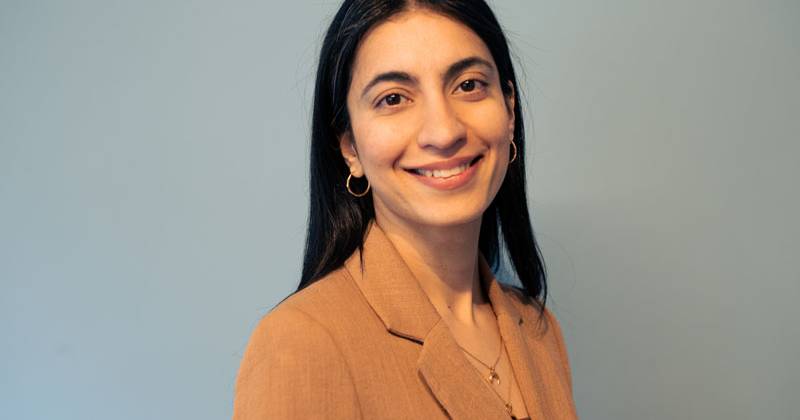
Silvia PogliaghiView profile
Associate Professor
Silvia Pogliaghi is an Associate Professor in the Department of Neurosciences, Biomedicine and Movement Sciences at the University of Verona. She holds academic roles in the Faculty of Medicine and Surgery, contributing to interdisciplinary research on exercise physiology and aging. Her work focuses on the physiological mechanisms of exercise responses in healthy and clinical populations, with an emphasis on designing evidence-based interventions for health promotion across the lifespan. Roles: Academic leadership in departmental governance, participation in faculty councils, and membership in research committees. Teaching: Courses in Human Physiology, Sport Nutrition, and Exercise Prescription at undergraduate and graduate levels. Research: Leads projects on muscle metabolism, cardiovascular responses to exercise, and technology-driven solutions for sarcopenia prevention. Awards: No specific scientific awards listed, though her work aligns with national research grants (e.g., FFABR 2017). Research Interests : She investigates exercise physiology in aging populations, the role of physical activity in chronic disease management, and novel sensing technologies for real-time physiological monitoring. Key areas include muscle oxidative metabolism, metabolic adaptations to exercise, and the application of wearable devices in exercise science. Recent Work Trends : Her publications emphasize interdisciplinary approaches, combining biomechanics, sensor technology, and clinical physiology. Recent studies explore gait analysis in Parkinson’s patients, telemedicine solutions for sarcopenia, and heart rate modeling in exercise prescription. She also investigates the impact of exercise on mental health conditions like borderline personality disorder. Grants & Projects : Principal investigator on initiatives like STEX (wearable textiles for muscle activity monitoring) and studies on mitochondrial dysfunction in type 2 diabetes. Collaborates on projects funded by the Italian Ministry of Education, Universities and Research (FFABR). Labs/Teams : Active in research groups focused on exercise physiology and health promotion, leveraging facilities like the Department’s Neurophysiology and Muscle Biology laboratories. Leads multidisciplinary teams in developing innovative exercise interventions for aging and clinical populations.