University of Illinois Urbana-ChampaignUnited States
Xuguo (Joe) Zhou is a Professor of Entomology at the University of Illinois at Urbana-Champaign, holding the Kearns, Metcalf and Flint Endowed Chair. He is affiliated with the Carl R. Woese Institute for Genomic Biology and the College of Liberal Arts & Sciences. His research focuses on Behavior, physiology, and genomics of social insects Chemical communication in insect systems Insect-plant interactions Recent publications highlight his work in RNA interference mechanisms in beetles, CRISPR gene editing applications in insect pigmentation, and studies on herbicide degradation pathways. These contributions span molecular entomology, agricultural biotechnology, and environmental microbiology. Zhou's work integrates genomic approaches with ecological and physiological studies, particularly evident in his studies on gene function analysis in pest species and development of RNA-based biopesticide strategies. He is based in Morrill Hall, Urbana, Illinois, and can be contacted at xgzhou@illinois.edu.
Michael J. Ragusa is an Associate Professor of Chemistry at the Department of Chemistry, College of Arts and Sciences, Dartmouth College , specializing in molecular mechanisms of selective autophagy . His research integrates structural biology , biochemical reconstitution , and cell biology to understand how cells degrade toxic components like damaged organelles. Education: B.S. in Chemistry from Siena College, Ph.D. in Biochemistry from Brown University His work focuses on autophagy , particularly the role of Atg proteins in membrane tethering and cargo selection. His lab has published extensively on mitophagy , ALFY , and Atg11 , linking defects in these pathways to cancer , neurodegeneration , and infectious diseases . Recent studies highlight mechanisms of vesicle clustering and dimerization-dependent membrane interactions . Dr. Ragusa teaches courses such as CHEM 5: General Chemistry , CHEM 42: Biological Chemistry II , and CHEM 95.05: Protein Crystallography . His lab employs techniques like X-ray crystallography , NMR spectroscopy , and membrane reconstitution to dissect protein-lipid interactions.
Peter Chien is an Adjunct Professor in the Department of Biochemistry and Molecular Biology at the University of Massachusetts Amherst. His research focuses on regulated protein degradation and quality control in bacteria, with a particular emphasis on mechanisms governing proteolysis during the bacterial cell cycle. PhD, University of California, San Francisco Postdoctoral Training, Massachusetts Institute of Technology The Chien Lab employs interdisciplinary approaches including biochemistry, structural biology, and cell biology to study proteolytic mechanisms in Caulobacter crescentus. Their work explores how AAA+ proteases like ClpXP and Lon recognize substrates with precision and how this impacts cellular regulatory networks. Recent research trends from the lab include investigations into Lon protease modulation , DNA damage responses , protein homeostasis under stress , and genetic regulators of proteostasis . Studies often integrate structural analysis with functional assays to uncover molecular principles of protease specificity. The lab is affiliated with multiple graduate programs, including the Molecular and Cellular Biology (MCB) program, Chemistry-Biology Interface Program, Biotechnology Training Program, and the Institute for Applied Life Sciences at UMass Amherst.
Shahid Siddique is an Associate Professor in the Department of Entomology and Nematology at the University of California, Davis. His research focuses on understanding molecular and applied aspects of plant-parasitic nematode interactions with host plants. He aims to develop sustainable strategies to mitigate nematode-induced crop losses through genetic, biochemical, and biotechnological approaches. His lab is particularly interested in host resistance mechanisms, nematode effector proteins, and biocontrol solutions. Education: MSc, Bahauddin Zakariya University, Multan, Pakistan PhD, University of Natural Resources and Life Sciences, Vienna, Austria Habilitation, University of Bonn, Germany Research Interests: Siddique’s work bridges basic and applied research, including cell surface signaling in plant-parasitic nematode interactions, functional characterization of secretory proteins, molecular diagnostics for nematodes, and biocontrol strategies. Current projects explore recombination hotspots in nematode genomes, CRISPR-based resistance engineering, and redox signaling mechanisms. Teaching: General Plant Nematology (NEM100) in Spring 2020 Labs/Teams: The Siddique Lab focuses on translating molecular discoveries into practical pest management solutions. Collaborations involve genomic analysis, proteomics, and field trials to address global agricultural challenges.
Salk Institute for Biological StudiesUnited States
Kuo-Fen Lee, PhD is a Professor at the Salk Institute for Biological Studies, holding the prestigious Helen McLoraine Chair of Molecular Neurobiology. He leads the Clayton Foundation Laboratories for Peptide Biology, where his research focuses on nerve regeneration, spinal cord injury, and molecular mechanisms underlying neural development and neurodegenerative diseases. His work bridges basic neuroscience with potential therapeutic applications for conditions like ALS, paralysis, and Alzheimer's disease. Dr. Lee received his educational training from multiple prestigious institutions: a degree in Plant Pathology from National Taiwan University; an MS in Cancer Enzymology and Cell Differentiation from National Yang-Ming Medical College, Taiwan; a PhD in Endocrinology from Baylor College of Medicine, Houston; and completed his postdoctoral training at the Whitehead Institute for Biomedical Research. His primary research interests center on understanding why humans cannot regenerate damaged nerves while many other animals can. Dr. Lee has made significant discoveries regarding the p45 protein, which promotes nerve regrowth in mice but is absent in humans (who instead have p75, which inhibits nerve growth). His laboratory also studies neuregulin signaling, neuromuscular synapse formation, and the role of various proteins like nestin in neural development and maintenance. His work often employs mouse models to investigate spinal cord injury, pain pathways, and neurodegenerative conditions. Analysis of Dr. Lee's recent publications reveals a consistent focus on molecular neurobiology with particular emphasis on neural signaling pathways, synaptic maintenance, and nerve regeneration mechanisms. His research spans from basic molecular mechanisms to potential therapeutic applications, with increasing attention to pain pathways, Alzheimer's disease models, and the intersection of neuroscience with immunology and metabolism in recent years. As holder of the Helen McLoraine Chair of Molecular Neurobiology, Dr. Lee has received significant institutional recognition for his contributions to neuroscience. While specific awards aren't detailed in the provided text, his sustained funding and leadership position indicate substantial peer recognition in his field. Dr. Lee's research program involves extensive collaboration with other neuroscience laboratories, as evidenced by his numerous co-authored publications across various neuroscience subdisciplines. His work has been consistently funded, allowing for the maintenance of an active research laboratory focused on nerve regeneration and molecular neurobiology. The Clayton Foundation Laboratories for Peptide Biology serves as the primary research environment for Dr. Lee's team, where they investigate molecular mechanisms of nerve development, regeneration, and degeneration using advanced genetic, molecular, and cellular approaches. The laboratory maintains active research programs in multiple areas of neural signaling and development.
Dr. Richard Y. Zhao is a tenured Professor in the Department of Pathology and Microbiology-Immunology at the University of Maryland School of Medicine. His research combines molecular biology, fission yeast genetics, mammalian biology, and virology to study virus-host interactions, particularly for HIV and Zika virus. He previously held academic positions at Northwestern University and Columbia University and has contributed to over 120 peer-reviewed articles. B.S., China Oceanography University (1981) M.S., Oregon State University (1995) Ph.D., Oregon State University (1991) Postdoctoral Training, Columbia University (1991-1992) Dr. Zhao's research focuses on: Virus-host interactions and pathogenicity High-throughput drug screening for antivirals Role of viral proteins in neuroinflammation and cancer Translational genomics in precision medicine His recent publications highlight SARS-CoV-2 ORF3a, Zika envelope proteins, and HIV protease inhibitors, emphasizing host-pathogen mechanisms across species. He has served on NIH panels and editorial boards for journals like Cell Research and Retrovirology . Scientific awards include: Fellow, American Academy of Microbiology (2019) Bernard L Mirkin Endowed Chair (2001-2004) Honorary Director, Shandong Gallo Institute (2009) Distinguished Service from SCBA (2015) Outstanding Service from CBA-USA (2016) Dr. Zhao also contributes to clinical diagnostics and personalized medicine through molecular testing and pharmacogenetics programs.
University of California, Los AngelesUnited States
David Walker is a Professor and Vice Chair of Academic Personnel in the Department of Integrative Biology and Physiology at the University of California, Los Angeles. He leads a research lab focused on understanding the molecular and cellular basis of aging, utilizing Drosophila melanogaster to investigate mechanisms such as mitochondrial dysfunction, autophagy, and intestinal barrier integrity. His work aims to identify therapeutic targets for age-related diseases. Education: B.S., Genetics, Queen's University Belfast (1995) MRes, Molecular Biology, University of Manchester (1996) Ph.D., Genetics, University of Manchester (2000) Walker's research interests center on the biological processes driving aging, with emphasis on mitochondrial dynamics, neurodegeneration, and gut-microbiota interactions. His lab employs genetic, molecular, and physiological approaches in Drosophila to dissect how cellular deterioration impacts lifespan and healthspan, bridging insights to human aging pathologies. Key themes include the role of autophagy adaptors (e.g., p62/SQSTM1), mitochondrial fission, and intestinal homeostasis in longevity. His recent publications (2014–2024) reveal a consistent focus on brain aging, mitophagy, and gut-brain axis disruptions, with trends toward identifying midlife interventions for healthspan extension. Articles frequently integrate cellular stress responses, metabolic regulation, and neurodegeneration, highlighting Drosophila as a versatile model for translational aging research. No scientific awards, prizes, or fellowships are mentioned in the provided text. While specific grants or student advisees are not detailed, Walker's lab actively mentors researchers and contributes to collaborative projects on aging mechanisms. Future directions may involve exploring mitochondrial-immune interactions and novel longevity pathways. Walker directs a Drosophila-focused laboratory at UCLA, emphasizing genetic screens and mechanistic studies to uncover evolutionarily conserved aging pathways. The team investigates tissue-specific aging cascades, including neuronal and intestinal systems, to develop strategies for mitigating age-related decline.
University of Texas Southwestern Medical CenterUnited States
Xinxin Song, M.D., Ph.D., is an Assistant Professor in the Department of Surgery at the University of Texas Southwestern Medical Center. She holds a medical degree from Peking University Health Science Center and a Ph.D. from Peking Union Medical College. After post-doctoral training at the University of Pittsburgh, she became a Research Assistant Professor at Northwestern University's Feinberg School of Medicine before joining UT Southwestern in 2020. Her lab focuses on understanding mechanisms of cell death (apoptosis, ferroptosis, pH-dependent death, immunogenic cell death) and their interplay with drug resistance, tumor microenvironment, and cancer immunogenicity. Education: M.D., Health Science Center, Peking University Ph.D., Peking Union Medical College Post-doctoral Training, University of Pittsburgh School of Medicine Research Interests: Mechanisms of programmed cell death (apoptosis, ferroptosis) Drug resistance in cancer Tumor microenvironment dynamics Immunogenic cell death pathways Labs/Teams: Established her independent lab in the Department of Surgery at UT Southwestern in 2023
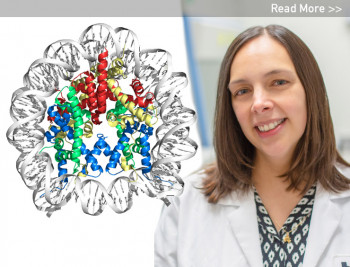
Dr. Sheena D'Arcy is an Associate Professor in the Department of Chemistry and Biochemistry at the University of Texas at Dallas (UT Dallas), affiliated with the School of Natural Sciences and Mathematics. Her research focuses on structural biology, protein dynamics, and the molecular mechanisms of gene transcription, particularly involving histone chaperones and nuclear transport proteins. She holds a PhD in Structural Biology from the University of Cambridge (2008) and a BS in Biochemistry and Biology from the University of Sydney (2003). Her work employs advanced techniques like hydrogen-deuterium exchange mass spectrometry (HDX-MS) and structural biology to investigate protein-RNA interactions, nucleosome assembly, and enzyme evolution. She leads the D'Arcy Lab, which explores topics such as TRAMP complex function, RanGTP signaling in histone transport, and conserved viral epitopes in coronaviruses. Dr. D'Arcy received a NIH ESI-MIRA grant (R35GM133751) to study nucleosome assembly mechanisms. Her research bridges molecular-level interactions with cellular processes, contributing to understanding epigenetic regulation and viral pathogenesis. She is currently not accepting undergraduate students but actively mentors graduate researchers in structural biology and biochemistry.
Michael J. Mitchell is an Associate Professor in the Department of Bioengineering at the University of Pennsylvania. His research focuses on overcoming biological barriers to drug delivery through biomaterials science, nanotechnology, and cellular engineering. Key areas include mRNA lipid nanoparticle development for cancer therapy, immunotherapy, genome editing, and regenerative medicine. His lab has pioneered placental-targeted drug delivery for in utero treatments and developed scalable microfluidic manufacturing processes for vaccines. Education: PhD in Bioengineering (University of Pennsylvania) Postdoctoral Training in Nanomedicine Research Interests: Dr. Mitchell’s work integrates biomaterials with biological systems to improve drug delivery efficiency. Current projects include: Design of lipid nanoparticles for mRNA and CRISPR delivery Targeted therapies for cancer metastasis and cardiovascular disease Placenta-specific drug delivery systems for maternal-fetal health Bioengineered immune cell therapies using mRNA Recent Achievements: In 2021, his lab published breakthrough work on lipid nanoparticles improving mRNA vaccine stability, featured in Penn Today and MIT Technology Review . Collaborations with CHOP and Penn Medicine have advanced in utero mRNA delivery for congenital diseases. Awards & Grants: Recipient of NIH grants for nanomedicine research and industry partnerships for vaccine development. Active in translational projects with startup companies for clinical nanotechnology applications. Labs & Teams: Lead of the Mitchell Lab at Penn Engineering, which includes over 20 researchers focusing on nanomedicine, biomaterials, and clinical translation.
Dr. Philip A. Rea is a Professor of Biology and Rebecka and Arie Belldegrun Distinguished Director of the Life Sciences & Management Program at the University of Pennsylvania's School of Arts and Sciences. With over 100 publications and two co-authored books, his work spans fundamental biochemical research and science communication, focusing on life sciences implementation challenges. Education: D.Sc. (2020) and D.Phil. in Plant Biochemistry (University of Oxford), B.Sc. First Class Honors in Biological Sciences (University of Sussex) Dr. Rea's research explores transport phenomena and cellular detoxification, including vacuolar proton pumps and ABC transporters in plants, yeast, and nematodes. His work has significant applications in phytoremediation and combating parasitic diseases. His recent publications and book Managing Discovery in the Life Sciences (2018) analyze the transition from laboratory discovery to market success through case studies like statins, ivermectin, and metformin. These works highlight serendipity in biomedical innovation and investor-driven discovery management. Scientific Awards: Jesse H. Neal Award (2025) for technical/scientific content AAAS Fellow (2013) for membrane transport research National Academies Cozzarelli Prize (2010) for original research Multiple teaching honors including Lindback Foundation Award (2014) and Ira H. Abrams Award (2009) Society for Experimental Biology President's Medal (1990) Teaching: Proseminar in Management and the Life Sciences (LSMP 1210) Biochemistry (BIOL 2810) Focus on problem-solving with incomplete datasets
Zhandong Liu is an Associate Professor at Baylor College of Medicine with joint appointments in the Department of Pediatrics and Department of Neurology . He serves as Chief of Computational Sciences at Texas Children's Hospital and co-directs the Quantitative & Computational Biosciences Graduate Program at Baylor. Education: B.S. in Computer Science, Nankai University (2001) M.S. in Computer Science, Wayne State University (2003) Ph.D. in Genomics and Computational Biology, University of Pennsylvania (2010) Dr. Liu's research integrates genomics , machine learning , and bioinformatics to advance understanding of neurological diseases. His work focuses on: Multi-omics data integration for disease mechanism discovery Development of cloud-based CRISPR analysis tools like CRISPRcloud Augmented reality platforms for biomedical data visualization Identification of disease genes through computational models Alternative splicing analysis in cancer and neurodegeneration Single-cell and spatial transcriptomics algorithms His recent publications emphasize Alzheimer's disease , MECP2 syndromes , and computational therapy prediction across multiple domains. Scientific awards include the 2018 Outstanding Service Award from the International Association for Intelligent Biology and Medicine. He has secured major grants from NIH, CPRIT, and NSF for projects including: NSF grant #199977 (2018-2020): Augmented reality therapy platforms CPRIT grant #RP170387 (2016-2019): Network-guided cancer analysis NIH #1R01AG057339 (2017-2022): Alzheimer's disease networks As head of the Liu Lab , he leads teams developing tools like: MARRVEL : Human-model organism gene variant integration CRISPRcloud : Secure CRISPR screen analysis platform CrypSplice : Cryptic splicing detection algorithm
Nathan Gianneschi is the Jacob & Rosaline Cohn Professor of Chemistry, Materials Science & Engineering, and Biomedical Engineering at Northwestern University’s McCormick School of Engineering. His research focuses on biomaterials, polymers, and nanomaterials, integrating chemical biology and biomimicry to develop therapeutics, diagnostics, and functional materials. His interdisciplinary group uses advanced techniques like liquid-cell TEM to study material dynamics. Education: PhD (Northwestern University), Postdoc (Scripps Research Institute). Research interests include synthetic melanin for tissue repair, proteomimetic polymers for targeted therapy, and nanomaterial characterization. Notable achievements include pioneering enzyme-responsive nanoparticles and biomimetic materials. Key awards: 2017 Blavatnik Young Scientist finalist, 2016 Royal Society of Chemistry Fellow, and multiple NIH awards. His work bridges chemistry, engineering, and medicine, with applications in cancer therapy, regenerative medicine, and drug delivery.
Norma Alcantar is a Professor and Associate Dean for Research at the University of South Florida (USF) College of Engineering , where she leads in the Department of Chemical, Biological and Materials Engineering . Her research focuses on Energy and Sustainability , leveraging natural materials like cactus mucilage for water purification, drug delivery, and sustainable technologies. Her scientific work spans Environmental Engineering , Biomaterials , and Nanotechnology , addressing challenges in water treatment, biomedical applications, and green manufacturing. Her recent publications highlight innovations in ammonia removal , off-flavor degradation , nano-drug delivery , and diversity initiatives in STEM . She has contributed to Sustainable Chemical Engineering Materials (SusChEM) grants and symposiums. Her research trends include bioinspired materials for pollution control, targeted therapeutics for cancer, and interfacial science applications. She utilizes cactus mucilage in water purification , oil spill response , and biomedical systems , emphasizing scalability and environmental compatibility. Her work bridges green chemistry with public health and infrastructure sustainability . Grants and collaborative efforts include NSF SusChEM funding for graded polymer membranes and interdisciplinary programs like CAI-STEM. She has no listed scientific awards in the provided text. Her email contact is norma@usf.edu, and her office is at ENC 3201 , USF.
Young-Hoon Ahn is an Associate Professor in the Department of Chemistry at Drexel University, serving as Chair of the Chemistry Graduate Program Committee. His research focuses on cysteine-based redox signaling in physiology and diseases, particularly using chemical tools to study glutathionylation. He holds a PhD from New York University and has held academic positions at Wayne State University and Drexel University since 2012. Education: PhD (2007, NYU), MS (2001, POSTECH), BS (1999, POSTECH). Postdoctoral training at Johns Hopkins University School of Medicine (2008-2012). Research Interests: Development of chemical probes for glutathione biology, functional studies of protein glutathionylation in cancer and cardiovascular systems, and covalent small-molecule inhibitors targeting cysteine residues. His interdisciplinary approach combines synthetic chemistry, proteomics, bioinformatics, and mouse models. Publications emphasize glutathionylation mechanisms in cellular stress and disease, with recent work on E-cadherin stability, cardiomyocyte biology, and SMYD2 regulation. His lab employs clickable glutathione strategies and bioorthogonal chemistry for redox proteomics.