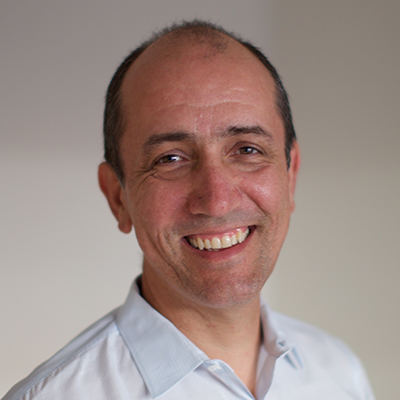
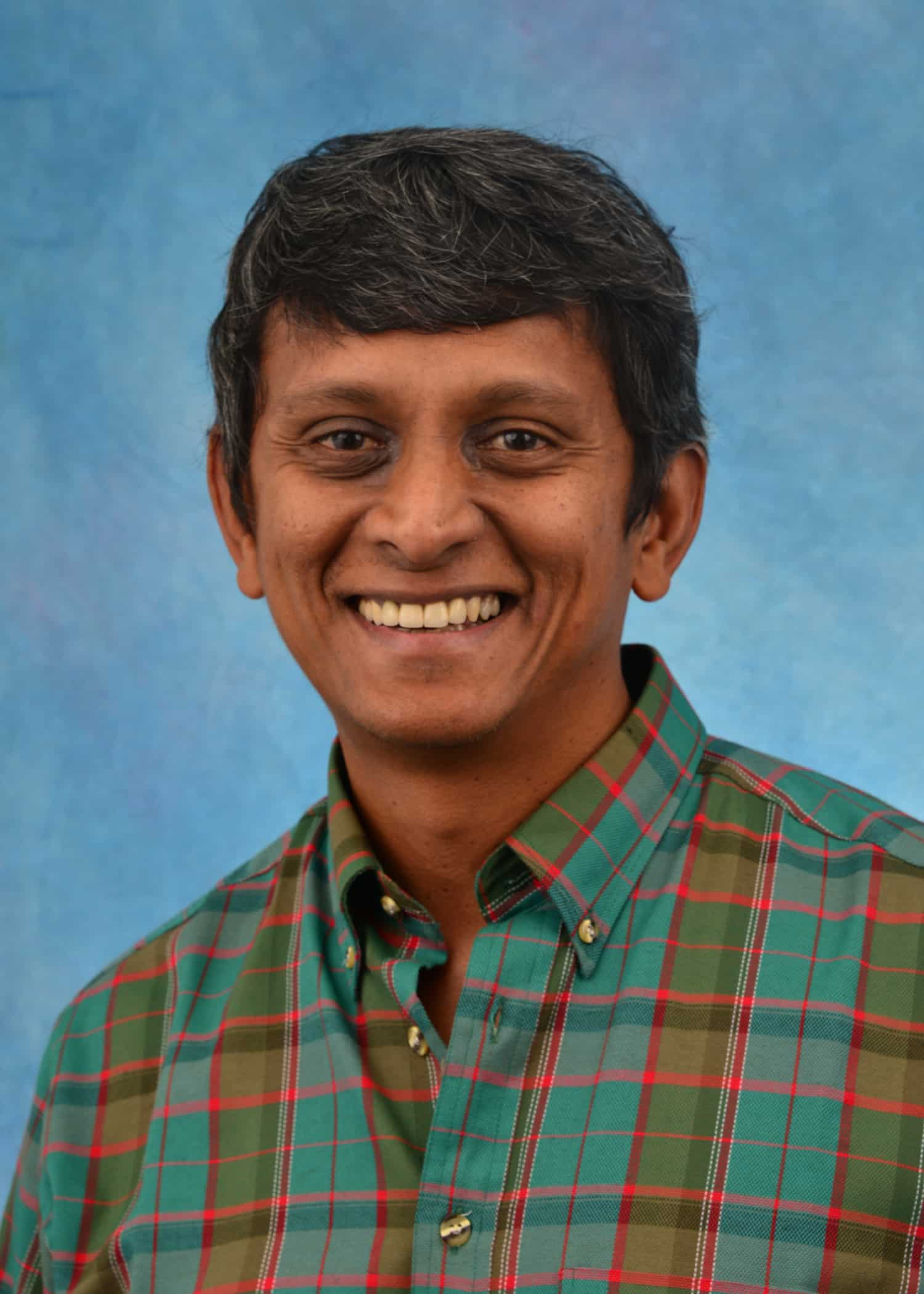
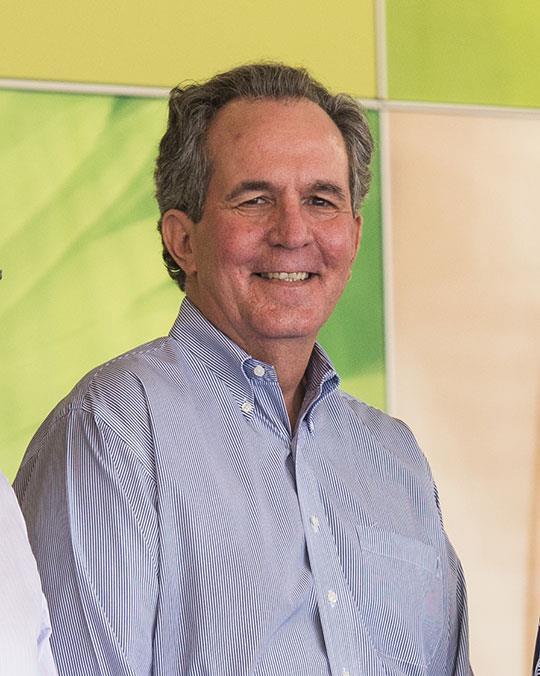
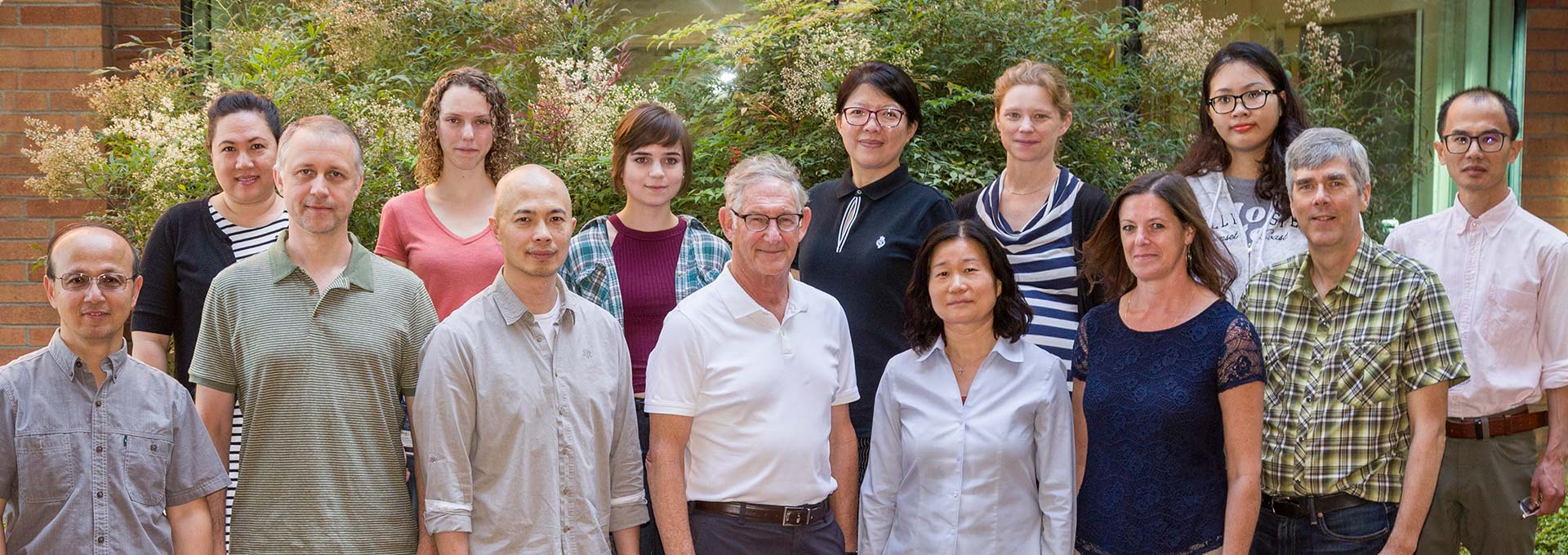
Alcino Silva is a Professor in the Department of Neurobiology and Department of Psychiatry & Biobehavioral Sciences at the David Geffen School of Medicine, University of California, Los Angeles . His research focuses on molecular and cellular neuroscience, memory allocation, and neurogenetic models of cognitive disorders. Key research areas: Memory linking mechanisms across time Neural circuitry for stress-related habit formation Therapeutic targets in vascular dementia Sex differences in neurodevelopmental models Development of advanced neuroimaging technologies Recent publications highlight his work on dual-pathway architectures , dendritic plasticity , and intercellular signaling in disease models. Collaborative studies span neurofibromatosis, tuberous sclerosis, and postnatal immune activation effects.
Emily Bernstein, PhD, is a Professor and Vice Chair of the Department of Oncological Sciences at the Icahn School of Medicine at Mount Sinai. She is also Co-leader of the Cancer Mechanisms Research Program at The Tisch Cancer Institute, where she facilitates basic research on genetic, epigenetic, biochemical, and developmental pathways that drive cancer initiation and progression. Dr. Bernstein's research focuses on epigenetic regulation of gene expression in cancer and development, with a particular emphasis on understanding chromatin changes during the transformation of normal cells to cancer cells. Her laboratory studies melanoma skin cancer and pediatric cancers such as neuroblastoma. Her team investigates histone variants, chromatin remodelers, and histone modifying enzymes, which are frequently altered in cancer. Dr. Bernstein's research has significant implications for developing targeted therapies for cancer. Her work on epigenetic mechanisms has contributed to understanding how chromatin dynamics can be harnessed for cancer treatment. Recent publications highlight her contributions to understanding SWI/SNF complexes, ATRX mutations, histone variants like macroH2A1 and H2A.Z, and their roles in various cancers including melanoma and neuroblastoma. 2020 Faculty Council Award for Academic Excellence by a Senior Faculty member Icahn School of Medicine at Mount Sinai 2019 4D Technology Development Program Mount Sinai Innovation Award 2017 Commencement Honoree, Graduate Student Marshal 2015 Established Investigator Award from Melanoma Research Alliance 2014 Young Investigators in Cancer Research Pershing Square Sohn Prize Dr. Bernstein actively contributes to the academic community through teaching courses on cancer biology, serving on numerous PhD thesis committees, and as Associate Editor for Science Advances. She has also served on the Cancer Genetics Study Section of the NIH Center for Scientific Review and as a standing reviewer for multiple research grant foundations. Her laboratory collaborates with numerous investigators at ISMMS and other institutes to translate basic mechanistic findings towards pre-clinical or clinical trials. They work closely with medicinal chemists, immunologists, and external partners to develop novel cancer therapies.
Ashani Weeraratna, PhD is a Bloomberg Distinguished Professor and E.V. McCollum Professor who serves as Chair of the Department of Biochemistry & Molecular Biology at Johns Hopkins University, with appointments spanning both the School of Medicine and Bloomberg School of Public Health. Her pioneering research focuses on the intersection of cancer biology, aging, and metastasis, particularly examining how the aging tumor microenvironment influences melanoma progression and therapeutic responses. Johns Hopkins University - Bloomberg Distinguished Professor Chair, Department of Biochemistry & Molecular Biology Member, National Cancer Advisory Board Dr. Weeraratna is recognized as one of the first researchers to systematically investigate how the aging microenvironment guides metastasis and therapy resistance in melanoma. Her laboratory employs a unique resource of normal skin fibroblasts from healthy donors of varying ages, combined with proteomics analysis and animal models, to understand the mechanisms by which the aged microenvironment promotes metastasis. Her work has significant clinical implications, as her team has discovered age-related differences in responses to both targeted therapies and immunotherapies. Analysis of Dr. Weeraratna's recent publications reveals a consistent focus on how aging affects tumor-stromal interactions, vascular integrity, extracellular matrix remodeling, and immune responses in melanoma. Her research demonstrates that age-dependent changes in fibroblasts, extracellular vesicles, and matrix components like HAPLN1 and IGFBP2 significantly influence melanoma cell invasion, lipid metabolism, and therapeutic resistance. Her landmark 2022 Nature paper on stromal changes in the aged lung inducing emergence from melanoma dormancy represents a significant contribution to understanding age-related metastatic reactivation. Melanoma metastasis mechanisms Aging microenvironment effects Wnt signaling pathways Tumor dormancy and reactivation Sex-dependent differences in therapeutic response Dr. Weeraratna actively advocates for early career researchers and promotes diversity within the scientific enterprise. She serves on the National Cancer Advisory Board and is a vocal proponent of skin safety practices, emphasizing the importance of sunscreen use and avoiding tanning beds to prevent melanoma. Her research program bridges basic science with clinical implications, aiming to translate findings about age-related changes in the tumor microenvironment into improved therapeutic approaches for melanoma patients of different ages.
Carolina Muguruza Millán is a Teaching and Research Staff member at the Department of Medicine , Faculty of Health Sciences , University of Deusto . She teaches undergraduate programs in Medicine and Nursing . Accredited by UNIBASQ as Associate Professor and Doctoral Researcher , her research focuses on molecular and epigenetic mechanisms in psychiatric disorders , with special interest in schizophrenia , the endocannabinoid system , and cognitive effects of psychotropic drugs . Her educational background includes a PhD in Pharmacology (2013) and a Master's in Pharmacology (2009) from the University of the Basque Country (UPV/EHU) , followed by postdoctoral research at Neurocentre Magendie (INSERM, France) . She leads the Interuniversity Doctoral Program in Health, Well-being, and Bioethics and has directed projects like Schizo-EPICOG (European Commission MSCA funding). Key research areas include: Epigenetic regulation in schizophrenia Molecular mechanisms of antipsychotic drugs Endocannabinoid system in mental disorders Imidazoline I2 receptor ligands for neurodegenerative diseases Sex differences in cannabinoid effects Neuroinflammation in cognitive deficits Article trends reveal consistent contributions to: Neuropharmacology (13 papers) Medicinal Chemistry (9 papers) Neuroscience (7 papers) She collaborates with leading researchers like Luis Felipe Callado Hernando and José Javier Meana Martínez , and her work appears in journals such as Nature Neuroscience , Journal of Medicinal Chemistry , and Translational Psychiatry . Current projects focus on molecular evaluation of neuroinflammatory signaling , translational animal models of schizophrenia , and pharmacological regulation of epigenetic mechanisms . Her work bridges basic neuroscience and clinical pharmacology , with emphasis on diagnostic radiotracers and novel therapeutic targets .
Aravinda de Silva is a Professor in the Department of Microbiology and Immunology at the UNC School of Medicine, University of North Carolina at Chapel Hill. As a member of the UNC Lineberger Comprehensive Cancer Center, his research spans virology, immunology, and epidemiology with a focus on flaviviruses. Research Specialization Virology of Dengue and Zika Human Immunology Antibody Response Mechanisms Vaccine Development His laboratory investigates dengue pathogenesis, neutralizing antibody dynamics, and maternal-fetal transmission of Zika. Recent work includes NIH-funded projects on Zika vaccine platforms and structural analysis of viral glycoproteins. Publications highlight advancements in flavivirus diagnostics, immune interference phenomena, and epitope mapping. Key collaborations include research teams in Sri Lanka, Brazil, and Singapore, with emphasis on global health implications of arboviral diseases. The de Silva Lab maintains a strong focus on translational virology and immunological correlates of protection.
Fred (Dan) Atkins, MD serves as Associate Professor in the Department of Pediatrics-Allergy/Immunology at the University of Colorado Anschutz Medical Campus School of Medicine. He co-directs the Gastrointestinal Eosinophilic Diseases Program at Children's Hospital Colorado, where he maintains clinical practice specializing in complex allergic and eosinophilic gastrointestinal conditions. MD: University of Texas Medical School at Houston (1975) BS: Midwestern State University (TX) (1972) Residency: Pediatrics, University of Texas at Houston (Memorial Hermann Hospital), Chief Resident (1978) Fellowships: Ambulatory Pediatrics (1979), Allergy and Immunology (University at Buffalo, 1981), NIH Allergy and Immunology (1984) Dr. Atkins' research centers on eosinophilic gastrointestinal disorders, particularly eosinophilic esophagitis (EoE), with emphasis on dietary interventions, pathophysiology, and clinical management. His work explores the complex interplay between food allergies, aeroallergens, and gastrointestinal inflammation, contributing significantly to international consensus guidelines. He investigates long-term treatment outcomes, biomarker development, and novel therapeutic approaches including biologics. His recent publications (2022-2024) demonstrate leadership in developing clinical severity indices, international nomenclature standards, and core outcome sets for EoE research. Key themes include dietary elimination therapy efficacy, molecular mechanisms of fibrostenosis, and comparative analysis of elimination diets. His work frequently appears in high-impact journals like Gastroenterology and Journal of Allergy and Clinical Immunology . Top Doctor in Denver, 5280 Magazine (2016) Dr. Atkins actively participates in multicenter collaborative networks including CEGIR and TIGERs, contributing to major clinical trials and consensus documents. His professional memberships encompass the American Academy of Allergy, Asthma and Immunology (Fellow), American Thoracic Society, and Colorado Allergy Society (where he served as Vice President in 1996). His clinical work focuses on translating research findings into practical management strategies for complex pediatric allergic and eosinophilic conditions. He leads the Gastrointestinal Eosinophilic Diseases Program at Children's Hospital Colorado, fostering interdisciplinary collaboration between gastroenterology, allergy/immunology, and nutrition specialists to advance patient care and research in eosinophil-associated gastrointestinal disorders.
Dr. Laurie Sykes Tottenham serves as Professor of Psychology and Assistant Dean at the University of Regina, Canada. With over two decades of academic experience since her 2003 debut publication, she maintains active research leadership while fulfilling significant administrative responsibilities within the Faculty of Arts. Her educational foundation includes: BA (Honours) in Psychology, University of Regina PhD in Psychology, University of Saskatchewan Dr. Sykes Tottenham's research program uniquely bridges neuropsychology and women's health. Early work established her expertise in laterality and pseudoneglect, examining spatial cognition through line bisection tasks and collision biases. Since 2016, her focus has intensified on reproductive endocrinology, particularly investigating how menopausal transitions and menstrual cycles impact cognition, mood, and health behaviors. This evolution reflects both scientific maturation and growing recognition of sex-specific health research imperatives. Her methodology integrates laboratory experiments with longitudinal hormone tracking, often collaborating with Dr. Gordon's team. Analysis of her 15 most recent publications reveals a dominant trajectory toward women's health research, with 80% of 2019-2023 work centered on menopause transition neurocognition. This represents a strategic pivot from her foundational spatial cognition work while maintaining core neuropsychological frameworks. Her research demonstrates increasing clinical relevance, particularly in understanding hormonal contributions to depressive symptoms and cognitive changes during aging. While no specific awards are documented in available sources, her sustained publication record in high-impact journals (Maturitas, Biology of Sex Differences, Psychology Medicine) indicates peer recognition. As Assistant Dean, she oversees academic operations while maintaining an active lab. Current supervision likely includes graduate students working on hormone-cognition projects, though specific trainee names aren't published. Her research group appears embedded within the Department of Psychology without a separately branded laboratory. Dr. Sykes Tottenham's work provides critical evidence for clinical management of menopausal cognitive symptoms and informs road safety interventions through pseudoneglect research. Future directions likely involve expanding mechanistic studies of hormone-brain interactions and developing targeted interventions for women's cognitive health during transitional life stages.
Dr. Nabil J. Alkayed is a tenured Professor at Oregon Health & Science University (OHSU) with joint appointments in Anesthesiology & Perioperative Medicine, Neurology, Neurological Surgery, Cardiovascular Medicine, and Physiology & Pharmacology. He serves as Director of Research at The Knight Cardiovascular Institute and holds the endowed James Metcalfe Chair in Cardiovascular Research. Previously, he was faculty at Johns Hopkins University (1998-2004), advancing from Assistant to Associate Professor before joining OHSU. His research explores experimental stroke, vascular cognitive impairment, and neurovascular biology, with emphasis on sex differences, molecular mechanisms (e.g., eicosanoids, GPR39), and therapeutic innovations like ultrasound neuroprotection. Funded by multiple NIH grants, his work integrates translational models from basic science to clinical trials. Dr. Alkayed has published extensively in high-impact journals, with recent articles (2021-2025) addressing dementia epidemiology, blood-brain barrier dynamics, metabolomics in ischemia, and genetic predictors of disease. His scholarship consistently bridges cerebrovascular pathophysiology, molecular pharmacology, and clinical neurology. Honors include: Elected Fellow of the American Heart Association Stroke Council James Metcalfe Chair in Cardiovascular Research He directs OHSU's T32 Training Program in Translational Science and Cardiovascular Medicine, mentoring numerous trainees. As an active NIH and AHA grant reviewer, he shapes national research priorities in cardiovascular and cerebrovascular fields.
Professor Hu Zuohao serves as Professor in the Department of Marketing at Tsinghua University's School of Economics and Management, where he teaches Marketing Management, Channel Management, and Brand Management. He concurrently holds the position of Executive Associate Director at the China Business Research Center and maintains active membership in the American Marketing Association (AMA) and Academy of International Business (AIB). Education: Bachelor in Mechanics, Huazhong University of Science and Technology (1985) M.A. in Management, Zhejiang University (1988) Ph.D. in Economics, Kyoto University, Japan (2000) His research centers on Marketing Strategies with specialized focus on International Marketing of Chinese Firms, Channel Design, and Brand Management. Recent investigations examine financial constraints' impact on consumer variety-seeking and nostalgia's role in brand preference, while earlier work established foundational frameworks for Chinese exporter typologies and buyer-supplier governance mechanisms. His interdisciplinary approach bridges marketing theory with financial services applications. Publication analysis reveals a strategic evolution from export strategy research (2006-2011) toward digital commerce and consumer psychology (2017-2021), with consistent emphasis on Chinese market contexts. Key journals include Journal of Business Research and Journal of International Marketing, reflecting his dual expertise in theoretical marketing and emerging market applications. Scientific Awards: Teaching Award at School of Economics and Management, Tsinghua University (2005) Professor Hu serves as Vice Chairman of the Chinese Marketing Research Association and has held Independent Director positions at two corporations, demonstrating industry-academia integration. His research is supported through the China Business Research Center, where he leads projects connecting academic theory with practical business challenges in Chinese multinational contexts. He directs the China Business Research Center's initiatives on Chinese enterprise globalization, focusing on case-based analysis of brand development and channel strategies for firms like Haier and TCL, while mentoring next-generation researchers through Tsinghua's doctoral programs.
Dr. Larry Corey is a renowned virologist and immunologist at Fred Hutchinson Cancer Research Center, where he leads the Corey Lab focused on chronic viral infections and host immune responses. He previously served as president and director of the institution (2010-2014) and was senior vice president and co-director of the Vaccine and Infectious Disease Institute (VIDD). Dr. Corey's research spans multiple critical areas: Pathogenesis of chronic viral infections, particularly herpes simplex virus type 2 (HSV-2), HIV, and SARS-CoV-2 Host immune responses in the genital tract tissue microenvironment Development of immunotherapeutic methods to control viral reactivation Preclinical studies using genetically engineered T cells to target HIV reservoirs His laboratory pioneered the discovery that HSV-2 specific tissue resident memory (TRM) T cells persist in genital mucosa, with a unique CD8αα+ subset positioned at the dermal-epidermal junction adjacent to sensory nerve endings. These cells remain active during clinically quiescent periods, producing antiviral factors that control subclinical reactivation. Analysis of recent publications reveals a strong trend toward translational immunology, combining advanced virology with cutting-edge cellular engineering techniques to develop novel therapeutic approaches for persistent viral infections. His work bridges fundamental immunological mechanisms with clinical applications for HSV-2 and HIV. Dr. Corey has received significant recognition including election to the Institute of Medicine (2008) and substantial research funding such as a $2.6 million grant for CAR T cell HIV research. He has secured major funding through the HIV Vaccine Trials Network (HVTN), which is headquartered at Fred Hutchinson Cancer Research Center. His laboratory maintains extensive collaborations with the University of Washington Virology Research Clinic (Drs. Anna Wald and Christine Johnston), Seattle Children's Hospital, and Oregon Health Sciences University. The Corey Lab has developed innovative technical approaches including cell-specific laser capture microdissection, single-cell sorting with emulsion-based microfluidics, and TCR reporter systems to evaluate antigen specificity of tissue-resident T cells.
Amymarie Bartholomew is an Assistant Professor of Chemistry at Yale University 's Faculty of Arts and Sciences, where she joined the faculty in 2022. Her research at the intersection of inorganic chemistry, organic synthesis, and materials science focuses on designing stimuli-responsive molecular materials with properties controllable by light, temperature, pressure, or guest molecules. These materials target applications in electronics, memory storage, sensing, microactuation, and solar energy conversion . Education: B.S. in Chemistry, Yale University (2013) Ph.D. in Chemistry and Chemical Biology, Harvard University (2019) Arnold O. Beckman Postdoctoral Fellow, Columbia University (2019-2022) Her work emphasizes atomically precise synthesis , combining inorganic and organic components to achieve detailed structure-function understanding. She leads the KCL Bartholomew Lab , which prioritizes safety, scientific curiosity, and collaborative innovation. In 2025, she received the Poorvu Award for Innovative Teaching , recognizing her excellence in undergraduate education. Current projects aim to programmatically create materials capable of transforming solar energy into mechanical work and enabling controllable switches for advanced technologies. Research Trends: Recent publications highlight her expertise in metal-organic frameworks , azobenzene ligand engineering , and superatom regiochemistry to manipulate material properties at molecular scales. Her studies focus on geometric structure control and hybrid organic-inorganic systems for energy-efficient applications. Honors: Poorvu Award for Excellence in Teaching (2025) Contact: amymarie.bartholomew@yale.edu
Charlotte Menne Bonefeld, PhD, DMSc, is Head of Department at the Department of Immunology and Microbiology, University of Copenhagen, and leads the LEO Foundation Skin Immunology Research Center. She serves as Professor with special responsibilities at the Faculty of Health and Medical Sciences, University of Copenhagen, with extensive expertise in skin immunology and contact allergy mechanisms. Her educational background includes a DMSc (2018), PhD (2004), and MSc in Biochemistry (1999), all from the University of Copenhagen. Dr. Bonefeld has progressed through academic ranks from Research Assistant (2000) to Associate Professor (2009-2018) to her current Professor position (2019-present). Dr. Bonefeld's research focuses on skin immunology with specific emphasis on contact allergy mechanisms involving nickel, fragrance, and hair dye allergens. Her work investigates T cell responses, skin-resident memory T cells, and the immunological pathways underlying allergic contact dermatitis. She has established herself as a leading researcher in understanding how environmental chemicals trigger immune responses in the skin. Her recent publications (2024-2025) demonstrate continued leadership in skin immunology research, with multiple high-impact papers on skin-resident memory T cells, contact allergy mechanisms, and global aspects of contact dermatitis. Her work spans basic immunological mechanisms, translational research, and clinical applications, with particular attention to T cell biology in skin inflammation. Among her notable recognitions is the 2011 LEO Pharma Research Foundation Silver Award. She has established international collaborations through CARGO, an international research group she co-founded in 2009, and has conducted research at prestigious institutions including The Scripps Research Institute. Dr. Bonefeld actively supervises students and early-career researchers, with 5 completed and 3 ongoing Master's students, 7 completed and 4 ongoing PhD students, and 1 ongoing postdoc. She leads multiple educational initiatives including the 'Skin Immunology' course for Master's students and the Graduate Programme of Immunology and Infectious Diseases. Her laboratory at the Skin Immunology Research Center continues to investigate the complex immunological mechanisms underlying contact allergy and skin inflammation.
Akiko Iwasaki is Sterling Professor of Immunobiology at Yale School of Medicine, with secondary appointments in Dermatology and Epidemiology of Microbial Diseases. She serves as Director of Yale's Center for Infection and Immunity and has been an HHMI Investigator since 2014. Her affiliations include joint roles with Yale Cancer Center, Center for RNA Science, and Women's Health Research at Yale. Her research focuses on: Mucosal immune defense mechanisms against viruses Long COVID pathophysiology and neuroimmune interactions Development of nasal vaccines to block viral transmission Virus-triggered autoimmunity and cancer pathogenesis Recent publications emphasize SARS-CoV-2 immunology, with trends showing strong focus on: Characterization of post-viral syndromes (Long COVID, ME/CFS) Mucosal vaccine efficacy and IgA response modulation Viral reservoir identification and therapeutic targeting Neuroimmune mechanisms in chronic disease Major scientific honors include: Keio Medical Science Prize (2025) TIME 100 Most Influential People (2024) National Academy of Sciences membership (2018) Else Kröner Fresenius Prize (2023) AAI Presidency (2023) She directs the Iwasaki Lab and Center for Infection and Immunity, coordinating multicenter studies like the Yale-Mount Sinai Long COVID initiative. As principal investigator of NIH-funded projects, she mentors graduate students and oversees translational research bridging virology and clinical immunology.
Dr. Nina Porakishvili is a Principal Lecturer in Biomedical Sciences at the University of Westminster's Faculty of Science and Technology, where she leads modules in Molecular Genetics, Molecular Therapeutics, and Immunopathology. She coordinates multiple EU TEMPUS projects, including initiatives for haematology curriculum development and virtual laboratories in biomedicine, recognized with a Times Higher Education award. Her academic journey includes: BSc/MSc in Biology/Genetics from Tbilisi State University (top 5% cohort) PhD in Immunology from Lomonosov Moscow State University Professorship in Immunology at Tbilisi State University at age 32 (youngest woman professor in Georgia) Her research specializes in Chronic Lymphocytic Leukemia (CLL) immunobiology and hCG-based vaccine development . Key discoveries include: CD180/RP105 as a prognostic marker in CLL CD180/BCR signaling crosstalk regulating leukemia cell survival Cytotoxic CD4+ T-cell expansion in CLL patients hCG mutant proteins for tumor vaccine development Recent publications (2021-2024) focus on CD180's role in hematological malignancies and hCG antibody prevalence in ovarian pathologies, demonstrating consistent output in high-impact journals like Leukemia Research and British Journal of Haematology . Awards and recognitions: Order of Honour from President of Georgia (2004) Times Higher Education: International Collaboration of the Year (2012) Best Regional TEMPUS Project (2011) She actively supervises PhD candidates in the Tissue Architecture and Regeneration Research Group , with current projects on CD180 signaling in CLL. Grant leadership includes €3M+ EU funding for biomedical education reform.
Professor Peter Kind is Director of the Patrick Wild Centre and Simons Initiative for the Developing Brain (SIDB) at the University of Edinburgh, specializing in Developmental Neuroscience. He holds joint appointments as Associate Director at the Centre for Brain Development and Repair in Bangalore, India. His educational background includes a PhD from Oxford University (1993) and postdoctoral training at Oxford and Yale Universities. Research focuses on: Cellular mechanisms of Fragile X Syndrome, autism, and intellectual disabilities Synaptic dysfunction and neural circuit pathophysiology Therapeutic critical periods in neurodevelopmental disorders Cross-species validation using mouse, rat, and human cellular models Publication analysis (2019-2023) reveals three dominant themes: 1) Synaptic plasticity defects in monogenic disorders, 2) Astrocyte-neuron interactions in disease correction, and 3) Development of novel genetic rat models for autism spectrum disorders. Methodologically, 68% employ electrophysiology, 45% calcium imaging, and 32% behavioral phenotyping. Current lab operations include: Funding: Simons Foundation, MRC, BBSRC, and international grants Trainees: 4 PhD students and 12 postdoctoral fellows Core Facilities: Rodent behavioral suites, electrophysiology rigs, and LAB-AID data analysis platform Collaborations span 15+ institutions including MIT, NIH, and Indian research centers.