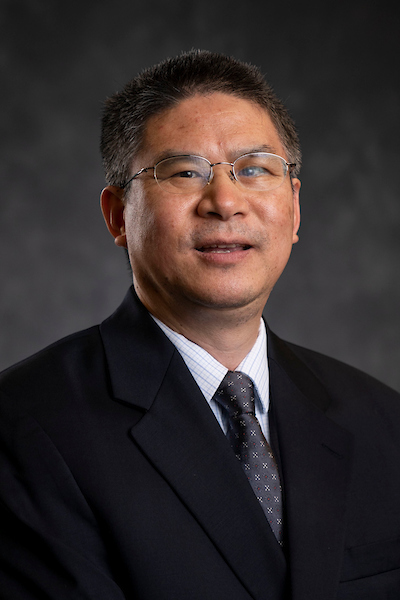
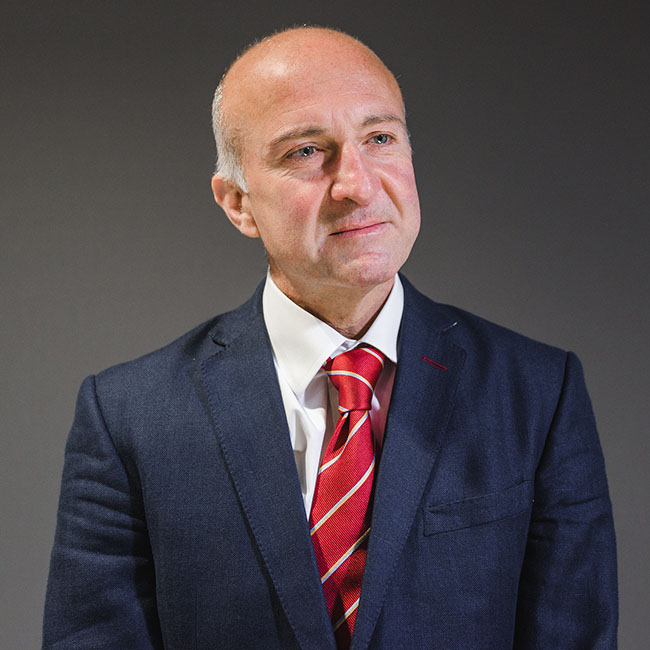
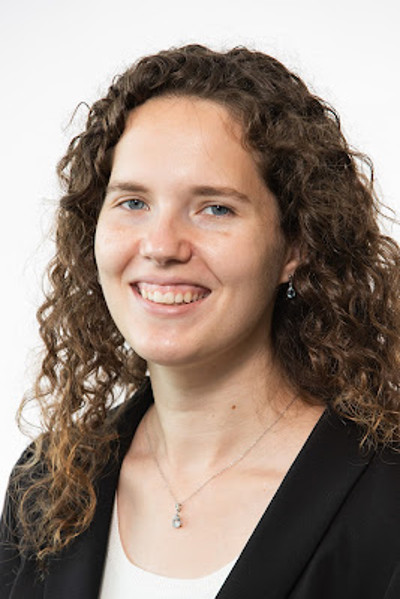
Guoyao Wu is a Distinguished Professor of Animal Nutrition at Texas A&M University's College of Agriculture & Life Sciences, holding dual appointments in the Department of Animal Science and the Graduate Faculty of Nutrition. His expertise spans nutritional biochemistry, protein metabolism, and reproductive physiology. Dr. Wu earned his B.Sc. from South China Agricultural University, M.Sc. degrees from Beijing Agricultural University and the University of Alberta, and a Ph.D. from the University of Alberta, followed by postdoctoral training at McGill University and Memorial University of Newfoundland. His research focuses on amino acid and protein metabolism across molecular, cellular, and whole-animal levels, using models like cattle, pigs, and aquatic species. Key areas include placental nutrient transport, fetal programming, and the role of amino acids in mitigating conditions like sarcopenia and intrauterine growth restriction. He has pioneered studies on glycine, creatine, and citrulline supplementation in livestock and aquaculture. Dr. Wu has received over 15 prestigious awards from China, Canada, and the U.S., including the Thousand-People-Talent Award and Changjiang Scholar Award. He serves on editorial boards of journals like Amino Acids and Frontiers in Bioscience , and teaches graduate courses in protein metabolism. His work bridges basic science and applied nutrition, with implications for improving livestock productivity, human health, and aquaculture sustainability. Current projects address amino acid requirements of companion animals, microgravity effects on metabolism, and placental biology in ruminants.
C. Perry Chou is a full professor in the Chemical Engineering Department at the University of Waterloo, with a cross-appointment in Biology. He holds a BSc and MSc from National Taiwan University and a PhD from Rice University, all in Chemical Engineering. His research focuses on integrating biochemical, genetic, and metabolic engineering strategies to enhance biomanufacturing using microbial cell factories. Key areas include recombinant protein production, microbial biotechnology, and biofuel development. Education: PhD in Chemical Engineering, Rice University (1995) MSc in Chemical Engineering, National Taiwan University (1987) BSc in Chemical Engineering, National Taiwan University (1984) Research Interests: Dr. Chou’s work spans biochemical engineering, bioprocessing, and metabolic engineering. He develops strategies for microbial strain construction, fermentation optimization, and bioproduct purification. His research bridges fundamental biological sciences with applied engineering to advance biomanufacturing. Publications: His 90+ peer-reviewed articles highlight contributions to strain engineering, CRISPR-Cas9 tools, and microbial production of chemicals like 5-aminolevulinic acid and propionate. Recent trends emphasize nanomaterial applications (e.g., graphene oxide) and sustainable biofuel pathways. Awards: Canada Research Chair (Canada) 1000-talent Award (China) Advising & Grants: Dr. Chou actively mentors graduate students and contributes to editorial roles at journals like Biotechnology Advances and Scientific Reports . He teaches courses such as CHE 161 (Engineering Biology) and CHE 562 (Advanced Bioprocess Engineering). Labs/Teams: Collaborates with interdisciplinary teams to advance bioprocess development, though specific lab names are not explicitly mentioned in the text.
Matthew Bidwell is a Professor of Management at the Wharton School of Business, University of Pennsylvania . His research focuses on evolving employment relationships, career dynamics, and human resource management in modern labor markets. He serves as faculty co-director of the Wharton People Analytics Initiative and faculty director of the Wharton CHRO Program. Ph.D., MIT Sloan School S.M., Political Science, MIT M. Chem, Oxford Bidwell's research examines international career mobility , managerial contracting , and organizational labor market strategies . His work reveals complex relationships between global mobility and compensation, and analyzes how institutions like search firms shape career trajectories. Recent publications show trends in cross-border employment , executive career progression , and status-driven wage dynamics . His studies utilize longitudinal datasets and organizational personnel records to uncover patterns in managerial mobility. Scientific Recognition Wharton Teaching Excellence Award (2020) ASQ Scholarly Contribution Award (2017) John T. Dunlop Outstanding Scholar Award (2014) Sloan Foundation Industry Studies Fellowship (2010-2012) Bidwell has served as Senior Editor at Organization Science and contributes regularly to business media outlets. His teaching emphasizes evidence-based people management through the People Analytics course at Wharton.
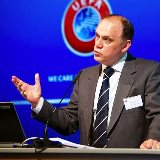
Raymond Boyle is a Professor of Communications (Theatre, Film & Television Studies) at the University of Glasgow, where he directs the Centre for Cultural Policy Research (CCPR). He holds a BA in Media Studies and History from the University of Ulster and an MA in Communications from Dublin City University. Previously, he taught at Glasgow Caledonian University and Stirling University before joining CCPR in 2007. His research focuses on media policy, cultural policy, and sports media, with particular attention to digital media's impact on television, sports journalism, and cultural intermediaries. Notable projects include studies of the UK Film Council, the Commonwealth Games 2014, and UEFA's Football Management programs. He has authored/co-authored books such as The Talent Industry: Television, Cultural Intermediaries and New Digital Pathways (2018) and edited volumes like Changing Sports Journalism Practice in the Age of Digital Media (2019). Boyle serves on the editorial boards of Media, Culture and Society and collaborates with institutions like UEFA. His work bridges academic research with consultancy, addressing media rights, sport governance, and public policy. Grants include AHRC-funded projects on UK film policy transitions and copyright issues in European football media rights. Teaching includes the MSc Media Management program. He has delivered keynote addresses on media digitization, sport and identity, and participated in public discussions on topics like FC Barcelona's cultural impact and Scottish media engagement.
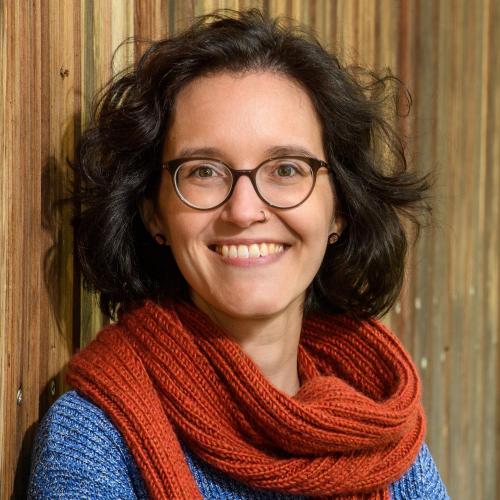
Dr. Stephanie Spahr is a Research Group Leader at the Leibniz Institute of Freshwater Ecology and Inland Fisheries (IGB) in Berlin, Germany, where she leads the Organic Contaminants research group within the Department of Ecohydrology and Biogeochemistry. Previously, she served as a Junior Research Group Leader at the University of Tübingen's Center for Applied Geoscience (2019-2021) and as a Postdoctoral Researcher at Stanford University's Department of Civil and Environmental Engineering (2016-2019). Dr. Spahr earned her PhD in Environmental Chemistry from the Swiss Federal Institute of Technology Lausanne (EPFL) and the Swiss Federal Institute of Aquatic Science and Technology (Eawag) in 2016. Her doctoral research focused on the formation of N-nitrosodimethylamine during water disinfection with chloramine. She completed her MSc in Geoecology at the University of Tübingen in 2012, with thesis work on carbon and nitrogen isotope analysis of benzotriazoles conducted at Eawag, and her BSc in Geoecology/Ecosystem Management at the same institution in 2010. Dr. Spahr's research focuses on trace organic contaminants in aquatic systems, with particular expertise in transformation processes of contaminants in natural and engineered systems, advanced oxidation processes for water treatment, urban blue-green infrastructure, and compound-specific isotope analysis. Her work bridges environmental chemistry, engineering, and ecology to address water quality challenges in urban and natural water systems. She employs advanced analytical techniques to track contaminant sources and transformation pathways, with a strong emphasis on practical applications for water treatment and environmental protection. Her recent publications demonstrate a strong focus on biochar-based water treatment technologies, particularly for stormwater management. She investigates how biochar amendments can remove trace organic contaminants from urban runoff, with recent work examining persulfate activation mechanisms, the role of chloride in reactive species formation, and the performance of engineered media filters under dynamic conditions. Her research also extends to understanding contaminant transport in rivers, the ecological impacts of pollutants, and developing analytical methods for environmental monitoring. The interdisciplinary nature of her work connects chemical processes with ecological outcomes. Outstanding Review Paper Award 2023 in Environmental Science: Water Research & Technology Selected for the Falling Walls Female Science Talents Intensive Track 2023 Selected mentee in the Leibniz Mentoring Programme 2022-2023 Best poster award (1st prize) at the Wasser 2022 of the Water Chemistry Society Selected fellow in the Postdoc Academy for Transformational Leadership 2020-2022 (Robert Bosch Stiftung) Selected fellow in the Athene Program for early female career researchers at the University of Tübingen, 2020-2021 As a Research Group Leader, Dr. Spahr supervises multiple research projects including 'POllution in UrbaN ponds, eco-evolutionary Dynamics, and Ecosystem Resilience (POUNDER)', 'Dynamic hyporheic zone', 'NYMPHE', and the 'Incident-related special investigation programme for the environmental disaster in the Oder River'. She serves on the Executive Board of the German Water Chemistry Society and heads its Expert Committee on 'Oxidative Processes'. Her collaborative work spans numerous institutions across Germany and internationally, addressing critical water quality challenges through interdisciplinary approaches. Dr. Spahr leads the Organic Contaminants research group at IGB Berlin, which focuses on understanding the fate and treatment of organic pollutants in water systems. Her team employs advanced analytical techniques including compound-specific isotope analysis to track contaminant sources and transformation pathways. The group collaborates extensively with other departments at IGB and with international partners on projects addressing urban water challenges and ecological impacts of pollution. Current research emphasizes innovative water treatment technologies, particularly biochar-based systems for stormwater management, and investigating the complex interactions between contaminants, aquatic ecosystems, and human activities.
Federica De Stefano is an Associate Professor of Organisation Studies at Saïd Business School, University of Oxford, and a Research Fellow of Green Templeton College. She serves on editorial boards for Organization Science , Human Resource Management , and Human Resource Management Review , while holding roles in the Strategic Management Society (SMS). Previously, she was an Assistant Professor at HEC Paris and a Post-Doctoral Fellow at Wharton People Analytics. She earned a PhD from Bocconi University, with additional degrees from Fudan University and Bocconi. Her research focuses on people management's impact on organizational and individual outcomes, including employee mobility, workplace safety, and social sustainability. Using quantitative methods and large datasets, her work has been published in top journals like Academy of Management Journal and Strategic Management Journal . She has received the Marie Curie Individual Fellowship and recognition as a top 40-under-40 MBA professor. Teaching focuses on people analytics and management, with a 2023 completion of the International Teachers Program (ITP). Her research grants and collaborative work at Wharton People Analytics underscore her commitment to advancing strategic human capital practices. Federica's work bridges academic rigor with real-world organizational challenges, emphasizing ethical and sustainable workforce strategies.
Simon Shibli is Professor of Sport Management and Head of the Sport Industry Research Centre (SIRC) at Sheffield Hallam University. A Chartered Management Accountant (CIMA), his research examines finance and economics in sport, including elite sport performance, economic impact of major events, and sport participation analysis. He directs SIRC, a £1m business unit, and has authored textbooks on sport economics and facility management. Current projects include evaluations for Sport England, UK Sport, and international comparisons of elite sport systems. Key contributions: National Benchmarking Service for Sport England Economic impact studies for The Open Golf Championship International comparative analysis of elite sport policies (SPLISS)
Nora Waitkus is a Professor of Sociology at Heidelberg University's Max-Weber Institute of Sociology and an Assistant Professorial Research Fellow at the London School of Economics' International Inequalities Institute. Her research focuses on socio-economic stratification, wealth inequality, class dynamics, housing inequalities, and economic elites. She holds a PhD in Sociology from the University of Bremen, an M.A. in Political Science from Freie Universität Berlin, and a B.A. in Political Science from the University of Hamburg. Key research areas include: wealth concentration mechanisms, institutional drivers of inequality, cross-national comparative analysis, and media portrayals of economic elites. She employs methods like longitudinal household surveys, media data analysis, and survey experiments. Her recent work emphasizes how redistribution policies moderate income-wealth linkages, the role of inheritance in wealth legitimacy, and gender disparities in wealth accumulation across occupational classes. Awards: RC28 Significant Scholarship Award, Aleida Hagenaars Memorial Award, NWO Talent Grant (VENI) Grants: VENI project on Varieties of Wealth , Wealth Conflicts within Families (TiU Grant) She leads the Chair of Comparative Social Stratification at Heidelberg University and maintains active collaborations with institutions like Tilburg University and the University of Michigan.
Professor Faye Rogers serves as Professor of Therapeutic Radiology at Yale University School of Medicine, holding multiple leadership positions including Associate Cancer Center Director for YCC Collaborative Excellence, Vice Chair for Collaborative Excellence in Therapeutic Radiology, Associate Director of the Yale MD-PhD Program, and Director of the Yale BioMed Amgen Scholars Program. Her work bridges radiation oncology, DNA repair mechanisms, and cancer therapeutics within Yale's comprehensive cancer research ecosystem. PhD from University of Maryland at Baltimore (1998) Postdoctoral Fellow at Yale School of Medicine Dr. Rogers' research focuses on the intersection of DNA repair mechanisms and cancer therapeutics, with particular expertise in triplex DNA structures, genomic instability, and targeted cancer therapies. Her work explores how DNA damage responses can be leveraged for therapeutic benefit, especially in breast neoplasms and other malignancies. Through her leadership in the DNA Damage and Genome Integrity program, she investigates novel approaches to disrupt cancer cell survival mechanisms while sparing healthy tissue. Her research has significant implications for radiation oncology, particularly in developing more precise and effective radiation-based treatments. Analysis of Dr. Rogers' publication record reveals a consistent trajectory in DNA repair mechanisms and cancer therapeutics, with increasing focus on translational applications. Her work demonstrates expertise in triplex DNA structures, RAD51 inhibition, and synthetic lethality approaches. Recent publications show a shift toward more clinically applicable research, particularly in targeting DNA repair pathways in specific cancer subtypes like IDH1-mutant cancers and PTEN-deficient glioblastomas. Her collaborative work with Peter Glazer and others demonstrates strong interdisciplinary connections between radiation oncology, molecular biology, and drug development. Leadership in Diversity, Equity & Inclusion Award (Yale School of Medicine, 2022) Translational Science Research Prize (Yale Cancer Center, 2022) Kingsley Fellowship in Medical Research Carl Storm Underrepresented Minority Fellowship NCI Research Supplement to Promote Diversity in Health-Related Research As Associate Director of the Yale MD-PhD Program and Director of the Yale BioMed Amgen Scholars Program, Dr. Rogers plays a pivotal role in mentoring the next generation of physician-scientists and supporting underrepresented minorities in biomedical research. Her leadership in collaborative excellence initiatives demonstrates commitment to fostering interdisciplinary research teams across Yale's scientific ecosystem. Through the YCC Collaborative Excellence program, she has secured significant funding for innovative cancer research that bridges basic science and clinical applications, particularly in the areas of DNA repair targeting and radiation oncology. Dr. Rogers leads research within Yale's Therapeutic Radiology department, with strong connections to the Radiobiology program and the Yale Cancer Center. Her work is integrated with the Program in Translational Biomedicine and the Yale Combined Program in the Biological and Biomedical Sciences. Through the BioMed Amgen Scholars Program, she provides critical research opportunities for undergraduate students, particularly those from underrepresented backgrounds, fostering talent in DNA repair research and cancer therapeutics.
Emily Cook is an Assistant Professor at Texas A&M University, focusing on higher education economics, policy analysis, and institutional decision-making. Her research examines topics such as college pricing structures, STEM education funding, vaccine mandate impacts, and market dynamics in education and aviation sectors. She employs rigorous empirical methodologies to evaluate policy outcomes and institutional behaviors. Her work highlights how federal funding influences STEM curricula, how tuition policies affect student major choices, and the role of peer institutions in shaping reopening strategies during crises. Cook also investigates the equity implications of college pricing models and the structural evolution of industries such as airlines and higher education markets. Notable areas of focus include the interplay between public health policies and educational continuity, the competitive landscape of US universities, and the socioeconomic factors influencing student transitions from high school to college.
Tor Söderström is a Professor at the Department of Education at Umeå University. His research focuses on learning and development in sports, computer simulation training, and professional knowledge development in police education. He has contributed extensively to understanding talent identification in sports, particularly in Swedish football, and the efficacy of simulation-based training methodologies in law enforcement education. His research spans topics including athlete development trajectories, the impact of physiological testing on elite athlete performance, and the role of childhood athletic ability in long-term sports participation. Notable projects include a study on dropout processes in Swedish football talent systems and analyses of Swedish gym-goers' training patterns over two decades. Publications highlight interdisciplinary approaches, combining sports science, sociology, and educational technology. Recent work explores children’s rights in sports through scoping reviews and examines athlete retention strategies from adolescence into adulthood. His research often emphasizes practical applications in training design and policy development for both sport and professional education sectors. No scientific awards are explicitly mentioned in the provided texts. His work has involved collaborations with institutions like the Swedish Football Association and police education programs, focusing on scenario-based training methodologies and competency development in high-stakes professions.
David Hsu is the Richard A. Sapp Professor of Management at the Wharton School, University of Pennsylvania. His research focuses on entrepreneurial innovation, intellectual property management, and technology commercialization strategies. He teaches courses including Venture Acceleration Lab (MGMT3880/MGMT8880), Managing Emerging Enterprises (MGMT6120), and Entrepreneurship (MGMT8010). Hsu holds a B.A. in Economics and Political Science from Stanford University, an M.P.P. from Harvard University, and a Ph.D. in Management from MIT. His research interests span intellectual property rights, startup innovation, venture capital dynamics, and university-industry collaboration. His recent publications reveal strong trends in post-acquisition innovation integration (2025), university-corporate technology transfer (2024), and remote work's impact on diversity in tech hiring (2024). Key recurring themes include knowledge spillovers, absorptive capacity, and commercialization pathways for scientific discoveries. Honors include: Alfred P. Sloan Industry Studies Fellowship ($45,000) (2008-2009) Wharton Teaching Excellence Award (2020-2022) Management Science Meritorious Service Award (2010) Mack Institute research grants (2002-2023) Hsu leads the Venture Acceleration Lab, mentoring startups through industry-academic collaboration. His research has secured sustained funding through the Mack Institute, with recent work examining geographic pull factors in AI entrepreneurship and knowledge homogenization in R&D teams. He serves as discussion leader for doctoral seminars (MGMT9370/9390) focusing on entrepreneurship research methodology. Hsu maintains active industry engagement through Knowledge at Wharton commentaries on IPO markets, remote work policies, and university technology transfer strategies.
Linda A. Hill serves as the Wallace Brett Donham Professor of Business Administration at Harvard Business School and is Faculty Chair of the Leadership Initiative. She is widely recognized as one of the top experts on leadership and innovation globally, with her work shaping how organizations approach creative problem-solving and organizational development. Dr. Hill earned her B.A. summa cum laude in psychology from Bryn Mawr College, followed by an M.A. and Ph.D. in Behavioral Sciences from the University of Chicago. After completing a post-doctoral research fellowship at Harvard Business School, she joined the faculty where she has remained a prominent figure in organizational behavior research. Her research focuses on leadership development, building agile innovative organizations, implementing global strategies, and digital leadership. Hill is particularly known for her work on collective genius—the concept that innovation emerges from the right organizational conditions rather than individual brilliance alone. Her research has evolved to address scaling innovation across organizations and ecosystems, with increasing emphasis on digital leadership in contemporary business environments. Dr. Hill's scholarly output reveals consistent themes of practical leadership frameworks that help organizations navigate complex challenges while fostering creativity. Her recent work shows a progression toward understanding how innovation can be systematically scaled across organizational boundaries and through digital transformation initiatives. Thinkers50 top ten management thinker (2013, 2021) Thinkers50 Innovation Award (2015) Warren Bennis Prize for Excellence in Leadership (2015) Leadership Axiom Business Book Award Gold Medal (2015) #5 in Top 20 MIT SMR articles of 2020 Included in Thinkers50 since 2011 Named to Inc. 2025 Female Founders 500 List Shortlisted for 2025 Thinkers50 Innovation Award Beyond academia, Hill has extensive advisory and consulting experience with major global organizations including Google, Microsoft, IBM, and numerous Fortune 500 companies. She has chaired numerous Harvard Business School Executive Education programs and developed innovative online learning platforms for leadership development. Her practical experience spans leadership development, innovation strategy, global implementation, and diversity initiatives across multiple industries. Dr. Hill serves on the Board of Directors of Relay Therapeutics and the Board of Trustees of The Kresge Foundation, ArtCenter College of Design, and Brigham and Women's Hospital. She also serves on advisory boards for the American Repertory Theater, Aspen Institute programs, Calit2, and several other organizations, demonstrating her commitment to applying leadership principles across diverse domains.
Adam Isen is an Associate Professor of Economics at Johns Hopkins University, specializing in labor and public economics. His research focuses on the impact of government policies on households and firms, particularly exploring causal mechanisms behind economic inequality and intergenerational mobility. He holds a Bachelor's degree from Stanford University and a PhD in Economics from the Wharton School at the University of Pennsylvania. Education: Bachelor's Degree: Stanford University PhD in Economics: Wharton School, University of Pennsylvania Research Interests: Labor Economics: Analyzing how policies affect labor markets, employment, and household decisions. Public Economics: Evaluating tax policies, social programs, and their long-term societal impacts. Intergenerational Mobility: Studying how policies influence outcomes across generations through mechanisms like military service, education access, and wealth distribution. Key Research Themes: His work often uses lottery-based natural experiments to isolate causal effects, such as studying lottery winners to assess wealth impacts on criminal behavior, homeownership, and education choices. Recent papers explore tax policy's effects on firm financing, pandemic-era unemployment insurance fraud, and the long-term consequences of historical policies like the Clean Air Act. Awards: None explicitly listed in the provided materials. Grants/Advising: No specific grants or advisee names are mentioned, but his research frequently involves collaborative projects with institutions and datasets such as the U.S. Social Security Administration and Swedish administrative records. Labs/Teams: Not explicitly detailed in the provided texts, though his work suggests collaboration with interdisciplinary teams focused on policy evaluation and empirical analysis.
Tommy Lundberg is a Senior Lecturer and Docent in Physiology at Karolinska Institutet. He works at the Department of Laboratory Medicine, Division of Clinical Physiology. His email address is tommy.lundberg@ki.se, and his postal address is H5 Laboratoriomedicin, H5 Klinisk Fysiologi Gustafsson, 141 52 Huddinge. Lundberg is affiliated with the university library and has held positions since 2022. Research Interests: Lundberg's research focuses on skeletal muscle mass and function adaptation, particularly in athletic performance, disease contexts, aging, and transgender individuals undergoing hormone therapy. He investigates molecular, metabolic, morphological, and functional responses to resistance and aerobic exercises. His work also explores biological maturity selection biases in youth sports, bio-banding applications in soccer and ice hockey, and the impact of anti-inflammatory drugs on muscle hypertrophy. Article Trends: Lundberg's recent publications (2025–2024) cover topics like sex differences in disc golf, muscle atrophy in space exposome, longitudinal hormone therapy effects in transgender individuals, and bio-banding in youth sports. Earlier works delve into molecular pathways in muscle hypertrophy, concurrent training effects, mitochondrial function, and imaging techniques (CT/MRI) for muscle assessment. Scientific Recognition: Most prominent young researcher in Sport Science, Swedish Central Association for Sport Promotion (SCIF), 2017 Teaching and Editorial Roles: Lundberg teaches human physiology and sports science in nursing, physiotherapy, and biomedical analytics programs. He leads a contract education course in advanced exercise physiology and contributes to a PhD course on scientific writing. He is an Associate Editor for Frontiers in Physiology - Exercise Physiology (2022) and a member of the editorial board for Translational Exercise Biomedicine (2024). Collaborations and Expertise: He collaborates with the Swedish Football Association and Swedish Ice Hockey Association on bio-banding studies. Lundberg served as an invited speaker at the ACSM Annual Meeting (2024) on transgender athletes and as an expert panelist for World Rugby's transgender workshop (2020). His supervision includes Andrea Tryfonos (2021) and thesis evaluations at Mid Sweden University and Linköping University.