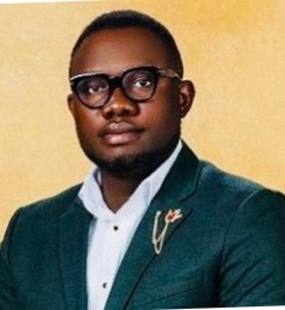
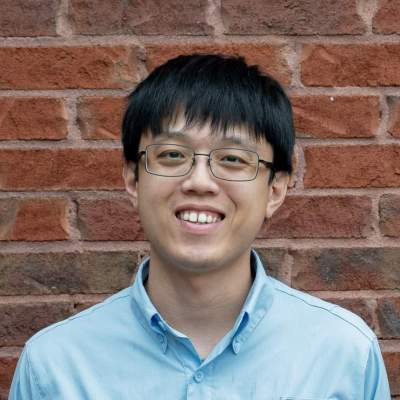
Felix Nwaishi is Associate Professor of Ecosystem Ecology and Climate Change in the Department of Earth & Environmental Sciences at Mount Royal University. His research examines how ecosystems respond to human disturbances and climate change, with focus on peatland restoration in resource extraction landscapes. Nwaishi's work integrates hydrological monitoring, biogeochemical analysis, and Indigenous knowledge to develop ecological restoration strategies. His research has informed environmental policy for oil sands reclamation in Alberta. Research programs are funded by NSERC, Environment Canada, Alberta Innovates, and municipal partners. Nwaishi supervises 5+ undergraduate researchers annually, providing field experience with industry and government partners. Recent publications analyze hydrological dynamics in restored peatlands, fire impacts on microbial communities, and development of wetland assessment tools for urban conservation.
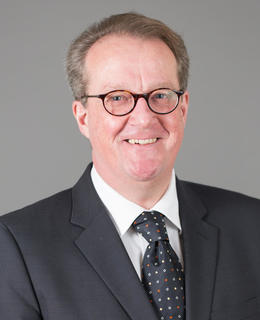
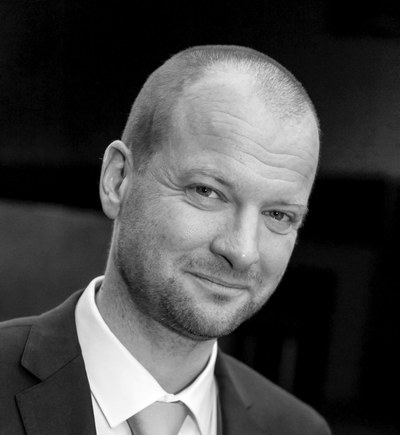
Dr. Bernhard Mayer is a Professor in the Department of Earth, Energy, and Environment at the University of Calgary's Faculty of Science. He holds a PhD in Geology from Ludwig-Maximilian University Munich and teaches specialized graduate courses including Contaminant Hydrogeology, Advanced Contaminant Hydrogeology, and Applications of Stable Isotopes. His research focuses on: Application of environmental tracers and stable isotopes to characterize contaminant sources Hydrogeochemical processes in groundwater systems Impacts of resource development on water quality Development of analytical methods for contaminant source identification He has received the Killam Annual Professorship and Faculty of Science Research Excellence Award for his contributions. Dr. Mayer's current research investigates nitrate and sulfate contamination pathways, climate impacts on biogeochemical cycling, and machine learning applications for predicting well integrity. His work spans diverse environments from agricultural regions to coastal aquifers.
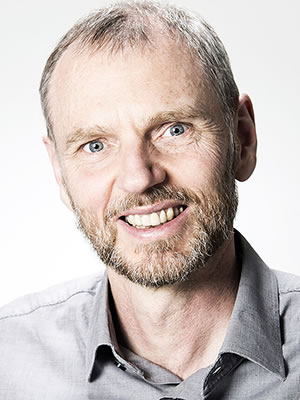
Scott Jasechko is an Associate Professor at the Bren School of Environmental Science & Management, University of California, Santa Barbara. His expertise lies in hydrology, water resources, and groundwater dynamics. He holds a PhD from the University of New Mexico, an MS from the University of Waterloo, and a BS from the University of Victoria. Before joining UCSB in 2017, he served as faculty at the University of Calgary. Dr. Jasechko’s research focuses on leveraging large datasets to understand global water systems, with a particular emphasis on preserving water quality and sustaining groundwater resources. His work highlights critical issues such as groundwater depletion, climate change impacts, and sustainable water management strategies. He teaches courses including ESM 203 (Earth System Science), ESM 226 (Groundwater Management), and ESM 235 (Watershed Analysis). His research has been recognized with prestigious awards, including the Horton Hydrology Research Award (2013), Young Scientist Award (2016), and Kohout Early Career Award (2018). Current research includes a postdoctoral researcher investigating groundwater resources. Dr. Jasechko’s studies address pressing challenges such as aquifer depressurization, orphaned oil well risks, and the interplay between irrigation and Earth system processes. His lab’s findings emphasize global groundwater’s role in sustaining river flows, the vulnerability of modern aquifers to overuse, and the need for adaptive policies to mitigate water scarcity. Collaborative efforts span environmental monitoring, policy development, and interdisciplinary solutions to water resource challenges.
Apostolos Zarras is a Professor in the Department of Computer Science & Engineering at the University of Ioannina, Greece. He has been with the institution since 2002, progressing from Visiting Professor to full Professor in 2022. His academic journey includes a Ph.D. from the University of Rennes 1, France (2000), an M.Sc. from the University of Crete (1996), and a B.Sc. from the same institution (1994). Education: Ph.D. in Computer Science, University of Rennes 1, France (1996–1999) M.Sc. in Computer Science, University of Crete, Greece (1994–1996) B.Sc. in Computer Science, University of Crete, Greece (1990–1994) His research centers on software engineering, with a focus on software architecture, design patterns, software evolution, middleware, and service-oriented computing. He explores quality aspects of software systems, including refactoring, schema evolution, and dependable systems. His work often bridges theoretical models with practical applications in distributed and pervasive environments. The recent publications reflect a strong trend in software evolution, particularly schema evolution in databases, refactoring patterns, and the empirical study of design patterns (e.g., GoF patterns) in real-world systems. Themes such as anti-patterns, tool support for refactoring, and naming conventions in SQL are recurrent, indicating a deep interest in improving software quality through structured design and evolution practices. Scientific Awards: No specific awards are mentioned in the provided text. Advising and Grants: Apostolos Zarras has supervised over 17 B.Sc. theses, more than 12 M.Sc. theses, and one Ph.D. thesis. He has served as a principal investigator in several EU and national R&D projects, including the ForeverSOA INRIA project and the CHOReOS FP7 ICT IP project. His professional service includes extensive reviewing for top journals (IEEE TSE, CACM, etc.) and participation in program committees of major conferences (ICSE, FSE, Middleware, ER). Labs and Teams: He has collaborated with the ARLES Group at INRIA Rocquencourt, France, during multiple visiting researcher stays (2005–2008). His research is conducted within the Department of Computer Science & Engineering at the University of Ioannina, where he contributes to graduate studies and academic dissemination.
Steven B. Young is an Associate Professor at the School of Environment, Enterprise & Development (SEED) at the University of Waterloo, Canada, with expertise in industrial ecology and sustainability management. He holds degrees in metallurgy and materials science from the University of Alberta (B.A.Sc., 1987) and the University of Toronto (M.A.Sc., 1989; Ph.D., 1996). His research focuses on corporate social responsibility, life-cycle assessment, responsible sourcing, sustainability standards, and critical raw materials. Education: Ph.D. in Metallurgy and Materials Science, University of Toronto (1996) M.A.Sc. in Metallurgy and Materials Science, University of Toronto (1989) B.A.Sc. in Metallurgical Engineering (Coop), University of Alberta (1987) Recent research explores critical raw materials in low-carbon technologies, circular economy frameworks, healthcare sustainability, and conflict mineral supply chains. His publications span journals like Journal of Cleaner Production , Resources, Conservation and Recycling , and Journal of Industrial Ecology , with case studies on medical oxygen, EV battery reuse, and supply risk characterization methods. Key projects include the Lumet Initiative (2024-2027) for metal sustainability and traceability, the International Round Table on Criticality (founded via EU funding), and the TripleLink (2020-2022) integration of LCA with chemical process simulation. He contributes to ResponsibleSteel and the Responsible Minerals Initiative as a voting/committee member. Contact: sb.young@uwaterloo.ca | Office: EV3 4243 | On sabbatical from May 2024 to April 2025.
Majid Jaberi-Douraki is a Professor of Mathematics and Data Science at Kansas State University (K-State), based at the K-State Olathe campus. He serves as Director of 1Data , a collaborative initiative between K-State and the University of Missouri-Kansas City focusing on integrating human and animal health data, and Director of the FARAD program (Food Animal Residue Avoidance Databank). His affiliations include the Johnson Cancer Research Center at K-State. His research spans computational modeling, machine learning in healthcare, and pharmacovigilance. Key areas include predictive modeling for precision medicine, adverse drug event analysis in oncology (particularly multiple myeloma), and systems biology approaches to infectious disease epidemiology. He leads the development of 1DrugAssist , a platform leveraging demographic and clinical data to personalize therapeutic recommendations for cancer and diabetes patients. Notable projects include automated pharmacokinetic data curation via web crawlers, livestock health monitoring systems (e.g., tracking animal behavior to predict health issues), and cross-species translational research (e.g., applying human health insights to veterinary medicine). His work bridges mathematics, data science, and clinical practice, with implications for both human and animal health. Educational background: PhD in Applied Mathematics (University of Laval, Canada), postdoctoral training at McGill University and York University. His expertise includes dynamical systems, statistical learning, and interdisciplinary data integration. Grants/Partnerships: Collaborations with Cleveland Clinic, Indiana University Cancer Center, and the US Department of Agriculture. Labs/Teams: Leads the 1Data initiative and contributes to the FARAD program’s residue avoidance research.
Sheng-I Yang is an Assistant Professor of Forest Biometrics at the University of Georgia. He specializes in quantitative methods for forest growth modeling, stand dynamics, and inventory systems. His work integrates applied statistics, remote sensing, and geospatial technologies to inform sustainable forest management. He currently coordinates IUFRO's 4.01.03 working party and serves as an Associate Editor for the Journal of Forestry and Forest Ecosystems . Education: B.S. Forestry, National Taiwan University (2013) M.S./Ph.D. Forest Biometrics & Statistics, Virginia Tech (2016-2019) Affiliations: Plantation Management Research Cooperative (PMRC) His research focuses on forest biometrics , including stem taper modeling, stand carrying capacity estimation, and tree allometry. Recent projects involve predicting Caribbean tree growth via machine learning and optimizing pine plantation management in Turkey. He develops novel statistical frameworks for integrating Sentinel satellite data with ground-based inventories. His 2023-2025 publications emphasize tropical forest modeling, bark volume quantification, and elk population dynamics collaborations. Major funders include USDA Forest Service and the NCASI Foundation. Awards: 2024 Early Career Achievements Award (Northeastern/Southern Mensurationists Conference) 2023 Early Career Investigator Award (Forests Journal) Teaching responsibilities include Timber Management and Statistical Software for Natural Resources . His lab actively collaborates with IUFRO networks to advance global forest mensuration standards.
Prof. Dr. Patrick Delfmann is a University Professor at the Department of Computer Science (FB4) of the University of Koblenz, leading the Process Science research group. His roles include Research Dean of the Department and chairman of the Institute for Business and Administrative Information Systems. He holds a Dr. rer. pol. from the University of Münster (2006) and has held academic positions since 2002, including senior academic councillor roles and acting professorships before his current position since 2017. His research focuses on technological aspects of business process management, including process mining, predictive process monitoring, and ontology-based process engineering. Current projects include AI-DPA (funded by Rhineland-Palatinate) and DFG-funded MIB (declarative process models). Methodological foundations include algorithmic graph theory, computational linguistics, and quantum machine learning. Key achievements include the 2024 Best Paper Award at ICPM’s PODS4H workshop for process-oriented cancer data analysis. He advises on interdisciplinary theses requiring strong algorithmic and modeling skills, and collaborates with industry partners to ensure practical applicability of research outcomes. Education: PhD in Business Administration (2006), University of Münster; earlier roles as research assistant (2001–2013). Grants: DFG MIB Project (2023–), RLP AI-DPA Research College (2023–). Labs/Teams: Process Science Group develops tools like declare-js and ProPoneRe, focusing on predictive modeling and process compliance.
Paulo Flores holds the position of Associate Professor at the Department of Electrical and Computer Engineering within the Instituto Superior Técnico of the University of Lisbon. His academic career is deeply rooted in Electronics and Digital Systems, with a focus on VLSI design, FPGA optimization, and hardware acceleration for bioinformatics applications. He has contributed extensively to research in multiplierless constant multiplication algorithms, low-power circuit design, and quaternary logic implementations. Notable achievements include the SAT Competition 2014 and 2013 Bronze Medals for innovative contributions in formal methods and algorithmic efficiency. His teaching responsibilities include advanced courses in digital systems design, electronic engineering projects, and laboratory guidance in topics like operational amplifiers and FIR filters. Flores actively collaborates with research units like INESC-ID and has supervised multiple academic projects in electronic engineering and digital signal processing. Research interests span across circuit testing, embedded systems optimization, and multi-valued logic architectures. His work frequently explores trade-offs between computational efficiency and energy consumption in hardware implementations.
Nigel Roulet is a Distinguished James McGill Professor of Biogeosciences at McGill University's Department of Geography. He also holds a Trottier Institute for Science and Public Policy (TISPP) Fellowship. His research focuses on ecohydrology, biogeochemistry, and the carbon dynamics of peatland ecosystems. He explores how climatic and hydrological changes impact peatland function, particularly in boreal, subarctic, and arctic regions. His work integrates observational, experimental, and modeling approaches. Roulet's education includes a Ph.D. from McMaster University and B.Sc./M.Sc. degrees from Trent University. He teaches courses in environmental systems, hydrology, and biogeochemical cycles. His research group investigates peatland responses to land-use changes (e.g., peat extraction) and climate shifts, emphasizing carbon, energy, and water balances. Key research themes include peatland restoration's climate impact, methane production dynamics, and the role of microbial communities. His work has been recognized with awards like the Royal Society of Canada Fellowship and contributions to the IPCC's 2007 climate report. He actively supervises graduate students and postdoctoral fellows, offering opportunities in biogeochemistry, hydrology, and climate science. Roulet collaborates internationally, with fieldwork in North America and Europe. His lab employs advanced modeling (e.g., McGill Wetland Model) and remote sensing to assess peatland resilience and carbon sequestration potential. Recent studies highlight peatland vulnerability to permafrost thaw and the importance of restoration for mitigating climate impacts.
Dr. Watjana 'Waty' Lilaonitkul is a Lecturer (Assistant Professor) in Digital Health Technologies at University College London's Global Business School for Health , with over 15 years of experience spanning academia, industry, and international development. She holds a PhD in Electrical Engineering from the Massachusetts Institute of Technology (MIT) and serves as Deputy Director of Alumni and Student Experiences and Research EDI (Equality, Diversity, and Inclusion) Lead at UCL. Education: PhD in Electrical Engineering (MIT) Academic Affiliation: University College London Research Areas include: AI-driven healthcare innovation with focus on rare diseases and pandemic preparedness Dynamic time risk prediction for personalized treatment outcomes Complex systems and network physiology for digital biomarker discovery Human-in-the-loop AI for clinical decision support Active learning optimization for rare disease contexts Open-source AI platforms for drug development (PKPDAI.com) Article Trends reveal expertise in applying machine learning to pharmacokinetic data extraction, retinal diagnostics, post-COVID conditions, sepsis monitoring, and multiorgan imaging. Her work emphasizes data scarcity solutions and responsible AI deployment in clinical settings. Scientific Awards : UKRI Rutherford Fellowship (2018-2023) Grant & Advisory Roles : 2024: Appointed to Medical Research Council's Better Methods Better Research (BMBR) panel 2023: Expert reviewer for EPSRC AI Innovation funding and UKRI AI Centre for Doctoral Training 2021: Reviewer for Medical Research Council's COVID-19 Big Data Secondment Call Leadership includes developing three international patents (UK/EU/US) and co-directing the MSc Digital Health and Entrepreneurship program's flagship module GBSH0044, which trains students to build scalable AI healthcare solutions through startup-style team projects.
Prof. Dr.-Ing. Kurt Sandkuhl serves as Professor and Chair of Business Information Systems at the Institute of Computer Science within the Faculty of Computer Science and Electrical Engineering at the University of Rostock. He concurrently holds the position of Dean of the Faculty and maintains active roles as Academic Advisor for the Business Information Systems Master's program, ERASMUS+ Coordinator, and member of the academic management of the Center for Entrepreneurship. His research centers on enterprise architecture, enterprise modeling, capability management, and digital business models, with significant contributions to knowledge-based systems, smart process management, and mobile/wearable information systems. Recent work demonstrates pioneering integration of artificial intelligence—particularly large language models—into enterprise modeling practices, addressing challenges in cybersecurity, sustainable business transformation, and public sector digitalization. Analysis of his recent publications reveals dominant trends in AI-augmented enterprise modeling, cybersecurity architecture for public administration, and circular economy transitions in manufacturing. His work consistently bridges theoretical modeling frameworks with practical implementations in SMEs, public transport, and energy management contexts, emphasizing usability and real-world impact. Prof. Sandkuhl advises the WIN M.Sc. program and coordinates international academic exchanges through ERASMUS+. His institutional leadership extends to the IT Initiative Mecklenburg-Vorpommern board and co-opted membership in the Interdisciplinary Faculty's Department of Ageing, while maintaining active affiliations with the German Computer Science Society and founding membership in the European Association for Software and Systems Technology. He directs the Business Informatics Enterprise Modeling Lab, which employs multi-touch tables and smart boards for participatory modeling research. The lab focuses on capability-driven enterprise architecture, digital business ecosystem design, and context-aware systems for quantified products, with notable projects in maritime dataspaces and demand-responsive public transport integration.
Monica Agrawal is an Assistant Professor at Duke University with joint appointments in the Division of Translational Biomedical (Biostatistics & Bioinformatics), Trinity College of Arts & Sciences (Computer Science), and Pratt School of Engineering (Biomedical Engineering). Holding a Ph.D. from MIT (2023), her work bridges machine learning, clinical data analysis, and health equity through biomedical AI systems. Research Focus: Combines natural language processing, graph networks, and EHR analysis to address medical challenges. Key areas include polypharmacy side effects, health knowledge graphs, and human-AI collaboration in clinical settings. Scientific Contributions: Pioneering applications of large language models in health equity promotion, clinical information extraction, and EHR-based research. Collaborates with Harvard Medical School and Harvard School of Public Health on translational health projects. Teaching: Instructs courses on natural language processing (COMPSCI 572) and research independent study (COMPSCI 393/394), emphasizing hands-on AI development for healthcare. Recent Publications: Explore medical conversational AI, ambient scribing tools, and LLM safety in clinical communication. Her 2025 paper on health equity highlights AI's potential to reduce disparities.
Bhuwan Dhingra is an Assistant Professor of Computer Science at Duke University's Trinity College of Arts & Sciences. He focuses on Natural Language Processing (NLP) , machine learning , and knowledge representation , with specific interests in question answering , robustness to adversarial inputs , and model calibration . 2020 : Ph.D. in Language Technologies from Carnegie Mellon University 2013 : Master's Thesis on Local Quadrature Reconstruction on Smooth Manifolds at IIT Kanpur His research includes temporal language models , adversarial robustness , and combating misinformation . He leads the ALTER-Math NSF-funded project (2024-2027) and collaborates on CC* Integration-Large (2025-2027) for distributed GPU systems. His 2025 work on adversarial perturbations and 2024 studies on table understanding in materials science highlight his focus on LLM reliability and structured data integration . Notable awards include the Amazon Research Award (2022), NSF Medium Grant (2022), and Google Research Gift (2021). He advises PhD students like Rich Stureborg and undergraduates such as Angikar Ghosal (now at Stanford PhD). Teaching graduate courses like Introduction to NLP and Advanced NLP , he emphasizes long-form QA and collaborative writing in NLP.
Fernando Alonso Fernandez is a Professor at the School of Information Technology, Halmstad University, Sweden , with a permanent position since 2017 and a full professorship since 2025. He also serves as an External Collaborator at the University of the Balearic Islands, Spain since 2019. Research Interests : Biometrics (face, iris, periocular, fingerprint analysis), Soft-Biometrics, Mobile Biometrics, Forensic Analysis, Privacy and Security, with foundational expertise in Artificial Intelligence, Signal/Image Processing, Computer Vision . His work spans EU projects like Horizon PopEye (3.2M€) and national grants totaling over 9.4MSEK from the Swedish Research Council and Innovation Agency. 2025: Horizon Europe PopEye (3.2M€) - Biometrics on-the-move for border control 2022: Swedish Innovation Agency Grant (2.6MSEK) - AI-Powered Crime Scene Analysis 2022: Swedish Research Council Grant (3.6MSEK) - Facial Analysis in the Era of Biometric Masks Awards & Editorial Roles : Distinguished Lecturer (IEEE Biometrics Council 2022-2024), Associate Editor for IEEE Transactions on Information Forensics and Security , Pattern Recognition Letters , and IEEE Biometrics Council Newsletter . Co-chaired ICB2016 and EAB-RPC 2024 Round Table on Generative AI. Education : MSc/PhD in Telecommunications Engineering from Universidad Politécnica de Madrid, Spain (2003/2008). Postdoc at Halmstad University with Marie Curie IEF and Swedish Research Council Fellowship (2010-2017). Publications : Over 140 international papers with h-index 43 (Google Scholar 2025). Recent work explores adversarial attacks in de-identification, CNN pruning for mobile face recognition, and nano-drones for crime scene analysis.