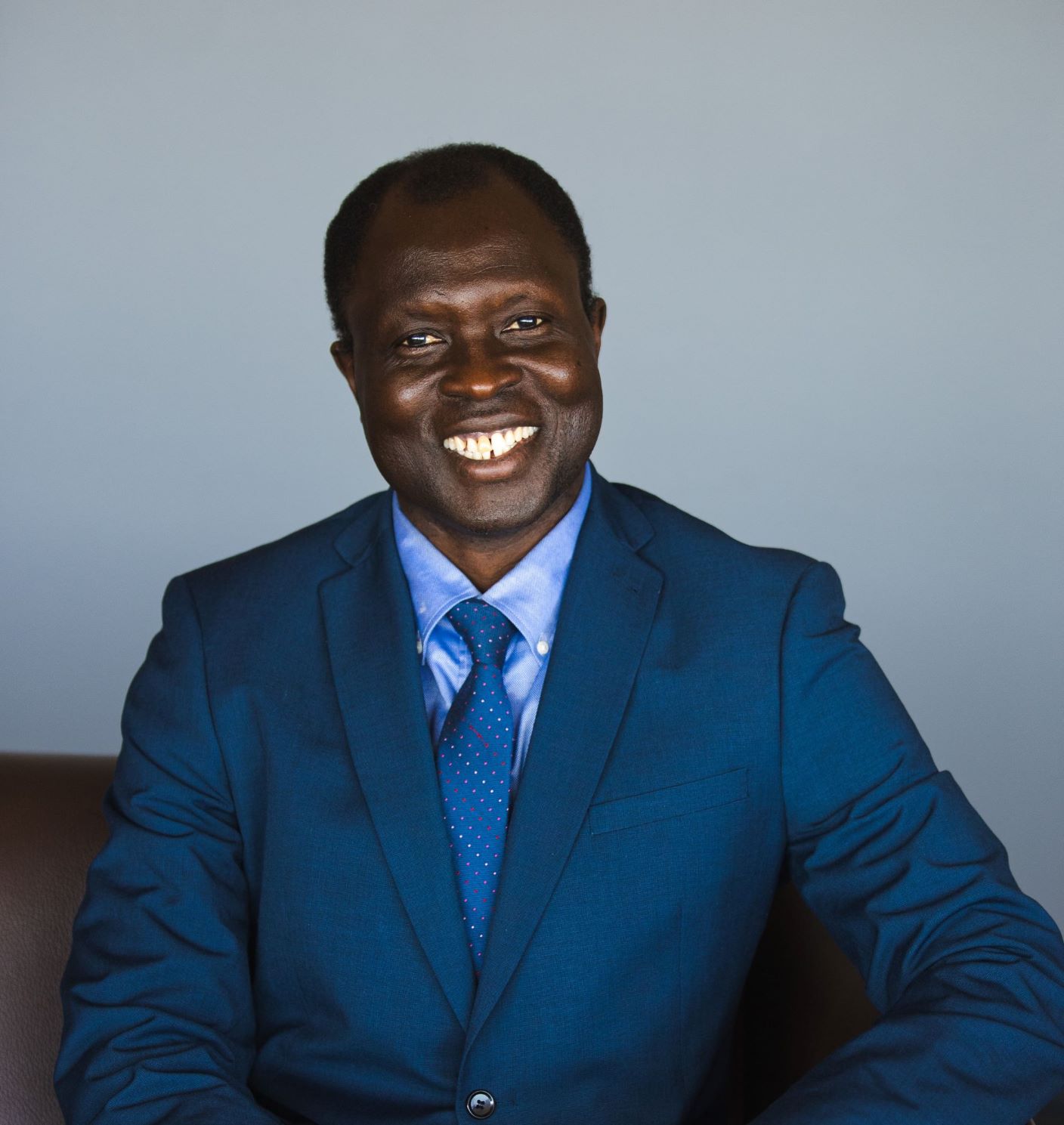
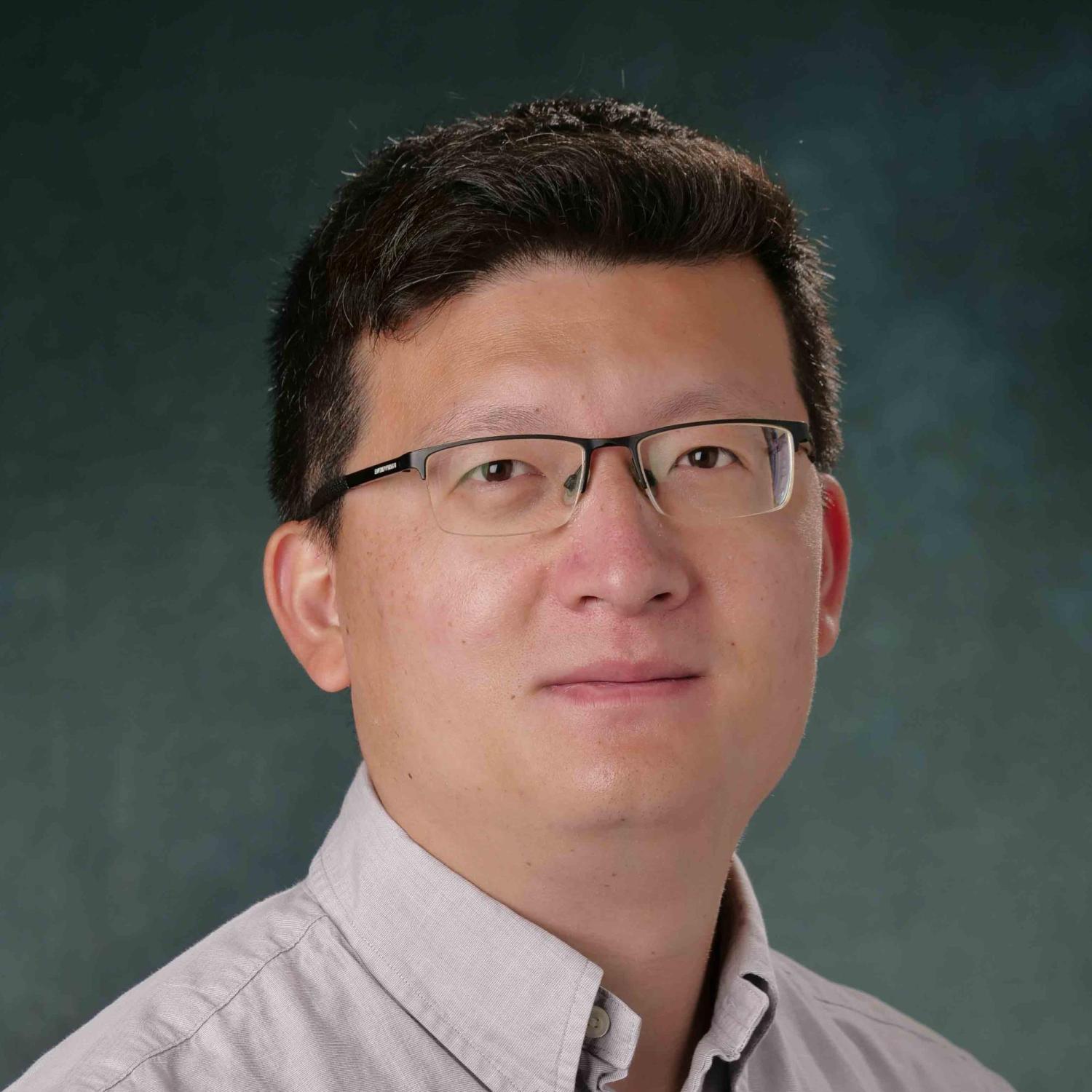
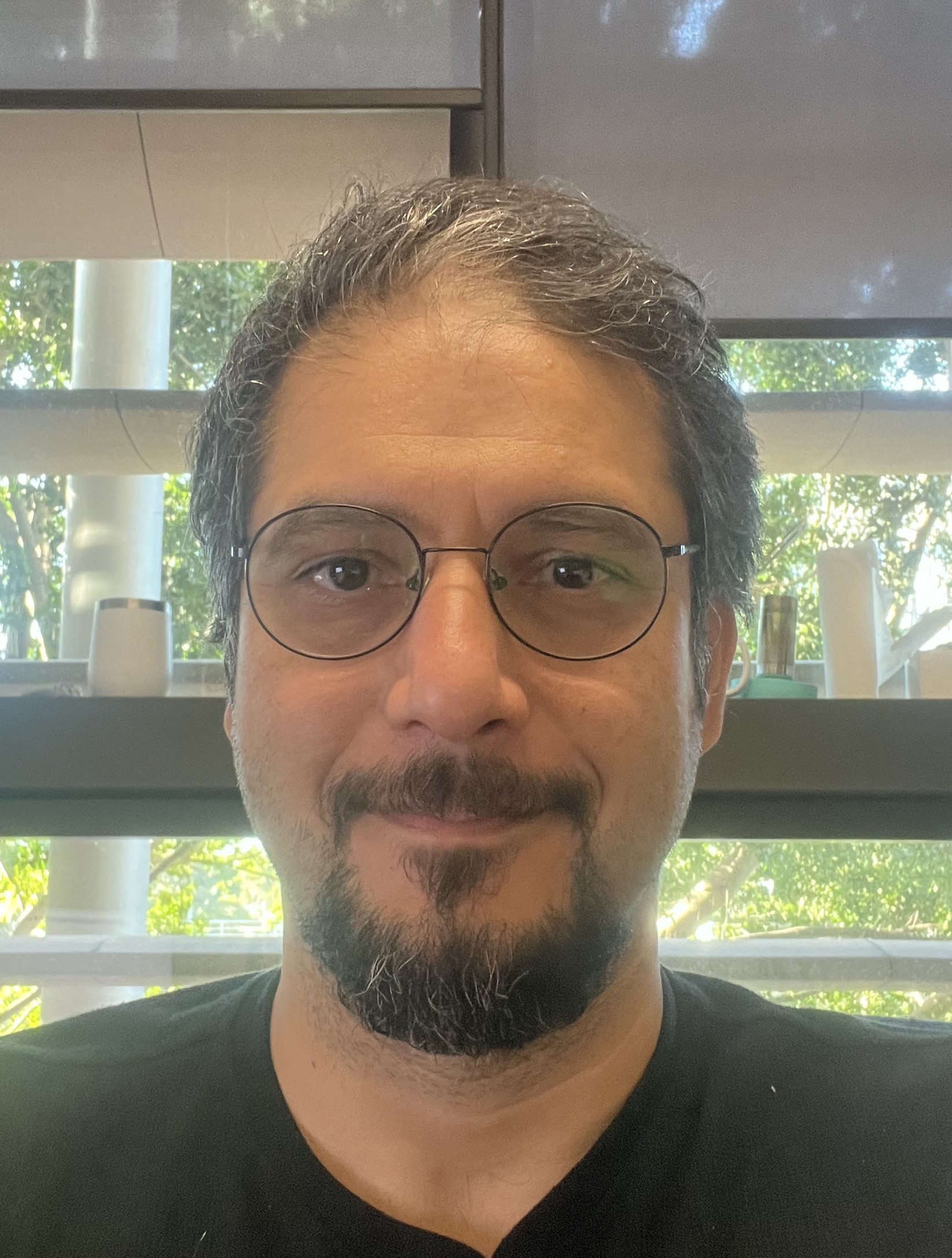
Frédéric Amour is a Researcher at the GeoEnergy Engineering department within the Technical University of Denmark , specializing in CO2 storage and geomechanics in chalk reservoirs. His work focuses on thermo-hydro-mechanical-chemical (THMC) coupling, subsurface modeling, and carbon sequestration in depleted gas fields. Expertise in CO2 storage and North Sea geology Active in reservoir simulation and environmental engineering Research Trends: Recent publications highlight advancements in coupled simulations for CO2 injection, caprock integrity analysis, machine learning applications for subsurface prediction, and mechanical property degradation in chalk reservoirs. His work addresses geological carbon storage safety and efficiency, particularly in the North Sea. Scientific Awards: Recipient of the Best poster award (2017) for research on fracture cementation in chalk. Advising: Supervised PhD projects on geomechanical modeling of fractures and cementation effects in Lower Cretaceous rocks, collaborating with international institutions.
Mohammad Reza Hajiabadi is a Tenure Track Researcher at the Danish Offshore Technology Centre within GeoEnergy Engineering at the Technical University of Denmark (DTU). His research focuses on CO2 storage in chalk reservoirs, particularly in the North Sea region, contributing to UN Sustainable Development Goals related to climate action and affordable clean energy. Dr. Hajiabadi's research interests span multiple areas in subsurface engineering and carbon capture and storage. His work primarily investigates the thermo-hydro-mechanical-chemical (THMC) processes that occur during CO2 injection into depleted chalk reservoirs. He specializes in constitutive modeling of reservoir chalk, wellbore engineering, and simulation of CO2 storage operations. His fingerprint shows strong expertise in CO2 Storage Engineering (100%), North Sea Geology (76%), Wellbore Engineering (66%), Constitutive Modeling (58%), and Gas Reservoir Engineering (56%). His recent publications demonstrate a strong focus on the mechanical behavior of chalk formations during CO2 injection, with particular attention to caprock integrity, fault reactivation risks, and the chemical impacts on mechanical properties. His work combines advanced numerical modeling with field data from the North Sea to develop validated frameworks for safe and efficient CO2 storage operations. The research addresses critical challenges in maintaining reservoir integrity while maximizing storage capacity. Dr. Hajiabadi serves as a supervisor for PhD students working on reservoir clogging and micro-crack analysis in chalk formations. His collaborative research involves multiple international partners, including work with Professor Hamidreza M. Nick who serves as the main supervisor on several projects. He has presented his research at numerous international conferences, with 8 conference presentations documented in the last few years.
Shunde Yin is a Professor at the University of Waterloo's Department of Civil and Environmental Engineering within the Faculty of Engineering. He holds P. Eng. professional licensure and focuses on coupled THMC phenomena and geotechnical engineering applications. His teaching portfolio includes courses like CIVE 224 (Probability/Statistics), CIVE 353/653/750 (Geotechnical Engineering/Numerical Methods), and GEOE 353 (Geotechnical Engineering 1), taught between 2020-2025. Current research emphasizes advanced numerical modeling techniques for geomechanical systems and interdisciplinary material behavior studies. He actively supervises graduate students through sole-supervisory privilege status (SSPS) and is currently accepting applications. No specific scientific awards or lab affiliations were explicitly mentioned in the provided text.
Professor Mamadou Fall is a Distinguished University Professor and Chair of the Department of Civil Engineering at the University of Ottawa. He holds the University Research Chair in Geotechnical Engineering for Net Zero Transitions, recognized for his expertise in geotechnical and geoenvironmental engineering. His research focuses on MineFill Technology, Underground Nuclear Waste Disposal, Carbon Sequestration, and Geotechnical Hazards. Educations: Ph.D. in Geotechnical Engineering, Freiberg University of Mining and Technology (Germany) Dipl. Eng (Earth Science), University of Dakar (Senegal) Research Interests: Professor Fall's work spans geotechnical engineering applications in mining, environmental remediation, and infrastructure sustainability. Key areas include: Development of sustainable MineFill materials and tailings management systems THMC modeling of nuclear waste repositories Landslide risk assessment using GIS technologies Environmental impacts of cemented materials Publications & Impact: Over 325 publications since 2021, emphasizing advanced material characterization and geohazard mitigation strategies. Recent work highlights self-healing cementitious materials and coupled process analysis in tailings systems. Awards: John B. Stirling Medal (2023) Top 1% Global Scientist (Elsevier, 2022) uOttawa Research Excellence Award (2021) Leadership & Mentorship: Supervised over 100 graduate students/postdocs, securing leadership roles globally. Secured major research funding for projects in Canada and internationally. Active in professional organizations including the Canadian Geotechnical Society and German Research Chairs Program. Service & Outreach: Served as Director of Ottawa-Carleton Institute for Environmental Engineering and organized major international conferences on geotechnical engineering innovations.
Yida Zhang is an Associate Professor of Geotechnical Engineering & Geomechanics at the University of Colorado Boulder, affiliated with the Department of Civil, Environmental, and Architectural Engineering. They hold a PhD from Northwestern University (2016), an MS from Louisiana State University (2012), and a BS from Zhejiang University (2010). Their research focuses on constitutive modeling of geomaterials interacting with environmental factors, micromechanics of granular materials, unsaturated soil behaviors, and numerical modeling in geotechnical engineering and energy geotechnics. Educations: PhD in Civil Engineering, Northwestern University, 2016 MS in Civil Engineering, Louisiana State University, 2012 BS in Civil Engineering, Zhejiang University, 2010 Research interests include the interplay between environmental factors (adsorption, dissolution, temperature) and geomaterial behavior, granular micromechanics, and numerical simulations. Their work bridges continuum mechanics, physics, and thermodynamics to understand multi-scale processes in porous and granular media. Notable articles explore topics like jamming phase diagrams, environmental cracking of solids, and suffusion in granular soils. Awards include the NSF CAREER Award (2023) and CU Boulder's Early Career Research Award (2022). Grants and advising: Yida Zhang has secured significant research funding and leads projects on energy geotechnics and environmental effects on geomaterials. They are a member of ASCE’s Engineering Mechanics Institute and Unsaturated Soils committees. Labs/Teams: Their research group actively collaborates on projects involving coupled THMC processes and advanced numerical modeling techniques.
Wojciech Sołowski is an Associate Professor at Aalto University's Department of Civil Engineering, specializing in computational geotechnical engineering. His research focuses on numerical modeling techniques like the Finite Element Method (FEM) and Material Point Method (MPM), applied to geotechnical challenges such as soil behavior, unsaturated soils, and offshore site characterization. He holds a Doctoral degree from Durham University (2009). His work addresses topics including THMC coupling in soils, soil improvement methods, and vibration mitigation. He leads projects like GEOMEASURE, advancing offshore geotechnical analysis, and COMPACTIT, promoting low-carbon soil improvement. His recent publications emphasize numerical simulations of seabed shear strength, cone penetrometer testing, and slope stability analysis. He actively contributes to international committees such as the International Society for Soil Mechanics and the European Regional Technical Committee for Numerical Methods.
Prof. Dr.-Ing. habil. Olaf Kolditz serves as Head of the Department of Environmental Informatics at the Helmholtz Centre for Environmental Research (UFZ) and holds a Full Professorship for Applied Environmental System Analysis at Technische Universität Dresden. His academic career spans multiple prestigious institutions including Tübingen University and Leibniz University of Hannover, with significant leadership roles such as Director of the international Master course 'Applied Environmental Geoscience' and Speaker of the Helmholtz Graduate School HIGRADE. Professor Kolditz's research focuses on environmental fluid mechanics, computational methods, and software engineering with applications in geotechnics, hydrology, and energy storage. His work bridges theoretical research with practical applications in water resource management and environmental protection. He has made substantial contributions to high-performance computing, environmental information systems, and scientific visualization, particularly through his leadership of the OpenGeoSys project. His publication record demonstrates consistent innovation in environmental modeling, with recent work focusing on digitalization for nuclear waste management, geomechanical integrity analysis, and digitally facilitated water management systems. These publications reflect his interdisciplinary approach that integrates computational hydrology, geomechanics, and environmental informatics to address complex environmental challenges. Scientific Awards: Award for outstanding PhD thesis, Academy of Science of GDR (1990) Chinese Academy of Sciences (CAS) President's International Fellowship (PIFI) (2015) UFZ Research Award for the OpenGeoSys research platform (2021) Professor Kolditz serves as Editor-in-Chief for two international journals ( Geothermal Energy and Environmental Earth Sciences ) and leads significant international research collaborations including the Sino-German network initiative 'Research Centre for Environmental Information Science-RCEIS' and the joint priority project 'Managing Water Resources in Urban Catchments - Chaohu'. His work has established him as a leading figure in computational environmental science with global impact.
Thanh Son Nguyen is an Associate Professor in the Department of Civil Engineering within the Faculty of Engineering at the University of Ottawa. He also holds an associate professor position at McGill University since 1996 and has been affiliated with the University of Ottawa since 2008. Professionally, he serves as a senior geoscience specialist at the Canadian Nuclear Safety Commission (CNSC), where he has worked since 1982. His educational background includes a PhD in Civil Engineering and Applied Mechanics from McGill University (1995), and both M.Sc.A and B.Sc.A in Applied Science (Civil Engineering) from the University of Sherbrooke (1982 and 1979, respectively). Dr. Nguyen's research focuses on the application of physics, mathematics, and experimentation to problems in geomechanics and hydrogeology , particularly in the context of nuclear waste management. Key areas include: Finite element modeling of Thermo-Hydro-Mechanical-Chemical (THMC) coupling in geological formations Development of constitutive models for unsaturated swelling clays and sedimentary/crystalline rocks using plasticity and damage mechanics Multiphase flow and contaminant transport in engineered and geological barriers Soil and structural dynamics Although no specific publications are listed, his research output centers on theoretical and experimental studies related to the long-term safety of deep geological repositories. He collaborates extensively with international bodies such as the Nuclear Energy Agency (NEA), International Atomic Energy Agency (IAEA), French Institute for Radiological Protection and Nuclear Safety (IRSN), and the German Geological Survey. He co-supervises graduate and postdoctoral researchers and actively seeks motivated candidates in engineering science and computational modeling for doctoral and postdoctoral positions. His work is supported by collaborative research programs between CNSC and academic institutions. Dr. Nguyen is perfectly bilingual in English and French, reflecting Canada’s official languages. He regularly presents seminars and is frequently consulted internationally on geoscientific aspects of radioactive waste disposal.
Professor Hamid Roshan is a faculty member at the School of Minerals and Energy Resources Engineering within the Faculty of Engineering at UNSW Sydney. He graduated with a PhD in Petroleum Geomechanics Engineering from UNSW Sydney in 2012, followed by 3.5 years of postdoctoral training in the School of Civil and Environmental Engineering. He was appointed to his current position in 2016 after gaining valuable industry experience with the Underground Gas Storage Company, where he worked on the Sarajeh field gas storage project. Professor Roshan's research spans multiphysics geomechanics and rock characterization, with applications across Mining, Civil, and Petroleum Engineering sectors. His work integrates theoretical, numerical, and experimental approaches to solve complex geomechanical problems. Since 2017, he has developed the advanced GeoEngineering Research Lab at UNSW, where next-generation equipment for coupled geomechanics-rock characterization has been designed and built, offering state-of-the-art services to industry. His research interests include THMC Experimental and Computational Modelling in CCUS, Coal Seam Gas and Shale Gas Engineering, Geophysics and Data-driven Rock Mass Characterization, Borehole Geotechnical Logging, In-situ Stress Measurement and Estimation, and Fundamentals of Rock Mechanics with a focus on Multiphysics Geomechanics. His recent publications demonstrate expertise in ultramafic rock interactions, geothermal energy storage, shale gas reservoirs, and advanced computational modeling techniques. Professor Roshan has developed and patented field-scale downhole logging tools for stress-mechanical property measurements along with software solutions for the mining industry. His work has practical applications in carbon sequestration, underground hydrogen storage, and unconventional gas extraction. Professional Recognition: American Rock Mechanics Association Future Leader Professional Memberships: Australian Geomechanics Society, International Society of Rock Mechanics, Society of Petroleum Engineers Professor Roshan teaches Petrophysics (PTRL2020), Formation Evaluation (PTRL5107), Integrated Oil and Gas Reservoir Evaluation (PTRL4010), and Geomechanics A, while actively seeking students with strong academic backgrounds for research opportunities.
Wojciech Sołowski serves as an Associate Professor in the Department of Civil Engineering at Aalto University's School of Engineering. He was recently appointed to a tenured position, as evidenced by his participation in Aalto University's Tenured Professors' Installation Talks series. His research focuses on the critical intersection of geotechnical engineering and nuclear safety, with particular expertise in THMC (Thermo-Hydro-Mechanical-Chemical) modeling of bentonite for nuclear waste repository safety barriers. This specialized field addresses how bentonite clay behaves under the complex conditions present in deep geological repositories for nuclear waste. Professor Sołowski's work contributes to solving one of civil engineering's most challenging problems: ensuring long-term safety and containment of radioactive materials in geological disposal systems. His research has significant implications for environmental protection and nuclear waste management policy. While specific publication details aren't provided in the available information, his research area represents a vital component of safe nuclear energy infrastructure development and waste management strategies.
Raj Kumar Gondle serves as an Associate Teaching Professor in the Department of Civil and Environmental Engineering at the University of Massachusetts Lowell's Francis College of Engineering. His expertise spans geotechnical engineering, computational geomechanics, and numerical modeling for energy and environmental applications. His educational background includes: Ph.D. in Civil Engineering (Geomechanics), West Virginia University, 2010 M.S. in Civil Engineering, West Virginia University, 2006 B.S. in Civil Engineering, Jawaharlal Nehru Technology University, Hyderabad, India, 2003 Professor Gondle's research centers on experimental and computational geomechanics for energy and environmental challenges. He specializes in finite element analysis, multiphase fluid flow, and coupled THMC processes. His current work addresses carbon sequestration, hydraulic fracturing, geothermal recovery, and enhanced oil recovery, aiming to improve understanding of reservoir behavior and environmental impacts through advanced computational and experimental methods. His publication record demonstrates expertise in geomechanical modeling for energy applications, particularly in CO2 sequestration and reservoir engineering. Research trends show consistent focus on numerical simulation of geological media under multiphase flow conditions, with increasing emphasis on environmental sustainability in energy extraction processes. He has been recognized with: Outstanding Classroom Teaching Award Professional service includes technical reviewing for international journals and active membership in: American Society of Civil Engineers American Rock Mechanics Association United States Universities Council on Geotechnical Engineering Research Professor Gondle has served on numerous M.S. and Ph.D. thesis committees. His prior research roles at West Virginia University and the National Energy Technology Laboratory involved federally funded projects in geomechanics and energy applications, though specific grant details are not provided in the source material.