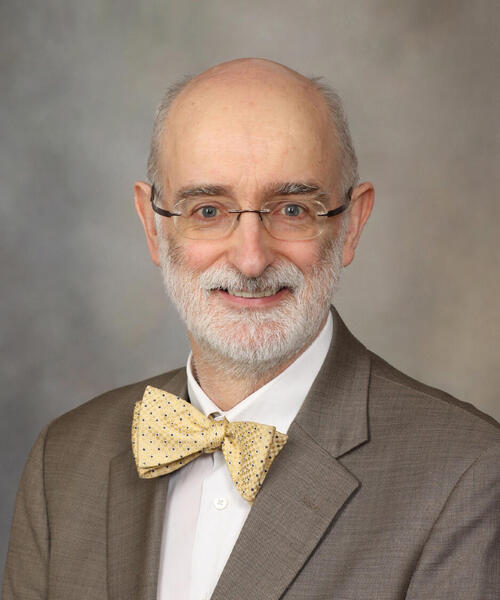
Xiao Zhou is a Research Fellow at the Yale School of Medicine, where he focuses on advancing CRISPR-based technologies, immunotherapy, and cancer research. He holds a PhD from Boston University (2022) and contributes to interdisciplinary studies at the intersection of genetics, immunology, and virology. His work emphasizes multiplexed gene editing in immune cells, tumor immunology, and vaccine development against pathogens like SARS-CoV-2. Research Interests: Dr. Zhou’s research explores CRISPR applications in cellular engineering, immunotherapy strategies for cancer resistance, and the design of variant-specific vaccines. His studies often involve in vivo CRISPR screens to uncover therapeutic targets in CD8 T cells and regulatory T cell dynamics. Publications: His work spans CRISPR-mediated genome editing, CAR-T cell enhancements, and heterotypic vaccine responses. Recent studies highlight breakthroughs in Cas12a knock-in mice models and mechanisms of tumor immunity. Professional Background: As a Research Fellow, Zhou collaborates with teams advancing translational medicine and viral immunology. His contributions bridge basic science and clinical applications, with a focus on precision interventions in oncology and infectious diseases.
David Klenerman is a Professor of Molecular Medicine at the University of Cambridge, holding the Royal Society Chair since 2016. Previously, he was Professor of Biophysical Chemistry (2007–2016), Reader in Biophysical Chemistry (2004–2007), and Lecturer in the Department of Chemistry (1994–2004). His research focuses on biophysical methods applied to biomedical problems, including protein misfolding, neurodegenerative diseases, and high-speed DNA sequencing. He co-invented the Solexa (Illumina) sequencing technology and founded the biotech company Solexa. Research Interests: Protein folding/misfolding mechanisms Molecular basis of neurodegenerative diseases (Parkinson's, Alzheimer's) Single-molecule fluorescence microscopy Imaging adaptive immune responses Genomic technologies (DNA sequencing) Key Awards: 2022 Breakthrough Prize in Life Sciences 2021 Millennium Technology Prize 2018 Royal Medal (Royal Society) 2016 Royal Society Glaxo Wellcome Professorship 2012 Fellowship of the Royal Society Labs/Teams: Co-founder of Solexa (now Illumina), leading interdisciplinary research groups focused on biophysical techniques for biomedical applications. His work bridges chemistry, physics, and medicine, with applications in diagnostics and drug discovery.
Associate Professor Leszek Lisowski is affiliated with the Children's Medical Research Institute (CMRI) at the University of Sydney. He holds the roles of Conjoint Senior Lecturer and Associate Professor, focusing on viral vector development for gene therapy applications, particularly using adeno-associated viruses (AAV). His research emphasizes enhancing AAV tropism for liver, cardiac, and CNS targets, with a strong focus on translational medicine. Key research areas include AAV capsid engineering, optimization of liver and cardiac gene delivery, and applications in neurodegenerative diseases like amyotrophic lateral sclerosis. He leads projects funded by grants such as the NHMRC Ideas Grant and the Cure4 Cystic Fibrosis Foundation. Current research student Ahmad Hammoud is investigating novel AAV capsids for cardiac gene therapy. His work spans collaborations in optogenetics, CAR-T cell engineering, and liver perfusion models. Notable publications highlight advancements in AAV genome structure, liver fibrosis impact on gene transfer, and hydrogel-mediated viral vector protection. His contributions bridge virology, molecular biology, and clinical translation, aiming to address unmet needs in genetic disorders and cancer therapies.
Dr. Victoria Goss PhD serves as Head of the Early Diagnosis and Translational Group at the University of Southampton, focusing on respiratory and metabolic research with clinical applications. Her work bridges laboratory science and patient care through translational approaches to respiratory disorders. Her research centers on lipid metabolism in respiratory diseases , particularly examining surfactant phospholipid kinetics in ventilated children, cellular phosphatidylcholine dynamics in ARDS, and lipidomic profiling in asthma. Key interests include pediatric pulmonology , asthma stratification , and early diagnostic biomarkers for conditions like pancreatic cancer. Her methodology integrates advanced lipidomics with clinical observational studies to identify treatable traits in chronic respiratory diseases. Analysis of her 10 most recent publications (2018-2024) reveals consistent focus on lipid-based mechanisms across respiratory conditions, with increasing emphasis on translational applications including diagnostic protocols (MecROX, DEPEND studies) and asthma endotyping. Her work frequently employs mass spectrometry lipid profiling and cellular kinetics analysis in both pediatric and adult populations. Current research initiatives include the MecROX study on oxidative stress in ventilated patients and DEPEND study for pancreatic cancer screening. She actively collaborates with European consortia like U-BIOPRED, reflecting her integration within international respiratory research networks.
Andrew J. Henderson is a Professor at the Boston University Chobanian & Avedisian School of Medicine, holding roles as Assistant Dean of Graduate Medical Sciences and Co-Director of the BU PREP post-bac program. His primary research focuses on cellular mechanisms regulating HIV replication and transcription, with emphasis on T cell signaling, latency, and inflammatory processes. He earned his B.S., M.S., and Ph.D. in Microbiology from the University of California, Riverside. Research Interests: Dr. Henderson investigates how T cell signals and transcriptional machinery control HIV expression, particularly mechanisms underlying latency and viral persistence. His lab explores pathways involving CD28 costimulation, RNA polymerase II elongation, and chromatin modifications. These studies provide insights into broader topics like signal transduction, immune dysfunction, and inflammatory disorders. Key Contributions: His work includes identifying transcriptional checkpoints (e.g., NELF and Pcf11 factors), characterizing opioid use’s impact on HIV reservoirs, and developing CRISPR-based tools for HIV repression. He has also contributed to training programs in Liberia and Uganda through initiatives like the BU-UL Partnership and Fogarty grants. Awards: Notable recognitions include the Boston SciCafe Award, NIH study section leadership, and postdoctoral fellowships from the Leukemia Society of America and Aaron Diamond Foundation. Grants & Labs: Active grants include NIH-funded investigations into HIV latency, opioid effects on reservoirs, and global health partnerships (e.g., BULEEVR in Liberia). His lab collaborates with institutions like the Providence/Boston CFAR and the BU CTSI.
Nelson LaMarche is an Assistant Professor in the Department of Pathology at Yale School of Medicine and a member of the Cancer Biology Institute within Yale Cancer Center. He earned his Ph.D. in Immunology from Harvard University (2020) under Drs. Michael Brenner and Lydia Lynch, followed by postdoctoral training at Icahn School of Medicine at Mount Sinai (2024) with Dr. Miriam Merad. His research focuses on myeloid-targeted immunotherapies for cancer , investigating how tumors communicate with distant organs to subvert immune responses. Key findings include the discovery of IL-4 signaling in bone marrow driving immunosuppressive myeloid cells in lung cancer, leading to a clinical trial of dupilumab (2024, Nature ). Research Themes : Cancer immunology, tumor microenvironment, myeloid cell biology, metabolic homeostasis, bone marrow-tumor communication Methodologies : High-dimensional patient tissue profiling, mouse models, translational immunotherapy development Current work emphasizes systemic tumor-immune interactions , aiming to identify novel therapeutic targets beyond traditional T cell-focused approaches.
Charalampos Spilianakis is an Associate Professor at the University of Crete with a research affiliation at the Institute of Molecular Biology and Biotechnology (IMBB) of the Foundation for Research and Technology - Hellas (FORTH). His work focuses on the three-dimensional organization of the genome and its critical role in gene regulation within immune cells, particularly T cells. Dr. Spilianakis earned his PhD in 2003 from the University of Crete in Biochemistry, Molecular Biology, Cellular and Developmental Biology. His academic career has been dedicated to understanding how nuclear architecture influences cellular function and gene expression patterns. His research program investigates both cis and trans regulatory mechanisms of gene expression, with particular emphasis on how protein complexes generate and maintain long-range chromosomal interactions in immune cell populations. His laboratory employs an integrated approach combining biocomputing, molecular techniques, biochemical assays, advanced imaging, and genetic analyses to explore the field of 3D epigenetics. This work has significant implications for understanding immune cell differentiation and function. Analysis of Dr. Spilianakis' publication record reveals a consistent research trajectory focused on chromatin architecture and transcriptional regulation in immune cells. His contributions include developing protocols for chromosome conformation capture in primary T cells, elucidating SATB1's role in shaping the 3D enhancer network during T cell development, and investigating the nuclear periphery's role in microRNA gene localization. His work bridges molecular biology, immunology, and genomics to advance spatial genomics understanding. Based at IMBB-FORTH (Office A251, Lab A204), Dr. Spilianakis leads a research group that serves as an important hub for investigating the relationship between nuclear architecture and gene expression in the immune system. His laboratory combines cutting-edge molecular and imaging technologies to address fundamental questions about genome organization and its functional consequences in health and disease.
Antonio Omuro, MD, is an Adjunct Professor in the Department of Neurology at Yale School of Medicine and currently serves as Chair of the Department of Neurology and Neurological Sciences at Stanford University. His research focuses on neuro-oncology, particularly clinical trials and therapeutic advancements for brain tumors, including glioblastoma and meningeal neoplasms. Dr. Omuro has held leadership roles, such as former Chief of Neuro-Oncology and Director of the Yale Brain Tumor Center, and completed his MD at the São Paulo School of Medicine (1995) and a Neuro-Oncology fellowship at Memorial Sloan Kettering Cancer Center (2004). His work emphasizes translational research, integrating machine learning and AI into clinical practice for improved diagnostic accuracy and treatment planning. Notable contributions include developing the Yale Glioma Dataset and advancing therapies like PARP inhibitors for recurrent tumors. He has been recognized as a Fellow of the American Academy of Neurology (2022). Dr. Omuro collaborates with researchers globally on projects such as deuterium metabolic imaging, immune profiling in brain tumors, and AI-enhanced radiotherapy planning. His publications highlight advancements in tumor metabolism analysis, clinical trial design, and molecular targeting strategies.
Richard G. Vile, Ph.D., is a Professor of Immunology at Mayo Clinic in Rochester, Minnesota, with primary appointments as Consultant in the Department of Molecular Medicine and joint appointment in the Department of Immunology. He is also the Richard M. Schulze Family Foundation Professor, an honor awarded in 2008. His research is centered on developing innovative cancer immunotherapies, particularly through oncolytic virotherapy, CAR T-cell therapy, and combination strategies with radiotherapy. Dr. Vile’s research focuses on stimulating antitumor immune responses using murine immune-competent models and syngeneic tumors. His work spans multiple cancer types, including melanoma, prostate cancer, glioma, brain metastases, and hepatocellular carcinoma. A major innovation from his lab is engineering vesicular stomatitis virus (VSV) to express tumor antigen libraries, enhancing immune recognition and destruction of tumors. His recent publications reveal a strong emphasis on enhancing CAR T-cell efficacy, overcoming immune evasion, and combining oncolytic viruses with checkpoint inhibitors. These studies highlight his leadership in advancing immunovirotherapeutic strategies for solid tumors, particularly through genetic engineering of viral vectors and immune cell therapies. The Richard M. Schulze Family Foundation Professor (2008) Dr. Vile has secured substantial research funding from the National Cancer Institute and the National Institute of Allergy and Infectious Diseases, supporting active projects into 2026. He is directly involved in clinical translation, including an ongoing trial for hepatocellular carcinoma using a VSV-based therapy. He mentors a research team and collaborates internationally, particularly with researchers in the UK. His lab is part of the Mayo Clinic Comprehensive Cancer Center and the David F. and Margaret T. Grohne Cancer Immunology and Immunotherapeutics Program.
Joseph A. Murray is a Professor of Medicine at Mayo Clinic in Rochester, Minnesota, where he serves as a Consultant in the Division of Gastroenterology and Hepatology, Department of Internal Medicine, and holds a joint appointment in the Department of Immunology. He is affiliated with key research centers including the Robert and Arlene Kogod Center on Aging, the Immunology Research Center, and the Center for Cell Signaling in Gastroenterology (C-SiG). Education: MD, National University of Ireland, Galway Fellow, Gastroenterology-Hepatology, University of Iowa Hospitals and Clinics Tutor/Registrar, Medicine and GI, St. Laurences and Beaumont Hospitals, Dublin Senior House Officer, Internal Medicine, University of Dublin, Trinity College DCH, Child Health, National University of Ireland, University College of Dublin Internship in Medicine and Surgery, Regional Hospital, Galway MB BCh/BAO, National University of Ireland, Galway Dr. Murray's research focuses on celiac disease, gluten sensitivity, mucosal immunology, and autoimmune gastrointestinal disorders. His work integrates clinical investigation with molecular and immunological approaches, particularly in understanding the mechanisms of gluten-induced immune activation and developing novel diagnostic and therapeutic strategies. He has pioneered research on HLA mouse models of gluten sensitivity and clinical trials of enzyme-based therapies like latiglutenase. The trends in his recent publications reflect a strong emphasis on celiac disease pathogenesis, biomarker discovery, and therapeutic interventions. His studies explore T-cell activation, mucosal healing, biopsy quantification, and cross-disease autoimmunity, often involving multidisciplinary collaboration and translational applications. Scientific Awards: Dr. Murray has been principal or co-principal investigator on multiple NIH-funded grants, including projects from NIDDK, NIAID, and NCCIH, supporting research on tissue destruction and healing in celiac disease, clinical trials of latiglutenase, and the development of animal models for gluten sensitivity. While no formal students are listed, his leadership in large collaborative projects suggests mentorship of junior researchers and fellows. He is actively involved in the Clinical Immunology and Immunotherapeutics Program and has contributed to advancing the scientific understanding of celiac disease through sustained, high-impact research. Labs and Research Teams: Center for Cell Signaling in Gastroenterology (C-SiG) Clinical Immunology and Immunotherapeutics Program Collaborative research network involving Mayo Clinic, University of Chicago, Stanford, and University of Southern Denmark
Elisa Gomez Perdiguero is a Permanent Researcher at the Institut Pasteur in Paris, affiliated with the Membrane, Cytoskeleton and Cell Division unit. She leads the research group focused on the development, maintenance, and functions of tissue-resident macrophages, with a particular emphasis on their embryonic origins and roles in homeostasis and tissue repair. Her work bridges immunology, developmental biology, and cell biology, and she is the Principal Investigator of the ERC-funded project 'ResidentMacroPhage'. Her research primarily investigates the role of yolk sac-derived erythro-myeloid progenitors (EMPs) in generating tissue-resident macrophages such as microglia, Kupffer cells, and Langerhans cells, which self-maintain independently of hematopoietic stem cells (HSCs). She uses mouse and zebrafish models, along with advanced techniques like flow cytometry, lineage tracing, and transgenesis, to explore the ontogeny and functional specialization of macrophages during development and in response to injury. The trends in her recent publications highlight a consistent focus on developmental hematopoiesis, macrophage heterogeneity, and the interplay between macrophages and endothelial cells. Her work has demonstrated the critical role of early macrophage waves in shaping immune and vascular development, with implications for regenerative medicine and inflammatory diseases. Scientific awards and recognitions include: ERC-2016-StG _ResidentMacroPhage – Development, Maintenance and Functions of Resident Macrophages She has actively mentored numerous PhD students and postdoctoral researchers, including Lorea Iturri, Rebeca Ponce Landete, Alina Sommer, and others. Her lab has received funding from major programs such as LabEx Revive and the IP Stem Cell Initiative, supporting research in regenerative biology and medicine. She is currently recruiting for fully funded postdoctoral and PhD fellowships. Elisa Gomez Perdiguero's team collaborates within transversal programs such as 'Mother and Child Health' and participates in the broader Institut Pasteur ecosystem focused on precision medicine and open science.
Pierre Lafaye is the Head of the Antibody Engineering Platform at the Institut Pasteur, a leading institution in biological and medical research. His work is situated within the Technology Department, where he leads a core facility focused on the development and application of VHH (nanobody) technologies. The platform supports a wide range of academic and translational research projects, leveraging the unique properties of nanobodies such as small size, high stability, tissue penetration, and blood-brain barrier crossing ability. Research Interests: Dr. Lafaye’s research spans multiple domains, including cancer immunotherapy (e.g., targeting ILT4 as an immune checkpoint), neurodegenerative diseases (e.g., imaging Alzheimer’s plaques and tangles), infectious diseases (e.g., SARS-CoV-2 diagnostics and therapeutics), and antimicrobial resistance (e.g., targeting β-lactamases). His expertise lies in phage display, protein engineering, and in vivo molecular imaging. He has pioneered the use of dimeric VHHs for sensitive immunoassays and targeted diagnostics. Recent Publication Trends: His recent publications (2021–2024) reflect a strong emphasis on structural biology (using cryo-EM), viral entry mechanisms (especially coronaviruses), and the therapeutic and diagnostic application of nanobodies. Collaborative, high-impact studies in journals like Nature , Cell , and Nature Communications highlight his role in cutting-edge interdisciplinary research. Scientific Awards: While no specific awards are listed in the provided text, his leadership in IBiSA-certified core facilities and participation in major networks like EuroMabNet, Core For Life (CFL), and CTLS reflect recognition of his technical and scientific contributions. Advising and Grants: Dr. Lafaye has supervised multiple PhD students and postdoctoral researchers, indicating an active mentoring role. He leads several funded projects, including the ongoing CORONABODIES and Advances in Cancer Immunotherapy projects, as well as completed initiatives like ChagasDiag and VenoMATIcs. These projects involve collaborations across international Pasteur Institutes and academic partners. Labs and Teams: As head of the Antibody Engineering Platform, he oversees a multidisciplinary team comprising research engineers, technicians, postdocs, and PhD students. The facility is part of broader transversal initiatives at the Institut Pasteur, including those in brain connectivity, cancer, and emerging infectious diseases.
Pierre Guermonprez is a Researcher at the Pasteur Institute in Paris. His work focuses on dendritic cell biology, tumor immunology, and adaptive immunity, with an emphasis on Cancer immunotherapy Tumor microenvironment manipulation T cell memory development Myeloid cell reprogramming in disease Recent publications highlight his contributions to understanding FLT3L-based dendritic cell therapies Mechanisms of cross-priming in tumors DC subset cooperation for immune activation Neoantigen response modulation His research spans both murine and human models of dendritic cell development. Current advisees include PhD students Louise Gorline , Jérémie Borneres , Aurélie Semervil , Matthieu Rastello , and Nathan Vaudiau , along with Master’s student Bilge Demerci . Team members also include technical staff, postdocs, and administrative personnel.
Lucie Peduto is a Principal Investigator and Structure Manager at the Institut Pasteur in Paris, where she leads a research team investigating the role of stromal and perivascular cells in immunity, inflammation, regeneration, and cancer. Her work focuses on understanding how the stromal microenvironment regulates intestinal homeostasis, tumor progression, and immune responses. Her research interests include: Cancer biology and tumor microenvironment Intestinal immunity and barrier function Mesenchymal and perivascular stromal cells Inflammation and fibrosis Regenerative mechanisms and tissue repair Immune cell-stromal cell crosstalk The recent publications highlight a strong focus on stromal regulation in immunity and cancer, with particular emphasis on PDGFRα+ mesenchymal cells, intestinal barrier integrity, and macrophage interactions. Her work integrates genetic models, organoid systems, and immunological assays to dissect molecular and cellular mechanisms in vivo. Scientific awards and recognitions: ERC Proof of Concept Grant 2023 Dr. Peduto supervises several postdoctoral fellows and PhD students, indicating an active mentoring and training role. She leads multiple funded projects, including ERC-CoG-PERIF on perivascular cells in inflammation and regeneration. Her research is supported by major initiatives at the Institut Pasteur, including the Cancer Initiative and stem cell programs. She collaborates with other leading immunologists and cell biologists at the institute and internationally.
Jan Siwiec, MD, PhD, is an Assistant Professor and Chair of the Department of Pneumology, Oncology and Allergology at the Faculty of Medicine, Medical University of Lublin. His academic and clinical work centers on respiratory diseases, with a strong focus on asthma, occupational lung disorders, lung cancer, and immunological mechanisms involving interleukin-18 and TH1 cell responses. Institution: Medical University of Lublin School: Faculty of Medicine Department: Department of Pneumology, Oncology and Allergology Position: Assistant Professor and Department Chair Dr. Siwiec’s research spans immunology, genetics, occupational health, and clinical pulmonology. His work investigates how genetic polymorphisms (especially in IL-18), environmental exposures (such as wood and organic dust), and occupational settings influence respiratory disease development and progression. He has contributed significantly to understanding asthma in both general and occupational contexts, lung cancer risk among exposed workers, and immune responses in chronic respiratory conditions. The 15 most recent publications reflect a consistent focus on respiratory health, with strong emphasis on occupational exposures, genetic susceptibility, and inflammatory pathways. Research trends show integration of molecular biology with epidemiological and clinical data, particularly in Polish populations. Key themes include biomarker discovery (e.g., IL-18), public health implications of workplace hazards, and the interplay between infection, immunity, and chronic airway disease. While no formal scientific awards are listed in the provided text, Dr. Siwiec has one recorded achievement and maintains an active research profile with 48 documented publications. His work likely involves collaboration across clinical, research, and public health domains. Dr. Siwiec advises or mentors graduate students in medical and scientific research, though specific names are not listed. His department likely functions as a research and teaching hub within the Faculty of Medicine, engaging in multicenter studies and contributing to national data on respiratory diseases. Research may be supported by institutional or national grants, particularly in occupational health and respiratory epidemiology. The Department of Pneumology, Oncology and Allergology serves as the primary research and clinical team under his leadership, focusing on patient care, education, and investigation into lung diseases. The team appears to collaborate on multi-center projects, especially those involving occupational exposure, genetic studies, and pandemic-related respiratory impacts.