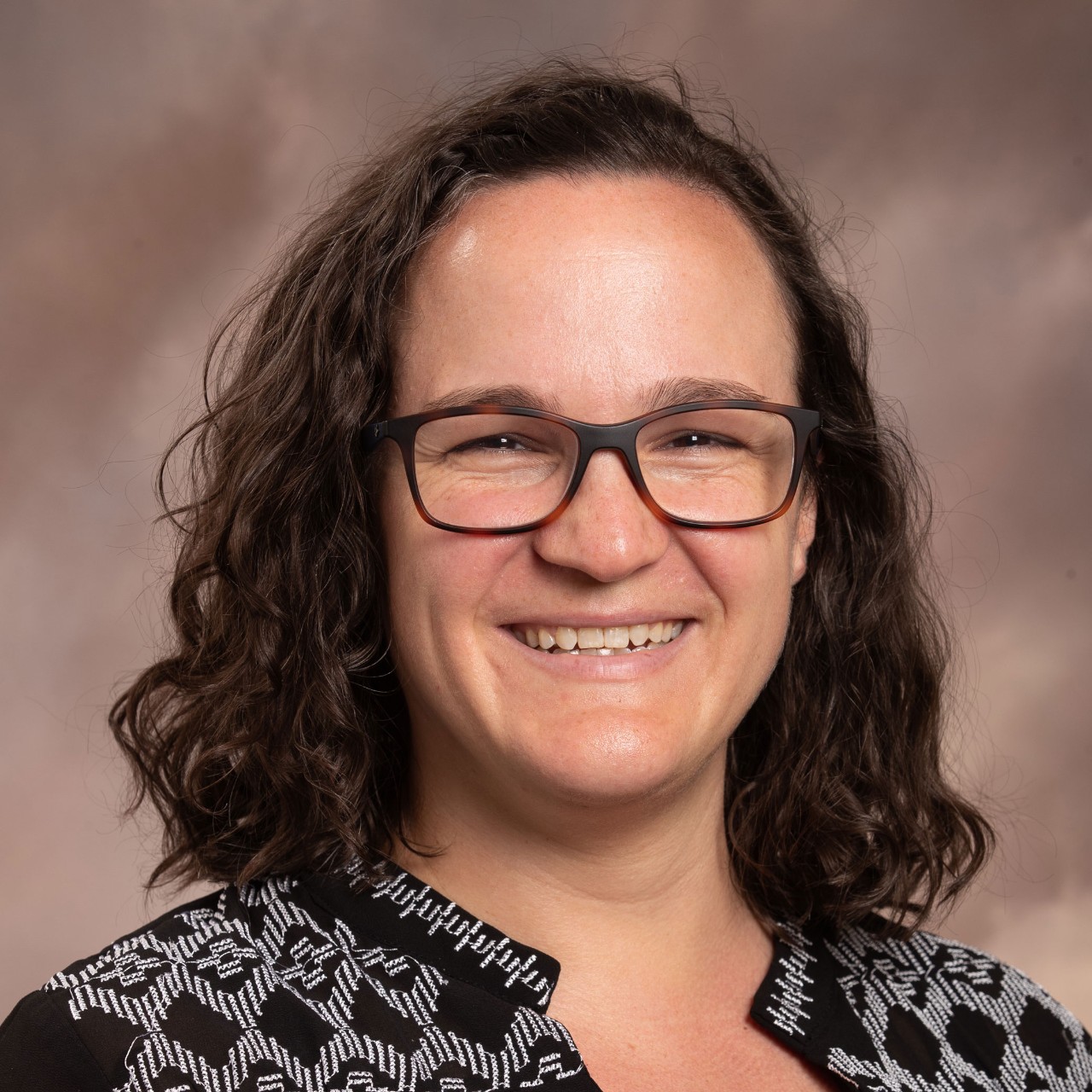
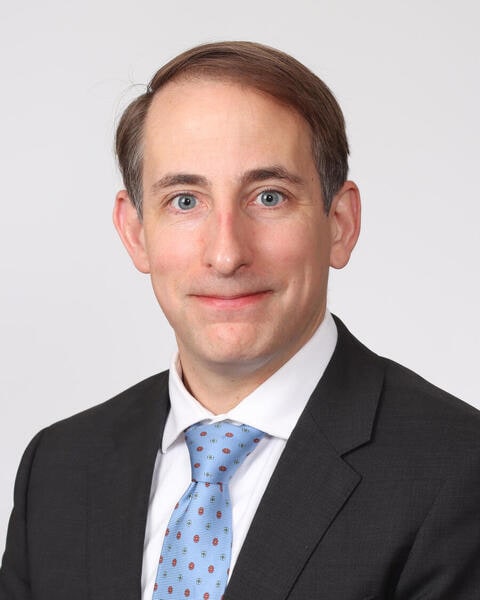
Maria Dahle is a part-time Adjunct Professor (20%) in Aquamedicine at the Norwegian Fisheries College, UiT The Arctic University of Norway. Her research focuses on viral diseases in fish, fish immunology, and vaccinology, with particular expertise in Piscine orthoreovirus (PRV) and salmon gill poxvirus pathogenesis. She is an active member of the Fish Immunology and Vaccinology research group. Research Focus: Dahle investigates host-pathogen interactions using transcriptomic, metabolomic, and multi-omics approaches. Her work includes: Immune response mechanisms in salmonid erythrocytes and gill tissue Biomarker discovery for disease diagnostics Viral transmission dynamics across fish life stages Development of in vitro cell models for gill research Publications: Her recent articles (2021-2025) demonstrate consistent focus on viral pathogenesis in aquaculture species, particularly Atlantic salmon. Research themes include immune transcriptomics, inflammatory biomarkers, and comparative virology, with frequent publications in Fish and Shellfish Immunology , Viruses , and Frontiers journals. No scientific awards, student advisement details, or grant information are mentioned in the source materials.
Samuel H. Gellman is a Professor of Chemistry at the University of Wisconsin-Madison, holding the Irving Shain Chair and the Ralph F. Hirschmann Professorship. His research focuses on foldamer design, protein folding, GPCR signaling, and biopolymer assembly in condensed phases. Education: A.B. from Harvard (1981), Ph.D. from Columbia (1986), Postdoc at Caltech (1986-87) Research spans asymmetric synthesis, NMR/crystallography, and biomedical applications like antiviral agents and cancer therapeutics. Recent publications highlight innovations in β-amino acid incorporation, biased agonism, and racemic crystallization techniques. His scientific awards include the Vilas Research Professorship and Ralph F. Hirschmann Professor of Chemistry. The Gellman Group trains graduate students and postdocs in multidisciplinary approaches, mentoring former members now at Yale, Monash, and Bristol. Current projects include foldamer catalysis, anti-viral peptides, and elucidating liquid-liquid phase separation mechanisms. Collaborations involve structural biology, molecular dynamics, and clinical applications.
Elizabeth Sargent serves as an Assistant Professor in the School of Marine Science and Policy within the College of Earth, Ocean and Environment at the University of Delaware. Her office is located in 112B Robinson Hall on the Newark campus, with primary contact through esargent@udel.edu. Her academic credentials include: Ph.D. in Biological Oceanography from the University of Southampton, National Oceanography Centre (2014) B.A. in Marine Biology from Roger Williams University (2009) Dr. Sargent's research spans Scholarship of Teaching and Learning (SoTL), biogeochemistry, phytoplankton ecophysiology, and algal ecology. Her recent scholarship demonstrates a strategic pivot from marine biogeochemistry toward educational innovation, with concentrated focus on developing and evaluating Course-based Undergraduate Research Experiences (CUREs) and the Remote Mentoring of Undergraduate Research Students (ReMentURS) framework. She investigates pedagogical effectiveness across instructional modalities while maintaining connections to marine science through earlier foundational work. Publication trends reveal a distinct transition from marine biogeochemistry (2011-2016) to educational research dominance (2018-2023), particularly in forensic chemistry CURE development, remote mentoring infrastructure, and assessment of flipped instruction techniques. Current work emphasizes evidence-based STEM education practices with strong focus on accessibility and mentorship scalability. Scientific Recognition: No formal awards documented in provided materials Dr. Sargent actively cultivates undergraduate research capacity through structured mentoring initiatives and curriculum innovation. Her ReMentURS program addresses critical gaps in remote research guidance, while forensic chemistry CURE development expands authentic research opportunities at primarily undergraduate institutions. She contributes significantly to faculty development through workshop series on mentoring best practices and evidence-based teaching strategies.
Professor Ann Morgan is Professor of Rheumatology at the University of Leeds School of Medicine, Head of the Molecular & Personalised Medicine Group within the Leeds Institute of Cardiovascular and Metabolic Medicine, and an Honorary Consultant Rheumatologist at Leeds Teaching Hospitals NHS Trust. She leads major national and EU research consortia including MRC TARGET, UK GCA Consortium, MRC-MATURA and HELICAL ITN, focusing on vasculitis, rheumatoid arthritis and stratified medicine. Education & Qualifications: BSc Pathology (First Class Honours) – University of Leeds MBChB with Honours (distinctions in Biochemistry & Surgery; prizes in Medicine & Surgery) – University of Leeds PhD Fc-gamma receptor genetics in rheumatoid arthritis – University of Leeds FRCP – Royal College of Physicians, London Research Interests: Her work spans bench-to-bedside themes: (i) autoantibody-FcγR biology driving persistent inflammation; (ii) genetic and soluble biomarker discovery for diagnosis, prognosis and therapy stratification; (iii) multi-omics integration (genomics, transcriptomics, proteomics) to dissect vasculitis and RA pathogenesis; (iv) clinical trials and drug-repurposing programmes to reduce glucocorticoid toxicity in giant-cell arteritis and Behçet’s syndrome; and (v) development of Affimer therapeutics targeting Fcγ receptors. Recent publications (2024-2025) reveal a shift toward machine-learning-guided biomarker discovery, multi-ancestry GWAS, proteomic signatures of large-vessel vasculitis, and predictive models for biologic response in RA and Behçet’s, emphasising personalised therapy and steroid-sparing strategies. Scientific Awards & Fellowships: MRC Clinical Training Fellowship Arthritis Research UK / Academy of Medical Sciences Clinician Scientist Fellowship HEFCE Clinical Senior Lectureship Grants & Leadership: She is PI on four current grants (>£14 M) and Co-I on eight others, including NIHR BRC Drug Repurposing stream (£6.7 M), EU HELICAL ITN, MRC TARGET (£0.7 M) and MRC-MATURA (£6 M). She chairs the UK GCA Consortium and MRC TARGET Partnership, and serves on medical boards of Vasculitis UK, PMRGCAuk and Behçet’s Syndrome Society. PhD Supervision & Teaching: Programme Director for West Yorkshire NIHR Academic Clinical Lectureships in Rheumatology; Wellcome Trust N4ward PhD supervisor; has completed supervision of 7 BSc, 2 MD and 7 PhD students; currently mentoring 4 PhD students (Foy, Limumpornpetch, Brown, Duff) and four final-year medical students on ESREP projects.
Arne Östman is a Professor at the Department of Clinical Medicine, University of Bergen, with a focus on tumor biology and stromal cell interactions. His research explores the clinical significance of PDGF receptors and fibroblast-immune crosstalk in cancer progression. Research interests include: Stromal regulation of tumor growth and metastasis PDGF signaling in cancer biology Immune-stromal interactions in tumor microenvironments Biomarker development for cancer prognosis and therapy Recent publications examine cancer-associated fibroblasts in breast and liver metastases, T-cell interactions, and imaging mass cytometry applications. His work spans molecular mechanisms to clinical trial validations.
John T. Schiller is a Senior Investigator and NIH Distinguished Investigator at the Laboratory of Cellular Oncology, National Cancer Institute (NCI), NIH. He co-developed the foundational HPV prophylactic vaccines (Cervarix, Gardasil) and leads research on papillomavirus biology, vaccine innovation, and capsid-based cancer therapies. His roles include Deputy Chief of the lab and Head of the Neoplastic Disease Section. Education: B.S. in Molecular Biology, University of Wisconsin-Madison (1975) Ph.D. in Microbiology, University of Washington (1982) Research Focus: Molecular mechanisms of HPV virion assembly and infection, development of prophylactic/therapeutic vaccines, and tumor-targeting HPV capsids. His work leverages VLPs and pseudovirions for translational studies, exploring tissue-resident T cells for STI protection and cancer immunotherapy. Scientific Awards: 2007 Service to America Medal – Federal Employee of the Year 2011 Albert Sabin Gold Medal Award 2011 AACR-American Cancer Society Award for Research Excellence 2014 National Medal of Technology and Innovation 2017 ASM Joseph Public Health Award Team: Collaborates with Staff Scientists (e.g., Nicolas Çuburu, Ph.D.), Senior Associate Scientists (e.g., Patricia M. Day, Ph.D.), and other researchers in the NCI/CCR. The lab focuses on virology, immunology, and clinical applications of HPV-based technologies.
Louis S. Constine, M.D. is a Professor and Philip Rubin Professor of Radiation Oncology at the University of Rochester Medical Center's School of Medicine and Dentistry. He is a radiation oncologist with clinical and scientific expertise in lymphomas, sarcomas, all pediatric malignancies, and cancer survivorship, particularly focusing on the acute and chronic effects of chemotherapy and radiation therapy on normal tissues. Dr. Constine is actively involved in multiple national and international cancer research groups and is currently accepting new patients at the Wilmot Cancer Center in Rochester, NY. MD from Johns Hopkins University School of Medicine (1973) Residency in Radiation Oncology, Stanford University Medical Center (1978-1981) Fellowship in Pediatric Hematology-Oncology, Seattle Children's Hospital (1976-1978) Residency in Pediatrics, Stanford University Medical Center (1975-1976) Residency in Pediatric Genetics, UCSF Medical Center Moffitt-Long Hospitals (1973-1975) Dr. Constine's research primarily focuses on the long-term effects of radiation therapy in pediatric cancer survivors, with special emphasis on normal tissue complications. His work spans radiation dosimetry, late effects management, and survivorship guidelines development. He has been instrumental in establishing international standards for monitoring and preventing radiation-induced complications in childhood cancer survivors through his leadership in the Pediatric Normal Tissue Effects in the Clinic (PENTEC) initiative. His research has significantly contributed to understanding the dose-volume relationships for various normal tissues in children receiving radiation therapy. His recent publications (2024-2025) demonstrate a strong focus on comprehensive reviews of late effects in childhood cancer survivors through the PENTEC initiative, covering multiple organ systems including thyroid, kidney, metabolic syndrome, neurocognitive effects, and more. His work also includes clinical trials for pediatric Hodgkin lymphoma, innovative approaches to radiation therapy delivery (such as audiovisual immersion techniques), and international collaborations developing standardized surveillance guidelines for cancer survivors. The breadth of his publications shows his leadership in translating research findings into practical clinical guidelines for long-term follow-up care. Dr. Constine has received numerous prestigious awards throughout his career, reflecting his contributions to both clinical care and research: Educator of the Year (2018, 2011) America's Most Honored Professionals--Top 1% (2017) Albert Nelson Marquis Lifetime Achievement Award (2017-2018) Philip Rubin Professor of Radiation Oncology and Pediatrics (2013) Patient- and Family-Centered ICARE High Performance Award (2012-2013) Multiple teaching awards including the Philip Rubin-Mayer Mitchell Teaching Award (2005, 2001, 1997) America's Top Doctors for Cancer (2007-2017) Dr. Constine serves as the Radiation Chair of the Lymphoma Committee in the Southwest Oncology Group and holds leadership positions in multiple national and international organizations focused on childhood cancer survivorship. He chairs the Pediatric Quantitative Analysis of Normal Tissue Effects in the Clinic ASTRO/AAPM initiative and serves on the Children's Oncology Group Late Effects Steering Committee. His grant funding includes an ROI evaluating long-term cardiac toxicities in Hodgkin lymphoma survivors and membership on the steering committee for the NCI-supported Childhood Cancer Survivorship Study. His international work includes participation in United Nations task forces on radiation effects in children and International Atomic Energy Agency initiatives for pediatric radiation oncology in low-income countries. Dr. Constine leads the Pediatric Normal Tissue Effects in the Clinic (PENTEC) initiative, an international collaboration that has produced numerous comprehensive reviews on radiation dose-volume-response relationships for children with cancer. Through this work, he has established himself as a world leader in understanding and mitigating the late effects of radiation therapy in pediatric cancer survivors. His collaborative efforts span multiple institutions and countries, focusing on developing evidence-based guidelines for long-term follow-up care of childhood cancer survivors.
Cintia S De Paiva, M.D., Ph.D., is a Professor in the Department of Ophthalmology at Baylor College of Medicine and holds the Caroline Elles Endowed Professorship. She specializes in ocular surface diseases, with a focus on dry eye pathogenesis, autoimmune disorders (e.g., Sjögren syndrome), and aging-related ocular changes. Her research integrates immunology, microbiome studies, and translational medicine to improve diagnostic and therapeutic strategies for ocular surface diseases. Education: M.D. from State University of Campinas (UNICAMP), Brazil (1994) Medicine Residency in Ophthalmology at UNICAMP (1997) Ph.D. in Ophthalmology from University of São Paulo, Ribeirão Preto (2015) Research Interests: Mechanisms of dry eye disease and ocular surface dysfunction Role of microbiome in ocular inflammation and immunity Impact of aging on lacrimal gland function and autoimmune processes Therapeutic modulation of inflammatory pathways (e.g., NLRP3 inflammasome, IL-36 cytokines) Development of novel treatments targeting corneal barrier dysfunction Key Achievements: Recipient of the Caroline F. Elles Professorship (BCM, 2023) NIH-funded grants investigating microbiome modulation and age-related dry eye Published over 100 peer-reviewed articles on ocular immunology and disease mechanisms Grants: NIH-NEI: Commensal microbiota modulates ocular surface mucosal inflammation (R01EY026893) NIH/NEI: Interplay of interferon-gamma and cathepsin S in age-related dry eye (R01EY030447) DoD: Programmable microwafer drug delivery for ocular injuries (W81XWH-12-1-0616) Labs/Teams: Leads a research team focusing on ocular surface immunology and translational therapeutics at BCM's Department of Ophthalmology.
Maximiliano Gutierrez is a Research Professor at the Francis Crick Institute, London, UK. His work focuses on understanding how intracellular pathogens like Mycobacterium tuberculosis evade host immune defenses. He leads an independent research group investigating cellular mechanisms of pathogen survival and host cell responses, employing cutting-edge imaging techniques and model systems. Education: PhD in Biochemistry (2005), Universidad Nacional de San Luis, Argentina. Postdoc at EMBL (Heidelberg) and Helmholtz Centre for Infection Research (Braunschweig). Research Interests: Host-pathogen interactions, tuberculosis pathogenesis, lysosomal biology, macrophage function, and development of imaging technologies for pathogen studies. Lab Innovations: Pioneered correlative 3D imaging to study M. tuberculosis lesions in vivo. Explores host lipid metabolism and autophagy pathways in bacterial survival. Collaborates on novel antibiotic strategies targeting bacterial virulence factors.
John J. Lucido, III, Ph.D., is a Medical Physicist at the Mayo Clinic in Rochester, Minnesota, specializing in Radiation Oncology . He is affiliated with the Mayo Clinic College of Medicine and Science and actively involved in clinical research, education, and global medical physics initiatives. Education: Ph.D. in Medical Physics (2013) - University of British Columbia M.S. in Mathematical Physics (2008) - Rutgers University B.S.E. in Engineering Physics - Electrical Engineering (2008) - University of Michigan Dr. Lucido's research focuses on advanced radiation therapy techniques , including: Automated treatment planning systems Dosimetric characterization of novel radiation devices Machine learning applications in organ-at-risk segmentation Clinical decision tools for spine stereotactic body radiation therapy (SBRT) Quality assurance protocols for radiation delivery His publications highlight the integration of Monte Carlo simulations , deep learning , and radiobiological modeling to optimize radiation therapy for complex cases such as pregnant patients, ultracentral lung cancers, and skin electron beam therapy. Scientific awards and honors include: Teacher of the Year - Radiation Physics (Mayo Clinic, 2022) International Graduate Student Fellowship (University of British Columbia, 2009) Graduate Aid in Areas of National Need Fellowship (Rutgers University, 2005) Certified Therapeutic Medical Physicist (American Board of Radiology, 2016) Dr. Lucido actively contributes to professional societies as a Voting Member of the Society of Directors of Academic Medical Physics Programs (SDAMPP) , Chair of the Eclipse Scripting and Automation Group , and International Consultant for C/CAN - Kumasi City Radiotherapy Project . He also serves on multiple Mayo Clinic committees related to education and quality assurance. His work emphasizes global radiation therapy standardization and educational infrastructure development , particularly in underserved regions like Ghana. Recent projects include automated testing platforms for treatment planning scripts and customizable radiation shields for skin therapy.
Ann Marie Leen, Ph.D., is a Professor in the Department of Pediatrics-Hem-Onc and a Member of the Dan L Duncan Comprehensive Cancer Center at Baylor College of Medicine. Her research focuses on T cell immunotherapy for viruses and cancer, particularly in the context of hematopoietic stem cell transplantation. She holds a PhD from the University of Birmingham (2002) and Baylor College of Medicine (2005). Education: PhD, University of Birmingham, United Kingdom (2002) PhD, Baylor College of Medicine, Houston, TX (2005) Research Interests: Dr. Leen’s work centers on cytotoxic T cell (CTL) therapies for viral infections and malignant diseases. Key areas include: Adoptive transfer of donor-derived virus-specific CTLs for adenoviral infections post-transplant Development of tumor-specific CTLs targeting cancer testis antigens (SSX2/SSX4) Immunotherapy protocols for relapsed EBV-negative Hodgkin’s disease and non-Hodgkin lymphoma Engineering T-cells with enhanced specificity and potency Her research combines clinical trials, translational studies, and preclinical models to advance T-cell-based therapies. Articles Overview: Recent work highlights advancements in CAR-T cell engineering, viral immunity, and tumor microenvironment modulation. Notable themes include: Optimizing CAR-T cell persistence and specificity Targeting viral antigens (EBV, Adenovirus) in immunocompromised patients Novel approaches to overcome tumor immune suppression Advising & Grants: Dr. Leen collaborates extensively on clinical trials and T-cell manufacturing protocols. While specific grant details are not listed, her work aligns with major initiatives in adoptive immunotherapy and cell therapy. Labs/Teams: Affiliated with the Center for Cell & Gene Therapy , a hub for pioneering cell-based therapies at Baylor College of Medicine.
Marc De Benedetti is an Assistant Professor, Teaching Stream in the Department of Computer Science at the University of Toronto's Mississauga campus within the Mathematical and Computational Sciences school. His work bridges computational methods with healthcare analytics, geophysical modeling, and educational innovation. He specializes in applying machine learning to medical datasets (e.g., SEER cancer data) for predictive modeling and has contributed to CAR T-cell therapy efficacy studies in oncology. His geoscience research focuses on spatial-temporal variability in climate systems, particularly in the Congo Basin and UK wind dynamics. De Benedetti also designs supplementary educational programs to support undergraduate STEM learners. His research emphasizes data-driven approaches to address challenges in healthcare, environmental science, and pedagogy. Research interests include: Machine learning applications in healthcare survival prediction Immunotherapy comparative efficacy analysis Spatial variability in climate and hydrology systems Wind energy potential modeling Innovative undergraduate physics/mathematics tutoring strategies His recent articles analyze treatment outcomes for blood cancers using CAR T-cell therapies, explore model resolution impacts on geophysical data accuracy, and develop predictive tools for cancer prognosis via SEER datasets. No scientific awards are explicitly mentioned in the provided materials. While no formal grants or student advisement records are listed, his work demonstrates strong engagement with both academic research and educational development initiatives. His research locations include the Congo Basin for hydroclimatic studies and the UK for wind energy modeling. Collaborations likely span medical institutions for oncology studies and climatological agencies for environmental data analysis.
Dr. Kavitha Gowrishankar is a Senior Lecturer in Immunology at the University of Sydney's School of Medical Sciences, under the Faculty of Medicine and Health. She is affiliated with the Westmead Institute for Medical Research, Kids Research (The Children's Hospital Westmead), and Sydney Cancer Partners. Her research focuses on adoptive cell therapy, CAR T-cells for cancers like leukemia, lymphoma, multiple myeloma, and pediatric solid tumors (sarcoma, brain cancer), as well as T cell receptor engineering and HIV viral reservoir eradication. She has pioneered the use of piggyBac transposase for T-cell genetic modification and investigated combination therapies targeting melanoma and other malignancies. Academic Background: PhD in Immunology (University of Sydney, 2005–2008) Research Training (Indian Institute of Science, India, 1992–1995) Master of Science in Bio-Medical Genetics (University of Madras, India, 1990–1992) Bachelor of Science in Botany (University of Madras, India, 1987–1990) Schooling in India (1975–1987) Research Interests: Her work bridges basic immunology and translational applications. She explores CAR T-cell engineering for pediatric and adult cancers, particularly targeting the tumor microenvironment and latent HIV reservoirs in CD4 T cells. Key innovations include optimizing transposon tools for CAR insertion and developing strategies to enhance CAR T-cell efficacy against solid tumors. She also investigates epigenetic regulators (e.g., BET/HDAC inhibitors) to combat melanoma resistance mechanisms. Articles Trends: Recent publications emphasize CAR T-cell safety (e.g., lymphoma risks), novel CAR designs (e.g., piggyBat transposase), and combination therapies targeting HIV reservoirs. Her work spans preclinical studies to clinical trials, with a focus on melanoma, myeloma, and pediatric sarcomas. She frequently collaborates on projects involving T-cell receptors and interferon modulation strategies. Awards: APA Scholarship (2005–2008) CSIR Research Fellowship (India, 1992–1995) Gold Medallist in M.Sc. (Bio-Medical Genetics, 1992) Gold Medallist in B.Sc. (Botany, 1990) Advising & Grants: Supervises PhD students in CAR T-cell applications for HIV and pediatric sarcomas. Leads grants including the E2CAR Trial (Phase I clinical trial for EphA2-targeted CAR T-cells in sarcoma), and collaborations targeting dual-specific CAR T-cells for HIV eradication. Her grants reflect a mix of preclinical and clinical translational research. Labs & Teams: Active in the Westmead Institute for Medical Research and Kids Research. Collaborates with the Sydney Cancer Partners consortium, focusing on novel cellular therapies and cross-disciplinary oncology solutions.
Professor Alexander Bobik is an internationally recognized vascular biologist with 40 years of research experience in vascular biology and cardiovascular disease, particularly focusing on atherosclerosis. He holds the position of Adjunct Professor (Research) in Immunology at Monash University, affiliated with the Alfred Hospital Centre for Inflammatory Disease and Monash Health. His work has led to over 225 publications, including seminal studies on the role of immune cells (e.g., B cells, CD8 T cells) in atherosclerosis pathogenesis. He co-led a National Health and Medical Research Council-funded project (2011–2013) investigating B lymphocytes in atherosclerosis. Research interests include immunopathogenesis of atherosclerosis, hypertension, and the interplay between immune cells and vascular disease. Notable contributions include demonstrating proatherogenic roles of B2 cells and CD8 T cells, while B1a cells and regulatory T cells exhibit protective effects. His findings have redefined understanding of B cell contributions to atherosclerosis. Bobik serves on 12 editorial boards of biomedical journals, including Arteriosclerosis Thrombosis and Vascular Biology . He has supervised numerous postgraduate students and postdoctoral fellows globally. His research aligns with UN Sustainable Development Goals related to health and well-being. Key grants include the NHMRC-funded project on B lymphocytes in atherosclerosis. His work emphasizes translational research, identifying therapeutic targets like Factor XIIa inhibition and proteomic signatures for plaque stabilization. Collaborations span international institutions, focusing on immune mechanisms in cardiovascular diseases.
Dr. Pouya Faridi is a Senior Research Fellow at Monash University's School of Clinical Sciences and heads the Translational Antigen Discovery Laboratory. He holds a pharmacy doctorate and PhD from Shiraz University of Medical Sciences, Iran, followed by postdoctoral research at ETH Zurich and Monash University. His research focuses on developing mass-spectrometry and proteomics technologies for identifying cancer immunotherapy targets, with clinical applications in cancer vaccines. He co-directs the Monash Clinical Proteomics Facility and leads projects funded by NHMRC, Cancer Australia, and the Victorian Cancer Agency. **Education**: PharmD, Shiraz University of Medical Sciences, Iran PhD, Shiraz University of Medical Sciences, Iran **Research Interests**: Biomarker discovery via mass spectrometry Immunopeptidome analysis for precision oncology Development of novel cancer vaccines Proteomics-based theranostics **Awards & Grants**: Victorian Cancer Agency mid-career fellowship (2021) Australian Melanoma Research Foundation Early Career Award (2021) Lead investigator on NHMRC grants targeting tumor antigens Supported by Isabella & Marcus Foundation for pediatric brain tumor research **Labs & Teams**: Translational Antigen Discovery Laboratory (Monash) Co-director of Monash Clinical Proteomics Facility Collaborations with Hudson Institute of Medical Research