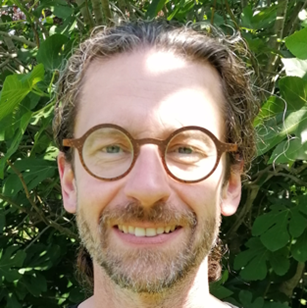
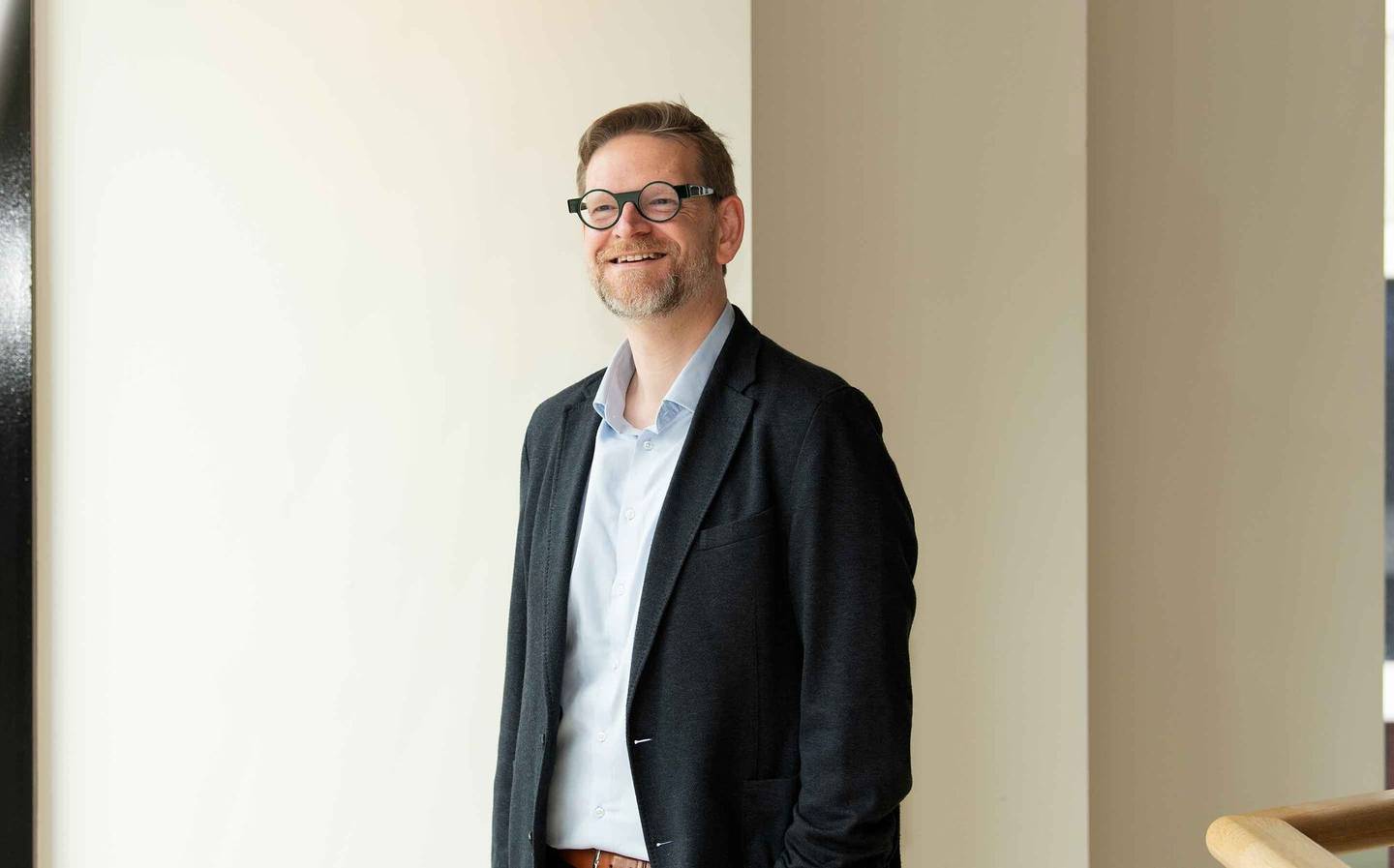
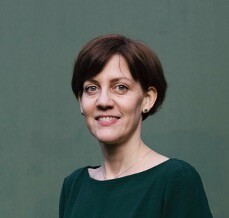
Prof. dr. Nico Van de Weghe is a full Professor of GIScience at the University of Ghent (UGent), affiliated with the CartoGIS research unit. His work bridges computer science, social science, and natural science through geospatial information studies, focusing on enabling machines to reason spatially (GeoAI). Since 2004, he has specialized in knowledge-based AI, particularly spatiotemporal reasoning and moving object analysis, with applications in animal behavior, criminology, healthcare, mobility, and sports. Van de Weghe's research emphasizes hybrid GeoAI systems combining knowledge-driven and data-driven approaches. Keywords include GeoAI, GIScience, Spatiotemporal Analysis, Moving Objects, and Data Mining. Recent publications highlight urban road network analysis, hybrid trajectory modeling, BIM semantic enrichment, and cycling safety studies using virtual reality.
Prof. Dr. Katrijn KLINGELS is a Senior Lecturer at the Faculty of Rehabilitation Sciences , Hasselt University , Belgium. Her work centers on Motivational Control , Developmental Neuroscience , and Pediatric Rehabilitation , with a focus on neurodevelopmental disorders like Cerebral Palsy and Developmental Coordination Disorder . Supervision of 11 ongoing doctorates, including studies on balance control heterogeneity , intensive balance training , and somatosensory deficits in children with motor disorders. Leadership roles in the OMT Bachelor ReKi program and the Examination Board for Rehabilitation Sciences. Her research integrates brain imaging , neuromechanics , and functional assessments to understand motor impairments and design targeted therapies. Current projects include CO-OP interventions for autism , ICP-Move implementation for intellectual disabilities, and muscle fatigue studies in cerebral palsy. She teaches courses like Evidence-Based Clinical Reasoning and Advanced Pediatric Rehabilitation .
Kelly Ickmans is a Professor at the Vrije Universiteit Brussel's Department of Human Physiology and Anatomy, specializing in pain research. She leads interdisciplinary projects addressing chronic pain mechanisms, pediatric pain management, and the neuromusculoskeletal consequences of conditions like chronic fatigue syndrome and hypermobility disorders. Her work integrates clinical research, education, and translational approaches to improve rehabilitation outcomes. Research Focus: Chronic pain pathophysiology, central sensitization, exercise interventions, and pain education for pediatric and adult populations. She has pioneered studies on adrenergic dysfunction in myalgic encephalomyelitis and developed pain science education protocols for cancer survivors. Collaborations: Active in Belgium and internationally, with projects funded by FWO and university grants. Her teams collaborate across physical therapy, neurology, and pediatrics to address comorbidities like pain-sleep disturbances in childhood cancer survivors. Grants & Projects: 10+ active/funded projects including: Epigenetic mechanisms of exercise-induced pain (2024-2028) Pain education for pediatric cancer survivors (PANACEA Study) Rehabilitation paradigms for functional abdominal pain disorders Advising: Supervises 34+ theses and doctoral projects, focusing on clinical research and translational medicine.
Thomas Luyckx is a Visiting Lecturer in the Department of Development and Regeneration at KU Leuven. His work focuses on advanced orthopedic surgical techniques, particularly in knee reconstruction and biomechanics. University: KU Leuven Department: Department of Development and Regeneration Academic Rank: Lecturer Research Interests include: Robot-assisted total knee arthroplasty (TKA) Kinematic alignment strategies for TKA Anterior cruciate ligament (ACL) reconstruction biomechanics Finite element analysis of knee implants 3D patient-specific surgical planning Publication Trends highlight his contributions to evaluating robotic-assisted TKA, kinematic alignment methodologies, and ACL reconstruction outcomes. His work spans clinical studies, biomechanical modeling, and comparative analyses of surgical techniques. Projects involve collaborations on tissue-engineered cartilage repair, clinical outcome assessments, and biomechanical simulations. He serves as co-promotor in ongoing research until 2027.
Robin Lemmens is a Professor at the Faculty of Medicine, KU Leuven, and leads the Laboratory of Neurobiology (VIB-KU Leuven). He serves as head of Academic Consultants Training in Specialist Medicine and Program Director of the POC Medical Specialist in Training. His affiliations include the LBI - KU Leuven Brain Institute and membership in multiple institutional committees including the Metaforum Steering Committee and Faculty Council of Medicine. Dr. Lemmens' research focuses on stroke neurology with particular expertise in neuroimaging, cerebrovascular diseases, and endovascular therapy. His work spans ischemic stroke management, anticoagulation therapy, intracerebral hemorrhage, and advanced imaging techniques for stroke diagnosis and treatment planning. Current research explores AI applications in stroke imaging, optimal timing of anticoagulation after stroke, and endovascular therapy in extended time windows. Analysis of recent publications reveals a strong emphasis on translational stroke research with significant contributions to clinical trial methodology. Key themes include validation of imaging biomarkers, optimization of thrombolytic and anticoagulant therapies, and development of AI tools for stroke lesion segmentation. His work frequently appears in high-impact journals including Stroke , Neurology , and The Lancet . Dr. Lemmens supervises research projects and students, with recent supervision including Oosterbos, C. on peroneal nerve entrapment research. His grant portfolio includes multiple active projects totaling millions in funding, with recent grants focusing on secondary stroke prevention, comprehensive stroke management systems, and AI for stroke outcome prediction. He leads the Laboratory of Neurobiology at VIB-KU Leuven, which collaborates extensively with international stroke research networks. Current research directions include developing patient-centered stroke care pathways, advanced imaging techniques for early ischemic changes, and personalized stroke diagnostics and treatment protocols.
Dogara Ishaya Manomi is an Affiliated Researcher in New Testament at Evangelische Theologische Faculteit (ETF), Leuven, Belgium, and holds concurrent positions as Research Associate at the University of Pretoria (South Africa), Adjunct Lecturer at Gindiri Theological Seminary (Nigeria), and Full-Time Lecturer at Theological College of Northern Nigeria (TCNN). His academic journey includes a PhD with highest distinction from Johannes Gutenberg Universität (Germany), an MA in Linguistics and Bible Translation from TCNN, a Professional Diploma in Education from Ahmadu Bello University (Nigeria), and a Bachelor of Divinity with distinction from Gindiri Theological Seminary. Dr. Manomi's research bridges New Testament studies, African contextual theology, and ethical frameworks. His core interests include virtue ethics in Pauline epistles, decolonizing biblical hermeneutics, theological engagements with African political philosophy, and methodological innovations in African biblical interpretation. His scholarship critically examines themes of gender justice, communal ethics, and theological education within African contexts. Manomi's publications demonstrate consistent focus on New Testament ethics, particularly through the lens of African philosophical traditions. His 15 most recent works (2019-2024) reveal interdisciplinary engagement with virtue ethics (36% of publications), African hermeneutics (29%), and contextual exegesis (21%). Notable thematic clusters include reimagining biblical slavery narratives, Luther's theological relevance to Africa, and methodological critiques of Eurocentric biblical scholarship. While no awards are documented, Manomi maintains active membership in key scholarly societies: Society of Biblical Literature, European Association of Biblical Studies, Evangelical Theological Society, and the Center for Ethics in Antiquity and Christianity (University of Mainz). His editorial contributions include co-editing four volumes addressing theological education, ethics, and Reformation theology in African contexts.
Stijn Viaene is a Full Professor at KU Leuven and Partner at Vlerick Business School, specializing in digital transformation, IT management, and business process innovation. He holds a Doctorate in Information Systems Management from KU Leuven and serves as Programme Director of Take The Lead. His research focuses on leveraging technology (big data, AI, blockchain) for enterprise digitalization, with a strong emphasis on leadership, agility, and business-IT alignment. He is the author of Digital Transformation Know How: Connecting digital transformation, agility and leadership and teaches across MBA, Executive Development, and Digital Leadership programs. Recent work explores AI-driven leadership, blockchain platforms for sustainability, and intra-organizational labor platforms. He also serves as Jury President for the Data News Awards and Board Member at Herita vzw. Education: Doctor in Information Systems Management (KU Leuven). Research interests include digital innovation ecosystems, process management, and governance frameworks for digital value creation. His articles address topics such as ambidextrous ERP systems, paradox management in transformations, and open innovation in public administration. Advising & Grants: Involved in multiple industry-public sector collaborations. Notable projects include blockchain-based water trade platforms and frameworks for sustainable digital ecosystems. His work bridges academic research with practical business applications through case-based teaching and action design research methodologies. Labs/Teams: Active in Vlerick’s Digital Transformation and IT Management research groups, contributing to initiatives like the Digital Leadership programme and strategic consulting for global organizations.
Maria Roszkowska-Menkes serves as Professor at the Louvain School of Management (LSM), Université catholique de Louvain (UCLouvain), Belgium. She is actively affiliated with the Louvain Research Institute in Management and Organizations (LouRIM), conducting research at the intersection of corporate governance, sustainability reporting, and institutional theory. Her institutional base operates within the College of Deans at Place des Doyens 1, Louvain-la-Neuve, where she contributes to LSM's mission of advancing management scholarship through critical organizational analysis. Her research program centers on Corporate Social Responsibility (CSR) evolution, Environmental, Social, and Governance (ESG) disclosure mechanisms, and non-financial reporting frameworks. She investigates how cultural contexts and regulatory environments shape corporate sustainability practices, with particular expertise in German and Polish business ecosystems. Her work employs institutional theory to analyze decoupling phenomena in sustainability reporting, cross-cultural variations in ESG implementation, and the effectiveness of European non-financial reporting directives. Current projects examine institutional investor influences on disclosure quality and the translation of sustainability rhetoric into operational practices. Analysis of her recent publications reveals a methodological emphasis on comparative institutional analysis, with increasing focus on the implementation gaps between regulatory requirements and corporate practices. Her scholarship demonstrates consistent engagement with critical questions about greenwashing mechanisms, cultural contingencies in CSR adoption, and the political economy of sustainability reporting. The trajectory shows deepening exploration of how varieties of capitalism frameworks explain divergent corporate responses to global sustainability challenges. Maria Roszkowska-Menkes operates within the Louvain Research Institute in Management and Organizations (LouRIM), a multidisciplinary hub fostering research on contemporary organizational challenges. This institute provides the collaborative environment for her investigations into governance-sustainability linkages, supporting both theoretical development and policy-relevant scholarship through its network of European management scholars.
Dr. Roberta Vella Azzopardi is an active gerontology researcher affiliated with Vrije Universiteit Brussel (VUB) as an unpaid employee in the Gerontology department. She is a core member of the Gerontopole Brussels Study group, focusing on frailty assessment and aging research in the oldest old population (80+ years). Her research interests center on frailty assessment , cognitive aging , physical function in elderly , hearing and cognition relationships , and activities of daily living . Her work demonstrates a strong emphasis on operationalizing concepts like cognitive frailty and understanding the complex relationships between physical and cognitive decline in advanced age. Dr. Vella Azzopardi's publication record shows consistent research productivity since 2014, with particular intensity between 2018-2022. Her work spans multiple methodologies including systematic reviews, cross-sectional analyses, and longitudinal studies like the BUTTERFLY study. The research demonstrates strong interdisciplinary connections between geriatrics, audiology, cognitive science, and rehabilitation medicine. Her scholarly impact includes an h-index of 9 with 1029 citations according to Scopus data. Her work has been presented at numerous international conferences, with research activities spanning from 2015 to 2020 as documented in the institutional repository. Dr. Vella Azzopardi completed her PhD thesis in 2022 titled 'Cognitive frailty: Operationalisation of the concept and the study of comorbidities as possible risk factors,' representing a significant 388-page contribution to the field. Her research has gained attention with mentions in news outlets and substantial readership on academic platforms like Mendeley.
Ronny Bruffaerts serves as a Professor at KU Leuven's Faculty of Medicine within the Department of Neuroscience. He leads the Psychiatry Research Group (ON5 unit) and holds significant institutional roles including membership on the Faculty Council of Medicine, Doctoral Committee for Medicine, and Departmental Council of Neurosciences. His work is integrated with major university institutes including the KU Leuven Brain Institute (LBI) and the Institute for Child and Youth (LC&Y). Primary Affiliation: Psychiatry Research Group, Department of Neuroscience Institute Memberships: KU Leuven Brain Institute, Institute for Child and Youth Governance Roles: Faculty Council, Doctoral Committee, Departmental Council Bruffaerts' research focuses on psychiatric epidemiology with specialization in emergency psychiatry, research methodology, and psychological diagnostics. His work examines mental health patterns in college student populations globally through the World Mental Health International College Student initiative. Key investigations include suicidal behavior trajectories, mental disorder comorbidity, childhood adversity impacts, and LGBTQ+ mental health disparities across diverse cultural contexts. His methodological expertise spans longitudinal modeling, cross-national survey design, and machine learning applications for risk prediction. Analysis of his recent publications reveals dominant research trends in global college student mental health, with emphasis on longitudinal disorder progression, cross-cultural comparisons of mental health service utilization, and innovative applications of machine learning for suicide risk prediction. His work consistently leverages large multicountry datasets from the World Mental Health surveys, demonstrating strong methodological rigor in epidemiological study design. Bruffaerts actively leads multiple major research projects including: Psychische stoornissen bij transplantatiepatiënten (2025-2029) Middelengebruik en -misbruik bij universiteitsstudenten (2023-2027) Evaluatie van Psychiatrische High and Intensive Care in België (2023-2027) Perinatale depressie: Van prevalentie tot preventie (2022-2026) His projects typically involve international collaborations and focus on translating epidemiological findings into clinical practice improvements, particularly regarding mental health monitoring systems and innovative care models. He contributes to mental health infrastructure through development of the public health monitor for mental health (2022-2024) and evaluation of psychiatric high-care models in Belgium. His work bridges population-level epidemiology with clinical implementation, particularly in emergency psychiatry contexts and university mental health services.
Stefaan Six is a Guest Professor at Katholieke Hogeschool VIVES and holds a PhD in Public Health (University of Liège) and Social Health Sciences (Vrije Universiteit Brussel). His research focuses on palliative care, pain assessment during sedation, cultural diversity in healthcare, and psychosocial aspects of care. He has published extensively on topics like palliative sedation validity, diabetes care challenges, and neurophysiological monitoring in terminal care. Education: Public Health PhD, University of Liège (2020) Social Health Sciences PhD, Vrije Universiteit Brussel (2020) Master in Anthropology, Ghent University (2000) Psychology Diploma, Ghent University (1997) Research Interests: Assessment of pain/discomfort during palliative sedation Cultural sensitivity in healthcare practices Qualitative methodologies for sensitive research Psychosocial support in terminal and chronic illnesses Recent Articles Highlight Key Themes: Neurophysiological monitoring for sedation accuracy Cultural challenges in diabetes management Aggression management in mental healthcare Cross-cultural palliative care approaches Scientific Awards: 2021 Fellowship for contributions to palliative sedation transparency research Grants & Supervision: Supervised multiple projects on palliative care innovation and terror attack mental health impacts Active in editorial roles (e.g., PLoS ONE) Labs/Teams: Member of interdisciplinary palliative care research networks Collaborates with institutions on global health equity initiatives
Carina Gerritzen is a researcher at the Faculty of Sciences, Vrije Universiteit Brussel, specializing in archaeological sciences and geochemistry. Her work focuses on strontium isotope analysis to study human mobility, diet, and environmental interactions in prehistoric and historical contexts. She contributes to initiatives like the IsoBel strontium isoscape project for Belgium and collaborates internationally on bioarchaeological studies. Gerritzen has received notable awards, including the BioArCh 'Gamechanger' prize and recognition for her methodological innovations in isotope analysis. Her research integrates archaeological, geological, and chemical data to reconstruct lifeways and environmental baselines, with applications ranging from cemetery studies to dietary reconstruction. Education: Doctoral scholarship in Archaeology, Environmental Change, and Geochemistry; Doctorate in Chemistry Awards: 1st Prize for Young Researchers (2024), BioArCh Gamechanger Prize (2024), Strontium Isotope Innovation Award (2022) Her research interests emphasize multi-isotope approaches to analyze human and animal remains, with a focus on resolving questions about migration, subsistence strategies, and technological practices. She has pioneered methods for interpreting strontium isotope data alongside environmental baselines and has co-authored over 30 peer-reviewed publications. Gerritzen actively participates in fieldwork, dataset creation (e.g., IsoArcH database), and academic hosting programs to foster international collaboration. Notable projects include reconstructing prehistoric lifeways in Spain, analyzing cremation urns in Slovenia, and developing high-throughput analytical techniques for strontium isotopes. She collaborates with institutions across Europe and has presented at major conferences such as the UK Archaeological Sciences Conference.
Stefanie Keulen is a Professor at the Brussels Center for Language Studies, Vrije Universiteit Brussel (VUB). Her research focuses on neurolinguistics, aphasia, and cerebellar contributions to language. She holds a PhD in Linguistics and Literature (2017) and a Master's in Semantics and Down Syndrome (2013). Her work explores speech disorders, bilingual language processing, and neurorehabilitation techniques like tDCS. She leads projects on Primary Progressive Aphasia and cerebellar dysfunction, with funding from grants like FWOWO44 and CONI822. Awards include the Guillaume Duflou Prize (2017) and I. Vanderschuerenprijs (2022). She advises students like Silke Coemans and Paolo Savieri, and collaborates internationally on studies involving Greek-Turkish bilingualism and pediatric language disorders. Her 43+ publications span journals like The Cerebellum and Journal of Alzheimer's Disease Reports . She actively participates in conferences and media engagements, explaining topics like Foreign Accent Syndrome and stuttering research. Education: PhD (2017), Master's (2013) Affiliations: Brussels Center for Language Studies, VUB Grants: FWOWO44, FWOTM1214, BASGO3 Labs/Teams: BCLS Research Group, Primary Progressive Aphasia Network
Dr. Ann DeSmet is an Associate Professor in the Department of Public Health and Primary Care at Ghent University's Faculty of Medicine and Health Sciences. With a PhD completed in 2015 on adolescent bystander behavior in cyberbullying and serious digital games for health promotion, she has established herself as a leading researcher in digital health interventions for adolescent populations. Her research primarily focuses on cyberbullying prevention and physical activity promotion through innovative digital approaches. Dr. DeSmet specializes in developing and evaluating serious games, exergames, and mobile health applications designed to encourage healthy behaviors among youth. Her work examines user engagement, behavior change techniques, and the effectiveness of digital interventions across diverse adolescent populations. Analysis of her recent publications reveals a strong trajectory in evaluating digital health tools, with particular emphasis on validation studies for activity trackers, systematic reviews of serious games, and cluster-randomized controlled trials of narrative-driven exergames. Her research spans multiple disciplines including public health, behavioral science, computer science, and psychology, demonstrating interdisciplinary approach to health promotion. Dr. DeSmet has supervised PhD students including Ayla Schwarz (2019) and Carmen Peuters (2022), indicating her active role in mentoring the next generation of researchers. She maintains extensive collaborations with colleagues at Ghent University, particularly with Ilse De Bourdeaudhuij (45 co-authored publications), Greet Cardon (18), and Geert Crombez (11). Her research has been supported through multiple projects including the SmartLife initiative, which combines exergames and smart textiles to promote energy-related behaviors among adolescents. She has also contributed to large-scale international studies examining adolescent health behaviors across multiple countries.
Lenka Benova is a Professor and Unit Head in Reproductive and Maternal Health at the University of Antwerp. Her research focuses on health-seeking behavior, maternal health, and healthcare equity in low- and middle-income countries. She holds advanced degrees from the London School of Hygiene & Tropical Medicine (MSc Demography/Health, PhD Population Health) and an MA in Middle East Studies from the American University in Cairo. Dr. Benova has extensive field experience, including roles with Médecins Sans Frontières and leadership in eldercare startups. Her work emphasizes methodological innovation, such as using geospatial tools to assess healthcare access and analyzing large-scale demographic datasets. She actively contributes to global health policy through evidence-based research on maternal mortality, violence against women, and the impacts of climate change on perinatal outcomes. Her publications span over 180 peer-reviewed articles, with recent focus areas including emergency obstetric care access, stillbirth mortality patterns, and the intersection of intimate partner violence with maternal mental health. She supervises PhD students and teaches on Masters programs, emphasizing translational research that bridges academic inquiry with real-world health system challenges.